

You’ll see the same thing on practically every checkout page you visit. There are tiers & bundles, add-ons and comments about easy payments, as well as limited-time discounts that are all stacked on top of each other. They don’t seem like a lot individually.
However, many Americans are realizing just how expensive these are when you take them all together. They’ve decided they’re not going to bother. Here are eight spending habits that Americans say make no sense anymore, and the reasons why.
Automatically Upgrading to Premium Versions of Everything
The premium option somehow became the default option for almost all purchases, and when you open an app, you’ll find the “better” version is right there, front & center. It’s the same with hotels encouraging you to buy the room with an enhanced view for more money, along with mid-size upgrades that are only a “little” extra at the rental car counter.
Choosing premium became the norm for so many Americans. But now they’re wondering whether there’s any point, especially since they’re not always sure about what they’re getting for the extra price. Sure, the extra storage or priority support sounds useful, yet the truth is that it rarely matters.
Treating Sales as Permission to Spend
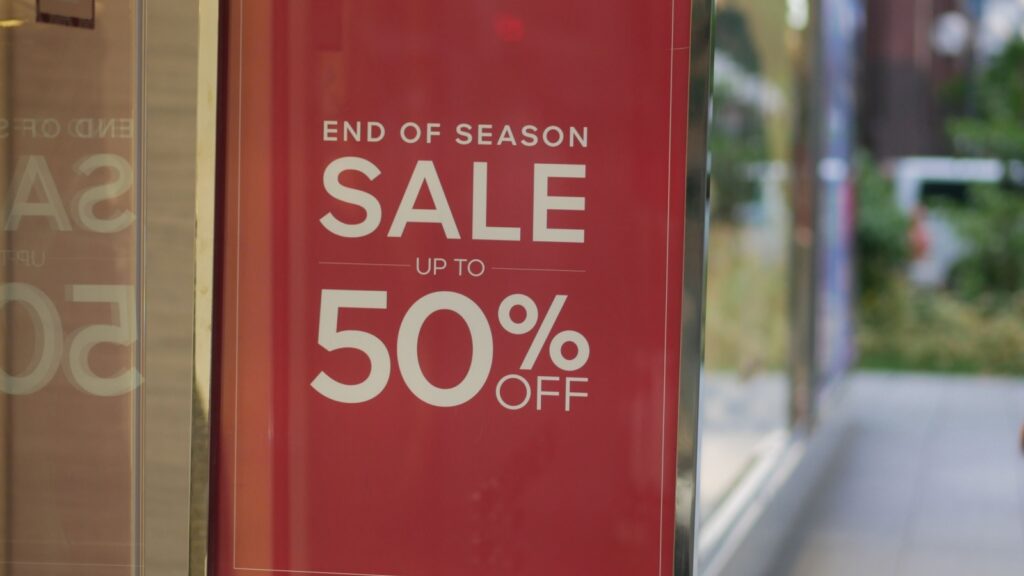
There’s quite a big difference between needing something and simply seeing a red tag. Unfortunately, lots of shoppers have admitted that they’ve blurred the line, mostly because a 50% discount seems like an opportunity. It doesn’t matter that the item itself wasn’t on their shopping list.
The math looks good on the receipt because you see how much you saved, so you feel like you made the right decision. But you would’ve saved more by not buying it at all. That’s why so many Americans have decided they’re not going to be persuaded by sale signs, and they’re going to stick to buying only things they’re actually looking for.
Defaulting to Brand Loyalty Without Price Checking

There used to be a time when brand loyalty was actually a sign of reliability, so you’d stick to the same product, seemingly forever. Not so much anymore. These days, store brands are right next to the same national brands, and they’re often made in the same facilities. They may even have the same ingredient lists. So why pay more for the same product?
A lot of American shoppers say they hadn’t compared the prices between the two in years, and they’ve come to realize that they were simply paying out of habit. They now understand that it’s better to test alternatives instead of relying on the same brand.
Financing Small Purchases That Could Be Paid in Cash

Installment plans are an option on almost every purchase you make, whether big or small, and it can feel quite tempting to spread your payments over several months. It feels harmless enough because the first payment is often relatively small. However, some shoppers admit that it once started as a convenience, but became an issue of multiple due dates throughout the months.
They understand there’s no need to split payments for things that weren’t that expensive to begin with. That’s not to say that they’ve ditched installment plans entirely, but rather, they’re only doing it for things they can’t pay for directly in cash.
Habitually Upgrading Home Decor With Trend Cycles

It’s no secret that home trends move rather quickly. One year, farmhouse is popular, and the next, it’s minimal, then soon enough, warm earth tones have made a comeback. Social media makes it seem like you have to keep every part of your home updated with the latest & greatest. Yet recently, people have understood there’s no point in replacing things that aren’t broken.
Changing your home because of a new trend isn’t a good enough reason. After all, you end up with boxes in the garage of last year’s stuff that’s perfectly usable, aesthetic aside. Many Americans have decided they’re going to stick to replacing only things that need to be fixed.
Buying in Bulk Because It Feels Cheaper
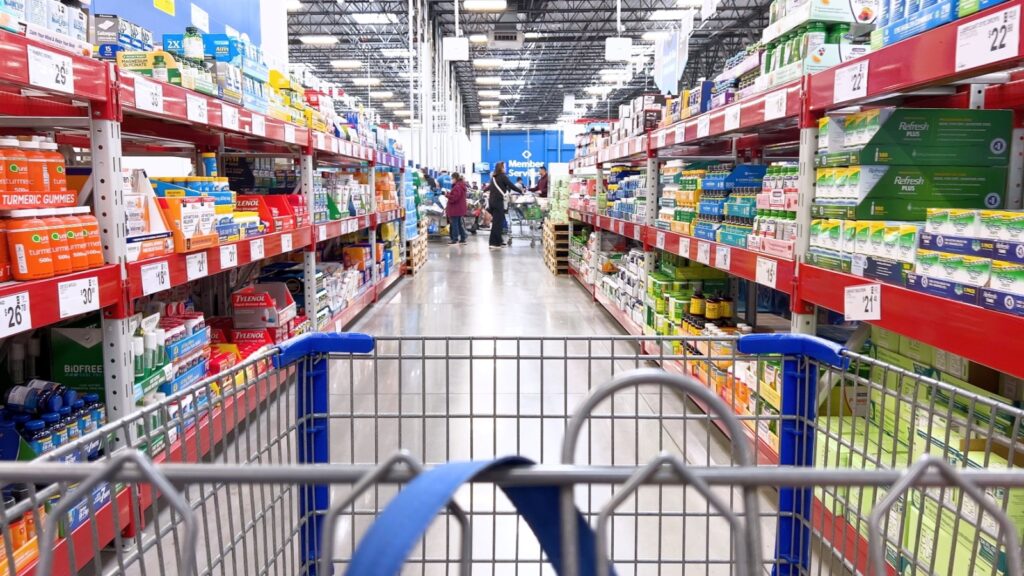
Yes, warehouse stores make you feel like bulk buying is the responsible thing to do, especially since the unit price sign says that you’re getting a deal. You start filling your cart with stuff, as though you’ve planned ahead. However, the truth is that a lot of bulk-bought food goes stale quite quickly, while cleaning supplies simply take up valuable shelf space.
The price itself isn’t the issue. Rather, it’s the sheer quantity of stuff, and the lower cost for each unit is only important if you use all of the product. It’s simply wasted space that you’ve prepaid for otherwise.
Habitually Adding Add-Ons at Checkout

Every checkout page you visit is built to offer you one more thing, like an extended warranty or shipping protection, perhaps gift wrap. The company will tend to frame it as something small compared to the total. As such, agreeing to buy it feels easy, and you don’t really notice how often you agree to the add-ons without thinking.
You might find that you’ve bought faster delivery for items that arrived in three days anyway, or bought warranties that you never activated. Let’s not forget about the protection plans for items that the manufacturer’s guarantee already covers.
Buying Duplicates to Be Safe
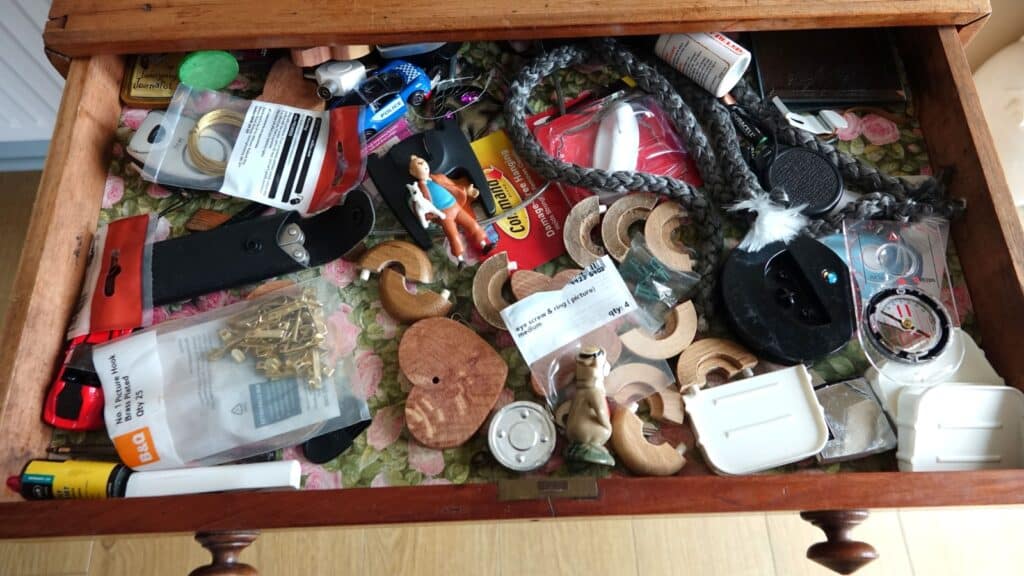
Buying duplicates when they’re on discount seems like a smart idea at the time. It starts with an extra charger or backup water bottle, then it progresses to an extra pack of batteries just in case, and drawers full of duplicates. You’re worried about what’ll happen if your possessions break or run out. But really, you should be worried about how much you’re spending on extras.
You’ll probably find all those unopened backups months later, and it really doesn’t make sense to hold onto them because the emergency will likely never come. Instead, you’ll be stuck with extra clutter & payments for stuff that you didn’t really need to buy.
9 Things Middle-Class Families Do That Rich People Find Strange

Money doesn’t just change what people can afford; it literally changes how they think. Here are a few everyday habits that make rich people quietly blink in confusion.
9 Things Middle-Class Families Do That Rich People Find Strange