

A lot of homes feel normal, but that doesn’t necessarily mean that they feel calm. A lot of what affects your mood comes from how the light hits the walls or how the air’s sitting in your room, and these things are quite easy to overlook. That’s what makes them so bad for your sense of calm. Here are eight things in your home that could be raising your stress levels, and why.
Lighting that’s too harsh or too dim
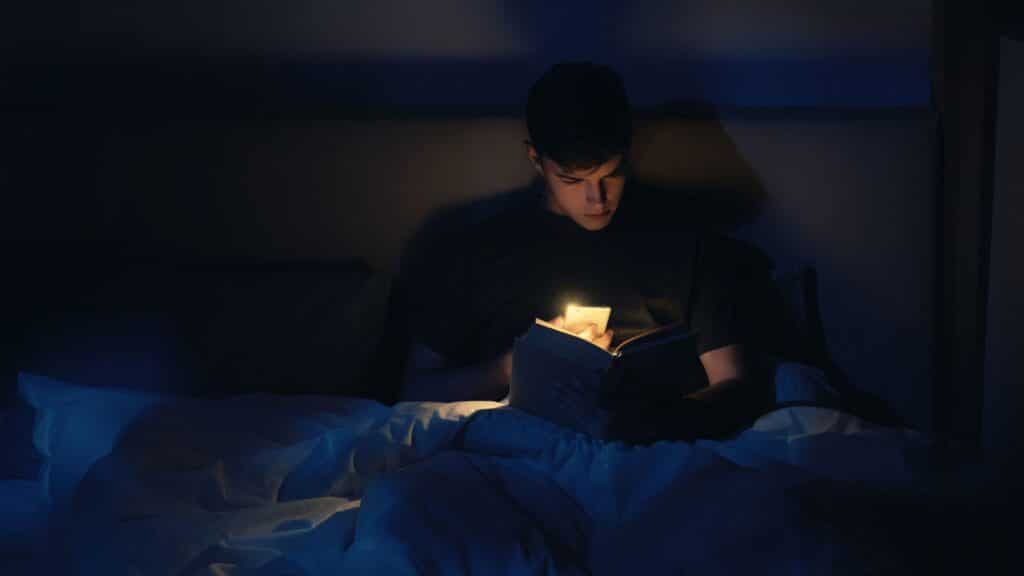
You might notice how flat everything looks when you walk into a room with a bright & cool-toned ceiling light. It’s not the kind of light that spreads everything evenly. No, it drops straight down to create sharp edges that don’t exactly help your mood. But that doesn’t mean a room that’s too dim is any better.
In those kinds of rooms, the corners fade out, so you’re left squinting at the details, and neither a dim nor harshly lit room is good for your eyes. Your body continually reacts to the change in light, especially at night. That’s a time when softer & warmer light feels a lot more natural.
Too many visual reminders of tasks
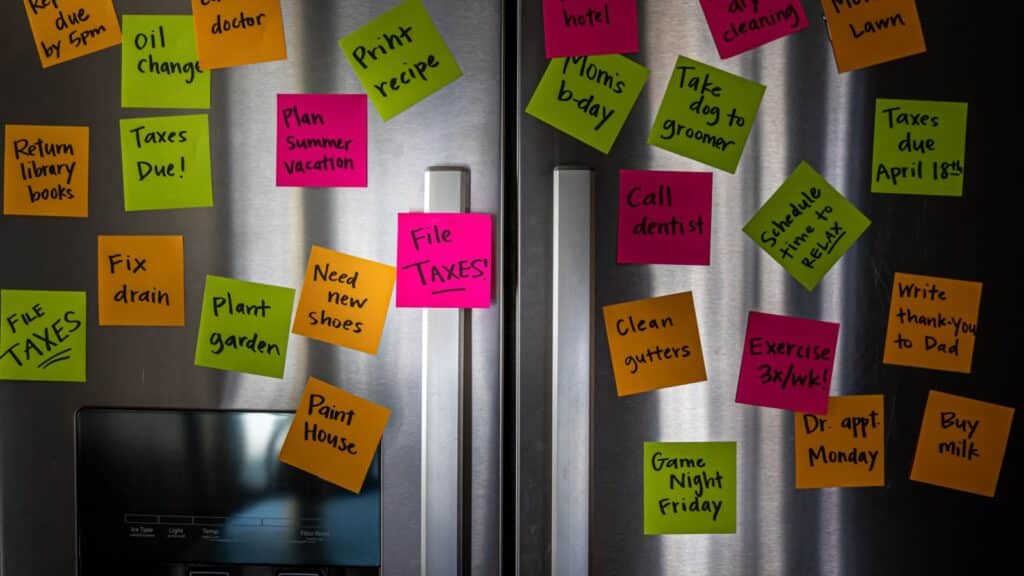
Task lists usually start small. You might put a few notes on the fridge and have a pile of envelopes on the counter, but over time, those things stop blending into the background. Now, your eyes keep catching words & numbers. Your subconscious mind recognizes how many unfinished items you have left around the house, even when you don’t stop to read them.
Each item registers in your brain. Soon enough, the room becomes something that keeps asking for your attention, despite the fact that your brain is trying to switch off. Don’t be surprised to find out that you’re feeling a lot more stressed.
Mirrors in the wrong places
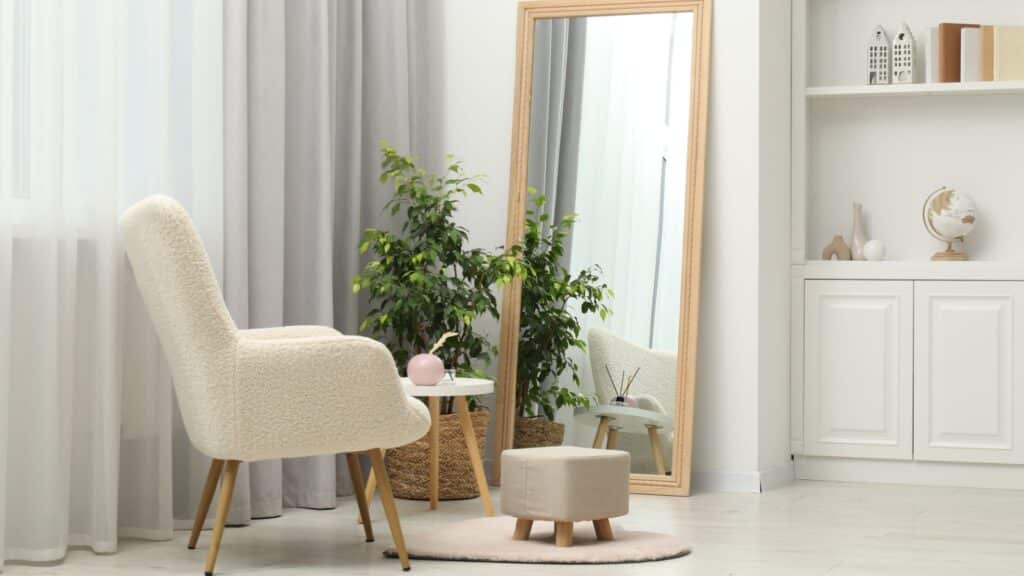
A mirror that’s positioned across from where you are can keep pulling you back into your own reflection. Sure, you might not recognize it yourself, but every time you catch a glimpse of yourself, you probably start adjusting yourself. You’ll change your posture & expression to make sure that you look “right.” That’s not all, though.
Mirrors also double any movement in the room, so a simple walk across feels like a lot more activity than it actually is. Such extra visual input can cause problems in tighter places like hallways or bedrooms. It makes the whole area feel a lot less still, and that’s not great for your brain.
Poor air quality or stale rooms

You might not be able to explain it immediately, but some rooms feel heavy. It’s usually because the windows stay shut and the fabrics hold onto moisture. The air doesn’t really move, so by the end of the day, it feels as though the room has already been used up. There are likely lingering smells & a slightly closed-in feeling that sticks in your throat.
It’s an especially common problem in bedrooms, as they’re often filled with soft materials and tend to get less airflow than other areas in your house. If you’re feeling a little trapped in your bedroom, this is probably the reason why.
Too many competing scents

Yes, a single candle in the evening feels relaxing. Then you add in a scented cleaner & laundry detergent, as well as whatever’s cooking, and the air soon feels a lot busier than it should be. The worst part is the fact that smells mix together instead of layering neatly. Your brain is unable to separate the smells all that cleanly.
Rather than a single clear scent, you have a blend that’s hard to ignore, and even the most pleasant of smells may start to feel overwhelming. That causes issues for your brain. It feels as though everything has become too mentally busy, so your brain can’t truly relax from that sensory overload.
Spaces that serve too many functions
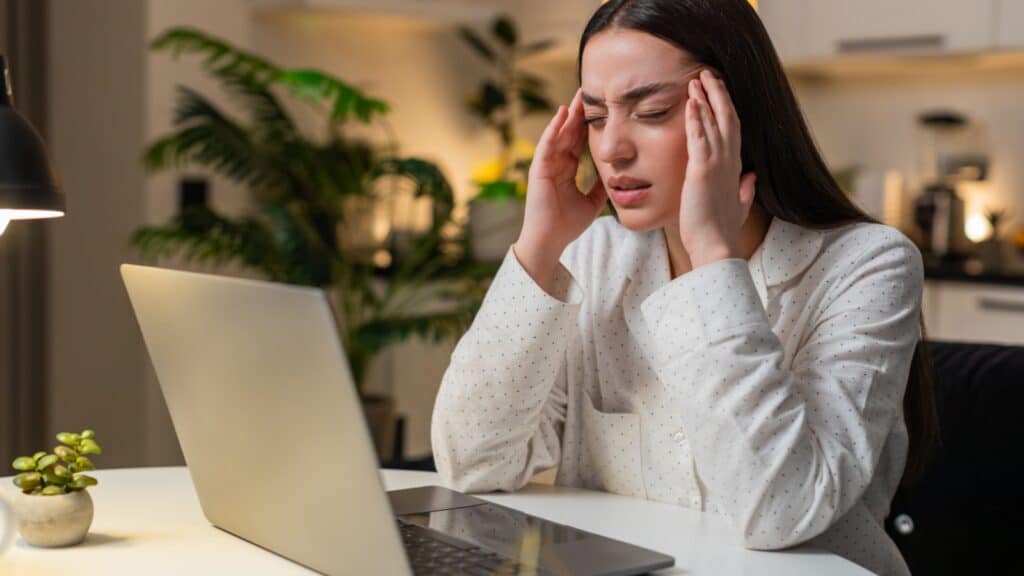
A lot of homes blur lines without meaning to. You might answer at the same time where you eat, and scroll on the same couch where you try to relax, meaning that the space never really changes. Your brain fails to fully switch modes. Instead of simply being a chair, a chair becomes a place where you complete all of your tasks, and everything overlaps.
That makes it a lot harder to separate the feeling of being done for the day from needing to still do something. You’re never actually able to truly switch off, and that’s hardly good for your sense of relaxation.
Clocks in every room
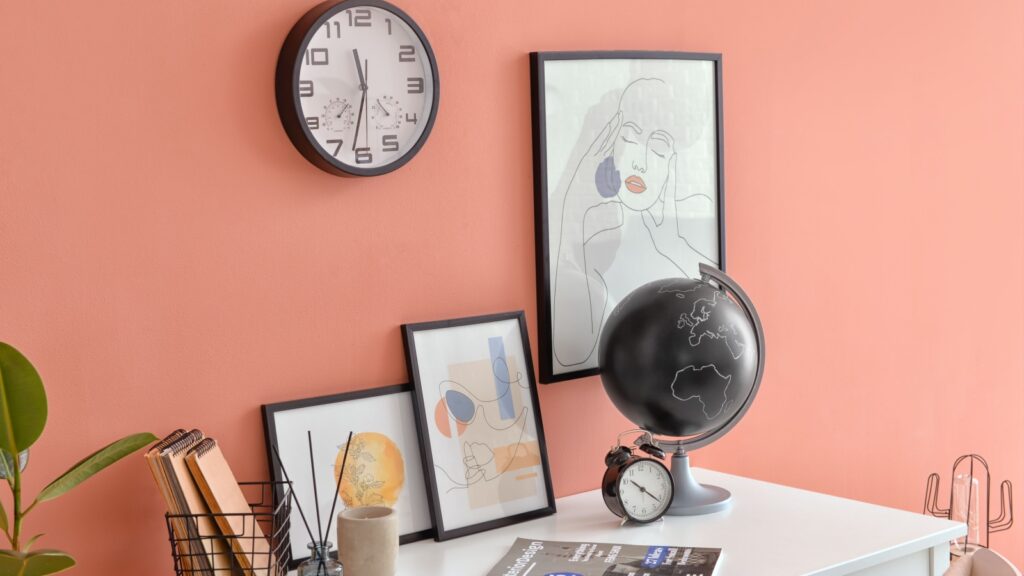
A house with clocks in every room is a house where time is everywhere. You don’t have to look to see what time it is because it’s already there, and once it’s in your line of sight, you tend to check it without thinking. Seeing a clock on the wall & glowing from screens means you’ll likely struggle to sit down and relax.
After all, you’re constantly noticing what time it is and how much time is left. You’re always being reminded of what’s coming next. It soon creates a sense of movement in the background of everyday life, regardless of whether something urgent is happening.
Overly busy patterns
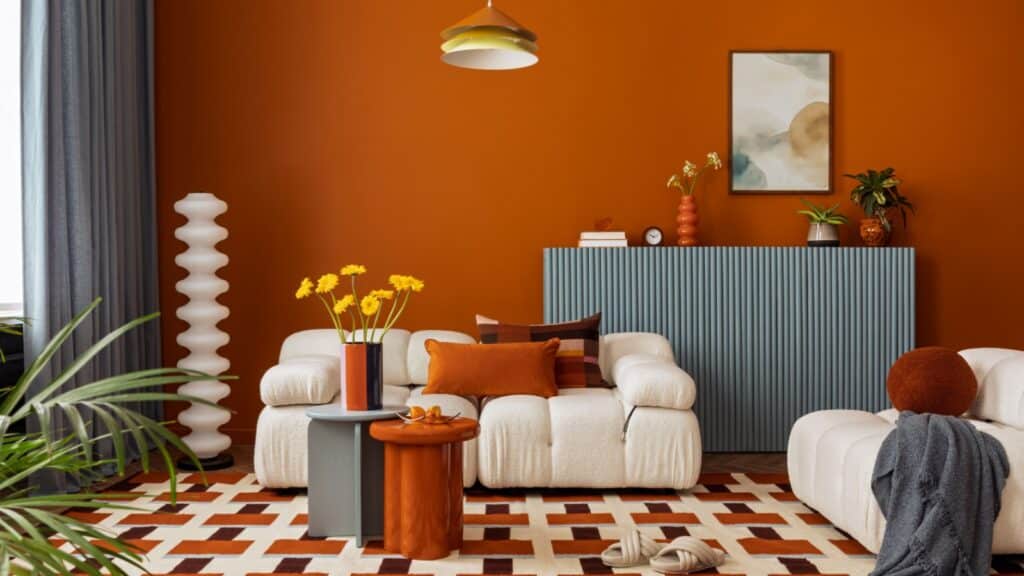
Unfortunately, quite a few patterns hold your attention instead of fading into the background, such as bold rugs or detailed wallpaper. There’s always something for you to keep looking at. You might not be trying to focus on anything, but your eyes keep tracing shapes and lines. They notice the contrasts.
Several of these patterns sitting close together may cause you to feel as though you’re in a room that’s always switched on. Having these patterns in smaller spaces makes the experience even worse. Now, the room no longer feels calm or even still, regardless of how organized everything might be.
18 Times Technology Made Life Worse Instead of Better

Who decided the fridge needs Wi-Fi to do its job, or that your toilet should think for itself? Not us. Here are 18 instances where technology has made life worse instead of better. That’s not to say all technology is bad, but it’s certainly not perfect.
18 Times Technology Made Life Worse Instead of Better