
Walk into almost any office, family dinner table, or community group today, and you will likely find people from at least three, sometimes four distinct generations trying to understand each other. The results can be fascinating, occasionally hilarious, and honestly, sometimes a little frustrating for everyone involved. It is not a matter of one generation being better at communicating than another – it is about the fact that each group came of age in a fundamentally different world, shaped by different technologies, events, and cultural norms.
What we are really talking about here is something deeper than just “old people prefer phone calls.” The differences touch on formality, feedback, trust, humor, and even what it means to show respect. HR and business leaders today face more generational diversity in the workplace than ever before, and with that comes the challenge of understanding and how to use that understanding to build an inclusive culture. So let’s get into it.
Why Generations Communicate Differently in the First Place
Why Generations Communicate Differently in the First Place (Image Credits: Unsplash)
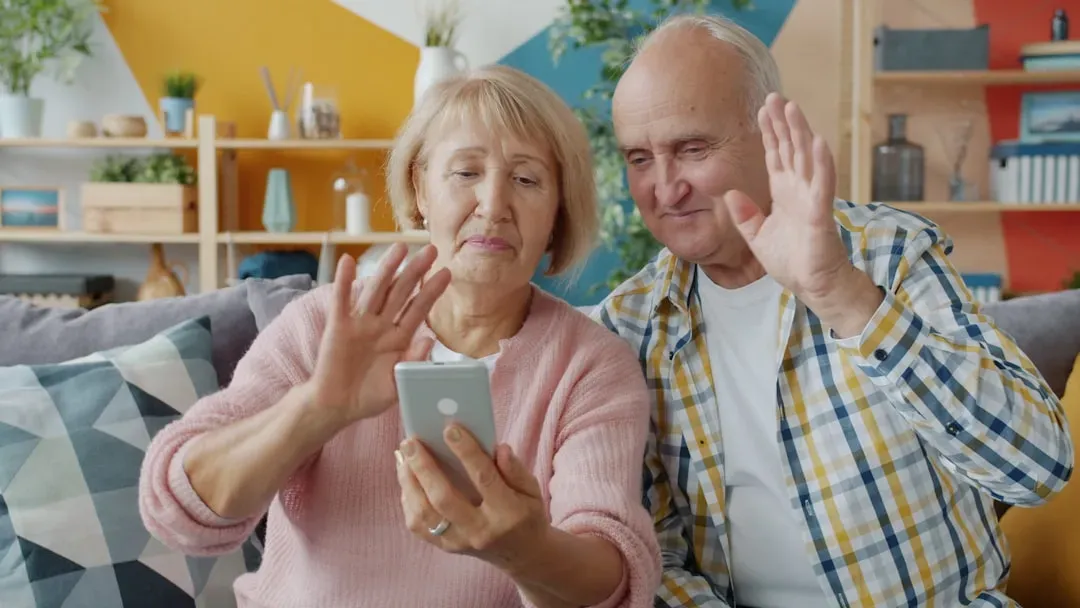
Sociologist Karl Mannheim summarized generation theory back in the 1950s, positing that those born in the same era share a similar set of fundamental experiences, and are significantly influenced by the socio-historical environment and events of their youth. Think of it like a software update – each generation runs on a slightly different operating system, and sometimes the files just don't translate.
Once you understand the technology that each generation grew up with, you will very easily see why they embrace the communication channels that they do. The technology people grow up with shapes the channels of communication that they prefer. It is not stubbornness or ignorance. It is simply wiring. And that wiring runs deep.
Baby Boomers: The Face-to-Face Generation

Baby Boomers: The Face-to-Face Generation (Image Credits: Pexels)
Baby Boomers grew up in an era with limited technology, and therefore relied entirely on traditional communication methods. Viewing it as a sign of professionalism and authority, Baby Boomers value formality and directness when communicating. For them, a real conversation meant being in the same room, looking someone in the eye, and saying what you meant clearly.
Born between the mid-1940s and mid-1960s, Baby Boomers represent a generation with a strong work ethic. They appreciate direct, face-to-face communication and value hierarchy and structure in organizations. Baby Boomers prioritize personal connections and formal communication. They appreciate phone calls, meetings, and memos. I think there is something genuinely admirable about that – the idea that communication is worth slowing down for.
Generation X: The Independent Communicators

Generation X: The Independent Communicators (Image Credits: Unsplash)
Born between the mid-1960s and early 1980s, Generation X experienced both analog and digital worlds. They are often seen as adaptable and self-reliant and prefer efficient communication that respects their time. Generation X prefers straightforward, concise communication. They are, in a lot of ways, the bridge generation – comfortable enough with technology but not dependent on it.
The access to television during Gen X's formative years meant increased exposure to political scandals and institutional failures, which led to an increased lack of trust in institutions, making them a generally skeptical population. It is not uncommon for the Gen X population to question authority, so they appreciate transparency and honesty to build credibility when it comes to communications from leaders and organizations. Those within the Gen X population tend to prefer communications that are to the point and direct, with efficiency being key.
Millennials: Digital-First but Still Human

Millennials: Digital-First but Still Human (Image Credits: Pexels)
Born between the early 1980s and the mid-1990s, Millennials grew up during a technological revolution. They value work-life balance, seek purpose in their careers, and are digitally adept, shaping their communication preferences. Millennials value authenticity and open communication. They prefer interactive platforms like messaging apps, email, and social media. Here is the thing though – Millennials are more nuanced than they get credit for.
Millennials tend to favor frequent feedback and quick, tech-driven communication. They are fine with email but rely more on collaborative, open communication platforms like Slack, Teams, or texting. Millennials will not blindly follow and, perhaps more than any other generation, will not hesitate to voice concerns and opinions during conversation. Similar to Gen X, Millennials like to have continuous feedback, with a predilection for firm deadlines.
Generation Z: The True Digital Natives
Generation Z: The True Digital Natives (Image Credits: Pexels)
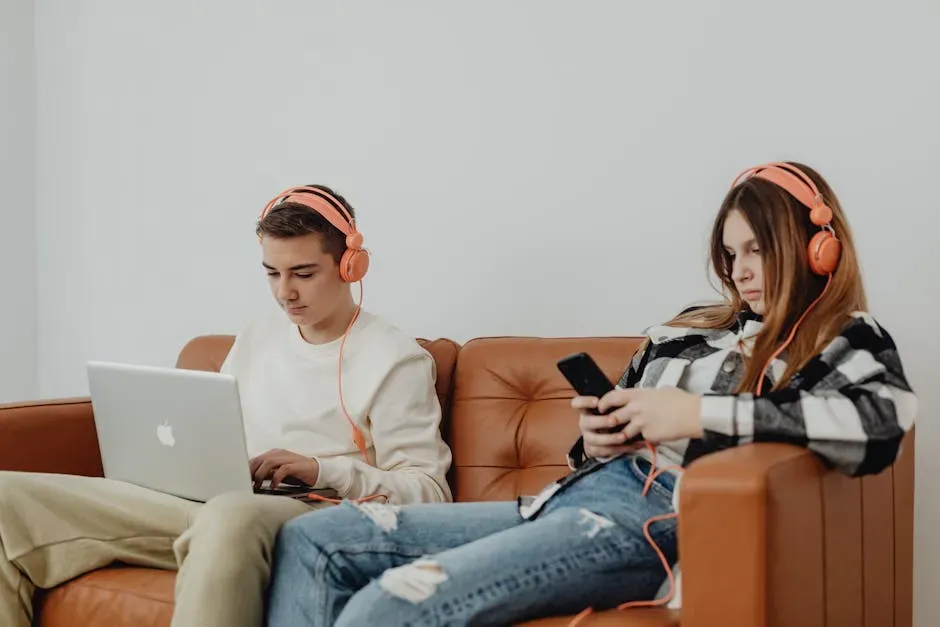
Born from the mid-1990s to the early 2010s, Generation Z are true digital natives. They are tech-savvy, quick learners, and expect instant communication through various digital channels. Growing up with a smartphone practically as an extension of their hand, Gen Z did not just adapt to digital communication – they never knew anything else.
Generation Z often resists mechanized or overly scripted norms, advocating instead for authenticity, inclusion, and values-driven communication in digital workplaces. Their comfort with technology does not result in passive acceptance; young employees readily call out communication they perceive as inauthentic, particularly when it originates from an AI system or a standardized corporate template. That, honestly, is a quality worth paying attention to.
Formality and Tone: Who Says What and How

Formality and Tone: Who Says What and How (Image Credits: Unsplash)
Research shows that the older generations in the workplace prefer meetings and phone calls, while the younger generations tend to favor instant messaging. Older workers are more accustomed to formal communications, while younger employees communicate in shorter, more casual bursts. This gap in formality is one of the most common sources of misunderstanding between generations. What one person reads as casual and warm, another reads as unprofessional or lazy.
For both Millennials and Gen Z, formality increases significantly when communicating with senior leadership or clients. Gen Z is more likely to maintain informality within internal teams but shifts to formal modes when needed, such as in client interactions or when discussing important issues with senior leaders. So the idea that younger generations simply "don't know how to be professional" is a bit of an oversimplification. They know – they just apply formality more selectively.
Feedback Expectations: How Often Is Often Enough?
Feedback Expectations: How Often Is Often Enough? (Image Credits: Pexels)
Gen Z expects constant and immediate feedback, which is crucial for their engagement and productivity. This is a genuinely new dynamic for older managers to navigate. If you grew up in a workplace where annual reviews were the standard, being asked for feedback every week can feel relentless. From the Gen Z side, silence reads as neglect.
Gen Z is even more inclined toward brief, frequent communication. Gen Z often feels that long-form communication disrupts their focus. Millennials are not far behind on this point. Millennials like authentic and fast communications over etiquette and tradition. This generation wants daily communication and plenty of feedback. Honestly, the contrast with Baby Boomers here is striking – a generation that valued annual performance reviews versus one that wants a check-in every Monday morning.
Bridging the Gap: What Actually Works

Bridging the Gap: What Actually Works (Image Credits: Unsplash)
Generational diversity training is proving to be effective, with the vast majority of employees saying it helps teamwork and collaboration. These programs teach employees to adapt to different communication styles. It sounds simple, but adapting is the operative word. Nobody has to abandon who they are – they just need to expand their range.
Mentorship can help connect different ages and share knowledge, with a strong majority of Millennials who have mentors reporting being engaged at work. However, these programs need support, good matches, and clear goals to succeed. The good news is that when generations actually talk to each other with curiosity rather than frustration, studies found that roughly three quarters of people feel closer to those from different generations when they communicate openly, and nearly two thirds of Millennials say talking to older people makes them better communicators.
Every generation believes its way of communicating is basically the right one. That is both the problem and the comedy of this whole situation. The reality is that no single style has a monopoly on effectiveness – the most skilled communicators in any room are usually the ones who can shift gears depending on who they are talking to. What communication style do you find hardest to bridge ? Tell us in the comments.