
Most of us toss things wherever they fit. The batteries go in the junk drawer, the wine bottle sits on the kitchen counter, and the leftover paint can gets shoved into the garage. Convenient? Sure. Smart? Not really. The truth is, a surprising number of everyday household items have very specific storage needs, and ignoring them can cost you money, reduce performance, or in some cases, even create a genuine safety hazard.
From the bottles in your wine rack to the pills in your medicine cabinet, getting storage right matters more than most people realize. Here’s a closer look at seven items that genuinely need more thought than just “put it somewhere out of the way.” Let’s dive in.
1. Wine
1. Wine (Image Credits: Pexels)
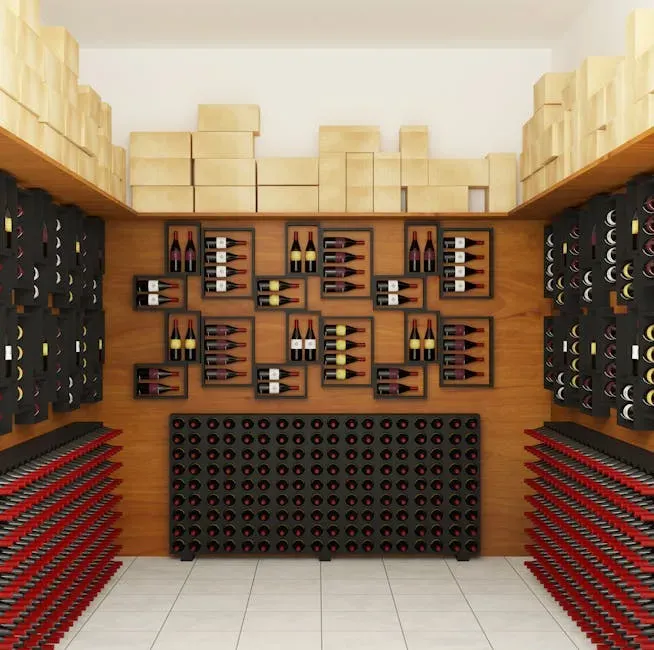
Of all the factors that influence the quality of stored wine, temperature is perhaps the most important. Unsuitably warm or cold temperatures are a sure way to spoil wine. In general, the ideal temperature for both short and long-term wine storage sits around 55°F (13°C). Honestly, most people don't even come close to hitting that number. A warm kitchen shelf or a sunny countertop? Those are recipes for ruined bottles.
Temperature fluctuations can cause the cork to expand and contract, allowing wine to seep out or air to seep in around it. For bottles with corks, it's also important to store wine horizontally in a wine rack. Keeping wine on its side helps keep the cork moist, which is key for long-term storage, as a dried-out cork can cause seepage and premature aging. Light exposure is another often-ignored factor. Direct sunlight or artificial light can react with phenolic compounds in the wine and spoil it.
2. Medications
2. Medications (Image Credits: Unsplash)
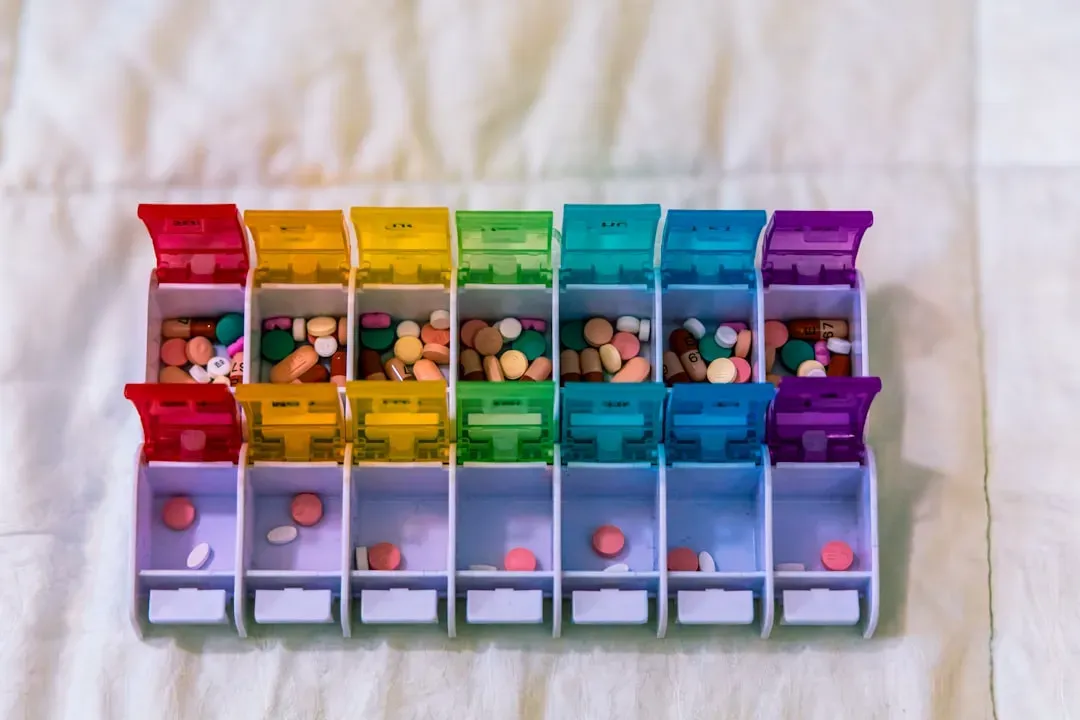
Here's the thing – the bathroom medicine cabinet is probably one of the worst places you can store your medications, despite being the most popular choice. Proper storage is essential to ensure the potency and safety of medications until their expiration date. Different medications have specific storage needs. Some may require refrigeration, others may need to be kept in a freezer, and certain medications must be protected from light. Heat and humidity – both very common in bathrooms – are the main culprits of degradation.
The U.S. Food and Drug Administration describes drug expiration dates as the time period during which the product is known to remain stable, retaining its strength, quality, and purity when stored according to its labeled storage conditions. The date printed on the manufacturer's bottle indicates how long the product remains stable under recommended storage conditions. While expired medications may still possess some effectiveness, their safety and potency cannot be guaranteed. Understanding the risks associated with taking expired medications or those that have not been stored properly is essential.
3. Lithium-Ion Batteries
3. Lithium-Ion Batteries (Image Credits: Pexels)
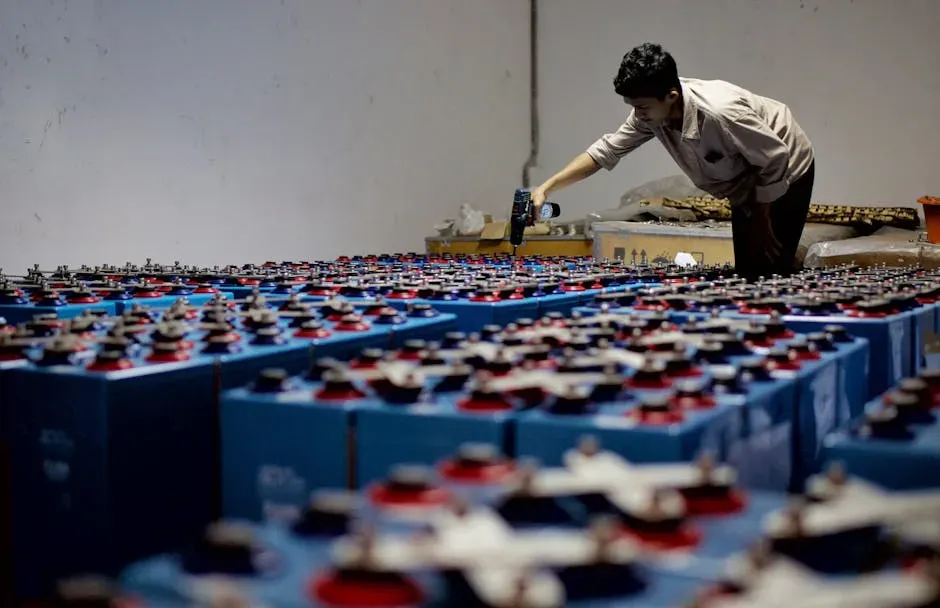
Lithium batteries are everywhere now – in your phone, your laptop, your power tools, your e-bike. Most people just toss them in a drawer or leave them in a garage. When you buy lithium-based batteries, you need to store them properly to ensure that they don't spoil. Storing lithium batteries incorrectly can also be a fire hazard, which is another reason why it's so crucial to store them properly. That's not an exaggeration. This is a real risk, not just a manufacturer warning nobody reads.
You should store lithium batteries in a dry, cool, and well-ventilated place. If you are wondering how to store lithium batteries safely, the most important steps are keeping them in a cool, dry place, away from direct sunlight, and maintaining a partial charge of around 40 to 60%. The optimum storage humidity for lithium-ion batteries is 50%. When the air is too humid, condensation can accumulate between the terminals, which can cause a short in the batteries. In the worst-case scenario, a short can cause the battery to overheat and it may even catch fire. Yep. That's the kind of detail that makes storage suddenly feel very non-trivial.
4. Olive Oil
4. Olive Oil (Image Credits: Unsplash)
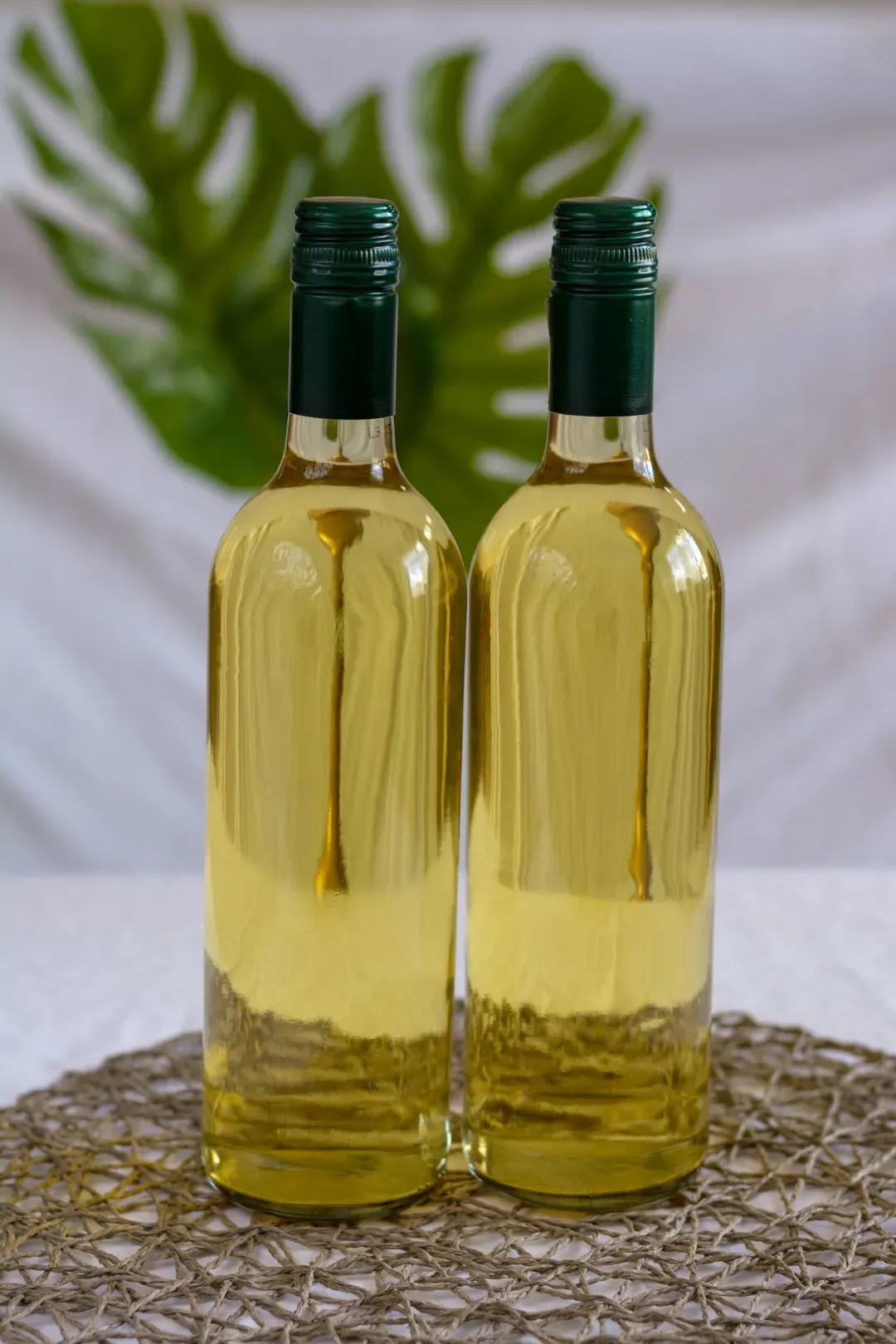
Olive oil is one of those items people tend to display proudly on the kitchen counter, right next to the stove. Aesthetically pleasing. Practically terrible. Light and heat are the two biggest enemies of olive oil quality. Exposure to either causes oxidation, which breaks down the healthy compounds and turns that rich, golden liquid stale and rancid far sooner than necessary. Think of it like leaving a fine chocolate bar on a sun-drenched windowsill.
The ideal storage spot for olive oil is a cool, dark cupboard away from the stove and away from any windows. Temperatures somewhere between 57°F and 70°F (14 to 21°C) are considered optimal. A tightly sealed, dark-colored glass or tin container is far better than a clear bottle left in the open. Most olive oils have a shelf life of 18 to 24 months from production, but improper storage can cut that window down to just a few months. It's a small habit change with a noticeable difference in taste and nutrition.
5. Photographs and Printed Prints

5. Photographs and Printed Prints (Image Credits: Unsplash)
Physical photographs are easy to forget about until they've already faded, yellowed, or stuck together in a sorry little pile. It's hard to say for sure exactly when the damage begins, but the conditions in most homes – fluctuating temperatures, humidity, and light – are genuinely hostile to photographic paper. Heat accelerates color dye fading, while high humidity promotes mold growth and causes prints to stick to each other or to album pages.
Professional archivists recommend storing prints at a stable temperature of around 65 to 70°F and keeping relative humidity between roughly 30 to 50 percent. Acid-free sleeves, boxes, or albums make a significant difference in long-term preservation. Direct sunlight is one of the fastest ways to bleach out a treasured memory. If you have prints from decades past – family photos, old wedding pictures – the conditions they're sitting in right now are likely doing them no favors. A cool, dry, dark space is the gold standard.
6. Coffee Beans
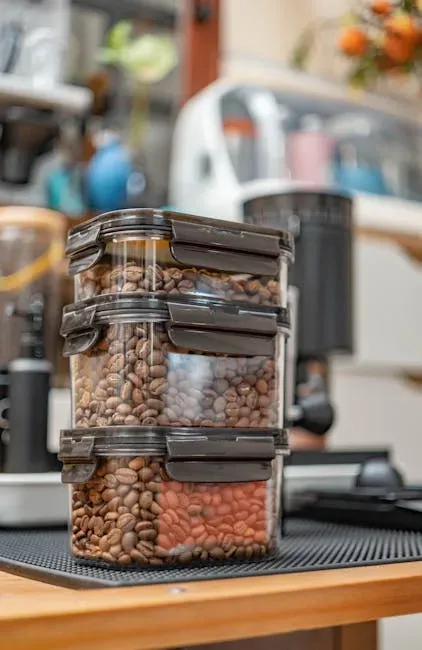
6. Coffee Beans (Image Credits: Pexels)
Coffee drinkers can be passionate people, so it might surprise you how many of them are unknowingly sabotaging their morning brew. Pantry must-haves can last you ages – if stored properly. For coffee beans especially, that caveat does a lot of heavy lifting. Air, moisture, heat, and light all degrade freshly roasted coffee at an alarming rate. Most people store beans in the bag they came in, loosely folded, on the counter near the kettle. That's basically every possible mistake at once.
The best approach is an airtight, opaque container stored at room temperature and away from heat sources. Contrary to popular belief, the freezer is not the answer for everyday coffee beans – repeated freeze-thaw cycles introduce condensation, which is the enemy of good flavor. Ground coffee loses its character significantly faster than whole beans, so grinding just before brewing preserves the aromatic compounds that make a cup genuinely enjoyable. A dedicated airtight canister kept in a dark cupboard is genuinely one of the easiest upgrades a coffee drinker can make.
7. Latex and Acrylic Paint
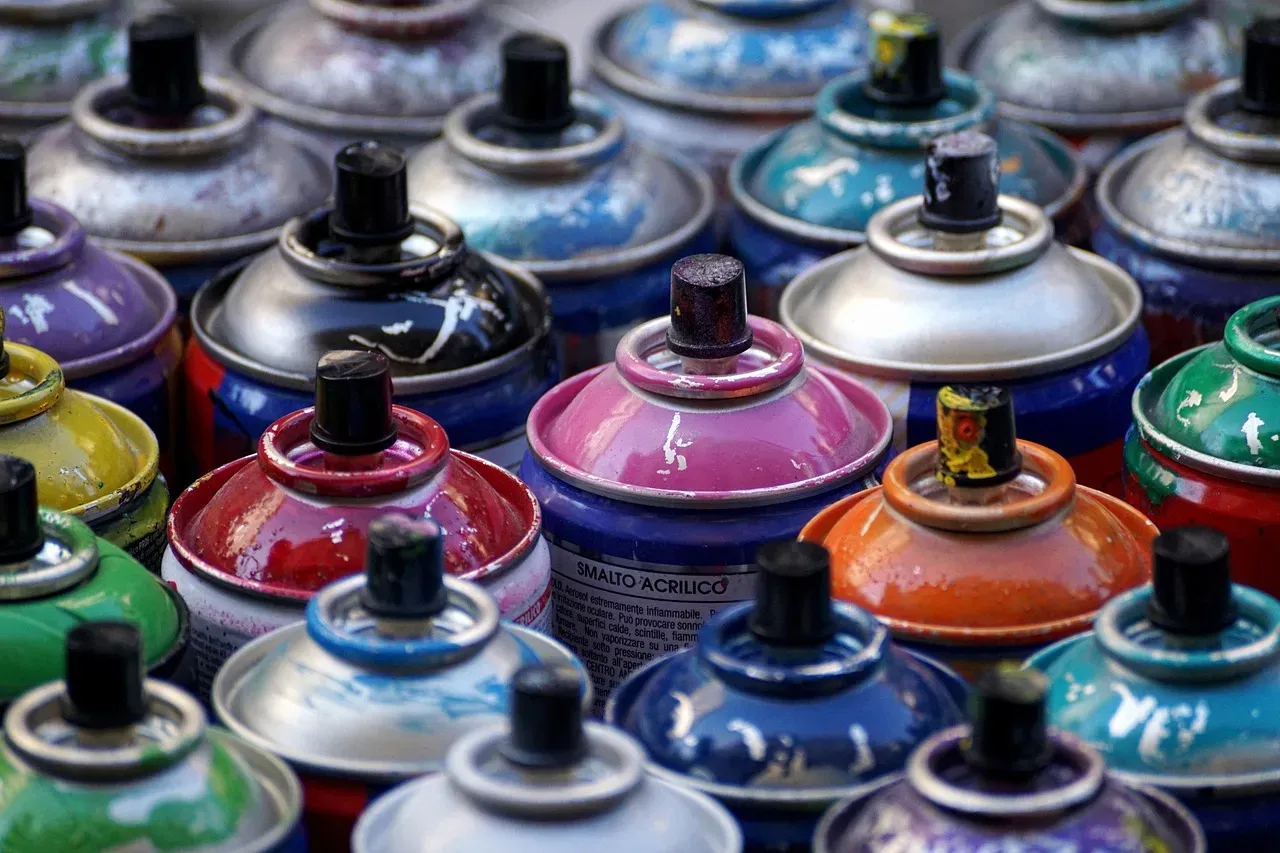
7. Latex and Acrylic Paint (Image Credits: Pixabay)
Leftover paint is one of the most commonly mishandled items in the home. Most people seal the lid and slide it into the garage, assuming it'll be fine for whenever they need a touch-up. The garage, however, is about the worst possible place for it. Latex and acrylic paints are water-based, which means they are highly vulnerable to freezing temperatures. A single freeze-thaw cycle can permanently ruin the emulsion, leaving you with a lumpy, unusable mess instead of a smooth, workable product.
The recommended storage temperature for latex and acrylic paints is generally between 60°F and 80°F (15 to 27°C), in a stable indoor environment free from dramatic temperature swings. Always store cans upside down before sealing, as this creates a tight seal with the dried paint layer and prevents air from getting in. Humidity is also a concern – excessive moisture can cause metal paint cans to rust from the inside, contaminating the paint. A climate-controlled interior closet or utility room is a far better choice than the garage most of us have been using for years.
It turns out that proper storage isn't just about tidiness – it's about preserving quality, extending lifespan, and in some cases, staying genuinely safe. Whether it's a bottle of good wine, a pack of lithium batteries, or a faded family photo, a little attention to temperature, humidity, and light can make a remarkable difference. The next time you're about to stash something "wherever," it might be worth pausing for just a moment to ask if there's a smarter spot. What do you think – are any of these storage habits ones you're going to change? Let us know in the comments.