
Most homeowners are pretty good at spotting the obvious stuff. A burst pipe. A broken window. A roof shingle dangling in the wind after a storm. Those things demand attention immediately, and they get it. The real danger, though, tends to live in the quiet corners. It hides behind walls, seeps through hairline cracks, and drifts invisibly through the air you breathe every single day.
Honestly, some of the most damaging household problems are the ones that give you almost no warning signal at all until they’ve already done serious harm. So let’s talk about the six subtle household issues that genuinely deserve a closer look. Some of these might surprise you. Let’s dive in.
1. Slow, Hidden Water Leaks Behind Walls and Under Floors
1. Slow, Hidden Water Leaks Behind Walls and Under Floors (Image Credits: Unsplash)
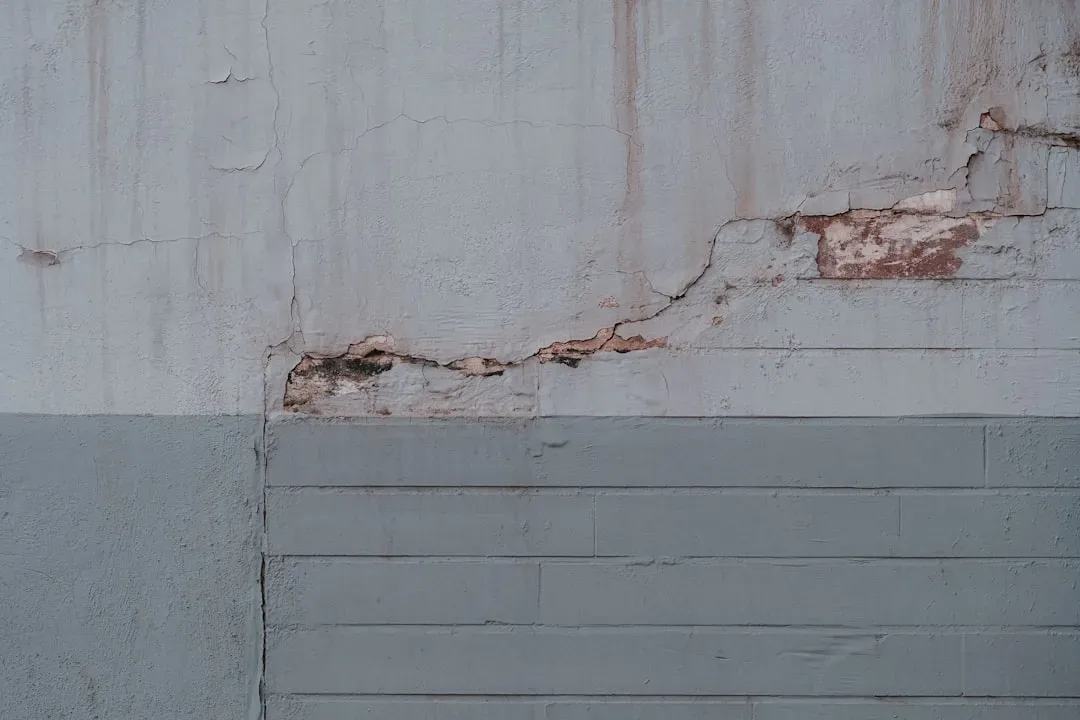
Here's the thing about slow leaks: they are extraordinarily patient. Hidden water damage occurs when moisture seeps into areas you don't normally see, such as behind walls, above ceilings, or under floors. While a massive leak from a broken pipe is easy to notice, a slow trickle can fly under the radar for weeks or months. Think of it like a paper cut that never gets treated. Harmless for a moment, catastrophic over time.
Water can weaken structural materials, cause paint and drywall to bubble or crack, and create the perfect environment for mold and mildew. Left long enough, it can compromise your home's safety and indoor air quality. In some cases, hidden leaks even attract pests that are drawn to moisture. The early warning signs to watch for include higher-than-normal utility bills, sounds of running water when all fixtures are turned off, warm spots on the floor, cracks in the foundation, damp or warped flooring, musty odors, and low water pressure.
2. Foundation Cracks and Shifting Soil
2. Foundation Cracks and Shifting Soil (Image Credits: Pexels)
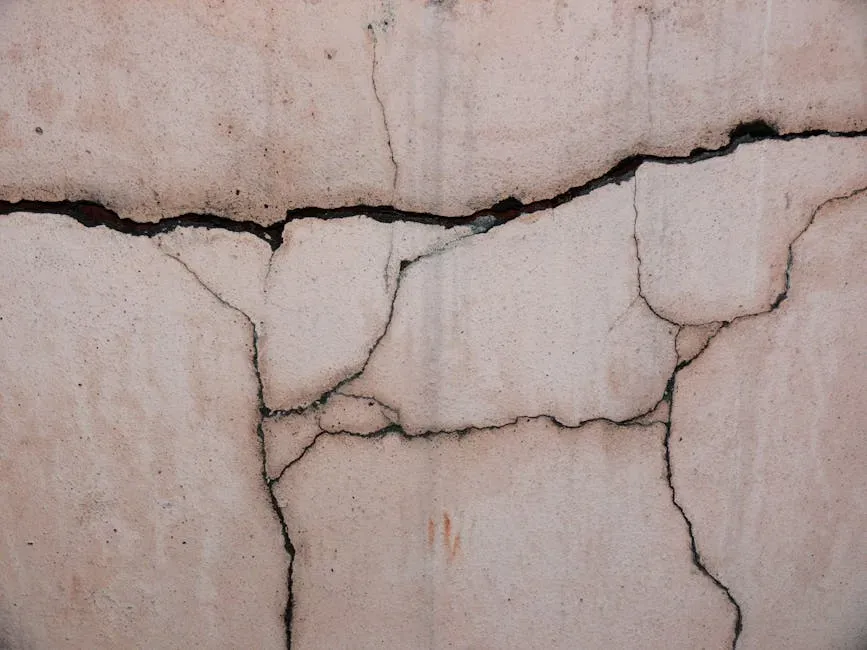
A home's foundation is essentially its spine. A home's foundation supports the entire structure, so even small changes deserve attention. Soil around a house expands and contracts as moisture levels change. Over time, this movement can cause minor shifts in the foundation. At first, these shifts may appear as small cracks in walls or along the base of the home. Doors or windows may also start sticking when opened or closed. These signs often develop slowly, which is why homeowners sometimes ignore them.
Foundation cracks, which range from hairline to horizontal and diagonal, can indicate serious issues like soil pressure or structural settling. Ignoring these problems can lead to mold growth, air quality issues, expensive repairs, and even reduced property value. There's an additional sneaky risk that most people never think about: cracks and leaks in your home's foundation not only endanger its structural integrity but also pose serious health risks. These openings serve as entry points for harmful substances that can degrade your indoor air quality. One major concern is the intrusion of radon, a naturally occurring radioactive gas that's odorless, colorless, and tasteless.
3. Indoor Air Quality and Radon Gas

3. Indoor Air Quality and Radon Gas (Image Credits: Pexels)
This one genuinely unnerves me. Most people associate air quality problems with smog or wildfires, not their own living room. Indoor air quality remains the top category of concern among homeowners who have healthy and safe home worries, cited by more than half. The threat most worth watching, though, is one you'll never smell or see. Radon is an invisible, odorless gas seeping from the ground into homes, and it is the second leading cause of lung cancer in the US, claiming an estimated 21,000 lives annually. This silent threat goes undetected in millions of homes but is preventable through proper detection and mitigation systems.
The EPA states that as many as one in 15 homes is affected by above-normal levels of radon. The problem compounds when you realize that the amount of radon in homes varies from area to area, and even from home to home in the same neighborhood. One home may not have problematic levels of radon, while the home next door may have dangerously high levels. Experts generally recommend that homeowners test for radon at least every two years, or sooner if you have completed a major renovation or moved into a new property.
4. Carbon Monoxide Buildup from Appliances
4. Carbon Monoxide Buildup from Appliances (Image Credits: Pexels)
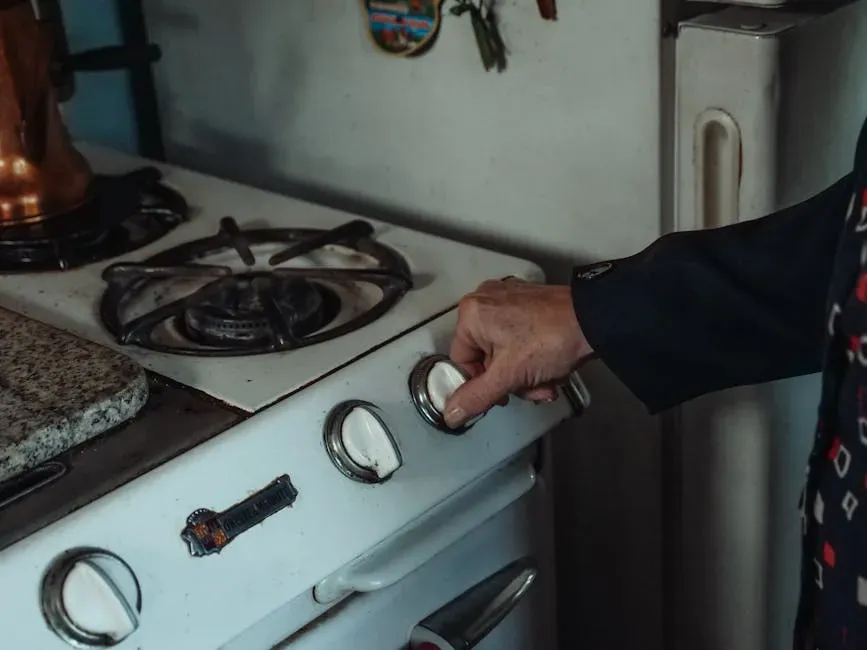
Carbon monoxide is the household threat with perhaps the most dramatic nickname, and it absolutely earns it. Carbon monoxide is one of the most dangerous household gases because it is completely odorless and invisible, so there are no warning signs of exposure. This type of leak can result from gas-, oil-, or fuel-burning appliances that aren't operating or vented properly. Common sources include malfunctioning furnaces, gas water heaters, blocked or damaged chimneys, fireplaces, or generators used too close to the home.
Breathing in carbon monoxide prevents oxygen from reaching vital organs and can cause headaches, nausea, confusion, as well as loss of consciousness and death. Symptoms often mimic the flu, which makes it especially tricky to identify without a detector. Installing a dedicated radon mitigation system if your levels are high, and ensuring that you have functioning carbon monoxide detectors on every floor of your home, are non-negotiable safety steps. Regular inspections of your gas-burning appliances by a professional will guarantee that everything is venting correctly.
5. Aging or Overloaded Electrical Wiring
5. Aging or Overloaded Electrical Wiring (Image Credits: Unsplash)
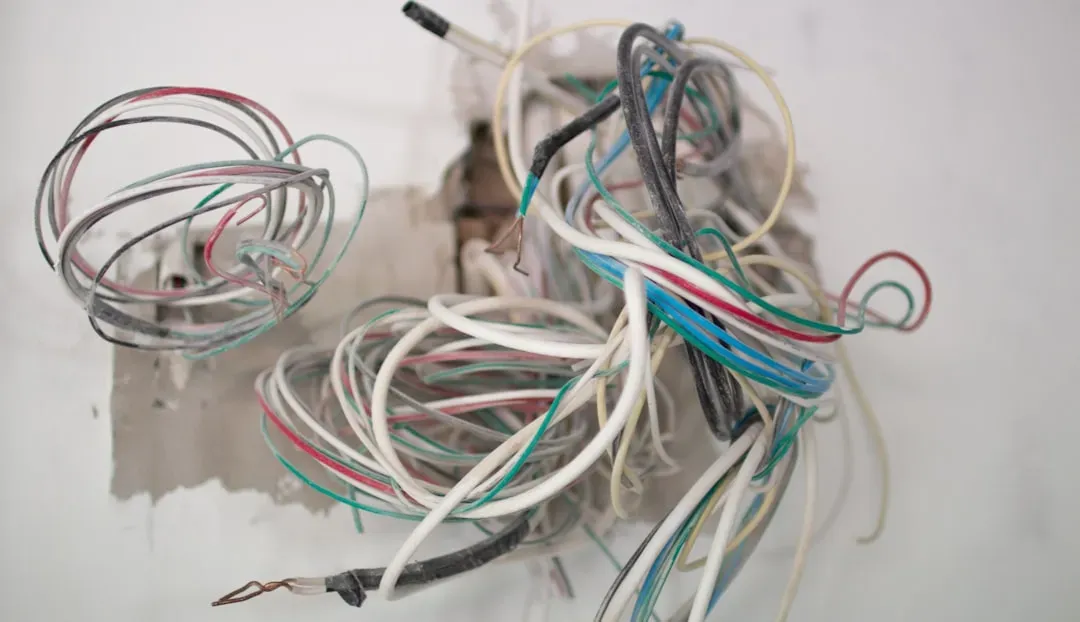
Most people only think about their home's electrical system when a light flickers or a breaker trips. That's a mistake. Some electrical problems can be brushed off as minor annoyances, but others are clear warnings that your home's wiring may be dangerously compromised. Persistent circuit breaker trips, warm or discolored outlets, and unexplained power loss in specific rooms should never be ignored. Many homes were built decades ago, making them more vulnerable to hidden wiring faults.
Arc faults ignite more than 30,000 home fires annually, making them a leading cause of electrical fires. Damaged, overheated, or stressed electrical wiring or devices cause these dangerous electrical problems. They occur when older wires fray or crack, a nail or screw damages a wire behind a wall, or outlets or circuits are overburdened. It's also worth noting that every home today is its own electrical ecosystem: a web of aging wiring, power-intensive appliances, smart devices, EV chargers, and backup systems. As homes and habits evolve, so does the risk of developing dangerous electrical arcing.
6. Silent Pest Infestations Inside Walls and Crawl Spaces
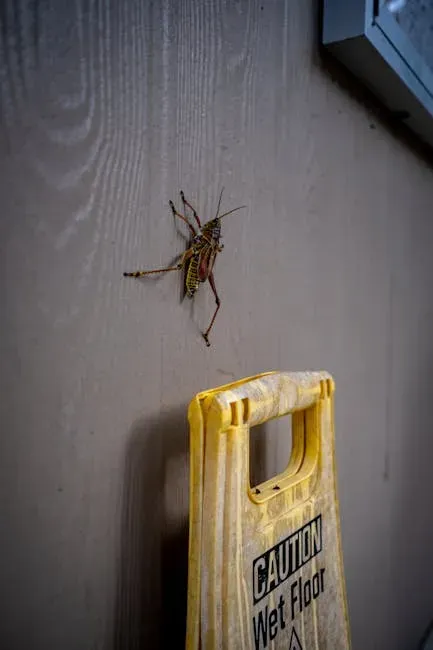
6. Silent Pest Infestations Inside Walls and Crawl Spaces (Image Credits: Pexels)
Pest infestations are deeply unsettling for obvious reasons, but the damage they cause runs far deeper than most people realize. Pests often stay hidden where homeowners rarely look. Rodents, insects, and other small creatures may settle inside walls, attics, or crawl spaces. Because they remain out of sight, many infestations grow before anyone notices. Homeowners may first hear scratching sounds in walls or find small droppings near storage areas.
The electrical danger alone is staggering. The National Fire Protection Association reports that rodents cause 20 to 25 percent of fires where investigators cannot find a specific cause. This damage is often hidden inside walls and attics where you cannot see warning signs developing. Beyond fire risk, insects like ants and cockroaches often nest inside outlets, junction boxes, or electrical panels, creating blockages and sometimes causing moisture-related damage. Termites can also pose an indirect threat by damaging wooden structures that support electrical installations. These issues are often hidden within walls, crawlspaces, or attics, making them difficult to detect. Over time, even small damages can escalate, resulting in costly repairs or dangerous situations.
The thread connecting all six of these issues is the same. They are quiet, they are patient, and they tend to reward the homeowners who pay attention early. A slow drip, a faint musty smell, a light that flickers twice a week, scratching sounds at 2 AM. None of these things feel urgent in isolation. Together, they are your home trying to tell you something. The smartest move is to listen before it starts shouting.
What's one thing in your home you've been meaning to check but keep putting off? It might be exactly the thing worth looking at first.