
Most homeowners have good intentions. They fix the leaky faucet, touch up the peeling paint, maybe even clean out the garage once a year. Honestly, that’s already more than a lot of people manage. The problem is that the most damaging issues rarely announce themselves. They hide in the dark, in the cramped corners, behind the walls, and above the ceilings – quietly getting worse while you’re busy living your life.
Unexpected maintenance issues affected the vast majority of homeowners in 2024, compared to roughly half in 2023. That sharp jump is a wake-up call. Most homeowners claim that at least one area of their home needs maintenance, and nearly six in ten say they’re putting off repairs because they simply can’t afford them. But sometimes, it’s not even about money – it’s about knowing where to look. Let’s dive in.
1. The Attic
1. The Attic (Image Credits: Unsplash)
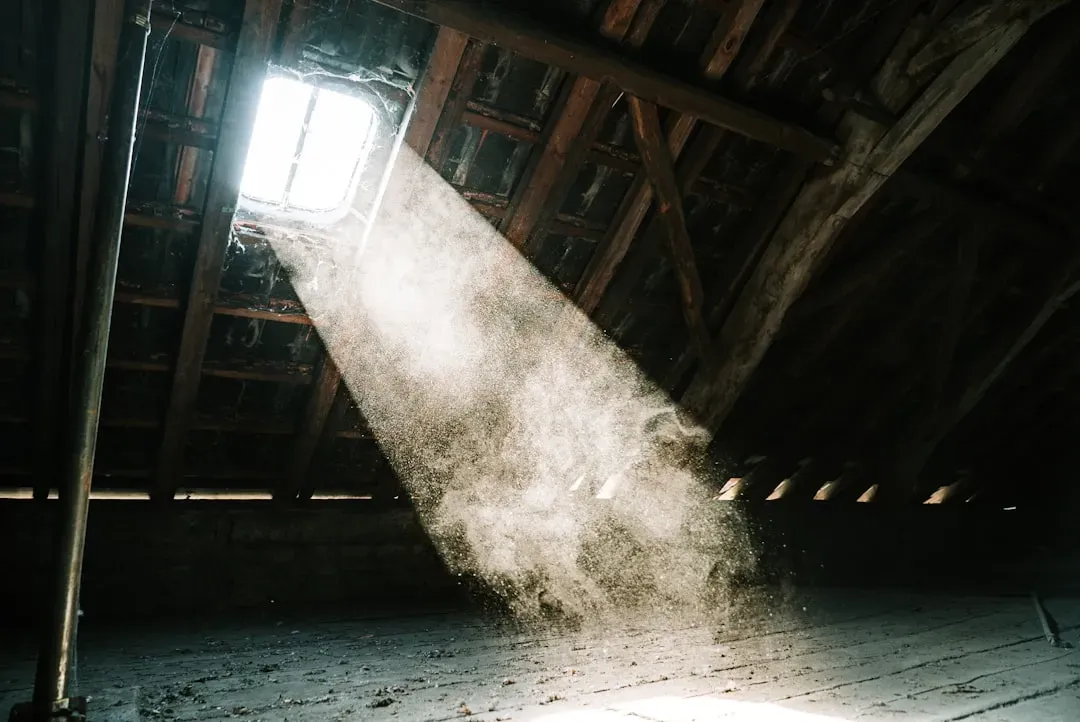
Here's the thing: most people open the attic hatch maybe once a year, if that. It's cramped, it's dusty, and nothing up there seems urgent. That's exactly what makes it so dangerous. Areas like basements, attics, and crawl spaces can develop problems that go unnoticed for a long time. Think of your attic like the ignored check engine light on your dashboard – by the time you pay attention, the problem is usually expensive.
Attic ventilation is a critical factor in home health and efficiency, yet it's often neglected. The attic isn't just an empty space beneath your roof – it's a buffer zone that plays a major role in regulating temperature, controlling moisture, and protecting your home's structure. Improper attic ventilation can quietly brew hazards that affect your health, wallet, and the integrity of your home. Mold thrives in attics where moisture lingers and darkness prevails. Mold spores are hazardous to breathe and can spread through your home's ventilation system, triggering allergies, asthma, and other respiratory issues.
2. Gutters and Downspouts

2. Gutters and Downspouts (Image Credits: Unsplash)
Gutters might be the single most underestimated maintenance item on any home. They look fine from the ground. Nobody thinks to check them until water is streaming down the siding or pooling around the foundation. Gutters are like the unsung heroes of your home, diverting rainwater away from your foundation and preventing water damage. Neglecting them can lead to serious and expensive problems. When leaves, debris, and dirt accumulate in your gutters, they become clogged, causing water to overflow and potentially leading to foundation issues from excess water weakening structural integrity.
Commonly missed preventive tasks included inspecting seals in areas prone to water damage, HVAC servicing, plumbing checks, and gutter cleaning, with gutter cleaning being skipped by roughly seven in ten homeowners. That's a staggering number, especially given the downstream consequences. Cleaning the gutters and downspouts every three months thoroughly helps to prevent clogs and water damage to your roof and foundation. Twice a year is a reasonable minimum for most climates.
3. The Crawl Space
3. The Crawl Space (Image Credits: Flickr)
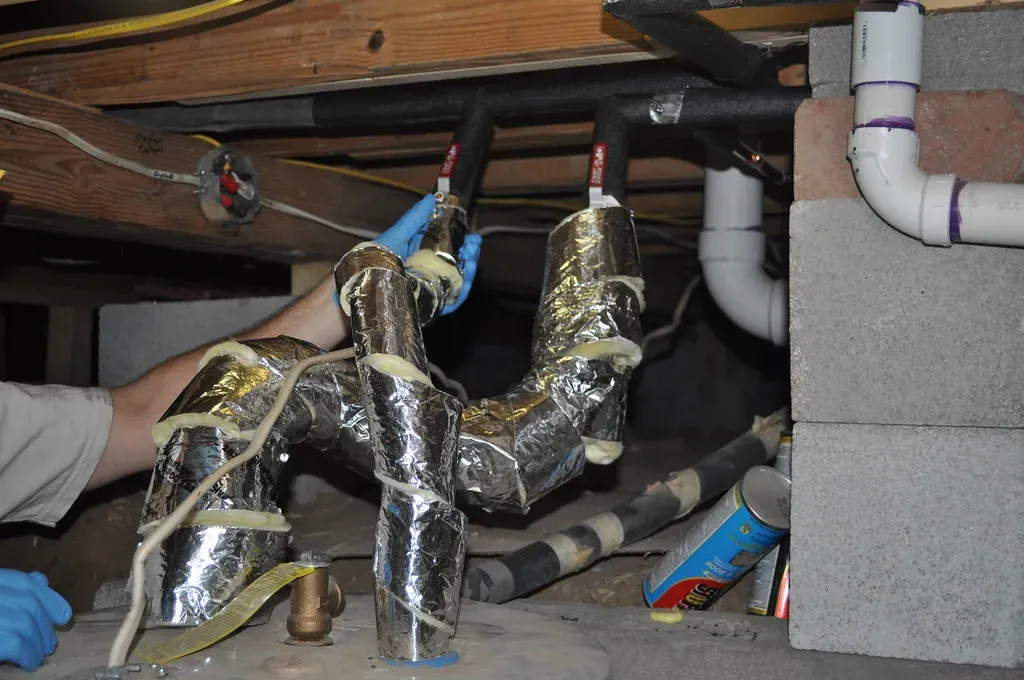
Nobody wants to go into the crawl space. It's low, it's dark, and the air quality down there is usually questionable at best. Still, ignoring it is a genuinely bad idea. Visually inspecting your basement or crawl space for mold and ensuring your dehumidifier is functioning properly is critical, because mold in a home often starts in the basement, then moves up through the house. That creeping progression from below is what makes it so insidious.
Inspecting your attic and basement for any signs of water damage, leaks, or pests is vital. You should check for standing water, mold growth, or damp insulation in the attic, and in the basement, look for signs of moisture or condensation, which could indicate a problem with your foundation or drainage system. The crawl space is where small moisture problems become structural nightmares. A simple inspection twice a year can make an enormous difference.
4. The Dryer Vent
4. The Dryer Vent (Image Credits: Pexels)
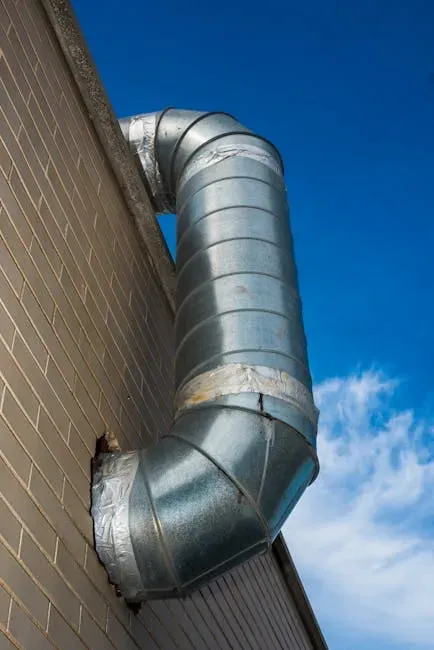
I'll admit this one surprised me the first time I heard about it. You clean the lint trap after every load – that's enough, right? Wrong. While many homeowners believe cleaning the lint trap after every load is sufficient, it is merely the first line of defense. Engineering studies show that over roughly seven in ten of lint bypasses the trap, accumulating deep within the vent lines where it cannot be seen. This hidden accumulation restricts airflow, creating a pressure cooker effect inside your appliance.
A restricted vent forces a dryer to work twice as hard to push air through the clog, and clogs can increase drying times by roughly a third to a half. The added strain significantly shortens the lifespan of your dryer's heating element and motor. Beyond the energy costs, there's a genuine fire risk involved. Having your dryer vent professionally cleaned is recommended even if you clean the lint trap after each use. Once a year is the standard advice from most home inspection professionals.
5. The Water Heater
5. The Water Heater (brianc, Flickr, <a href="https://creativecommons.org/licenses/by/2.0/" target="_blank" rel="noopener">CC BY 2.0</a>)
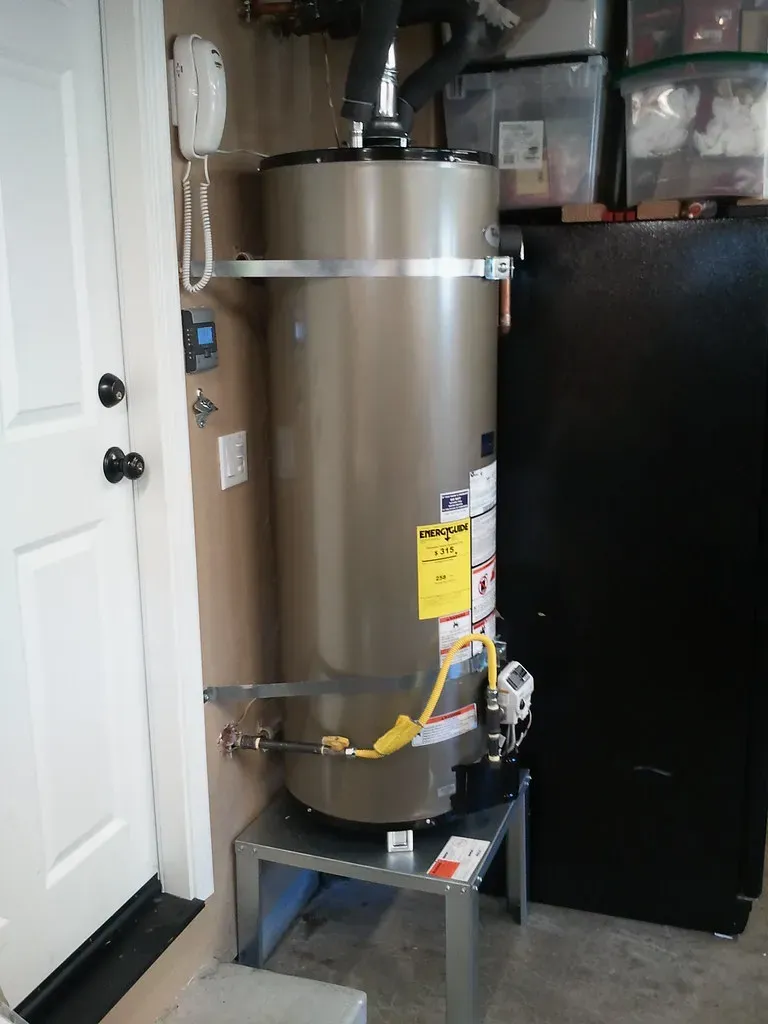
Think about how much you rely on your water heater. Every shower, every dishwasher cycle, every load of laundry. Now think about the last time you actually looked at it, let alone maintained it. For most homeowners, it's tucked in a utility closet and completely forgotten. Neglecting water heater maintenance can lead to the premature failure of the unit, resulting in an expensive replacement, and sediment can block the heating element, resulting in uneven hot water distribution.
Flushing the water heater to remove sediment and inspecting for leaks under sinks and near the electrical panel should be part of any regular plumbing maintenance routine. Sediment builds up at the bottom of the tank over time, quietly eating away at efficiency and lifespan. It's the kind of slow deterioration that costs you nothing to prevent but a lot to fix once it becomes a real problem. Flushing the tank once a year takes about 30 minutes and can add years to the unit's life.
6. Caulking Around Windows and Doors
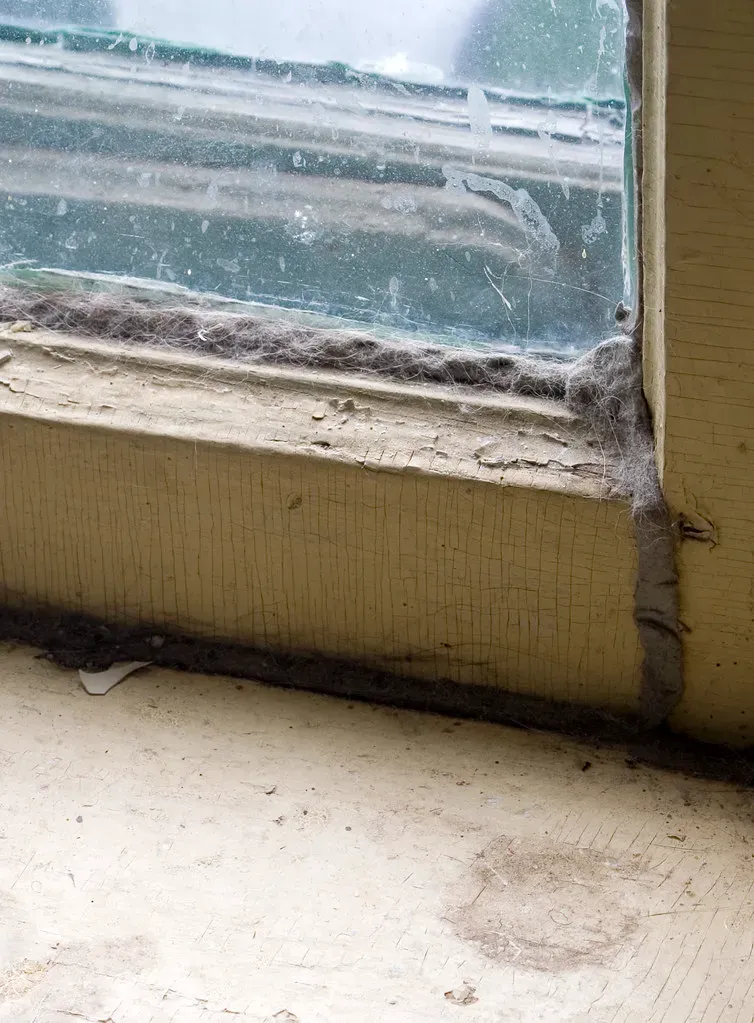
6. Caulking Around Windows and Doors (Unhindered by Talent, Flickr, <a href="https://creativecommons.org/licenses/by-sa/2.0/" target="_blank" rel="noopener">CC BY-SA 2.0</a>)
This one looks cosmetic but absolutely is not. Cracked or missing caulk around windows and doors is an invitation for moisture, drafts, and insects to enter your home. Flaws in a home's exterior, including windows, doors, and wall surfaces, are responsible for water and air penetration, and inadequate caulking and weatherstripping are the most common culprits. It's one of those repairs that costs almost nothing to fix, yet can lead to rot, mold, and significant energy losses if left unchecked.
While peeling paint or stains may seem strictly cosmetic, they can indicate moisture issues that lead to mold, rot, and pests if left unaddressed. Cracked, blistered, or peeled paint on interior walls, exterior walls, siding, trim, decks, and fences should all be noted during inspections. Fully re-caulking showers and tubs, and re-sealing or painting exterior wood windows every few years is a straightforward task that dramatically reduces your exposure to long-term water damage. A tube of exterior caulk is cheap. A rotted window frame is not.
7. The HVAC System's Air Ducts
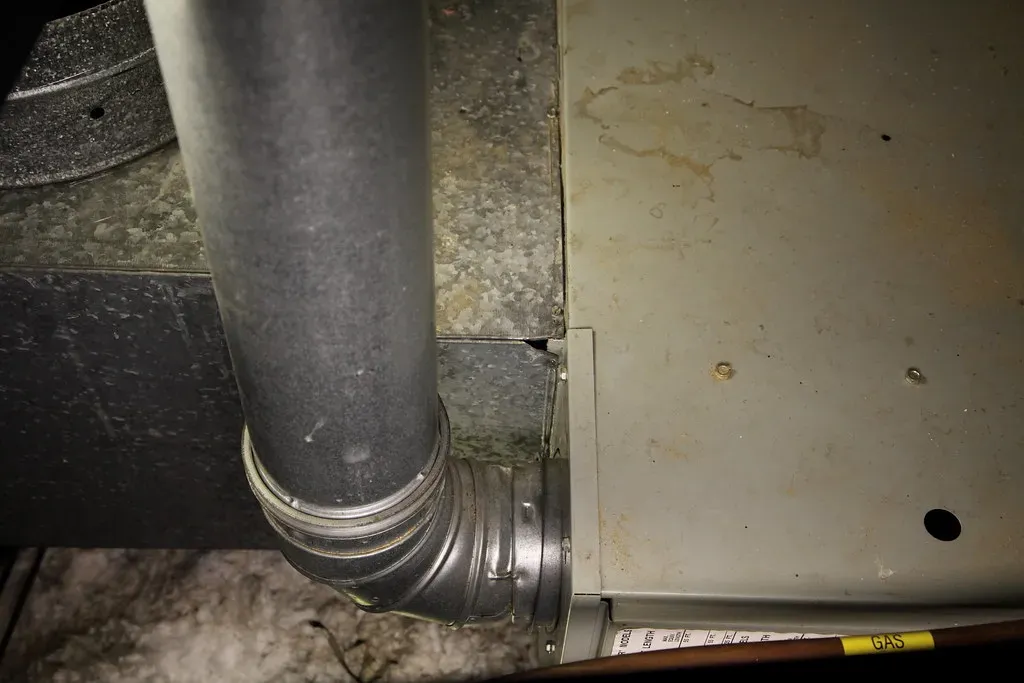
7. The HVAC System's Air Ducts (Image Credits: Flickr)
People service their HVAC units – or at least most do. What gets forgotten is the ductwork running silently through the walls and ceilings, distributing air (and everything in it) throughout the home. Heating, ventilation, and air conditioning systems require routine maintenance for efficiency, proper ventilation, and fire safety. Dirty filters can restrict airflow while cracks create gaps in the ductwork, affecting temperature, moisture control, and indoor air quality in your living space.
Nearly half of homeowners skip seasonal HVAC tune-ups, with the majority doing so to cut costs. The irony is that skipping maintenance almost always costs more in the long run. Neglecting HVAC maintenance can lead to the accumulation of dust and allergens, which can exacerbate respiratory issues for family members. Scheduling seasonal check-ups with a qualified technician can ensure that the system operates efficiently and can help identify any potential issues before they become serious, ultimately saving money and improving comfort. A dirty duct system is also one of the main reasons indoor air quality drops below outdoor air quality levels – which is a deeply unsettling fact for anyone who spends a lot of time at home.
Here's the real takeaway: the areas of your home that cause the most expensive surprises are almost always the ones you can't easily see. Out of sight really does mean out of mind for most homeowners, and the consequences of that pattern add up fast. Over two-thirds of homeowners surveyed ended up having to pay more for a repair because they waited to address the issue. A simple, scheduled walk-through of these seven areas once or twice a year takes very little time compared to the stress and cost of a major repair. Which of these spots has been sitting on your own to-do list the longest? It might be worth taking a look this weekend.