
Love is one of the few things that every human being across every generation has searched for. Yet how we define it, pursue it, and decide it is worth keeping changes dramatically depending on when you were born. The gap between what a Baby Boomer considers a healthy relationship and what a Gen Z young adult calls non-negotiable can feel almost like two entirely different languages.
Researchers have been digging into exactly this question, and what they’re uncovering is fascinating, sometimes contradictory, and occasionally surprising. Are older generations actually more committed? Are younger people more emotionally intelligent, or just more anxious? The answers are more nuanced than the headlines suggest. Let’s dive in.
Baby Boomers: Commitment, Tradition, and the Weight of Expectation
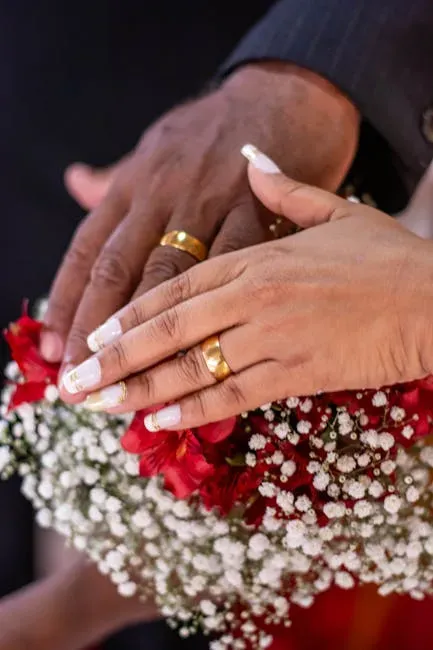
Baby Boomers: Commitment, Tradition, and the Weight of Expectation (Image Credits: Pexels)
For many Baby Boomers, relationships were grounded in traditional values of commitment, stability, and family. Marriage was often considered a cornerstone of adult life, with societal norms emphasizing lifelong partnerships and gender roles. That is not a criticism. It is simply the world they grew up in, one shaped by post-war prosperity and a culture that treated matrimony as both a social contract and a personal milestone. Honestly, there is something to be admired in that level of dedication.
Baby Boomers hold a more traditional view of marriage and weddings, seeing them as societal milestones deeply rooted in religious and cultural expectations. Weddings often followed formal traditions with large gatherings and religious ceremonies. Over 80% of Boomers married within their faith, reflecting their era's norms. The downside? The expectations of Baby Boomers led to a jump in divorces. During the seventies, the divorce rate doubled and then began to decline in 1980. Commitment was the stated value. Living up to it was often the challenge.
Gen X: The Quiet Pragmatists of Love

Gen X: The Quiet Pragmatists of Love (Image Credits: Unsplash)
Generation X refers to people born between 1965 and 1980. They grew up during a time of rapid change, between analog and digital, traditional values and modern shifts. Often independent, resilient, and quietly influential, Gen X bridges the gap between Baby Boomers and Millennials. In relationships, this played out in a very specific way. They watched their Boomer parents' marriages crumble, and they were determined not to repeat the pattern.
Despite witnessing high divorce rates, Gen Xers tend to be more committed to avoiding divorce, likely due to their experiences growing up in single-parent or dual-income households. They often married earlier than millennials but valued cohabitation to prevent divorce, with 64% supporting it. Gen X tends to prioritize personal independence and career, leading to a more pragmatic approach to relationships. This generation is less likely to rush into marriage and more inclined to value equal partnership in both domestic and financial responsibilities. Gen X, in many ways, quietly rewrote the rulebook without making a big deal about it.
Millennials: Emotional Intelligence and Delayed Commitment

Millennials: Emotional Intelligence and Delayed Commitment (Image Credits: Unsplash)
Millennials often wait until their late twenties or early thirties to marry. Waiting longer means individuals are more mature, financially stable, and sure of their life goals. This is not indecisiveness. It is strategy. Think of it like stress-testing a bridge before driving a truck across it. Millennials place strong value on open communication, mental health, and shared responsibilities in relationships. Social media and technology enable millennials to access support, counseling, and advice, tools that may help prevent problems from escalating.
Data shows Millennials' marriage rate is just 26%, compared to 36% for Gen X and 48% for Baby Boomers. Fewer marriages also mean fewer divorces; however, among those who are married, the chance of divorce is historically low. That is a striking statistic when you sit with it. Millennials and Generation Z, having grown up during a time of increased global awareness and social justice movements, often emphasize equality and inclusivity in relationships. For Millennials, love is not a box to check. It is a project they take seriously.
Gen Z: Authenticity Over Everything

Gen Z: Authenticity Over Everything (Image Credits: Unsplash)
Comparative research suggests that Gen Z exhibits greater openness toward fluid relationship boundaries, shorter courtship periods, and more individualized criteria for relationship satisfaction than earlier generations, reflecting broader cultural shifts toward flexibility and self-determination. That might sound chaotic, but there is a real logic to it. Gen Z grew up seeing older models of love fail spectacularly and publicly. They want something real, not performative.
According to a 2023 study by Statista and the 2024 D.A.T.E. report from Hinge, Gen Z is becoming more critical of what dating apps have to offer. Many members of Gen Z find their partners offline, through school, chance encounters, or, much more than 10 years ago, through matchmaking agencies. Here's the thing: a generation raised entirely on social media is actively seeking to meet people the old-fashioned way. That tells you something. Gen Z doesn't see marriage as a status symbol. It's a choice, not a checklist. They'd rather be single and sane than married and miserable.
How Generations Differ on Trust and Honesty

How Generations Differ on Trust and Honesty (Image Credits: Pixabay)
Research has consistently shown that values differ between age groups, with younger age groups considering openness values more important and older age groups conservation values. In romantic relationships, this translates directly into how trust is built and what honesty looks like in practice. Older generations tended to keep relationship problems private, maintaining appearances. Younger generations see transparency as the foundation, not a vulnerability.
Boomers built their marriages on unspoken rules. Most of them sounded noble at the time, duty, loyalty, family first, but underneath was a quiet pressure to perform, hide, and endure. Those rules shaped generations of couples who looked perfect on the outside while crumbling on the inside. Younger couples, by contrast, treat honesty as maintenance rather than risk. This reluctance to engage in honest conversations can further erode the trust that is vital for a healthy relationship, which is precisely the lesson Gen Z seems to have internalized deeply, even if they do not always act on it perfectly.
Mental Health and Emotional Support in Relationships

Mental Health and Emotional Support in Relationships (Image Credits: Pixabay)
This is where the generational divide becomes most visible, and most meaningful. Mental health challenges are widespread among Gen Z, with nearly half having already received a formal diagnosis and more than a third believing they have an undiagnosed condition. Anxiety leads as the most common diagnosis, followed by depression and ADHD. When your generation carries that level of emotional burden, you naturally start expecting your romantic partner to be a co-regulator, not just a companion.
According to a 2025 Mental Health America report, 71% of Gen Z actively seek mental health support through therapy, more than any other generation. This shift reflects growing emotional awareness and less stigma around mental health. Compare that to older generations, where Boomers didn't go to therapy. They went to church or stayed quiet. The stigma around counseling kept generations stuck in silence. For younger people, a partner who supports mental health conversations is not a bonus. It is a baseline requirement.
Financial Expectations and Security in Love

Financial Expectations and Security in Love (Image Credits: Pexels)
Financial perspectives vary significantly across generations. Baby Boomers and Generation X often place a high value on financial stability and traditional milestones like home ownership. In contrast, Millennials and Generation Z might prioritize personal experiences and fulfillment over material wealth. It is not that younger people do not care about money. They do, intensely. They just express that concern differently in the context of relationships.
Young women who dated older men perceived financial stability as higher with an older partner compared to being with a younger partner. Meanwhile, a desire for financial independence (87%), staying true to oneself (84%), and being in a relationship (60%) are among the leading priorities and milestones of Gen Z, according to an EY survey. Notice the order there. Financial independence comes before being in a relationship. That priority tells the whole story. Today, financial equality is the rule, not the rebellion. Gen Z doesn't measure masculinity by the size of a paycheck, but by how a man shows up, honestly, with stability, and in partnership.
Gender Roles and Equality in Relationships Across Generations

Gender Roles and Equality in Relationships Across Generations (Image Credits: Pexels)
Few topics reveal generational differences more sharply than gender roles at home. Gen X was the first generation that saw more women than men graduate from college. Dual careers rather than dual jobs made them the first generation to juggle family and work in the information economy. That shift changed expectations inside the home too, even if it took time to catch up. Men still did less childcare and housework than women, but they did far more than Boomer men.
Modern couples split the work based on skill, not gender. Gen Z doesn't care who cooks dinner or fixes the sink. They care about teamwork and fairness. This is a generational shift that has been building for decades, but Gen Z may be the first cohort to treat full domestic equality not as an aspiration but as an unquestioned starting point. The Baby Boomers' views were significantly influenced by the sexual revolution and women's liberation movement, affecting their attitudes toward gender roles and relationships. Millennials and Generation Z, having grown up during a time of increased global awareness and social justice movements, often emphasize equality and inclusivity in relationships.
The Role of Technology in Shaping Relationship Values

The Role of Technology in Shaping Relationship Values (Image Credits: Pixabay)
As the socio-cultural environment has transformed radically over the last few decades, it has weakened the assumptions that existed about traditional interpersonal interactions, and younger generations have more inclination toward technologically mediated, fluid relationships. For older generations, technology was never part of romance. For Gen Z, it has always been the medium through which connection first happens. That shapes expectations in profound, sometimes troubling ways.
With recent leaps in technology, the generation gaps have never been wider. In relationships, this shows up as a real tension. Older generations built intimacy through sustained physical presence. Younger ones learned to feel close through screens, texts, and voice notes, and then must somehow translate that into real-world partnership. To protect against the challenges that modern technology and shifting social norms present, it's crucial for Gen Z to develop and practice relationship skills that foster deeper emotional connections and proactive problem solving. That is the challenge no app can fully solve.
What All Generations Ultimately Share
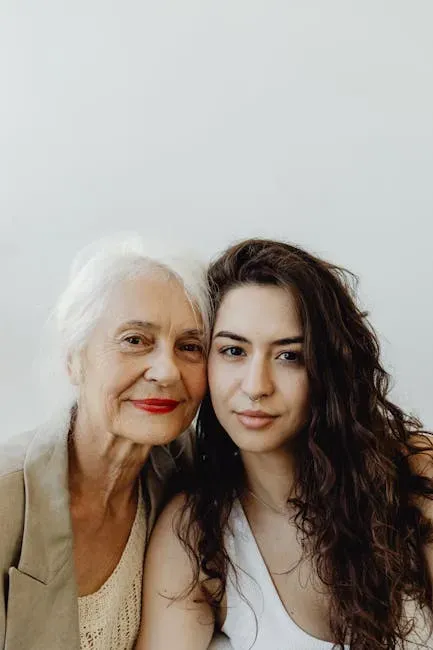
What All Generations Ultimately Share (Image Credits: Pexels)
Strip away the generational labels, the sociological research, and the trend reports, and something quietly universal emerges. Values are abstract ideals that function as guiding principles in life and are considered a stable part of someone's psychological profile, influencing attitudes, needs, and behaviors. Across every cohort studied, the desire for genuine connection, trust, and care appears to remain constant. The methods change. The language evolves. The non-negotiables shift. The core need, though, persists.
Each generation has a unique view and approach to dating and relationships, shaped by the cultural and technological context of their time. Boomers sought lifelong loyalty within defined roles. Gen X sought pragmatic partnership with room to breathe. Millennials sought emotional compatibility and mutual growth. Gen Z seeks authenticity, mental safety, and equality from day one. Generational differences in relationship expectations reflect the evolving nature of love and partnership. Understanding these variations can lead to more fulfilling and resilient relationships. Perhaps the most honest takeaway is this: every generation believes it has finally figured out what love should look like. Every generation is at least partially right. What would you say your own generation gets most right about love?