
Most people think clutter just happens. One day you look around, and somehow every surface is buried under something that wasn’t there a month ago. Honestly, it rarely comes out of nowhere. Clutter is almost always the slow, quiet result of repeated small habits and overlooked organizational mistakes that compound over weeks and months.
The surprising part? Disorganization, not lack of space, causes roughly four out of every five cases of household clutter. That means most of us aren’t running out of room. We’re running out of good systems. Here are the nine most common organization mistakes that silently invite clutter to move in and stay.
1. Not Assigning a Fixed "Home" to Every Item

1. Not Assigning a Fixed "Home" to Every Item (Image Credits: Pixabay)
Here's the thing: items without a designated place will always end up somewhere random. A phone charger on the counter. A pair of scissors in the couch cushions. A receipt on the kitchen table. None of those things belong there, but they landed there because no specific home was ever set for them.
A common and highly effective home organizing technique is to create dedicated "homes" for your things. By setting up these spots, you need to think less when clutter arises because you already know exactly where everything goes. Without this simple rule in place, every item you own becomes a small decision waiting to be made, and those small decisions stack up fast.
2. Ignoring the "One In, One Out" Rule
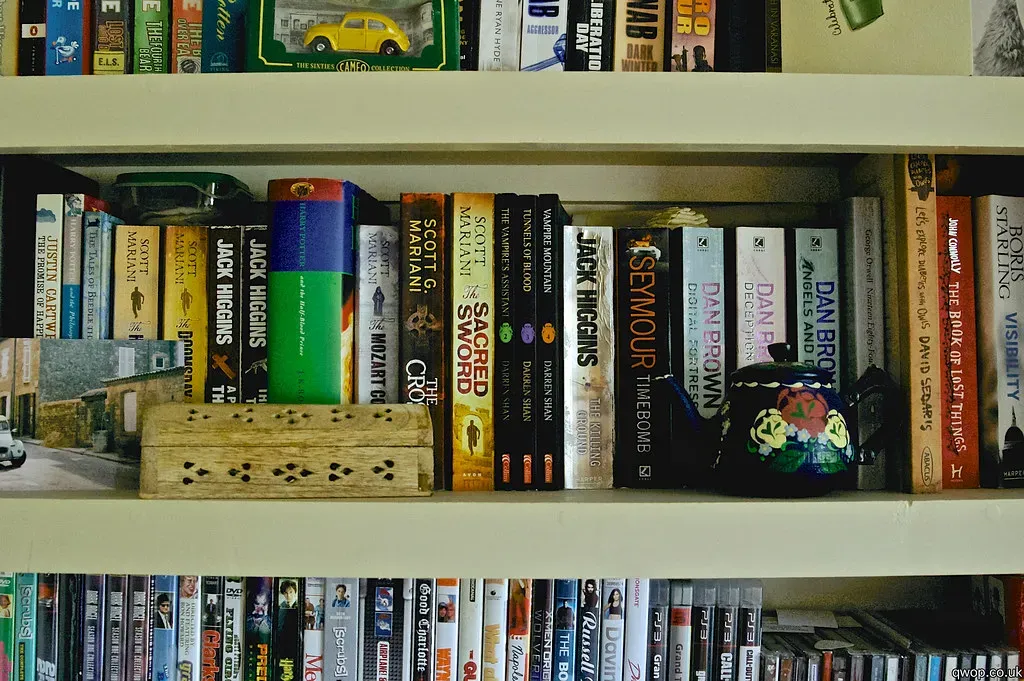
2. Ignoring the "One In, One Out" Rule (melton_dominic, Flickr, <a href="https://creativecommons.org/licenses/by/2.0/" target="_blank" rel="noopener">CC BY 2.0</a>)
Shopping feels like a reward. A new jacket, a shiny gadget, another set of storage bins. The problem is that most people bring things in without ever taking anything out, and storage capacity is not infinite. Think of your home like a glass of water. Keep pouring without drinking, and eventually it spills.
Upgrading something should trigger an outgoing item. In the excitement of a new purchase, it's incredibly easy to overlook the opportunity to reduce clutter at exactly that moment. Skipping this habit consistently means your possessions quietly multiply. The average U.S. home already contains approximately 300,000 things, which is a staggering number when you think about it.
3. Keeping Items "Just in Case"
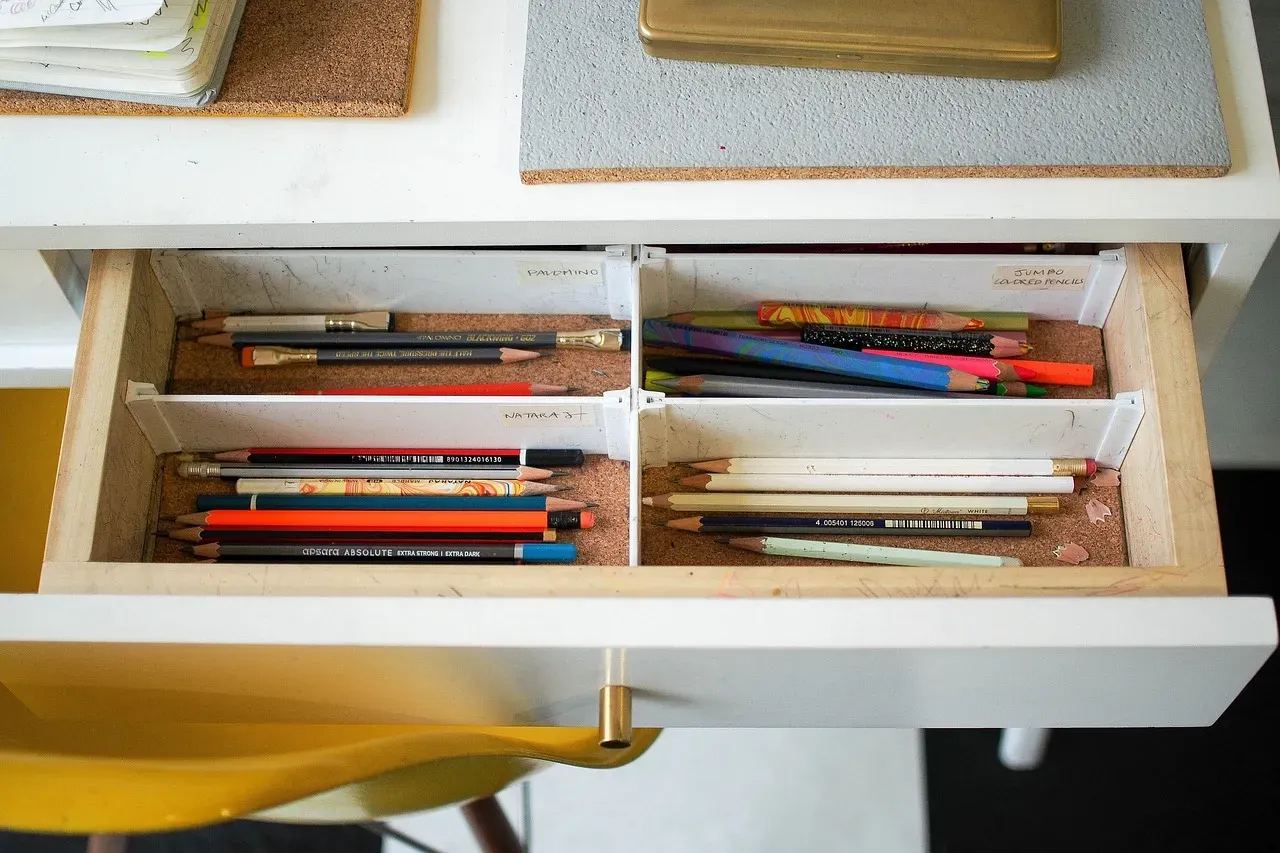
3. Keeping Items "Just in Case" (Image Credits: Pixabay)
Let's be real. Nearly everyone has a drawer or a closet shelf filled with things they haven't touched in years, kept alive by the thought that they might need it someday. That broken blender, the tangled cables from a phone you no longer own, the spare curtain rods. Just-in-case thinking is one of the fastest ways to fill a space with things that serve no real purpose.
The 80/20 rule is useful here: generally, people use roughly twenty percent of what they own about eighty percent of the time. That leaves an enormous portion of your belongings sitting idle, taking up valuable real estate. Making the decision to get rid of old items can be the hardest part of decluttering, and many people struggle to let go of things they once used or once loved. Still, holding on to everything "just in case" is a slow and steady path toward chaos.
4. Buying More Storage Instead of Owning Less

4. Buying More Storage Instead of Owning Less (Image Credits: Pexels)
Storage bins, baskets, drawer dividers, extra shelving units. The home organization product market is massive, and it can feel like the solution to every messy corner is another clever container. In reality, buying more storage without first reducing what you own is a lot like buying a bigger suitcase to deal with overpacking. It solves nothing.
Functional organization in storage spaces actually prevents unnecessary purchases because it allows you to see what you already own and understand how much space can comfortably hold. The goal should be fewer things, not more boxes to hide them in. Accumulating storage solutions without reducing volume only delays the inevitable reckoning with clutter.
5. Skipping Regular Decluttering Routines

5. Skipping Regular Decluttering Routines (Image Credits: Unsplash)
Organization is not a one-time event. It's a maintenance habit, just like cleaning a bathroom or doing laundry. The mistake most people make is treating a big declutter session as a permanent fix and then never returning to reassess what they own. Slowly, things pile up again, and before long the space looks exactly like it did before.
By putting clutter-reducing strategies into action each day, you chip away at the excess in your home. These are the habits that make it easy to maintain organization over time. Without them, organizing will always feel like a series of major projects with results that don't last. Even a brief ten-minute reset each week can make a dramatic difference when it becomes a regular rhythm.
6. Letting Flat Surfaces Become Default Drop Zones
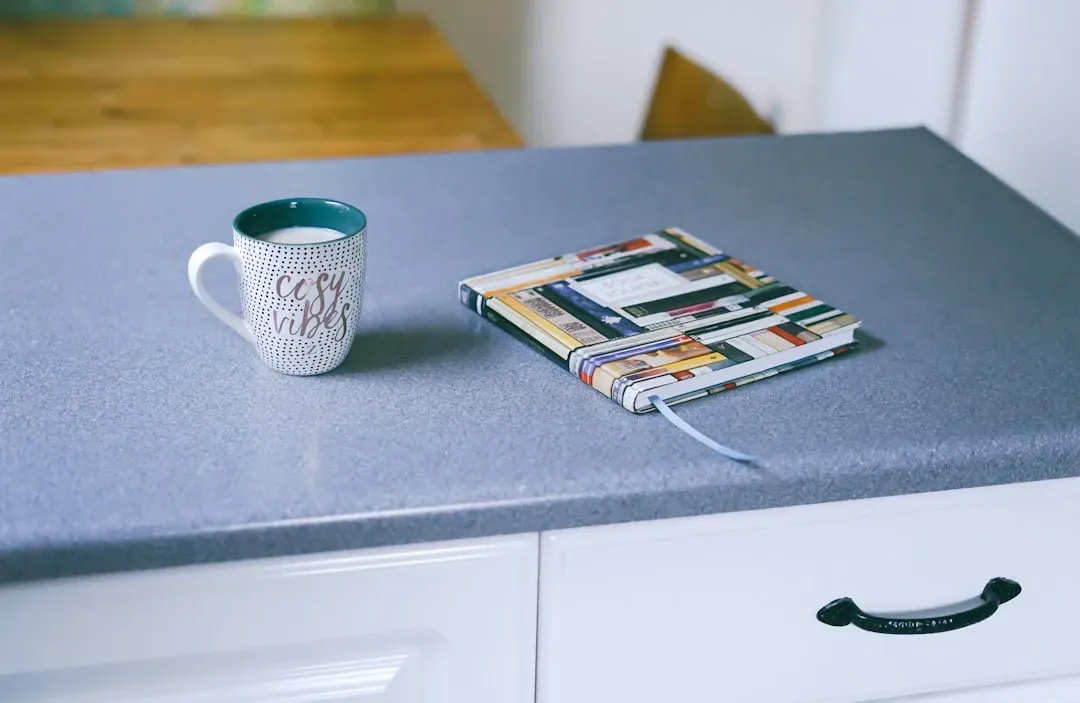
6. Letting Flat Surfaces Become Default Drop Zones (Image Credits: Unsplash)
Countertops, dining tables, the top of the dresser. Flat surfaces are clutter magnets, and they fill up almost without your noticing. You set one thing down, then another, and within a few days there's a pile of unrelated objects that have made themselves at home. It's one of the most insidious clutter patterns because it feels so innocent in the moment.
Evaluating each room for purpose, usage, and problem spots is essential. Identifying where clutter collects and what hinders functionality helps address it before it accumulates. Taking time to observe where items naturally pile up reveals the behavioral patterns behind the mess. Flat surfaces need boundaries. Treating a countertop as a landing pad for everything guarantees it will never look clear.
7. Holding On to Too Many Clothes You Never Wear
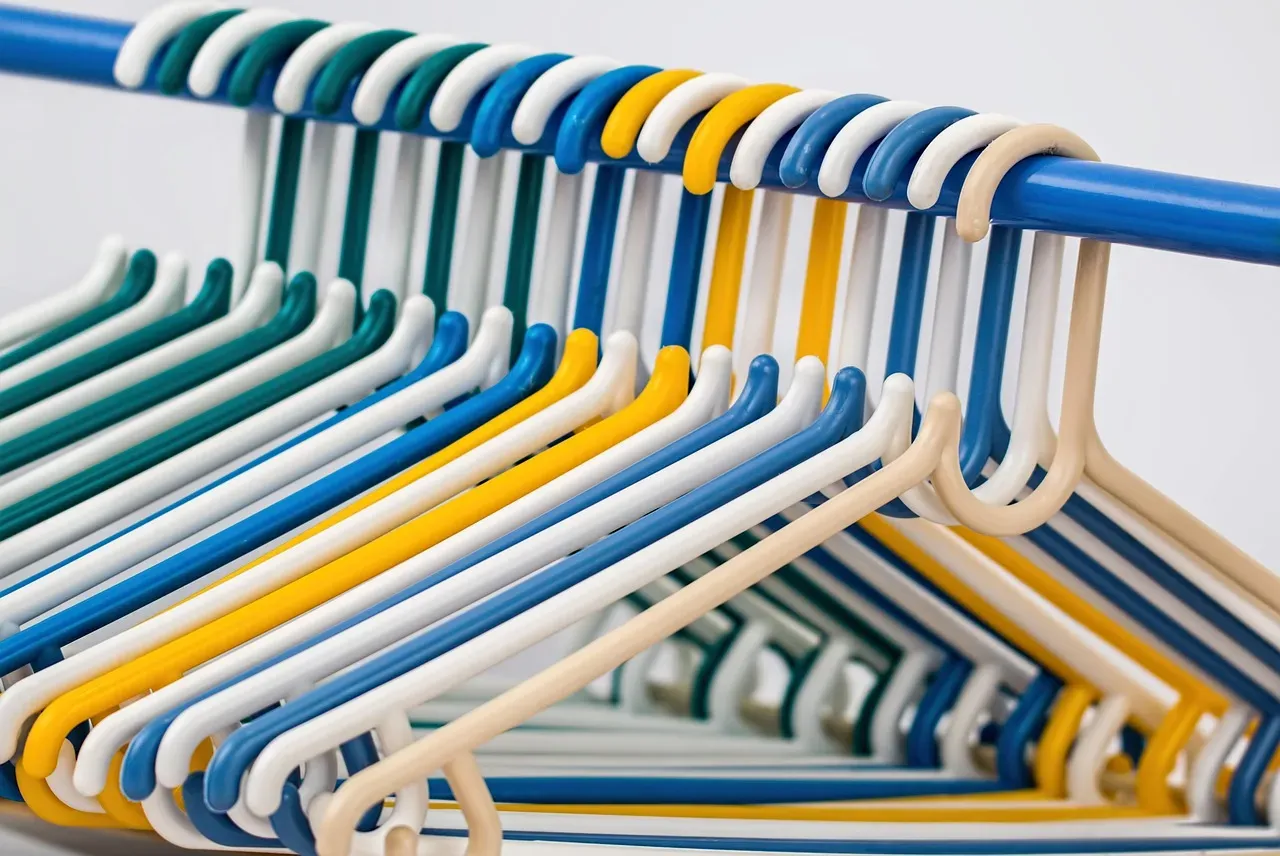
7. Holding On to Too Many Clothes You Never Wear (Image Credits: Pixabay)
Closets are perhaps the single most cluttered space in the average home, and the culprit is almost always unworn clothing. A dress bought three years ago for an event that never happened. Jeans in a size that hasn't fit in years. A sweater kept because it was expensive. Sound familiar? I think most people can relate to at least one of those.
A June 2024 Garson and Shaw industry report found that the average American adult keeps 6.2 unworn items in their wardrobe, representing approximately 1.6 billion never-used garments nationwide. That is an almost incomprehensible amount of clutter. Research also shows that roughly eighty percent of clothes are worn only about twenty percent of the time, which means the vast majority of what hangs in most closets is dead weight taking up space every single day.
8. Having No System for Incoming Paper and Mail
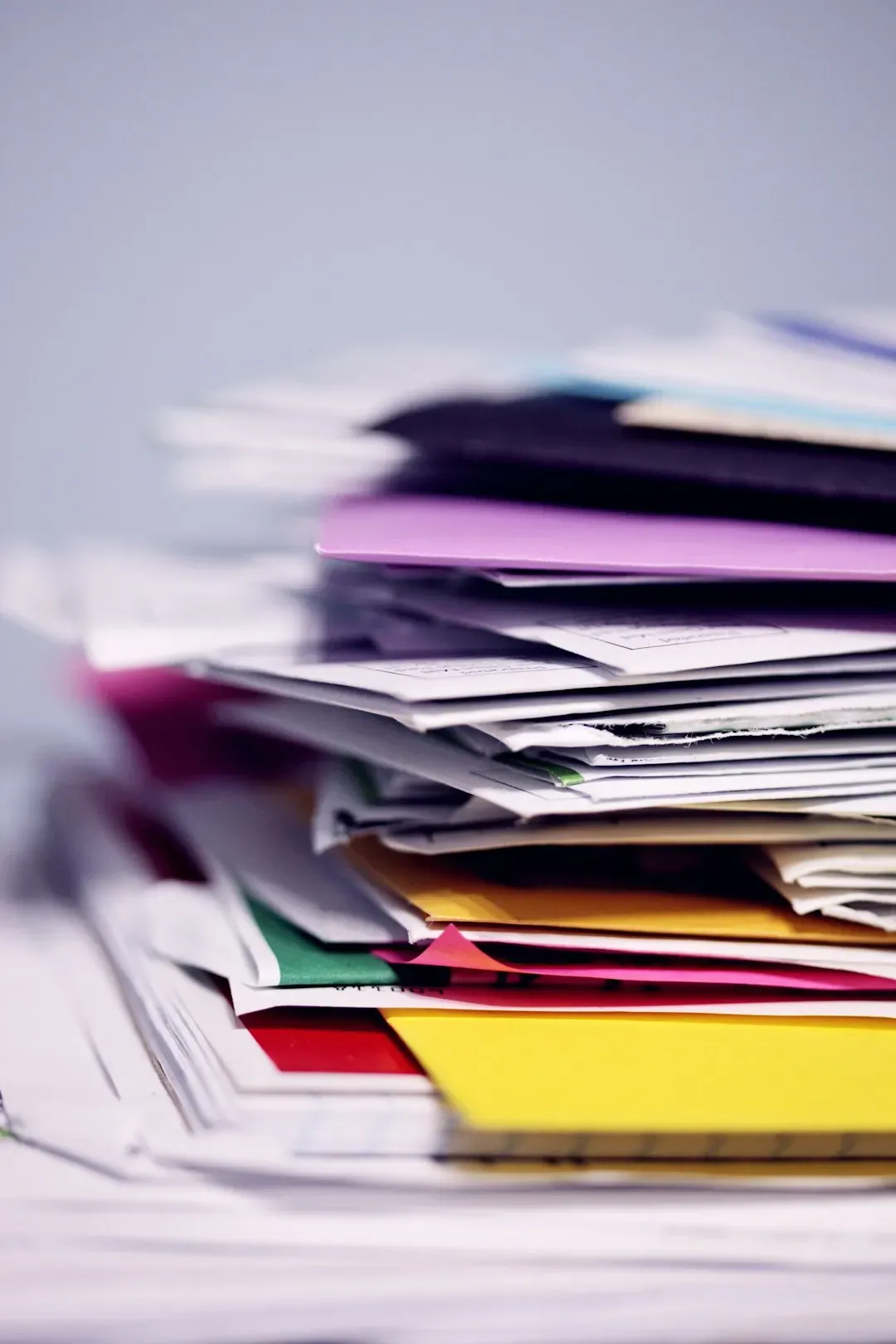
8. Having No System for Incoming Paper and Mail (Image Credits: Unsplash)
Paper clutter is uniquely relentless. It arrives daily, it multiplies quietly, and it looks harmless one envelope at a time. Without a deliberate system for handling incoming mail, bills, school forms, and receipts, paper becomes one of the most persistent sources of visible mess in a home. It piles on counters, coffee tables, and desks, and sorting through it feels overwhelming precisely because it was never addressed in real time.
Piles of paper, unorganized kitchen spaces, old receipts, bills, and paperwork stuffed in boxes or drawers will take over your home over a period of time. The fix isn't complicated, but it does require commitment. Designating a single inbox spot, sorting mail the day it arrives, and scheduling a weekly paper purge is the kind of low-effort habit that prevents months of accumulation from quietly taking over.
9. Ignoring the Emotional Side of Clutter
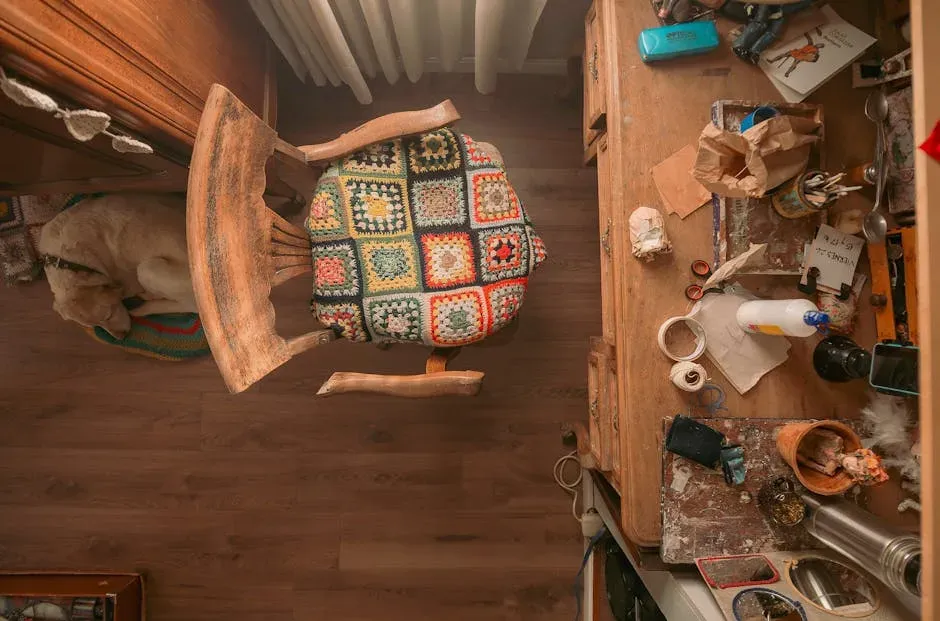
9. Ignoring the Emotional Side of Clutter (Image Credits: Pexels)
This one is probably the most underestimated mistake. Many people struggle to declutter not because they lack time or space, but because their possessions carry emotional weight. Sentimental items, gifts from people who are gone, things tied to older versions of themselves. Every item in a cluttered space represents work that needs to be done and a choice that needs to be made, and all of those decisions create a type of cognitive overload known as decision fatigue.
Every item representing an unfinished task or unresolved choice triggers the Zeigarnik Effect, which is the mind's tendency to become preoccupied with incomplete actions. This creates a kind of mental background noise that prevents true relaxation. A January 2025 survey found that nearly half of respondents feel overwhelmed by a messy home, with visual clutter contributing to stress and reduced focus. Addressing the emotional attachment to things, rather than simply trying to tidy around it, is what finally allows the clutter to actually leave.
Clutter is rarely the result of being lazy or careless. More often, it is the quiet consequence of small organizational habits that were never established in the first place. The good news is that all nine of these mistakes are fixable. Start with one, build the habit, then move on to the next. A calmer, clearer home follows gradually and naturally.
Which of these mistakes do you recognize most in your own space? Drop your thoughts in the comments below.