
Kitchens are the one room in the house where design decisions are expensive, permanent, and deeply personal. Rip out the wrong backsplash and you’re looking at weeks of dust and a bill that might make you cry. So when trends shift, it stings a little more than changing a throw pillow in the living room. Honestly, keeping up with what’s aging well and what isn’t can feel like a part-time job.
The good news is that certain patterns are very clear right now. As design tastes evolve and homeowners seek more personalized, functional, and timeless spaces, several once-popular kitchen features are rapidly losing their luster. If you’re planning a remodel or just curious where your kitchen stands, the following seven features are the ones that designers and contractors are quietly flagging as the next to feel dated. Let’s dive in.
1. The All-White Kitchen
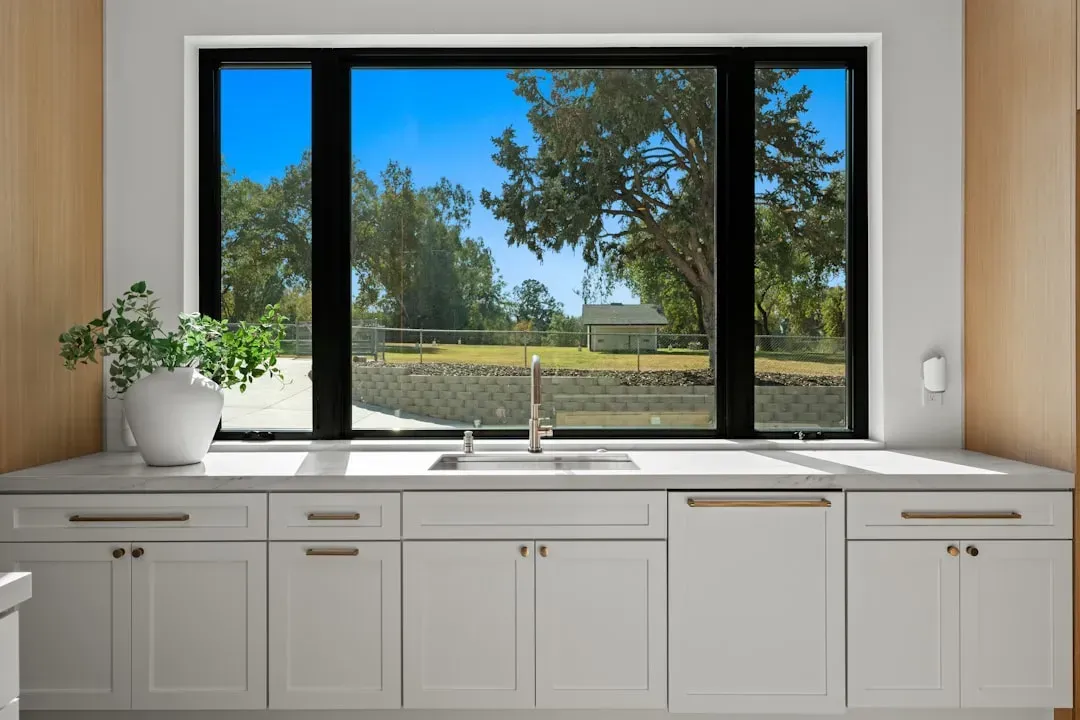
1. The All-White Kitchen (Image Credits: Unsplash)
Few looks felt as aspirational as the crisp, all-white kitchen. It dominated design magazines, home renovation shows, and social media feeds for well over a decade. All-white kitchens had a long run, but sterile, monochromatic palettes can feel cold and uninspired in 2026. The issue isn’t really white itself. It’s the total, unrelenting commitment to a single non-color that erases any sense of warmth or personality.
The sleek, minimalist all-white kitchen is being dismissed as sterile and uninviting, and designers and homeowners alike are craving warmth, character, and individuality instead of uniform minimalism. Instead of going completely white, today’s designers are adding depth with earthy tones, wood accents, and contrasting cabinetry. Think of it like a canvas that was never painted. Beautiful in theory, a little lonely in practice.
2. Open Shelving Overload
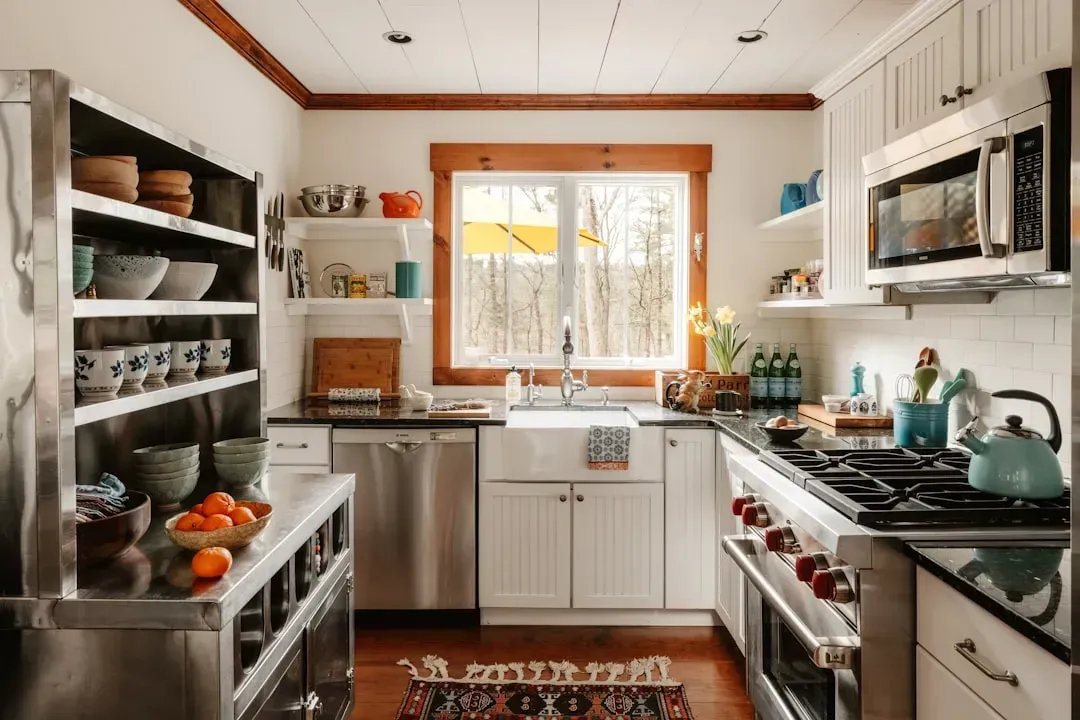
2. Open Shelving Overload (Image Credits: Unsplash)
Open shelving had its golden era. It looked effortlessly chic in every before-and-after photo, and it gave the illusion of a perfectly curated kitchen life. The reality, however, was a little messier. Open shelving can look gorgeous when perfectly styled, but it isn’t always practical. Dust, clutter, and limited storage make it a trend to avoid in excess. Unless you genuinely enjoy reorganizing your spice collection every other week, open shelving is a commitment that many homeowners underestimated.
Multiple contractors have mentioned open shelving as an outdated trend. Dust, grime, and the inevitable mismatched mug have made this trend less of a dream and more of a daily chore. That’s why open shelving tops the list of kitchen design trends going out of style. Instead, closed cabinetry is making a grand return. A few strategically placed display shelves? Still lovely. A full wall of them? That’s where things get complicated.
3. Classic White Subway Tile Backsplashes
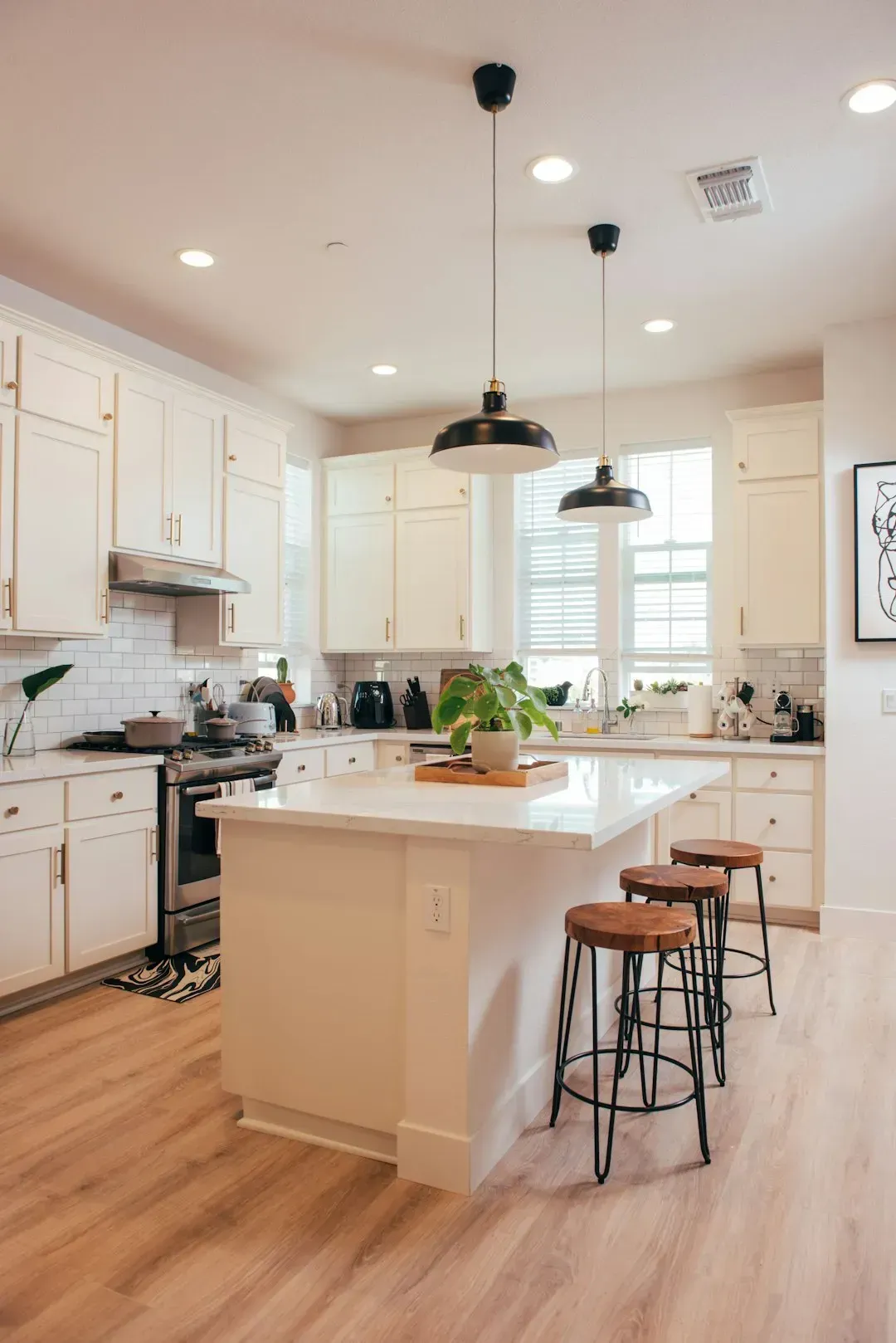
3. Classic White Subway Tile Backsplashes (Image Credits: Unsplash)
Here’s the thing about subway tile: it worked beautifully because it was simple, affordable, and versatile. Then it showed up absolutely everywhere, and that’s precisely its problem now. In 2026, this once-popular backsplash is starting to feel overused. Because subway tiles appear in so many kitchens, the look can now feel predictable and lacking in character. It’s the design equivalent of everyone wearing the same outfit to a party.
Designers are increasingly replacing basic subway tile with materials that add more texture and depth. Handmade ceramic tiles, zellige, stone slab backsplashes, and vertically stacked tiles are becoming more popular choices because they bring visual interest while still keeping the kitchen timeless. Industry data backs this up, with slab and solid surface backsplashes identified as gaining strong popularity. The shift is less about reinvention and more about originality.
4. The Modern Farmhouse Aesthetic
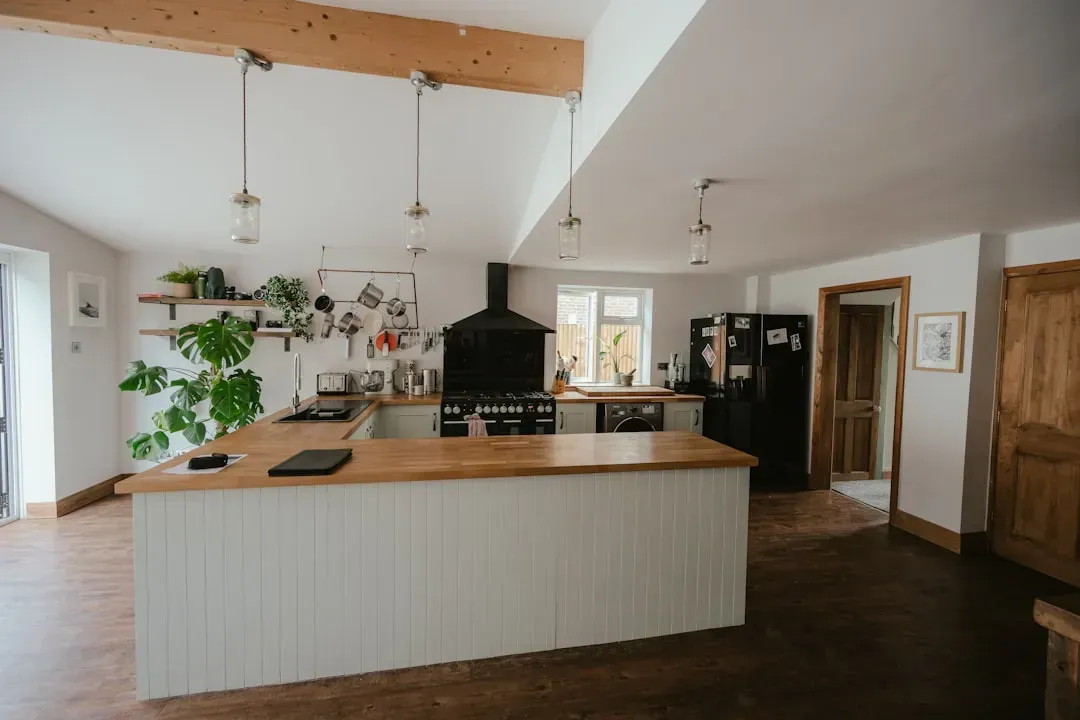
4. The Modern Farmhouse Aesthetic (Image Credits: Unsplash)
Shiplap, barn doors, apron-front sinks, and distressed wood accents. At one point, the modern farmhouse kitchen was everywhere, and honestly, it made sense. It felt warm, cozy, and lived-in. While cozy and charming, the farmhouse look has become oversaturated. Shiplap walls and distressed finishes are being replaced by cleaner lines and more versatile design. Saturation is always the enemy of a great trend, and farmhouse hit that wall hard.
Although the modern farmhouse aesthetic has been a favorite among homeowners in recent years, that trend is finally passing. The overuse of shiplap, barn doors, and distressed finishes has made the style feel less fresh and unique over the years. It’s being replaced by modern rustic or transitional styles that feel more refined and less themed. The soul of the farmhouse look can still live on, just in a much more edited, mature form.
5. Wall-to-Wall Upper Cabinetry
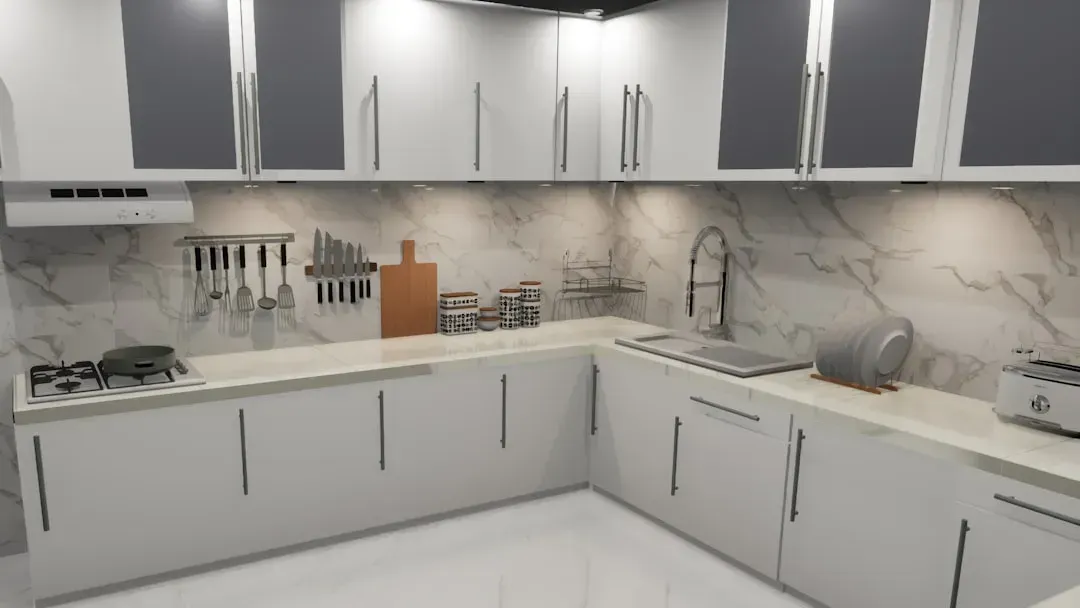
5. Wall-to-Wall Upper Cabinetry (Image Credits: Unsplash)
Maximizing storage by covering every inch of wall space with upper cabinets seemed like a smart, practical choice for years. More storage, right? More is more? Not anymore. When upper cabinets stretch across an entire wall, the kitchen can start to feel boxed in. Large uninterrupted rows of cabinetry create a dense visual block that makes the space look more like a storage wall than a living area. It can feel claustrophobic in a way that no amount of clever organization can fix.
In many kitchens built over the past decade, designers maximized storage by filling every inch with cabinetry. While practical, the result often feels heavy and overly structured, especially in smaller spaces. Design trends in 2026 are moving away from this fully built-in look. Instead of covering every wall with cabinets, designers are introducing more breathing room through floating shelves, freestanding pantry units, and mixed cabinetry. The goal is a kitchen that breathes, not one that suffocates.
6. Oversized Statement Pendant Lights
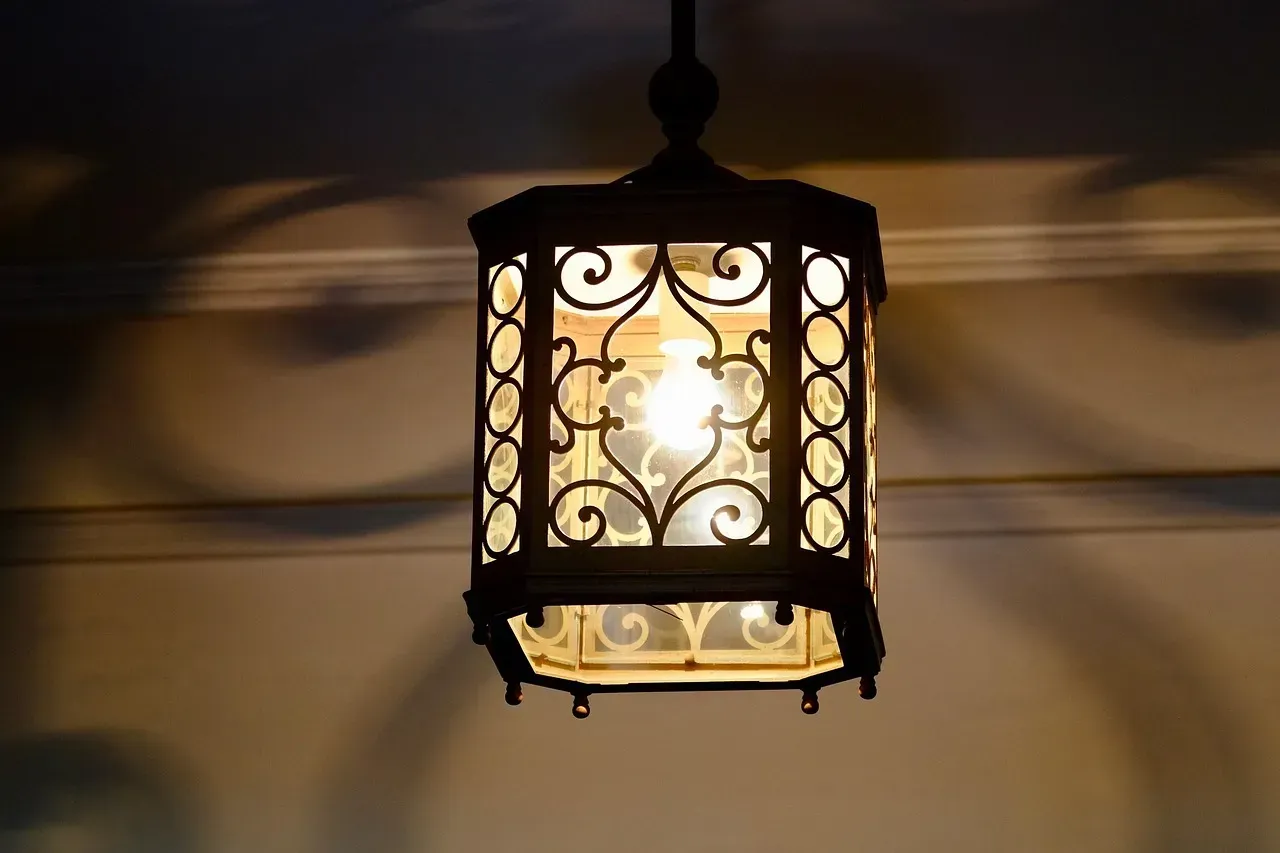
6. Oversized Statement Pendant Lights (Image Credits: Pixabay)
For a good stretch of time, the bigger the pendant light, the better the kitchen. Huge globe pendants, sprawling rattan chandeliers, and dramatic industrial fixtures were the crown jewels of kitchen islands everywhere. I get it. They’re bold, they make a statement, and they photograph incredibly well. Kitchen lighting over the last few years has favored one particular style: pendants. Over your island or suspended above a sink, they offered a new way to make something functional more aesthetic. The oversized approach, however, has started to feel overdone and outdated for some designers.
The shift now is toward something more intentional and layered. The most important kitchen design considerations to homeowners now include natural lighting, quality lighting, and task lighting for work zones. While a variety of lighting types will be on trend, under-cabinet lights, interior cabinet lights, and pendant lights all still have a role to play. The key word there is “layered.” Layered lighting is a much better way to create an inviting, characterful kitchen that still provides plenty of task lighting. One giant pendant dominating the whole ceiling? That era is quietly winding down.
7. Matte Black Hardware Everywhere
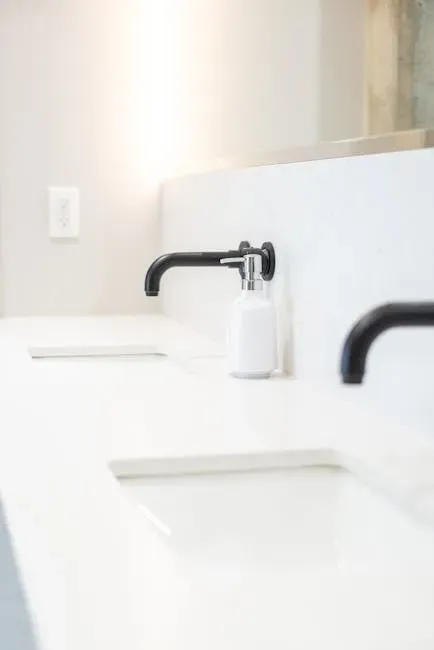
7. Matte Black Hardware Everywhere (Image Credits: Pexels)
Matte black hardware was the great unifier. It worked with white cabinets, gray cabinets, wood cabinets, you name it. It felt modern and sharp without being flashy. The problem is that it became so universally applied that it stopped feeling like a considered design choice and started feeling like a default. Although once stylish, matte black hardware and faucets are becoming overdone. When a choice shows up in virtually every kitchen renovation for five straight years, it tends to lose its edge.
Designers report that warmer metallics such as brass, copper, and brushed nickel are now favored for adding richness and depth. High-polish finishes are also a no-go in 2026, with brushed and satin the most popular choices. No matter what color hardware you choose, a muted sheen is your best bet for the kitchen. Hardware is essentially jewelry for the kitchen, and right now the jewelry of choice has a warmer, richer personality than a flat matte finish can deliver.
The interesting thing about all of these shifts is that none of them are about throwing out good taste. They’re about evolving it. Transitional and timeless kitchen design tops the priority list, with the vast majority of industry professionals naming it as a leading style for the next three years. The kitchens that age the best aren’t the ones chasing every trend. They’re the ones built with genuine character, practical materials, and a little personality that can’t be copied and pasted from a catalog. Looking at your own kitchen now, how many of these features sound a little familiar?