
Most people don't think twice before dropping a quarter into a vending machine. It's just twenty-five cents. Yet tucked inside old coin jars, estate sale boxes, and inherited collections, there are quarters that trade hands for thousands – sometimes hundreds of thousands – of dollars. The gap between face value and true value can be staggering.
What drives that gap? A mix of low mintage, historical timing, silver content, and the sheer luck of survival in decent condition. The value of a quarter is determined by several factors, including its condition, date, mint marks, and mint errors. Generally, the better the condition of the coin, the higher its value. The six quarters below represent some of the most compelling examples in American numismatics – each one with its own distinct story.
1. The 1796 Draped Bust Quarter
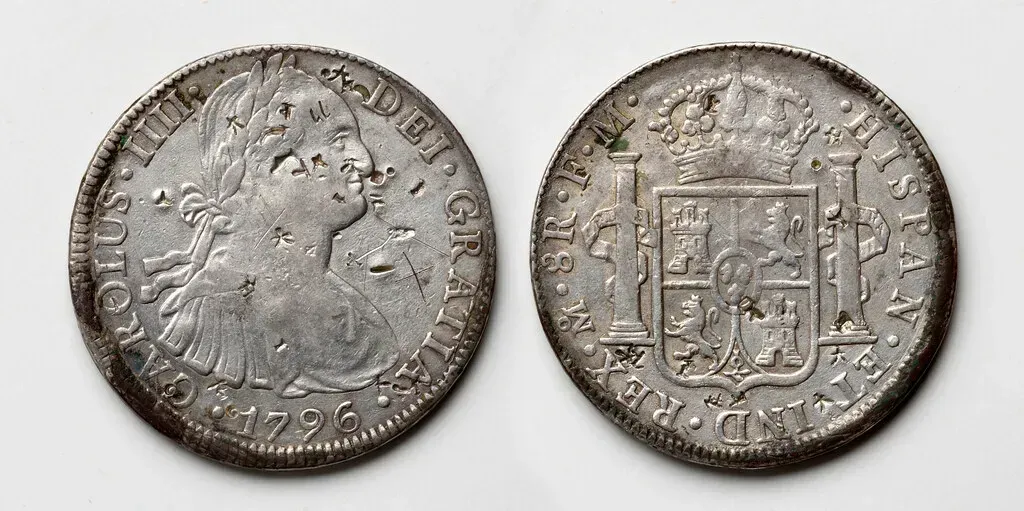
1. The 1796 Draped Bust Quarter (Image Credits: Flickr)
This is where it all started. Authorized by the Coinage Act of 1792, the quarter dollar did not actually enter production until 1796. That same year, the last two authorized denominations debuted alongside the 1796 Draped Bust Quarter. The coin holds the distinction of being the only quarter ever struck in the 18th century, and it carries a design combination that was never repeated. This design transition gives the 1796 Draped Bust Quarter two distinct honors: it is the only quarter dollar struck in the 18th century, and it is the only issue to feature the Small Eagle reverse, making it a coveted one-year type coin.
The 1796 Draped Bust Quarter stands as one of American numismatics’ most legendary rarities. With only 6,146 originally minted, it represents both historical significance and extreme scarcity. In Mint State, the 1796 quarter is rare. Grading standards for all United States coins have shifted over the years, but as of March 2025, CAC, NGC, and PCGS report a combined total of 78 in Mint State. As of January 2026, the denomination hosts some of the most valuable rarities in the entire rare coin market, with the 1796 Draped Bust Quarter holding the auction record of $1,740,000. Even worn, circulated examples rarely sell for less than several thousand dollars. USA Coin Book estimates the 1796 Draped Bust Quarter is worth around $20,831 in average condition and can be worth $105,000 to over $213,000 in uncirculated Mint State condition.
2. The 1916 Standing Liberty Quarter
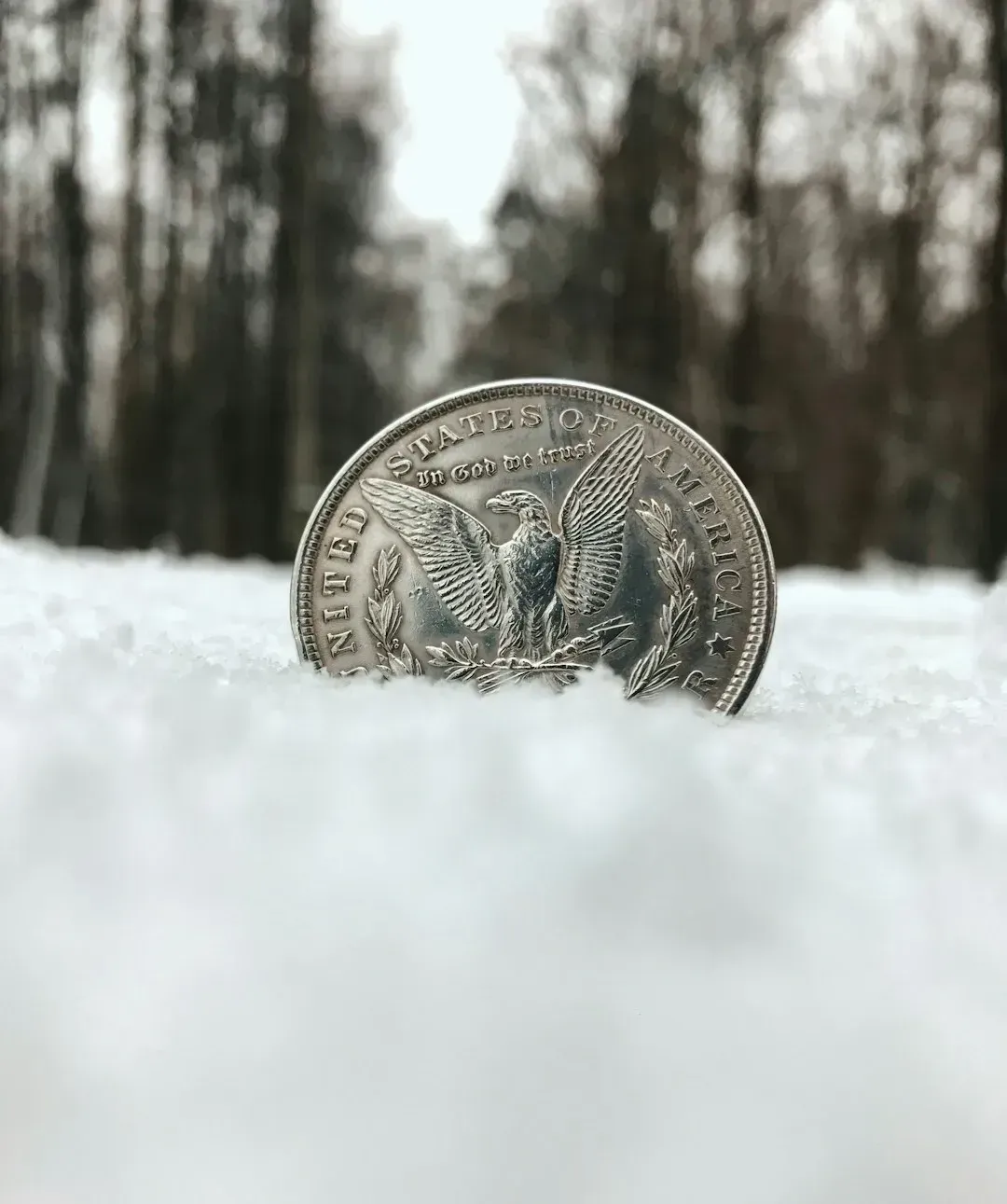
2. The 1916 Standing Liberty Quarter (Image Credits: Unsplash)
The 1916 Standing Liberty Quarter Dollar has one of the lowest mintages of any coin struck for circulation in the twentieth century. Technically, this type should not have appeared until 1917, because design changes were impermissible under the law until twenty-five years had elapsed. Despite the legal limitations, the Mint began producing coins with Hermon MacNeil’s new design in December of 1916. Production was limited to 52,000 coins, mostly because of time. No notice was given to the public that the quarter dollar had been redesigned, so virtually all examples entered circulation, thus accounting for the scarcity of high-grade examples today.
The undisputed king of the series is the 1916, with its tiny mintage of just 52,000 pieces – the lowest of any 20th-century regular-issue silver coin. Even in circulated grades, 1916 quarters command five-figure prices, while mint state examples regularly sell for $25,000 to $100,000 or more, depending on condition and strike quality. The original design also featured an exposed breast on Liberty, which was quickly revised in 1917 after public complaints. Of the original mintage, perhaps fewer than 10,000 examples survive in all grades combined, with mint state specimens particularly scarce. This combination of low mintage, limited preservation, and historical significance makes the 1916 one of the most valuable quarters in American numismatics.
3. The 1932-D and 1932-S Washington Quarters
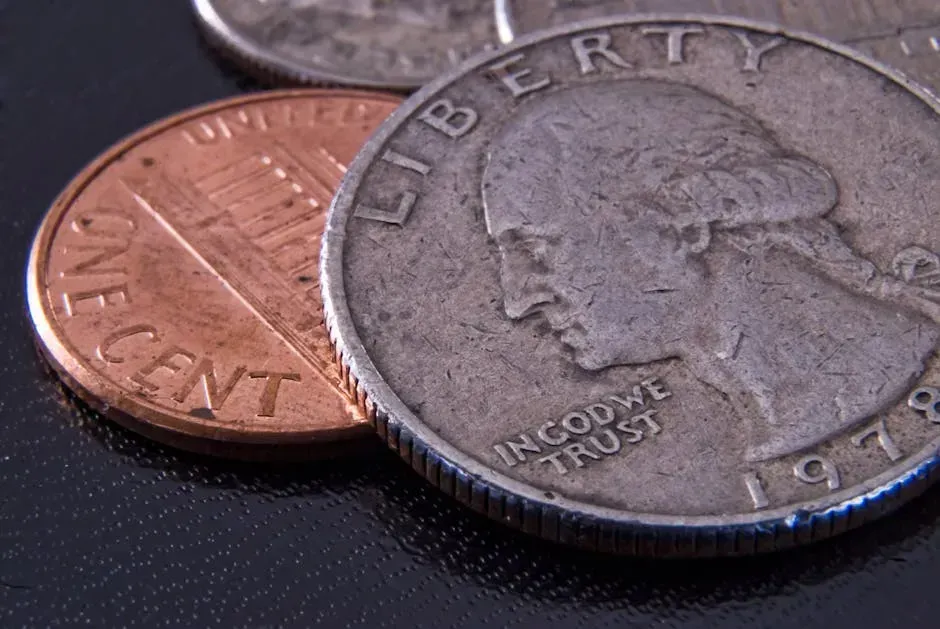
3. The 1932-D and 1932-S Washington Quarters (Image Credits: Pexels)
The 1932-D and 1932-S are considered the rarest and often the most valuable Washington quarters because of their low mintages. The 1932-S was the smallest mintage in the Washington Quarter’s history, with only 408,000 coins. The 1932-D was right behind it with 436,800 coins minted. These two coins launched the entire Washington quarter series, which would go on to become one of the longest-running designs in U.S. coinage history. The fact that both low-mintage dates came from the very first year of the series only adds to their appeal. Both are key dates in the series and have been highly sought after by coin collectors in all grades for over 60 years, making them among the most famous rare coins of the 20th century.
In poor condition, a 1932-D or S Washington Quarter can be worth around $100, while uncirculated examples can reach values of $10,000. Impeccable mint-state examples can sell for even more. A near-perfect 1932-D specimen in MS 66 condition sold for $143,750 in 2008. Today, far fewer – just 40,000 – are believed to survive of the 1932-S. It’s estimated that 12,000 of the survivors are mint state coins, and only 500 are graded MS65 or above. These ultra-fine coins are referred to as “gem quality.” Collectors frequently pursue both the D and S mintmarks together, treating them as a natural pair.
4. The 1901-S Barber Quarter
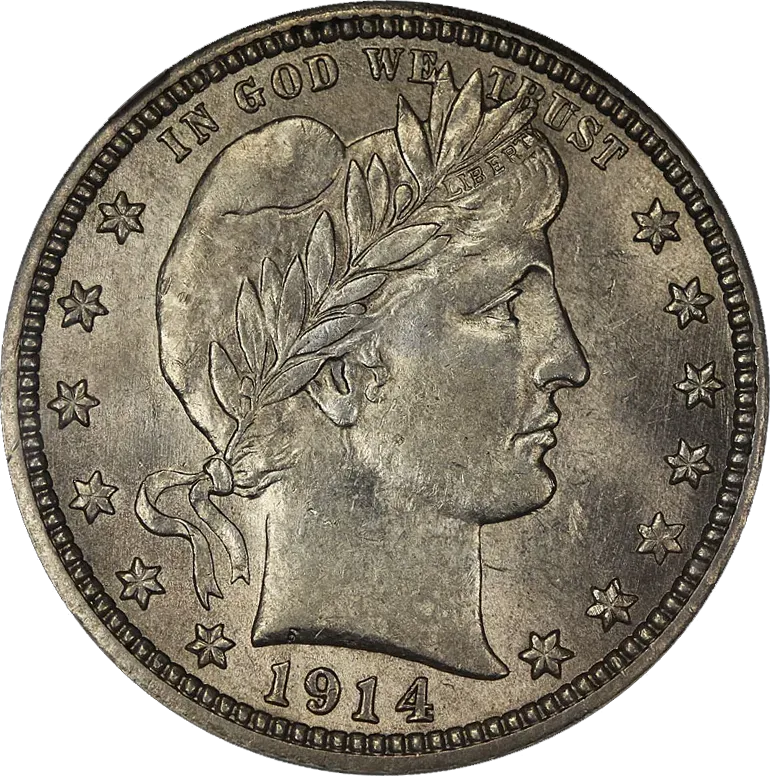
4. The 1901-S Barber Quarter (Actual coin, <a href="https://commons.wikimedia.org/w/index.php?curid=21896298" target="_blank" rel="noopener">Public domain</a>)
The 1901-S is considered to be the King of the 20th-century rarities for silver coinage. The Barber quarter series, designed by Charles Barber, ran from 1892 to 1916, and most dates in the series are relatively affordable. The 1901-S is the dramatic exception. Certain mints like the San Francisco Mint or the Denver Mint produced fewer coins each year, often making them more valuable. The San Francisco Mint’s output for the Barber quarter in 1901 was astonishingly small, creating one of the most sought-after coins of that entire era.
Charles Barber’s iconic design featured in the 1896-S Barber Quarter depicts Liberty with a headband on the obverse and a heraldic eagle on the reverse. The coin is extremely valuable due to its scarcity, minted in San Francisco as indicated by the “S” mintmark. The 1901-S variant is even more extreme in its scarcity. This quarter saw the lowest mintage of the 20th century at only 40,000 coins. Despite the lower mintage, it’s not the most valuable Barber quarter, but it can still reach impressive figures. Well-preserved examples regularly command tens of thousands of dollars at major auction houses, and the coin remains a benchmark rarity in any serious collection.
5. The 1970-S Proof Washington Quarter Struck on a 1941 Canadian Quarter
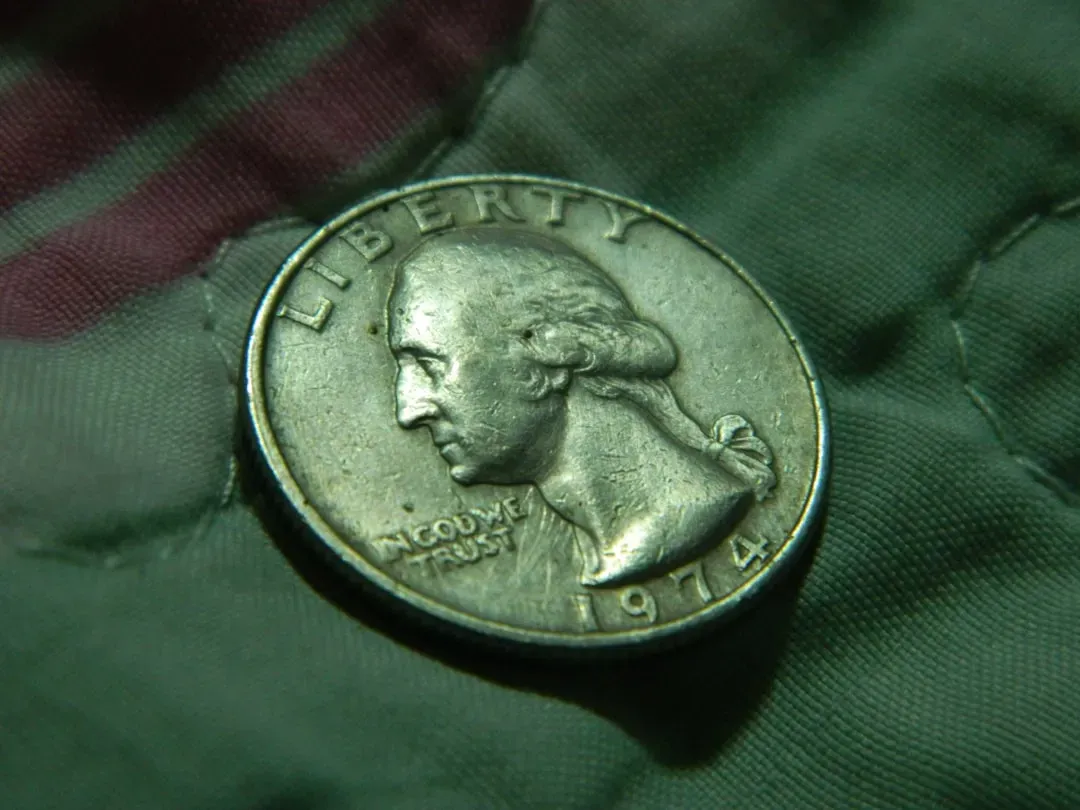
5. The 1970-S Proof Washington Quarter Struck on a 1941 Canadian Quarter (Image Credits: Unsplash)
A couple of 1970-S Proof Quarters were actually struck on 1941 Canadian Quarters by mistake. Consequently, the design of the American coin can be very faintly seen under the old Canadian coin. This is one of the most unusual minting errors in all of American coinage history. The error occurred because planchets – the metal blanks used to strike coins – from foreign coins accidentally made their way into the production process. The 1970-S Washington Quarter was only struck as a proof coin at the San Francisco Mint. These clad composition quarters have a mintage of over two million, so they’re not exactly rare on their own.
One of the most unusual and valuable quarters is the 1970-S Proof Washington Quarter struck on a 1941 Canadian quarter. This minting error created a coin that is both rare and fascinating. Only a few examples are known, and they have sold for tens of thousands of dollars at auction. Collectors love error coins for their uniqueness, and this one stands out as a remarkable find. This error is very rare and also very famous, which means that the prices of such coins have reached from $30,000 to $40,000. If you look closely at one of these pieces, the ghost of the older Canadian coin is still faintly visible beneath the American design – a literal layering of two countries’ histories on a single coin.
6. The 2004-D Wisconsin State Quarter with Extra Leaf Error
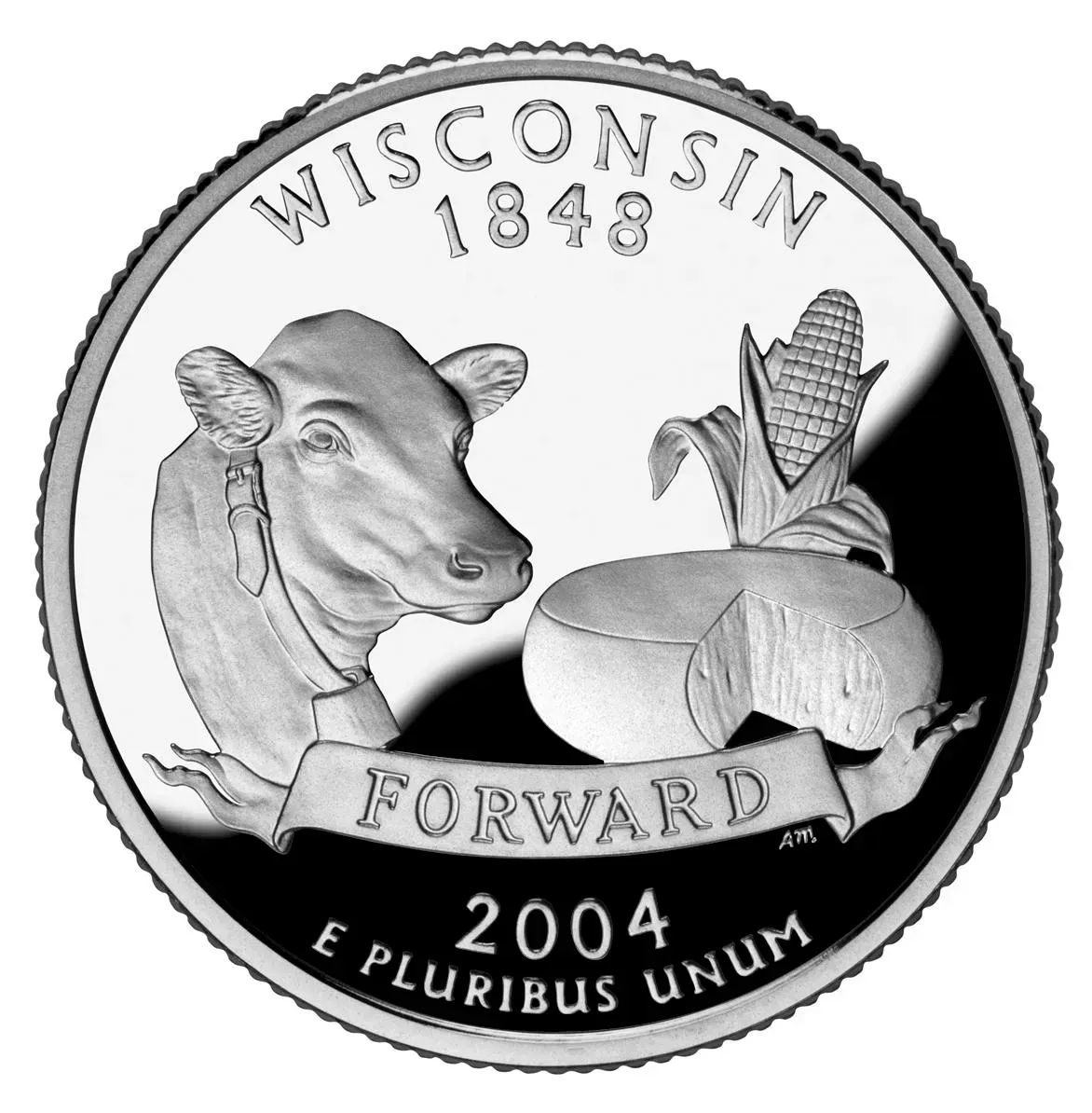
6. The 2004-D Wisconsin State Quarter with Extra Leaf Error (<a href="https://commons.wikimedia.org/w/index.php?curid=51470" target="_blank" rel="noopener">Public domain</a>)
The Wisconsin quarter errors represent perhaps the most famous and valuable varieties in the entire state quarter series. Discovered in late 2004, these varieties sparked national media coverage and sent collectors scrambling through their change. The design on the reverse of all Wisconsin quarters features a husk of corn. Some of them have an error that appears to add an additional leaf to the husk. What’s more, there are two different versions of this error. One version shows the extra leaf pointing downward, the other upward – giving collectors two distinct varieties to hunt for.
Unlike typical die breaks or accidents, the Extra Leaf varieties show intentional-looking additions to the design. Some numismatists theorize these resulted from deliberate die manipulation, possibly by a mint employee. The Numismatic News investigation suggested the modifications were too precise to be accidental. The most valuable state quarters include the 2004-D Wisconsin “Extra Leaf” varieties worth $50 to $65 in circulated condition. Certified high-grade examples have sold for considerably more, with some reaching several hundred dollars. For a coin that entered circulation as ordinary pocket change, that’s a remarkable premium – and a good reason to look carefully at any Wisconsin quarters you come across.
What makes these six quarters collectively fascinating is how varied their paths to value really are. Some became rare through a quirk of timing or a mint’s limited output. Others owe their worth to a freak error or a once-in-history production accident. Condition shapes value across all of them, sometimes turning a common coin into an extraordinary one simply because it was never spent.