
Most homeowners spend months planning a kitchen renovation. They agonize over countertop materials, cabinet styles, and which appliances will finally make cooking feel worth it. What almost nobody thinks about during that process? Their home insurance policy. It sounds boring, honestly. But the consequences of ignoring it can be genuinely shocking when a claim gets denied or falls dramatically short.
Here’s the thing: your kitchen is not just a room. To an insurance underwriter, it’s a collection of risk factors, material values, and replacement cost calculations that directly shape your coverage. Whether you’re swapping out laminate for stone, installing a wood-burning feature, or dreaming up an outdoor cooking space, each decision carries insurance implications most homeowners never see coming. Let’s dive in.
The Countertop Upgrade That Could Leave You Underinsured
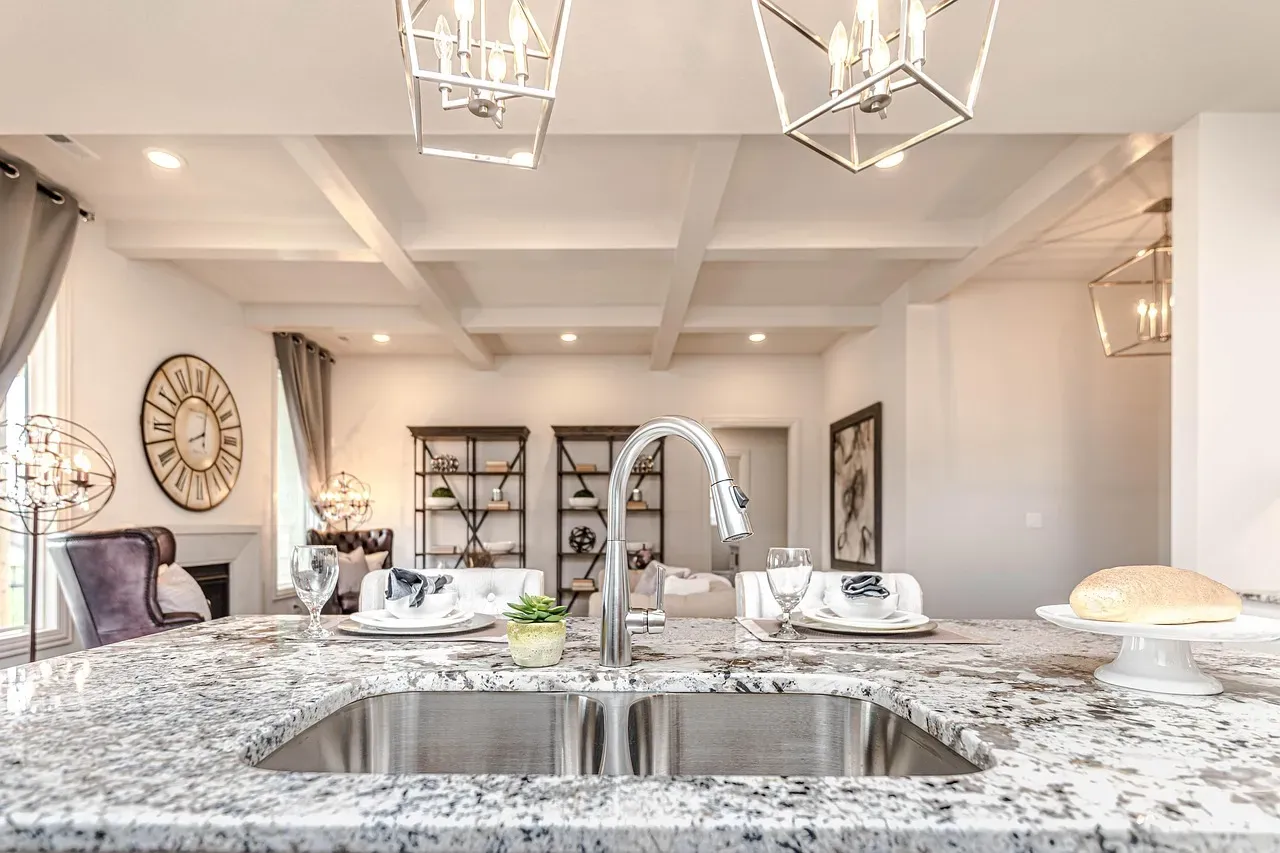
The Countertop Upgrade That Could Leave You Underinsured (Image Credits: Pixabay)
Kitchen renovations are among the most popular home improvements that can substantially increase your home's value, but they may also result in an increase in your insurance premiums. High-end materials, new appliances, and modern fixtures add to the overall replacement value of your home, which can result in higher insurance costs. Think of it like this: insuring a kitchen with granite countertops is a completely different financial calculation than insuring one with basic laminate. The materials are not interchangeable, and neither are the costs to replace them.
If you upgraded your kitchen with granite countertops, custom-made cabinets, and all new appliances, spending over $20,000, but your coverage limit reflected only your old kitchen with laminate countertops, generic cabinets, and old appliances, your existing coverage might not be enough to rebuild it just like it was before. I think a lot of homeowners genuinely don't realize how fast those coverage gaps can add up.
Custom Cabinetry and the Replacement Cost Problem
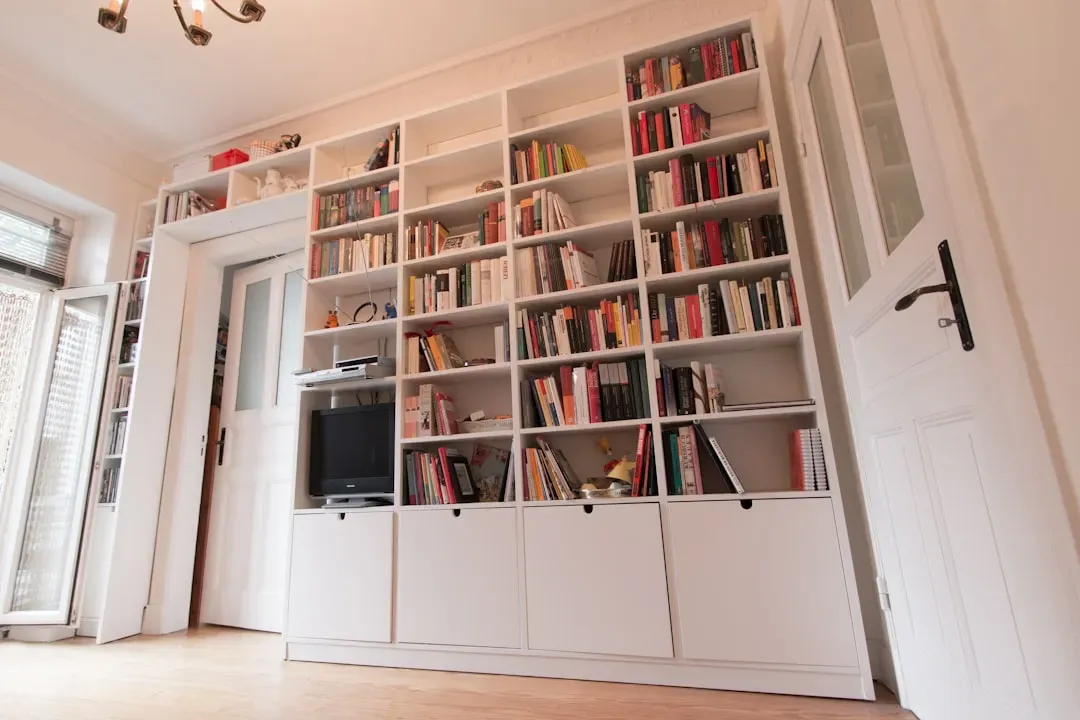
Custom Cabinetry and the Replacement Cost Problem (Image Credits: Unsplash)
Adding luxury finishes to your kitchen can make your home more attractive and increase its market value. However, you might also need to increase your dwelling coverage to ensure your policy will cover all of these upgrades if they need to be repaired or replaced. For example, replacing granite countertops or custom shelving will require more coverage than rebuilding standard finishings. Custom cabinetry is essentially bespoke furniture built into your walls. Replacing it after a fire or major water damage is nothing like swapping out a factory-standard unit from a home improvement store.
Custom features like skylights, wine cellars, or intricate woodworking may require special coverage. These unique additions can sometimes fall outside of typical coverage, so making sure your policy accounts for their value is essential. It's hard to say for sure how often these specific features get overlooked during policy reviews, but insurance professionals suggest it happens more often than anyone would like to admit.
High-End Appliances and the Personal Property Gap
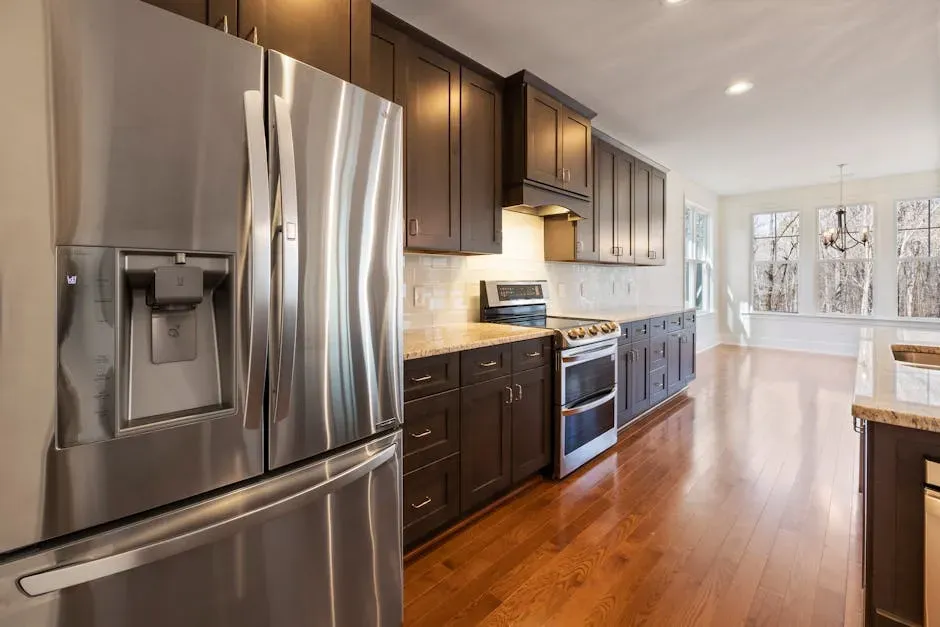
High-End Appliances and the Personal Property Gap (Image Credits: Pexels)
Renovations may involve adding new household items like appliances and furniture. Such additions can impact your personal property coverage. When renovating, take stock of any new items you add to the home. Expensive appliances, fixtures, and furniture contribute to an increased personal property value, which means higher replacement costs. Insurance companies typically offset this risk with higher premiums. A professional-grade range or a built-in refrigerator isn't just a kitchen appliance anymore. It's a multi-thousand-dollar asset that your policy needs to specifically account for.
Renovating your kitchen or bathroom with high-end finishes or expensive appliances increases your home's replacement value. If your dwelling coverage doesn't reflect these upgrades, you might pay out-of-pocket to rebuild or replace them in the event of a disaster. That's a bill nobody wants to receive after surviving a house fire. Always keep documentation and receipts for every major appliance you install.
Wood-Burning Features: A Serious Risk Factor Insurers Watch Closely
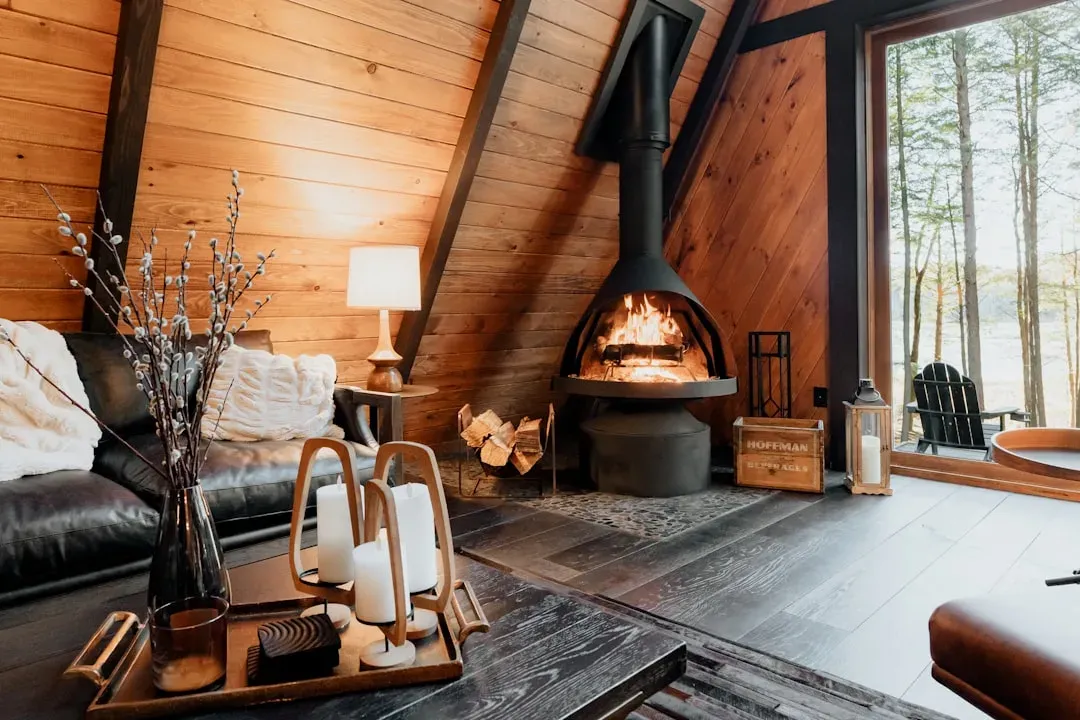
Wood-Burning Features: A Serious Risk Factor Insurers Watch Closely (Image Credits: Unsplash)
The presence of a wood stove in your home could potentially lead to higher homeowners insurance premiums. This is because wood stoves carry a higher risk of fire damage compared to other heating methods. Some homeowners add a wood-burning stove to their kitchen or adjacent area for rustic appeal or supplemental heat. That cozy aesthetic comes with a very real insurance consequence. It's not a minor footnote, either.
Some insurance companies may determine that wood-burning stoves render homes ineligible for homeowners insurance if they are the primary heat source. Other insurers may apply a wood-burning stove surcharge. An inspection is also critically important because if it is determined during a claim that a house fire was caused by an improperly installed wood stove, your claim could be denied due to negligence. That's a worst-case scenario, but it's a real one.
Kitchen Plumbing Upgrades: Where Insurance Can Actually Work in Your Favor
Kitchen Plumbing Upgrades: Where Insurance Can Actually Work in Your Favor (Image Credits: Unsplash)
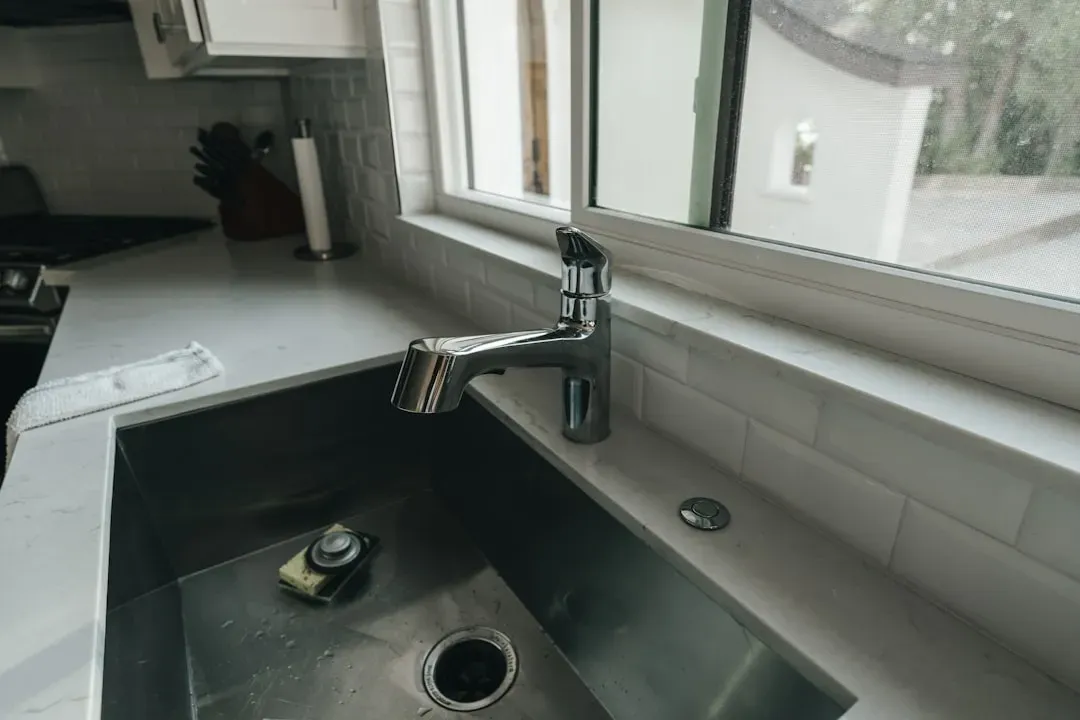
If you upgrade your wiring or plumbing systems, especially if they are older or no longer up to current building codes, you may qualify for an insurance discount. While rewiring a house can be expensive, it could also lower the risk of fires and electrical damage, which means insurance companies could charge you less for coverage because of reduced risk. Here's the refreshing flip side of this whole topic: not every kitchen upgrade raises your costs. Some of them can bring those premiums down meaningfully.
Modernizing your kitchen will result in an increase in premiums, but that can be offset by upgrading the electrical and plumbing to increase safety. If your contractor upgrades the plumbing or electrical wiring as part of the renovation, ask your homeowners insurance agent if you qualify for a discount or if your coverage needs to be adjusted. These upgrades can reduce the chance of flooding water damage and fire, so check if your insurance company has discounts that can help to reduce your premium. Pairing a luxury kitchen remodel with updated plumbing is genuinely one of the smarter financial moves a homeowner can make.
The Outdoor Kitchen Surprise Most Homeowners Miss

The Outdoor Kitchen Surprise Most Homeowners Miss (Image Credits: Unsplash)
Creating an outdoor kitchen with high-end grills, built-in refrigerators, and stonework can significantly increase your home's value. Outdoor kitchens have exploded in popularity over the last several years, and it's easy to understand why. A fully outfitted outdoor cooking space feels luxurious. What feels considerably less luxurious is realizing your homeowner's policy doesn't properly cover it after a storm or accident causes damage.
High-end grills, built-in refrigerators, and stonework as part of an outdoor kitchen can significantly increase your home's value, and that increase needs to be reflected in your coverage. Outdoor structures are often covered under what's called "other structures" in a standard policy, but that coverage has limits. If your outdoor kitchen investment runs into the tens of thousands of dollars, a standard policy provision likely won't be enough on its own.
Failing to Notify Your Insurer: The Risk Nobody Talks About Enough

Failing to Notify Your Insurer: The Risk Nobody Talks About Enough (Image Credits: Unsplash)
Not informing your insurer about renovations could result in inadequate coverage or complications during a claim. Let's be real: this is the part where many homeowners roll their eyes. Calling your insurance company feels tedious, especially when you're already managing contractors, permits, and budgets. But the consequences of skipping that call are far more painful than the call itself.
Failing to update your policy after renovations could leave you underinsured. Consider a home that is insured for $200,000. The owner upgrades the kitchen with new appliances, granite countertops, and custom cabinets. The home's rebuild value is now $260,000. If a disaster such as a fire destroyed the home, $200,000 in coverage might not be enough to restore the house to its former condition. That $60,000 gap doesn't come from nowhere. It comes from a kitchen renovation that never got reported.
When to Call Your Insurance Agent and What to Bring to That Conversation

When to Call Your Insurance Agent and What to Bring to That Conversation (Image Credits: Pexels)
Alert your insurance company about renovations before major construction work begins. Provide your agent with relevant details and projected timelines for the renovation. Purchase adequate coverage as soon as the project begins. Most people think of insurance as something you update after the work is done. In reality, calling your insurer before construction even starts is the right move, especially for anything that involves structural changes, new appliances, or major material upgrades.
Inform your insurer about these changes and provide documentation like receipts and photos to ensure your policy is updated. A carrier may request updated details on materials, systems, and total finished area, then adjust pricing to match the new replacement cost. Keeping a clear paper trail, including contractor invoices, product specs, and before-and-after photos, makes the entire process smoother and protects you if a dispute ever arises during a claim. What would you do if you found out your dream kitchen renovation left you hundreds of thousands of dollars underinsured? Tell us in the comments.