
Skepticism about new technology is completely reasonable. Most gadgets seem designed with a 25-year-old in mind, and the instruction manuals don’t help. Some older adults remain hesitant to fully embrace new technologies because of data privacy worries and a lack of support geared toward older consumers. That hesitation is fair. Still, there’s a meaningful difference between gadgets that are genuinely useful and ones that just collect dust.
Nearly two-thirds of adults 50 and older say technology enriches their lives by making daily life and aging easier. The five devices below aren’t about keeping up with trends. They’re about safety, independence, and staying connected on your own terms. Each one has a specific, practical role – and none of them require a technical background to use.
1. A Smartwatch with Fall Detection and Heart Monitoring
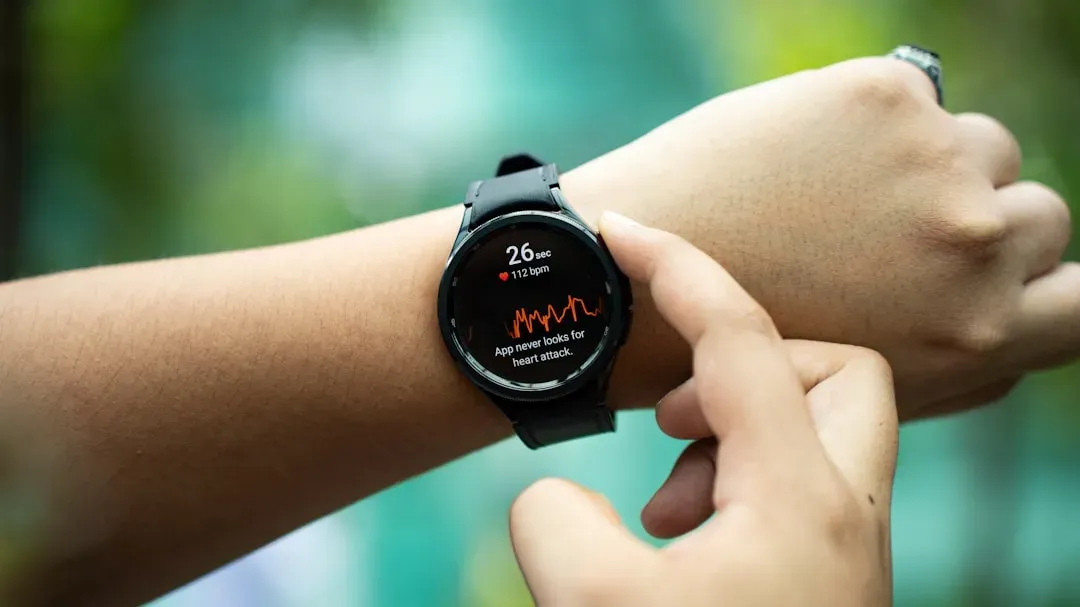
1. A Smartwatch with Fall Detection and Heart Monitoring (Image Credits: Unsplash)
From Apple Watch to Fitbit, wearable technology has grown increasingly popular. For seniors, these gadgets aren't just about counting steps – they provide features such as heart rate monitoring, fall detection, and emergency alerts. The Apple Watch SE, for instance, is widely recognized for its reliability in this space. It is known for its best-in-class fall detection, emergency SOS calling, and heart health monitoring, including ECG and heart rate variability tracking.
Some smartwatches automatically call emergency contacts if a hard fall is detected and no response is given. High-end models can even track electrocardiograms, alerting users to irregular heart rhythms. That kind of quiet, background monitoring is exactly what makes a smartwatch worth wearing every day. Look for a watch with a larger, easy-to-read screen and customizable alert settings if you have hearing or vision challenges. Some models even support always-on displays that make it simpler to check the time without lifting your wrist.
2. A Voice-Activated Smart Speaker
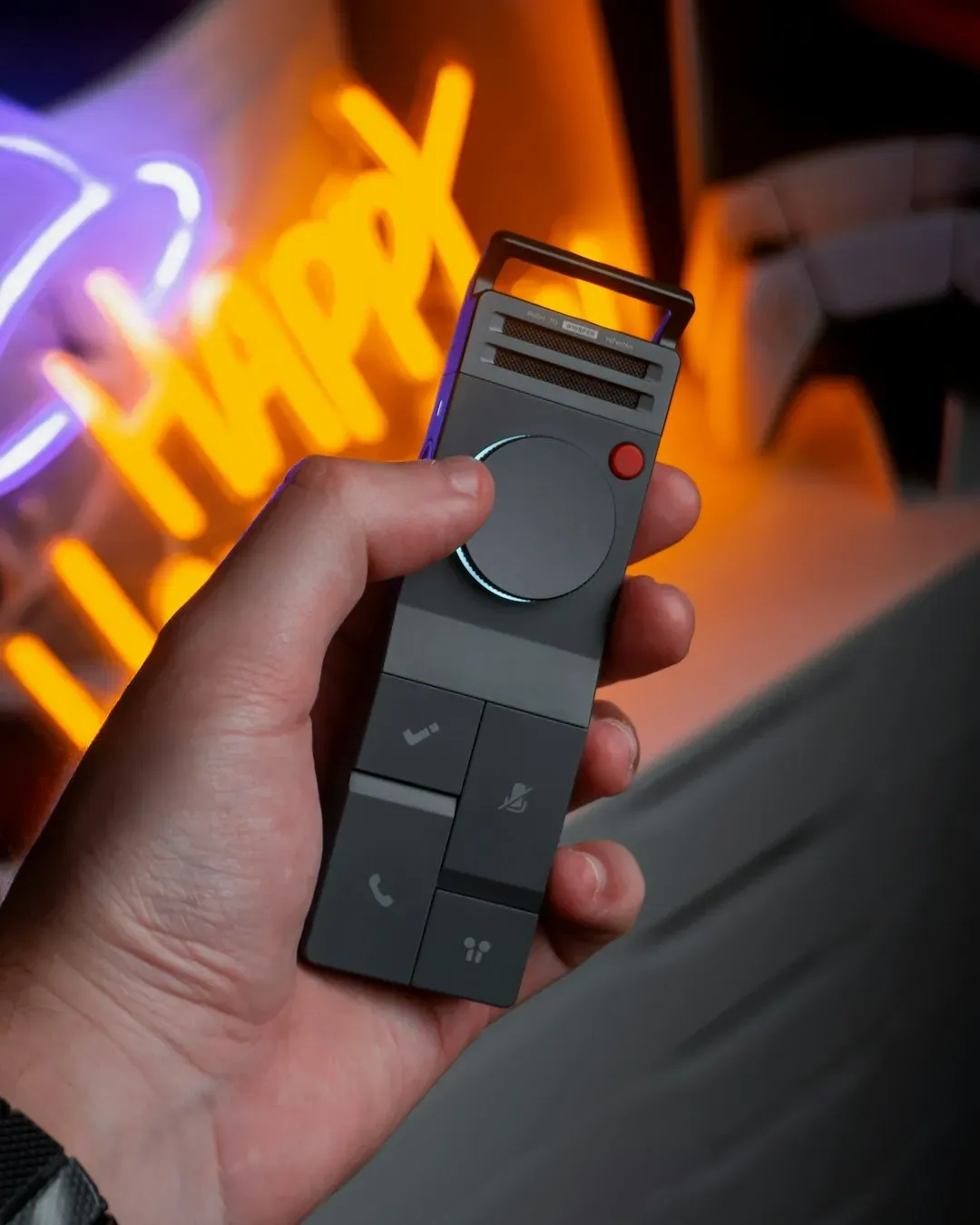
2. A Voice-Activated Smart Speaker (Image Credits: Unsplash)
Voice-activated devices like Amazon Echo, Google Nest, or Apple HomePod enable hands-free control of various tasks. For anyone who finds small touchscreens frustrating or dexterity a challenge, this is genuinely one of the most low-barrier pieces of tech available today. Instead of having to swipe or tap, you could simply say "Alexa, remind me to take my medication at 7 p.m." or "Hey Google, call my daughter."
Smart speakers pair with smartphones to provide weather updates, set reminders, send texts, make calls, play music, and much more. They also come with voice-activated assistants like Amazon Alexa and Google Assistant. The real value here isn't novelty – it's the way these devices quietly reduce small daily frustrations. Investing in additional smart home devices can allow voice-activated assistants to take on even more tasks, from controlling lights to locking doors, all without leaving your chair.
3. A Tablet for Video Calls, Reading, and Telehealth

3. A Tablet for Video Calls, Reading, and Telehealth (Image Credits: Unsplash)
Tablets are perfect for video calls, reading books, or watching TV shows. Many come with reading modes that reduce eye strain. They're also lightweight and portable, making them easier to handle than laptops. For retirees who want to stay in touch with family or manage healthcare appointments from home, a tablet covers all of that in one simple device.
Healthcare delivery has transformed dramatically, with telehealth allowing older adults to consult medical professionals from home. Certain gadgets streamline the experience, including blood pressure cuffs, pulse oximeters, and blood glucose meters that can sync data to healthcare providers in real time. A tablet is the hub that ties all of this together. Some tablets are designed specifically with seniors in mind, featuring a simplified user interface that makes it easy to participate in video calls, share photos, and browse the internet.
4. A Digital Photo Frame That Updates Itself
4. A Digital Photo Frame That Updates Itself (Image Credits: Unsplash)
This one sounds simple, almost too simple – but it consistently earns its place. Digital photo frames allow family members to add photos directly from their phones, giving seniors a dynamic and updated view of their loved ones' lives. Regularly updated with new images, these frames bring joy and connection as seniors can see recent moments from family trips, holidays, and day-to-day life.
As children start their own families and loved ones move away or pass on, older adults are prone to experiencing more frequent periods of loneliness. In fact, roughly four in ten adults aged 60 and older report feeling lonely. A digital frame doesn't replace real connection, but it offers something steady and warm on a daily basis. Frames from brands like Aura or Nixplay receive new photos wirelessly from family members without requiring any action on the retiree's part – which is precisely why they work.
5. A Medical Alert Device or Wearable Emergency System
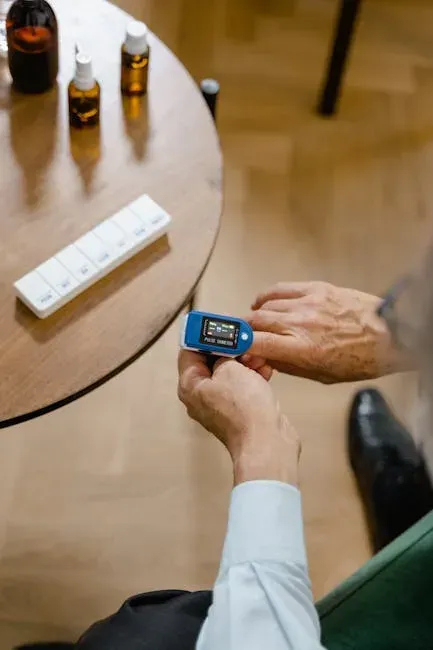
5. A Medical Alert Device or Wearable Emergency System (Image Credits: Pexels)
Medical alert systems are wearable devices designed to keep older adults safe, both at home and on the go. By wearing a discreet pendant around the neck or wrist, you or your loved one can easily access around-the-clock help. Wearers simply press a button, and they'll be connected to a trained operator. The technology has improved significantly in recent years, with many devices now offering GPS tracking and automatic fall detection.
In the U.S., more than one in four adults age 65 and older experience a fall each year. Wearing a medical alert device allows you to summon help if needed in the event of a fall. Despite how useful these devices are, adoption remains surprisingly low. Connected medical alert devices, considered the top technology for helping with aging in place, are owned by only a small fraction of adults 50 and older, and fewer than one in five plan to purchase them in the future. That gap between usefulness and adoption is worth closing – especially for anyone living alone.
None of these five gadgets demand technical expertise or a steep learning curve. Each one solves a real problem: staying safe, staying healthy, staying connected, and staying in control of daily life. You don't have to adopt everything at once – start with the tech that addresses your most pressing needs, whether that's medication management, home security, or connectivity with family and friends. That's a reasonable place to begin.