
Most people treat a $2 bill like a curiosity. You get one as change, tuck it in a drawer, and forget about it for years. It feels special somehow, but you’re never quite sure why. That instinct to hold onto it might be worth more than you realize.
Not every $2 bill is rare or valuable, but certain examples can be worth far more than their face value. The main reason for this increased value is not the design or the age alone, but the serial number printed on the bill. Knowing what that eight-digit string actually means could be the difference between spending two dollars at a coffee shop and selling a bill for thousands.
Why the $2 Bill Has Always Been a Little Different
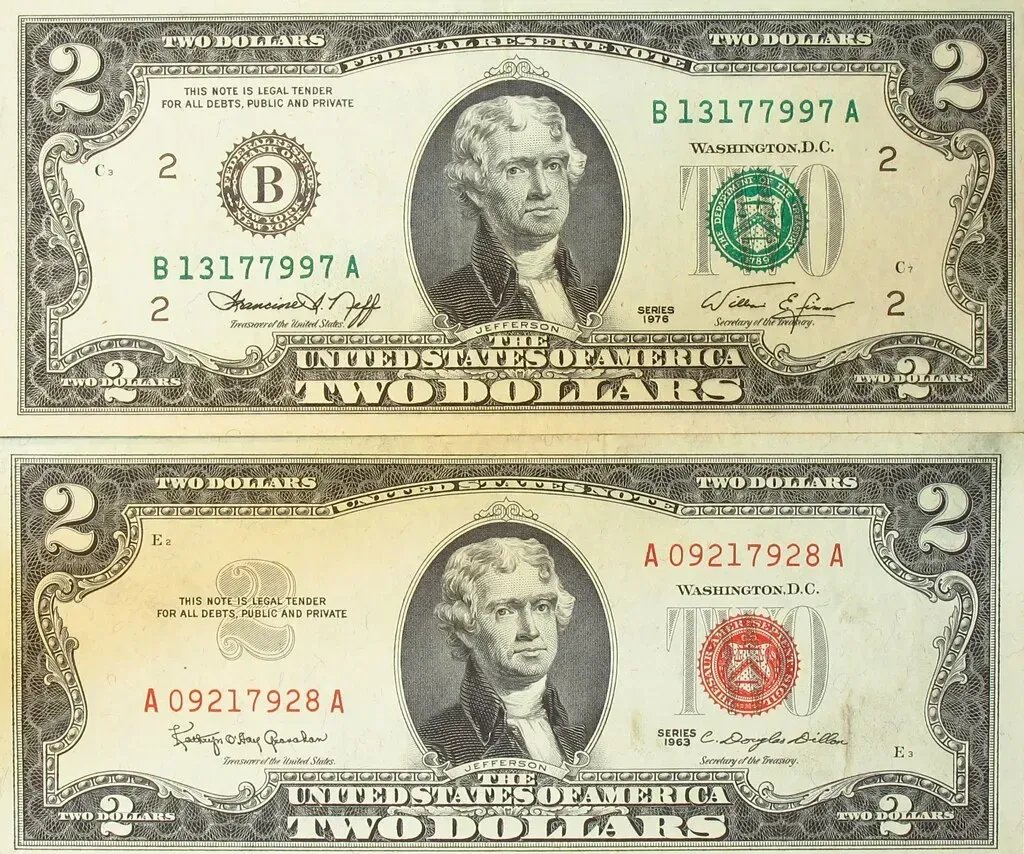
Why the $2 Bill Has Always Been a Little Different (The.Comedian, Flickr, <a href="https://creativecommons.org/licenses/by/2.0/" target="_blank" rel="noopener">CC BY 2.0</a>)
The $2 bill was first printed in 1862 and is still in circulation today in the United States. It originally featured a portrait of Alexander Hamilton, but that changed with an 1869 redesign that featured Thomas Jefferson. That redesign introduced the look most people still recognize today.
Two-dollar bills are the rarest currently produced money in the United States, but according to the Federal Reserve, about 1.2 billion two-dollar bills are in current circulation. That may sound like a lot, but when you compare it to the 11.7 billion one-dollar bills in circulation, it takes on a new perspective. Two-dollar bills account for less than 0.001% of all currency in circulation. That relative scarcity is exactly what stirs collector interest.
What Makes a Serial Number "Fancy"
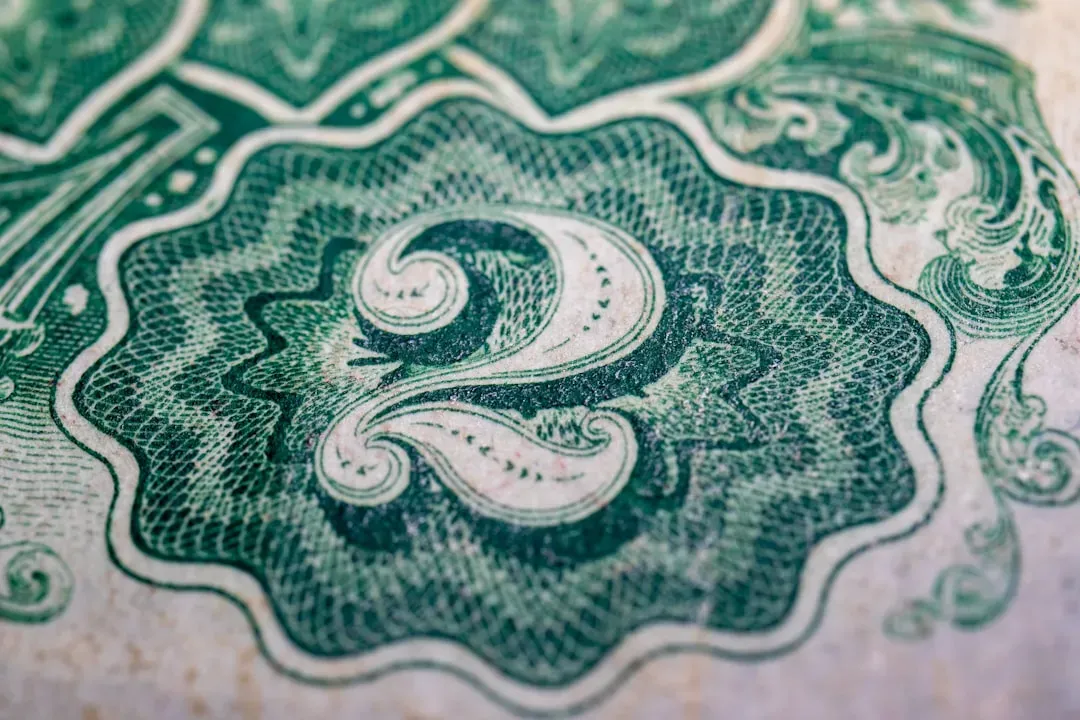
What Makes a Serial Number "Fancy" (Image Credits: Unsplash)
Most serial numbers appear random, but some follow patterns or contain unusual characteristics. These uncommon serial numbers are known in the collecting world as “fancy serial numbers,” and their rarity makes them attractive to collectors. The term covers a wide range of patterns, from simple repeats to near-mathematical perfection.
Each note of the same denomination has its own serial number. Up through Series 1995, all Federal Reserve notes had serial numbers consisting of one letter, eight digits, and one letter, such as A12345678B; now only the $1 and $2 notes still use this form. That structure is exactly what collectors analyze when hunting for rare patterns.
The Ladder Note: Rarest of All Serial Patterns
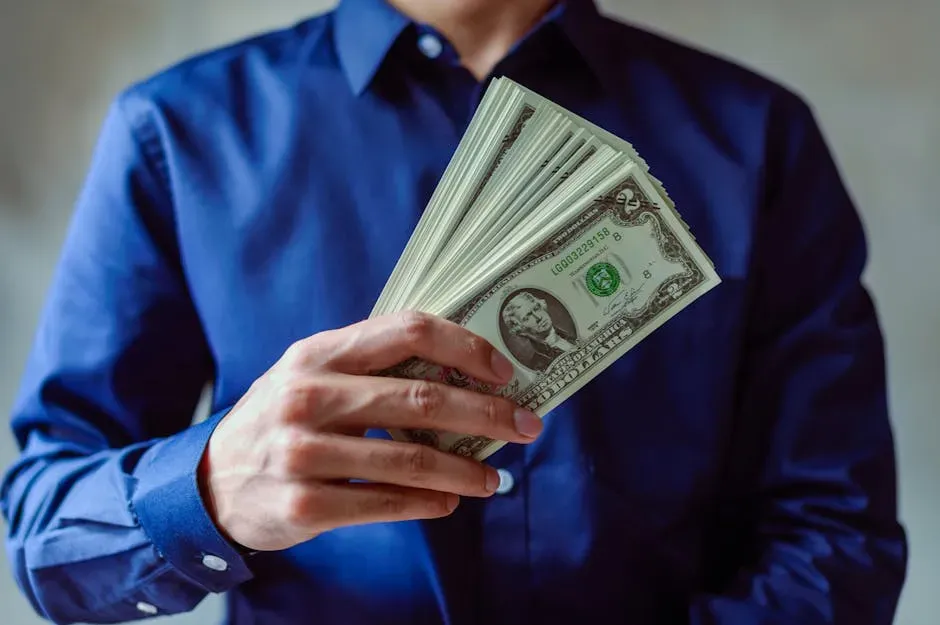
The Ladder Note: Rarest of All Serial Patterns (Image Credits: Pexels)
The ladder note is the rarest possible two-dollar bill as it has a unique serial number, 12345678. Only one banknote out of every 96 million notes is a ladder note with this serial number, making them one of the rarest finds. The reverse ladder, running from 87654321, is considered equally desirable.
The rarest $2 bill from the 1976 series is known as a ladder note, which means its serial number is 12345678. These notes can be worth thousands of dollars at auctions. If you happen to find one in an old envelope or wallet, treat it with extreme care before doing anything else.
Solid Serial Numbers: All Eight Digits the Same
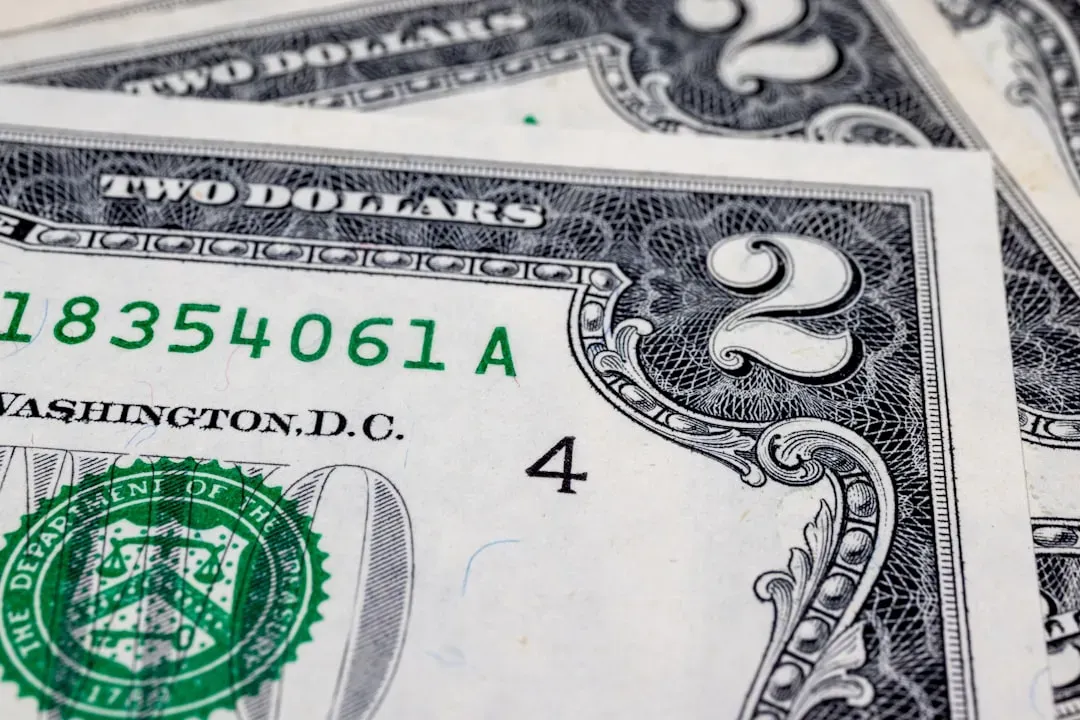
Solid Serial Numbers: All Eight Digits the Same (Image Credits: Unsplash)
A solid serial number is one where every digit is the same, like 55555555. Only about one out of every 11 million notes is a solid, and they can be worth $500 or more. Some super-rare ones are listed on eBay for thousands of dollars. On a $2 bill specifically, the premium tends to be even higher given the denomination’s lower total print runs.
A 1976 $2 bill saved by a grandmother “because it might be worth something” turned out to have a solid serial number. When professionally graded PMG 64 EPQ, it sold at auction for $9,600, nearly 5,000 times its face value. This verified sale demonstrates the incredible value potential of fancy serial numbers.
Radar Notes: Serial Numbers That Read the Same Backward
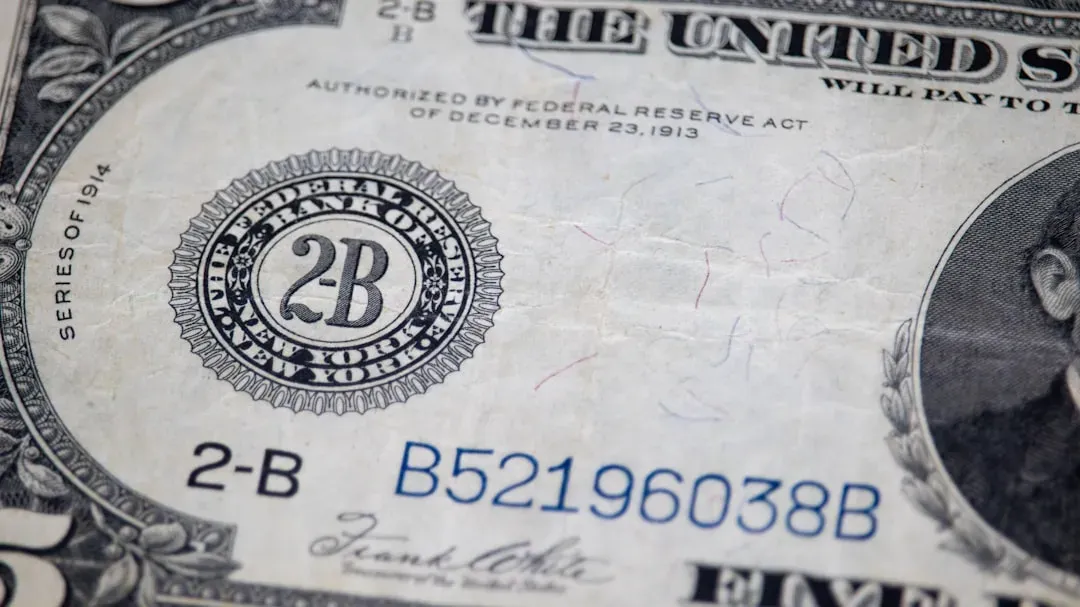
Radar Notes: Serial Numbers That Read the Same Backward (Image Credits: Unsplash)
Bills with serial numbers that read the same forward and backward, such as 12344321, are named for their palindromic pattern. These notes are highly valued by collectors for their mathematical perfection and symmetry. The nickname “radar note” comes from the fact that the word “radar” itself reads the same in both directions, which sums up the concept perfectly.
Valuable patterns include repeaters like “12341234” and palindromes like “12344321,” with some reaching $5,000 or more depending on condition and pattern. Collectors treat these as a category distinct from simple repeaters, valuing them for their mathematical elegance rather than just their visual repetition.
Repeater Notes: When the Pattern Doubles Itself
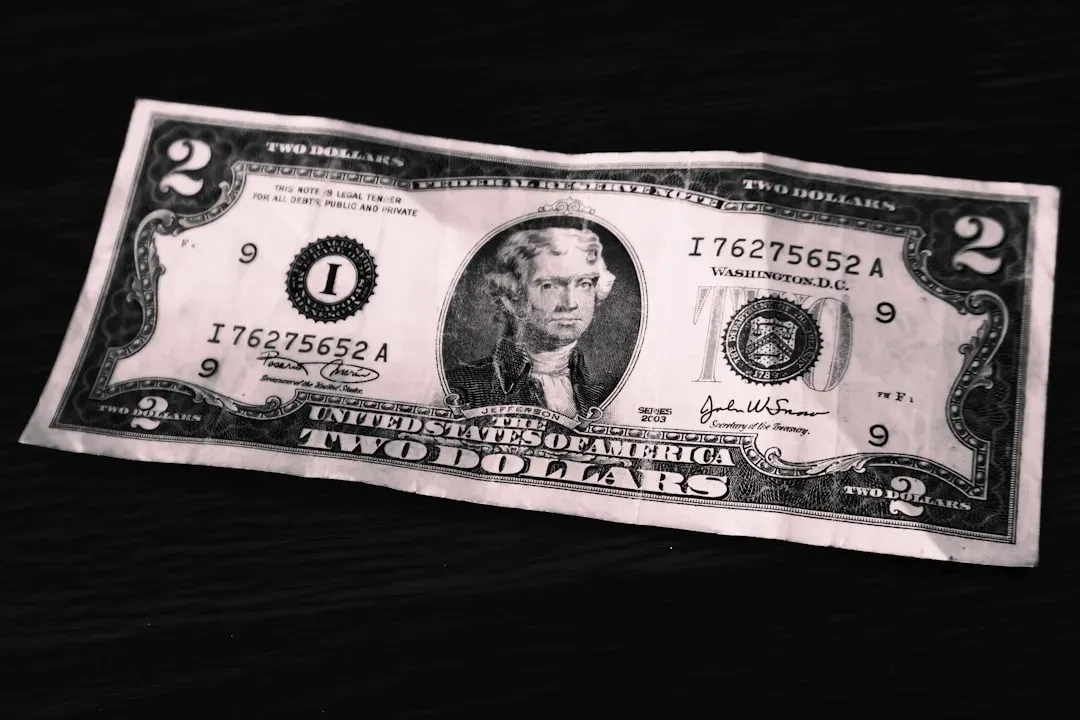
Repeater Notes: When the Pattern Doubles Itself (Image Credits: Unsplash)
Repeater serial numbers follow patterns like 45454545 or 23232323. A two-digit repeating number, like 45454545, is called a super repeater and is even more valuable. Some eBay listings start at a few hundred dollars. Standard repeaters, where a four-digit block simply repeats, sit one tier below but still command meaningful premiums.
Because solid notes are so rare, people also collect near-solids, where only one digit differs, like 55555575. These will usually bring in less money than a solid, but you’re more likely to find one. It’s a tiered market, and even the imperfect versions of these patterns find willing buyers.
Low Serial Numbers: Close to Zero is Close to Gold
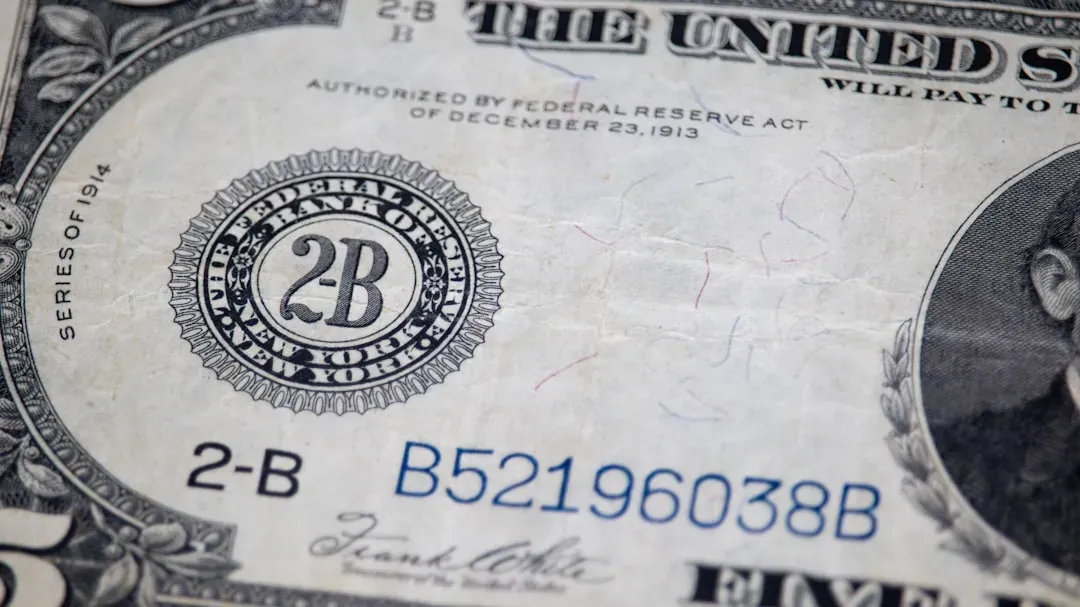
Low Serial Numbers: Close to Zero is Close to Gold (Image Credits: Unsplash)
Low serial numbers, those starting with multiple zeros such as 00000001 or 00000123, are extremely rare and highly collectible. Low serial numbers under 100 are among the most reliable value drivers for any series. These bills represent the very first notes off the printing press in a given run, which gives them a distinct appeal to serious collectors.
A collector searching through modern $2 bills found a 2003 series note with an extremely low serial number. Initially purchased at face value, this single bill sold for $2,400 and was later resold for $4,000. Patient searching, it turns out, can be a surprisingly effective strategy.
Star Notes: The Replacement Bills Collectors Track Down
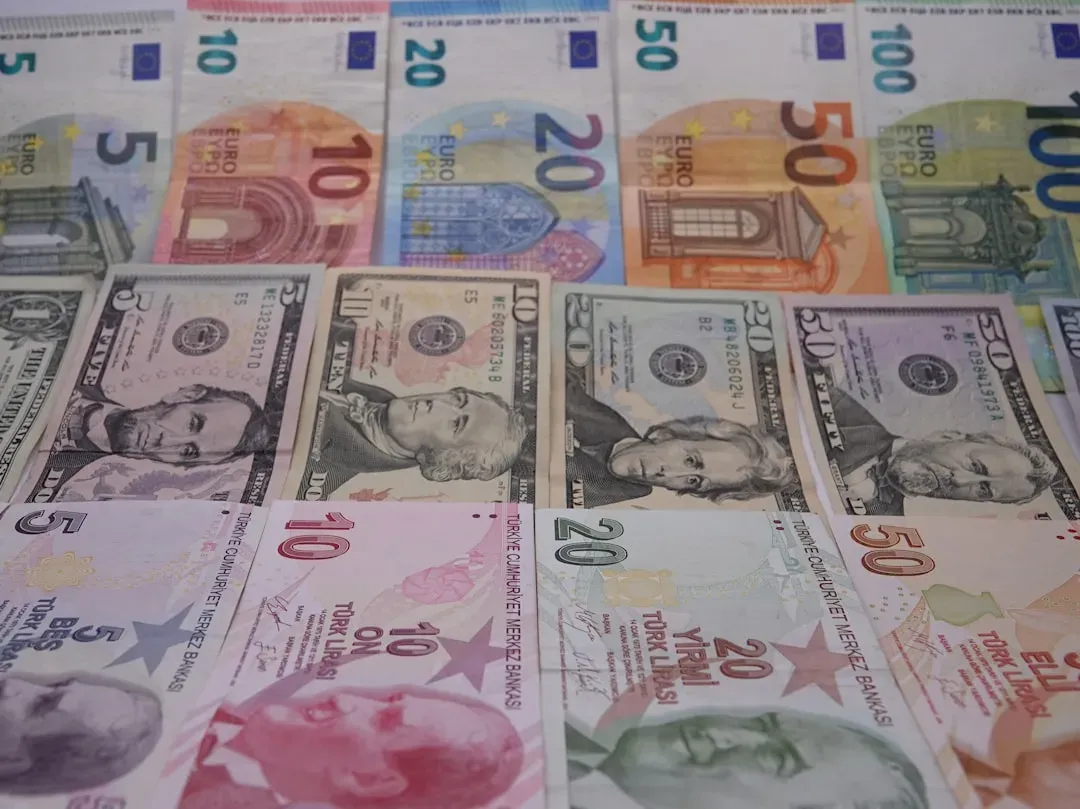
Star Notes: The Replacement Bills Collectors Track Down (Image Credits: Unsplash)
When an imperfect sheet is detected during the manufacturing process after the serial number has been overprinted, it must be replaced with a new sheet. A “star” sheet is used to replace the imperfect sheet. Reusing an exact serial number to replace an imperfect note is costly and time consuming. A “star” note has its own special serial number followed by a star in place of a suffix letter.
Star notes, these replacement bills marked with a star after the serial number, are printed in lower quantities. Red seals on pre-1976 United States Notes are more desirable than the common green seals. Collector value for star notes ranges from $100 to over $1,000, depending on year and grade.
Red Seal Notes and the 1928 Series
Red Seal Notes and the 1928 Series (Image Credits: Unsplash)
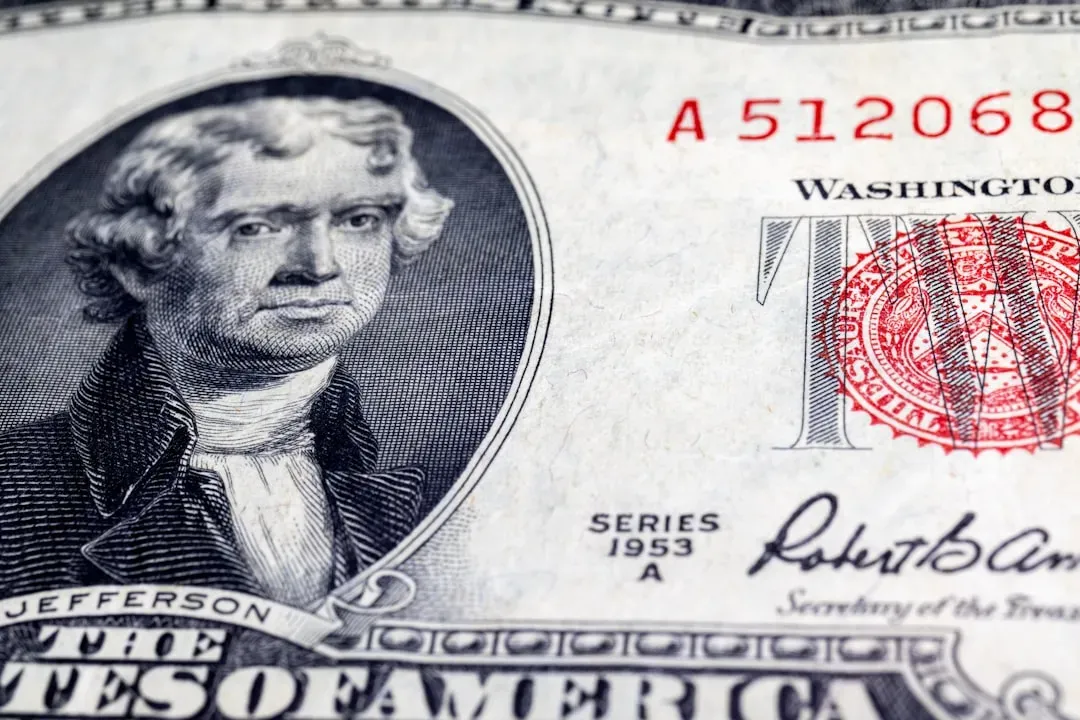
The series year printed on a $2 bill also matters. Older series are generally harder to find, especially in good condition. Bills printed before 1976 are often more valuable than modern issues. The shift from red seals to green seals in 1976 marks one of the clearest dividing lines in $2 bill collecting.
Among the rare varieties is the 1928-B star note with the Woods-Mills signature combination, one of the rarest $2 bill varieties. Despite being in only “Fine” condition, one such note was authenticated and sold for $12,000 to a serious collector. A Red Seal $2 United States Note from 1928, in excellent condition, sold for an unbelievable $88,125, with the astronomical price tag due to its rarity, historical significance, excellent condition, and the desirability of Red Seal notes among collectors.
Condition and Grading: The Factor That Multiplies Everything
Condition and Grading: The Factor That Multiplies Everything (Image Credits: Unsplash)
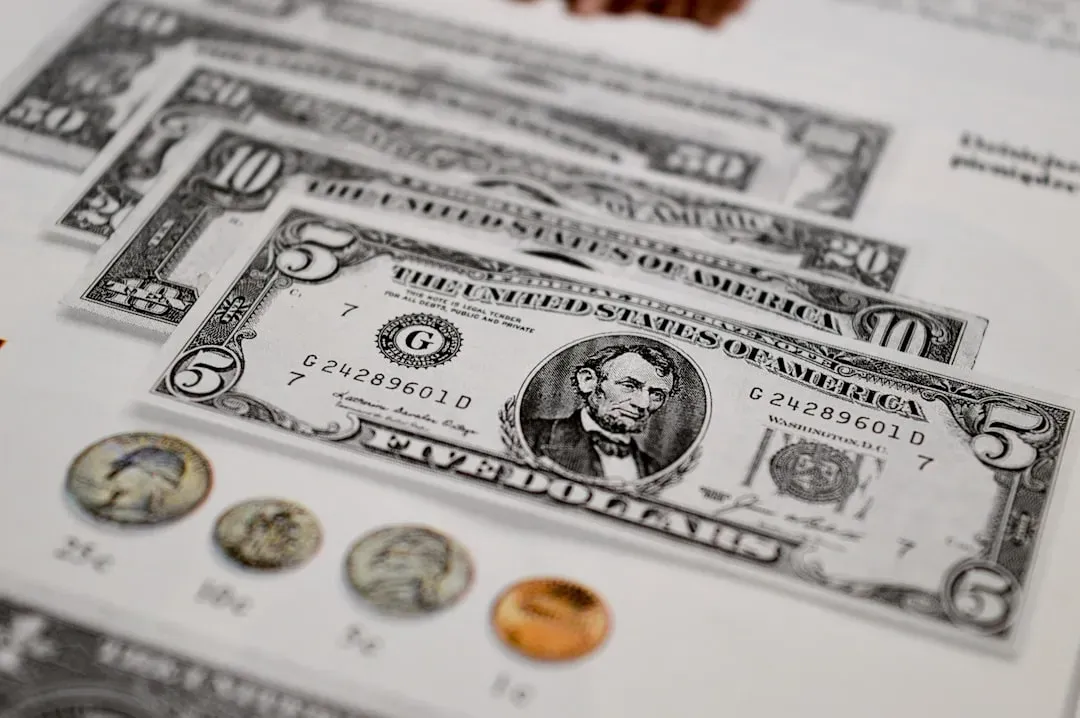
Bills are graded on a scale usually up to 70, and the higher the grade, the better the condition. A mint-condition bill with a high grade can sell for substantially more than a worn or torn bill of the same series and serial number. Grading is typically done by reputable agencies like PCGS or PMG.
At the highest levels, even a one-point grading difference can make a huge difference in value. A 1963 non-star $2 bill graded 68 is worth around $175. But graded a point higher, the value rises to an impressive $1,200. That kind of sensitivity to grade means how you store a bill matters just as much as what’s printed on it. Never fold, write on, or attempt to clean the bill, as this destroys value.
Where Collectors Buy and Sell These Bills
Where Collectors Buy and Sell These Bills (Image Credits: Pixabay)
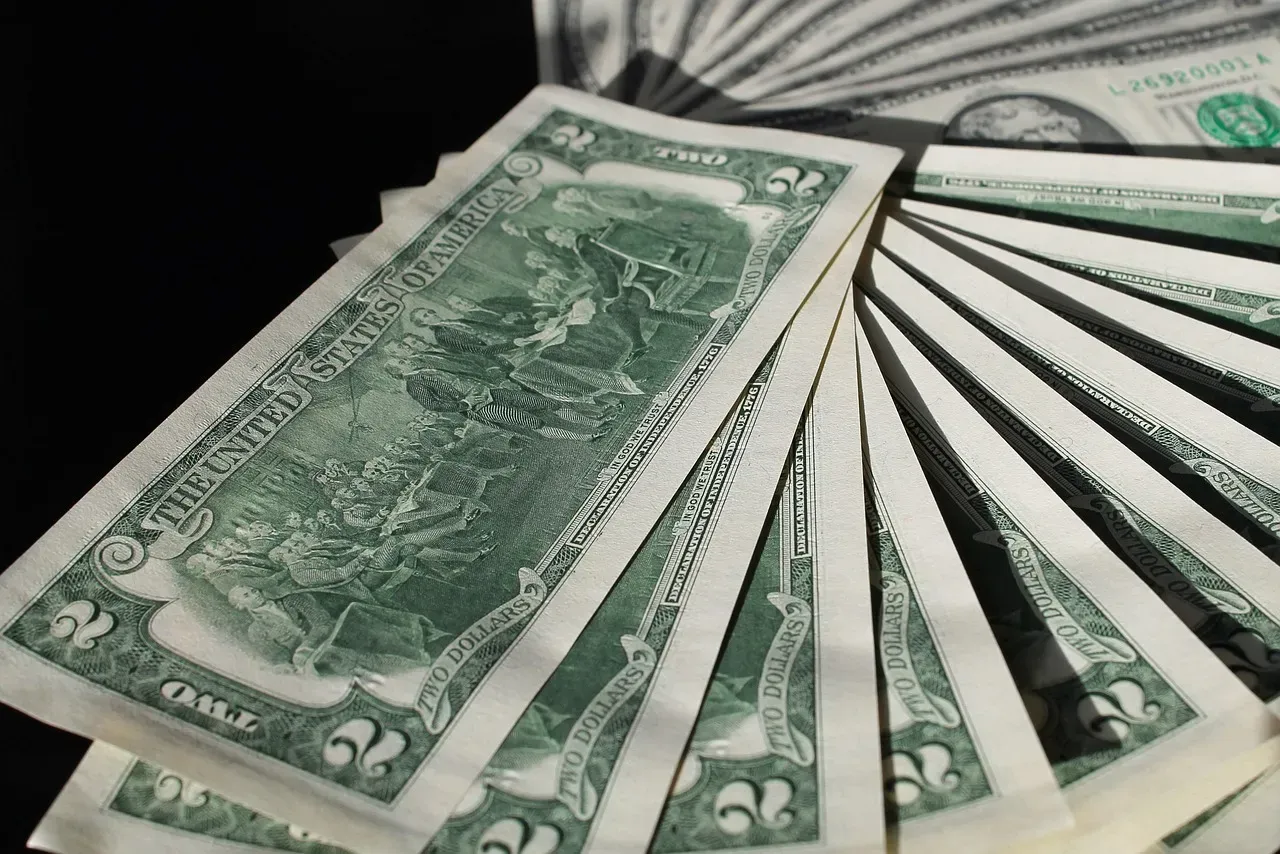
The market for collectible $2 bills is quite active. Many $2 bills are traded via online marketplaces, including eBay, Heritage Auctions and currency dealer websites. The transparency of online auction results has also made it much easier for everyday people to check whether a bill they found is worth pursuing.
The demand for rare $2 bills means that sellers can often find buyers quickly, especially for well-preserved or unique bills. In general, older bills and bills with errors tend to sell the fastest and at the highest prices. Certified notes with proper documentation tend to fetch higher bids. Submitting a promising bill to a grading service before listing it is generally considered the smart move.
The $2 bill has never really fit neatly into everyday commerce. Too small to be paper money people reach for, too interesting to throw away. That awkward in-between status is, in a quiet way, exactly what makes the right one worth holding onto. Before you reach into your wallet the next time you find one, take thirty seconds to check those eight digits first.