
Most people, when asked what makes their home comfortable, mention things like a good couch or a warm color palette. Those things matter, but they’re rarely the whole story. Real home comfort is a layered experience that involves physics, psychology, biology, and a quiet sense of belonging – often working together in ways that are hard to pin down until something goes wrong.
Research consistently shows that our homes influence our mood, health, sleep, and even our relationships. Research in psychology suggests that our surroundings can have a big impact on our mood and mental health, and a cozy environment can bring out feelings of security, nostalgia, and belonging, supporting us in times of stress or uncertainty. Understanding what actually drives that sense of comfort – and what quietly undermines it – is more useful than any single decorating tip.
Temperature: The Invisible Architect of Comfort

Temperature: The Invisible Architect of Comfort (Image Credits: Pexels)
Of all the physical factors in a home, temperature is arguably the most powerful. Maintaining an optimal temperature is crucial for comfort – whether it's the warmth of a crackling fireplace on a cold winter's night or the cool breeze of a ceiling fan on a sweltering summer day, temperature plays a significant role in creating a comfortable space.
The science behind bedroom temperature is particularly clear. Moderate thermal environments, generally ranging between 18°C and 22°C, support sleep continuity in most healthy adults, though optimal thresholds may vary by age, region, and season. When temperatures rise above that range, sleep quality drops noticeably. Sleep was most efficient and restful when nighttime ambient temperature ranged between 20°C and 25°C, with a clinically relevant drop in sleep efficiency when the temperature increased from 25°C to 30°C. That's not a trivial difference – it affects how rested a person actually feels the next day.
Indoor Air Quality: What You Can't See Is Hurting You
Indoor Air Quality: What You Can't See Is Hurting You (Image Credits: Unsplash)
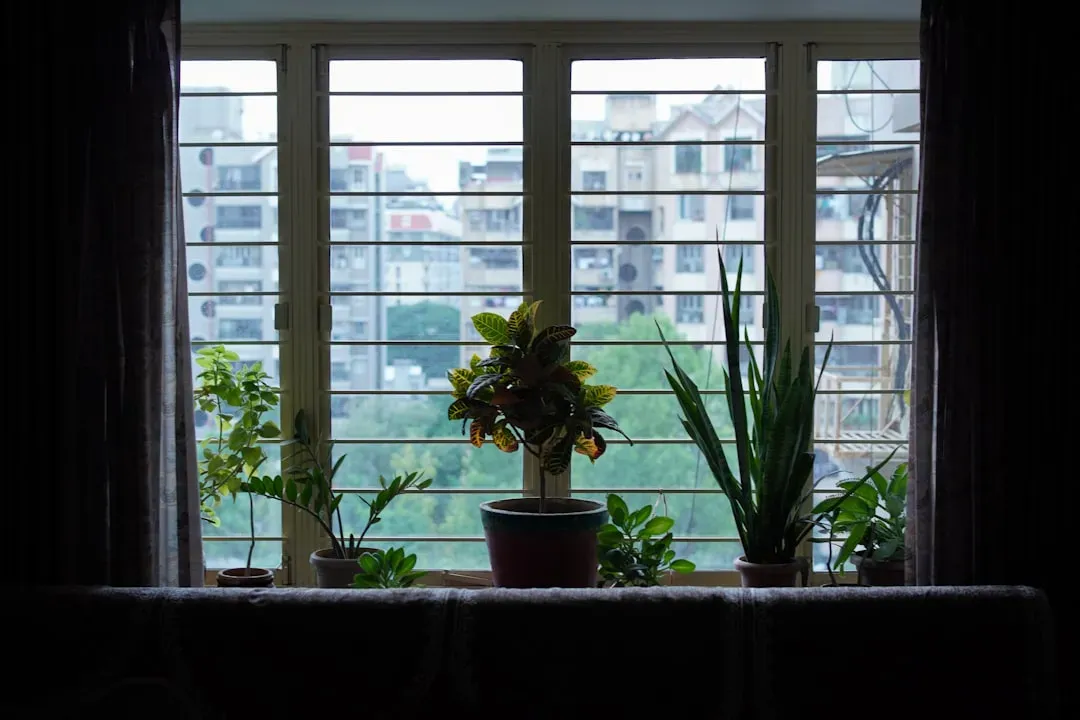
It has been estimated that people spend about 90% of their time in both private and public indoor environments, thus indoor air quality has a significant impact on health and quality of life – and for many people, the health risks from indoor air pollution may be greater than those related to outdoor pollution. That figure tends to surprise people who assume their home air is relatively clean.
Several studies have shown that poor indoor air quality can lead to respiratory problems, allergies, headaches, and fatigue. The culprits are varied. Indoor pollution sources that release gases or particles into the air are the primary cause of indoor air quality problems, and inadequate ventilation can increase indoor pollutant levels by not bringing in enough outdoor air to dilute emissions from indoor sources. New furniture, cleaning products, cooking, and even carpets all contribute. Proper ventilation is less glamorous than a new sofa, but it matters far more for daily wellbeing.
Lighting: The Mood Dial No One Pays Enough Attention To
Lighting: The Mood Dial No One Pays Enough Attention To (Image Credits: Unsplash)
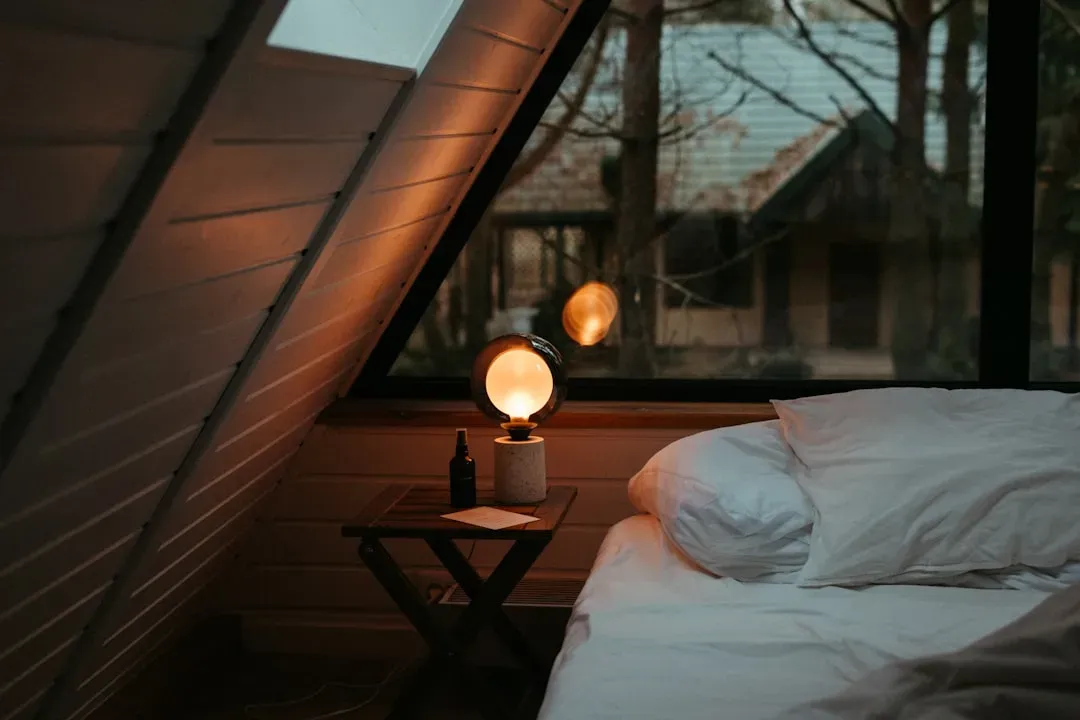
Lighting can dramatically affect the ambiance of a room. Soft, warm lighting can create a cozy, inviting feeling, while harsh, bright lights may feel sterile and unwelcoming. Most people instinctively sense this, yet many homes are lit with a single overhead bulb that does neither warmth nor function particularly well.
The impact of light goes beyond aesthetics. Evening exposure to short-wavelength blue light, typically above a certain threshold at 460 to 480 nm, disrupts circadian timing, particularly in adolescents and sensitive populations. In practical terms, this means that bright, cool screens and overhead lights in the evening work against the body's natural wind-down process. A pleasant and comfortable space is created by incorporating ideas that facilitate relaxation, ideas such as the way natural light is incorporated and the selection of a comforting, cozy color palette. Layered lighting, with dimmers and warmer sources in evening hours, addresses this in a straightforward way.
Organisation and Clutter: The Stress You Don't Realise You're Carrying

Organisation and Clutter: The Stress You Don't Realise You're Carrying (Image Credits: Unsplash)
Clutter is easy to dismiss as a personal preference. The research, though, suggests otherwise. Life today is full of micro-stresses, and when the outside world feels unpredictable, our brains crave predictability indoors – psychologists call this perceived control, and research shows it's strongly tied to lower stress and better well-being. A chaotic environment works against that sense of control at every turn.
More than two fifths of survey respondents say a tidy and organised home is a main element in feeling comfort at home, proving that a little organisation can go a long way in creating a more joyful place. That finding comes from the IKEA Life at Home Report, one of the most comprehensive studies on how people experience their homes, including insights from more than 38,000 people across 39 countries. Organisation, it turns out, is not just about aesthetics – it actively shapes how safe and calm a space feels.
Personalisation and Identity: Why Generic Spaces Fall Flat
Personalisation and Identity: Why Generic Spaces Fall Flat (Image Credits: Unsplash)
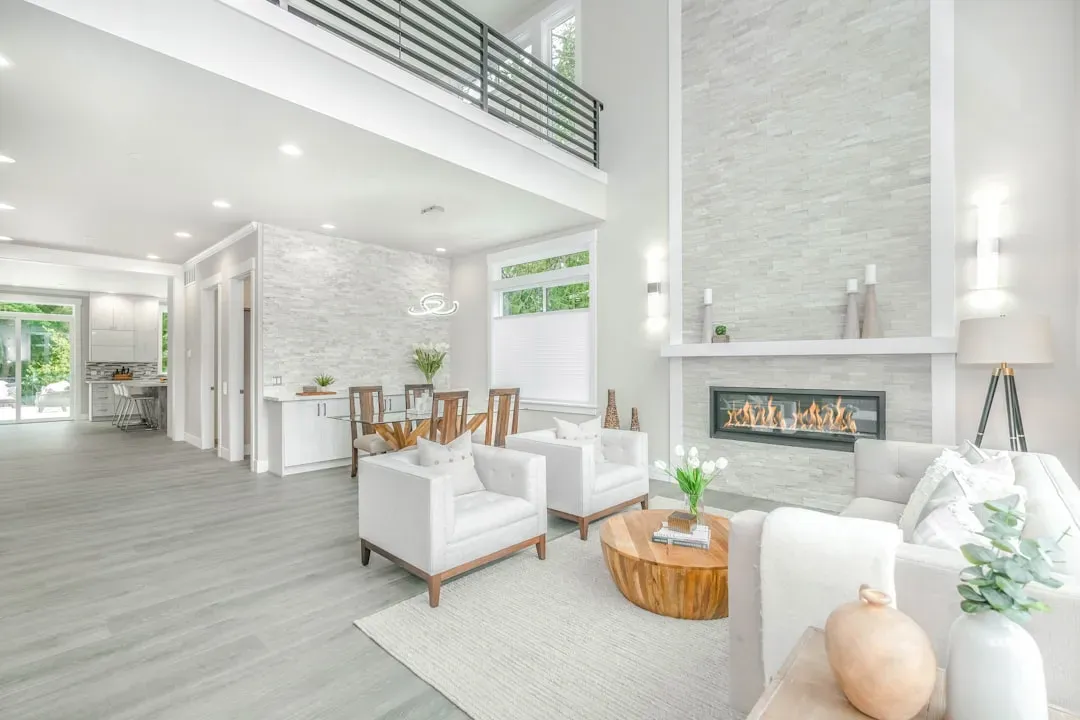
A home that looks borrowed rather than lived-in tends to feel uncomfortable, even when it's technically well-designed. Environmental psychologists note that the home is an extension of identity: the colors, textures, and objects you choose signal safety because they reflect you. Personal mementos, family photos, or even your bookshelf act as what researchers call "symbolic self-completion" – visual reminders that you belong here.
Among people who say their home reflects their identity, a higher proportion report feeling enjoyment at home compared to the global average. Personalisation doesn't require expensive renovations. When your home doesn't reflect your personal tastes and preferences, you may feel disconnected or out of place. Even small, intentional choices – a meaningful object on a shelf, a paint color that actually resonates – can shift how a space feels to live in day to day.
Biophilic Design: The Pull Toward Nature
Biophilic Design: The Pull Toward Nature (Image Credits: Unsplash)
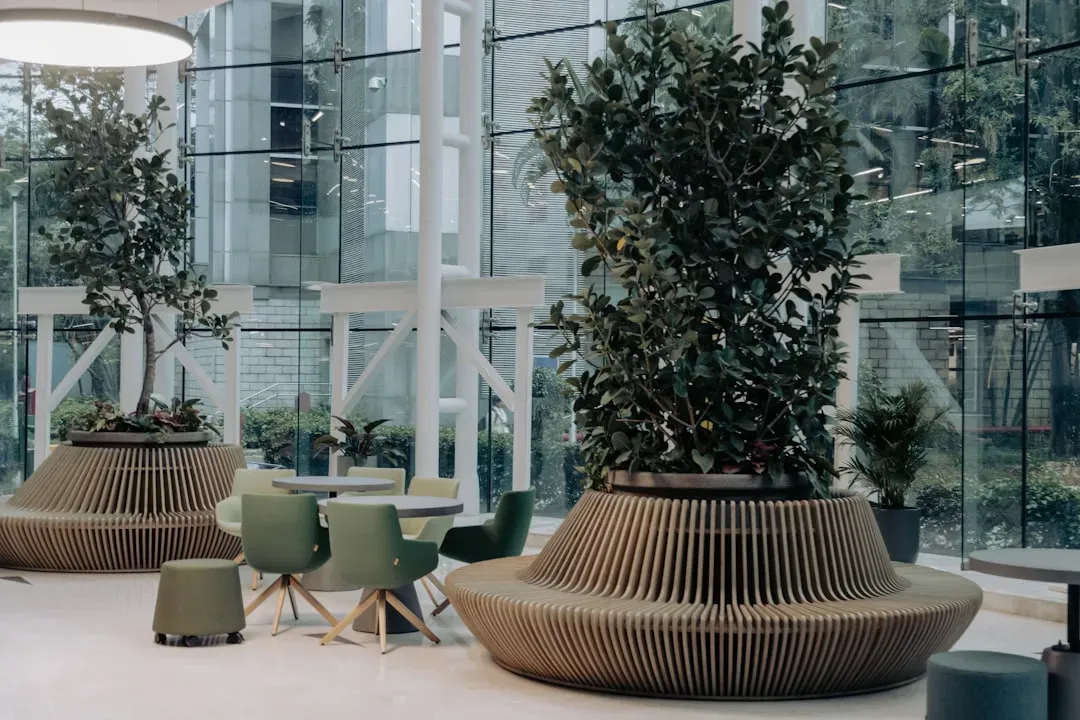
There's a reason people instinctively gravitate toward homes with natural light, plants, and wood tones. Biophilic designs aim to promote health and wellbeing by incorporating nature-based features into internal and external built environments, and theories regarding the impact of biophilic features on psychological and physiological health have been gaining empirical support.
Research has repeatedly shown that incorporating organic materials, plants, and daylight into building designs can enhance occupant well-being and mental health outcomes. More recent work confirms that the effect is measurable, not just anecdotal. Results support a positive effect of exposure to biophilic design on self-reported psychological states, whilst designs without biophilic quality tended to have an adverse effect on psychological states. A window with a garden view, a houseplant in a corner, or natural wood surfaces are small decisions that quietly add up.
Sleep Environment: Where Comfort Has the Highest Stakes
Sleep Environment: Where Comfort Has the Highest Stakes (Image Credits: Flickr)
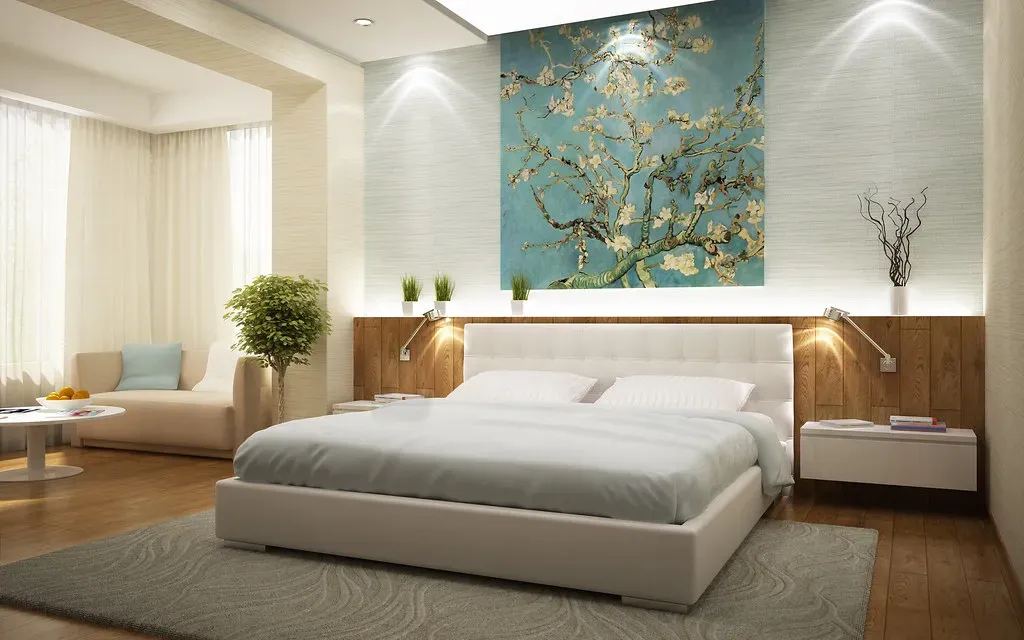
The bedroom is the room where every physical comfort factor converges – and where failures in any one of them have the most immediate consequences. Sleep is the number one activity for nurturing wellbeing, both physical and mental, with nearly half of survey respondents saying home is their favourite place to be. A bedroom that isn't set up to support proper sleep undermines everything else a home is supposed to do.
The evidence on bedroom environment is detailed and consistent. In a study controlling for multiple variables, sleep efficiency decreased in a dose-dependent manner with increasing levels of particulate matter, temperature, CO2, and noise – with sleep efficiency in the highest exposure groups notably lower compared to the lowest exposure groups. Good ventilation matters here too. Research findings suggest that currently prescribed minimum ventilation rates for residential environments may provide insufficient ventilation for bedrooms, leading to disturbed sleep.
Social and Psychological Safety: The Comfort Money Can't Buy

Social and Psychological Safety: The Comfort Money Can't Buy (Image Credits: Pexels)
Physical conditions matter, but comfort also has a social dimension that's harder to design for. Comfort isn't always solitary. Neuroscience shows that oxytocin – the hormone tied to calm and bonding – is released not just by a warm blanket but by warm company. A home that accommodates shared life naturally generates more comfort than one optimised purely for individual use.
Research has shown that strong social connections and family bonds are associated with many health benefits, including reduced risk of depression, improved immune function, and longer lives – and when you prioritise a comfortable and welcoming home, you create spaces that nurture these important relationships. Most people associate home with safety, security, and comfort, and our first homes tend to hold nostalgic places in our memories – early life experiences shape our lifelong ideas of what it means to be "at home" in the world. Designing for connection, even in small ways, is one of the most underrated aspects of a genuinely comfortable home.
Smart Technology and Efficiency: Promise Versus Reality

Smart Technology and Efficiency: Promise Versus Reality (Image Credits: Unsplash)
Smart home technology has moved from novelty to near-standard in new builds and renovations. Smart technology is now considered essential by both builders and homebuyers, shifting from a futuristic luxury to an everyday expectation – builders are pre-wiring homes for AI-powered automation, centralized hubs, and energy management systems, with features like smart lighting and hardwired ethernet becoming standard upgrades.
The case for smart comfort tools is genuine when used thoughtfully. Smart thermostats, circadian lighting systems, and air purifiers promise to optimize our homes in ways our primal brains couldn't have imagined, but the underlying need is the same: safety, rest, and predictability. Technology fills gaps, but it doesn't replace fundamentals. A well-ventilated, correctly tempered home with good natural light will always outperform a poorly designed one loaded with gadgets. Strategic home upgrades offer a practical, cost-effective way to transform your space without a full-scale renovation – a few well-chosen improvements can make your home more functional, comfortable, and energy-efficient.
What Consistently Falls Short
What Consistently Falls Short (Image Credits: Pixabay)
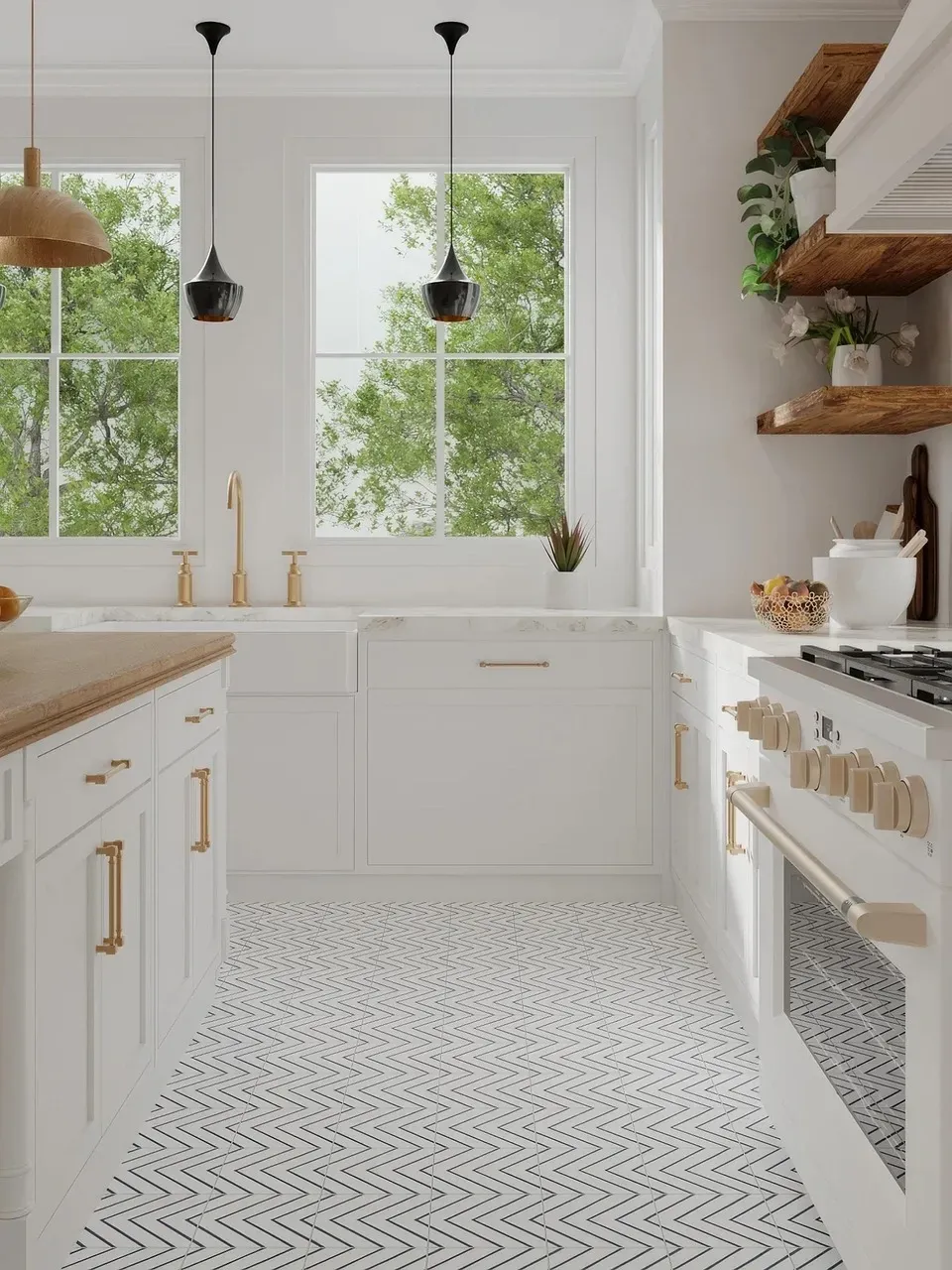
Despite everything that's known about comfort, certain patterns keep failing people. Poor ergonomics – uncomfortable furniture, awkward layouts, and inadequate lighting – all contribute to feelings of physical discomfort and unease, as do environmental stressors such as excessive noise, harsh lighting, and poor air quality. These problems are often deferred because they feel expensive or complicated to fix, but many of them respond well to targeted, modest changes.
True comfort means really being aware of how your body – and other people's bodies – interact with a space. A home that looks beautiful in photographs but ignores how people actually move, breathe, sleep, and rest in it will always leave something important unmet. Research suggests that having a comfortable home can help reduce levels of cortisol in the body, leading to decreased feelings of anxiety and tension – and feeling at ease in your surroundings can elevate mood, increase feelings of happiness and contentment, and enhance your ability to cope with challenges, resulting in higher overall life satisfaction. The gap between a house that looks comfortable and one that actually is often comes down to exactly those invisible, unglamorous factors: the air quality, the bedroom temperature, the light at 9pm, and whether the space genuinely reflects the people living in it.