
Most people treat low energy like a problem to be solved quickly. They reach for a second coffee, grab a sugary snack, or scroll for five minutes hoping to feel ready again. But daily energy is less about quick fixes and more about a handful of underlying systems your body runs on every hour of the day. Get those right, and the difference is genuinely noticeable.
The tricky part is that a lot of what gets marketed as an energy solution – drinks, supplements, hacks – doesn’t actually address those systems. Some of it works briefly. Some of it makes things quietly worse. What follows is a clear-eyed look at what the evidence actually says.
Sleep Is Still the Foundation – And Most People Underestimate It

Sleep Is Still the Foundation – And Most People Underestimate It (Image Credits: Unsplash)
Sleeping well makes it far more likely that you'll feel rested the next day, allowing you to take on daily activities with more energy, alertness, and attention. That sounds obvious, but the numbers reveal how widely it's ignored. In the United States, more than roughly a third of adults and as many as nine in ten teenagers get less than the recommended amount of nightly sleep.
During sleep, waste is cleared from the brain, paving the way for improved brain function. Research shows that sleeping well supports concentration, learning, and higher-level thinking, such as logical reasoning. Sleep also does something less obvious: it directly regulates how hungry you feel the next day. Lack of sleep has been shown to increase snacking, the number of meals consumed per day, and the preference for energy-rich foods.
Consistent Sleep Timing Matters as Much as Duration

Consistent Sleep Timing Matters as Much as Duration (Image Credits: Pexels)
To feel more energetic during the day, keeping your sleep debt low and syncing up with your circadian rhythm are both essential. It's not just about how many hours you get – it's also about when. Research has found that going to sleep earlier is better for blood sugar control the next morning and helps avoid blood sugar spikes.
Sleep hygiene refers to behaviours that support healthy sleep patterns, such as maintaining consistent bedtimes, reducing stimulant intake, and creating a conducive sleep environment. The bedroom environment also plays a real role. Moderate thermal environments, generally ranging between 18°C and 22°C, support sleep continuity in most healthy adults. Small environmental changes, like a cooler room and dimmer lights in the evening, tend to be underrated.
Regular Movement Is One of the Most Reliable Energy Boosters

Regular Movement Is One of the Most Reliable Energy Boosters (Image Credits: Pexels)
Chronic exercise training interventions were associated with significant improvements in fatigue, energy, and vitality across multiple randomized trials. The effect is real and consistent. A 2024 meta-analysis confirmed that even a single session of exercise can improve energy levels and reduce fatigue almost immediately, thanks to the rise in endorphins and improved oxygenation. Over time, regular activity enhances cardiovascular efficiency and improves how your body uses energy, making everyday tasks feel easier and less draining.
Sedentary people who regularly complain of fatigue can increase their energy levels by roughly a fifth and decrease their fatigue dramatically by engaging in regular, low-intensity exercise. You don't need an intense gym routine to see this benefit. A brisk 10-minute walk improved energy with effects lasting up to two hours, in experiments conducted by California State University. That's an accessible starting point for almost anyone.
What You Eat – and When – Has a Direct Effect on Your Energy

What You Eat – and When – Has a Direct Effect on Your Energy (Image Credits: Unsplash)
Highly refined simple carbohydrates – such as white bread, pasta, and sweet baked goods – bring a definite energy spike as they raise blood sugar levels. That quick rise, however, is followed by a crash that can make you feel groggy and ready for a nap. The alternative is worth understanding. More complex carbohydrates digest more slowly into the bloodstream, giving your body a steady energy source for longer periods.
You might feel sluggish after eating a big meal because your body is using its energy to digest it instead of powering the rest of your body. Eating several smaller meals throughout the day and going for a short walk after eating can help aid digestion and prevent sluggishness. Meal timing is genuinely functional, not just a wellness trend. People who eat breakfast every morning report less fatigue and stress than people who skip it, and high-fiber foods like oatmeal stick with you longer than a sweet roll or pastry.
Hydration: The Overlooked Factor That Quietly Drains You

Hydration: The Overlooked Factor That Quietly Drains You (Image Credits: Pixabay)
Dehydration can cause feelings of tiredness and changes in mood. Research has found that being as little as two percent dehydrated impacts attention and hand-eye coordination. That's a very small deficit producing a noticeable effect. Most people hit that threshold before they even feel thirsty. Staying properly hydrated can reduce daytime fatigue, boost your mood, and improve your ability to absorb nutrients.
Among the first signs of dehydration are fatigue and feeling lethargic. Getting enough electrolytes through water consumption – requiring a balance of sodium and potassium – also matters. Plain water is still the most effective choice. Water remains the gold standard for hydration, providing a baseline without caffeine or sugar, and drinking enough water daily supports all bodily functions and helps maintain mental alertness.
Energy Drinks: A Short Burst With a Long Shadow
Energy Drinks: A Short Burst With a Long Shadow (Image Credits: Unsplash)
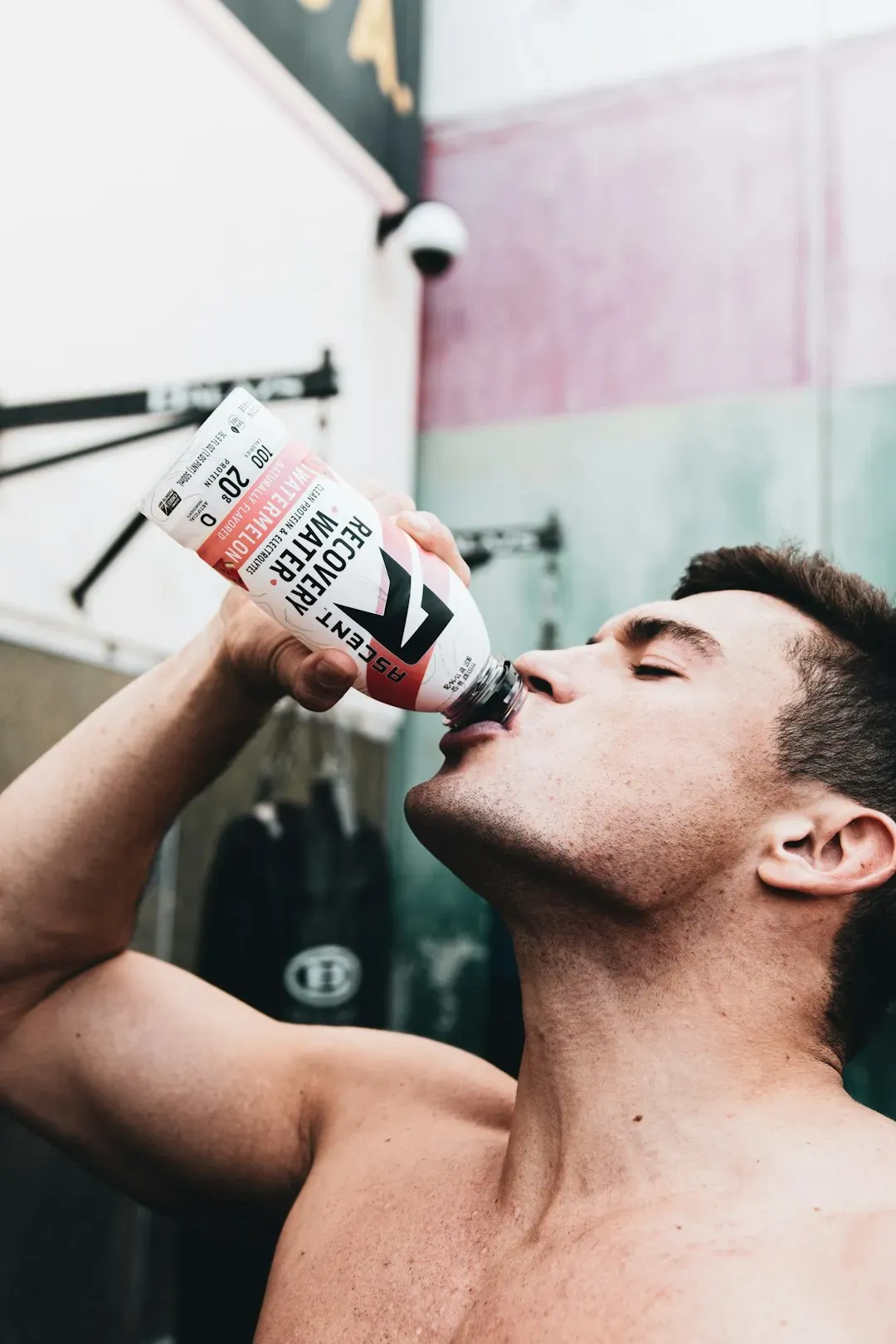
Energy drinks can cause fatigue due to the after-effects of caffeine and sugar. Factors include caffeine crashes from adenosine buildup, blood sugar spikes followed by a sharp drop, and tolerance development from frequent consumption. The energy they seem to provide is largely borrowed from your body's own reserves. After the spike in blood sugar levels, withdrawal sets in – called a "sugar crash" – with symptoms of hunger, fatigue, irritability, difficulty concentrating, shakiness, headaches, dizziness, and anxiety.
Caffeine is a powerful stimulant, but it can also be addictive. Regular consumption can lead to dependence, and suddenly reducing or stopping caffeine intake can result in withdrawal symptoms. These symptoms often include fatigue, low energy, and poor concentration. If you rely heavily on energy drinks, the fatigue you feel could be related to caffeine withdrawal rather than a lack of energy. This cycle is common and easy to miss because it masquerades as the very problem people think they're solving.
Stress and Mental Load Are Invisible Energy Costs

Stress and Mental Load Are Invisible Energy Costs (Image Credits: Unsplash)
Stress can wreak havoc on numerous aspects of your life, including your energy levels. Stress can cause feelings of tiredness, particularly when it comes to work. This stress can sometimes be subconscious and hard to identify. Chronic mental load costs real physiological energy even when you haven't moved from your desk. Stress can negatively impact gut health. The vagus nerve runs from the brain to the gastrointestinal tract and may play a role in connecting the gut microbiome to your stress response.
Extended wakefulness, shortened sleep duration, and nighttime awakenings all adversely influence human emotional functioning. Stress and poor sleep form a feedback loop that's hard to break from either end alone. Practicing stress relief daily is important for both mental and physical health, and stress relief doesn't have to be complicated or expensive. Consistent, low-effort routines – a short walk, quiet reading, basic breathing exercises – tend to compound over time in ways that are hard to attribute but genuinely felt.
Supplements: Mostly Overhyped, Sometimes Useful
Supplements: Mostly Overhyped, Sometimes Useful (Image Credits: Pixabay)
If your B vitamin levels are low, taking a vitamin B complex supplement can improve energy and reduce fatigue. However, if your levels are normal, there isn't any evidence that supplements will help. This is because B vitamins are water-soluble, meaning your body cannot store them for later – any extra simply leaves the body. The same principle applies broadly to most energy-boosting supplements. Context determines whether they help at all.
If your magnesium level is low, taking a magnesium supplement may help correct the deficiency and improve energy levels. Deficiencies in iron and vitamin D are also known contributors to fatigue, and correcting them, where a deficiency actually exists, can make a real difference. The honest framing is this: supplements address gaps, not baselines. Taking them without knowing your levels is, at best, speculative spending.
Light Exposure, Circadian Rhythm, and the Morning Advantage

Light Exposure, Circadian Rhythm, and the Morning Advantage (Image Credits: Unsplash)
Getting at least 10 minutes of natural light as soon as possible when you wake up will help reset your circadian rhythm for the day, meaning you'll find it easier to sleep that night. This single habit has a compounding effect – better morning light generally leads to better evening melatonin, which leads to better sleep, which leads to more energy the next day. Bright light also increases serotonin levels, which boosts mood.
Evening exposure to short-wavelength blue light, typically above a moderate lux threshold at 460–480 nm, disrupts circadian timing, particularly in adolescents and sensitive populations. This is why screen use late at night tends to delay sleep onset even when people don't feel particularly alert. Light suppresses the sleep hormone melatonin, so dimming the lights and avoiding bright screens in the 90 minutes before bed makes a measurable difference. The morning and evening light environments together act as anchors for the whole energy cycle of the day.
The Things That Don't Actually Work as Advertised

The Things That Don't Actually Work as Advertised (Image Credits: Pexels)
A handful of popular energy-boosting habits fall apart under scrutiny. The "sugar rush" for mental performance is one of them. Analysis of over 31 studies with more than 1,200 participants revealed no positive effect of carbohydrate consumption on any aspect of mood at any time point following ingestion. In fact, carbohydrate administration was associated with higher levels of fatigue and less alertness compared with a placebo within the first hour.
Sleeping in on weekends to compensate for a week of poor sleep helps only partially. Research shows you can pay acute sleep debt back – the kind built up over the last two weeks – and reverse some of the damage. Still, the pattern of cutting sleep during the week and recovering on weekends is less effective than simply maintaining consistency. Alcohol can rob your body of nutrients and disrupt sleep – a one-two punch guaranteed to leave you feeling less than perky the next day. Its reputation as a relaxation aid is real; its impact on next-day energy is equally real, and far less discussed.
The evidence on energy is, in the end, less glamorous than the wellness industry suggests. Sleep consistently, move regularly, eat food that digests steadily, drink water, and manage your light environment. These aren't exciting recommendations – but they're the ones that actually hold up.