
Most people pocket a quarter without a second glance. It’s just change, after all – barely enough to matter. Yet tucked inside coin jars, old wallets, and forgotten drawers across the country, some 1982 quarters are sitting quietly worth many times more than their face value, and in a few documented cases, thousands of dollars more.
What makes 1982 so special? A convergence of economic pressure, unusual minting decisions, and a surprisingly long list of production errors turned this ordinary-looking coin into one of the most talked-about years in the entire Washington quarter series. If you have one, it’s worth taking a closer look.
Why 1982 Was a Turbulent Year for the U.S. Mint
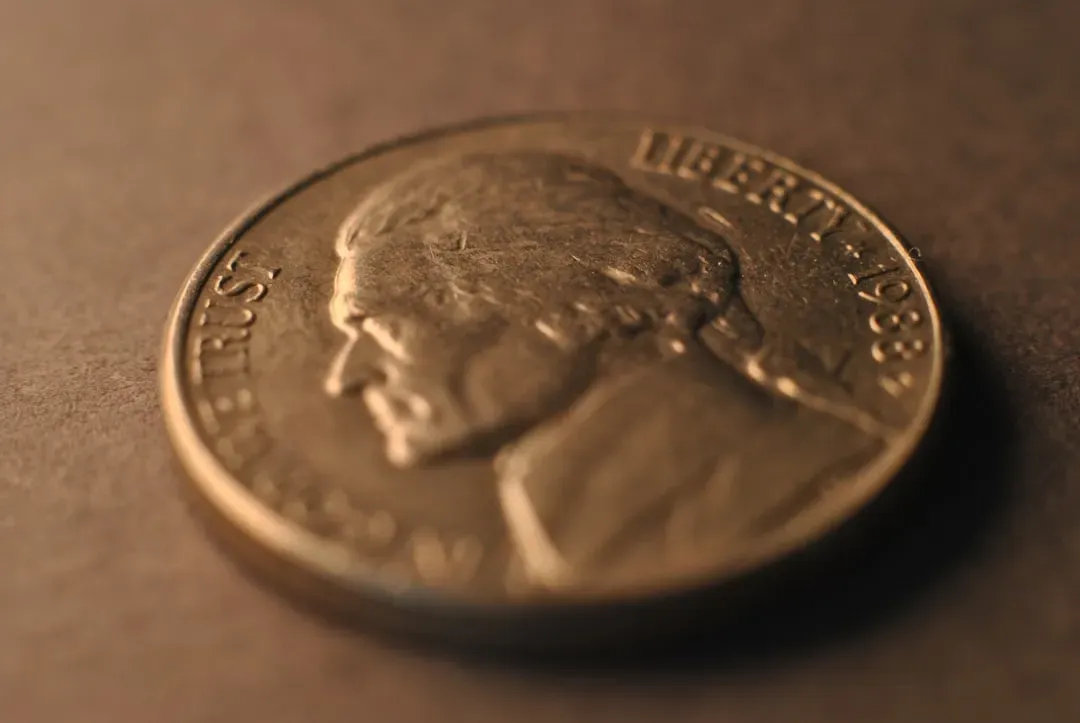
Why 1982 Was a Turbulent Year for the U.S. Mint (Image Credits: Unsplash)
The most powerful factor driving 1982 quarter scarcity was the economy. The 1981 to 1982 recession was the worst downturn since the Great Depression, with unemployment peaking at nearly eleven percent in December 1982. The financial strain rippled directly into coin production decisions.
The Mint slashed production, and it also cancelled its annual uncirculated sets entirely that year, meaning no officially preserved uncirculated coins were distributed through collector channels. That single decision would have lasting consequences for collectors decades later.
The No-Mint-Set Problem That Created a Rarity
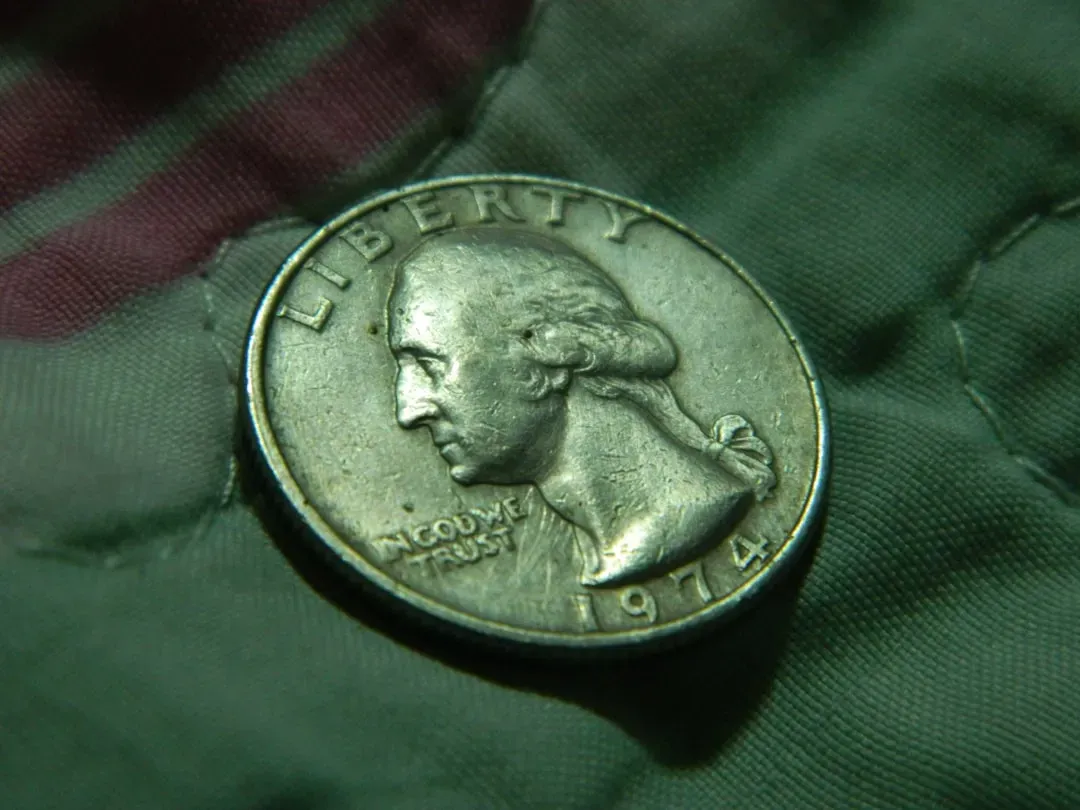
The No-Mint-Set Problem That Created a Rarity (Image Credits: Unsplash)
In 1982 and 1983, the Mint did not produce any Mint Sets. Therefore, it is much more difficult to find 1982 and 1983 P and D quarters in higher uncirculated grades. Even raw examples in MS64 command a significant premium.
Instead, the Mint offered limited "souvenir sets" at its gift shops for four dollars each – Philadelphia sets in light blue envelopes, Denver in dark blue – and these are now the best source for gem-quality 1982 quarters. The vast majority of the 1982 quarters struck for circulation were distributed into commerce and saw extensive use, leaving a relatively small number in better condition. Few of these coins were both struck really well and remained mostly free of contact marks.
A Historic First: The "P" Mint Mark Appears
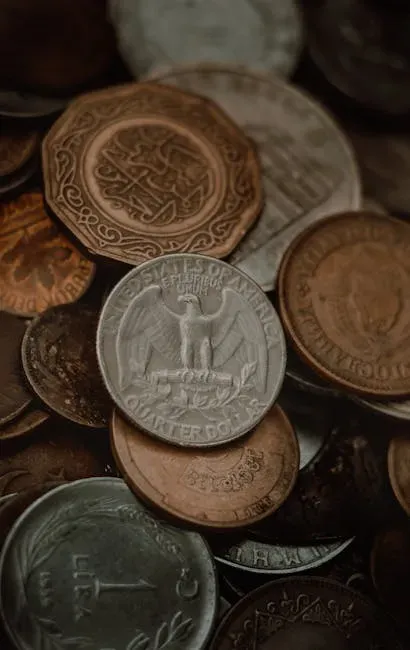
A Historic First: The "P" Mint Mark Appears (Image Credits: Pexels)
1982 was the very first year a Washington quarter bore the "P" mint mark from Philadelphia. Before this, Philadelphia quarters carried no mint mark at all, making the 1982 issue a genuine milestone in U.S. coinage history.
The very first Washington quarters were struck in 1932, making 1982 a significant milestone – it was the coin's 50th anniversary year. The combination of the new "P" mark, the anniversary, and the error-prone production run made this a year collectors would not soon forget.
The Basic Design: What You're Looking At
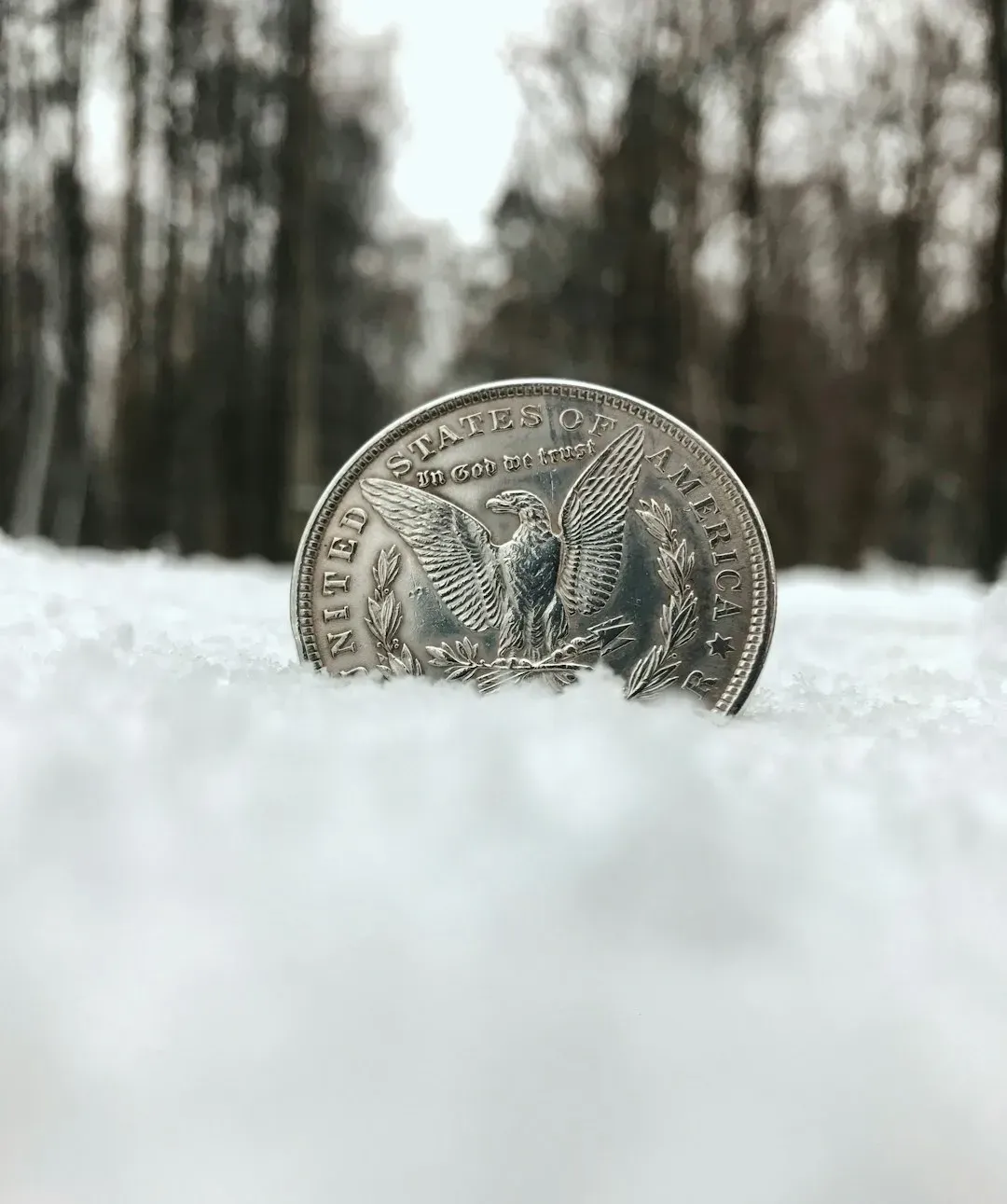
The Basic Design: What You're Looking At (Image Credits: Unsplash)
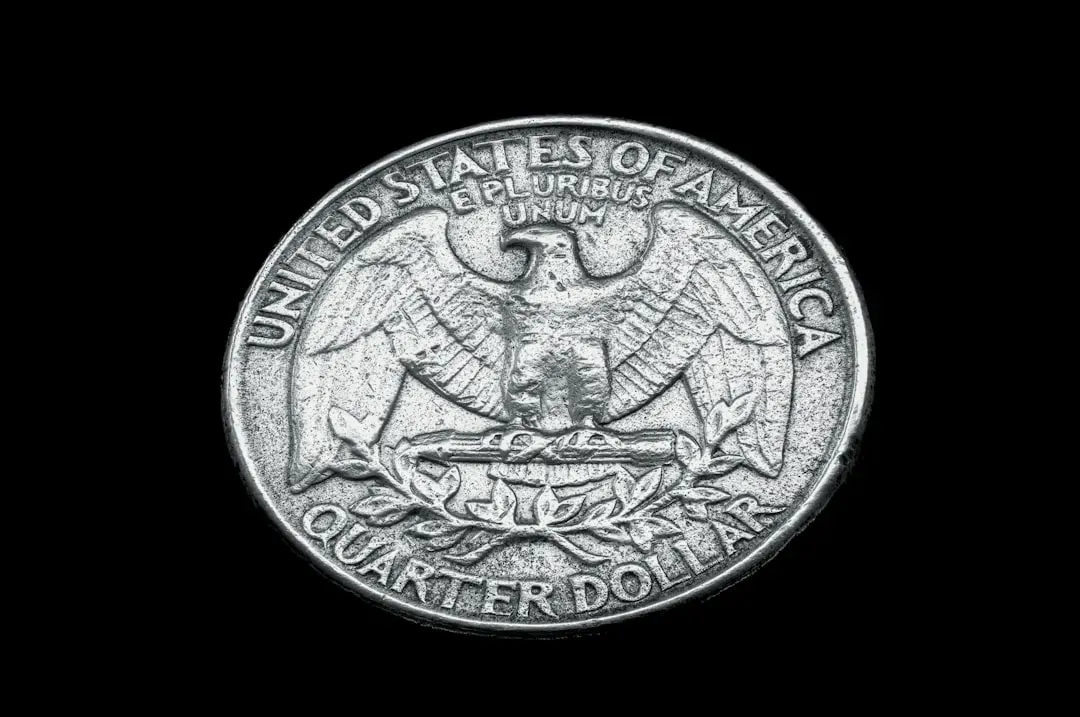
Like other U.S. quarters minted after 1965, the 1982 quarter is composed of a copper-nickel clad. The core of the coin is made of pure copper, and the outer layer is a nickel-copper alloy. The design on the obverse features George Washington's profile, and the reverse shows an American eagle with wings spread.
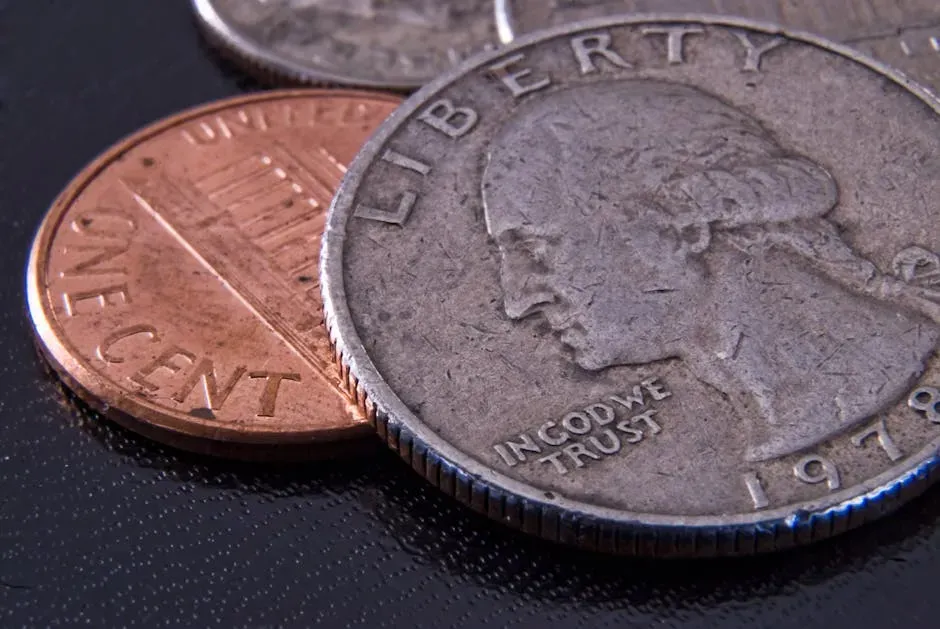
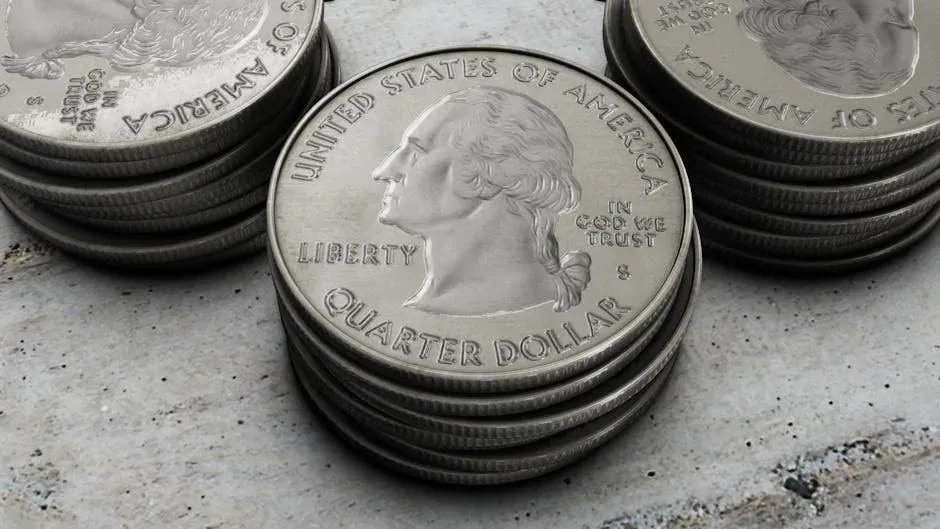
To find the mint mark on your 1982 quarter, look on the front, just behind Washington's ponytail – you'll see a small letter. A "P" means Philadelphia, a "D" means Denver, and an "S" means San Francisco. Each carries its own value story.
What Standard 1982 Quarters Are Worth Today
What Standard 1982 Quarters Are Worth Today (Image Credits: Unsplash)
Most circulated 1982 quarters – those showing scratches and wear – are worth only their face value of 25 cents. However, the 1982-P and 1982-D are recognized as semi-key dates in the Washington quarter series precisely because no official uncirculated mint sets were produced that year.
Uncirculated mint state examples start around one dollar in MS60 and climb significantly: MS65 examples fetch roughly 28 to 45 dollars, and the record is $10,200 for a 1982-P in MS68. The finest-known 1982-D sold for $4,242 in 2015. PCGS has certified only about 14 examples at MS67 or better from Denver's 480 million-piece mintage, making those top grades genuine condition rarities.
The Doubled Die Error: A Collector's Prize
The Doubled Die Error: A Collector's Prize (Image Credits: Pexels)
One of the main errors on 1982 quarters is the doubled die error, which occurs during the striking process within the machine. If the die or coin moves from its position, a doubled overlapping image or letter will be observed. Coins struck under such a die will carry a doubled design.
Doubled die 1982 quarters are potentially worth fifty to one hundred dollars apiece, or more. Genuine doubled dies show distinct separation with notched serifs, differentiating them from worthless machine doubling, so a magnifying glass and some patience go a long way when examining these coins.
Wrong Planchet Errors: The Big-Money Mistakes
Wrong Planchet Errors: The Big-Money Mistakes (Image Credits: Pexels)
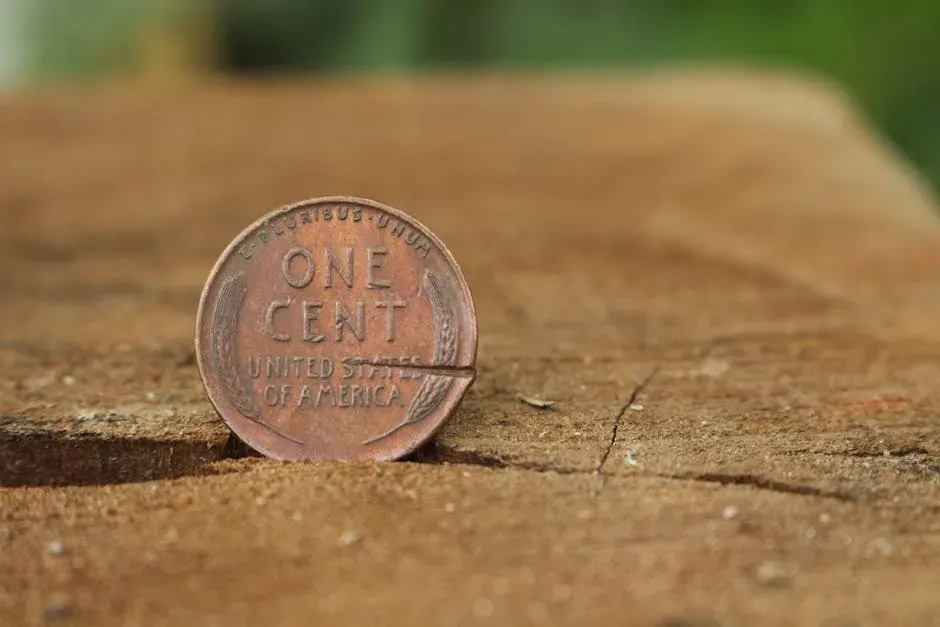
Some of the most exciting 1982 quarter errors involve coins struck on metal blanks intended for another denomination. When a Jefferson nickel planchet or a Roosevelt dime planchet accidentally enters the quarter press, the resulting coin shows a compressed, undersized quarter design.
Quarters struck on nickel planchets can be worth around two thousand dollars in pristine condition. A 1982-P quarter struck on a dime planchet, graded MS-64 by PCGS, sold for $1,275 through Heritage Auctions in 2023. Always weigh a suspected wrong-planchet coin – it is the fastest way to confirm the error before investing in professional authentication.
The "In God We Trust" and Mint Mark Anomalies
The "In God We Trust" and Mint Mark Anomalies (Image Credits: Pexels)
One of the most intriguing errors from 1982 involves the inscription "In God We Trust" on both the 1982-D and 1982-P quarters. Some examples exhibit weak or partially missing letters, creating a striking difference that's easy to spot. Collectors prize this particular error, especially when it's found on well-preserved coins.
Mint mark errors on both the 1982-P quarter and 1982-D quarter are also common. Some coins show a weak or even missing mint mark, while others display doubling or misalignment of the mark. These are often found on Denver-minted examples and can add meaningful premiums depending on severity.
Off-Center Strikes and Broadstrikes
Off-Center Strikes and Broadstrikes (Image Credits: Pexels)
An off-center strike occurs when a planchet is improperly positioned in the press during striking. The cause is mechanical – feeding fingers that position planchets sometimes malfunction, placing the blank incorrectly in the collar. When the dies strike, they hit an improperly positioned planchet, creating the characteristic off-center appearance with a blank crescent on one side.
Broadstruck 1982 quarters have values ranging between fifteen and fifty dollars. Off-center quarters usually trade from about twenty dollars and up, with more dramatically shifted examples commanding the higher end of that range. The more of the design that is visibly displaced, the more collectors tend to pay.