
Most people don’t need a complete home overhaul. What they usually need is a handful of well-placed adjustments that quietly remove friction from daily life. A smoother morning, a kitchen that actually functions, a bedroom that helps you wind down rather than keeping you wired. These things matter more than they get credit for.
Simplifying life isn’t just a lifestyle choice; it carries significant psychological, emotional, and physical benefits backed by scientific research. The changes below aren’t dramatic. They’re the kind of shifts that tend to compound quietly over time, making each day feel a little less like something to survive.
1. Start Decluttering One Room at a Time

1. Start Decluttering One Room at a Time (Image Credits: Pexels)
It’s a good idea to tackle one room at a time and start with the one that will have the biggest impact on your daily living or the one that is most top of mind. This approach keeps the process manageable and gives you visible wins early on, which makes it easier to keep going.
A cluttered home doesn’t just create a chaotic environment; it affects mental clarity, stress levels, and emotional stability. Research shows that disorganization increases stress, reduces focus, and contributes to feelings of anxiety. Starting small in a single room is often all it takes to build real momentum toward a calmer home.
2. Give Everything a Designated Home
2. Give Everything a Designated Home (Image Credits: Pexels)
The “like-with-like” storage method, also known as category consolidation, is a foundational organizing principle that simplifies household management. It involves grouping all identical or similar items together in one designated, logical location. Think of it as a filing system for your physical belongings. When everything has a place, you stop wasting mental energy searching.
Instead of having batteries scattered in a kitchen junk drawer, a nightstand, and a toolbox, this method ensures all batteries live in a single container. This simple concept eliminates the frustrating search for common items and prevents accidental duplicate purchases. It’s a small change with outsized daily payoff.
3. Build a Short Daily Tidying Routine

3. Build a Short Daily Tidying Routine (Image Credits: Pexels)
Developing daily habits that incorporate tidying as a natural part of your day is key to sustaining an organized home. For instance, spending five minutes each evening putting things back in their designated places creates a rhythm. By creating systems that are intuitive and easy to maintain, you’re setting yourself up for long-term success.
A clutter-free environment promotes focus and reduces stress. The five-minute rule, for example, involves dedicating just five minutes a day to tidying up a specific area. It sounds almost too small to matter, but consistency over weeks creates a noticeably different environment without ever requiring a massive effort.
4. Adopt Multifunctional Furniture
4. Adopt Multifunctional Furniture (Image Credits: Unsplash)
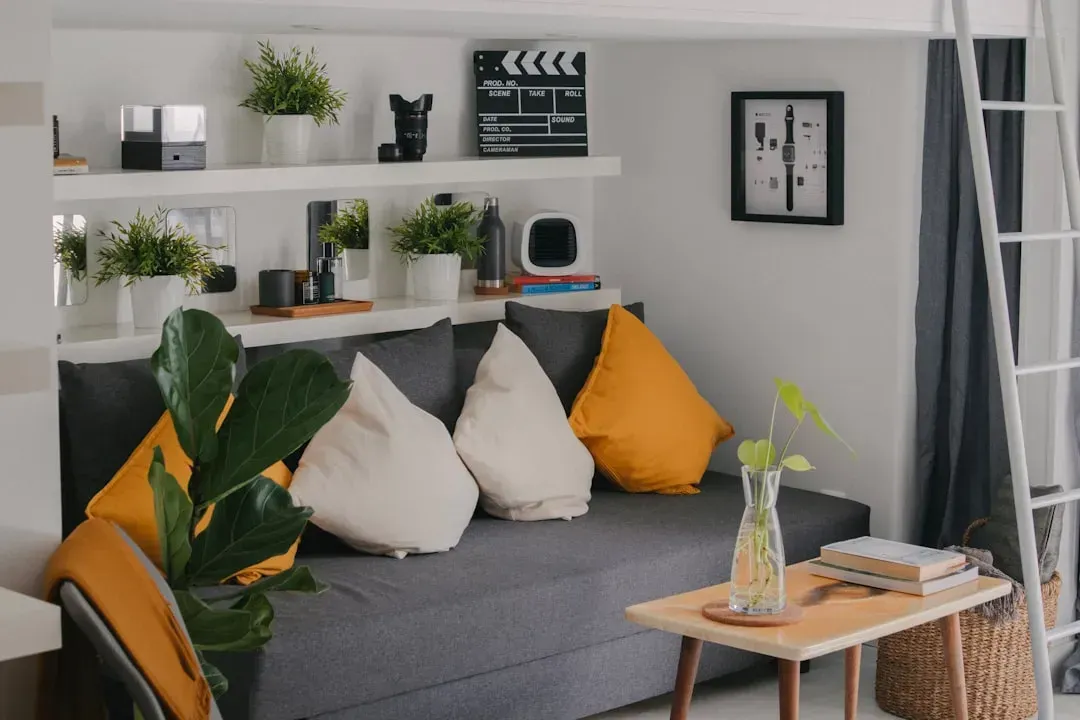
Multifunctional furniture has become a cornerstone in modern home organization. With shrinking living spaces, every piece of furniture must serve multiple purposes. Items like sofa beds, storage ottomans, and fold-out desks offer practical solutions. This kind of furniture essentially buys you back square footage without requiring a move.
A sofa bed transforms living rooms into guest spaces. Storage ottomans provide seating while hiding clutter. Fold-out desks create instant home offices. Convertible furniture helps maximize space without compromising style. For anyone living in a smaller home or apartment, these choices genuinely change how a space feels to live in.
5. Use the Four-Box Decluttering Method

5. Use the Four-Box Decluttering Method (Image Credits: Pexels)
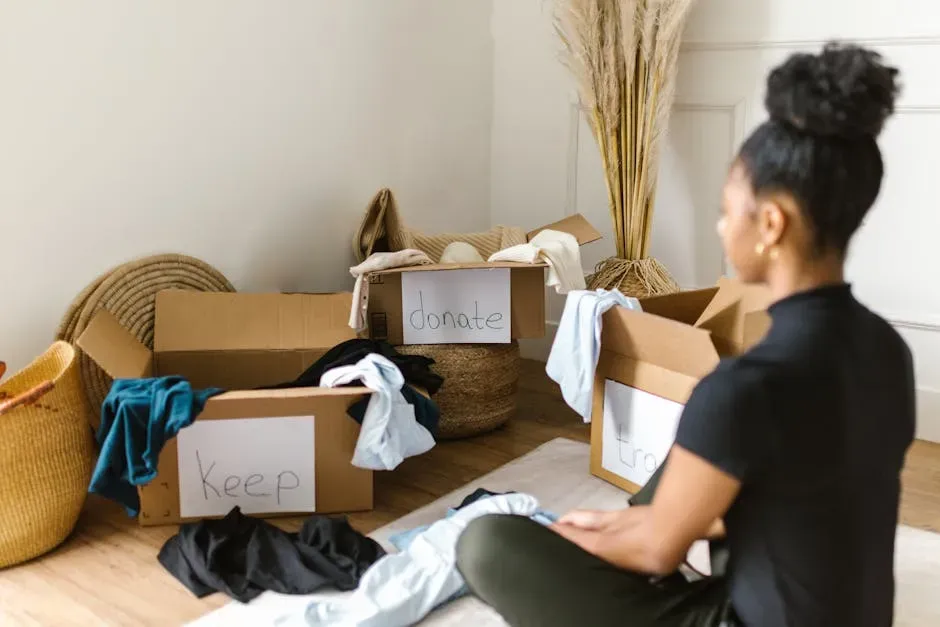
The Four-Box Method is a highly effective and straightforward home organization approach designed for rapid, decisive action. Unlike more philosophical approaches, this technique provides a practical framework for quickly clearing out a space. You simply designate four boxes or areas: Keep, Donate/Sell, Store, and Trash/Recycle.
This method is powerful because it forces you to make a definitive choice for each item, preventing the common habit of shuffling clutter from one spot to another. It’s an ideal strategy for tackling overwhelming spaces in manageable bursts, such as a weekend garage cleanout or an afternoon closet purge. The physical act of sorting is surprisingly satisfying once you get started.
6. Simplify Your Wardrobe with Seasonal Rotation

6. Simplify Your Wardrobe with Seasonal Rotation (Image Credits: Pixabay)
Implementing seasonal rotations, such as storing off-season clothing to keep your main closet functional and uncluttered, is a common practice. Rotating your capsule wardrobe three to four times a year is a well-established approach. By carefully selecting each item, you can build a highly efficient and stylish wardrobe.
A capsule wardrobe is a collection of a few essential items of clothing that do not go out of season, built around comfortable pieces and mainly neutral colors that each go with one another. Simplifying your wardrobe in this way can save a great amount of time, stress, and money. Fewer choices in the morning is a genuine form of daily relief, not a compromise.
7. Set Up a Dedicated Charging Station

7. Set Up a Dedicated Charging Station (Image Credits: Pexels)
Charging stations have become a high priority for many families. Having a dedicated spot to not only charge all your devices but keep them safely stored away is worthwhile. Whether you convert a drawer with built-in outlets or simply choose a shelf and plug in a power strip, the important part is building a habit of using the space daily.
Device cables scattered across countertops and nightstands are a surprisingly common source of low-level visual noise. Centralizing charging removes that clutter while also creating a natural boundary around screen time at home. Setting up quiet zones for focused tasks and establishing tech-free periods can improve family connection and reduce household stress.
8. Digitize Documents and Go Paperless

8. Digitize Documents and Go Paperless (Image Credits: Pixabay)
Scanning and storing documents electronically reduces paper clutter and ensures easy access when needed. Paper tends to accumulate in ways that feel almost invisible until suddenly there’s a pile of it on every flat surface. A short afternoon of scanning can eliminate months of paper chaos from your environment.
Creating a logical folder structure that you can replicate across devices works best when you start with broad categories like Finance, Personal, Work, and Home, then create specific subfolders. According to Statista, roughly three in five households already use at least one digital organization tool, meaning the infrastructure for a paperless setup is likely already in place for most people.
9. Reduce Decision Fatigue with Simple Routines

9. Reduce Decision Fatigue with Simple Routines (Image Credits: Unsplash)
Decision fatigue, a phenomenon where making repeated decisions depletes mental energy, affects productivity and focus. Research shows that when individuals streamline their choices, such as simplifying wardrobe options or meal plans, they free up cognitive resources for higher-value activities. This isn’t about eliminating variety. It’s about reserving mental bandwidth for what actually matters.
Simplification reduces cognitive load, improving focus, working memory, and overall cognitive performance. Creating morning and evening routines, for example, reduces decision-making stress, freeing mental energy for creative and complex tasks. A reliable daily structure at home isn’t rigid; it’s quietly liberating.
10. Proactively Reorganize Household Routines Together

10. Proactively Reorganize Household Routines Together (Image Credits: Unsplash)
A study found that people who proactively reorganize their family routines, such as adjusting schedules or redistributing domestic responsibilities, are more likely to demonstrate adaptability and innovation at work. Researchers found that employees who take initiative at home carry the momentum into their professional lives, becoming more resilient and forward-thinking.
These small but intentional adjustments in home life reflect what researchers call “strategic renewal.” Other examples include redesigning living spaces to better support remote work, setting up quiet zones for focused tasks, or establishing tech-free periods to improve family connection. A home that works well together, with shared systems and clear roles, tends to run more smoothly than one held together by habit alone.
None of these changes require a renovation budget or a free weekend. The pattern across all ten is the same: small, deliberate decisions repeated consistently. Over time, a home shaped by that kind of intention doesn’t just look tidier. It genuinely feels easier to live in.