
Most people sense something is wrong with a room before they can name it. The furniture looks fine on its own. The colors seem reasonable. Yet the space feels off – slightly uncomfortable, visually restless, or just hard to navigate. In most cases, that unease traces back to a handful of planning errors that are easy to overlook but surprisingly difficult to ignore once you start living with them.
Good design is far less about taste than it is about decisions made early, before anything gets purchased or painted. The mistakes below tend to show up together, quietly compounding each other. Recognizing them is the first step toward fixing them.
1. Relying on a Single Overhead Light Source
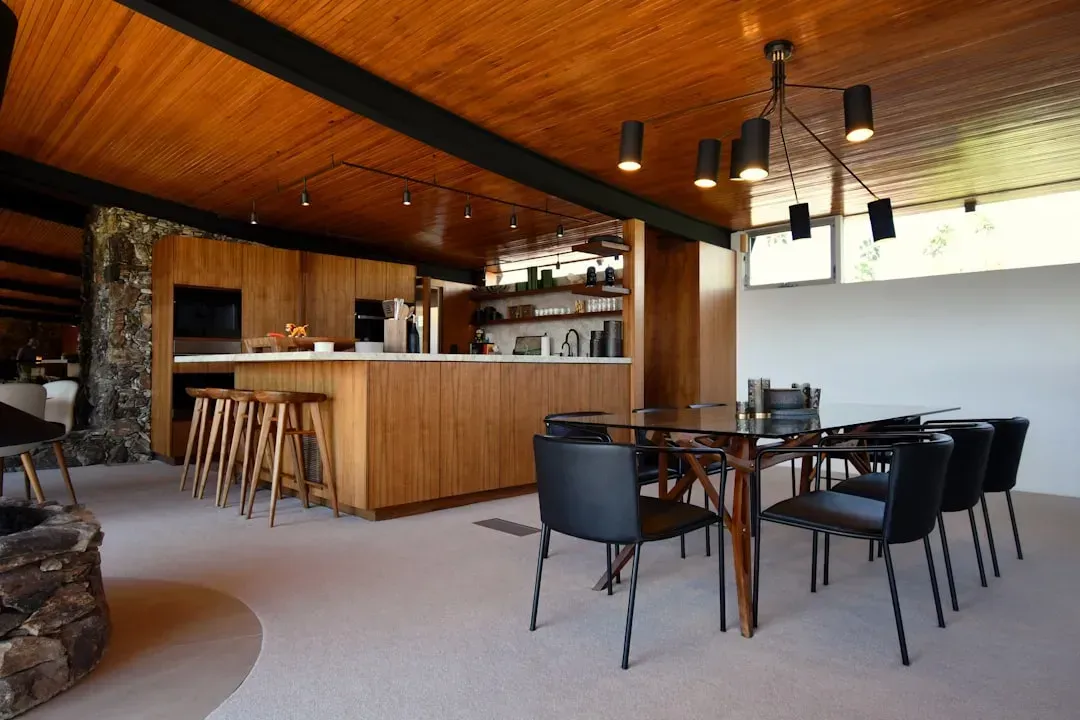
1. Relying on a Single Overhead Light Source (Image Credits: Unsplash)
The most common lighting mistake homeowners make is relying too much on one ceiling light in each room. This creates harsh shadows and uneven light. The result is a space that feels clinical during the day and gloomy in the evening, regardless of how well everything else is decorated.
A well-lit room needs three layers of lighting: ambient, task, and accent. Ambient light ensures general illumination throughout a room, like downlights. Task lighting, like a desk lamp, makes working, reading, and cooking easier. Dimmer switches are also a great addition, allowing you to adjust the mood of the room as needed. Lighting isn’t just functional – it shapes how every other element in the room is perceived.
2. Getting Furniture Scale Wrong
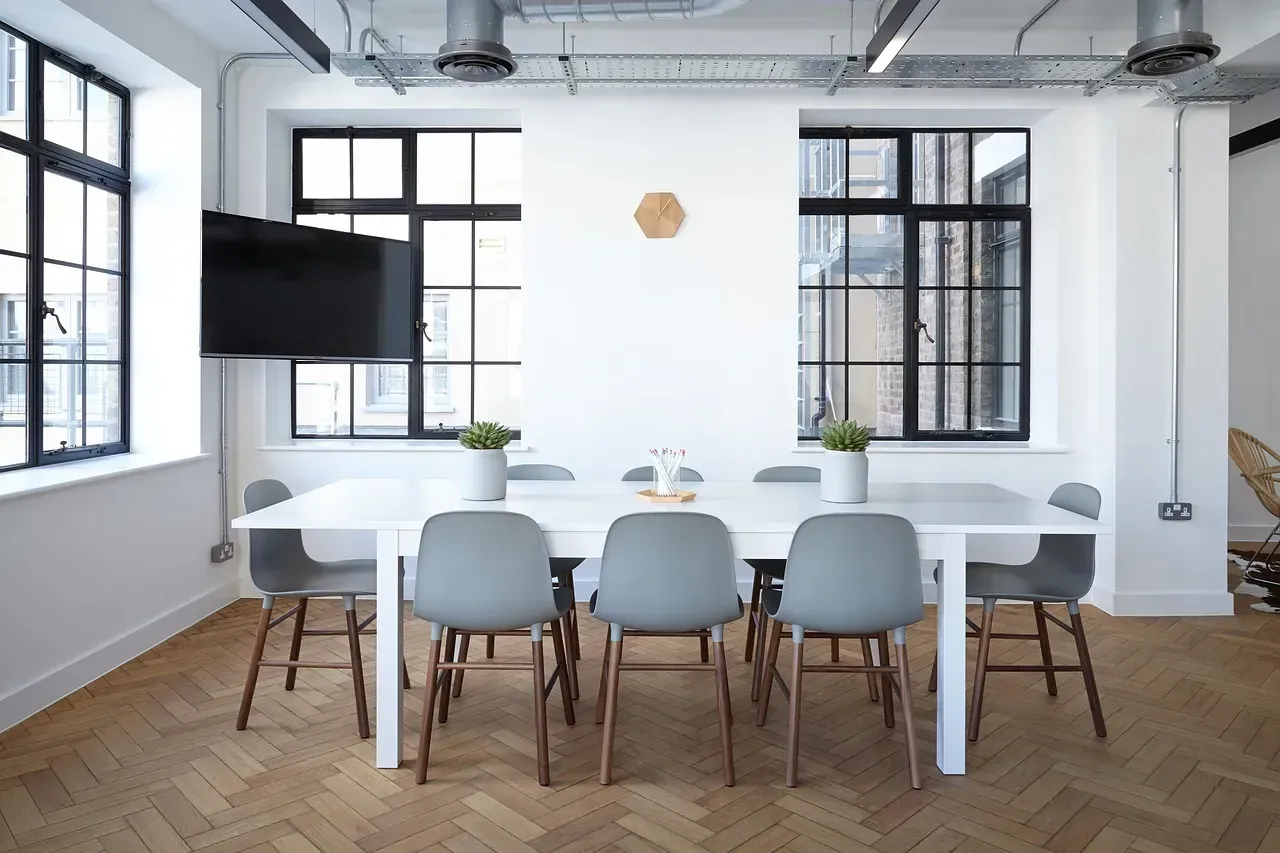
2. Getting Furniture Scale Wrong (Image Credits: Pixabay)
One of the most frequent missteps in interior design is getting the scale of furniture wrong. A sofa that’s too large can overwhelm a room, while a rug that’s too small can make a space feel fragmented and cheap. Homeowners often choose furniture based on its appearance alone, without considering how its size relates to the room’s dimensions and the other pieces around it.
Scale is how an item relates to the size of the room, while proportion is the relationship between items. These are two distinct considerations that work together. A big part of a successful interior design process is planning, which includes accessing your floor plan and measuring the remaining elements of your home. A new piece of furniture should not just fit, but be comfortable to use and leave adequate space around for movement.
3. Ignoring Traffic Flow and Circulation
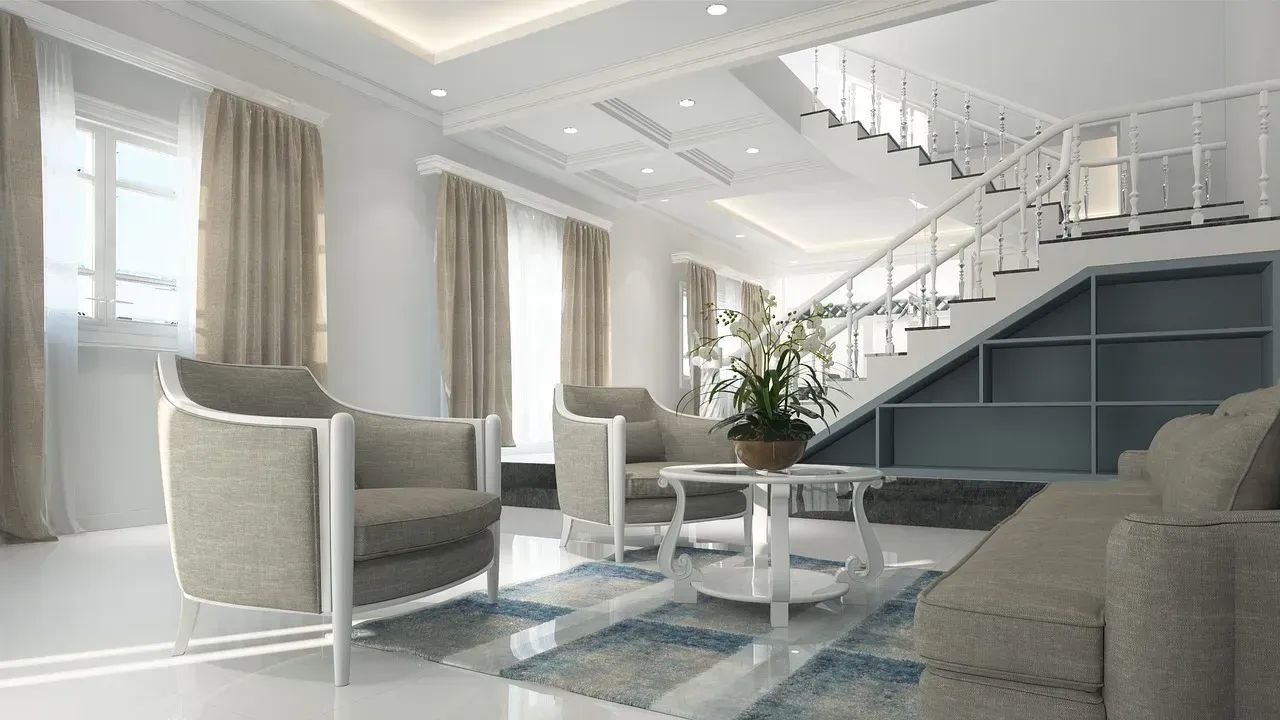
3. Ignoring Traffic Flow and Circulation (Image Credits: Pixabay)
Circulation patterns are the veins of any space; when they are poorly planned, everyday movement can become a logistical nightmare. Imagine walking through your home and encountering unexpected obstacles or cramped corridors that disrupt the natural flow. Such issues arise from neglecting to evaluate how you and your guests will move through different areas, leading to frequent collisions and bottlenecks.
One of the biggest space planning mistakes is placing furniture without thinking about flow. People often push all furniture against walls, creating an awkward, empty middle. Or they buy pieces too large for the room, making it hard to move around. Experts generally recommend leaving at least 60 cm (24 inches) between pieces to allow comfortable movement and a sense of openness.
4. Choosing Paint Colors Before Finalizing Furnishings
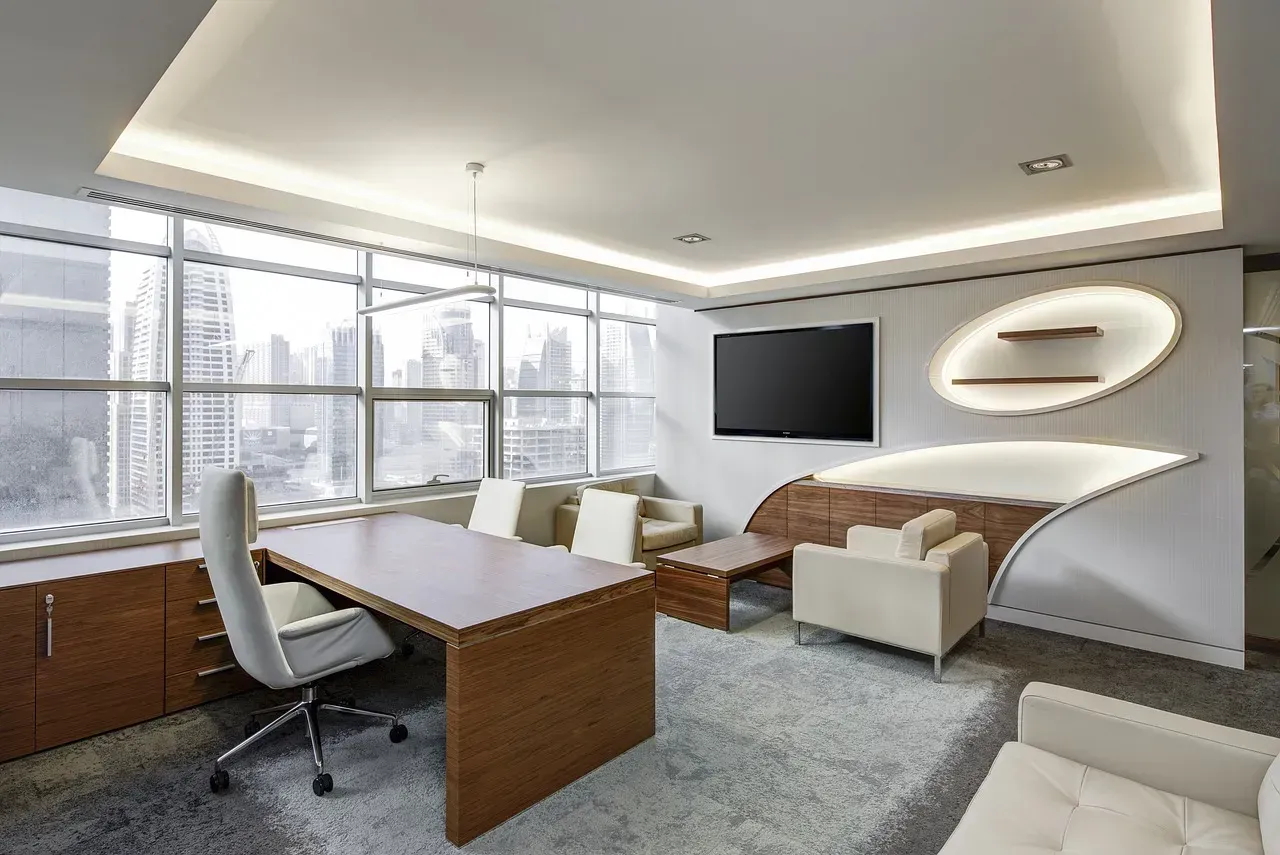
4. Choosing Paint Colors Before Finalizing Furnishings (Image Credits: Pixabay)
Many homeowners make the mistake of painting walls before selecting furniture and decor. It’s much easier to match paint to fabric than vice versa, so finalizing your furnishings first is the smarter approach. Paint is the most flexible element in a room’s design – fabric options and furniture finishes are far more limited, which makes them the better starting point.
Paint colors can look vastly different depending on lighting conditions, existing colors, and the time of day. Selecting a color from a sample chip without testing it in the room can lead to disappointing results. Color affects mood, perceived room size, and how other design elements work together. What looks harmonious in a small paint sample can become overwhelming when applied to entire walls.
5. Designing Without a Focal Point
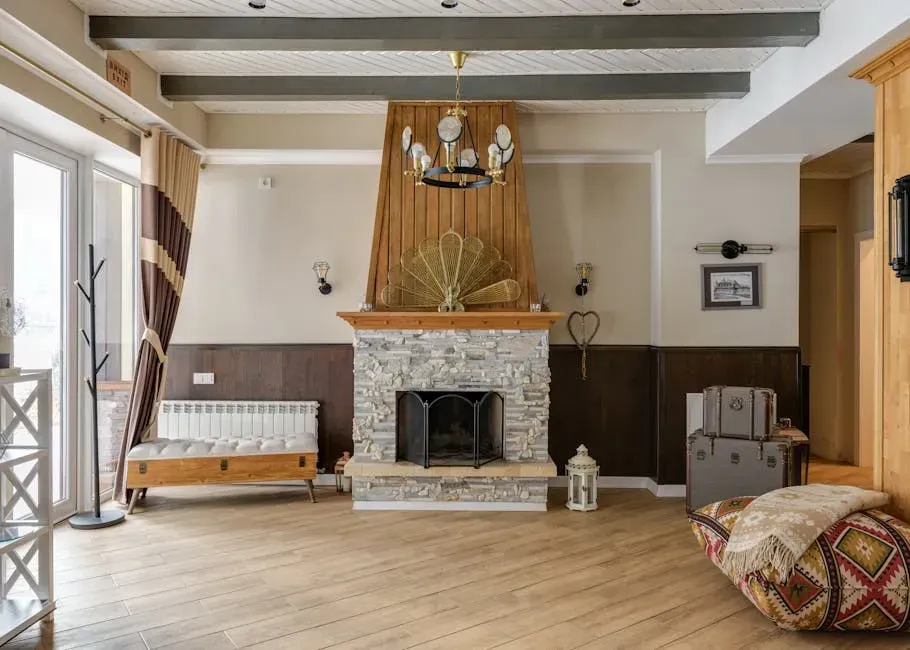
5. Designing Without a Focal Point (Image Credits: Pexels)
One sure way to make a space feel bland is by forgetting to create a focal point. Without a central focus, there is no place for eyes to rest and a room can feel unorganized yet empty as a result. This is one of those issues that reads as a vague discomfort rather than a specific problem, which makes it surprisingly easy to miss.
You can create one large focal point in a room or have smaller features per zone in a big space, like an open plan living-kitchen area. In some rooms, a focal point is a natural architectural feature like a fireplace or a large window with a beautiful view. In others, you may need to create one with a large piece of statement art, a bold accent wall, or a dramatic light fixture. Arranging your furniture to emphasize this focal point gives the whole room a sense of intention.
6. Overcrowding the Space with Too Much Furniture and Decor

6. Overcrowding the Space with Too Much Furniture and Decor (Image Credits: Pexels)
One of the most frequent errors is filling a room with too much furniture or decor. Overcrowding can make a space feel cramped and overwhelming, rather than inviting and functional. The instinct to fill every corner is understandable, but it works against the very comfort a room is meant to provide.
Overloading a space with furniture is a common mistake that leads to a cluttered and cramped feeling. Prioritizing quality over quantity and allowing for ample circulation space promotes a more breathable and comfortable environment. Poor spatial planning can lead to an array of problems that extend beyond aesthetics, significantly affecting daily life. Underestimating the importance of well-defined spaces can manifest in inefficiencies, making it difficult to navigate your home or office. A lack of careful thought during the design stage often creates overcrowding, wasted space, and a disjointed atmosphere.
Every one of these mistakes shares a common thread: they stem from decisions made too quickly, without a clear plan in place. The good news is that most are correctable without a full renovation. Measuring before buying, layering light sources thoughtfully, defining a focal point, and leaving room to actually move through a space – these are relatively small shifts that make an outsized difference in how a room actually feels to live in. A well-planned space doesn’t announce itself loudly. It just works.