
Most parents carry a mental checklist. The right school, enough extracurriculars, the latest learning apps, enough structured time, enough scheduled enrichment. It’s exhausting to maintain, and there’s a quiet anxiety underneath it all: what if you’re missing something important? That anxiety is understandable. It’s also, in many cases, pointed in the wrong direction.
Research has spent decades separating what children genuinely need from what adults assume they need. The two lists don’t always match. Some of the things parents stress over most turn out to matter relatively little, while some of the simplest, most ordinary things turn out to matter enormously. The gap between the two is worth understanding clearly.
The Perception Gap: What Parents Think vs. What's Actually Happening

The Perception Gap: What Parents Think vs. What's Actually Happening (Image Credits: Unsplash)
Parents consistently overestimate their children's optimism and downplay their worries. This is sometimes called the parental positivity bias, and it shows up with striking regularity across research settings. In three separate studies involving more than 500 children ages four through eleven, researchers found that parents consistently rated their children as being less worried and more optimistic than the children rated themselves.
When assessing their children's happiness, parents are often influenced by two biases: a positivity bias, which is the tendency to overestimate children's happiness and underestimate negative emotions, and an egocentric bias, which is the tendency to use their own happiness levels to estimate their children's happiness. In other words, how a parent feels often colors what they see. That's a significant blind spot, especially when a child is quietly struggling.
The Academic Blind Spot: Overconfidence About School Performance
The Academic Blind Spot: Overconfidence About School Performance (Image Credits: Unsplash)
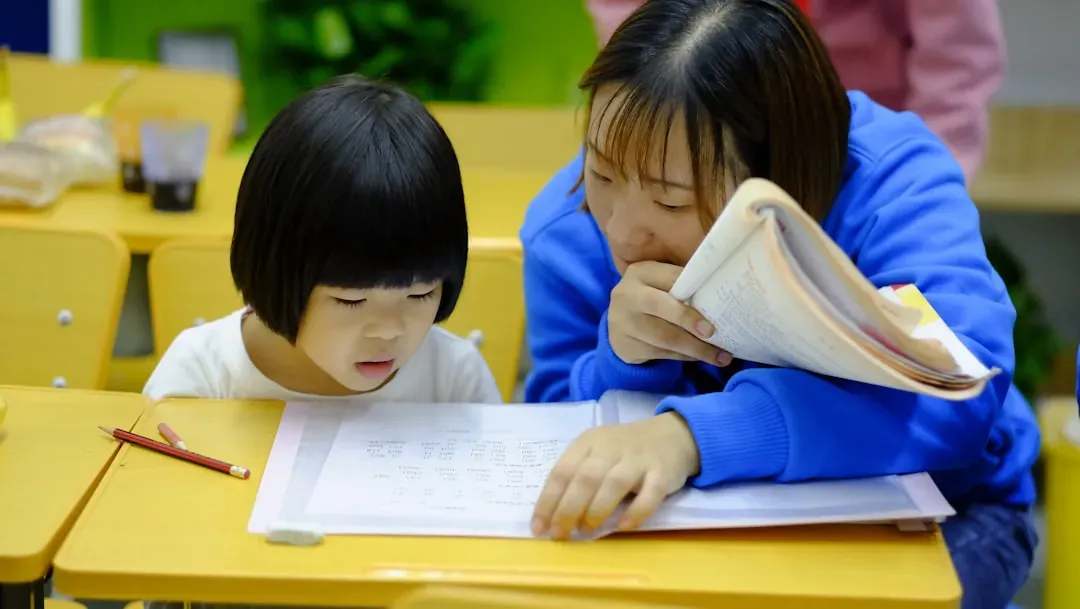
Research shows the vast majority of K-12 parents believe their kids are performing at their grade level when they're not. A survey conducted in 2023 for the group Learning Heroes found nine in ten parents think their kids are doing fine, but standardized test scores show otherwise. This isn't a minor discrepancy. It shapes whether a parent seeks extra help, asks harder questions, or simply assumes everything is on track.
In Boston, eighth graders showed roughly a third in reading proficiency, yet nearly nine in ten of their parents thought they were doing fine. In Houston, the majority of parents also thought their kids were fine despite a substantial share falling short of grade-level proficiency. The consequence of this overconfidence is real. Missing a massive opportunity to help children catch up and enter high school ready to be successful is the cost of not knowing where they actually are.
What Kids Actually Say Makes Them Happy

What Kids Actually Say Makes Them Happy (Image Credits: Pexels)
Six main themes related to children's happy moments emerged from research transcripts: activities outside the home, shared activities between parents and children, play between parents and children, parent-child moments of affection, material gifts, and non-specified happy moments. Emotional interactions characterized the happiest moments reported with mothers, while those with fathers were more frequently playful and fun situations. Material gifts appear on the list, but well down from the top.
Parents and children disagree on children's happiness levels and tend to identify different episodes as the happiest moments spent together. Children weight connection, play, and physical presence far more heavily than most parents anticipate. The gifts and activities parents spend so much time organizing often rank lower than a shared meal or an afternoon spent playing together without any agenda at all.
Quality Time vs. Quantity Time: What the Research Actually Shows

Quality Time vs. Quantity Time: What the Research Actually Shows (Image Credits: Pexels)
A large-scale study published in the Journal of Marriage and Family found that family time may be best measured in moments, not minutes. The actual amount of time mothers spend with their young children – ages three to eleven – doesn't impact their development nearly as much as the way they spend the time together. This finding has been replicated broadly. Logging more hours does not automatically translate into better outcomes.
The quality, rather than the quantity of time spent with the child, has an impact on the child's adjustment. Lower quality and more time for companionship may not improve children's well-being. Higher-quality companionship included more than just the time parents spent with their children; it also included the emotional component of time. A stressed, distracted parent who is physically present for many hours is not necessarily giving a child more than a calm, focused parent who connects for a shorter stretch.
The Case for Consistent, Stable Love

The Case for Consistent, Stable Love (Image Credits: Pexels)
A study asked 150 teenagers about their thriving, including questions about optimism, happiness, relationships with others, a sense of purpose, and growth. Then for 21 straight days, teens reported how much they felt loved by their caregivers on a scale from one to ten. A year later, they were asked the same questions to see how things had changed. The results were telling.
Teens with more fluctuations in how loved they felt were less likely to thrive in their other relationships a year later. In other words, teens who report feeling less consistent love from parents struggle with other relationships a year later. Given that relationships are the best predictor of long-term thriving, this is a concerning finding with far-reaching implications. Consistency matters at least as much as intensity. A child who feels reliably loved handles adversity far better than one who never quite knows where they stand.
Structured Activities vs. Free Play: Where Parents Get It Backwards
Structured Activities vs. Free Play: Where Parents Get It Backwards (Image Credits: Pexels)
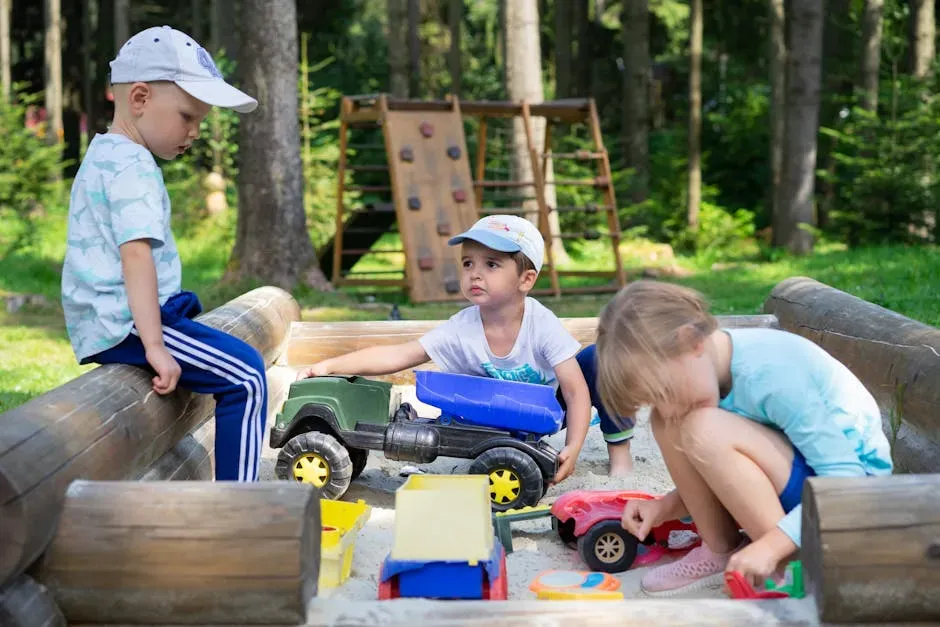
A wealth of research shows that unstructured play, which isn't organized or directed by adults and generally doesn't have a defined purpose or outcome, is a fundamental necessity for children to thrive physically, emotionally, mentally, and socially. Active play like backyard swinging and games of tag helps build healthy bodies, increase energy, and reduce tension and anxiety. Risky, challenging play like jumping from manageable heights helps children learn to make decisions, calibrate risks, and manage emotions.
Common barriers limiting unstructured play today include an extended school day, an overemphasis on academic achievement, and parental fear for child safety. Recent research suggests that children should experience twice as much unstructured time as structured play experiences, and touts the benefits of unstructured play on whole child development. The irony is that many parents, trying to give their children every advantage, fill schedules so tightly with organized activities that the very form of play most linked to development gets squeezed out.
The Power of Predictability: Routines and Boundaries
The Power of Predictability: Routines and Boundaries (Image Credits: Unsplash)
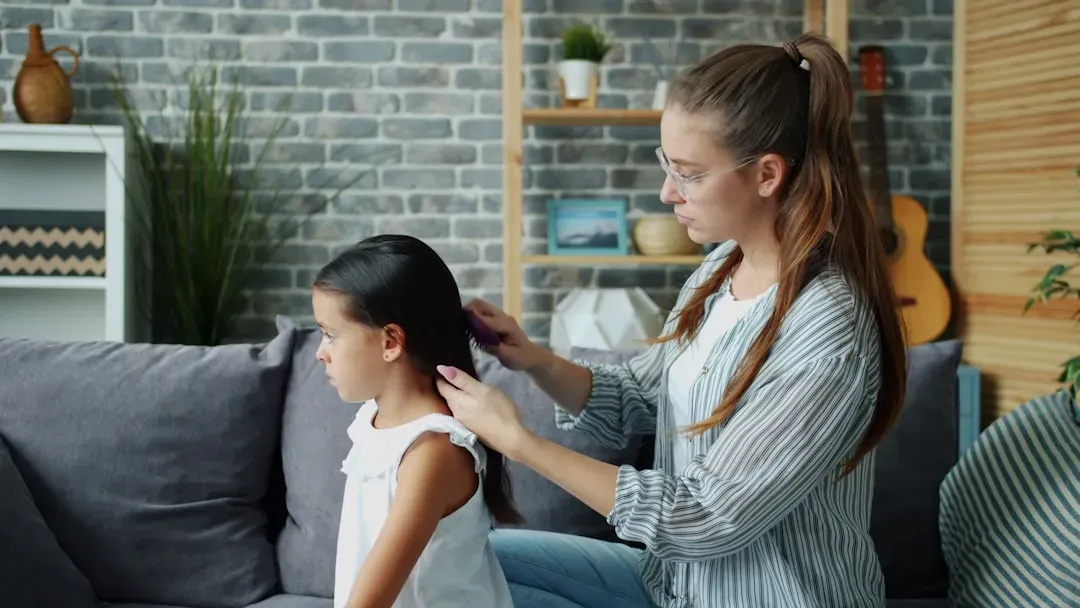
Children do better and thrive when they have predictable routines, rules, and boundaries. This helps kids know what to expect. That might sound overly simple, but its effects run deep. Predictability reduces background anxiety and creates the stable emotional platform from which children are able to explore, take risks, and learn.
Even though a child may negotiate, test, and even protest the boundaries you set, setting and sticking to consistent limits provides the predictability, stability, and security that kids need to thrive. Parents who read this as their child not wanting rules often miss the point entirely. The pushback and the need for the boundary can coexist. Children frequently need both the limit and the space to resist it.
Nature, Community, and the Things Beyond the Home

Nature, Community, and the Things Beyond the Home (Image Credits: Flickr)
A 2024 NIH study found that young children ages two to five who lived near dense green spaces, such as parks or forests, had fewer symptoms of anxiety and depression. This matters beyond recreational value. Access to natural environments appears to serve as a genuine buffer against psychological stress in early childhood, independent of other factors. The early childhood years are a crucial time for exposure to green spaces. Nature might not protect children from challenges, but the awe they experience in it can build a protective barrier, improving mental health and helping them navigate life more easily.
Beyond the home, the community surrounding a child also influences their growth and development. Children thrive when they have safe places to play, access to quality early learning opportunities such as child care or libraries, and other supports such as family resource centers, comprehensive mental and physical healthcare, and access to healthy food. These aren't extras or bonuses. They're structural conditions that shape outcomes in measurable ways.
The Basics Still Matter Most
The Basics Still Matter Most (Image Credits: Pexels)
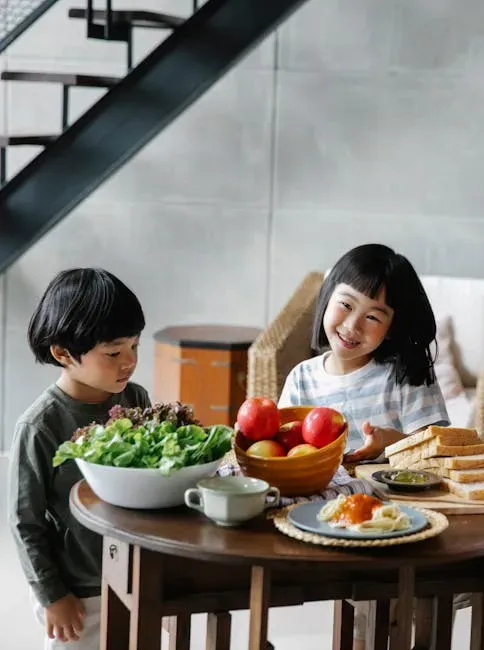
We know what helps kids thrive: stable homes, strong schools, nutritious food, supportive relationships, and real opportunities to learn and grow. These aren't luxuries. They're basic needs, shared by all children in all communities, and meeting them is a shared responsibility. This is easy to overlook in conversations dominated by parenting styles and enrichment strategies. The foundations are foundational for a reason.
One in seven children don't have enough to eat, affecting their ability to learn and thrive. Families with children face higher eviction rates, causing instability that affects health, education, and development. For a meaningful portion of children, the most impactful interventions have nothing to do with screen time limits or reading programs. They have to do with housing, food security, and safety. No enrichment program closes the gap left by those absences.
What Parents Can Actually Do Differently
What Parents Can Actually Do Differently (Image Credits: Pexels)
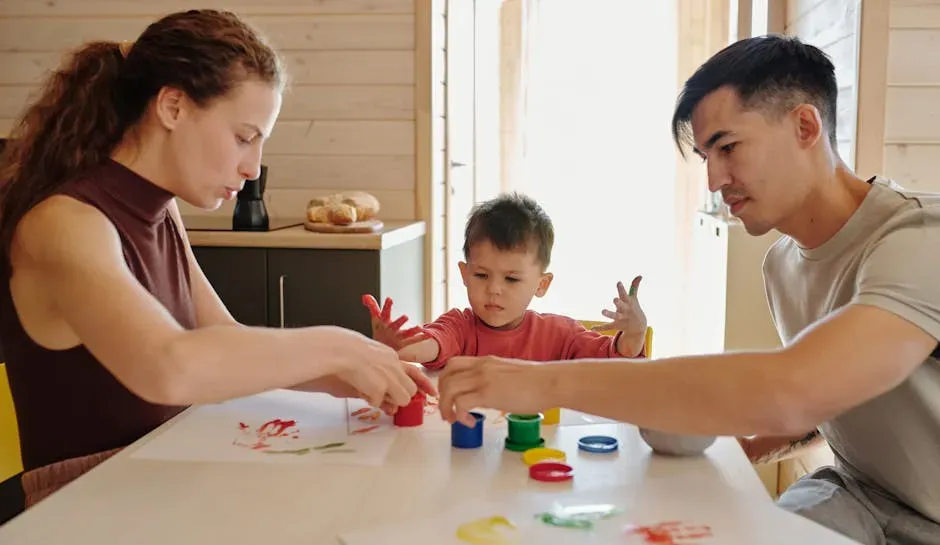
To many experts, the most important thing you can do to help a child thrive is to give them the gift of your time. It's very human to devote time to the things we love, and by spending quality time engaging with children, we can communicate love without saying a word. This doesn't require elaborate planning. It comes down to two things: positive attention and authentic interest. Positive attention means focusing on the things that are going well and that you're enjoying about the time you're spending with your child, rather than placing demands on them or focusing on what needs to change.
Insufficient parent-child quality time is associated with lower flourishing levels among young children. Fostering parental opportunities for weekly quality time with their children should be a priority for child health programs. Simple shared activities, reading together, eating meals without devices, talking one-on-one, have an outsized effect relative to how little effort they require. Developmental science is clear on the three irreducible needs of children: the need for play, tears, and relationship. Two of those three cost nothing at all.