
Lifestyle trends move in cycles, but the pace has noticeably quickened. What felt fresh and essential three years ago can quietly lose its grip before most people even notice. Some trends exit with a bang, others just drift into irrelevance while something more fitting takes their place.
What’s shifting in 2026 isn’t random. Instead of chasing speed, optimization, and constant improvement, more people are quietly reorganizing their lives around steadiness, emotional well-being, and sustainable energy. The cultural pressures that once glorified exhaustion are losing influence, and in their place, a slower, more grounded way of living is emerging. Understanding which trends are fading and which ones genuinely endure can help you make better choices about how you spend your time, energy, and money.
1. Hustle Culture
1. Hustle Culture (Image Credits: Pixabay)
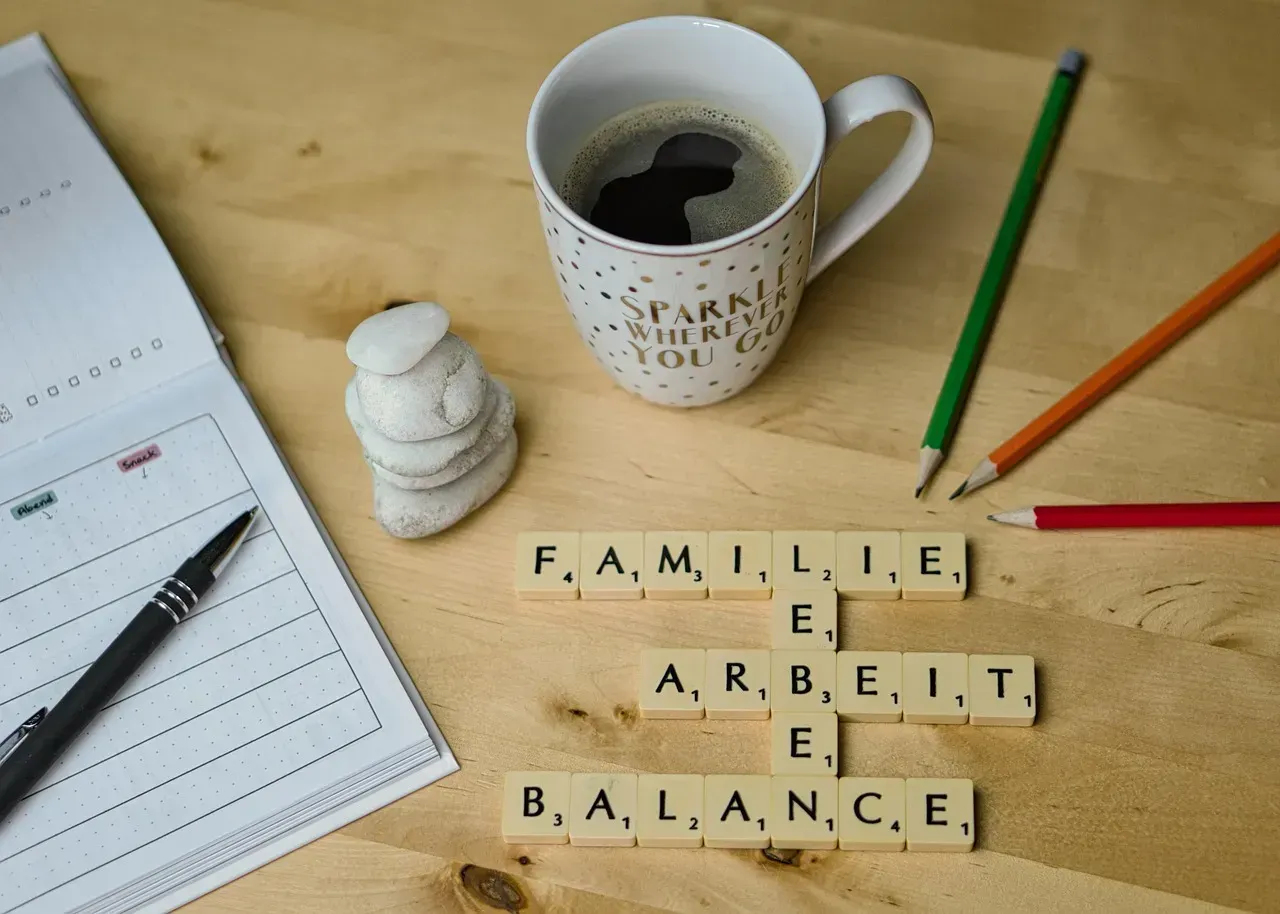
Hustle culture is fading in 2026 as smart professionals shift to slow growth, prioritizing balance, well-being, and sustainable long-term success. The glorification of overwork had a genuine cultural moment, particularly among entrepreneurs and young professionals, but the data has caught up with the mythology. More than two in five employees report feeling exhausted, stressed, and overwhelmed, while productivity actually declines after 55 hours per week. This toxic productivity mindset contributed to the first drop in employee engagement in a decade.
Younger workers, especially Gen Z, are challenging the old model and redefining what success looks like. Gen Z is looking for work that feels meaningful, offers flexibility, and supports their values and well-being. They’re working to live, not living to work, and for them, work-life balance often ranks as high as pay. The shift isn’t about ambition disappearing. It’s about where that ambition gets pointed.
2. Rigid Vegan Diets as a Lifestyle Identity

2. Rigid Vegan Diets as a Lifestyle Identity (Image Credits: Unsplash)
Searches for “vegan recipes” and “vegan recipes for beginners” have declined significantly in multiple countries, including Australia, the United Kingdom, and the United States. At the same time, general recipe searches have increased, suggesting the decline is not due to people cooking less at home but rather a broader shift away from vegan diets. The strict all-or-nothing label is losing its cultural cachet even as plant-forward eating continues.
Restrictive diets are losing steam, with a move towards flexitarianism. While veganism itself may be losing traction, its influence on consumer eating habits is undeniable. The movement has led to wider acceptance of plant-based alternatives, and while the strict vegan label may fade, the demand for healthier, less processed plant-based options is likely here to stay. The ideology hardens but the practice softens.
3. The "Clean Girl" Aesthetic
3. The "Clean Girl" Aesthetic (Image Credits: Pixabay)
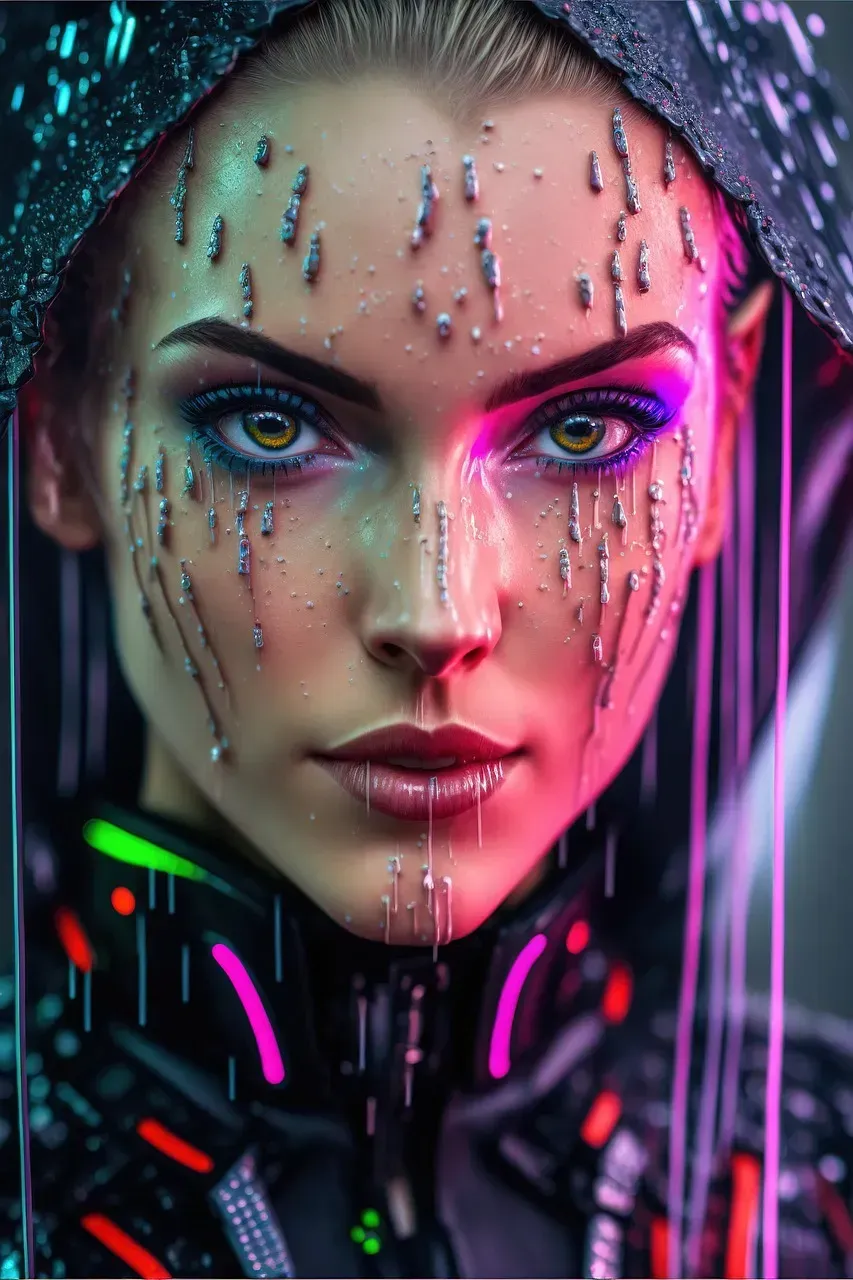
In beauty and fashion, the “Clean Girl” look has been replaced by Otherworldly Opulence. Inspired by space exploration and AI-generated aesthetics, this trend uses holographic finishes, “alien-inspired” makeup, and cosmic accessories. It’s a futuristic, shimmering look that embraces the surreal. The minimalist, no-makeup makeup vibe had a long run but culture is visibly pivoting toward something with more drama.
The quiet, understated aesthetic that dominated social media for several years suited a post-pandemic mood of exhaustion and simplicity. That mood has shifted. People want more texture, more personality, more expression, and the beauty world is following that energy in a decidedly bolder direction.
4. Open-Plan Everything in Home Design
4. Open-Plan Everything in Home Design (Image Credits: Pixabay)
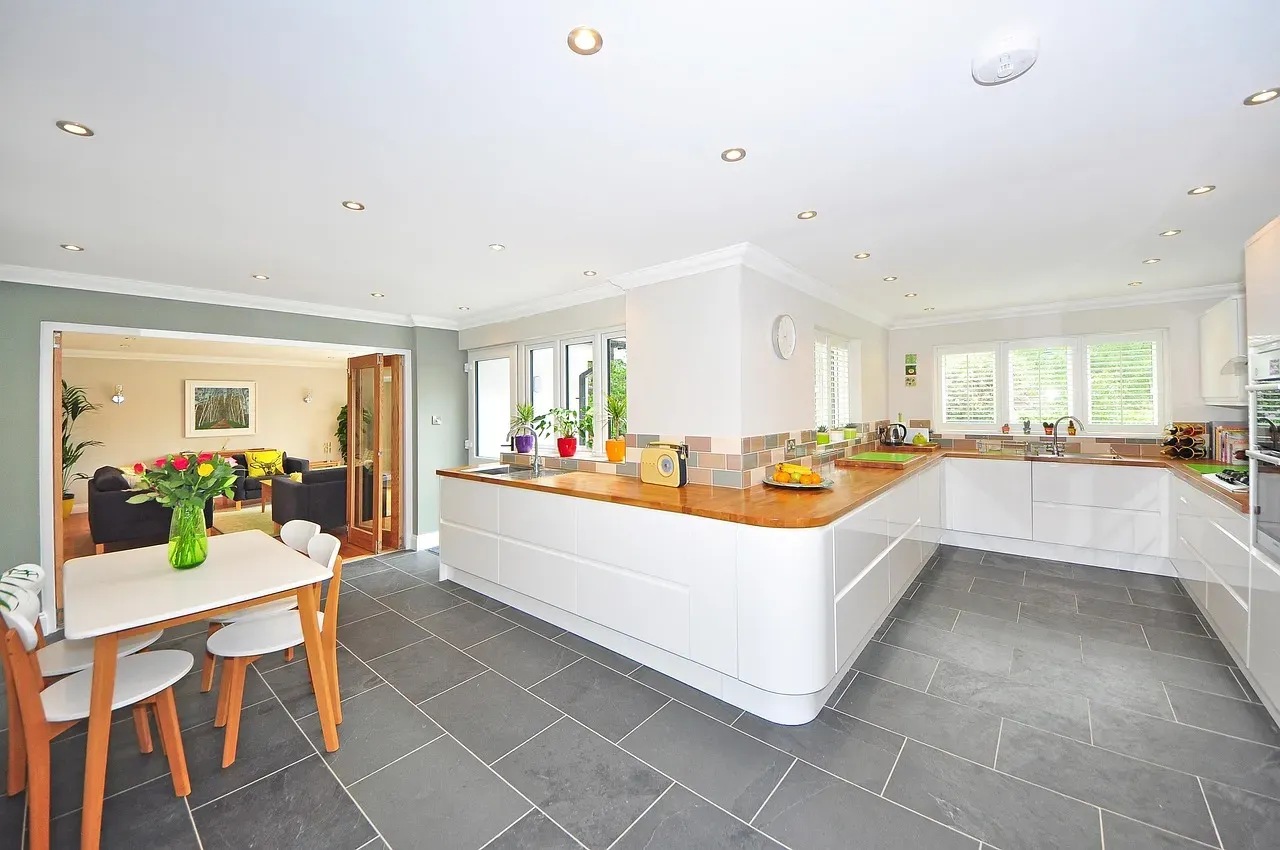
Minimalism is officially in the rearview mirror. Home design in 2026 is dominated by Theatrical Interiors, with velvet drapery, “stage-lit” rooms, and dramatic color palettes. Our homes are becoming stages for personal storytelling rather than just functional spaces. The open-plan, all-white interiors that once signaled modernity now feel clinically dated.
Remote work accelerated a rethinking of domestic space. When home became office, kitchen, gym, and sanctuary simultaneously, the idea of one giant undivided room lost its appeal. People began craving distinct zones, specific moods for specific rooms, and a sense of architectural intention that the open floor plan simply couldn’t provide.
5. Obsessive Productivity Optimization
5. Obsessive Productivity Optimization (Image Credits: Pexels)
After years of optimization, productivity, and curated perfection, the appetite shifts toward presence, autonomy, and texture. Living well becomes less about spectacle and more about meaning: how we spend time, who we spend it with, and what we allow to remain imperfect. The five-am alarm, the color-coded calendar, the life-hacked routine – all of it is being quietly dialed back.
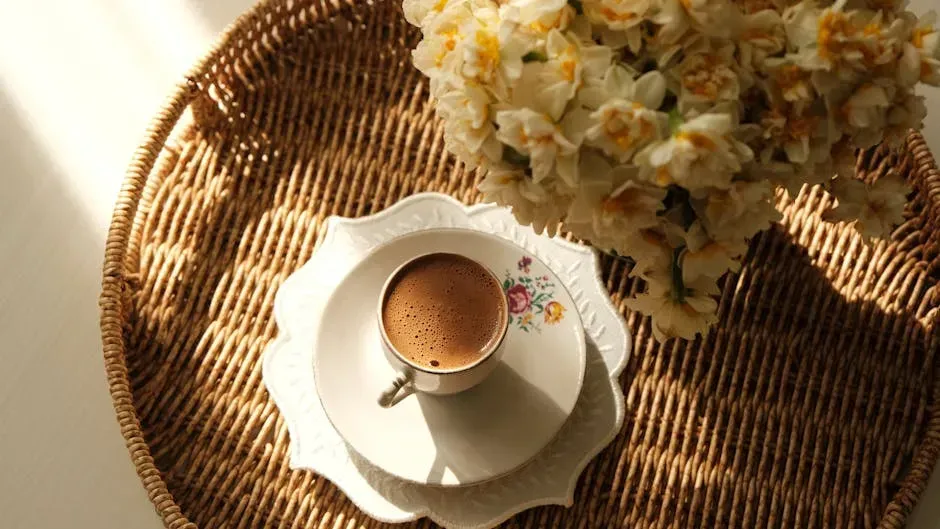
Instead of ambitious, checklist-heavy morning rituals, 2026 mornings are leaning toward warmer, slower, more human beginnings. Think quiet light, gentle stretching, journaling, coffee rituals, or a few minutes of honest stillness before the world arrives. These morning cues tell the nervous system you’re safe, you don’t need to sprint yet. Over time, this creates more emotional steadiness and fewer spikes of anxiety.
6. Constant Social Media Curation

6. Constant Social Media Curation (Image Credits: Pixabay)
We are seeing a “Great Unplugging.” In response to AI saturation, the most coveted status symbol of 2026 is Digital Privilege – the ability to go offline without consequence. The endless cycle of filming, editing, posting, and managing a personal brand has worn thin across demographics. Presence online no longer guarantees the cultural currency it once did.
Evenings are shifting from stimulation to decompression. Late-night scrolling is increasingly being replaced by screen-free wind-downs, which support healthier sleep patterns and improved mental clarity. Instead of collapsing into bed overstimulated, people are intentionally easing themselves out of the day. That shift in evening habits signals something deeper than just better sleep hygiene.
7. Fast Fashion as a Default Shopping Habit
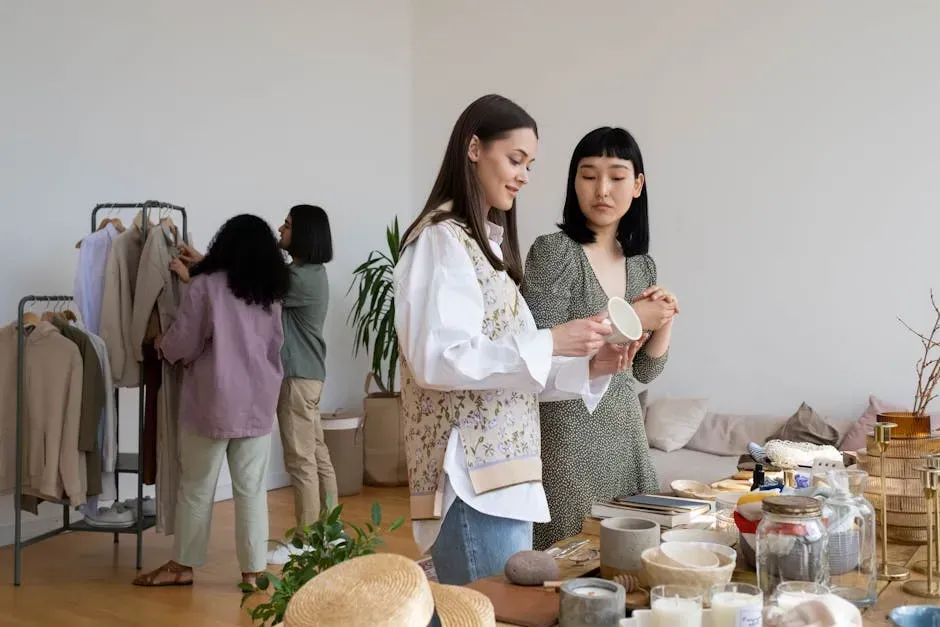
7. Fast Fashion as a Default Shopping Habit (Image Credits: Pexels)
Fast fashion’s grip on mainstream spending is weakening, driven not only by environmental awareness but by a shift in how people think about value. Purchasing decisions are increasingly driven by ethical considerations, with nearly three-quarters of millennials more likely to support companies reflecting their beliefs, even willing to pay more for such products. The throwaway wardrobe model is facing real friction from consumers who’ve grown skeptical of it.
Thoughtfully crafted designs that prioritize responsible production and extended lifecycles, such as made-for-disassembly construction or integrated repair services, create added value while setting a new standard for sustainable product design. Repair culture, secondhand shopping, and buy-less-but-better thinking are all gaining ground as alternatives to the weekly haul mentality.
8. One-Size-Fits-All Diet Plans
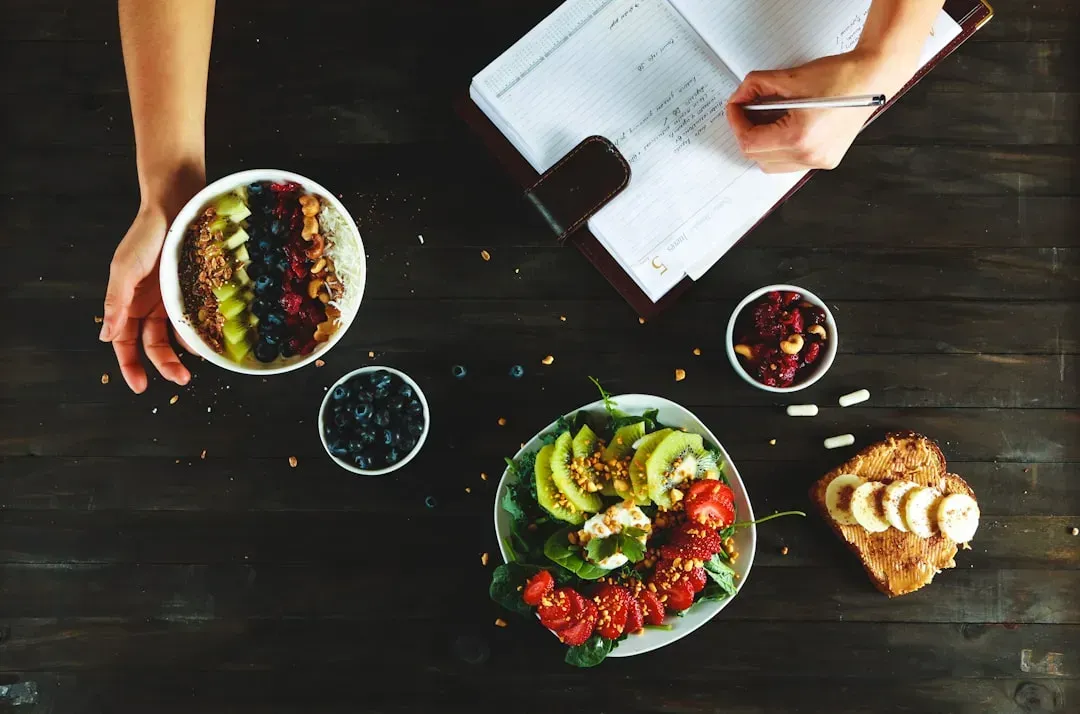
8. One-Size-Fits-All Diet Plans (Image Credits: Unsplash)
Forget “one-size-fits-all” diets. 2026 is about Bio-Harmony – eating patterns aligned with your specific circadian rhythm and metabolic markers. The era of following the same detox plan, calorie restriction protocol, or macro formula as millions of strangers is giving way to far more individualized approaches to food.
Consumers take a broad view of functional nutrition, including fermented foods, protein powders, super greens, adaptogens, and pre and probiotic drinks. Gut health is going mainstream in a more educated way. Consumer interest connects gut health to broader outcomes like mood, immunity, and energy. Food is becoming personal in a way that rigid diet plans simply cannot accommodate.
9. The Traditional Career Ladder Mentality

9. The Traditional Career Ladder Mentality (Image Credits: Unsplash)
For decades, the career ideal was about climbing a ladder, one rung at a time. Data from mid-2025 shows that vision is slipping away. Fewer employees feel energized by work, believe their roles use their strengths, or genuinely enjoy what they do. “My career” is fading from the cultural lexicon. Increasingly, it’s just “my day job.”
By 2030, Gen Z will account for roughly a third of the workforce, and this new wave of workers is replacing the hustle culture with work-life balance, mental health, and flexibility. The desire for remote options, time autonomy, and work with purpose is leading to a rise in freelancing and multi-income careers, influencing the future of work and associated lifestyle choices.
10. Extreme Wellness as Status
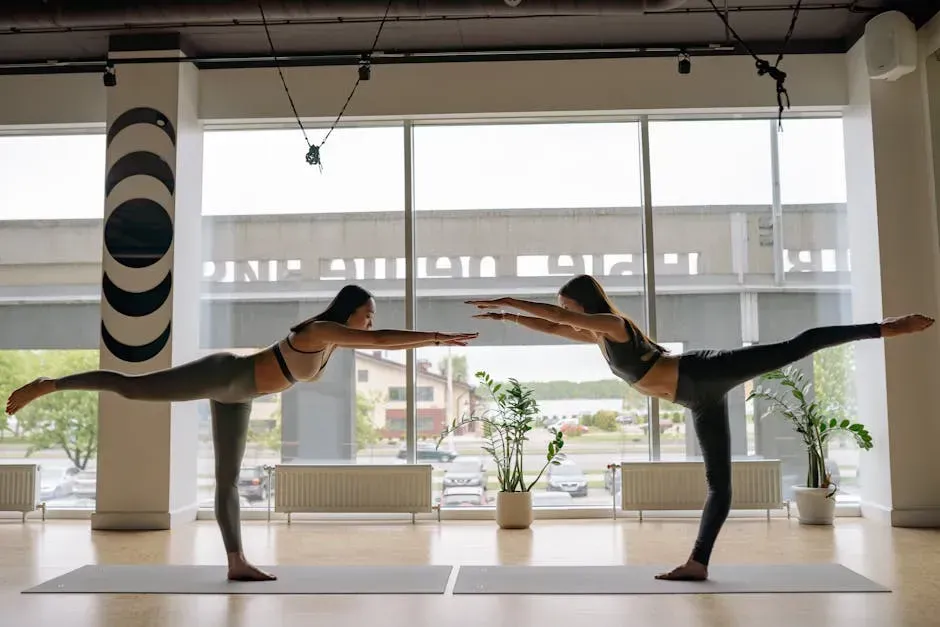
10. Extreme Wellness as Status (Image Credits: Pexels)
Cryotherapy chambers, extreme biohacking routines, and elaborate supplement stacks were, for a period, markers of a certain kind of elite self-improvement culture. That signaling is becoming harder to maintain and easier to mock. In 2026, people are choosing orientation over optimization, wanting clarity about where they’re headed instead of constantly upgrading who they are. Emotional steadiness, values alignment, and capacity-based decision-making are replacing intensity as lifestyle markers. Living well is beginning to mean living within one’s limits – on purpose.
The wellness industry hasn’t shrunk, it’s just gotten more honest. Wellness moved beyond spa days and quick fixes, and self-care became structured, measurable, and science-backed. Nervous system regulation was widely discussed, with breathwork, cold exposure, and gentle movement gaining ground. The difference is that these practices are now chosen for function, not performance.
11. Dainty, Minimal Jewelry
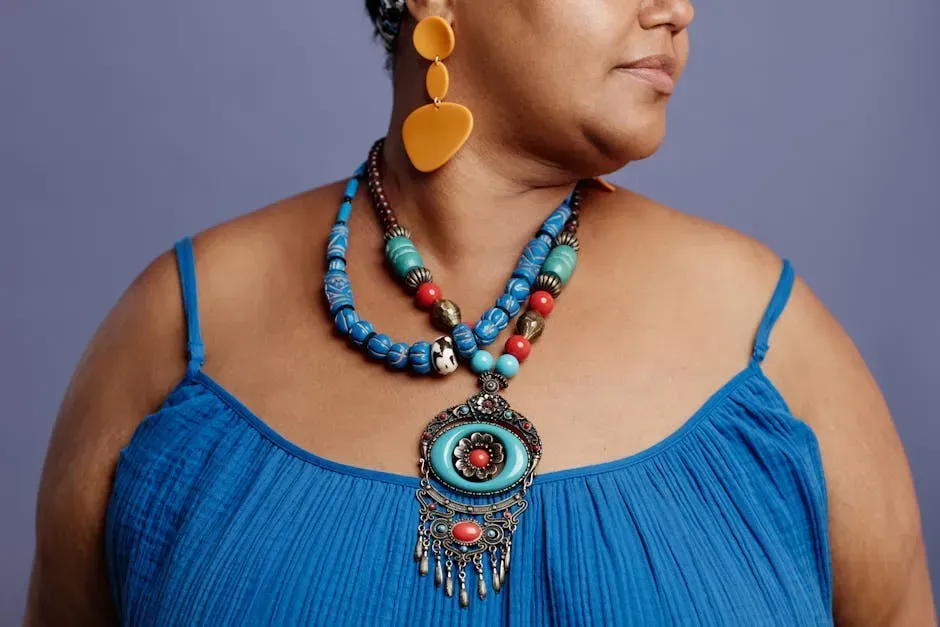
11. Dainty, Minimal Jewelry (Image Credits: Pexels)
The runways proved bold jewelry is the move for 2026, leaving dainty pieces behind. Designers like Tory Burch, Michael Kors, and Ferragamo were purveyors of stacked statement bracelets and a variety of pendant necklaces, offering an array of charms to let personality shine. The whisper-thin, barely-there aesthetic that dominated jewelry trends for years is being replaced by something far more declarative.
This aligns with the broader cultural pivot away from the “clean” and understated toward the expressive and layered. Jewelry is once again being treated as a form of genuine self-expression rather than a finishing touch designed to stay invisible. The minimal-is-more ethos still has its devotees, but it’s no longer the dominant reference point in fashion.
12. The Open Office Obsession
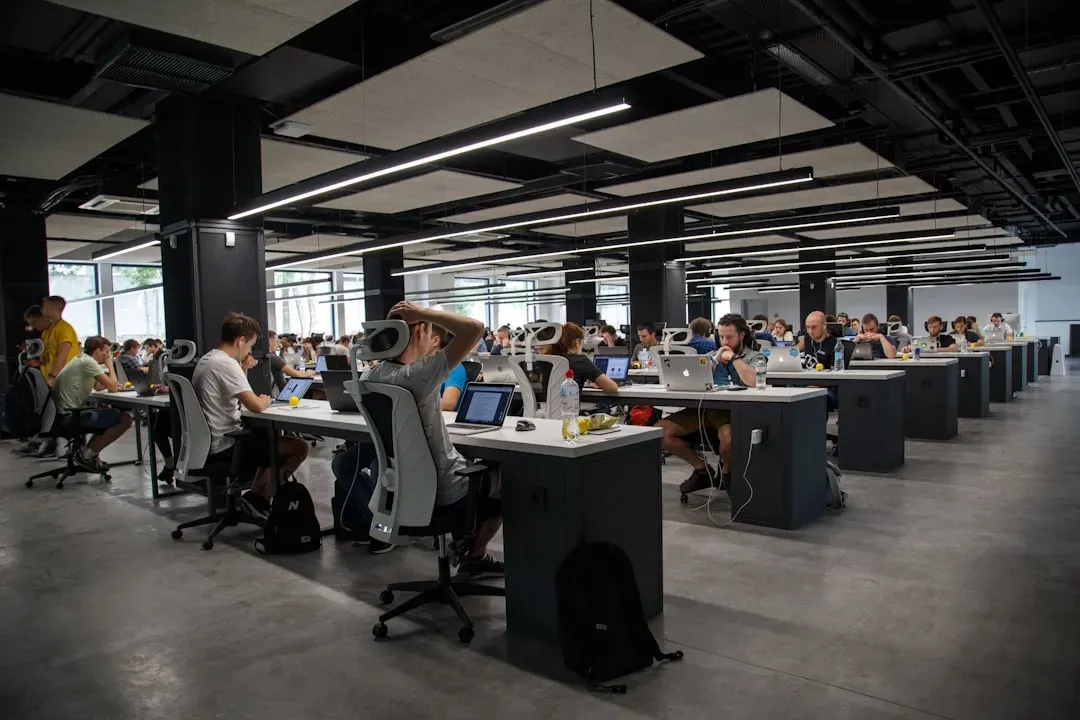
12. The Open Office Obsession (Image Credits: Unsplash)
The idea that removing walls and assigned desks would unlock creativity and collaboration had a long, enthusiastic run in corporate culture. Reality, and then remote work, complicated the story considerably. Retail and work spaces are increasingly experiential – spots where people can hang out, connect, and feel at home. The sterile, distraction-heavy open floor plan is being reconsidered in favor of spaces that offer actual privacy and genuine comfort.
Hybrid work arrangements have fundamentally changed what physical office space is expected to do. The rise of remote work and hybrid jobs has transformed how people manage work-life balance. In 2025, people invested in home office upgrades and used coworking spaces for flexibility. The sprawling, hot-desking office is struggling to justify its purpose when many workers have built better setups at home.
13. Ballet Flats as the Default Casual Shoe
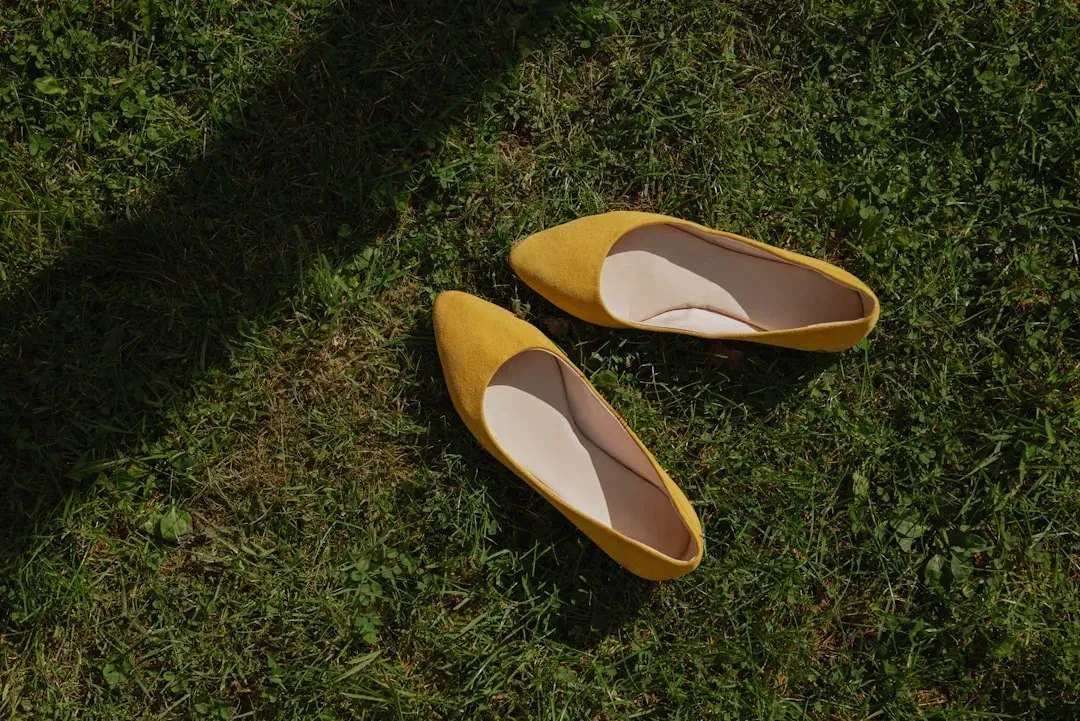
13. Ballet Flats as the Default Casual Shoe (Image Credits: Unsplash)
When it came to sneaker alternatives, ballet flats were the standout item of 2025, typically seen with sweet bows and mesh, but fall 2025 proved that loafers are emerging as the footwear trend to watch. They offer a sophisticated undertone that feels more elevated than the typical ballet flat. Trend cycles in footwear move quickly, and the ballet flat’s moment has visibly peaked.
What’s replacing it leans toward something with more structure and versatility. Loafers can be dressed up or down in a way that ballet flats struggle to manage, and that practicality is increasingly what drives purchases. Consumers called for versatility in their gear, comfort in recovery, and thoughtful choices that made everyday life easier, not more complicated. Footwear is no exception to that demand.
14. "Inspirational Quote" Mental Health Advice

14. "Inspirational Quote" Mental Health Advice (Image Credits: Unsplash)
A big 2026 shift is that mental health advice is moving from inspirational quotes to practical systems. The conversation is becoming more honest. Many Gen Z adults still report stigma around mental health in schools and workplaces, and a meaningful share say they’ve felt they needed help. The vague motivational platitude plastered across a sunrise image is losing ground to something more grounded and actionable.
In 2026, the conversation has moved beyond simple “mental health” to brain wealth. This trend treats cognitive function as a long-term financial investment. Instead of waiting for signs of decline, younger generations are proactively using nootropics, neurofeedback wearables, and “brain-training” retreats to optimize their neural performance. The emotional wellness conversation has genuinely matured past the poster-on-the-wall phase.
Still Holds Value: Intentional Slow Living
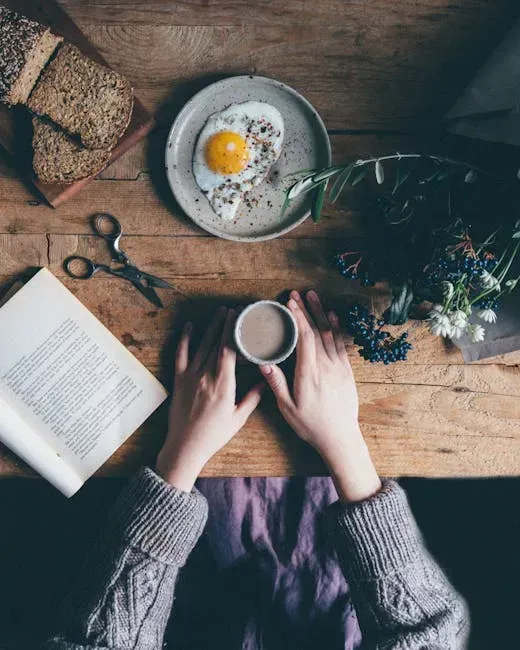
Still Holds Value: Intentional Slow Living (Image Credits: Pexels)
In 2026, lifestyle slows down with purpose, where analog hobbies, solo living, small wins, and imperfection shape how we live well. Lifestyle in 2026 favors intention over polish and presence over performance. This isn’t a fleeting aesthetic. It’s a recalibration that addresses something structural about how modern life has been organized.
The frantic “hustle culture” of the early 2020s is being replaced by a more intentional, high-tech, and nature-centric way of living. Slow living, at its core, isn’t about doing less. It’s about doing things with attention. That distinction has proven resilient across several years of cultural shifts, and there’s no sign of it fading soon.
Still Holds Value: Analog Hobbies and Screen-Free Time
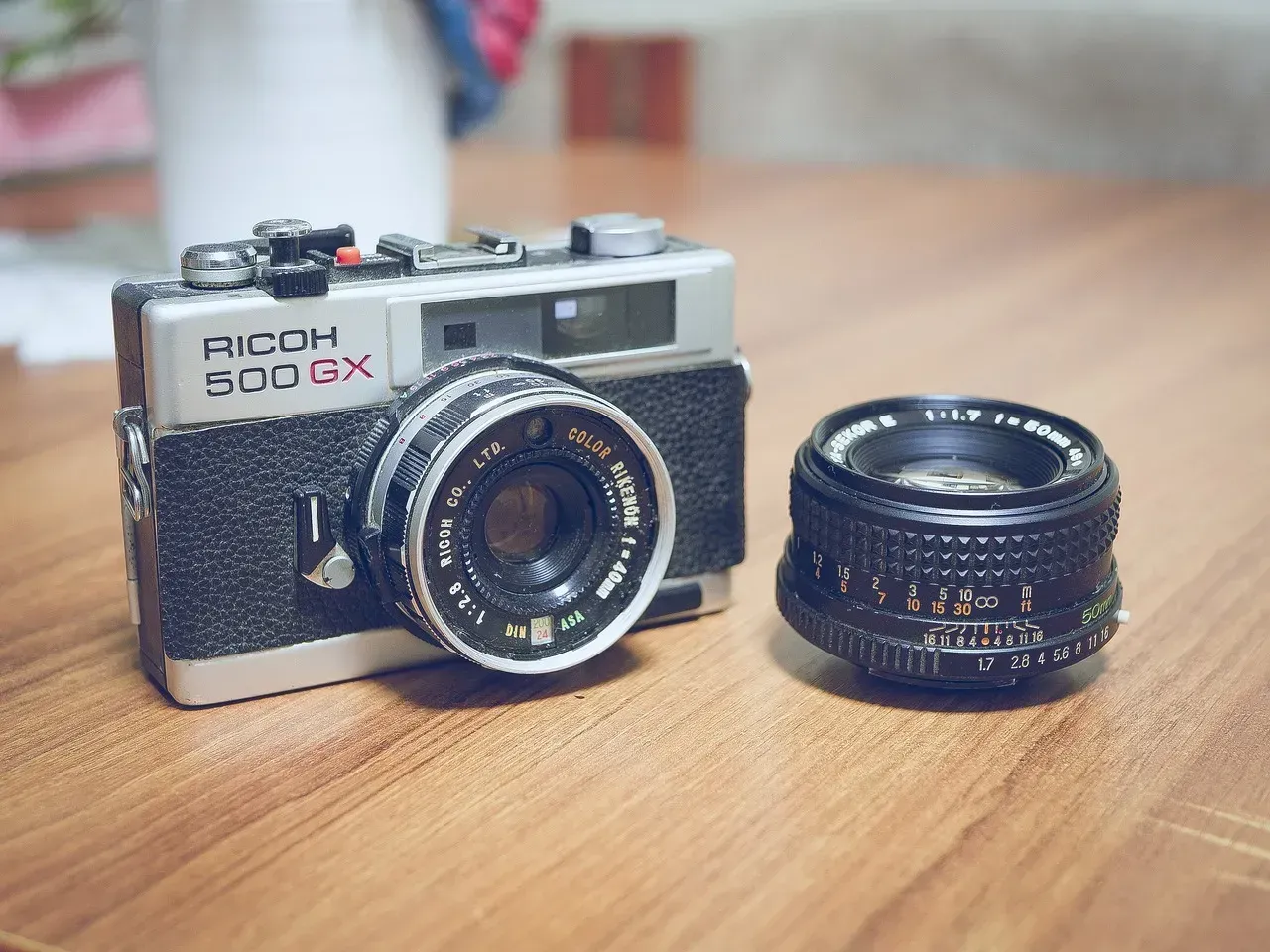
Still Holds Value: Analog Hobbies and Screen-Free Time (Image Credits: Pixabay)
There is a continued surge in retro formats like cassette tapes and CDs as people shun digital music services, while vinyl also continues to thrive. Analog hobbies like journaling, crocheting, and photography are gaining additional followers as younger generations look to shun the digital space in favour of tangible objects and output. The hands-on, offline pursuit has staying power precisely because it satisfies something that digital consumption cannot.
Roughly nine in ten people globally want experiences that feel meaningful, not just entertaining, and seek moments that inspire awe, wonder, or a renewed worldview. Analog hobbies deliver exactly that. They’re unhurried, often social, and produce something real, whether it’s a finished page, a knitted row, or a print from a film camera. That’s not a trend. It’s a human need finding its expression.
Still Holds Value: Community-Based Movement
Still Holds Value: Community-Based Movement (Image Credits: Unsplash)
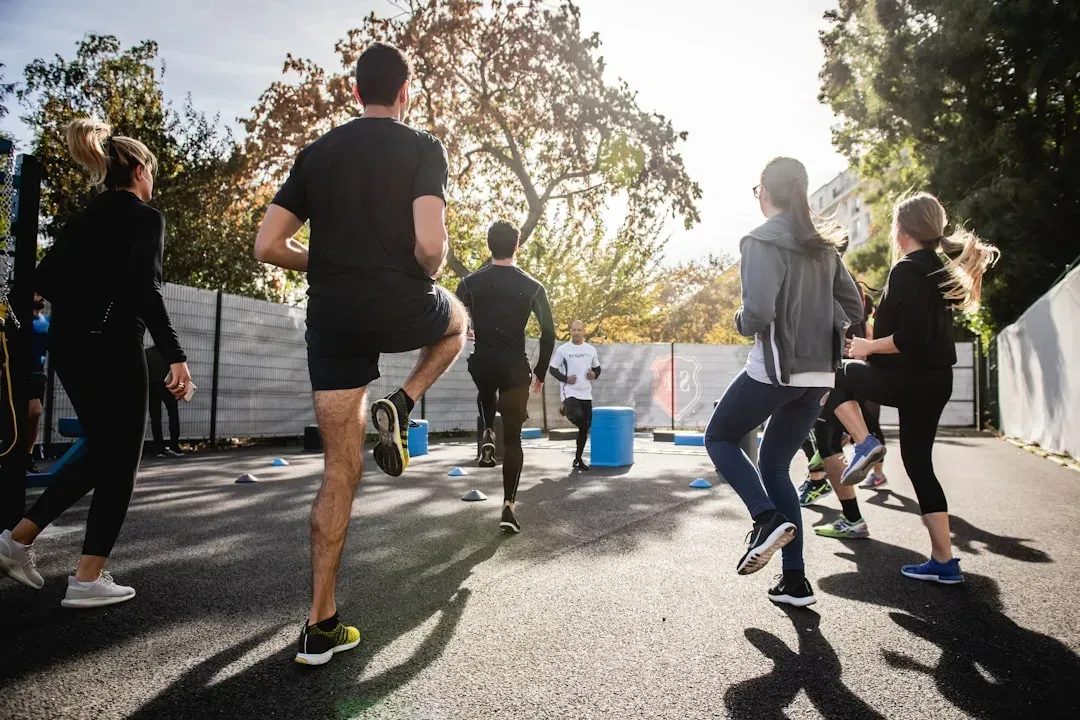
The era of suffering alone on a treadmill is over. 2026 is the year of Organized Play. “Adult playgrounds” featuring soft-play obstacles, climbing frames, and group-based movement classes are replacing traditional gyms. These phone-free sessions are scientifically designed to lower cortisol and boost creative problem-solving. The social element of fitness has proven to be far more motivating than solo routines for a significant portion of the population.
Recreation is increasingly niche, with people exploring everything from tennis and golf to birdwatching and tidepooling. These activities are social, inclusive, and all about fun. Group-based movement, whether it’s a running club, a community yoga session, or a local sports league, taps into belonging in a way that no app subscription can replicate.
Still Holds Value: Micro Travel and Meaningful Short Trips
Still Holds Value: Micro Travel and Meaningful Short Trips (Image Credits: Pixabay)
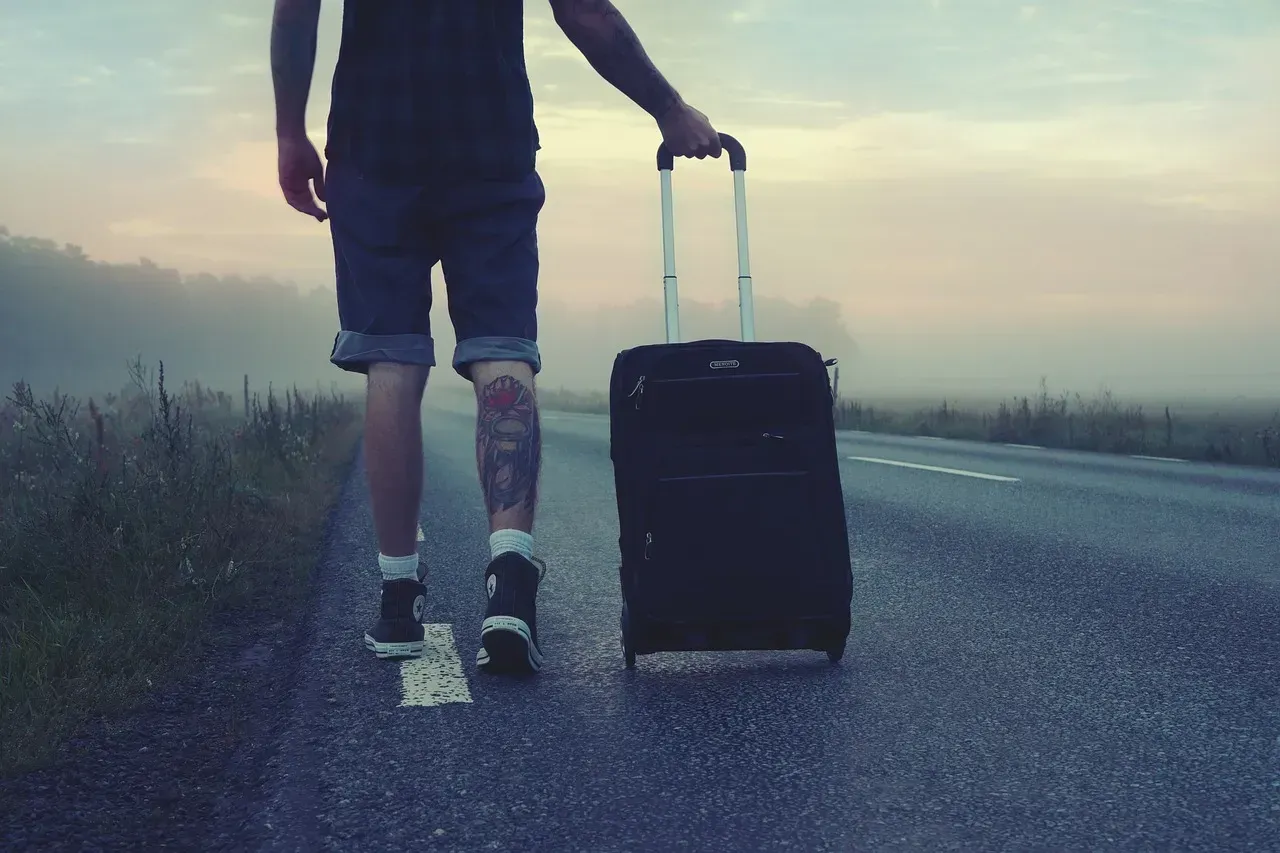
Not everyone has time or budget for long vacations. That’s why micro travel is booming: short, meaningful getaways that fit real schedules. The concept of short breaks designed for maximum refresh has been getting renewed attention as a practical travel pattern. This trend holds up because it’s built around real constraints rather than aspirational fantasy.
Sustainability and awareness of the impacts of climate change will continue to impact tourism in 2026. “Slowcationers” consider sustainability while travelling and generally stay for longer once they arrive. The basic premise is to slow down, engage actively with the local community, and be mindful, rather than rushing to tick sights off a must-see list. Travel that is shorter in distance but deeper in engagement turns out to be both more affordable and more satisfying for many people. That combination tends to last.
What the broader pattern reveals is less about which specific trends are in or out and more about a genuine reorientation in values. The trends losing momentum share a common thread: they were built on performance, on being seen doing the right thing rather than actually feeling it. The ones that endure tend to offer something more durable – connection, presence, and a quiet kind of satisfaction that doesn’t require an audience.