
There’s something quietly unsettling about realizing that routines your grandparents performed without a second thought have all but vanished from modern households. The way a home runs – how food gets to the table, how clothes get cleaned, how space gets organized – has shifted dramatically over the past few decades, shaped by technology, faster lifestyles, and changing cultural norms.
Some of those old habits have faded for good reason. Others, though, were quietly doing something right, and their disappearance may be costing us more than we realize. Here’s a look at twelve home habits that are slipping away, followed by five that genuinely still hold up.
1. Cooking Every Meal From Scratch
1. Cooking Every Meal From Scratch (Image Credits: Unsplash)
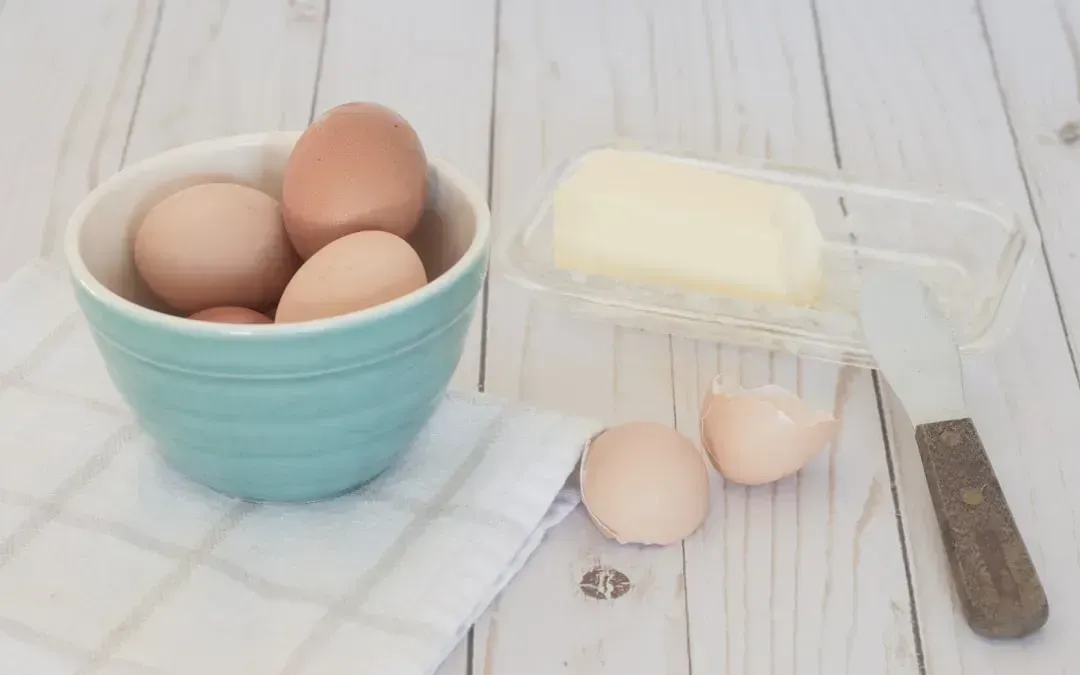
For most of the 20th century, preparing food at home from raw ingredients was simply the default. That’s changed considerably. Home cooking has seen a steady decline over the past fifty years, with convenience edging out effort for a growing share of households. Figures from Innova Market Insights show that three in five consumers globally are using convenience foods once a week or more, with one in five opting for them more than once a day.
The shift is especially visible among younger generations. The growth in convenience food usage is largely powered by younger demographics, who often view cooking from scratch as a time-consuming task rather than an everyday expectation. Nearly two in five consumers report that they specifically order food online because they don’t feel like cooking. The from-scratch kitchen habit, while not extinct, is no longer the norm it once was.
2. Hanging Laundry on a Clothesline
2. Hanging Laundry on a Clothesline (Image Credits: Unsplash)
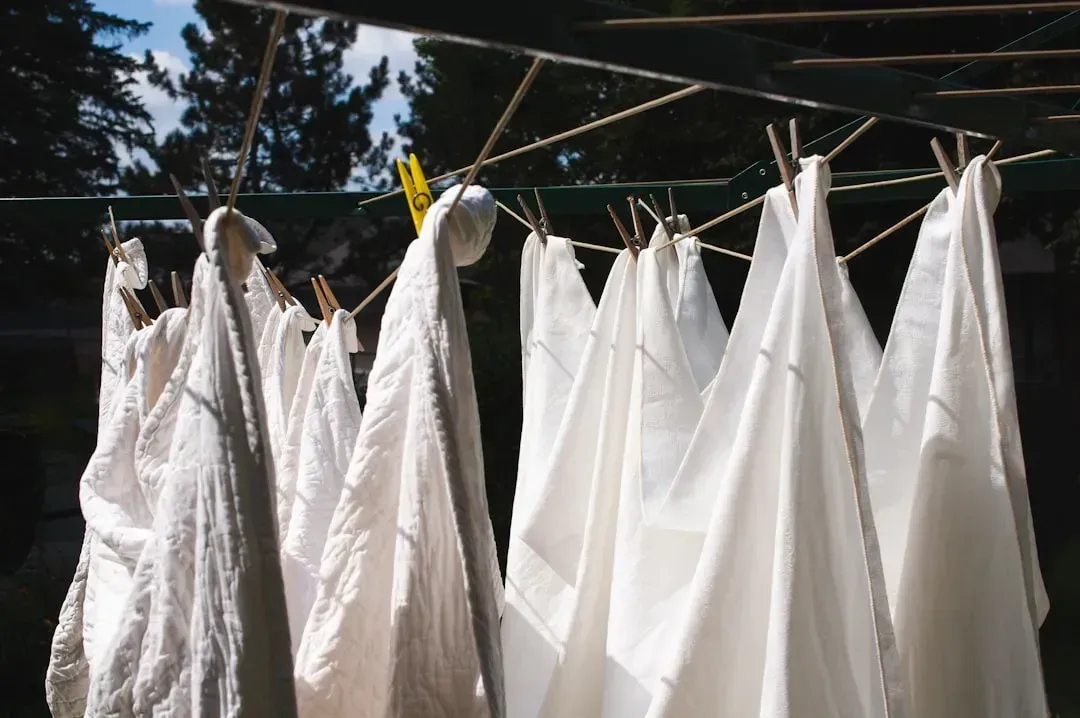
A generation or two ago, a backyard clothesline was a standard feature of almost every home. Today it reads as quaint, or even prohibited. Approximately 85% of American households now own tumble dryers, and those who do own one burn through two or more loads a week. Line-drying remains uncommon in the United States, where cultural norms favor machine drying – completely different from other developed countries where it’s standard practice.
The irony is that the evidence in favor of line-drying has only grown stronger. New research from the University of Michigan reveals that line-drying clothes, even partially, could cut greenhouse gas emissions from drying by 41 to 67%, with complete line-drying eliminating them entirely and saving households over $2,100 over a dryer’s lifetime. Line-drying also prolongs the life of clothing, since the roiling and tumbling of damp laundry takes its toll on fibers, and high heat often shrinks and ruins certain fabrics irreversibly.
3. Keeping a Well-Stocked Pantry
3. Keeping a Well-Stocked Pantry (Image Credits: Unsplash)
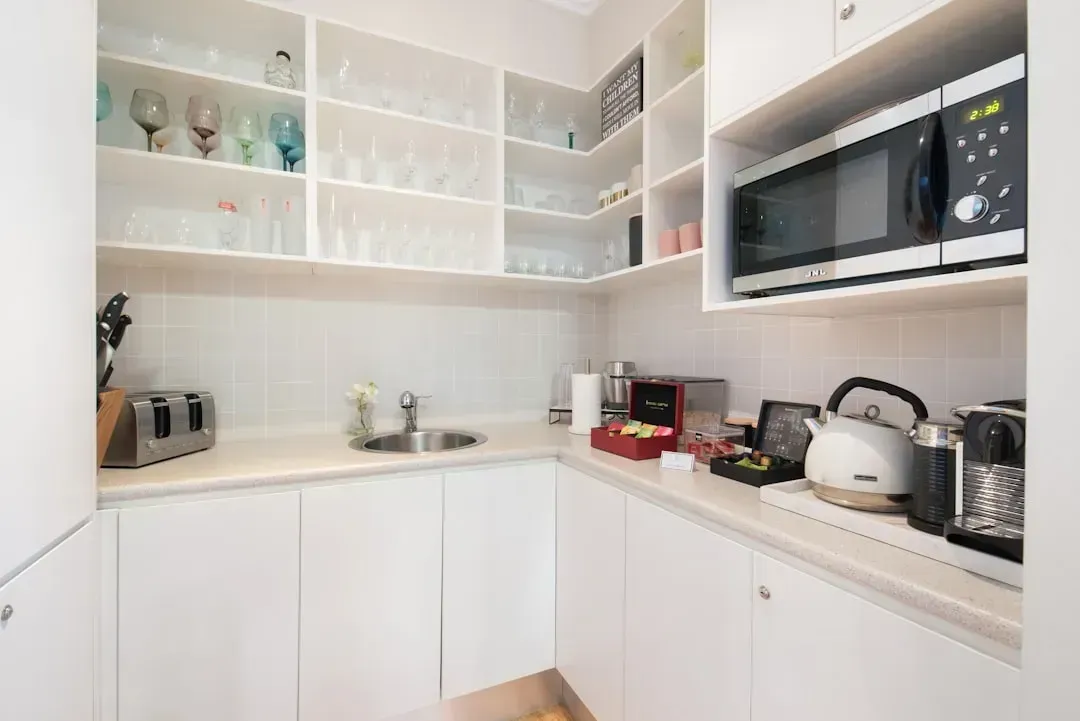
Older households ran on pantry logic. Homemakers kept a mental inventory of pantry staples and planned meals around what was already on hand – a habit that reduced waste, prevented unnecessary spending, and eliminated last-minute stress. That kind of deliberate stock-keeping has largely given way to on-demand shopping, grocery delivery apps, and smaller weekly purchases.
The pantry-first mindset was actually a quiet form of financial and logistical intelligence. Strong homes weren’t run meal-to-meal without thought. Planning around existing stock reduced waste, prevented unnecessary spending, and was a sign of genuine foresight. Today, with food delivery projections pointing toward a global market exceeding one trillion dollars, the impulse to reach for an app has largely replaced the habit of knowing what’s already in the cupboard.
4. Daily Tidying Instead of Weekend Deep Cleans
4. Daily Tidying Instead of Weekend Deep Cleans (Image Credits: Unsplash)
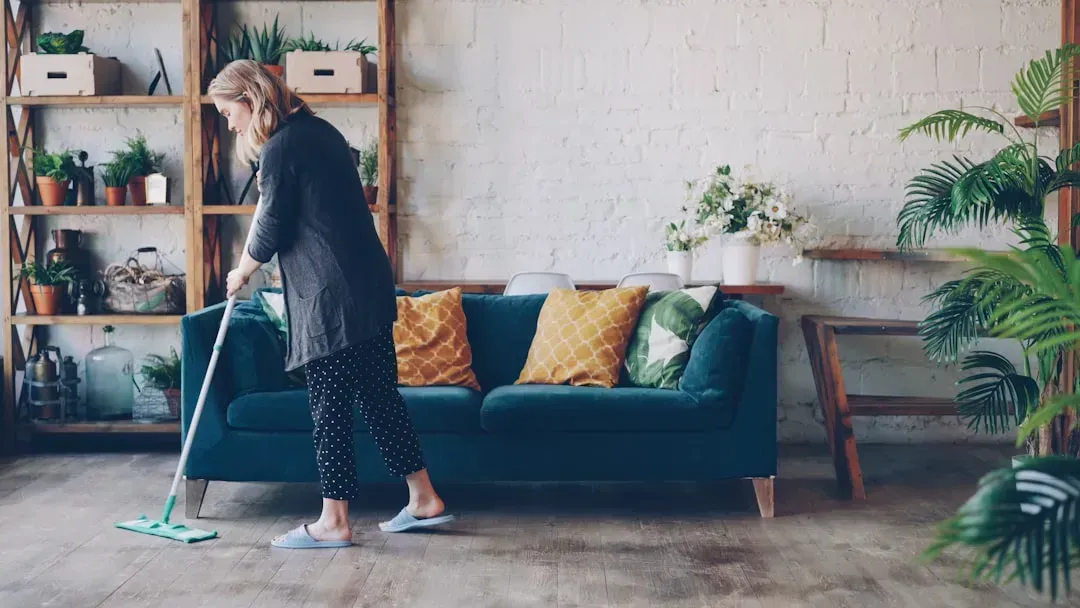
The old way of keeping house wasn’t a single heroic Saturday effort – it was incremental and daily. Rather than relying on occasional deep cleans, traditional homemaking focused on daily upkeep: beds made each morning, kitchens reset after meals, and floors swept regularly. Modern households, pressed by long work hours and fuller schedules, tend to let things accumulate and then tackle the mess all at once.
There’s a practical case for returning to smaller, more frequent tidying. Instead of letting laundry pile up and consuming an entire weekend, establishing a manageable routine and throwing in a load daily – then immediately folding or hanging items – avoids the dreaded pile-up. It’s a small habit, but it makes the process feel more manageable and relieves both physical and mental clutter.
5. Built-In Home Features Designed for Domestic Work
5. Built-In Home Features Designed for Domestic Work (Image Credits: Pixabay)
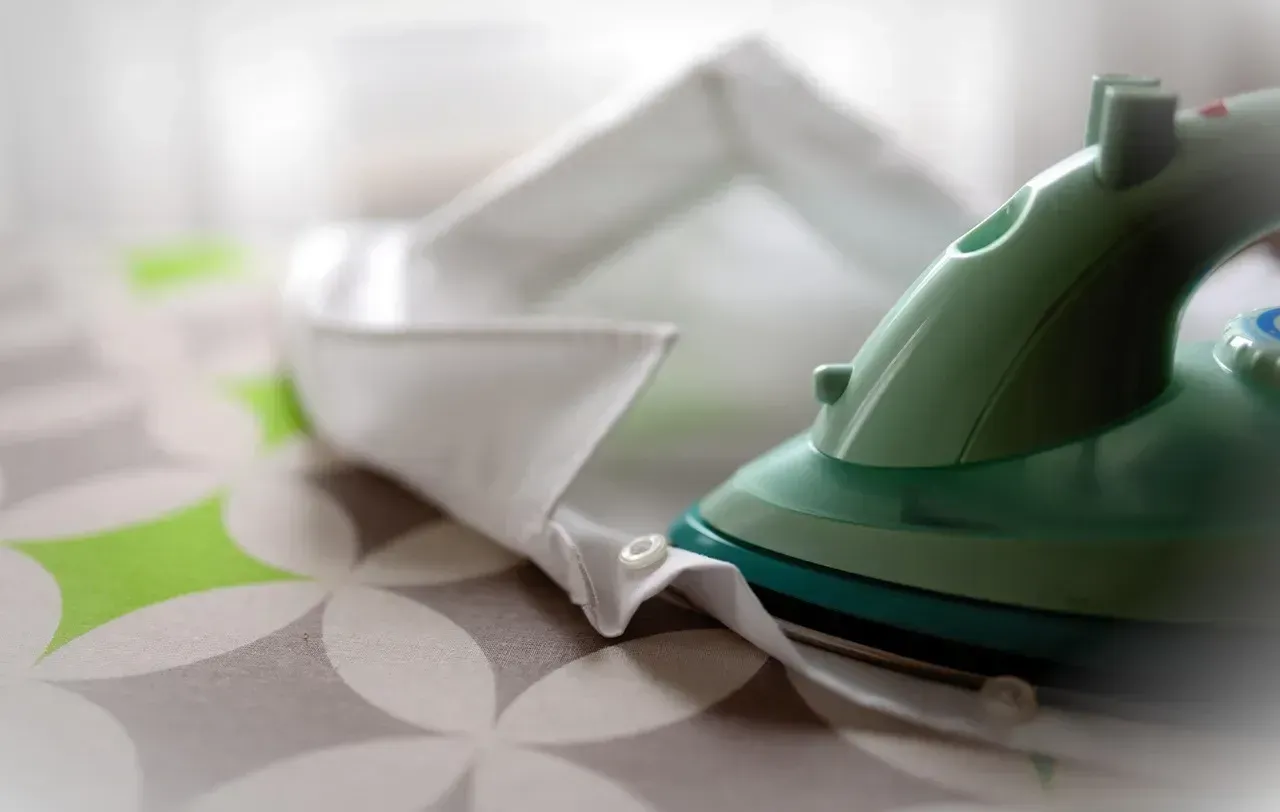
Older homes were physically engineered around the rhythms of household life in ways that newer builds simply aren’t. The fold-out ironing board – a shallow, built-in cabinet, often in the kitchen, that concealed a board pulled down when needed – was a common space-saving feature in 1920s homes, alongside Murphy beds and phone nooks. Laundry chutes were another example. Laundry chutes first appeared in the United States around the late 1800s, inspired by similar systems in Victorian-era English homes, and by the 1930s had become a beloved fixture of middle-class households.
Old houses are full of reminders of how life once looked, and over the years, some domestic features that made sense for their eras have faded as habits, technology, and tastes evolved. Ironing boards still exist, but over time many fabrics became easier to launder without wrinkling, and everyday clothing became less formal – so the need for built-in boards declined. The disappearance of these features reflects something deeper: homes are no longer designed primarily around the work of maintaining them.
6. Repurposing Leftovers Creatively

6. Repurposing Leftovers Creatively (Image Credits: Pexels)
Waste was once treated as a personal failure in the kitchen. Waste was avoided because food represented effort and cost. Leftover meat became soup or casserole, stale bread turned into stuffing, and extra vegetables were repurposed creatively. That ethic of resourcefulness extended the value of every grocery purchase and kept household costs down in ways that were genuinely meaningful over time.
Today, food waste has become a structural problem rather than a personal discipline. The shift toward single-use convenience meals and on-demand ordering makes it easy to forget what’s already in the fridge until it’s past its prime. The old habit of planning “leftover nights” into the weekly rhythm was less about frugality as a virtue and more about running a household with practical efficiency – something that’s harder to replicate when dinner arrives in a bag at the door.
7. Tracking Household Finances by Hand
7. Tracking Household Finances by Hand (Image Credits: Unsplash)
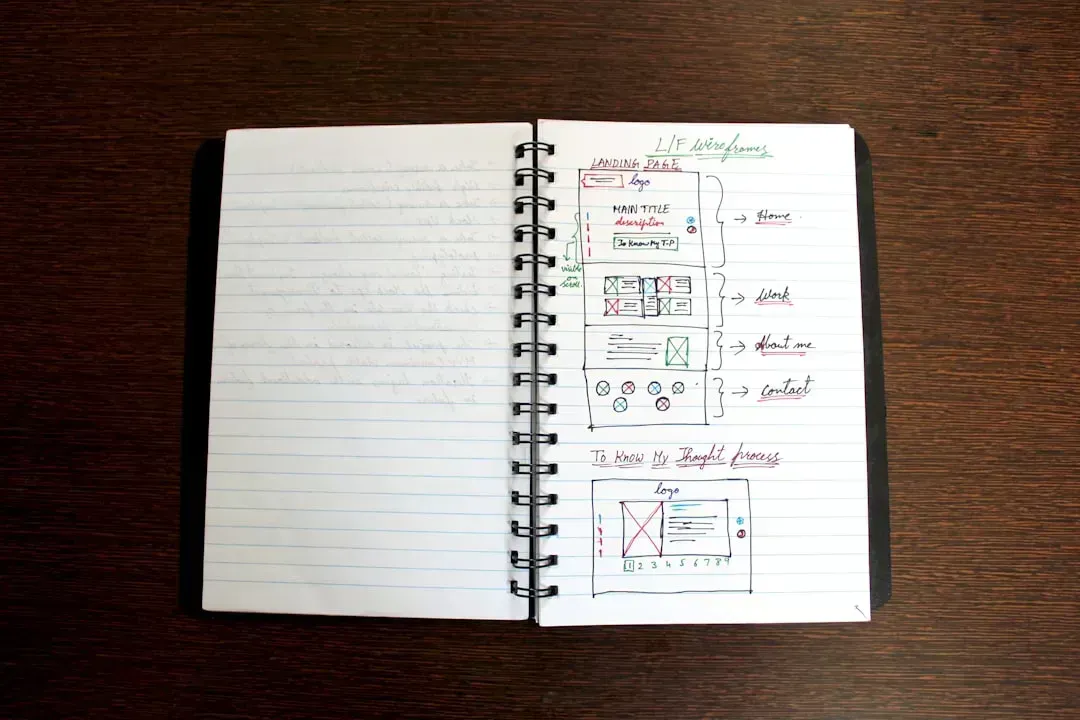
Before budgeting apps and automatic bank statements, many households kept careful written records of what was spent, earned, and saved. Financial stability was a core part of a strong home. Many homemakers carefully tracked spending and avoided unnecessary debt, dividing income thoughtfully among housing, food, clothing, savings, and essentials – living within means to provide long-term security. That deliberate engagement with money had a psychological effect too: you saw every number, which made spending feel real.
Modern banking apps and auto-pay features have made financial management more seamless, but arguably less conscious. Many households today have little sense of their monthly outgoings until a statement arrives. The old habit of sitting down weekly with a ledger wasn’t just practical – it was a discipline that kept financial decision-making present and personal.
8. Sewing, Mending, and Fabric Care
8. Sewing, Mending, and Fabric Care (Image Credits: Unsplash)
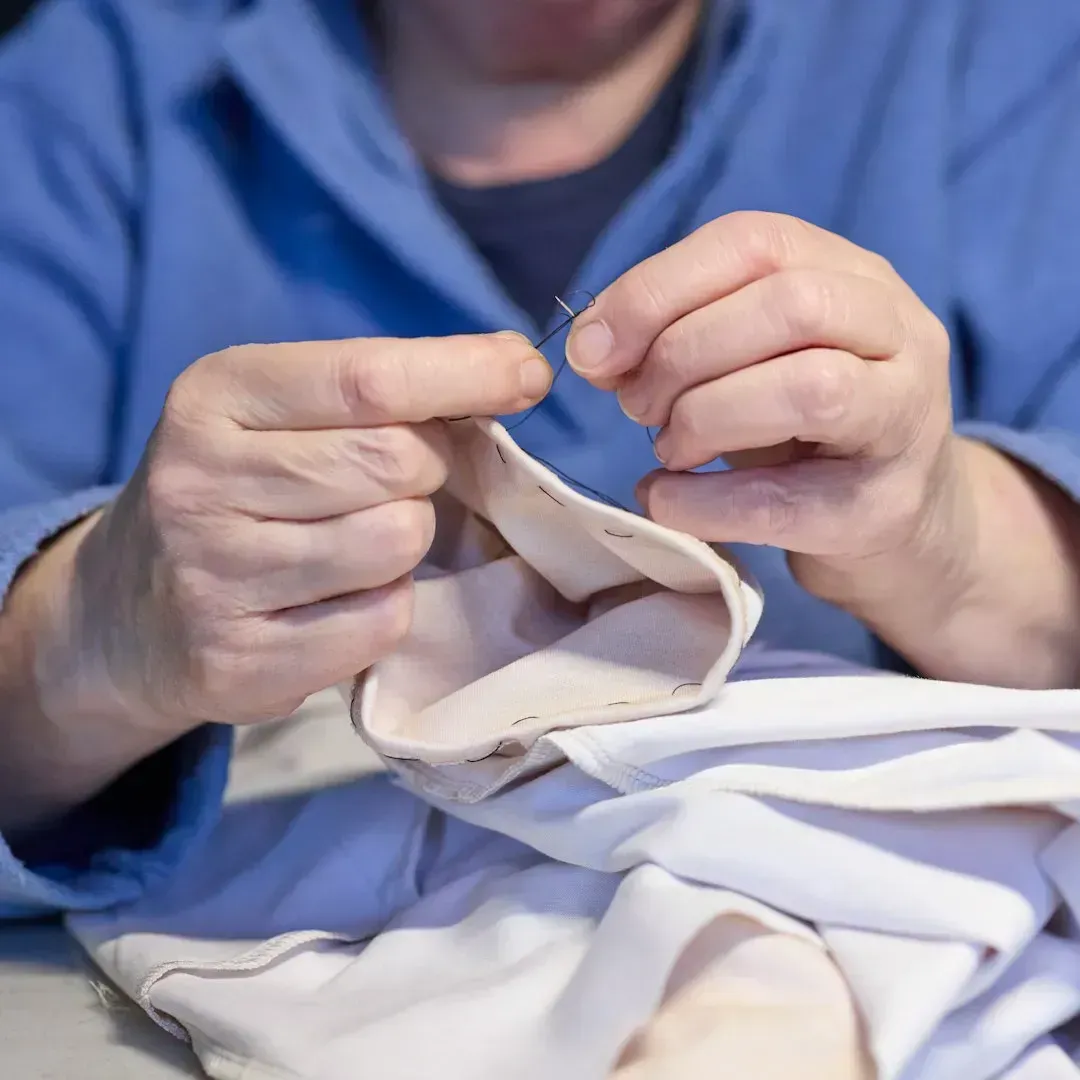
The ability to sew a button back on, patch a torn knee, or take in a waistband was once considered a basic life skill. Laundry once required more intention than tossing everything into one cycle. Delicates were handwashed, whites were treated carefully, and garments were hung or pressed properly – and knowing how to care for fabrics could considerably extend their life. Clothes were treated as durable goods worth maintaining, not disposable items to replace at the first sign of wear.
The rise of fast fashion has made mending feel economically irrational to many consumers – why stitch a hem when a replacement costs nearly the same? Yet the environmental cost of textile waste is significant. Extending the life of a garment through basic repair is one of the more impactful things an individual household can do, and the skill set required is modest. It’s a habit that faded not because it stopped working, but because culture made it feel unnecessary.
9. Growing a Kitchen Garden
9. Growing a Kitchen Garden (Image Credits: Pexels)
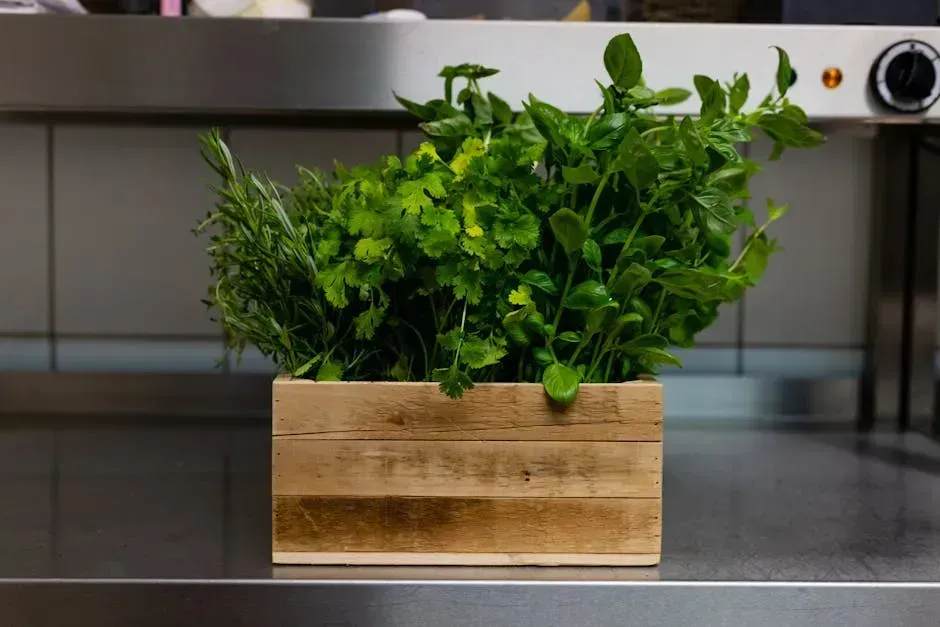
A backyard garden added resilience to any home. Even small plots provided herbs, greens, or a few staple vegetables, reducing reliance on stores. Gardening taught patience and seasonal awareness, and gave families a direct connection to their food supply. That connection – knowing where food comes from and what it takes to produce it – has become increasingly rare as supermarkets and delivery services handle everything.
Urban living and smaller homes have certainly made vegetable gardens less practical for many people, but herbs on a windowsill or a small container garden on a balcony can fill some of that gap. Traditional activities force presence – you can’t scroll through your phone while tending a garden. That mindful quality of growing food, even at a small scale, is something the habit carried that most modern home routines simply don’t.
10. Airing Out the Home Daily
10. Airing Out the Home Daily (Image Credits: Pixabay)
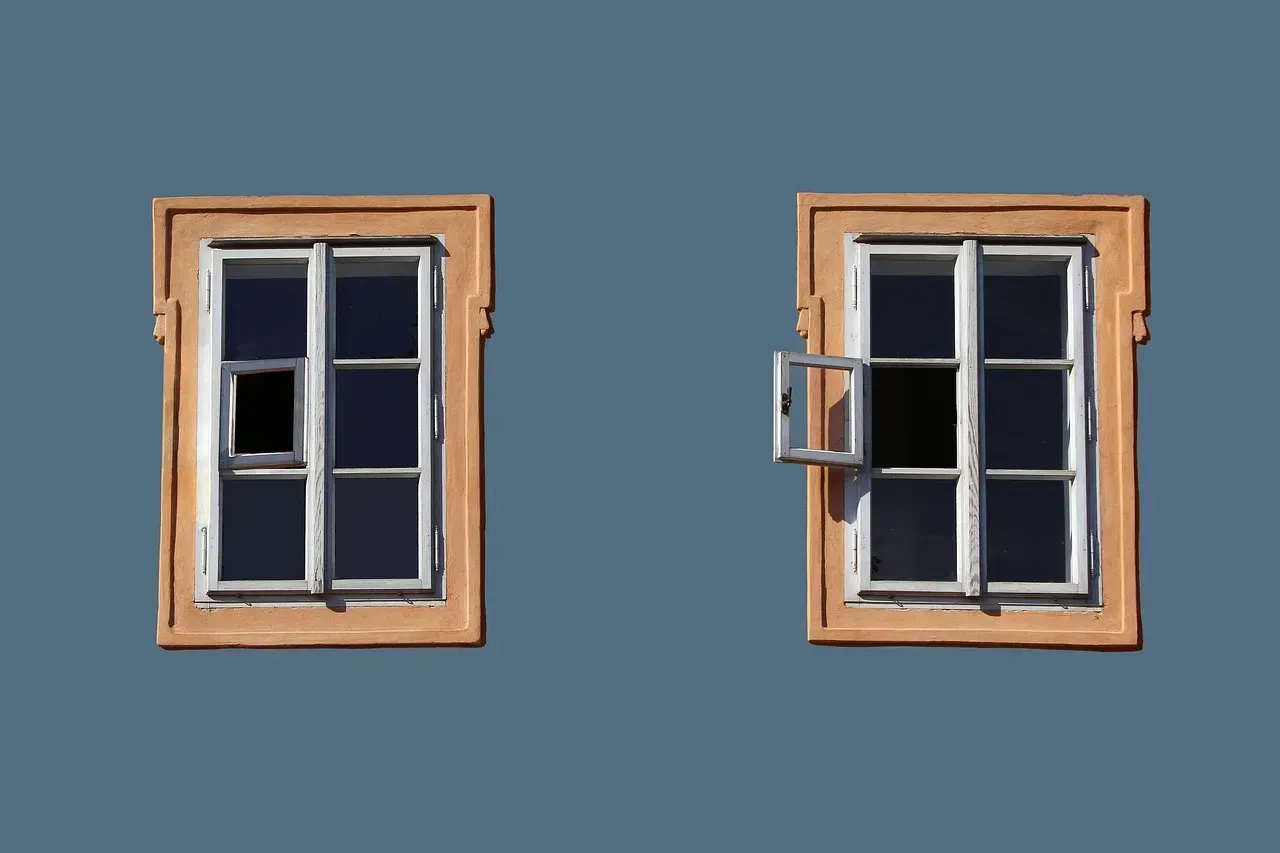
Opening windows every morning to let fresh air move through the house was once automatic. It required no technology and cost nothing. In homes built before central air conditioning, it was also the primary method of climate management. Today, climate-controlled environments with sealed windows have become the default in many regions, and the deliberate habit of airing out rooms has largely disappeared.
The health case for ventilation is well-established. Venting when cooking and opening windows can genuinely help improve indoor air quality. Indoor air in modern sealed homes can accumulate pollutants, moisture, and airborne particles at levels that exceed outdoor air quality. The old habit of simply opening the windows each morning was, in effect, an unsophisticated but effective form of air quality management – one that required nothing more than the intention to do it.
11. Entertaining at Home Rather Than Going Out
11. Entertaining at Home Rather Than Going Out (Image Credits: Pixabay)
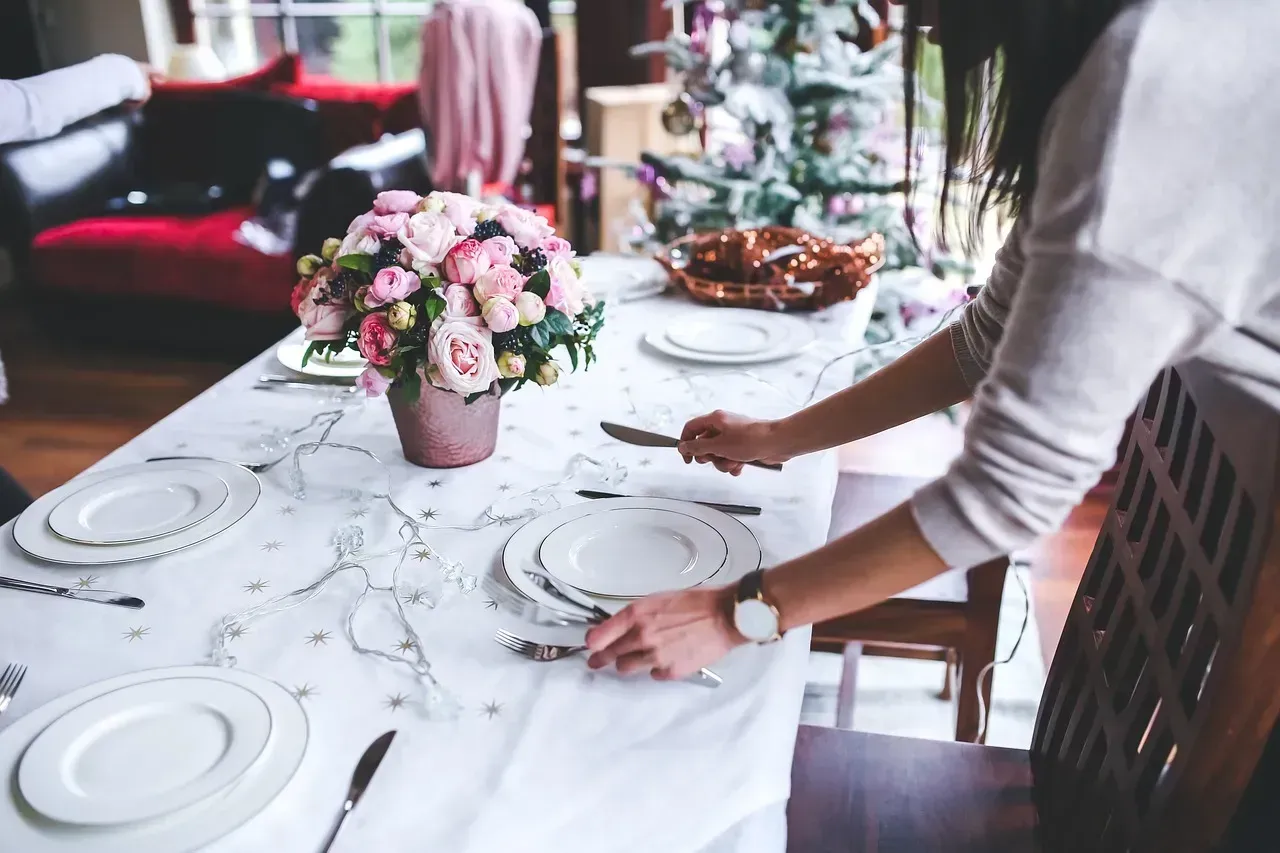
Hosting dinner parties, Sunday lunches, or casual gatherings at home was once a standard social rhythm for families across income levels. The home was a primary venue for social life, not just a private retreat. That has shifted substantially over recent decades, with restaurants, bars, and organized venues absorbing more of the social calendar.
Around 52% of people still view dinner as a time to connect with friends or family, and 83% believe that eating with others is better for their mental health – suggesting the appetite for shared meals hasn’t gone away, even if the venue has changed. Home entertaining creates intimacy that public settings rarely replicate. It also tends to cost less and produces the kind of unscripted conversation that matters most to how people actually feel about their relationships.
12. Unplugging Appliances When Not in Use

12. Unplugging Appliances When Not in Use (Image Credits: Unsplash)
Before standby power became a standard feature of nearly every appliance, switching something off meant it was truly off. The habit of unplugging devices when not in use was once common – not as an eco-conscious gesture, but simply because that’s how electricity worked in older homes. Today, most households leave a remarkable number of devices in standby mode continuously.
Switching off appliances at the plug when they’re not in use is a habit that takes little effort but helps reduce a home’s energy consumption. Standby power – sometimes called “vampire power” – accounts for a measurable portion of residential electricity use across most developed countries. Replacing old lightbulbs with energy-efficient LED alternatives and maximizing natural light during the day also reduces reliance on artificial lighting, extending the logic of that older habit into the modern home. The original instinct was sound; it just needs updating.
1. Making the Bed Every Morning

1. Making the Bed Every Morning (Image Credits: Unsplash)
This one has survived countless productivity articles, military handbooks, and psychology studies because it actually does something. Starting the day with one completed task creates a small but real sense of order that tends to carry forward. Research consistently demonstrates that habits formed in familiar environments are more likely to stick, and when we establish routines within the sanctuary of our homes, we remove many of the external barriers that often derail our best intentions.
Making the bed takes under three minutes and costs nothing. It’s one of the few old-school habits that has survived the scrutiny of behavioral science more or less intact. The payoff isn’t just aesthetic – it’s about establishing a rhythm. A made bed signals intention. That signal, repeated daily, is exactly how durable habits form. While popular culture often suggests it takes 21 days to form a habit, scientific research reveals a more nuanced picture: simple habits can form in as little as 18 days, with more complex behaviors taking longer.
2. Cooking at Home for Health and Savings

2. Cooking at Home for Health and Savings (Image Credits: Unsplash)
This one never really stopped working – it just got harder to prioritize. A wealth of evidence shows that diets rich in vegetables, fruits, legumes, and minimally processed foods support longevity and vitality. Home cooking is the most reliable way to control what goes into food, especially as concerns about ultra-processed ingredients have grown sharply. Around two in five home cooks say that concerns about ultra-processed foods have made them cook at home more compared to a year ago.
The financial argument is equally strong in 2026. The vast majority of adults – roughly nine in ten – plan to cook at least as much as last year, if not more, with a large portion doing so as a direct response to economic pressures. Home cooking was practical wisdom before it became a lifestyle choice, and it remains so now. The tools have improved, the recipes are more accessible, and the reasons to do it are more compelling than ever.
3. Daily Decluttering as a Mindset
3. Daily Decluttering as a Mindset (Image Credits: Pexels)
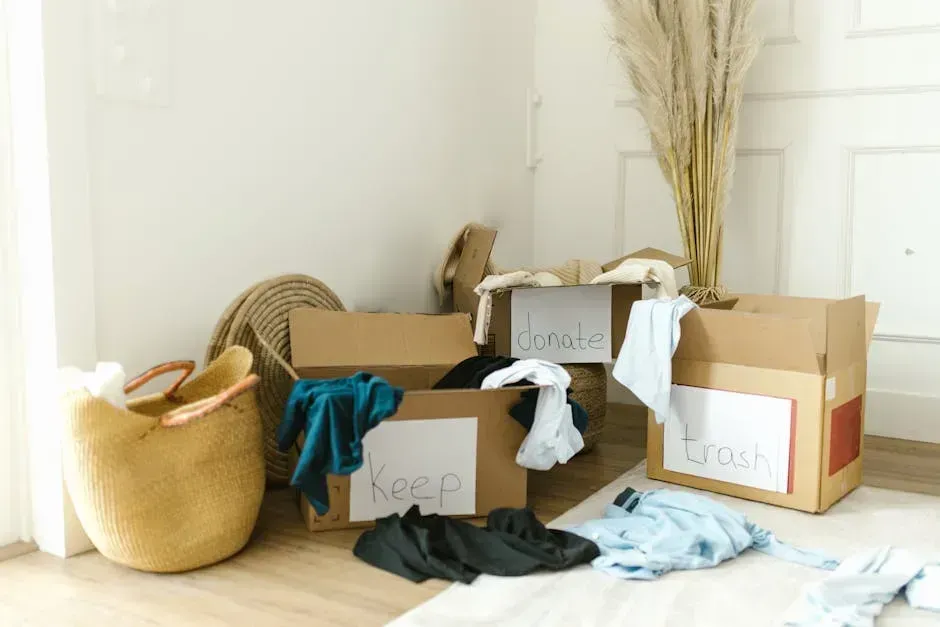
The old habit of keeping a tidy, uncluttered home wasn’t just about appearances – it reflected an understanding that physical order supports mental clarity. A simple one-in-one-out rule – as something new comes in, another goes out – helps think twice before buying more things and is especially recommended for clothing, kids’ items, and decor. That mindset, applied consistently, prevents the slow accumulation that modern consumption patterns make almost inevitable.
Embracing this mindset makes decluttering a constant, ongoing process instead of a once-a-year event. Grandparents didn’t need a seasonal purge because they didn’t accumulate at scale in the first place. The discipline of regular, small acts of letting go is the habit worth reviving – not a dramatic weekend cleanout, but a quiet ongoing awareness of what stays and what goes.
4. Caring for Fabric and Extending Clothing Life
4. Caring for Fabric and Extending Clothing Life (Image Credits: Pixabay)
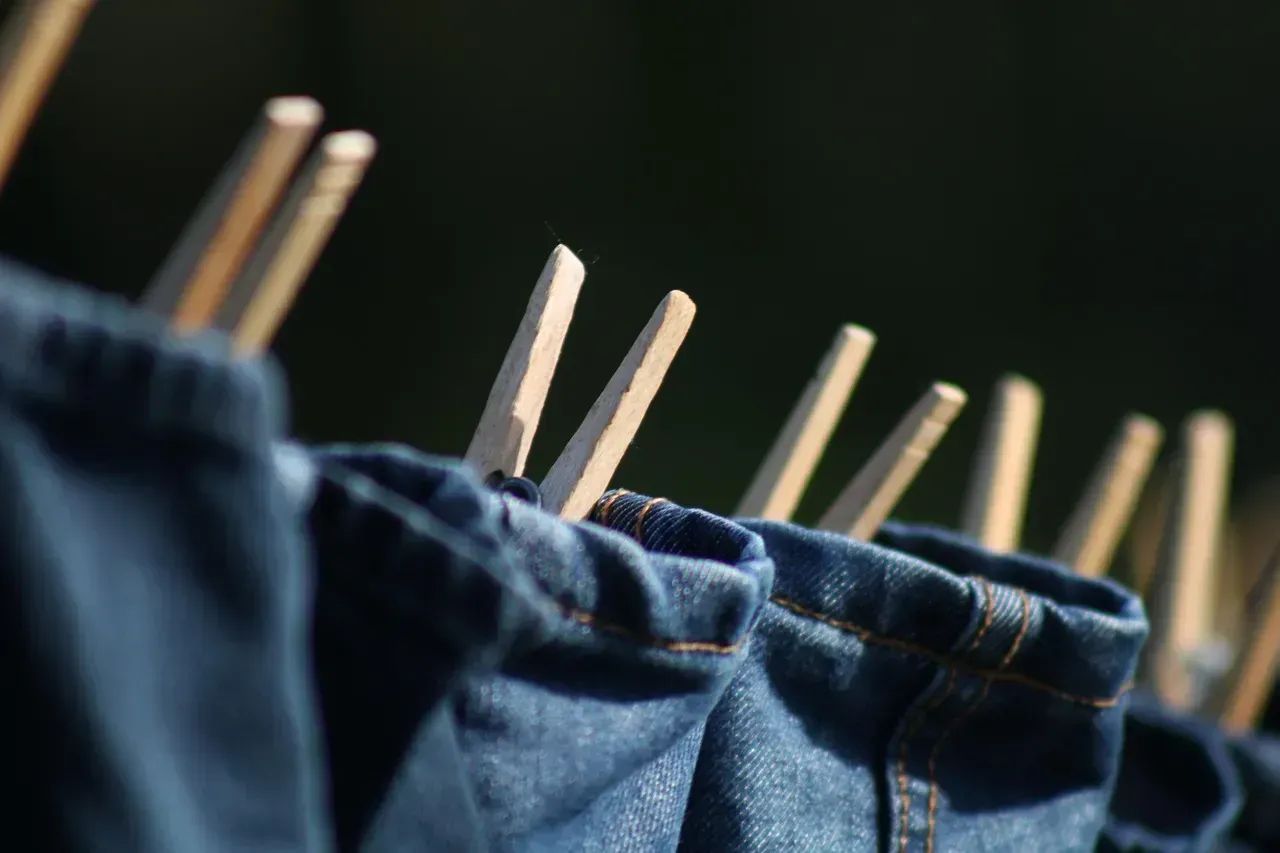
Line-drying prolongs the life of clothing significantly. The roiling and tumbling of damp laundry takes its toll on the fibers in clothing and bedding, and high dry heat often shrinks and ruins some fabrics irreversibly. Beyond drying, the older habit of washing delicates by hand, sorting laundry properly, and treating stains before washing still makes clothes last noticeably longer. These aren’t complicated skills – they just require attention.
In most cases, practices that save energy also extend the life of clothes, which means that the old-school approach to laundry was doing double duty all along. Treating clothes as investments rather than disposables is both economically and environmentally sensible. The habit hasn’t become less effective with time – it’s simply been abandoned in favor of convenience and replaced at scale by a fast fashion industry that benefits from shorter garment lifespans.
5. Building and Keeping a Household Routine

5. Building and Keeping a Household Routine (Image Credits: Gallery Image)
Perhaps the most enduring of all old-school home habits is the one that underlies all the others: having a routine at all. Older households ran on rhythms – specific days for laundry, specific nights for certain meals, consistent times for waking and sleeping. That predictability wasn’t rigidity; it was a form of cognitive load management, freeing mental energy for decisions that actually required it.
Research consistently demonstrates that habits formed in familiar environments are more likely to stick. When routines are established within the home, many external barriers are removed. The neuroplasticity of the brain actually allows us to rewire neural pathways through consistent practice, making healthy behaviors feel increasingly natural over time. The household routine, in that sense, isn’t a quaint relic. It’s applied neuroscience – and it works just as well in 2026 as it did in 1956.
Some of what previous generations did out of necessity, we now get to choose deliberately. That distinction matters. The habits worth keeping aren’t the ones enforced by scarcity or tradition alone – they’re the ones that genuinely improve how a home feels and functions, regardless of the era.