
Most people who come across a $2 bill either treat it like a novelty or spend it without a second thought. That instinct is understandable. The bill looks ordinary enough, and it spends just like any other note in your wallet. Yet tucked inside that small denomination is a surprisingly layered history of design changes, limited print runs, and collector demand that has pushed certain examples to prices most people would never associate with a two-dollar face value.
Many people think $2 bills are rare, but in reality, there are millions still in circulation, and they continue to be printed. However, while most $2 bills are only worth their face value, certain ones can fetch thousands of dollars on the collectors market. If you have a few sitting in a drawer, here are nine compelling reasons to look at them more carefully before you spend them.
1. Some Are Among the Oldest Pieces of U.S. Currency Still in Private Hands
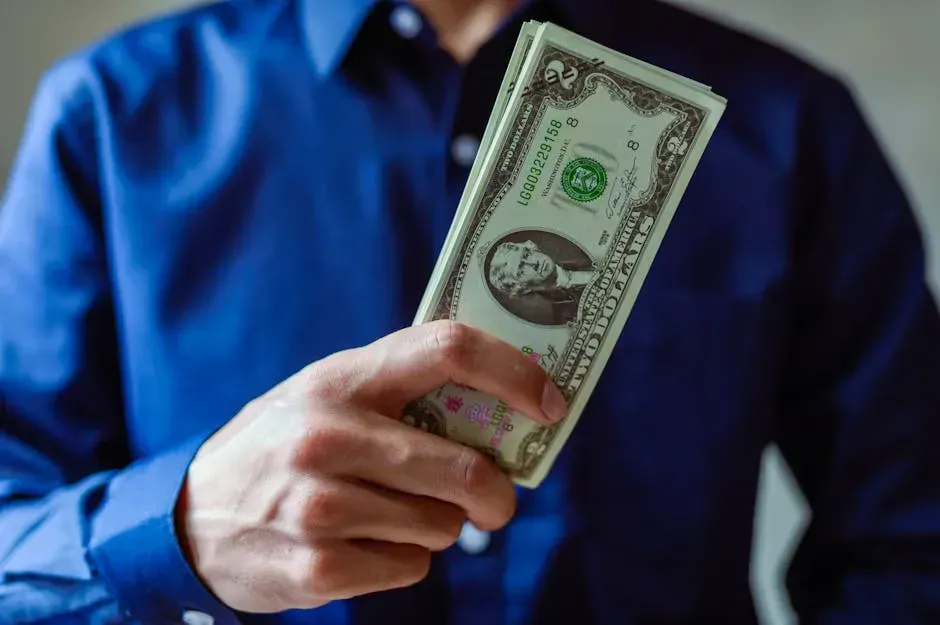
1. Some Are Among the Oldest Pieces of U.S. Currency Still in Private Hands (Image Credits: Pexels)
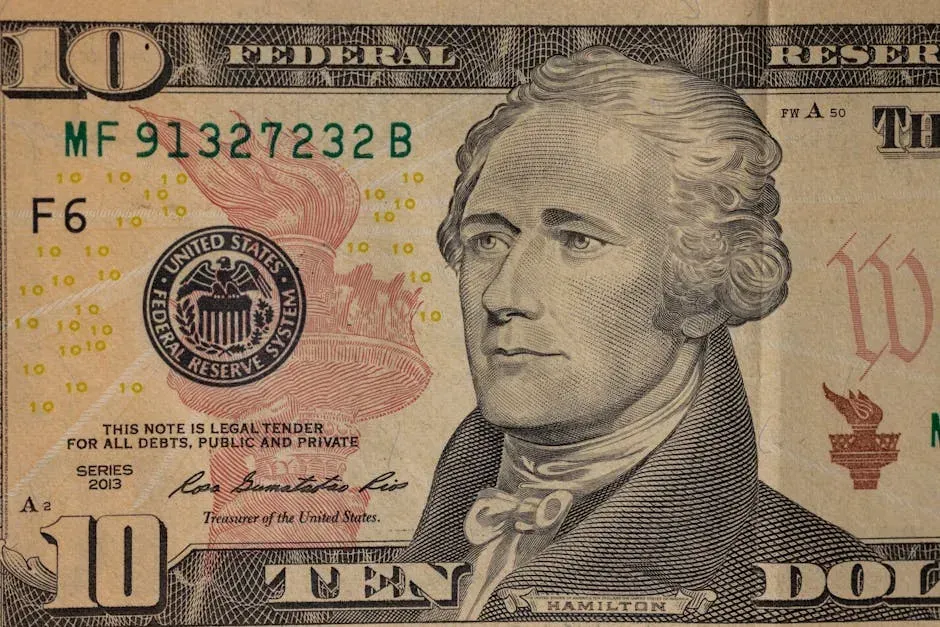
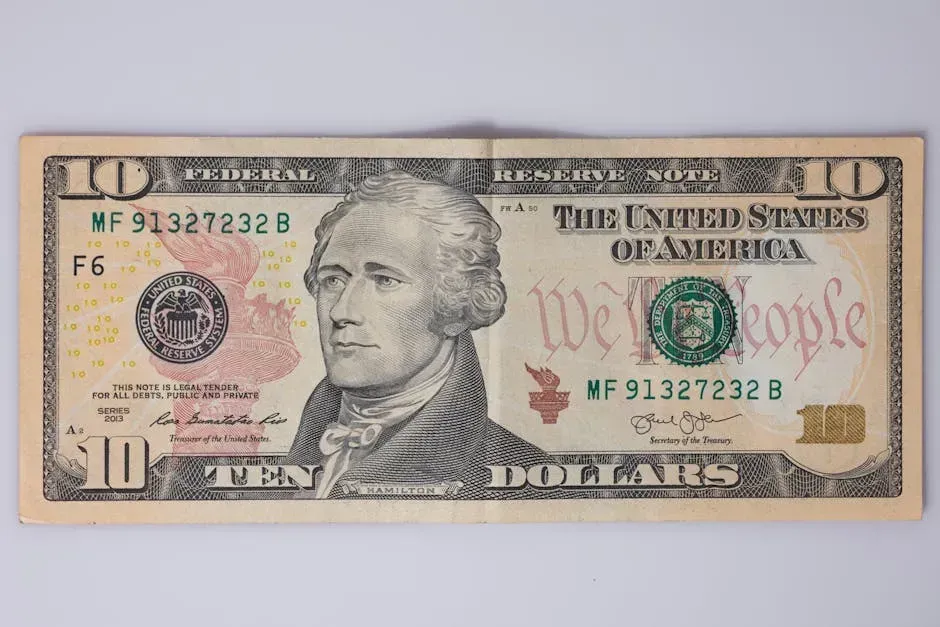
The $2 bill was first printed in 1862 and is still in circulation today. It originally featured a portrait of Alexander Hamilton, but that changed with an 1869 redesign that featured Thomas Jefferson. That spans well over a century and a half of printing history, which means bills from the earlier eras represent genuine American financial artifacts.
The earliest $2 bills, issued in 1862 and 1869, feature a portrait of Alexander Hamilton. These notes are highly sought after by collectors thanks to their historical importance and limited availability. Depending on condition, these bills can be worth anywhere from a few hundred dollars to a few thousand. A bill that old, even in worn condition, carries a weight of history that simply can’t be replicated.
2. The 1890 Treasury Note Commands Serious Auction Prices
2. The 1890 Treasury Note Commands Serious Auction Prices (Image Credits: Pexels)
An 1890 $2 Treasury Note featuring General James McPherson is worth upwards of $4,500, according to U.S. Currency Auctions. However, it can fetch tens of thousands of dollars at auction, especially if it’s in perfect condition. Notes from this era represent a period when American currency design was among the most ornate and elaborate in the world.
Before 1928, U.S. paper money was printed in a larger format, which is why these are called “large-sized” notes. They are now highly collectible due to their age, scarcity, and elaborate designs. Their sheer physical size alone makes them striking compared to modern bills, and any example you happen to own is worth verifying before it disappears into circulation.
3. The 1928 Red Seal Notes Are a Collector Favorite
3. The 1928 Red Seal Notes Are a Collector Favorite (Image Credits: Pixabay)
The 1928 $2 bill was the first to feature Thomas Jefferson’s home, Monticello. Unlike later editions, it displayed a red seal rather than a green one. Collectors favor these notes because they were part of the earliest modern $2 bill series. That visual distinction alone sets them apart on any collector’s table.
An uncirculated 1928 red seal $2 bill could be worth over $1,000, while a circulated version may only be worth $5 to $175. The spread between those two numbers is exactly why condition matters so much. A bill kept flat and clean can be worth more than twenty times the same bill that passed through dozens of wallets.
4. Star Notes Are Replacement Bills Printed in Much Smaller Quantities
4. Star Notes Are Replacement Bills Printed in Much Smaller Quantities (Image Credits: Pexels)
When an imperfect sheet is detected during the manufacturing process after the serial number has been overprinted, it must be replaced with a new sheet. A “star” sheet is used to replace the imperfect sheet. Reusing an exact serial number to replace an imperfect note is costly and time consuming. A “star” note has its own special serial number followed by a star in place of a suffix letter.
If there’s a star symbol after the serial number, the note is a replacement one. These are scarcer and far more collectible. Star notes exist across all series, but 1928, 1953, and 1963 star notes are especially valuable. A 1953 Star Note in uncirculated condition can bring $1,000 or more. Even a circulated star note from a modern series tends to sell above face value, making them worth identifying before you spend them.
5. Fancy Serial Numbers Can Transform an Ordinary Bill Into a Valuable One
5. Fancy Serial Numbers Can Transform an Ordinary Bill Into a Valuable One (Image Credits: Unsplash)
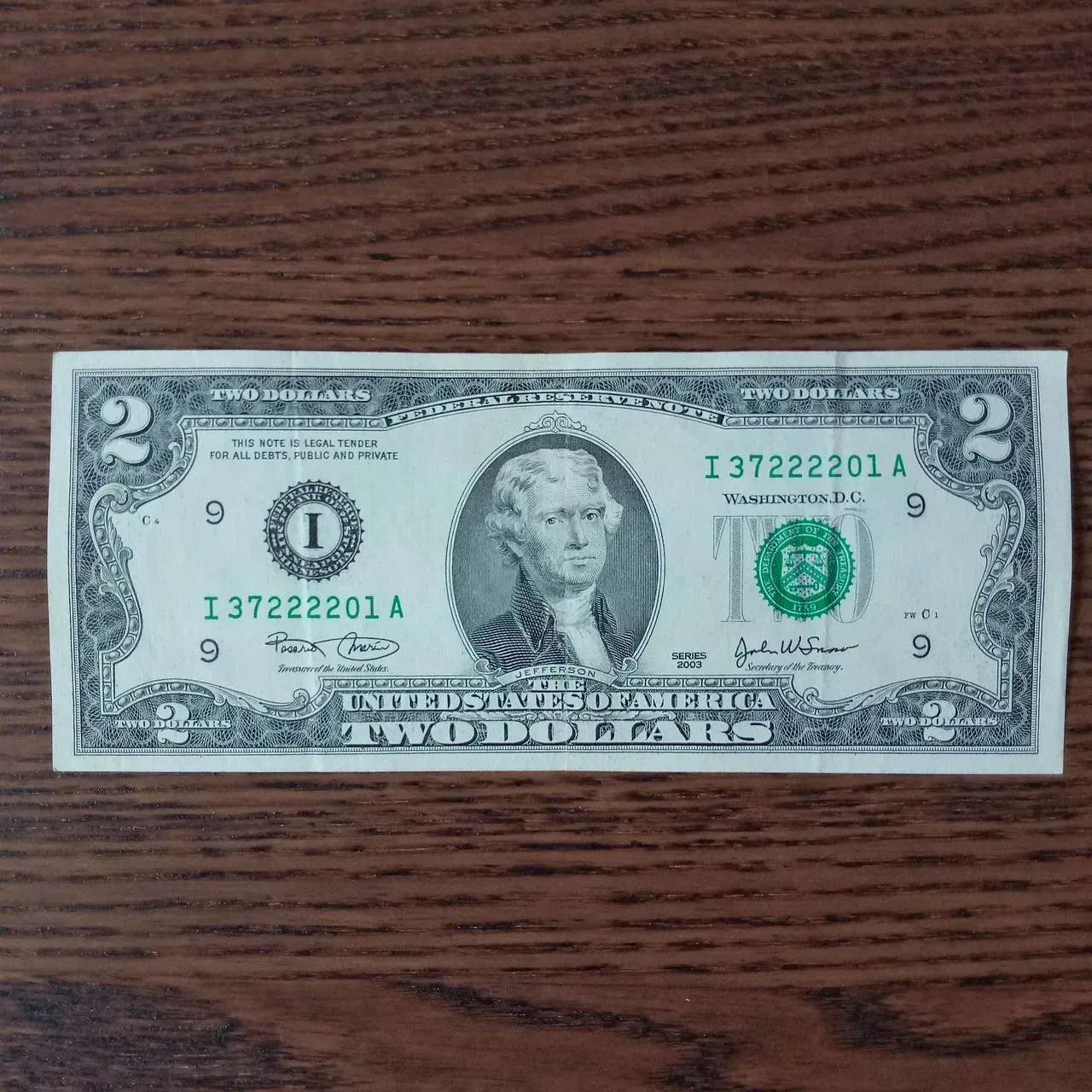
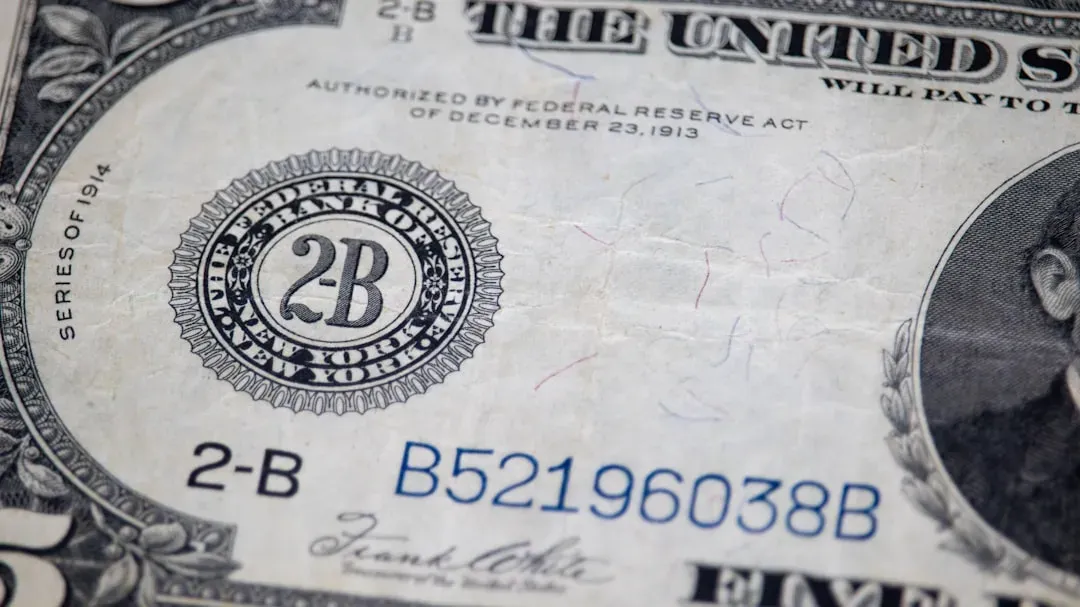
Low Serial Numbers like 00000001 or 00000123 are extremely rare and highly collectible. Solid Serial Numbers where all digits are identical, such as 77777777 or 99999999, are also prized. Ladder Serial Numbers that run in sequence, such as 12345678 or 87654321, attract significant attention. Repeater Serial Numbers with patterns like 45454545 or 23232323 are also sought after.
Auction records show that $2 bills with extremely low serial numbers, such as numbers under 100, have sold for thousands of dollars when professionally graded and well-preserved. Condition plays a major role, as collectors prefer crisp, uncirculated notes. It costs nothing to flip your bill over and check the serial number. That two-second look could be the difference between spending two dollars and selling something worth considerably more.
6. Printing Errors Make Certain Bills Exceptionally Rare
6. Printing Errors Make Certain Bills Exceptionally Rare (Image Credits: Unsplash)
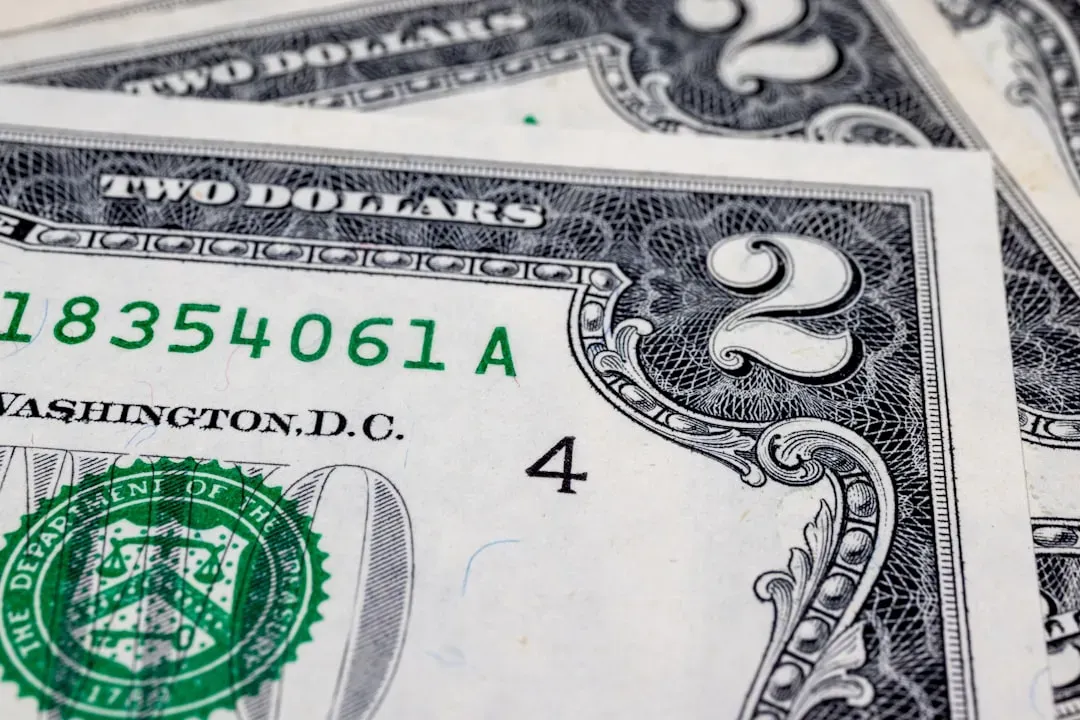
Printing Errors or Misprints: Bills with misaligned seals, double prints, or duplicate serial numbers are much rarer and therefore more valuable. These kinds of errors slip past quality control only occasionally, which is precisely what makes them so appealing to serious collectors.
Some $2 bills gain exceptional value due to printing errors or limited distribution. Error notes such as those with double prints, inverted serial numbers, or ink smudges can be incredibly valuable. A $2 bill with a notable misprint once sold for over $500 on auction platforms. More dramatic errors, like a fully inverted reverse or significantly miscut bill, can command far more. The range runs from a few hundred dollars all the way into the thousands depending on how severe and verifiable the error is.
7. The 1976 Bicentennial Bills Hold Both Historical and Collector Significance
7. The 1976 Bicentennial Bills Hold Both Historical and Collector Significance (Image Credits: Unsplash)
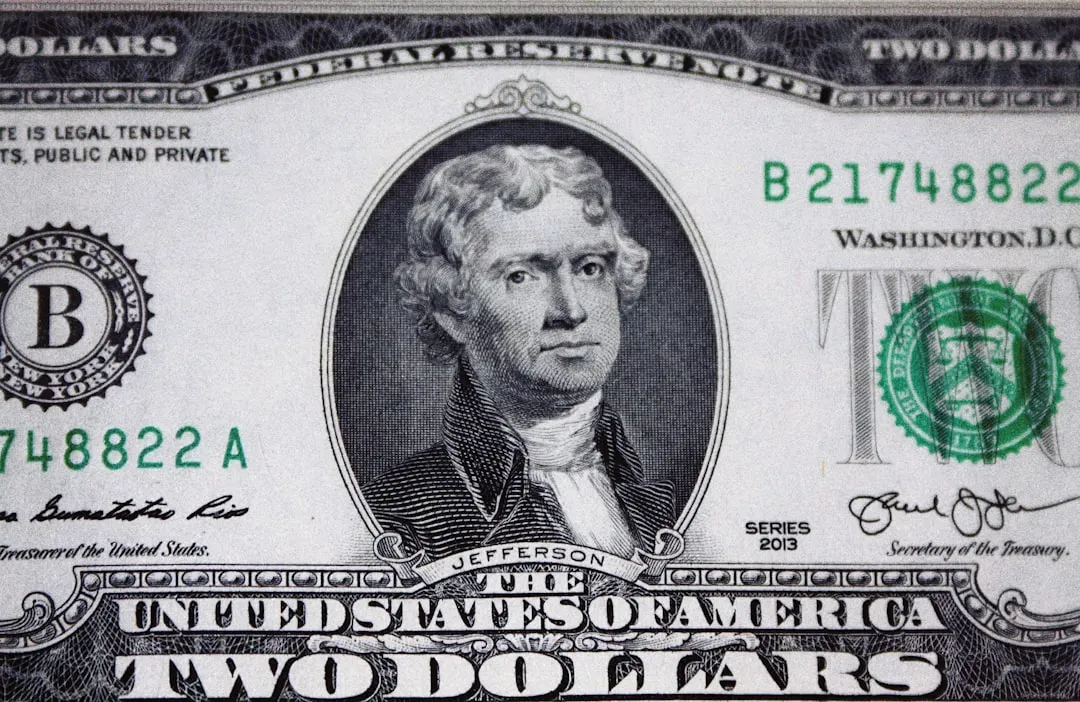
The modern $2 bill was reintroduced on April 13, 1976, to commemorate the U.S. Bicentennial, the 200th anniversary of American independence. While $2 notes had existed before, they had been out of regular circulation for a decade. The redesigned 1976 series featured Thomas Jefferson on the front and a depiction of the Signing of the Declaration of Independence on the back, replacing the older Monticello design.
On April 13, 1976, many Americans brought newly issued $2 bills to local post offices. They affixed Bicentennial commemorative stamps directly to the notes. Then, postal clerks canceled the stamps with official postmarks. This crossover collectible appeals to both notaphilists and philatelists. These first-day-of-issue stamped bills now sit at a curious intersection of currency and stamp collecting, with examples from notable locations occasionally fetching meaningful premiums.
8. Professional Grading Significantly Increases Market Value
8. Professional Grading Significantly Increases Market Value (Image Credits: Pexels)
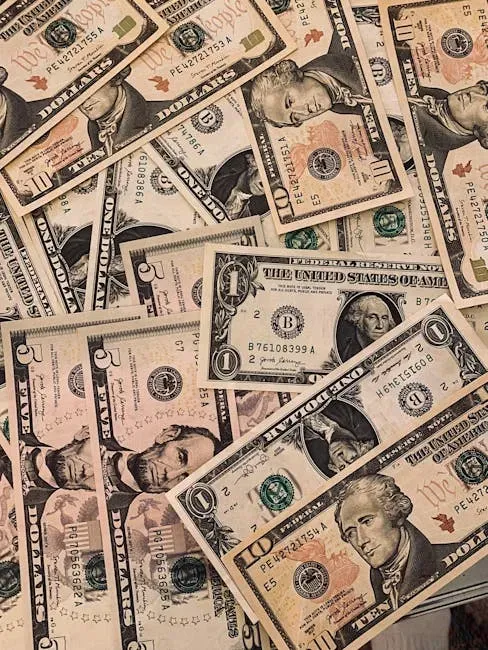
Professional grading services often certify these bills, which adds confidence for buyers. Certified examples consistently sell for higher prices than ungraded bills with similar serial numbers. Condition directly affects how much a collector is willing to pay. The grading process removes the guesswork for buyers and creates a documented, trusted record of what the bill actually is.
The condition of a $2 bill critically affects its value. Bills graded on a scale up to 70, with higher grades indicating near-mint or uncirculated states, command higher prices. A bill graded at 65 can be worth thousands, whereas a similar bill in poor condition may only have a fraction of that value. Preservation through careful handling and professional grading can significantly impact a bill’s market worth. If you suspect you have something noteworthy, investing in a professional assessment is a sensible first step before selling or even storing it long-term.
9. The Long-Term Outlook for Collectible $2 Bills Looks Positive
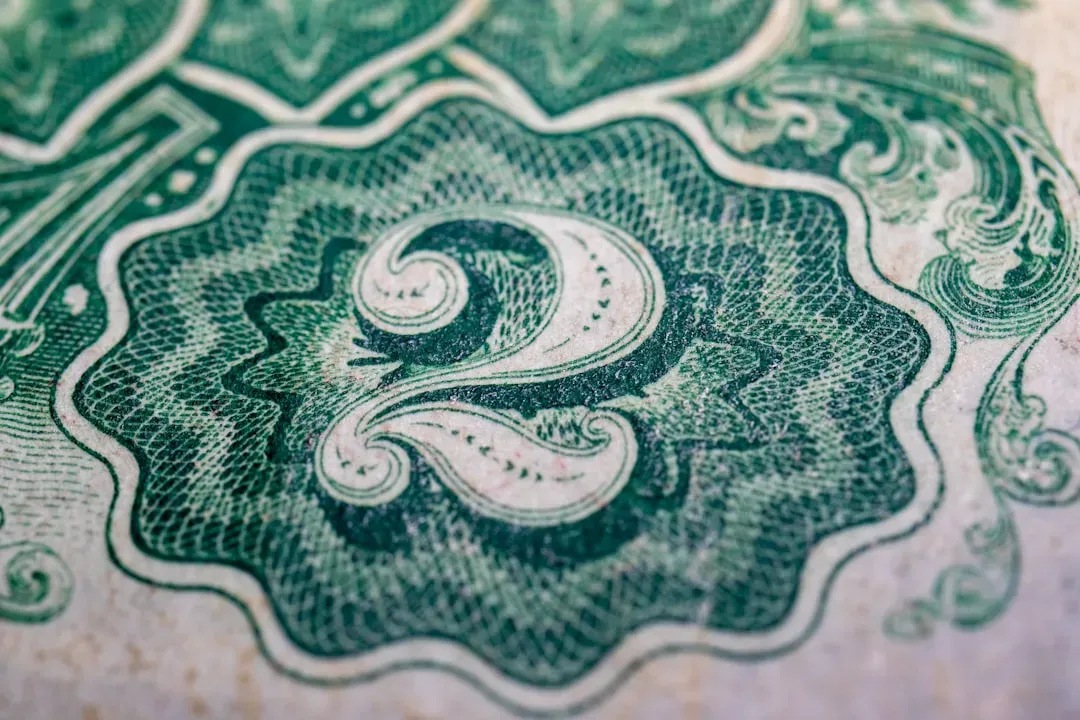
9. The Long-Term Outlook for Collectible $2 Bills Looks Positive (Image Credits: Unsplash)
In 2025, the market for $2 bills continues to thrive, with collectors eager to acquire notes that possess unique features, historical significance, or are in exceptional condition. Demand from online platforms has made the market more accessible and competitive, which generally supports stronger prices for quality examples.
While the $2 bill’s collector value varies depending on its year and condition, the long-term outlook for appreciation is positive. As more people spend or lose older versions, the supply of collectible-quality bills decreases, driving up market value. Currency specialists note that uncirculated $2 bills kept in pristine condition could appreciate significantly in the coming decades. That’s not a promise of profit, but it is a reasonable argument for keeping your best examples flat, clean, and stored away from light and humidity. The cost of doing so is essentially nothing, and the potential upside is genuine.
The $2 bill has spent most of its life being misunderstood. People have hoarded it thinking all examples were rare, or spent it carelessly thinking none of them were worth checking. The truth, as usual, sits somewhere in between. Most are worth exactly two dollars. A few are worth considerably more. The only way to know which kind you have is to look closely before you let one go.