
For most Americans, the penny has been quietly disappearing for years – not from circulation, but from relevance. It sits at the bottom of purses, rolls under car seats, and piles up in jars on kitchen counters. Now, its disappearance is official. Penny production stopped on November 12, 2025, around six months after news broke about the planned phaseout. That jar of coins you’ve been ignoring suddenly deserves your attention.
The scale of what’s out there is worth appreciating. There are about 114 billion pennies currently being used across America, roughly 700 pennies for every person. Most of those aren’t actually circulating – they’re sitting idle in homes. So if you’ve been stockpiling coins with vague intentions of “doing something with them eventually,” that moment has arrived.
Why the Penny Is Gone – and What It Costs to Keep One
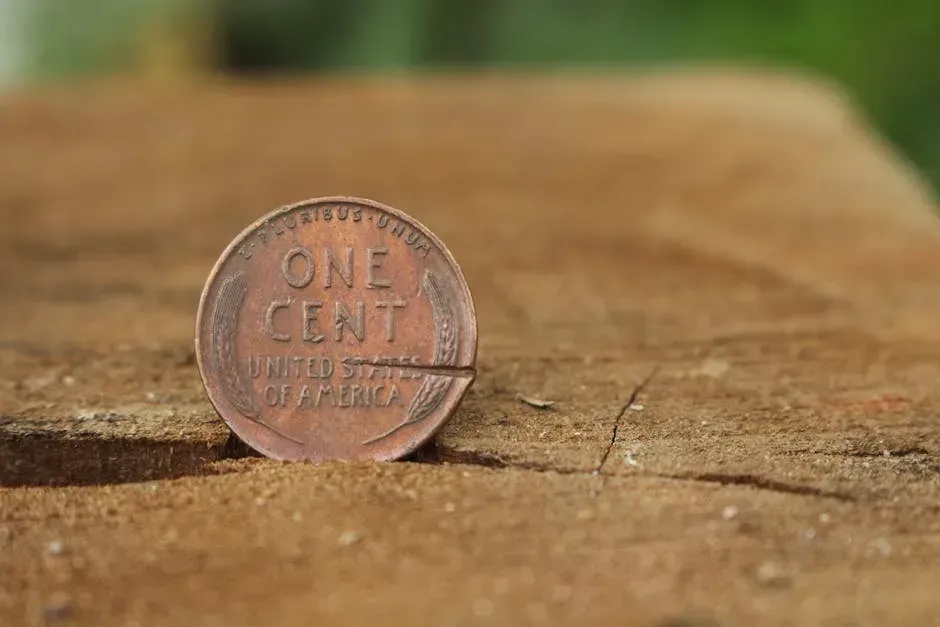
Why the Penny Is Gone – and What It Costs to Keep One (Image Credits: Pexels)
The economics of the penny had been breaking down for years. Over the past ten years, the total production cost of the penny rose from 1.3 cents to 3.69 cents per penny. That means every coin the U.S. Mint produced was worth less than the metal and labor used to make it – a losing proposition by any measure.
In 2024, the Treasury incurred a seigniorage loss of $85.3 million on penny production. Stopping production is expected to yield meaningful savings. The U.S. Mint projects an immediate annual savings of $56 million in reduced material costs by stopping penny production. It’s one of those decisions that, once you see the numbers, makes you wonder why it took so long.
Pennies Are Still Legal Tender – For Now
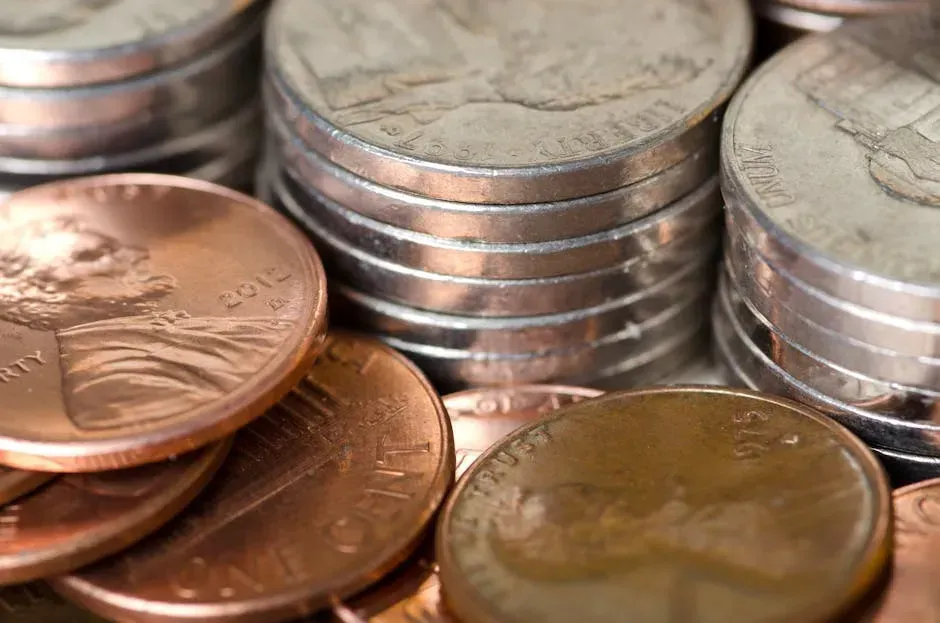
Pennies Are Still Legal Tender – For Now (Image Credits: Pexels)
Here’s the part that surprises most people: your pennies haven’t become useless overnight. It is important to note that U.S. pennies will remain legal tender even after production ceases. Consumers can continue using them in transactions, though their availability will gradually decline as existing coins fall out of circulation.
Given the large volume still in circulation, it will take many years for pennies to gradually fade from everyday use. Still, the window for spending them comfortably is narrowing. Some retailers have already reported penny shortages as production has scaled down. The sooner you act on your stash, the more options you’ll have.
Deposit Them at Your Bank – the Simplest Option

Deposit Them at Your Bank – the Simplest Option (Image Credits: Unsplash)
The most straightforward path is the one most people overlook. Pennies remain legal tender. You can spend them or deposit them at your bank. In fact, bringing in coins from home helps improve circulation. Many banks and credit unions accept coin deposits without any fee if the coins are rolled in paper wrappers first.
You can buy paper wrappers, roll your coins up, and take them to your local bank branch. The bank will deposit the funds directly into your account or hand you usable cash in larger denominations. It takes a little effort, but it guarantees you get the full face value for your money. It’s old-fashioned, but it works. For deposit of larger quantities, some banks may require that coins be rolled or wrapped prior to deposit, so it is recommended that consumers consult their bank in advance to confirm specific guidelines.
Use a Coinstar Machine – With One Important Caveat
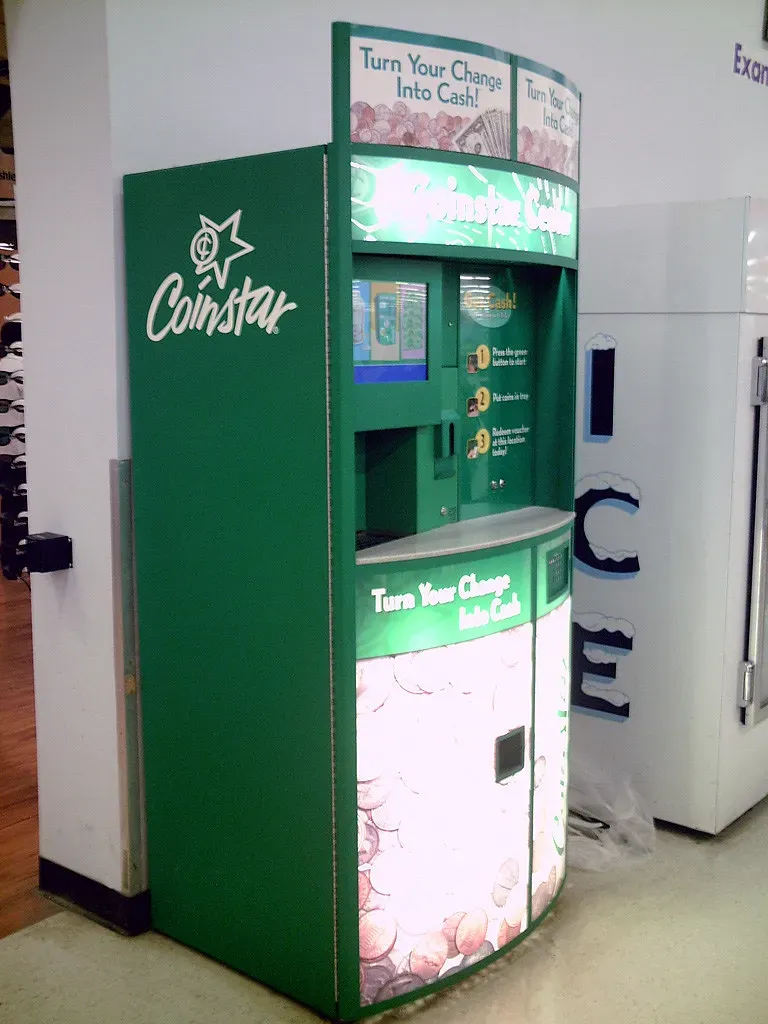
Use a Coinstar Machine – With One Important Caveat (Clean Wal-Mart, Flickr, <a href="https://creativecommons.org/licenses/by/2.0/" target="_blank" rel="noopener">CC BY 2.0</a>)
Coinstar kiosks are in thousands of grocery stores, pharmacies, and big-box retailers across the country, and they’re genuinely convenient for large coin hauls. The catch is the fee. Coinstar charges 12.9% plus $0.99 for cash redemption. On a large jar of pennies, that adds up to a real loss.
There’s a smarter workaround. Coinstar does offer free redemption if you choose an eGift Card option instead of cash. That makes the machine genuinely useful if you regularly shop at one of the participating retailers. Depending on the option you choose, you’ll receive a voucher to exchange for cash, a voucher with a unique eGift Card code to use online or in-store, or a receipt for a tax-deductible charity donation.
Spend Them While Stores Will Still Accept Them
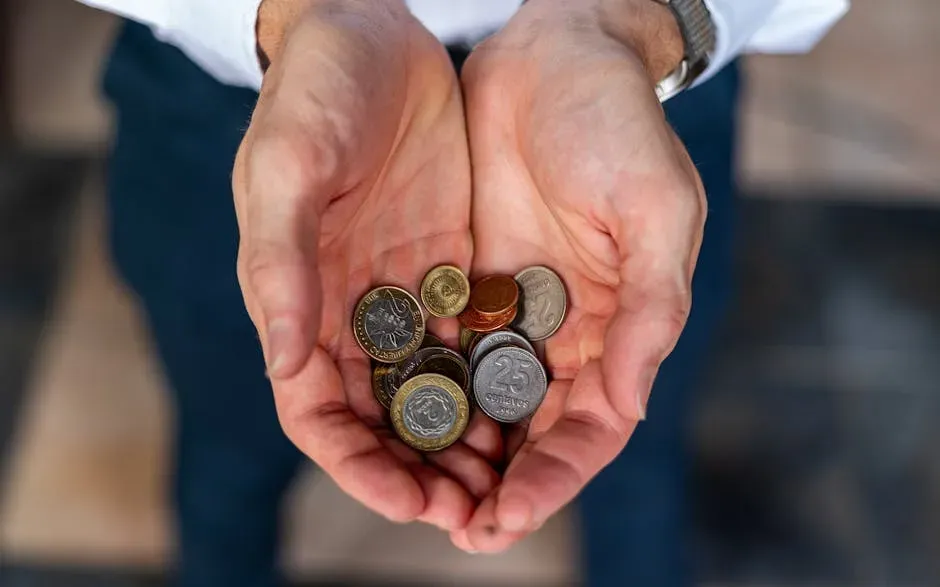
Spend Them While Stores Will Still Accept Them (Image Credits: Pexels)
If you pay for anything in cash regularly, this is the moment to put your pennies to work. The Treasury Department encourages the public to spend their on-hand pennies to support a smooth transition and allow retailers and point-of-sale system providers time to adapt. Using them for small purchases – gas station snacks, a cup of coffee, the dollar store – is one of the most practical options available.
If you’re used to paying with cash, consider using up your pennies for small purchases or making exact change. This helps keep the coin in circulation during the transition period and helps clear out your change jar naturally over time. It’s a slower approach, but it costs nothing and requires no prep work.
Donate Them – Your Pennies Can Add Up to Real Help
Donate Them – Your Pennies Can Add Up to Real Help (Image Credits: Pexels)
A jar of pennies might not feel like much. Pooled together with others, it can fund something meaningful. Donating pennies to charity is a great alternative if you’d rather not deal with them. Many charities accept spare change, and even modest contributions can make a difference when combined with others. A single jar of pennies might not seem like much, but it can still support meaningful causes.
Ronald McDonald House Charities, for example, has a Pennies with a Purpose program. Coinstar also makes charitable giving easy at the kiosk level. Coinstar partners with Feeding America and other nonprofit charity partners through their Coins that Count program. Consumers are invited to donate directly at participating Coinstar kiosks, and any amount is gratefully accepted with donations being tax deductible.
Check Your Coins for Rare or Valuable Finds First
Check Your Coins for Rare or Valuable Finds First (Image Credits: Pexels)
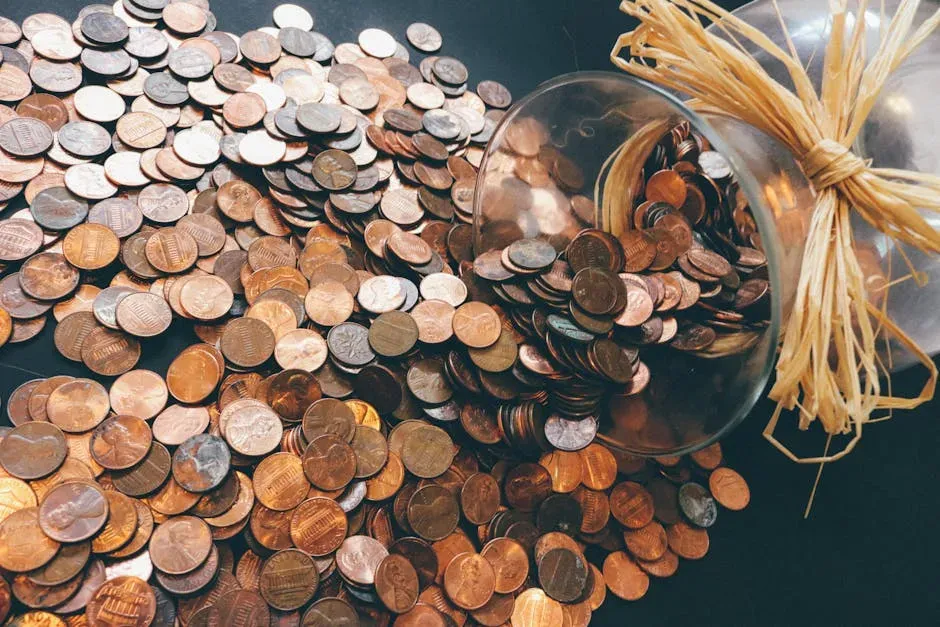
Before you roll your pennies or drop them into a machine, it’s worth spending a few minutes looking through them. The most valuable Lincoln Wheat Pennies include the 1909-S V.D.B., 1943 Copper Penny, 1955 Doubled Die, 1922 No D, and 1944 Steel Penny. These rare coins can be worth thousands to over a million dollars depending on condition. Wheat Pennies become valuable due to low mintage, minting errors, historical importance, or high demand from collectors.
Two pennies stand out as the rarest among all Lincoln Wheat cents: the 1943 Bronze and the 1944 Steel. Both are planchet error coins, produced by accident during a wartime shift in metal usage, and neither is readily available on the market. Common Wheat Pennies from the mid-20th century are typically more modest in value, but the U.S. Mint also confirms that pennies are no longer being produced for circulation, which makes final-year and end-of-era Lincoln cents especially interesting to collectors in 2026.
Understand the New Rules for Cash Transactions
Understand the New Rules for Cash Transactions (Image Credits: Pexels)
With pennies fading from use, cash transactions are changing. The most recommended form of rounding is symmetrical rounding, whereby if the final digit of the total transaction amount (including taxes) is 1, 2, 6, or 7 cents, the amount is rounded down to the nearest multiple of five, and if the final digit is 3, 4, 8, or 9 cents, the amount is rounded up. The goal is fairness in both directions.
There is no impact on non-cash transactions. For cash transactions, as final transaction prices will be rounded down just as often as they will be rounded up, there should be no overall effect on consumer prices. Electronic payments through cards or mobile apps remain completely unaffected and continue to process at exact amounts. Card and mobile payments remain exact and unaffected by rounding, so switching to digital payments is also an effective way to sidestep any rounding concerns entirely.