
Most people can name the obvious things that wear them down: a demanding job, a difficult relationship, not enough sleep. What’s harder to see are the pressures that operate quietly in the background, rarely dramatic enough to demand attention but persistent enough to shape how you feel, think, and function day after day.
Rapid socioeconomic change, technological advancements, and lifestyle shifts have significantly impacted individuals’ psychological health, often in ways that are difficult to connect back to a single cause. The nine pressures below are among the most underestimated – and understanding them is the first step toward managing their weight.
1. Financial Insecurity and the Weight of Economic Uncertainty
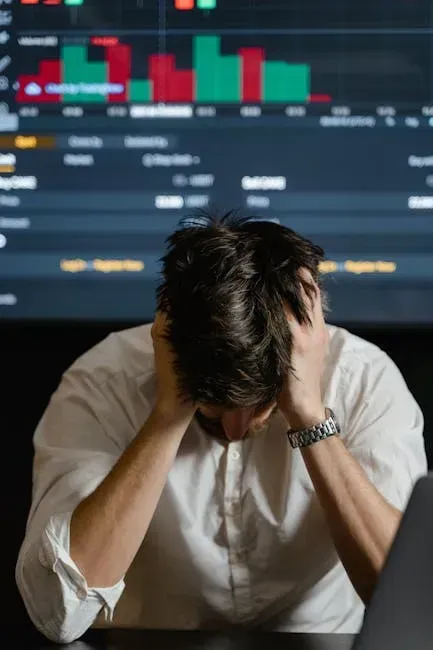
1. Financial Insecurity and the Weight of Economic Uncertainty (Image Credits: Pexels)
Struggles to pay bills, buy necessities such as food and clothing, secure adequate housing, cover utilities, access healthcare, and manage transportation costs clearly influence the cognitive component of subjective well-being. This is not simply about being poor. Even people who are managing financially can carry a persistent low-grade anxiety about whether that stability will last.
Insufficient monetary resources and overwhelming debt can impose additional psychological burdens, further deteriorating overall health and psychological well-being. What makes this pressure so insidious is how it blends into daily life – every purchase decision, every unexpected bill, quietly feeding a sense of vulnerability that rarely fully switches off.
2. Chronic Digital Overload and Information Fatigue

2. Chronic Digital Overload and Information Fatigue (Image Credits: Pexels)
Research findings indicate that the fear of missing out on information is a risk factor for employee mental health and, along with information overload, may lead to greater exhaustion. Both also elevate digital workplace stress, further impacting well-being negatively. This isn’t just a workplace problem. The same dynamic plays out whenever someone picks up their phone compulsively, scrolls through endless updates, or feels unable to disconnect after hours.
Excessive media consumption has been linked to heightened stress and negative emotional states, with individuals who consume media for over four hours daily reporting higher perceived stress scores and lower positive emotion scores compared to those with less media exposure. The brain was simply not built to process an uninterrupted stream of global news, social comparison, and urgent notifications – and the cost of trying is real.
3. Loneliness and the Quiet Strain of Social Disconnection

3. Loneliness and the Quiet Strain of Social Disconnection (Image Credits: Pixabay)
Half or more of adults report feeling emotionally disconnected, saying they have felt isolated from others, felt left out, or have lacked companionship often or some of the time. This is a striking figure, and it points to something wider than individual circumstance. Loneliness has become a structural feature of modern life, not simply a personal failing.
Adults who reported high levels of loneliness were significantly more likely to also be experiencing chronic health issues, especially depression, anxiety disorders, and chronic pain. Overall, the vast majority of adults with high levels of loneliness said they live with a chronic illness. The connection between social disconnection and physical health is no longer contested. Loneliness is not just uncomfortable – it is measurably harmful to the body over time.
4. The Pressure of Constant Social Comparison

4. The Pressure of Constant Social Comparison (Image Credits: Pexels)
The intense and increasing use of social networks can hide numerous risks or potential damage to mental health, from symptoms of anxiety and depression, the pressure of social comparison with others, and poor sleep patterns, to social isolation. The challenge is that this comparison happens automatically, often before a person even consciously registers what they are doing. Scrolling through curated highlights of other people’s lives takes a quiet toll on self-perception.
For every one-hour increase in social media viewing, there is an estimated eight to ten percent increase in anxiety and depression. That relationship compounds over time. Someone spending several hours a day on social platforms is exposed to a sustained low-level pressure that shapes mood, ambition, and self-worth in ways that rarely feel traceable to a single source.
5. Sleep Deprivation and Its Cascading Effects

5. Sleep Deprivation and Its Cascading Effects (Image Credits: Pexels)
Markers of young people’s sleep quality have deteriorated, and robust evidence links poor sleep to higher rates of depression and anxiety symptoms. Sleep deprivation is often treated as a badge of productivity rather than a warning sign. In reality, cutting sleep consistently is one of the most direct ways to undermine cognitive function, emotional regulation, and physical resilience at the same time.
Chronic stress has been associated with physical health issues, including cardiovascular diseases, immune dysfunction, and metabolic disorders. Research indicates that stress-related behaviors, such as poor sleep and unhealthy eating, exacerbate these health problems. The relationship runs in both directions: poor sleep raises stress, and stress disrupts sleep. Once this cycle gets going, breaking it requires deliberate effort rather than simply wanting to feel better.
6. Occupational Stress and the Blurring of Work-Life Boundaries

6. Occupational Stress and the Blurring of Work-Life Boundaries (Image Credits: Unsplash)
Prolonged work hours, economic insecurity, and societal pressures to constantly perform and achieve have further exacerbated these issues, leading to burnout, chronic stress, and widespread mental fatigue. What has changed in recent years is not just the volume of work but the absence of clear endings. When the office follows you into your living room through a device in your pocket, recovery becomes genuinely difficult to achieve.
Ties to technology also make it hard to escape these stressors. In the past, when people came home after work they were able to detach. That natural break – the commute home, the physical separation from the workplace – served a psychological function. Its disappearance, accelerated by remote and hybrid work models, has left many people in a state of low-grade activation that never fully winds down.
7. Eco-Anxiety and the Weight of Environmental Uncertainty

7. Eco-Anxiety and the Weight of Environmental Uncertainty (Image Credits: Unsplash)
Two prominent issues gaining traction are eco-anxiety – a chronic fear of environmental doom – and the mental strain from constant digital connectivity. Eco-anxiety is a relatively recent term for something that is becoming increasingly common: a diffuse, persistent dread about the state of the natural world and what it means for the future. Unlike most stressors, this one has no obvious personal resolution.
People worldwide are confronted with environmental and sociopolitical stressors that act as potent sources of subjective uncertainty. The uncertainty arising in response to the volatility and unpredictability of adversities is amplified by their representation or misrepresentation in media news. When ecological concern is filtered through a constant stream of alarming headlines, the sense of threat can feel both overwhelming and inescapable – a combination that is particularly corrosive to psychological well-being.
8. The Erosion of Meaningful Social Support

8. The Erosion of Meaningful Social Support (Image Credits: Pixabay)
Nearly seven in ten adults said they needed more emotional support in the past year than they received – a slight but significant increase from the prior year. This gap between what people need and what they actually receive is widening. It reflects not just individual circumstances but broader shifts in how communities are structured and how much time people genuinely have for one another.
Inappropriate social support or its absence at critical moments can result in greater emotional loss and psychological distress. Having relationships in name is not the same as having the kind of support that actually helps when things get hard. Many people are surrounded by acquaintances while still lacking anyone who really shows up – and that distinction matters enormously for mental health.
9. Rapid Technological Change and the Anxiety of Adaptation

9. Rapid Technological Change and the Anxiety of Adaptation (Image Credits: Pexels)
Workplace technostress is an emerging issue. Studies in 2024 and 2025 found that rapid AI implementation at work triggers stress similar to classic burnout. People feel cognitive overload, uncertainty, and lack of control as AI tools change job tasks. The pace of change matters as much as the change itself. When the tools, expectations, and required skills of a job shift faster than a person can adapt, the psychological cost is real and measurable.
As technology continues to evolve at breakneck speed, it is bringing with it a new wave of stressors. Stress related to the spread of inaccurate or misleading information has seen significant increases. Beyond the workplace, the broader sense that the technological landscape is shifting in ways that feel hard to control or predict quietly contributes to a background hum of anxiety. It is the kind of pressure that rarely announces itself – but accumulates steadily over time.
What these nine pressures share is their tendency to stay below the threshold of obvious crisis. They don’t arrive as a single dramatic event. They accumulate slowly, shaping mood and health in ways that are easy to attribute to something else entirely. If a threat is unremitting, the long-term effects of stressors can damage health. The relationship between psychosocial stressors and disease is affected by the nature, number, and persistence of the stressors as well as by the individual’s biological vulnerability and learned patterns of coping. Recognizing these hidden pressures for what they are is, in itself, a meaningful step toward responding to them more clearly.