
Across the world, the way people raise children is shifting faster than at any point in recent memory. Economic pressures, changing gender roles, new technology, and decades of demographic research are all pulling family life in new directions. Some countries are leading that change, others are holding firm, and a handful are caught somewhere in the middle.
What follows is a look at ten countries where parenting is visibly, measurably evolving right now, followed by seven where long-standing traditions continue to shape how families work. None of these stories are simple, and the data rarely points in just one direction.
1. Sweden: Fathers Are Finally Staying Home
1. Sweden: Fathers Are Finally Staying Home (Image Credits: Pexels)
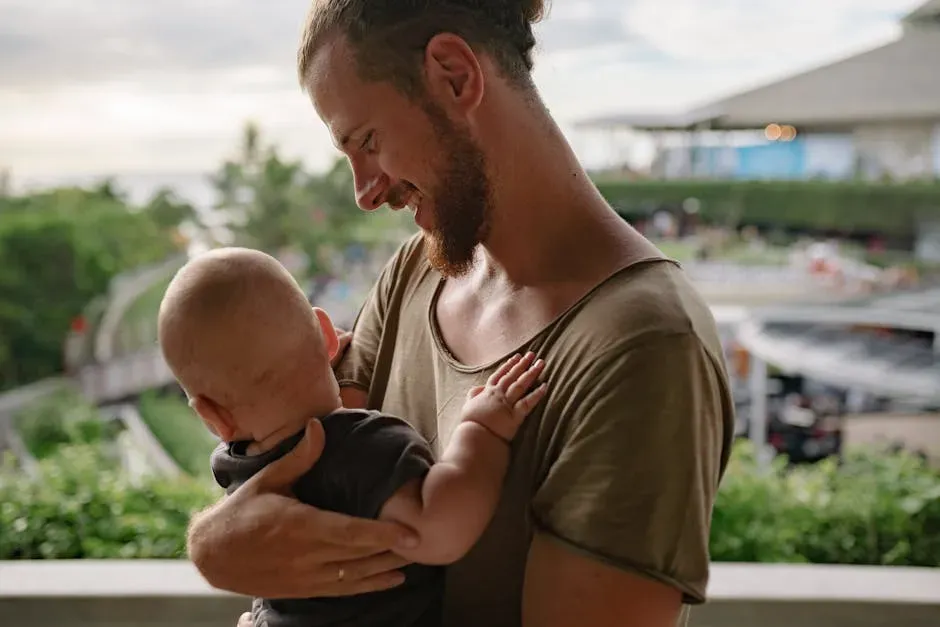
Sweden was the first country in the world to introduce paid parental leave available to both mothers and fathers, and even more recognition has come from the introduction of the reserved "daddy month" in 1995. That shift was slow at first, but the numbers tell a clear story today. In Sweden, the reform led to a direct, marked, and robust change in behavior, with the share of fathers using leave going from approximately 40 percent to almost 80 percent.
Throughout 50 years of Swedish parental leave, the political aim has been for men and women to be able to combine work and family, with consistent goals of gender equality in childcare and in the labor market. Parental leave rights in Sweden are gender-neutral, with the same rules applying to same-sex parents as to different-sex parents and to those who are non-binary parents. The cultural normalization of fathers at home with infants represents a genuine shift in how Swedes understand parenting itself, not just a policy tweak.
2. Iceland: The "Use It or Lose It" Model That Changed Everything

2. Iceland: The "Use It or Lose It" Model That Changed Everything (Image Credits: Unsplash)
In 2000, Iceland was the first country to provide both parents with an equal, three-month quota of parental leave, supplemented by an additional three months that could be shared, and this policy led to a marked increase in men taking parental leave. The approach was deliberately structured so fathers could not simply transfer their leave to the mother, forcing a cultural reckoning. A 2021 legislation extended the combined leave to 12 months, split equally between both parents, with the entire leave paid at 80 percent of salary.
Research shows clearly that parents divide the care of young children more equally after the law came into effect, with a huge increase in the sharing of care during a child's first three years since the law came into force. Long-term research also shows that the gap in mothers' and fathers' labor market participation and working hours has narrowed since the introduction of the law. Iceland is arguably the most concrete proof that legislation can genuinely reshape family life.
3. Finland: Rewriting the Rules on Who Is a Parent

3. Finland: Rewriting the Rules on Who Is a Parent (Image Credits: Pexels)
Starting in 2021, Finland gave all parents leave, regardless of their gender or whether they are a child's biological parents, with each parent given 160 days or about seven months. The reform went further than most countries in stripping gender from the language of parenthood entirely. The gender-specific terminology of "maternity leave" and "paternity leave" were replaced by the gender-neutral "parental leave," equally divided between the "birth parent" and the "other parent," and it can also be transferred to other legal guardians.
After the 2022 reform that introduced a longer leave quota for fathers, fathers' share of all parental benefit days increased from 12.5 percent in 2021 to 20.9 percent in 2024, with fathers of children born in 2022 taking on average 13 weeks compared to just over seven weeks taken by fathers of children born in 2021. Progress is real, though not yet equal. The structural conversation Finland is having, about who counts as a parent in the first place, sets it apart from most of the world.
4. South Korea: A Crisis That Is Forcing Cultural Change

4. South Korea: A Crisis That Is Forcing Cultural Change (Image Credits: Unsplash)
South Korea has the lowest fertility rate out of any OECD country, with its rate having fallen from 6.1 in 1950 to 0.7 in 2025. The scale of the drop is unlike anything seen in a modern economy not at war. Politicians have declared it a "national emergency," with governments across the last 20 years spending around £226 billion on the problem, while a combination of institutional, structural, and cultural factors – including labor market inequality, a family-unfriendly work culture, and high child-rearing costs – continue to drive the decline.
In South Korea, women say they often feel forced to choose between a career and a family, leading more women to choose not to get married, with the average age of a new mother now 32, up from 30 in 2005. The country's total fertility rate rose from 0.72 to 0.75 in 2024 for the first time in nine years, a fragile but notable sign that some government interventions may be starting to have modest effects. The crisis is reshaping how South Korean society talks about parenthood, work, and gender in ways that would have been unthinkable a generation ago.
5. Japan: Incentives, Contradictions, and Record Low Births

5. Japan: Incentives, Contradictions, and Record Low Births (Image Credits: Pexels)
The number of babies born in Japan fell to a record low of 720,988 in 2024 for a ninth consecutive year of decline, with births down 5 percent on the year despite government measures in 2023 aimed at encouraging childbearing. Reasons include high living costs, stagnant wages, and a strong work culture that deters young people from starting families, prompting the government to expand child allowances, offer free high school education, and guarantee 100 percent pay to couples who take parental leave simultaneously.
Unlike in some Western countries, only a few out of every 100 babies in Japan are born out of wedlock, suggesting a stronger correlation between marriages and births. This means declining marriage rates translate almost directly into fewer children, a dynamic quite different from Europe or the United States. Studies show that countries with the lowest contribution from men in housework and childcare, like South Korea and Japan, have the lowest fertility rates. The structural pressure to modernize how Japanese men participate in family life is now more urgent than ever.
6. The United States: Diverse Structures, Slow Policy

6. The United States: Diverse Structures, Slow Policy (Image Credits: Unsplash)
In 2020, roughly 15 percent of global households were single-parent, projected to reach 18 percent by 2025, with high-income countries leading, including about 27 percent of U.S. households and 20 percent of UK households being single-parent in 2023. American family life has genuinely diversified at a structural level. Blended households, same-sex couples, co-parenting setups, and multigenerational living arrangements are becoming more celebrated, with parenting resources increasingly catering to families with diverse structures, acknowledging that modern families no longer fit one mold.
The U.S. does not have a federally mandated paid parental leave policy, with parents entitled to only 12 weeks of unpaid leave under the Family and Medical Leave Act, although some states and private companies offer limited paid leave options. That gap between cultural change and policy reality defines the American parenting story in 2026. With roughly three in four parents agreeing that technology is a valuable tool in caregiving, today's American parents are navigating a delicate balance of leveraging AI and technology to support education, creativity, and connectivity, while also setting mindful boundaries.
7. Germany: The Working Parent Dilemma Edges Forward

7. Germany: The Working Parent Dilemma Edges Forward (Image Credits: Pexels)
During the last decades, there have been government interventions in many countries aimed at increasing fathers' involvement in caring for newborn children, mainly taking the form of earmarked days in the paid parental leave system – so-called "daddy months." Germany was among the countries that introduced this approach, and research has tracked the results. Evaluations of gender quotas across multiple countries, including Germany, have consistently found substantial positive effects on fathers' uptake of parental leave.
Fertility rates have fallen below replacement levels in Germany, along with China, Japan, South Korea, Russia, and Italy, potentially contributing to population decline. The shift in German parenting culture – toward greater father involvement and dual-income households – has been gradual but consistent. Two-parent families are becoming less common in many parts of the world, especially higher-income countries, as marriage rates fall around much of the globe. Germany reflects that global trend while simultaneously working through how to keep both parents engaged at work and at home.
8. Spain: Paternity Leave Takes a Leap

8. Spain: Paternity Leave Takes a Leap (Image Credits: Unsplash)
Spain's leave laws have offered 16 weeks of paternity leave, equal to maternity leave, now being extended to 19 weeks after January 2026, with fathers able to take leave at the same time as maternity leave, and same-sex couples granted equal rights. Spain is moving quickly, at least by southern European standards. The leave is paid at 100 percent of salary, which removes one of the biggest practical barriers that stop many fathers from taking their full entitlement in countries where parental leave is offered but not fully compensated.
Children stay up until 10 p.m. in Spain because of the strong emphasis the country places on the domestic unit, with sending children to bed earlier seen as cutting them off from fully participating in family life, something Spanish society considers particularly important. This tension between very traditional family rhythms and quite progressive policy is part of what makes Spain interesting. The country is changing, just on its own timeline and in its own way.
9. Australia: Single Parents, New Policies, Shifting Norms

9. Australia: Single Parents, New Policies, Shifting Norms (Image Credits: Unsplash)
Sweden offers subsidized childcare enabling roughly four in five single parents to work full-time, while Australia's 2023 labor reforms granted single parents flexible hours, boosting employment by around 15 percent. Australia has been actively legislating to support the reality of how families actually look today. Driven by rising divorce rates, changing social norms, and economic pressures, single-parent families now account for a substantial portion of households in many countries, with the United Nations estimating that 320 million children globally live in single-parent households, with roughly four in five led by mothers.
Roughly 70 percent of households in countries like Australia consider themselves eco-friendly, with a desire to do even more, and about 41 percent of parents cite their children as a motivation for adopting more sustainable practices. Green parenting is not a fringe concern in Australia anymore. It reflects a genuine shift in what parents believe their responsibilities are, extending beyond their own children toward the world those children will inherit.
10. Estonia: A Small Country With a Big Parental Leave System
10. Estonia: A Small Country With a Big Parental Leave System (Image Credits: Unsplash)
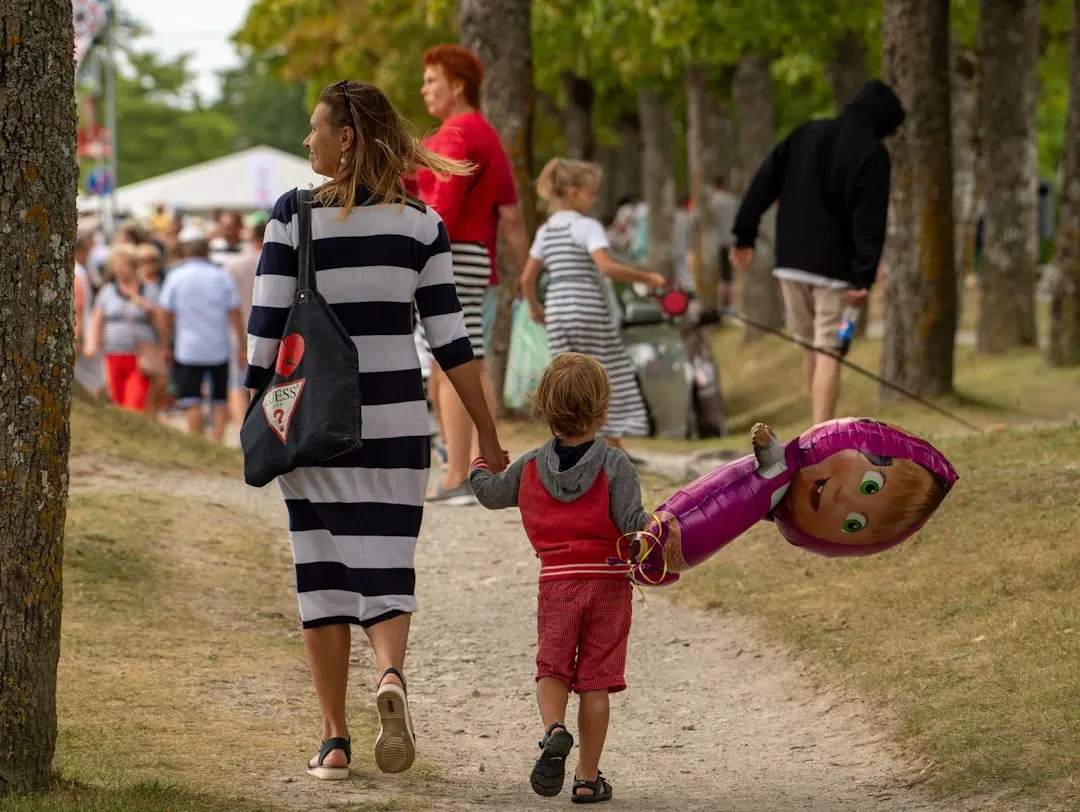
Estonia inherited a tradition of double-breadwinner families from Soviet times, when mothers typically worked full time, and despite significant social changes, this family pattern has continued – further marked by the fact that the share of children born outside marriage has outnumbered those born within marriage in Estonia for decades, making its family model more similar to that of Nordic countries. Estonia has one of the most generous parental benefit systems in the OECD, entitling parents of newborns to benefits equal to their previous salary for 435 days.
Family policy has remained high on Estonia's political agenda due to the country's low fertility rate and labor market needs, with the share of social spending devoted to family benefits twice as high as in OECD countries on average, explained by generous leave policies and universal child allowances. For a country of fewer than 1.4 million people, Estonia punches far above its weight on family policy. It is a model that rarely gets the international attention it deserves, partly because it sits quietly in the shadow of its larger Nordic neighbors.
1. India: Extended Family Remains the Foundation
1. India: Extended Family Remains the Foundation (Image Credits: Pexels)
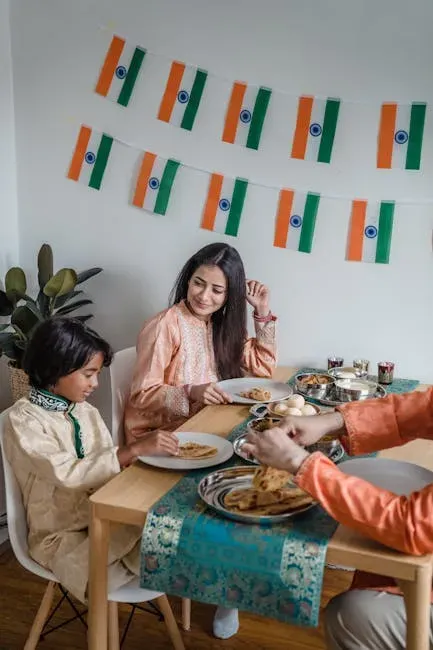
In Middle Eastern and Asian countries, an average of 80 to 90 percent of children live with both parents, with India at 93 percent – among the highest in the world. The multigenerational household is not a last resort in India; it is often the preferred and culturally expected structure. India shows a single-parent household rate of around 5 percent, due in large part to a cultural emphasis on extended families.
Research across 37 countries found that Asian parents, as a broad group, tend to hold ideal-parent beliefs centered on being "responsible and children/family-focused." In India, that responsibility is understood as communal rather than individual. Collectivist cultures, which represent by far the global norm, train children in dependent behaviors including obedience, calmness, politeness, and respect toward others, with child-rearing practices emphasizing responsibility for behavior and avoiding shame both personally and for the family, clan, or community.
2. Jordan: The Two-Parent Model Holds Strong

2. Jordan: The Two-Parent Model Holds Strong (Image Credits: Unsplash)
Jordan has among the highest rates of two-parent households in the world, with 92 percent of children living with both parents. Marriage before childbirth remains the near-universal expectation, and the extended family structure continues to anchor day-to-day parenting decisions. Adults who believe that working mothers can establish just as good relationships with their children as stay-at-home mothers range from 47 percent in Jordan – among the lowest proportions in global surveys.
Traditional gender roles in parenting remain largely intact in Jordan, with mothers primarily responsible for childcare and fathers for financial provision. Urbanization and increased female education are creating some pressure at the margins, but the core family structure is proving durable. The pace of change here is slow by almost any measurable standard.
3. Nigeria: Village Parenting in the 21st Century
3. Nigeria: Village Parenting in the 21st Century (Image Credits: Unsplash)
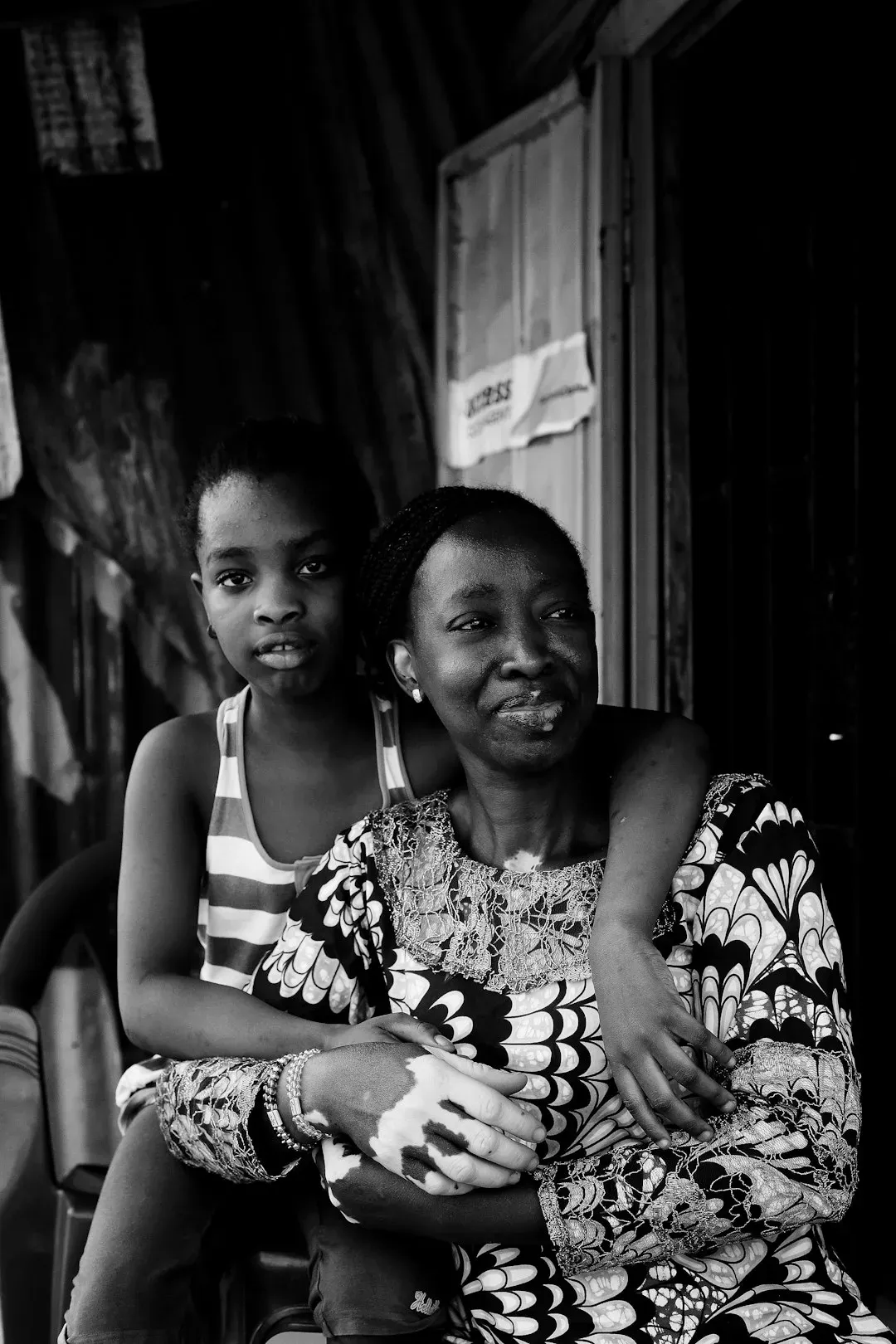
In many African cultures, the proverb "It takes a village to raise a child" is taken to heart, with child-rearing a communal effort involving extended family and neighbors, emphasizing community, respect for elders, and a strong sense of belonging. In Nigeria specifically, this is not simply a saying but an operating system for family life. Nigeria shows a single-parent household rate of around 7 percent, relatively low, partly because of the cultural emphasis on extended family networks.
Research across 37 countries found that African parents, as a regional group, tend to hold ideal-parent beliefs centered on being "responsible and proper demeanor-focused." Discipline, respect for elders, and collective responsibility for children remain deeply embedded norms in Nigeria. While urban areas are seeing some shifts in parenting style, particularly around education, the communal model of caregiving shows little sign of structural change at a national level.
4. China: Confucian Values Hold Even as Policies Shift

4. China: Confucian Values Hold Even as Policies Shift (Image Credits: Unsplash)
In Chinese culture, the concept of familial piety and respect for one's elders is paramount, with parents often adopting a more authoritarian style focused on obedience and academic performance, balanced with a deep-seated devotion to family and the expectation that children will care for their parents in old age, creating a strong family structure where tradition and honor play significant roles. Younger generations of Asian parents are starting to blend traditional expectations with more emotionally responsive parenting, reflecting the influence of globalization and shifting societal values.
In China, grandparents often live with their grandchildren and provide care for them daily. This multigenerational model has proven remarkably resilient even as China's economy modernized at speed. The Frances McClelland Institute for Children, Youth, and Families notes that Chinese traditions regard adhering to the status quo as paramount, with children raised with Chinese values instilled with an obvious and accepted duty toward their family, including being taught the specific practice of how to live harmoniously with others.
5. Mexico: Family First, Always
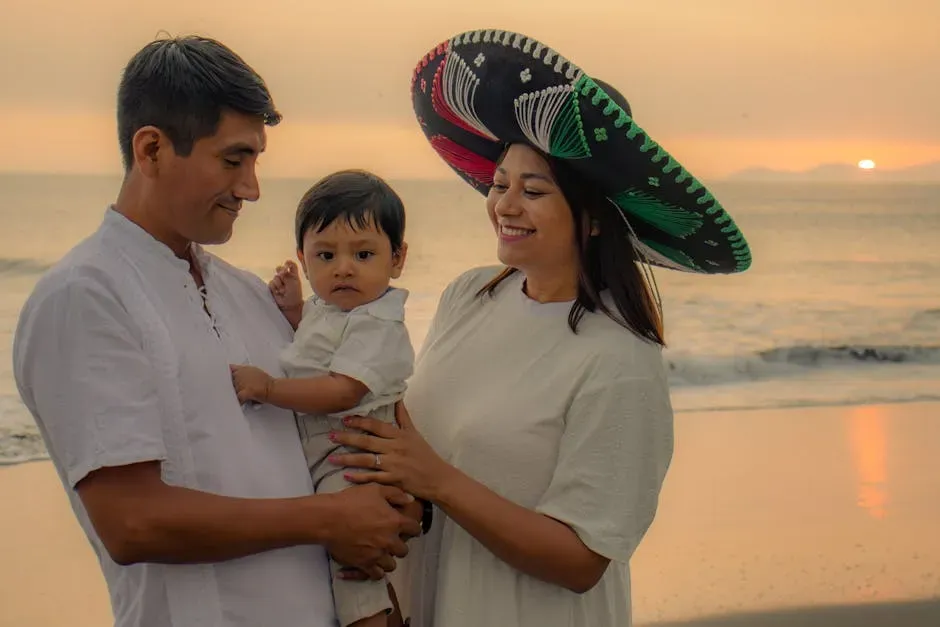
5. Mexico: Family First, Always (Image Credits: Pexels)
Research across 37 countries found that Hispanic parents tend to hold ideal-parent beliefs centered on being "loving and responsible." In Mexico, that ethos is embedded in a concept known as familismo, a deep orientation toward family loyalty, mutual support, and intergenerational closeness. Children living with extended family networks is normal rather than exceptional. The idea that a nuclear family should function as its own independent unit is not the default assumption.
Global trends indicate variations in family structures, with some regions experiencing high rates of nonmarital childbearing and others prioritizing extended family networks. Mexico falls firmly in the second camp. Cohabitation rates in Latin America are relatively high, yet the extended family remains the primary safety net and social structure for children. That orientation is proving more durable than many observers expected.