
Something unusual is happening across the world’s workplaces right now. For the first time in history, five generations, each with unique technological and formative experiences, are currently working side by side. On top of that, demographers have already identified two more cohorts waiting in the wings. The result is a generational map that is broader, more complex, and more contested than at any point in modern economic history.
The forces driving this shift are structural, not cosmetic. The need for upskilling has never been more critical as rapid advancements in artificial intelligence and automation continue to redefine job roles. Some generations are leaning hard into that disruption, reshaping how work is structured, where it happens, and what it even means. Others are holding ground, anchoring themselves to routines and hierarchies that have served them well. Both dynamics matter, and both are worth understanding.
1. Generation Z: Rewriting the Rules of Career Success
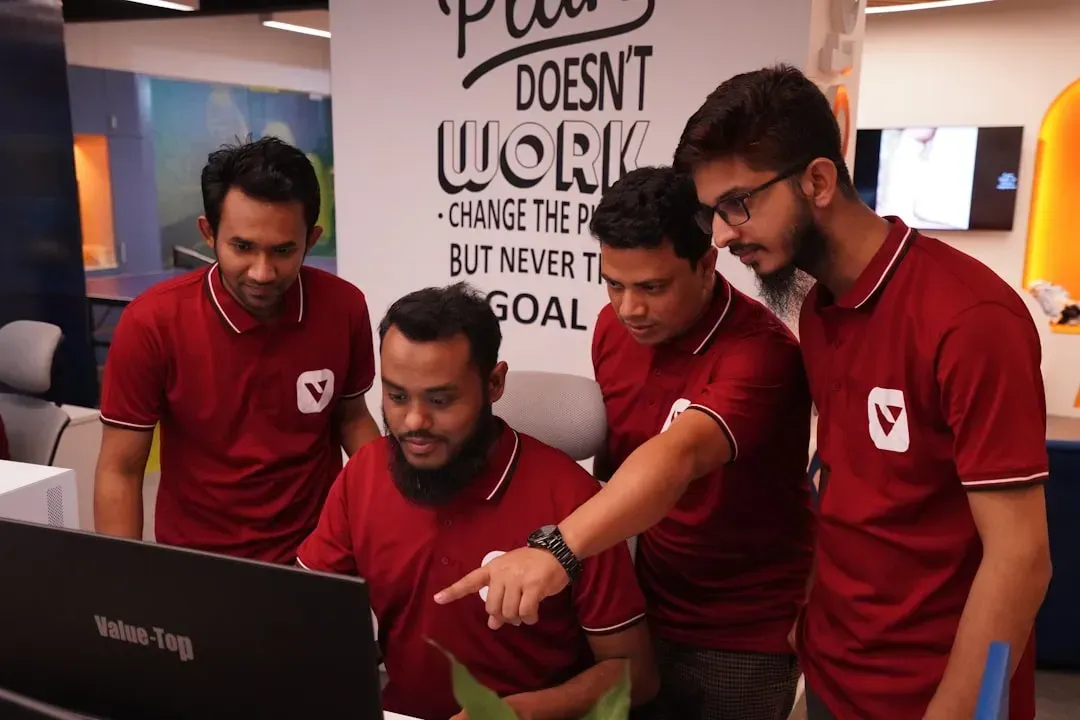
1. Generation Z: Rewriting the Rules of Career Success (Image Credits: Unsplash)
Generation Z is redefining career success around work-life balance rather than hierarchical advancement, demanding comprehensive mental health support and authentic organizational values, and creating new standards for what constitutes a successful work environment. This isn’t just attitude talk. The numbers are pointed. Only 6% of Gen Z workers say their primary career goal is to reach a leadership position.
Randstad’s latest research reveals that Gen Z’s average tenure in the first five years of their career is just 1.1 years, significantly shorter than Millennials at 1.8 years, Gen X at 2.8 years, and Baby Boomers at 2.9 years. Critics read that as disloyalty. A more accurate reading is that this generation moves toward growth opportunities rather than simply staying put out of obligation. Gen Z is embracing AI to build their careers faster than any other generation, with roughly more than half using AI to problem-solve at work, compared to roughly a third of Baby Boomers.
2. Millennials: The Burnout Generation That Refuses to Quit

2. Millennials: The Burnout Generation That Refuses to Quit (Image Credits: Unsplash)
Older Millennials started their careers during the 2008 financial crisis, which led to high unemployment, limited opportunities for career progression, and stagnant wages. Alternatively seen as the burnout or the resilient generation, Millennials worked more hours for less pay and less security, struggling to achieve the same standards of living as their parents. That formative experience left marks that still show up in workplace data today.
The generational divide in burnout experiences has widened dramatically, with Gen Z and Millennial workers reporting peak burnout at just 25 years old, a full 17 years earlier than the average American who experiences peak burnout at 42. Despite that, Millennials and Gen Z are projected to be roughly 74% of the global workforce by 2030, according to Deloitte’s 2025 study. Their sheer numbers make it impossible to ignore what drives them.
3. Gen X: The Quiet Architects of Work-Life Balance

3. Gen X: The Quiet Architects of Work-Life Balance (Image Credits: Pexels)
Gen Xers were raised in a time characterized by early technological developments, transformative socio-political change, and minimal adult supervision. Together, this fostered a generation with hyper-independence and hyper-flexibility that, contrasting Boomers, prioritizes a work-life balance, operating under a “work hard, play hard” mentality. They were advocating for flexibility long before it became a headline topic.
Some 35% of Gen X workers prefer fully remote work, matching Millennials and sitting considerably above Gen Z’s preference of 23%. Gen X has also quietly become a stabilizing force in leadership pipelines. By 2035, Gen X is projected to be the largest generation in the workforce at 31%. That gives this often-overlooked generation surprising staying power in shaping how the middle of organizations actually runs day to day.
4. Millennials and the Hybrid Work Revolution

4. Millennials and the Hybrid Work Revolution (Image Credits: Pexels)
A 2025 Deloitte survey shows that roughly two thirds of Gen Z and Millennials say they would leave their job if forced back to the office full-time. That’s not posturing. Hybrid work has become a structural expectation for younger workers, not a temporary pandemic accommodation. Hybrid job postings jumped from 15% in the second quarter of 2023 to 24% in the second quarter of 2025, while fully on-site roles continue to decline.
A survey conducted in December 2024 found that 61% of workers said they are more productive working from home, while 34% said they get the same amount of work done at home as in the office. Only 5% reported being less productive working from home. Millennials have been the loudest advocates for embedding this into permanent contracts, and the data increasingly supports their case.
5. Generation Alpha: Technology as Native Language
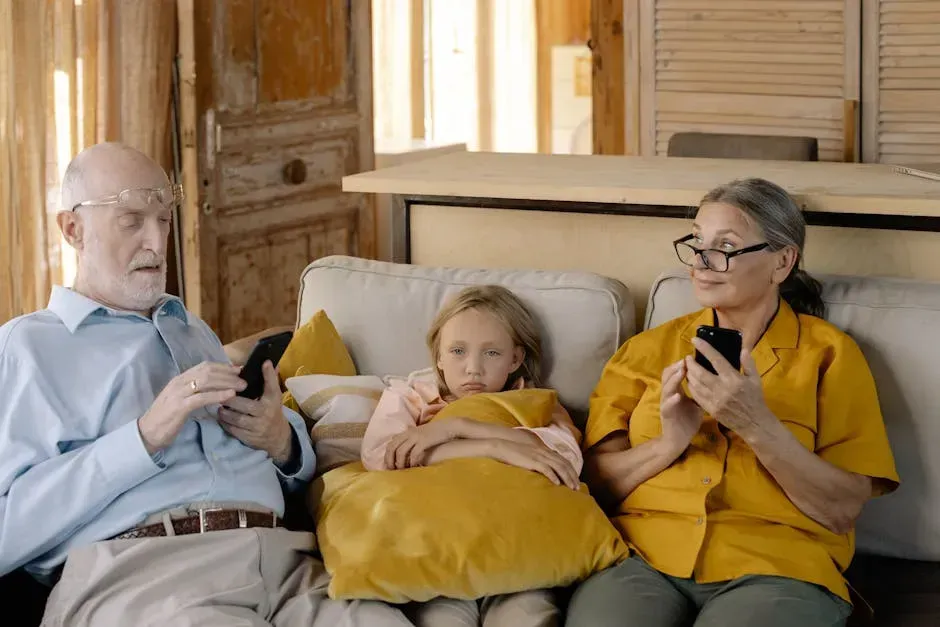
5. Generation Alpha: Technology as Native Language (Image Credits: Pexels)
Generation Alpha, which includes those born roughly between 2010 and 2024, is primed to make its workplace debut by 2028. By 2034, Millennial, Gen Z, and Gen Alpha workers will make up 80% of the labor market, according to the World Economic Forum. Their arrival will not be gradual – it will reshape hiring, training, and organizational culture all at once.
Gen Alpha is the first generation fully immersed in technology from infancy, with smartphones, tablets, and AI-powered tools shaping their daily lives. Roughly two in five Gen A individuals believe AI, virtual reality, and smart assistants will be central to their future careers. Entrepreneurial instincts run high in this cohort too. A 2023 study by Visa found that 76% of children aged 8 to 14 want to be their own boss or have a side hustle.
6. Generation Beta: Born Into AI as a Given

6. Generation Beta: Born Into AI as a Given (Image Credits: Unsplash)
Generation Beta is the proposed name for the demographic cohort succeeding Generation Alpha. The name was coined by futurist and demographer Mark McCrindle, who also coined the name Generation Alpha. He defines the cohort as those born from 2025 to 2039. The oldest members of Gen Beta are being born right now, in 2026, and their relationship with artificial intelligence will be unlike anything seen before.
According to McCrindle, members of Generation Beta will likely not only adapt to technologies but will immerse themselves in them from the outset more than any previous generation. Gen Beta will inherit a world of climate challenges, rapid urbanization, and new technology, growing up mostly as the children of Millennials and Gen Zers. They will be, in a very real sense, the first generation for whom AI was never a novelty.
7. Gen Z and the Mental Health Mandate

7. Gen Z and the Mental Health Mandate (Image Credits: Pexels)
According to LIMRA’s 2024 BEAT study, 91% of Gen Z workers report experiencing mental health challenges at least occasionally. SHRM research finds that 61% of Gen Z workers would strongly consider leaving their current job if they were offered a new one with significantly better mental health benefits. This generation has fundamentally changed what benefits mean in a competitive job market.
Mental health support is transitioning from exceptional benefit to standard expectation across industries. After years of Gen Z and Millennials demanding better mental health resources, companies are building comprehensive support into their benefits packages. The conversation has moved from fringe to fundamental, driven almost entirely by the expectations of the youngest working cohort and their Millennial counterparts.
8. Millennials and the Purpose-Driven Career

8. Millennials and the Purpose-Driven Career (Image Credits: Unsplash)
Now in its 14th year, Deloitte’s global survey of more than 23,000 Gen Zs and Millennials finds these generations focused on growth and learning as they pursue money, meaning, and well-being. Gen Zs and Millennials prioritize career progression, yet many are not motivated by reaching leadership positions. They’re focused on work-life balance and learning and development.
The majority of Gen Z respondents and Millennials reported using generative AI in their daily work, and most view it positively. Respondents said the technology improves the quality of their work, allows more time for strategic tasks, and supports better work-life balance. Meaning and method are converging for this cohort in ways that older generations often struggle to relate to, but increasingly must learn to accommodate.
9. Gen Z and the Shift Away from Traditional Education

9. Gen Z and the Shift Away from Traditional Education (Image Credits: Pexels)
Deloitte’s 2025 Gen Z and Millennial Survey notes that roughly one third of Gen Zs say they decided not to pursue higher education. That is a significant departure from the path that defined career entry for previous generations. As fully-fledged digital natives, they are more inclined to develop their skills online, with roughly two thirds of Gen Zers rating the internet higher than college education as their go-to space for cultivating knowledge.
More than 80% of Gen Z and Millennial respondents said developing soft skills, like empathy and leadership, is even more important for career advancement than honing technical skills. That’s a nuanced position – these are generations highly capable with technology, yet clear-eyed that human skills will separate them in an AI-saturated market. The credential conversation is shifting from where you studied to what you can actually do.
10. Generation Alpha's Entrepreneurial Instinct

10. Generation Alpha's Entrepreneurial Instinct (Image Credits: Pixabay)
Generation Alpha, born from 2010, will be even more tech-savvy than any generation before. They’ll expect workplaces to be fully integrated with technology, and their views will be influenced by Millennials’ entrepreneurial spirit and Gen Z’s problem-solving skills. Their formative environment – tablet-first learning, content creation as a childhood hobby – has wired them for independence rather than corporate loyalty.
The echoes of Covid have shaped Gen Alpha’s view of the world, as have the current political and economic climates. Experts suggest this may produce a generation simultaneously more skeptical and more self-reliant than predecessors. Roughly two in five Gen Alpha children used technology, mainly social media, to generate income, suggesting early financial literacy and a strong interest in income generation.
11. Baby Boomers: The Original Workaholics Holding Firm

11. Baby Boomers: The Original Workaholics Holding Firm (Image Credits: Pixabay)
Being raised in a society with limited resources, limited jobs, and limited schooling inspired a generation of competitors who operated with a “work as hard as you can, then work even harder” mindset. Some common workplace values associated with the Boomer generation are being work-centric and workaholic, independent and self-assertive, goal-oriented and career-focused, and competitive. Together, these values suggest a generation that prioritizes efficiency and efficacy in the workplace but has little regard for work-life balance, with work tending to be the center of their lives.
In the US, workers aged 65 and above are projected to be 8.6% of the labor force by 2032, up from 6.6% in 2022, and older adults are expected to account for 57% of labor force growth this decade. Baby Boomers aren’t simply resisting change out of stubbornness. Many genuinely believe the traditional work ethic produced real results, and they have decades of productivity data on their side. The friction with younger cohorts often comes down to competing definitions of what dedication actually looks like.
12. Traditionalists (Silent Generation): Loyalty Above All

12. Traditionalists (Silent Generation): Loyalty Above All (Image Credits: Pexels)
The Silent Generation, also known as the Traditionalist Generation, is a demographic cohort following the Greatest Generation and preceding the Baby Boomers, generally defined as people born from 1928 to 1945. Rules of order, respect for authority, and following directions are all important characteristics of Traditionalists. They focus on the task at hand and feel that workplace entitlement should be based on seniority and tenure.
Traditionalists prefer a conservative, hierarchical, clear chain-of-command, top-down type of management, and they view work as an obligation. The bottom line about this group is that Traditionalists grew up without technology and many other modern conveniences. Countless members have overcome adverse economic conditions in their lifetimes and consequently have established diligent financial habits. They’re hard workers with strong core values, dependability, and a wealth of experience.
13. Baby Boomers and Resistance to Remote Work

13. Baby Boomers and Resistance to Remote Work (Image Credits: Pexels)
Roughly half of Gen Z and nearly half of Millennials say they will find a new job if not given a raise going into 2025, while only about one in five Baby Boomers shared the same feelings. That gap in leverage sensitivity extends directly to remote work. Millennials, Gen Z, and Gen X all shared elevated burnout rates, but Baby Boomers had significantly lower rates. The implication is not that Boomers work less hard – it’s that their tolerance for traditional work structures is genuinely higher.
Baby Boomers are known to be hardworking individuals with a traditional mindset, meaning they often value hierarchy, authority, and tend to take a more formal approach to their jobs. A 2022 EY US Generation Survey found that Baby Boomers are not overly interested in their company’s culture, with less than 30% of respondents saying that company culture had an impact on their remaining at their current organization. For a generation that built careers around loyalty to institutions, that finding is consistent, not contradictory.
14. Gen X: Skeptical of Culture, Resistant to Buzzwords
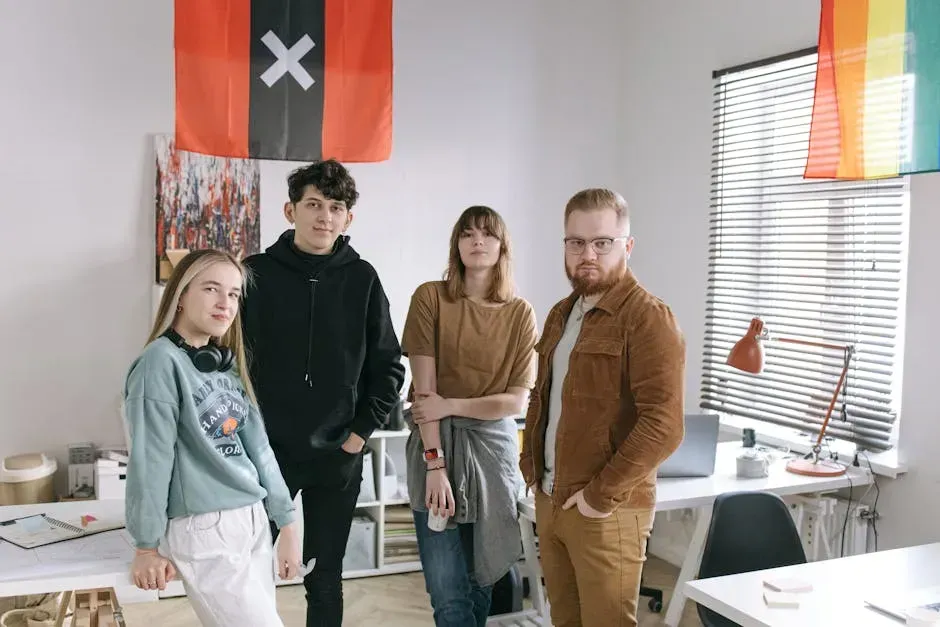
14. Gen X: Skeptical of Culture, Resistant to Buzzwords (Image Credits: Pexels)
Gen X wants a good work-life balance and separation between their own interests and that of the company. They largely achieved that separation long before it became a corporate talking point. What tends to frustrate Gen Xers is when organizational culture becomes performative – when companies talk loudly about values while failing to act on them in any measurable way.
Boomers and Gen X both like phone calls and face-to-face meetings. They want their contact to be efficient and to the point, so they can return their attention to other tasks quickly. This preference is often misread as technophobia. More accurately, it reflects a generation that adopted technology deliberately and on its own terms, rather than growing up immersed in it. They’ll use what works and quietly ignore what doesn’t.
15. Silent Generation: Hierarchy as a Feature, Not a Bug

15. Silent Generation: Hierarchy as a Feature, Not a Bug (Image Credits: Pexels)
Traditionalists follow rules well but want to know procedures and protocols. They tend to think that work is not supposed to be fun and easily become frustrated by what they see as a lack of discipline, respect, logic, and structure, especially if the workplace is more relaxed or spontaneous. Where younger generations see a rigid hierarchy as a barrier to growth, the Silent Generation sees it as a system that produces accountability and order.
With their conservative tendencies, they like a personal touch in the office setting. They tend to prefer one-on-one communication or interaction over email. That orientation toward directness and formality is not simply old-fashioned preference. It reflects a deep-seated belief that real professional relationships require real human contact – a view that, ironically, is gaining some renewed traction even among Gen Z workers who struggle with remote isolation.
16. Baby Boomers: Resistant to New Management Models

16. Baby Boomers: Resistant to New Management Models (Image Credits: Pexels)
Research conducted by Real Research shows that 62% of respondents believe that generational differences play a significant role in creating conflicts in the workplace. The same study reported that 31% said they have experienced workplace conflicts due to the generational gap. A disproportionate share of those conflicts trace back to disagreements over authority, feedback styles, and performance measurement – all areas where Boomers and younger generations diverge sharply.
Traditionalists and Baby Boomers are less productive when micromanaged. They prefer clear objectives, professional autonomy, and recognition tied to measurable outputs – not continuous check-ins or collaborative feedback loops. Workplace happiness improves with age, as Baby Boomers and Gen X lead in positive sentiment, with roughly half identifying as happy at work, compared to just 35% of Gen Z. That happiness gap may partly reflect how much more compatible the traditional workplace model is with Boomer values than with anything Gen Z was promised.
17. Traditionalists and the Digital Divide That Won't Fully Close

17. Traditionalists and the Digital Divide That Won't Fully Close (Image Credits: Pixabay)
On the flip side, Traditionalists do not adapt well to change or ambiguity. There are keys to working with Traditionalists. The primary one is patience with the pace of technological adoption. Where possible, giving Traditionalist employees less technology-driven and offline work allows their strengths to shine. This generation typically prefers duties with a high level of human interaction and is most productive when working alongside others.
Gen X and Millennial employees may view AI in a different light than Gen Z and require personalized training that speaks to their experience with technology. To bridge these gaps, leaders need to prioritize continuous learning by offering personalized training that not only addresses knowledge disparities but also aligns with the different ways people acquire new skills. For the Silent Generation, that gap is even wider. Their resistance to change is less about stubbornness than about lived experience in systems that rewarded depth over speed – a trade-off that digital transformation rarely honors.
What emerges from this full generational picture is not a story of conflict alone. It is also a story of layered knowledge, competing but legitimate values, and a world of work that is genuinely trying to hold many things at once. The generations that are reshaping norms are not wrong. The generations that resist certain changes are not simply stuck. Both are responding, rationally, to the times that formed them.