
Every society carries a gap between its oldest and youngest members – that’s nothing new. What has changed is the sharpness of those divisions, and how visibly they now shape politics, workplaces, family life, and the way people think about the future. In some countries, the distance between a grandparent’s worldview and a grandchild’s is almost like crossing a border.
For the first time in history, five generations – each with unique technological and formative experiences – are currently working side by side. The age spread of today’s workforce has never been wider, while the experiences characterizing each generation have never been so different. Some nations feel this more acutely than others. Here are twelve countries where that contrast is especially hard to ignore.
1. South Korea
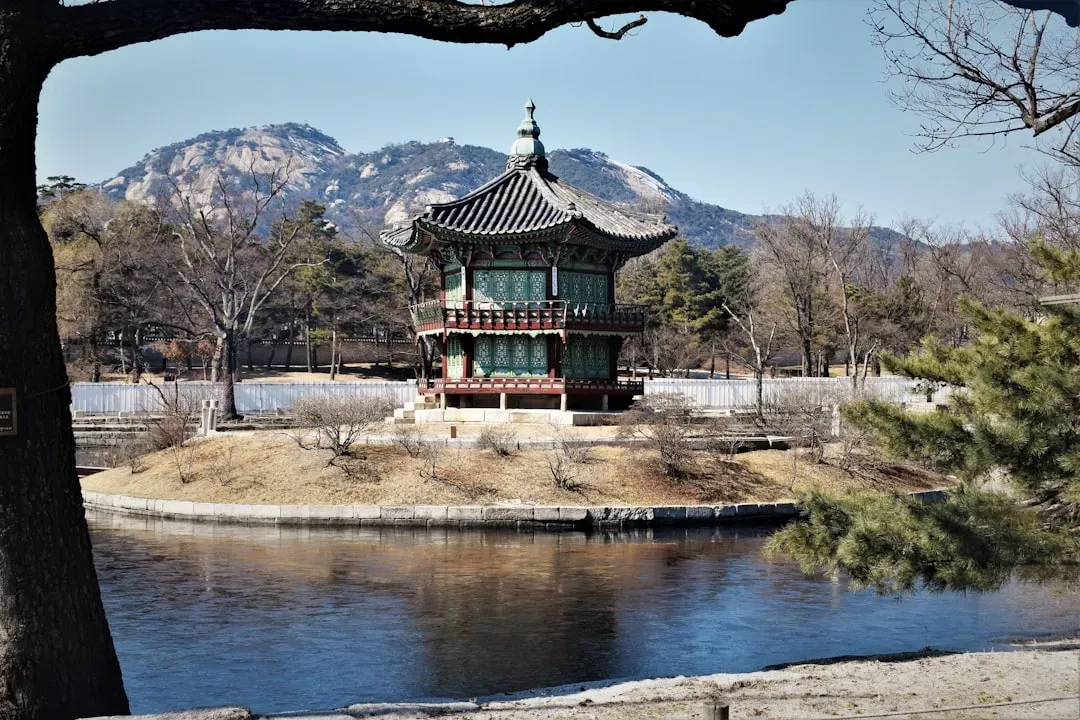
1. South Korea (Image Credits: Unsplash)
South Korea has undergone one of the fastest economic and cultural transformations of any country in modern history, compressing decades of change into just a few generations. Older Koreans lived through poverty, authoritarian rule, and the Korean War's aftermath, while younger Koreans have grown up in a digitally saturated, globally connected society shaped by K-pop and tech exports. Through K-pop, fashion, beauty, and entertainment, a previously localized culture has gone global, with 89 million K-pop fans across 113 countries – a reality that feels almost incomprehensible to older generations raised in a closed, conservative society.
Research published as recently as 2024 has specifically examined generational differences in work values in the Korean government sector, reflecting how deeply these divides run even in formal institutions. South Korea is among the countries with the highest suicide rates in the world among young people, a stark indicator of the immense pressure felt by younger Koreans navigating a competitive economy that operates under norms still largely defined by older generations.
2. China

2. China (Image Credits: Pexels)
The generational divide in China is shaped by one of the most dramatic political and economic pivots any country has made in living memory. Those who came of age during the Cultural Revolution or the early reform era experienced hardship, collective identity, and a largely closed society. Today's younger Chinese grew up in urban prosperity, global connectivity, and one-child-policy households that made them the undivided focus of family investment.
Consider how expectations are evolving and often conflicting for women in China. Traditional Chinese cultural norms dictate that individuals do not date until they are ready for marriage, in tandem with a generalized pressure on women to marry before the age of 30. This expectation clashes with the modern reality where, because of an uber-competitive job market, many young people are prioritizing education and advanced degrees into their mid to late 20s. People's ability to identify which generation they belong to falls as they gain more cultural distance from the US – in China, only about one in six can correctly identify their Western generational cohort.
3. Germany
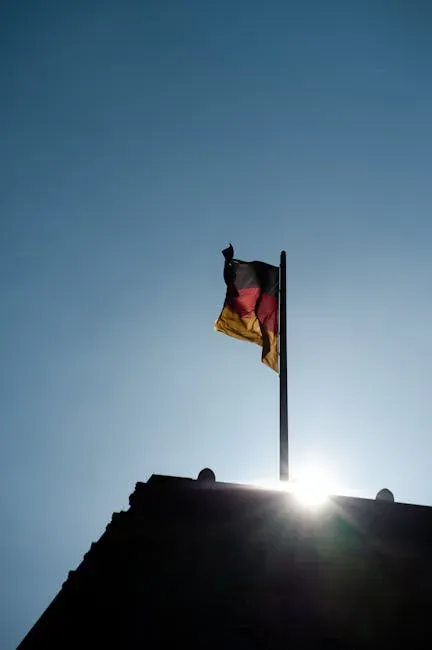
3. Germany (Image Credits: Pexels)
Germany's generational divisions have a particular weight because of the country's 20th-century history. The generation that rebuilt the country after World War II holds deeply different views on national identity, stability, and political loyalty than their grandchildren. One large difference between generations is political allegiance. Die Grünen, the German Green Party, is especially popular among Generation Z, while Generation Y and Generation X show stronger support for the CDU and SPD.
This political gap was particularly notable in the February 2025 German federal election, with around a quarter of 18 to 24-year-old men voting for the far-right party AfD – a development that stunned many older Germans who watched the country struggle to confront that very legacy for decades. Case studies found that support for the Christian democratic CDU/CSU peaked very early with the pre-WWI cohort, whereas support for the social democratic SPD culminated a few generations later with baby boomers and then declined among subsequent cohorts.
4. India
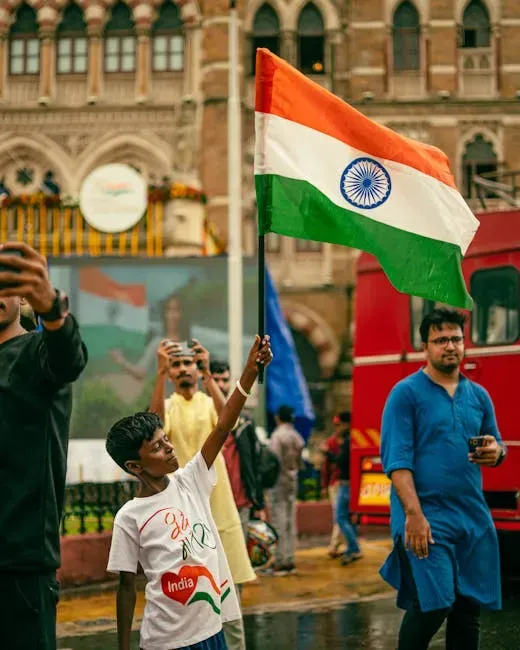
4. India (Image Credits: Pexels)
India is home to one of the world's youngest populations, which creates a constant tension between a society still organized around ancient hierarchies, caste, and family duty, and a younger generation demanding individual opportunity and global participation. The pace of change varies wildly between urban and rural India, making generational differences almost impossible to generalize at the national level – yet they are unmistakably present everywhere.
India is among the standout emerging economies leading AI adoption globally, with the highest usage rates, greatest trust levels, and most active engagement in AI training among younger adults. Older Indians, by contrast, often remain embedded in traditional occupational and social structures that younger generations are openly questioning. People's ability to identify which generation they belong to falls with cultural distance from the US – in India, only about 1 in 20 can correctly identify their Western generational cohort, suggesting that the lived experience of generational identity there is genuinely distinct from the Western model.
5. United States

5. United States (Image Credits: Unsplash)
Few countries have documented their generational divide as thoroughly as the United States. The split is visible across politics, economics, and even day-to-day lifestyle. Majorities of Americans from the Silent Generation, Baby Boomers, and Generation X believe the United States is the greatest country in the world, while majorities of Millennials and Generation Z say the United States is no greater than other nations.
Gen Z is pragmatic – roughly 85 percent have at least some money in savings – while over half are managing debt or loans. The generational gap in teenage dating experiences among men is stark: Gen Z men are more than twice as likely as Baby Boomer men to report that they did not have a significant other as a teenager. These aren't trivial lifestyle differences. They reflect deeply diverging experiences of security, opportunity, and social belonging across age groups within the same country.
6. Japan
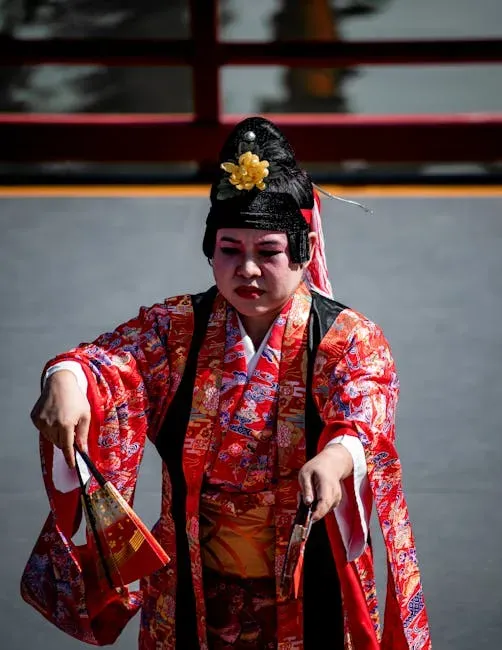
6. Japan (Image Credits: Pexels)
Japan is a country where respect for elders is deeply embedded in culture, which makes generational friction more quietly felt than loudly expressed. Still, the divide is real and growing. Older generations built Japan's economic miracle through radical sacrifice, loyalty to employers, and social conformity. Younger Japanese are increasingly resisting that model, pushing back against overwork culture and seeking more personal autonomy.
In Japan, roughly half of young adults prefer to "wait and see" or actively avoid new technology altogether – a counterintuitive finding for one of the world's most technologically advanced societies, and one that likely reflects a saturation effect rather than technophobia. Meanwhile, older Japanese hold significantly more negative views of neighboring China than younger citizens do: nine in ten older Japanese see China in a negative light, compared with around eight in ten younger Japanese who voice negative views.
7. Brazil
7. Brazil (Image Credits: Unsplash)
Brazil's generational gap plays out against a backdrop of economic instability, rapid urbanization, and deep social inequality. Older Brazilians often came of age during military dictatorship or the hyperinflation years of the 1980s, which shaped a worldview built around survival and institutional distrust. Younger Brazilians, especially in cities, are navigating a very different reality – globally connected, socially progressive, and wrestling with anxiety on a massive scale.
The highest rates of anxiety among young people are found in Brazil, at 43 percent, which tells its own story about the pressure younger generations feel. In Brazil, terms like "Gen Z," "Millennials," "Gen X," and "Baby Boomers" are increasingly recognized and used, particularly in urban areas and among those engaged with global media and trends, suggesting that younger Brazilians are actively adopting a global generational identity that their parents and grandparents never felt the need to claim.
8. United Kingdom
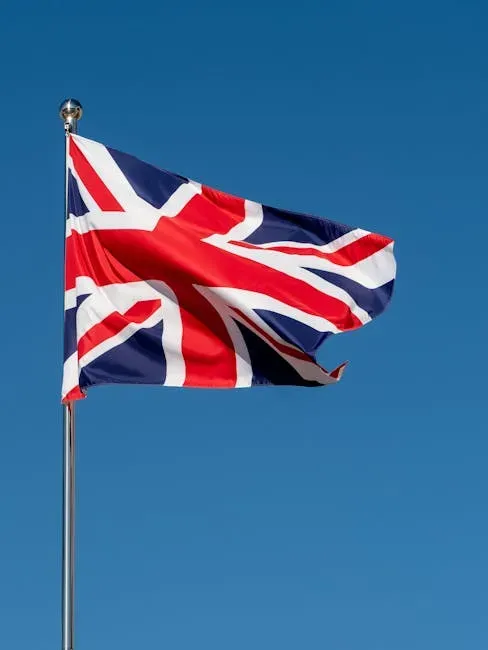
8. United Kingdom (Image Credits: Pexels)
The UK's generational divide has been thrown into sharp relief by Brexit, housing unaffordability, and shifts in cultural identity. Older Britons were more likely to vote to leave the European Union; younger Britons were overwhelmingly opposed. That single political event crystallized a divide in values – over openness, national sovereignty, and what it means to be British – that has not healed since.
Research using nationally representative surveys conducted in the UK shows an overall pattern of higher levels of climate-related beliefs, risk perceptions, and emotions among younger generation groups. In the 2024 UK general election, 12.9 percent of young men voted for Reform UK, compared to 5.9 percent of young women, revealing not just a generational divide but one that cuts across gender lines within the same age cohort – an increasingly common pattern across Western democracies.
9. France

9. France (Image Credits: Unsplash)
France has a long tradition of intergenerational conflict expressed through public protest, and that hasn't changed. Older French citizens tend to hold deep pride in French cultural exceptionalism – an attitude that has notably softened among younger generations. The difference between generations is particularly apparent in France, where only about one in five of those under age 30 support the notion of cultural superiority, while more than half of those aged 65 and older say French culture is superior.
This shift in identity goes hand in hand with different priorities. Younger French people are more likely to see globalization as an opportunity, while older generations often experience it as a threat to French language, tradition, and employment. Older Western Europeans, including the French, are more likely than their grandchildren to have reservations about growing global interconnectedness, to worry that their way of life is threatened, and to feel that their culture is superior to others.
10. South Africa
10. South Africa (Image Credits: Pexels)
South Africa carries perhaps the most loaded generational history on this list. The generation that lived through apartheid – on both sides of it – carries a formative political experience that younger South Africans born after 1994 simply did not share. The "Born Free" generation has grown up in a democratic but deeply unequal country, and their relationship with race, politics, and national identity differs markedly from their parents and grandparents.
South Africa is among the emerging economies leading global AI adoption, with younger adults showing the highest usage rates, greatest trust levels, and most active engagement. These same populations report the highest recreational screen time, greatest reliance on digital-only socializing, and the most pronounced emotional highs and lows from technology use – a generational signature that older South Africans, many of whom still lack reliable internet access, would find almost unrecognizable.