
Most parents spend enormous energy thinking about what they do for their children. Far less attention goes to the environment around them. Yet research increasingly shows that where a child grows up, not just who raises them, shapes their stress levels, emotional stability, and sense of safety in ways that last well into adulthood.
The good news is that a peaceful environment doesn’t require a perfect home or unlimited resources. It’s built through patterns, presence, and thoughtful design of everyday life. Here are twelve environments that experts consistently identify as the most calming and developmentally supportive for children.
1. The Clutter-Free, Organized Home
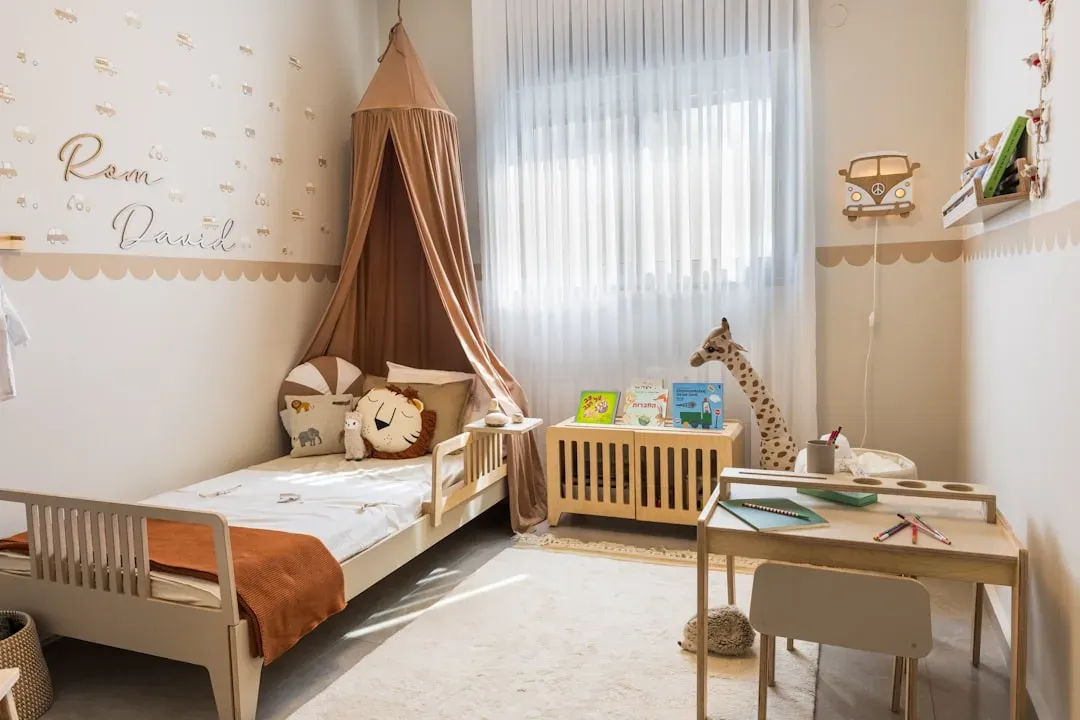
1. The Clutter-Free, Organized Home (Image Credits: Unsplash)
Physical disorder, including a lack of cleanliness and higher levels of clutter in the home, can reflect social disorganization with real implications for children's well-being. Social disorder related to physical conditions can lead to increased psychosocial stress in children. That's not a minor inconvenience. Chronic clutter acts as low-grade background noise for a child's nervous system.
Variables indicating a more negative indoor housing environment show clear links with emotional dysregulation rather than low independence. Research from UCL's Institute of Education highlights the importance of a tidy, quiet, and calm home environment for the development of self-regulation in children. Even young toddlers respond measurably to orderly spaces.
2. Homes with Consistent Daily Routines
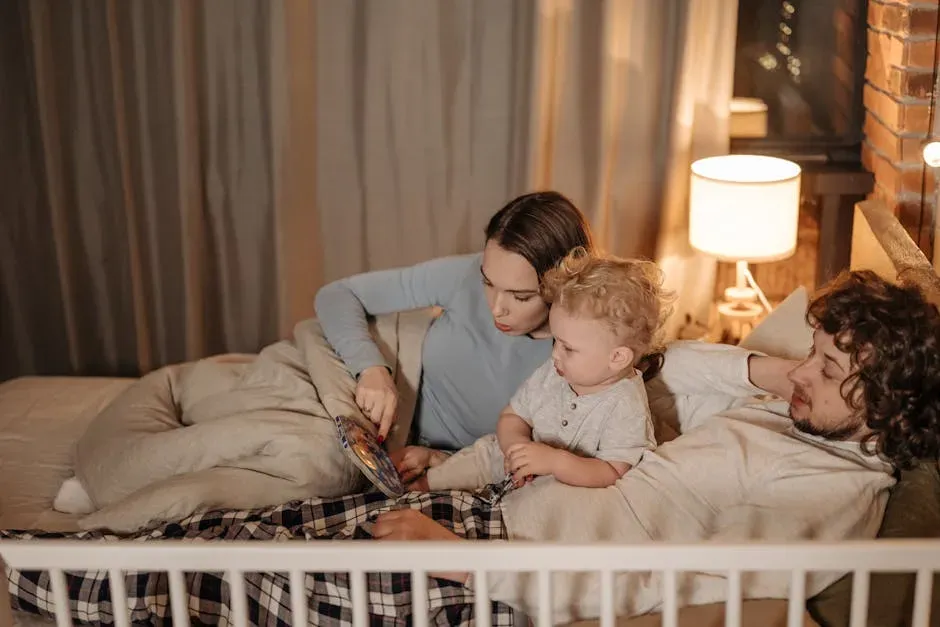
2. Homes with Consistent Daily Routines (Image Credits: Pexels)
Predictability calms the brain. When kids know what's coming next, their brains can relax instead of staying in a fight-or-flight mode. Consistency builds trust, and regular routines help children feel that their environment is safe and stable. Structured patterns also lower cortisol, the stress hormone, and support emotional regulation.
Children with consistent bedtime routines show better emotional regulation, improved focus at school, and fewer behavioral problems. When a child follows the same bedtime routine at least four nights per week, research shows increases in emotional and behavioral regulation. Routine, it turns out, is one of the most underrated parenting tools available.
3. Nature-Rich and Green Outdoor Spaces
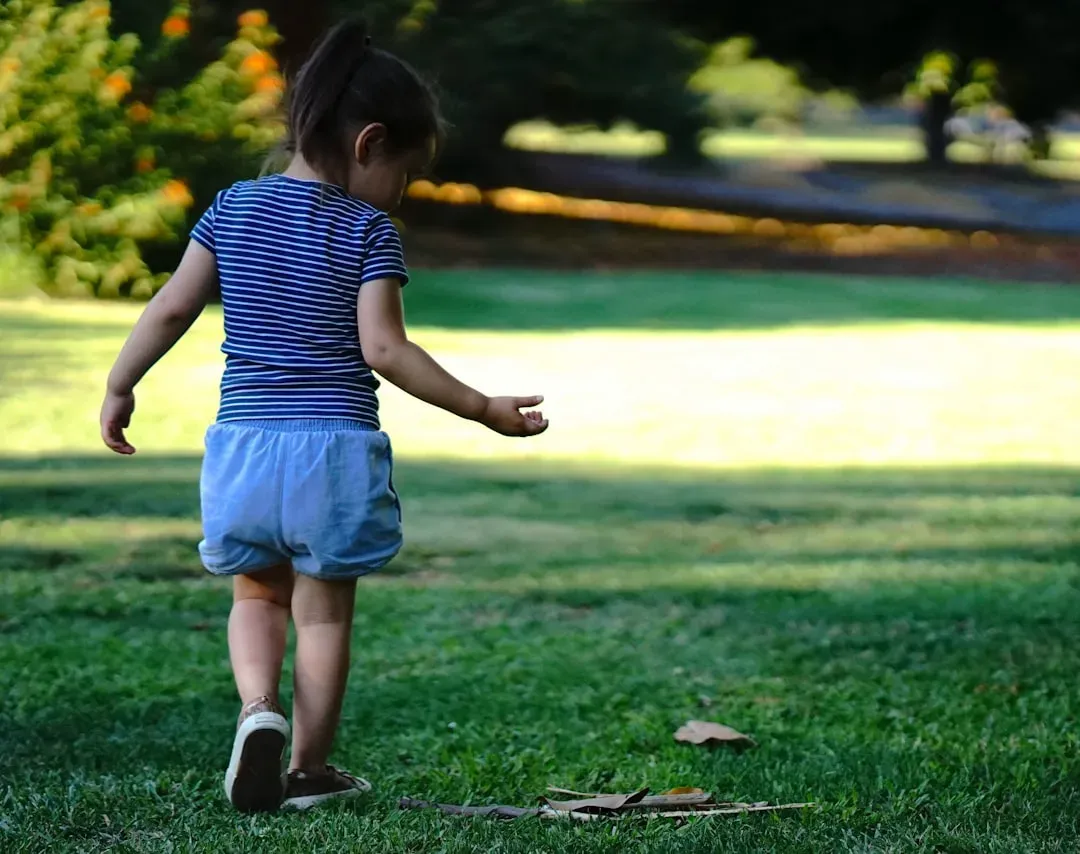
3. Nature-Rich and Green Outdoor Spaces (Image Credits: Unsplash)
Nature access among children supports cognitive restoration as well as a reduction in stress as measured through cortisol levels across the school day. This effect holds even with relatively brief nature exposure. Children's access to nature and time engaged in outdoor play has been linked to their overall well-being. Even short spans of time spent in green and blue spaces were found to promote well-being.
Early childhood is a time of rapid brain development supported by spontaneous and informal learning from the surrounding environment. Meaningful contact with nature during the early years of life sets up rich opportunities for such spontaneous learning, especially in the first three years, a period that determines all future learning, behavior, and health.
4. The Warm, Emotionally Responsive Home
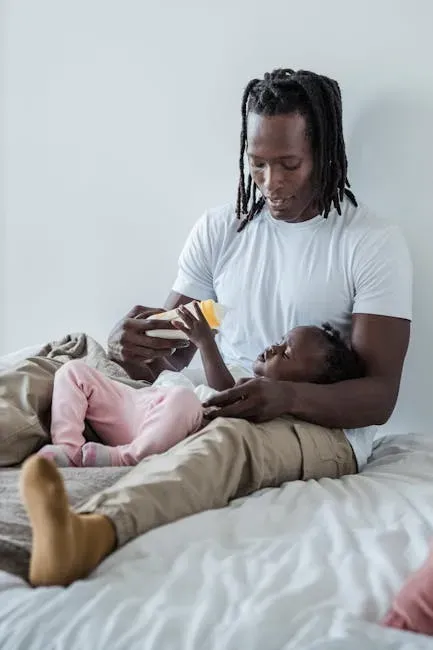
4. The Warm, Emotionally Responsive Home (Image Credits: Pexels)
A strong, nurturing home environment allows young children to explore, learn, and even make mistakes while knowing they have a trusted adult to rely on. Responding to their needs for comfort and affection, especially when they are sad, upset, or scared, helps children regulate their emotions and builds confidence in their caregivers.
Research from 2025 shows that supportive parenting with emotional validation fosters adaptive emotional regulation, while harsh or unpredictable responses create maladaptive coping strategies that can persist into adulthood. A child who knows that a parent will consistently comfort them during distress learns to trust others and develops confidence in their ability to handle challenges.
5. Homes with Clear, Calm Boundaries
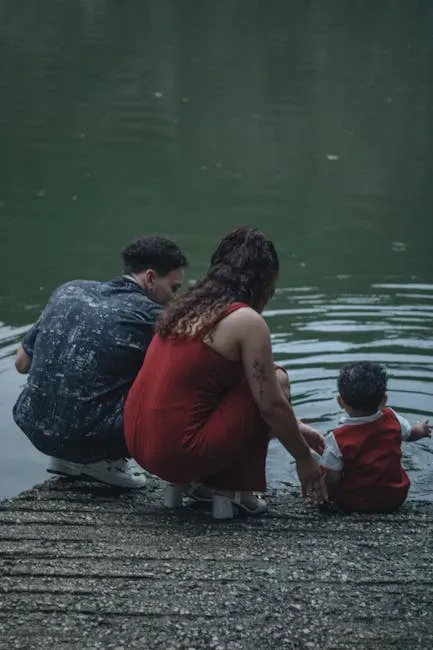
5. Homes with Clear, Calm Boundaries (Image Credits: Pexels)
Parents practicing gentle parenting look like authoritative parents for the most part, trying to hold boundaries and practice consequences with their kids, while also showing the kind of affection that warmly permissive parents show. The balance between warmth and structure is not a compromise. It's the most effective approach the research has found.
The goal of this parenting style isn't to shield a child from accountability. Rather it is to get to a calmer place for both parent and child, give kids tools for making good choices, and then enforce a boundary with logical consequences. Children who understand the rules, and trust they'll be applied fairly, experience far less anxiety at home.
6. Environments That Support Unstructured Play
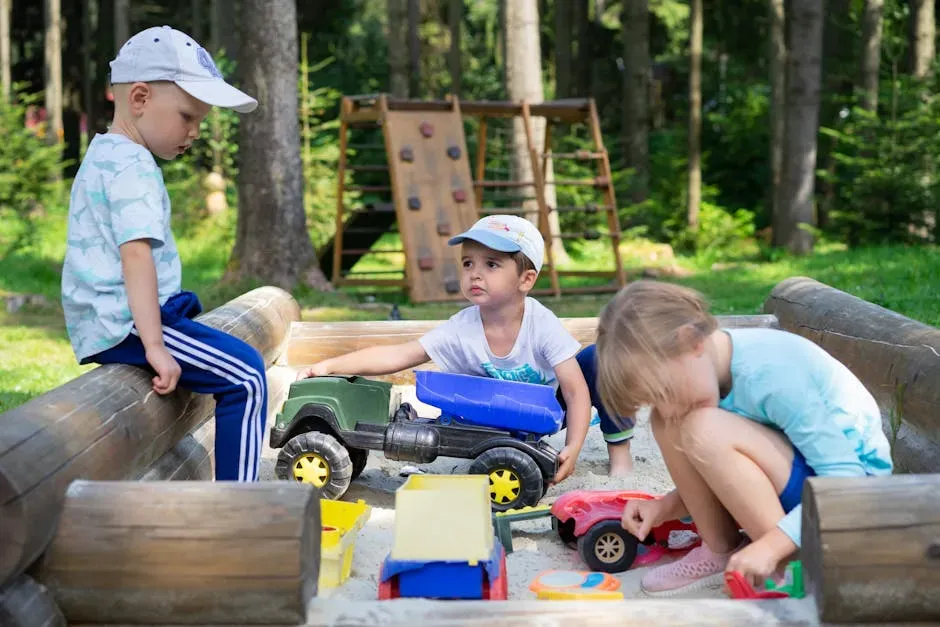
6. Environments That Support Unstructured Play (Image Credits: Pexels)
Outdoor learning often includes hands-on curricula, which supports children's social interaction skills, confidence building, problem solving, independence, negotiation skills, and creativity. Unstructured nature play can enhance children's social and emotional development. This kind of open-ended play is something children increasingly miss in heavily scheduled households.
Research shows what many parents have long known: children who learn and play in nature are healthier both mentally and physically. Active, unstructured play outdoors helps build a child's physical strength and also helps children build social and emotional skills such as problem solving. It's one environment where children get to set the terms.
7. Safe and Cohesive Neighborhoods
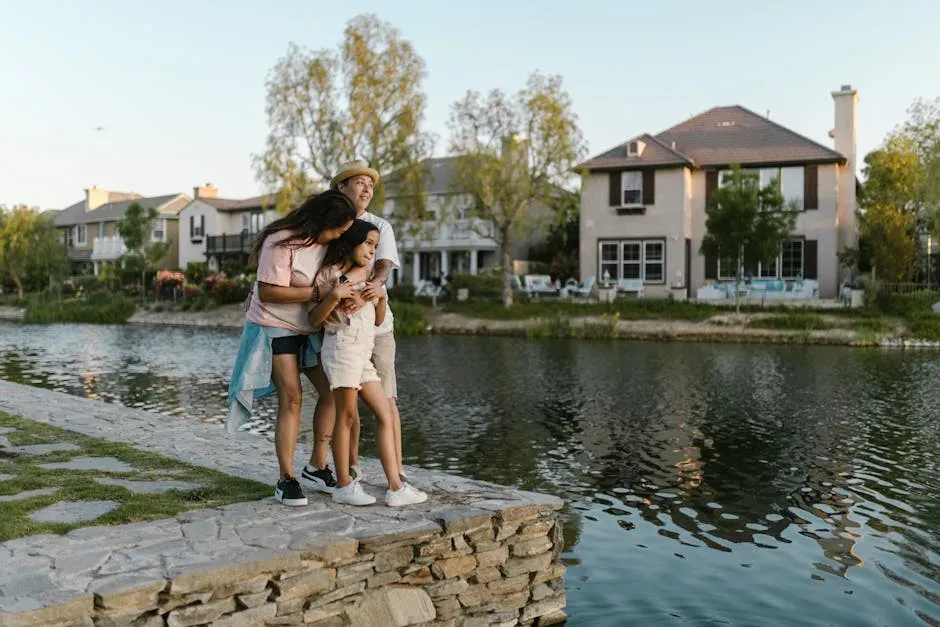
7. Safe and Cohesive Neighborhoods (Image Credits: Pexels)
The characteristics of neighborhoods, notably neighborhood safety, cohesion, and crowding, are among the factors that may influence family practices, family psychological well-being, and thus children's development. Despite an insecure physical environment, social networks within the neighborhood can provide supportive spaces where families and children feel safe.
Family characteristics buffer the effects of neighborhood quality more for toddlers than for older children. Still, the broader community context matters regardless of age. A neighborhood where children can move freely, play in the street, or visit nearby friends without parental anxiety creates a kind of social oxygen that tightly controlled settings cannot replicate.
8. Low-Screen, High-Presence Households
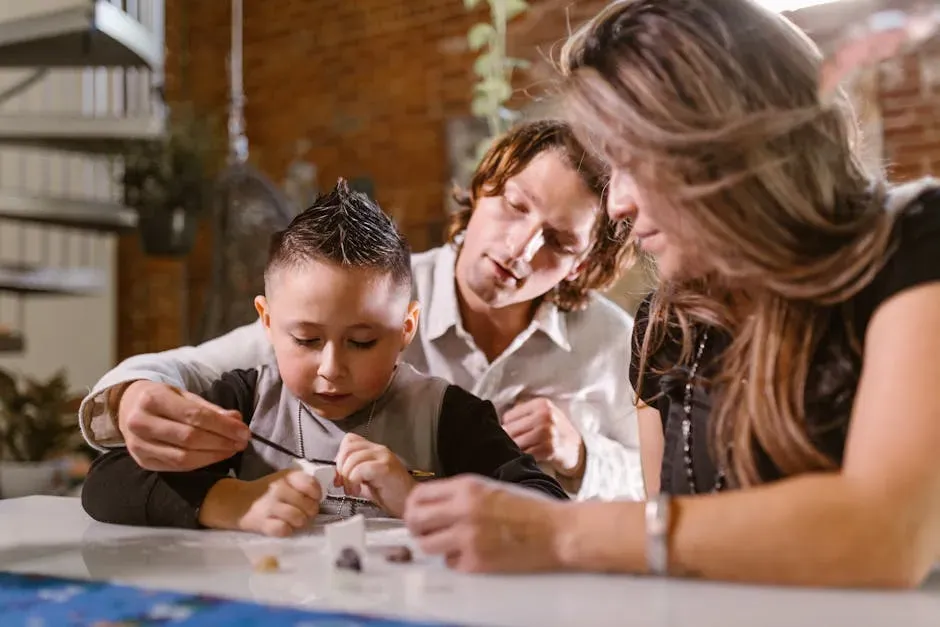
8. Low-Screen, High-Presence Households (Image Credits: Pexels)
More than half of parents surveyed said they hope to spend less time on their phones. According to a University of Michigan poll, over half of parents set a goal to cut back on phone use and digital distractions, making this one of the top changes parents are pursuing. The link between parent presence and child calm is intuitive but also well documented.
Saying yes to endless screen time may keep the peace today, but it can undercut a child's ability to focus, build relationships, and develop independence. Homes where screens occupy less of the shared space tend to have more natural conversation, more eye contact, and more of the small, unremarkable interactions that build children's sense of security.
9. Households That Prioritize Emotional Coaching
9. Households That Prioritize Emotional Coaching (Image Credits: Pexels)
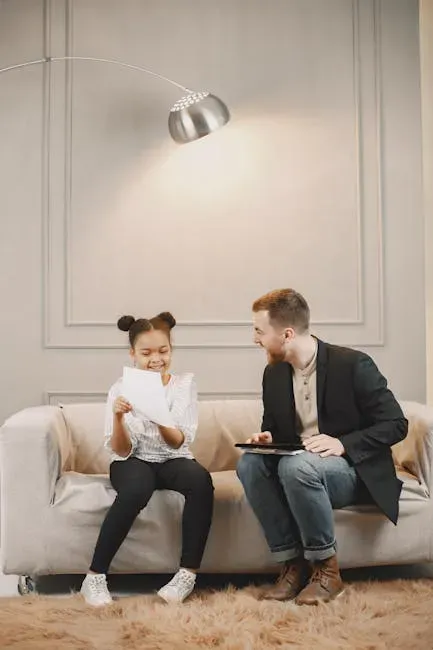
Research into gentle parenting identified the approach as one that emphasizes high levels of parental affection and both parents' and children's emotion regulation. The emphasis on naming and validating feelings isn't softness. It's a skill-building practice that pays dividends long after childhood ends.
For parents who understand gentle parenting as a form of authoritative parenting, there are two parts: validating that you understand the feelings the child is experiencing and teaching that not every way of expressing those feelings is acceptable or productive. Both steps matter equally. A home where only one of those things happens consistently tends to produce either anxious children or children who feel unheard.
10. Homes Built Around Shared Family Rituals
10. Homes Built Around Shared Family Rituals (Image Credits: Pexels)
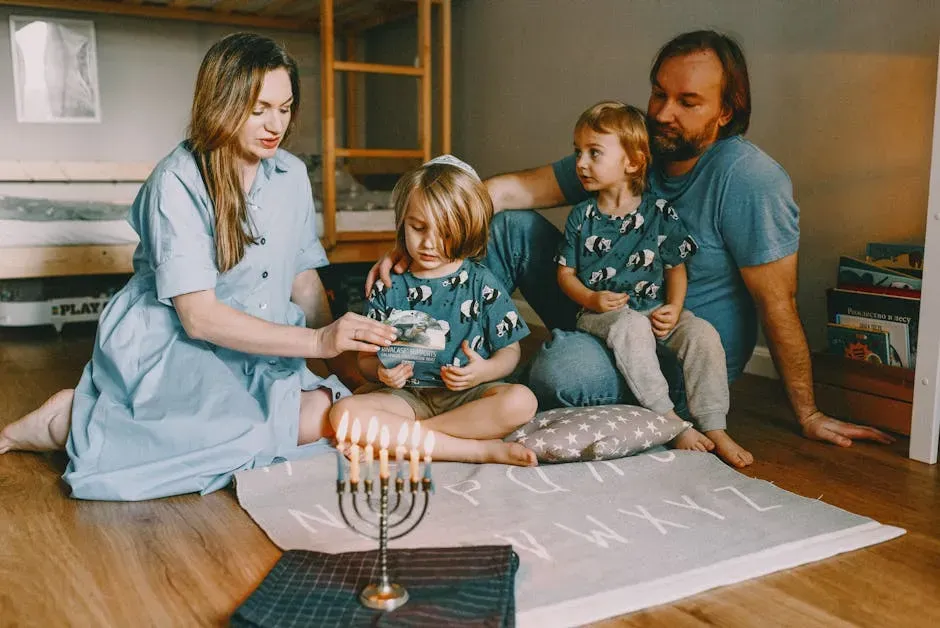
Daily routines like consistent mealtimes, bedtime rituals, and morning schedules allow children to understand what comes next, reducing stress and anxiety. Family traditions, such as Saturday pancake breakfasts, weekly visits to the park, or Sunday dinners with extended family, strengthen family bonds and create lasting memories that contribute to a child's emotional well-being.
Shared family activities or rituals, like reading bedtime stories or engaging in weekend outings, strengthen bonds and create an environment of trust and security. These positive experiences solidify a child's sense of identity and belonging, which is crucial during early development stages. Rituals don't need to be elaborate. They just need to be repeated.
11. Homes Where Children Feel Genuinely Heard
11. Homes Where Children Feel Genuinely Heard (Image Credits: Pexels)
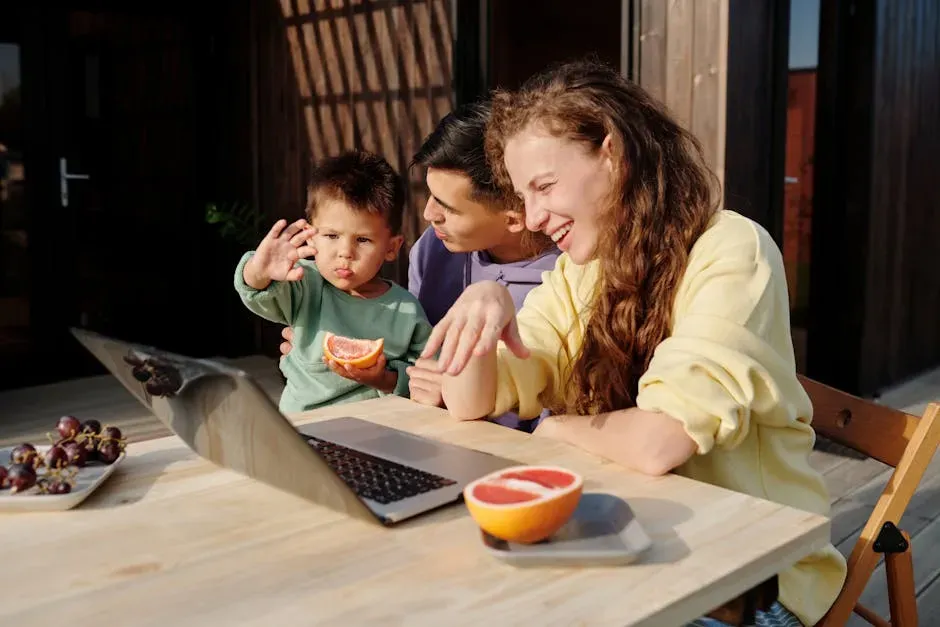
While disagreements happen, teaching children how to express their thoughts and emotions respectfully helps them develop strong interpersonal skills. A home where children feel heard and valued promotes emotional resilience and strengthens family bonds. This goes well beyond conflict resolution. It's about how a household handles disagreement, disappointment, and difference in general.
Emotional support, open communication, and reinforcement of positive behaviors are essential elements of a nurturing home. Such environments help children build confidence, emotional regulation, and social skills. When children trust that their voice matters, they don't have to fight as hard for attention, and the home becomes naturally quieter and more cooperative as a result.
12. Environments That Allow Autonomy Within Structure
12. Environments That Allow Autonomy Within Structure (Image Credits: Pexels)
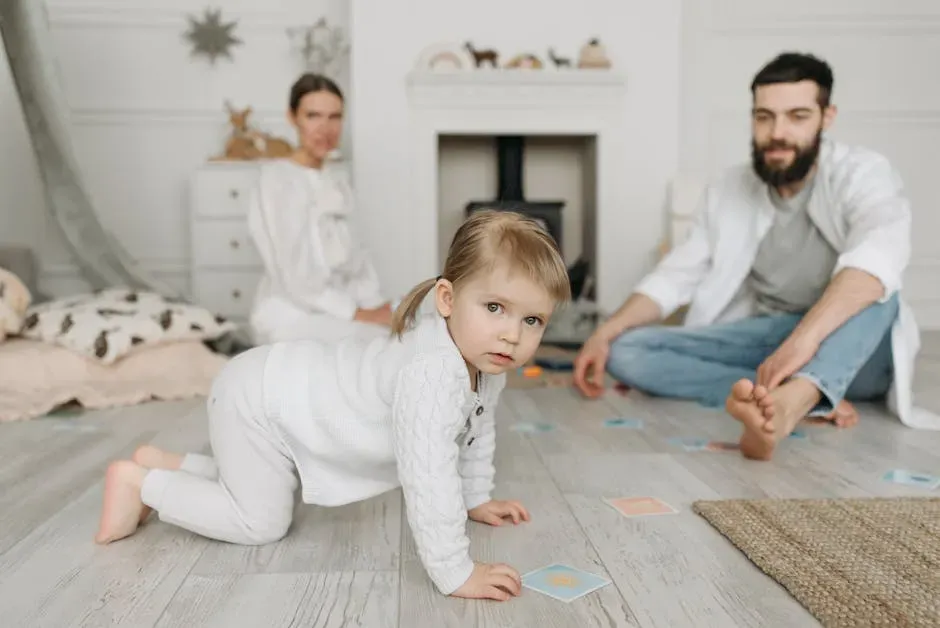
Lighthouse parenting has become a widely discussed approach to replace helicopter parenting. Like a lighthouse, parents stand firm with values and guidance, but allow children to navigate their own course. The metaphor is apt. Children still need the light, but they also need room to steer.
A trend known as FAFO parenting emphasizes letting children learn from safe, natural consequences. Instead of rushing to fix every problem, parents step back and allow kids to solve challenges on their own. This builds resilience, critical thinking, and decision-making skills. An environment that grants children age-appropriate independence, paired with a reliable adult nearby, produces some of the calmest and most confident kids researchers observe across studies.
What these twelve environments share isn't wealth or square footage or any particular geography. They share predictability, warmth, presence, and enough breathing room for children to actually be children. That combination, more than anything else, seems to be where peace begins.