
There’s a quiet but very real reckoning happening inside the average home right now. Shelves are overflowing, closets won’t close properly, and a growing number of people are finding that their living spaces feel more like storage units than sanctuaries. The term “clutter overload” has moved beyond a casual complaint into something that researchers, professional organizers, and everyday homeowners are taking seriously.
What makes this moment different from previous decluttering cycles is the scale of the shift. People aren’t just tidying up for a weekend. They’re rethinking how much they own, why they bought it, and what kind of home environment they actually want to live in. The changes rippling through home organization right now are driven by both psychology and practicality.
The Numbers Behind the Clutter Problem
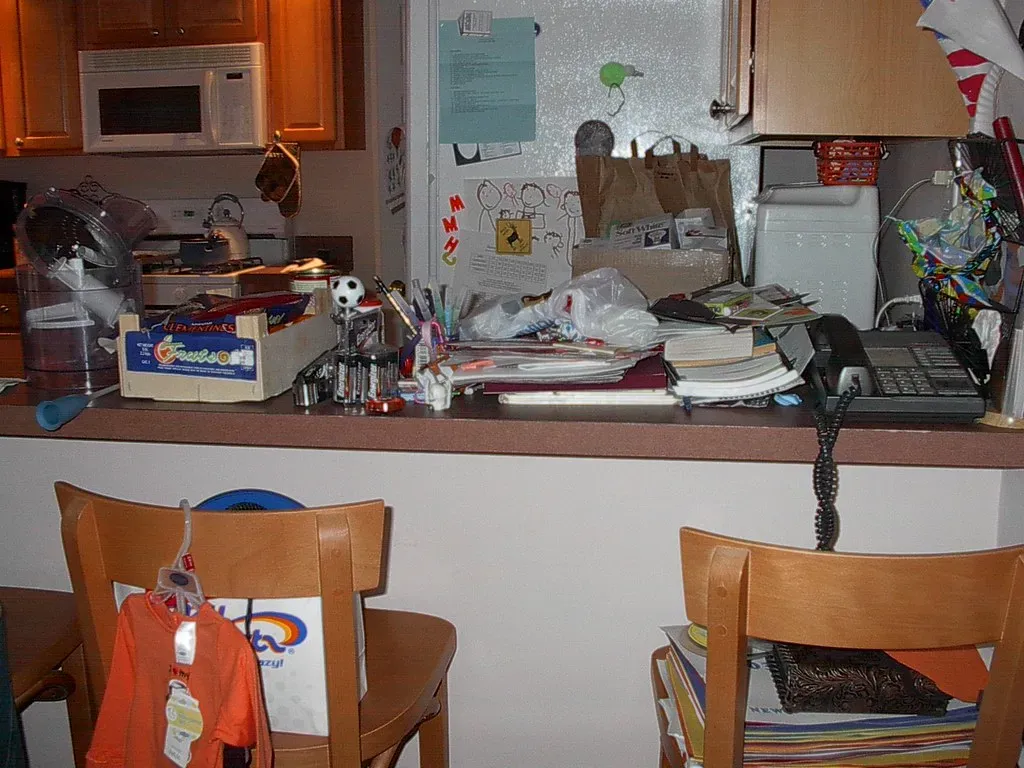
The Numbers Behind the Clutter Problem (lorda, Flickr, <a href="https://creativecommons.org/licenses/by-sa/2.0/" target="_blank" rel="noopener">CC BY-SA 2.0</a>)
A 2025 YouGov survey found that roughly four in ten U.S. adults describe their homes as cluttered, with nearly one in ten describing it as “very cluttered” and nearly a third saying “somewhat cluttered.” That’s a substantial portion of the population living with a daily friction they may not fully realize is wearing them down.
Consumer research found that Americans lose about five items per month and spend nearly 17 hours per year searching for misplaced belongings, highlighting the tangible impact of disorganization on daily time budgets. A June 2024 industry report found that the average American adult keeps 6.2 unworn items in their wardrobe, representing approximately 1.6 billion never-used garments nationwide. These aren’t abstract statistics. They’re minutes lost every morning and money spent on things that never leave the closet.
Clutter and Mental Health: What the Research Shows
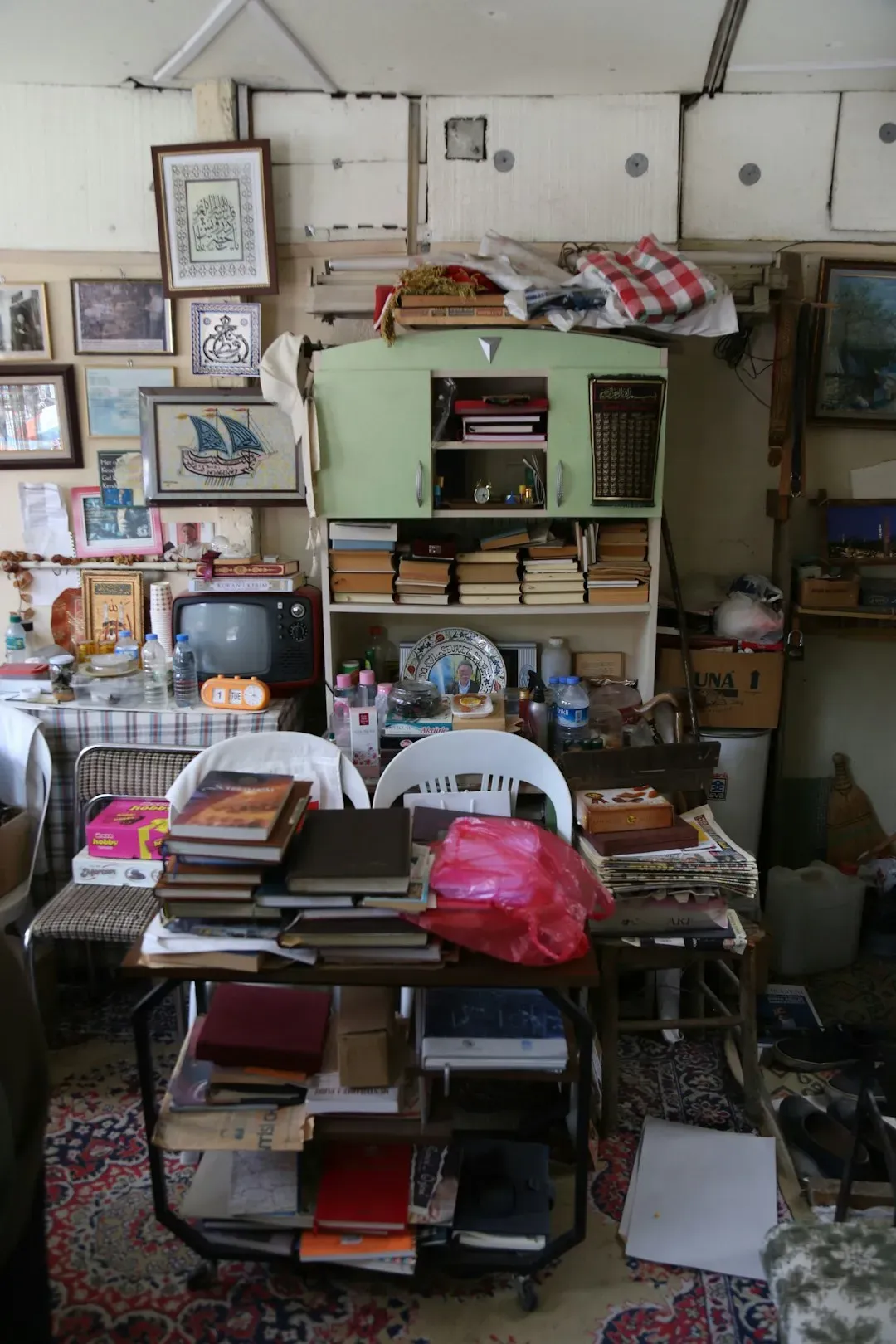
Clutter and Mental Health: What the Research Shows (Image Credits: Unsplash)
Studies have shown that people living in cluttered spaces often experience increased cortisol levels, a primary stress hormone, leading to heightened anxiety and reduced focus. The chaos of an unorganized environment can mirror the chaos in our minds, making it difficult to relax or concentrate. This isn’t just anecdote. The physiological connection between visual disorder and stress response is well established in the research.
In one study, women who described their homes with positive language had a lower level of the stress hormone cortisol than women who described their homes as cluttered or unfinished. Clutter impairs memory, leads to poor eating habits, and decreases impulse control. It also increases the risk for developing mood disorders and interferes with concentration and decision-making. For many people, the home environment they’ve built up over years is quietly working against them.
Why Homes Got This Way in the First Place
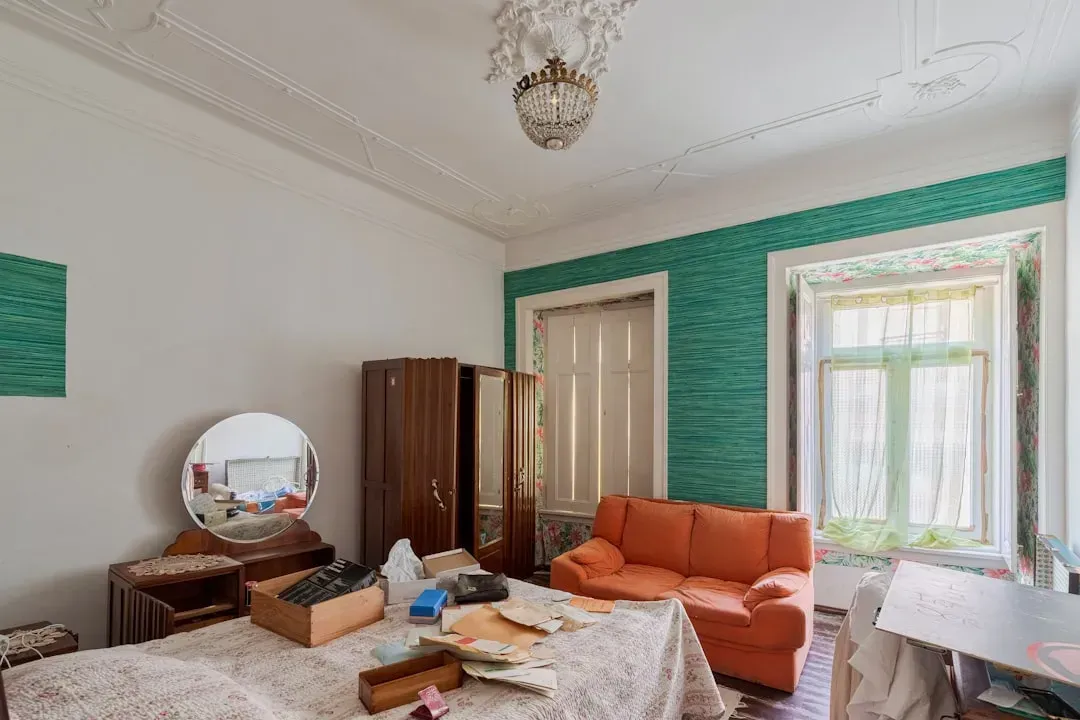
Why Homes Got This Way in the First Place (Image Credits: Unsplash)
One of the biggest New Year’s resolutions in America over recent years has been to declutter and simplify the home and lifestyle. People have become more ruthless than ever about which items deserve a spot in their homes and which ones no longer serve them. Still, intentions don’t always match outcomes. Stuff keeps coming in faster than it goes out.
The rise of underconsumption as a cultural reaction has been linked directly to economic pressures faced by Generation Z and Millennials, specifically post-pandemic inflation spikes and the rising cost of housing and consumer goods. It serves as a visual counter-narrative to “haul culture,” where influencers display large quantities of newly purchased clothing or cosmetics. Decades of easy online shopping, fast fashion, and algorithmic advertising created an almost irresistible pipeline of stuff into the home.
The Self-Storage Industry as a Mirror
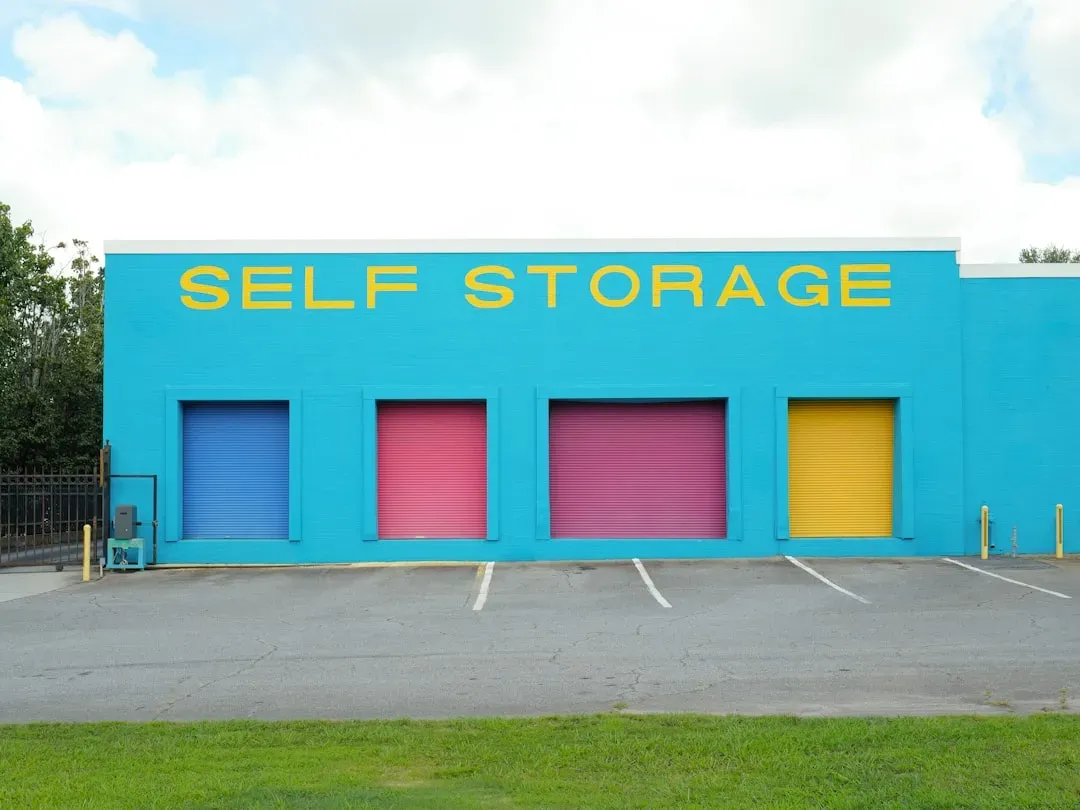
The Self-Storage Industry as a Mirror (Image Credits: Unsplash)
Roughly a third of Americans are now relying on self-storage to manage their extra belongings, according to StorageCafe’s annual survey on renter demand and habits. That single figure says a lot about how far beyond capacity many homes have stretched. There are more than 50,000 self-storage facilities nationwide, more locations than all Subway, Dollar General, and CVS outlets combined. Overall, the self-storage industry is valued at approximately $44.3 billion, according to the 2024 Self-Storage Almanac.
High mortgage rates have basically locked millions of Americans into home sizes that no longer fit their lives, a trend reverberating through the self-storage market. Roughly one in six Americans has already rented a storage unit just to cope with the mismatch, and another quarter are thinking about it. People aren’t storing less. They’re just redistributing the overflow elsewhere, which is a temporary fix for a deeper issue.
The Shift Away from Aesthetic Organization
The Shift Away from Aesthetic Organization (Image Credits: Unsplash)
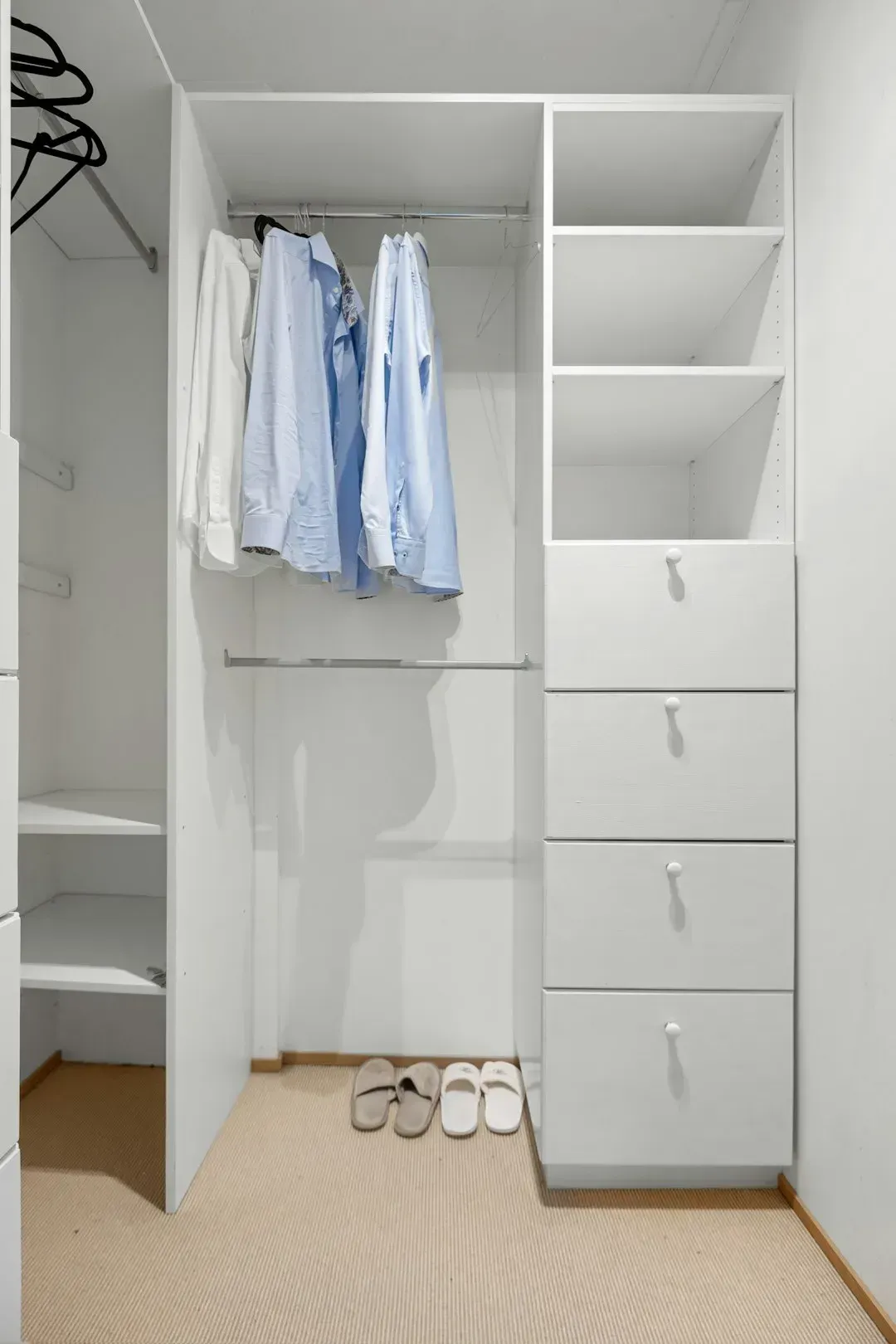
The days of perfectly styled aesthetic organization appear to be fading. Many people got drawn into TV shows and Pinterest boards during the pandemic and believed that everything needed to be color-coordinated and stored in clear plastic containers to truly be organized. Over time, people started to realize that these so-called methods aren’t really methods at all. They’re interior design. They’re not functional for a real-life family with a real-life busy schedule.
The biggest professional tip from organizers in 2025 has been: keep it simple. Organizing should be something that helps you live more efficiently and with less stress, not something that causes anxiety because you’re attempting to maintain a complex, hyper-categorized system. The industry is clearly moving past the era of performative tidiness and toward something more durable and honest.
Intentional Living and the Underconsumption Wave
Intentional Living and the Underconsumption Wave (Image Credits: Unsplash)
Underconsumption is not a new trend, but it took off on TikTok in mid-2024. It was initially framed as an antidote to overconsumption, a counterweight to trend-chasing and post-pandemic splurge spending. Enthusiasts on social media urged consumers to find joy in buying less and resisting the pressure to opt into trends. Then, in 2025, the underconsumption movement picked up speed as people grew increasingly tired of clutter, subscription creep, and fast-fashion waste.
Underconsumption reframes value around intention rather than accumulation. Owning less becomes less about deprivation and more about control, choosing what genuinely earns space in your life. As the calendar turned to 2026, home organizing has become less about perfection and more about smart, intentional living, with these emerging trends making daily life easier while also enhancing a home’s appeal and value.
Sustainable Materials Are Replacing Plastic Bins
Sustainable Materials Are Replacing Plastic Bins (Image Credits: Rawpixel)
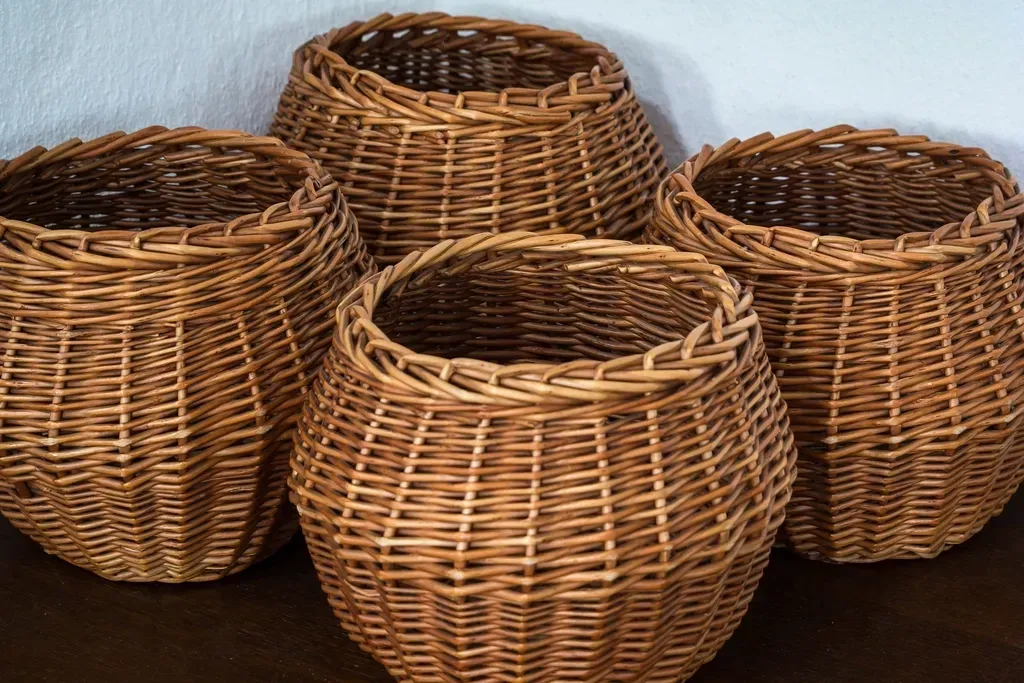
Flimsy plastic bins are largely out in 2026. Biophilic decluttering and organizers crafted from sustainable materials are in. Homes are moving away from plastic bins and embracing natural materials like bamboo, rattan, seagrass, wood, and woven baskets. These materials feel warmer, last longer, and look intentional rather than purely functional.
Materials like acacia wood, bamboo, and recycled felt are stronger and won’t break as easily, so people won’t be replacing them as often. The global home organization products market was valued at over $14 billion in 2024 and is projected to grow to nearly $22 billion by 2035, with key drivers including the rising trend of decluttering, minimalist lifestyles, and the increasing demand for specialized and customized organization solutions. The materials shift is both aesthetic and economic.
Technology and Digital Clutter Enter the Picture
Technology and Digital Clutter Enter the Picture (Image Credits: Pexels)
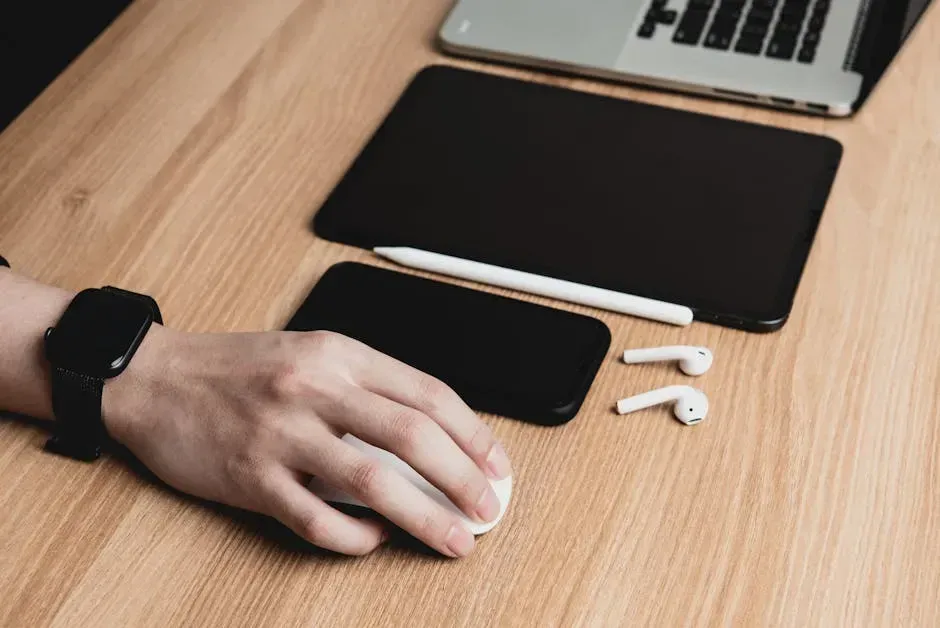
Digital decluttering is becoming just as important as physical organization. With the rise of smart home technology, professional organizers find that the two are increasingly intertwined. Technology continues to revolutionize how people organize their homes, making the process more efficient and intuitive. Integrating smart technology into home organization tools and systems has significantly shifted the process from manual to automated. Apps that help catalog and manage household items, alongside automated storage systems, enable homeowners to maximize space, reduce clutter, and maintain a more organized home with less effort.
AI is slowly seeping into the world of organization and is becoming a notable trend. Programs like InstantDecoAI analyze photos of a room to identify clutter and can even suggest new ways to lay out the space. This can be especially helpful for people who don’t know where to start with decluttering or simply can’t see through the clutter to imagine their space differently. These tools lower the barrier to actually getting started, which has historically been the hardest part.
Organization as a Form of Self-Care
Organization as a Form of Self-Care (Image Credits: Pexels)
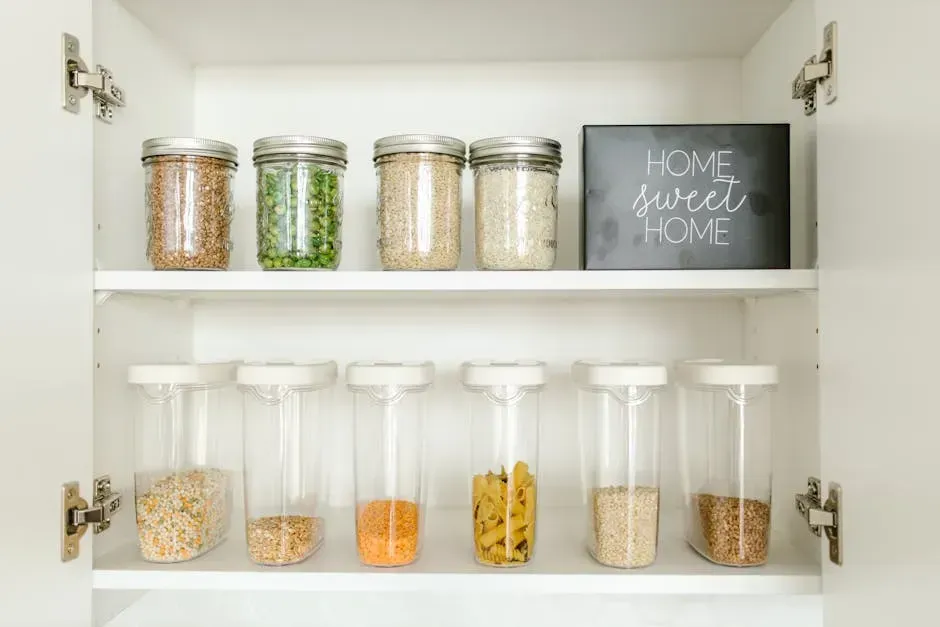
A calm, clutter-free home is now widely viewed as a form of self-care. Simple daily reset routines and well-designed storage systems help reduce stress and make homes feel more peaceful and livable. This framing is relatively new. For a long time, organizing was treated as a chore. Now it’s being discussed in the same breath as sleep hygiene and mental wellness.
Experts in psychology and organization have observed that decluttering can significantly improve mood and mental health. A tidy, organized space can foster a sense of control and accomplishment, which in turn boosts self-esteem and even improves sleep quality. A clean and decluttered bedroom helps promote better sleep. Clutter doesn’t just disappear when we go to bed, and people who sleep in cluttered rooms are more likely to have sleep problems, including difficulty falling asleep and being disturbed during the night. The physical environment and personal wellbeing are more connected than most people realize.
What Organization Looks Like in 2026
What Organization Looks Like in 2026 (Image Credits: Pexels)
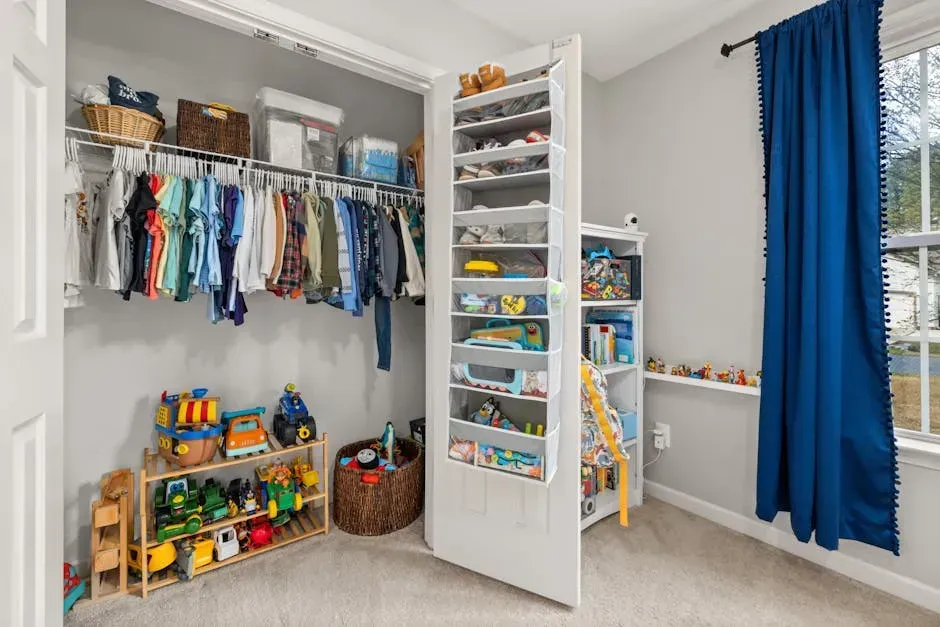
Aggressive decluttering is no longer as popular as it once was. In 2026, it appears to be less about owning as little as possible and more about owning and organizing with purpose. People want confidence in what they keep, and spaces that reflect who they’re becoming rather than what they’ve managed to discard.
Homes are increasingly being organized around daily rhythms rather than just categories. Organizers are now designing systems around things like morning routines, workout regimes, travel prep, or hosting. When storage is designed around behavior rather than convention, organization stops feeling like effort. Visibility over what people own has also emerged as a key home organization trend for 2026, reflecting a broader desire to be aware of, and accountable for, what occupies shared space. The clutter problem didn’t appear overnight, and the solution unfolding now is just as gradual, and arguably more lasting.