
Most people treat a dollar bill as practically disposable. It buys a piece of gum, helps make change, or sits forgotten at the bottom of a bag for months. What very few people realize is that a small fraction of those ordinary-looking notes carry serial number patterns so unusual that serious collectors will pay hundreds, thousands, or in some cases tens of thousands of dollars to own them.
The reason a dollar bill might be worth more than its face value usually comes down to its serial number. Dollar bills have maintained the same design since 1963, which means opportunities to find rare ones are fewer compared to coins. Instead, valuable dollar bills almost always feature particular and unusual serial numbers. Before you spend that crumpled bill in your wallet, take ten seconds to glance at the numbers printed on the front. It could change your afternoon.
What "Fancy" Actually Means in the Collector World
What "Fancy" Actually Means in the Collector World (Image Credits: Unsplash)
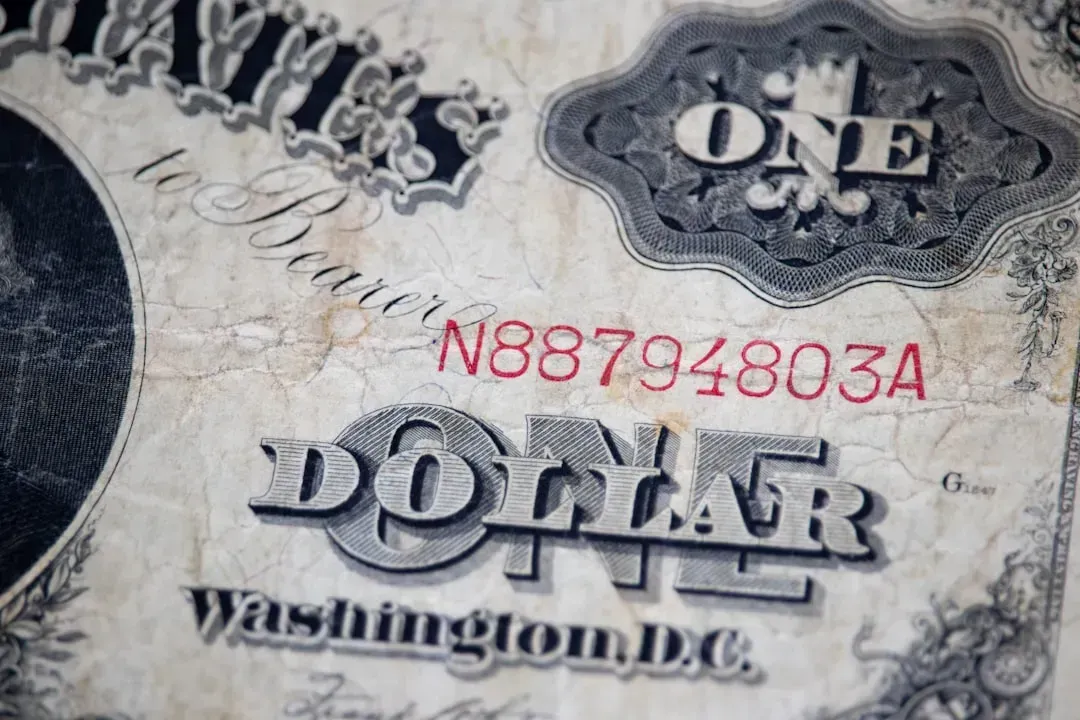
Numismatists classify “fancy” serial numbers into distinct categories based on mathematical arrangements. It’s a term that sounds casual, but within the currency-collecting community, it carries real weight. A fancy serial number isn’t just any interesting-looking number. It has to fit a recognized pattern that collectors actively hunt for.
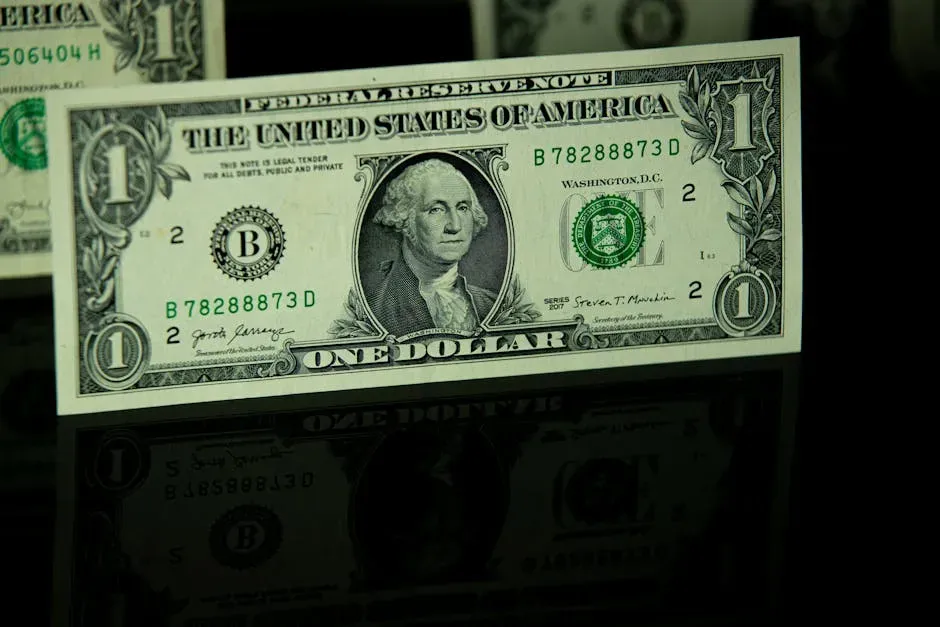
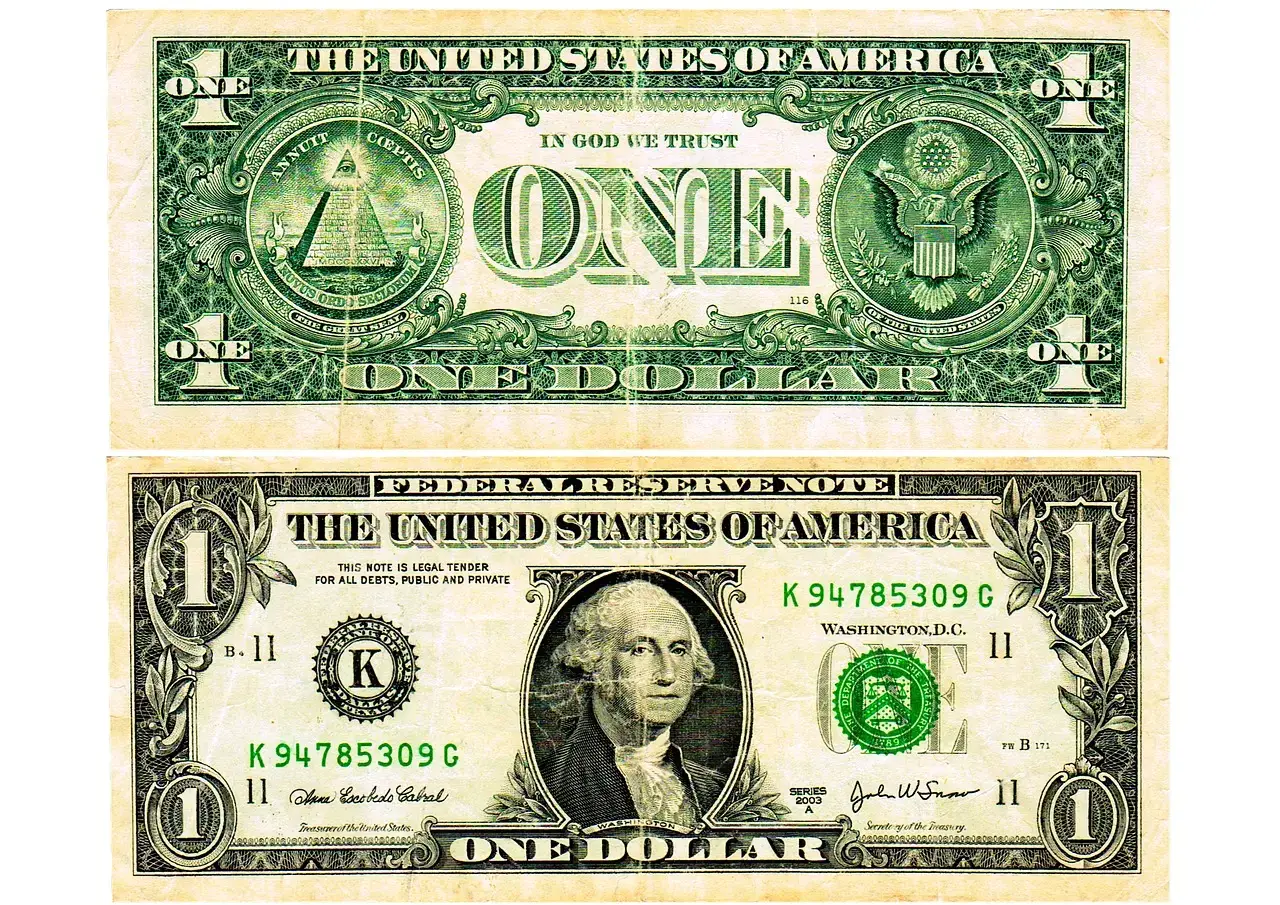
Serial numbers are eight-digit codes that are unique to each bill. They are accompanied by other identifying letters and numbers that tell us which series year the bill is from and where it was printed. They are found on the front of U.S. currency and are always printed twice. That repetition makes it easy to verify that both sides of the bill match, which matters a great deal when authenticity is on the line.
The Solid Serial Number: Every Digit the Same
The Solid Serial Number: Every Digit the Same (Image Credits: Unsplash)
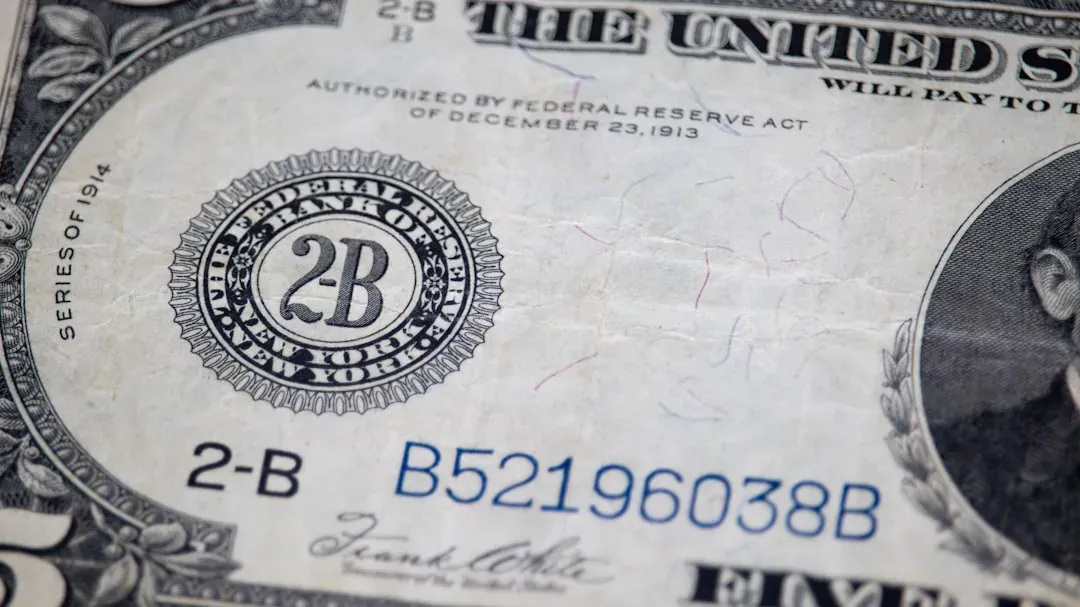
A solid serial number is one where every digit is the same, like 55555555. Only about one out of every 11 million notes is a solid, and they can be worth $500 or more. Some super-rare ones are listed on eBay for thousands of dollars. These are widely considered among the most visually striking of all fancy serial patterns, and the collector demand reflects that.
The rarer the pattern, the less condition matters. For example, a circulated $1 bill with a solid “88888888” serial number could still be worth $300 to $500 to the right collector, despite showing wear. That’s a notable point. Most collectibles lose significant value the moment they’re used. Solid serial numbers are so uncommon that even worn examples hold their appeal.
Ladder Numbers: The Sequential Holy Grail
Ladder Numbers: The Sequential Holy Grail (Image Credits: Pexels)
True ladders display consecutive ascending (12345678) or descending (87654321) digits, making them extraordinarily rare finds. Collectors pay between roughly $600 and $2,100, depending on condition and completeness. The descending variety is actually scarcer than ascending because most series never reach the highest sequential numbers before production ends.
Experts confirmed that a ladder serial number is a pattern collectors pay enormous sums for, especially when found in pristine condition. The chances of finding one of these bills is 1 in 10 million or more, depending on the type. For perspective, you’d have better odds stumbling onto one in an inherited cash collection or old savings envelope than in everyday pocket change.
Radar Notes: Palindromes That Read the Same Both Ways
Radar Notes: Palindromes That Read the Same Both Ways (Image Credits: Pixabay)
Radar serial numbers read identically forward and backward, earning their name from the palindromic word “RADAR.” A basic radar in uncirculated condition sells for around $25 to $50, but super radars elevate the concept considerably. When only the end digits differ, such as 27777772, values jump to $100 to $200, even on $1 bills.
Radars are one of the more accessible fancy number categories, meaning there’s a reasonable chance someone could find one without even trying. Radar and repeater notes are more common than ladders but still highly collectible. Think of them as the entry point into the hobby. Plenty of collectors started by finding a radar in their change and suddenly couldn’t stop checking every bill they touched.
Repeaters and Super Repeaters: Patterns Within Patterns
Repeaters and Super Repeaters: Patterns Within Patterns (Image Credits: Unsplash)
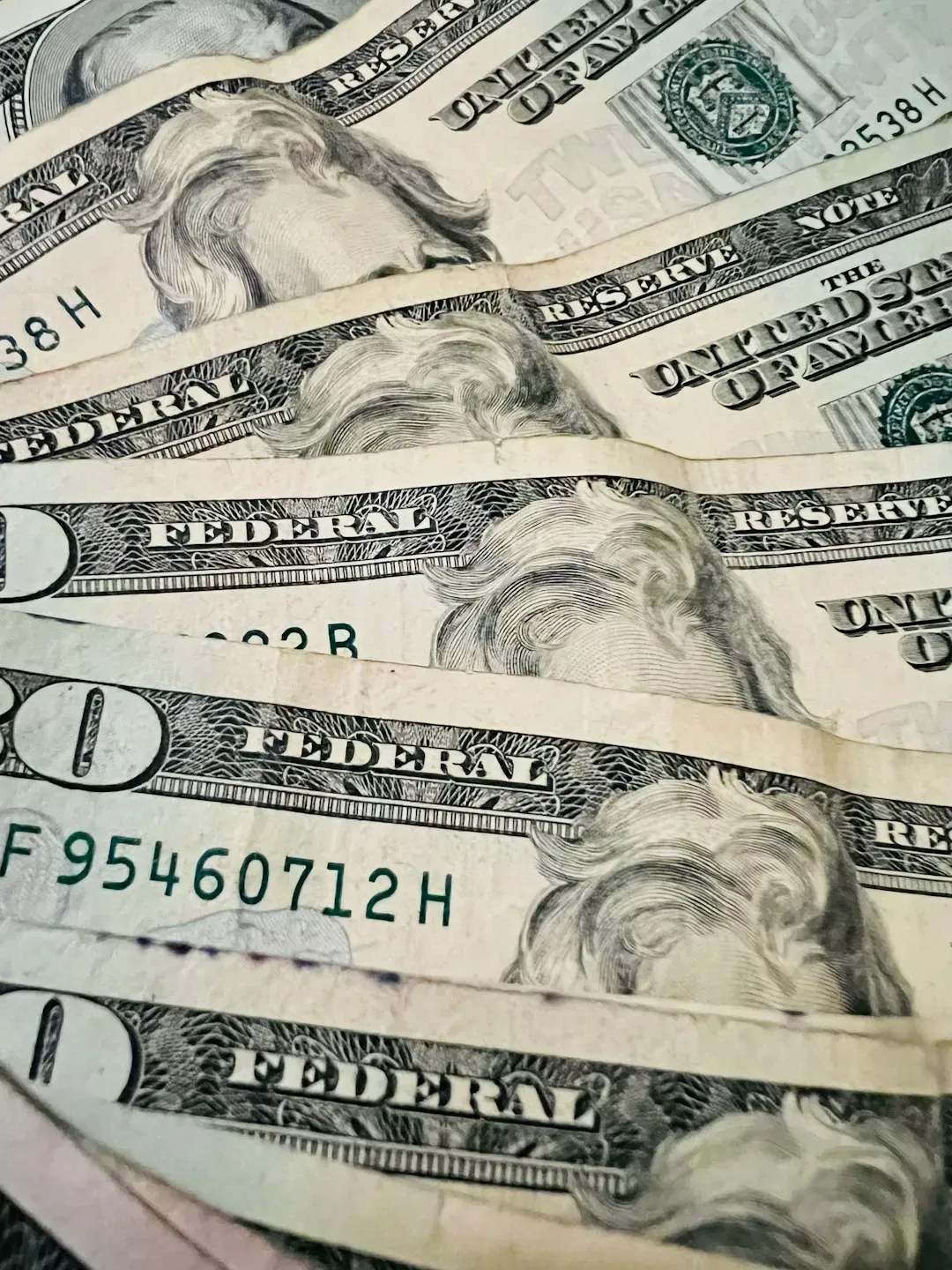
The first four and last four digits mirror each other in repeaters, like 83428342 or 67546754. These patterns occur more frequently than ladders or solids but still command $25 to $50 premiums. Collectors specifically seek repeaters in which the repeated block forms another fancy pattern.
When just two digits alternate four times, like 98989898 or 71717171, the value jumps to $80 to $120 above face value. These are significantly rarer than standard repeaters, occurring roughly once per 100,000 bills. The combinations 10101010 and 01010101 are particularly prized, sometimes fetching $200 or more. Super repeaters have a clean, almost hypnotic quality to them, which explains why they attract so many collectors even beyond serious numismatists.
Low Serial Numbers: The Closer to Zero, the More Valuable
Low Serial Numbers: The Closer to Zero, the More Valuable (Image Credits: United States Government, <a href="https://commons.wikimedia.org/w/index.php?curid=196450" target="_blank" rel="noopener">Public domain</a>)
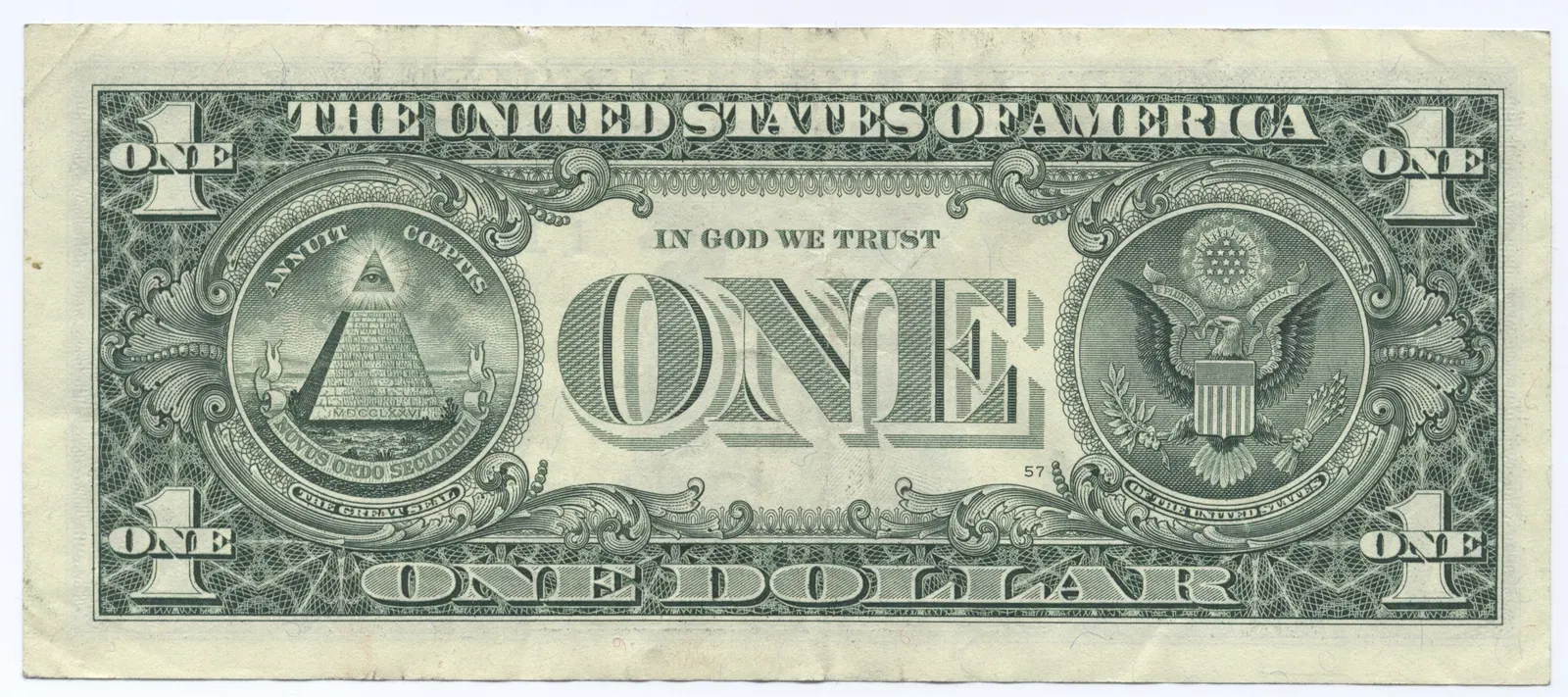
Serial numbers below 00001000 command premiums starting at $300, with 00000001 reaching $15,000 for recent series. The first bills printed in any run receive these coveted designations, making them inherently scarce. The logic is simple: there can only ever be one bill numbered 00000001 per series per Federal Reserve district, and the odds of it circulating into your hands are minuscule.
A 2013 $1 bill with serial number G00000001I, the very first in its print run, sold for around $15,000 at auction. The rarest, like those starting with seven zeros followed by 01, are like winning the lottery because only 96 such bills exist per print series, and few ever circulate. Most of them get held by officials or collectors the moment the printing is complete.
Binary Bills: Only Two Digits, Surprisingly Valuable
Binary Bills: Only Two Digits, Surprisingly Valuable (Image Credits: Pexels)
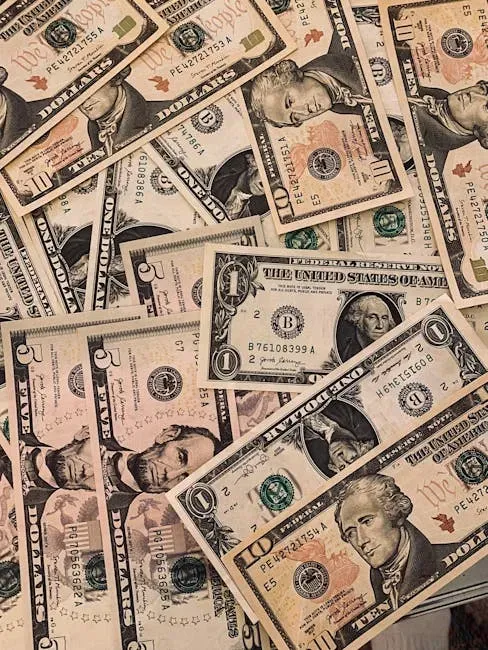
Any serial number containing only two different digits qualifies as a binary, such as 77373773 or 29299299. True binaries using exclusively 1s and 0s bring $40 to $150 because they evoke computer code aesthetics. Regular binaries add another $20 to $75 to the face value. The 1s and 0s variety tends to attract a slightly different kind of collector, one who appreciates the visual reference to digital code.
Binary bills have serial numbers with only two numbers, such as 29299299. A near-solid would count as one of these binary notes since it only includes two numbers. On eBay, some binary notes can go for more than $300, especially if they’re low or high as well. Stacking fancy categories on a single bill is where values can start climbing quickly.
Star Notes: The Replacement Bills Collectors Love
Star Notes: The Replacement Bills Collectors Love (Image Credits: Unsplash)
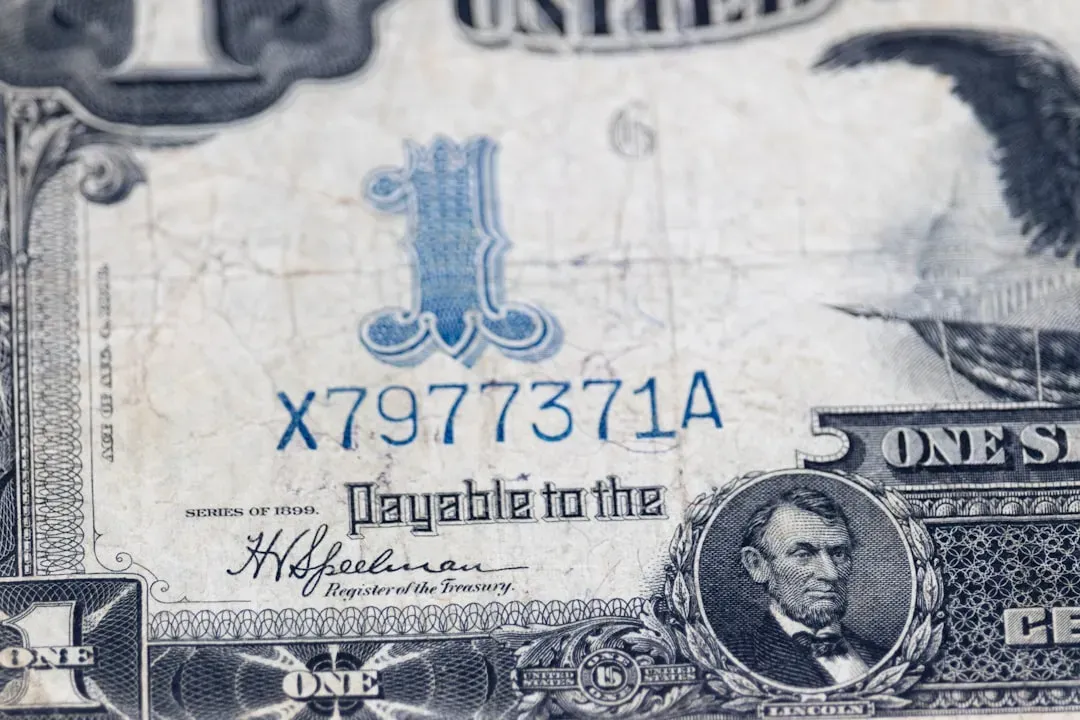
Some bills have a star instead of a letter at the end of their serial number. Known as star notes, these bills are replacements issued when the original bill had a printing error. Because it’s against policy to produce a dollar’s serial number more than once, the mint simply adds a star to the end. These printing errors aren’t common, so there aren’t many star notes in circulation.
Star notes are replacement notes, and some print runs are quite large. The combination of the star with a fancy pattern, or a star from a small print run, is what creates real value. Star notes range from $5 for plain examples to $300 or more for desirable series. Finding a star note with any of the other patterns mentioned above essentially multiplies the interest level considerably.
The 2013 Misprint Error: A Printing Mistake Worth Up to $150,000
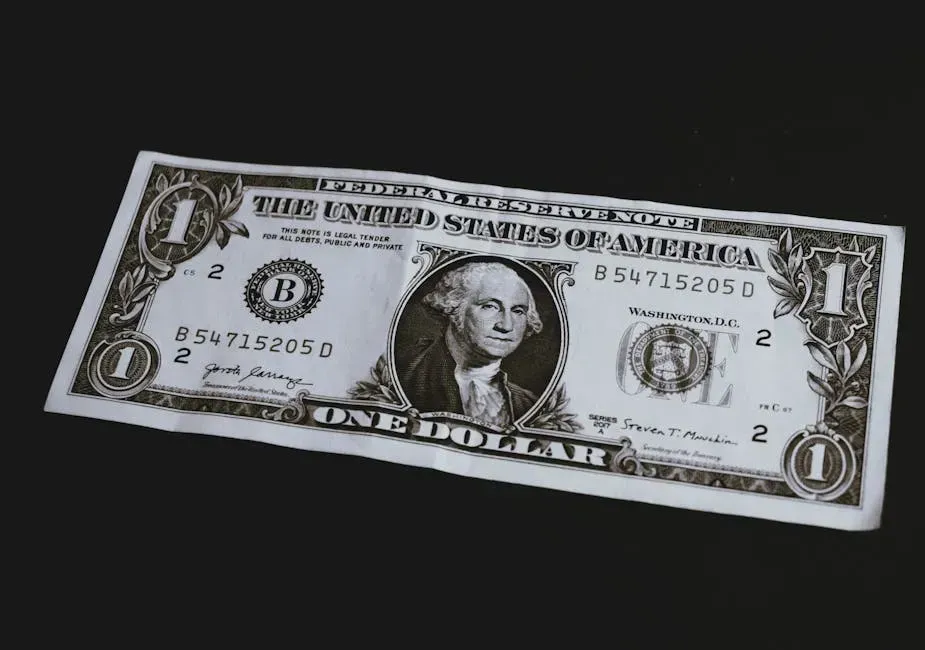
The 2013 Misprint Error: A Printing Mistake Worth Up to $150,000 (Image Credits: Pexels)
In 2014, the Federal Reserve ordered a batch of one-dollar bills to be printed at its Washington, DC branch. Two years later, the same batch was printed at the Federal Reserve in Fort Worth, Texas. Due to a miscommunication, both branches printed bills with matching serial numbers. This kind of error is supposed to be impossible, which is exactly what makes these bills so extraordinary.
Although millions were printed, only 37 pairs have been discovered. Depending on their condition, these pairs can sell for at least $20,000, with mint-graded notes reaching as much as $150,000 at auction. To identify these valuable bills, look for the series date “Series 2013,” a Federal Reserve Seal marked “B,” and a serial number ending with a star in the range B00000001* through B00250000* or B03200001* through B09600000*.
Flipper Bills: Numbers That Work Upside Down
Flipper Bills: Numbers That Work Upside Down (Image Credits: Pexels)
Turn certain bills upside down, and the serial number reads identically. This optical trick requires digits that mirror themselves when inverted, primarily 0s, 6s (which become 9s), 8s, and occasionally 1s. Flippers sell for a few dollars up to several hundred, depending on pattern complexity and condition.
A flipper is a note whose number can be read right side up or upside down, such as 0069000. Most collectors will want to see a combination of 0s, 6s, and 9s on flipper serial numbers, though some may accept flippers with 1s and 8s. On eBay, flippers cost a few dollars up to several hundred dollars. They’re one of the few fancy categories where a casual collector can find something worthwhile without spending serious money to acquire it first.
Birthday Notes and Calendar Dates: Personal History in a Serial Number
Birthday Notes and Calendar Dates: Personal History in a Serial Number (Image Credits: Unsplash)
Birthday notes are bills that have serial numbers that coincide with an important date, such as 07201969 for July 20, 1969. Collectors will pay a premium if the date pertains to significant historical events. The value here is partly emotional, partly historical, and entirely dependent on finding a buyer who connects with the specific date. Still, the market for them is real.
If the bills have a year in the serial number, like “1994,” they can be a neat gift for someone born in that year or who got married then. This is one area where personal significance can drive prices well above what pure pattern rarity might suggest. A bill displaying a famous birthday, moon landing, or national holiday can attract competitive bidding from collectors and enthusiasts alike.
How Condition Affects Everything
How Condition Affects Everything (Image Credits: Unsplash)
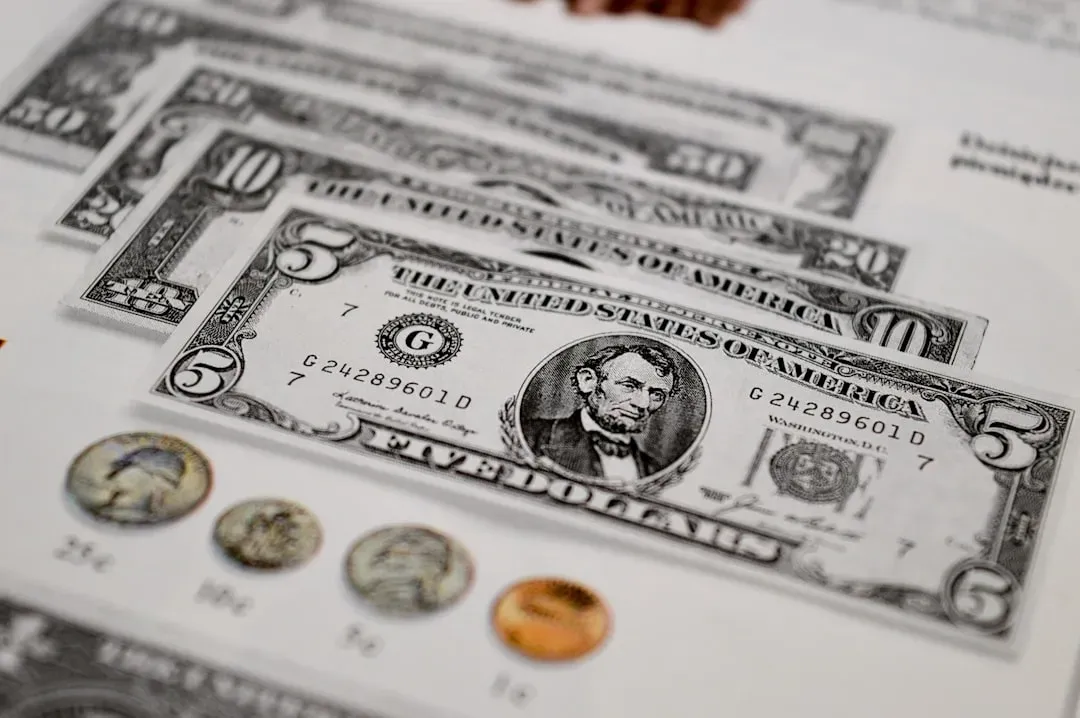
The condition of a dollar bill is a primary factor in its value. To standardize this, the Paper Money Guaranty (PMG) created a 70-point grading system inspired by the Sheldon Grading Scale for coins. A note graded in the upper tiers of that scale, described as Exceptional Paper Quality, is essentially untouched and commands the highest prices at auction.
Condition matters: crisp, uncirculated bills with no folds or marks sell highest, but even worn ones can go for hundreds depending on the pattern. Use currency sleeves made of Mylar or polyethylene to protect your notes. Store them in dry, dark, cool environments to prevent fading. Avoid folding or stapling. Consider professional grading for high-value notes via PCGS or PMG. Once a bill is folded, that crease never fully disappears, and it can meaningfully reduce what a collector is willing to pay.
How to Check Your Bills and Where to Sell Them
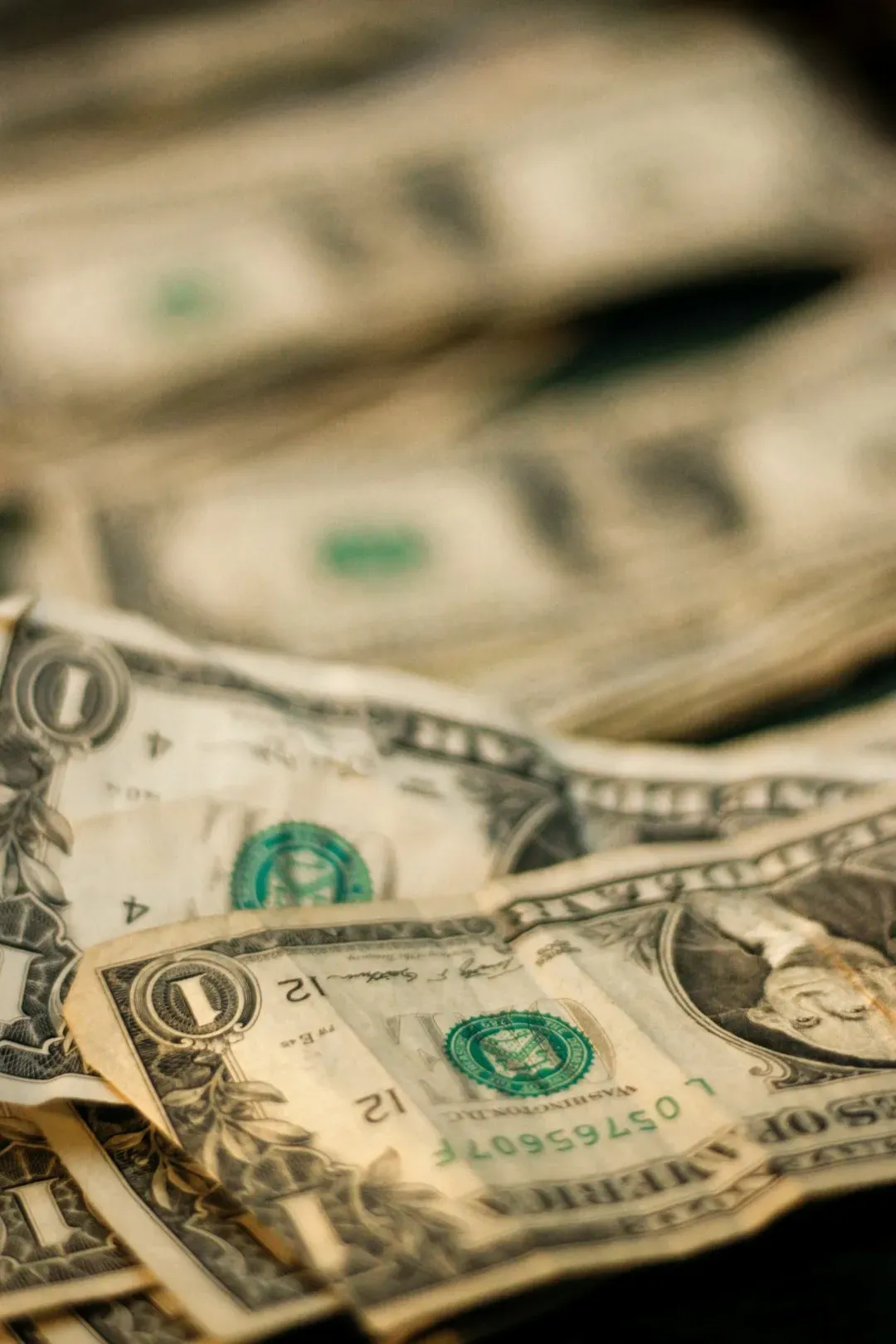
How to Check Your Bills and Where to Sell Them (Image Credits: Unsplash)
Online checkers like banknoteserialchecker.com instantly identify valuable patterns, though experienced collectors spot them at a glance. There are also free tools on sites like serialworth.com and dollarbillvalue.com that allow anyone to enter an eight-digit serial number and immediately see if it matches any known fancy categories. The process takes less than a minute.
The best places to sell valuable dollar bills include coin shops, currency collectors, and trusted online platforms. Before selling, get your bills appraised by an unbiased professional to ensure a fair valuation. When buying or selling fancy serial number bills, be wary of inflated asking prices. Research completed sales rather than just listings to understand fair market values. For selling, patience often yields better results than accepting the first offer.