
There’s something quietly compelling about looking back at how people fell in love in the 1960s. It wasn’t effortless or perfectly polished, but it had a texture that modern romance largely lacks: a set of rituals, expectations, and small gestures that made the process of meeting someone feel genuinely meaningful. The era sat at a restless crossroads, with tradition inherited from the postwar years on one side and a gathering social revolution on the other.
What emerges from that tension is a snapshot of courtship that is both charming and complicated. Dating, courtship, going out, going steady – whatever you called it, it was a different concept in the 1960s than the internet-laden landscape of the 21st century. The decade gave us some of the most recognizable romantic rituals in American history, and many of them still resonate today in ways that are worth understanding.
A Society That Took Courtship Seriously
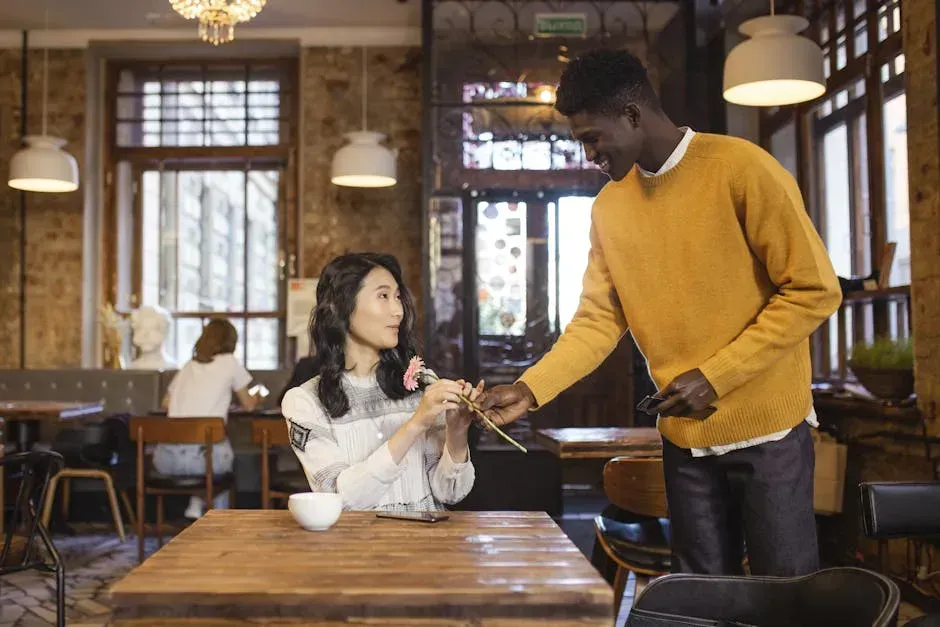
A Society That Took Courtship Seriously (Image Credits: Pexels)
The 1960s were a time of transformation and rebellion, yet dating customs remained rigid and formal compared to today’s standards. The decade was steeped in etiquette, with strict rules that guided the interactions of young couples. That formality wasn’t simply social pressure for its own sake. It reflected a broader cultural belief that romance was something you prepared for, not something you stumbled into.
Courtship was a much bigger deal in those days, with most women wanting to find a polite gentleman who would take them on a nice date and maybe even give them a kiss goodnight. In 1960, nearly three quarters of all adults ages 18 and older were married. Marriage wasn’t a distant aspiration – it was a near-universal expectation, and courtship was understood as the structured path toward it.
Meeting in Person, Entirely by Chance
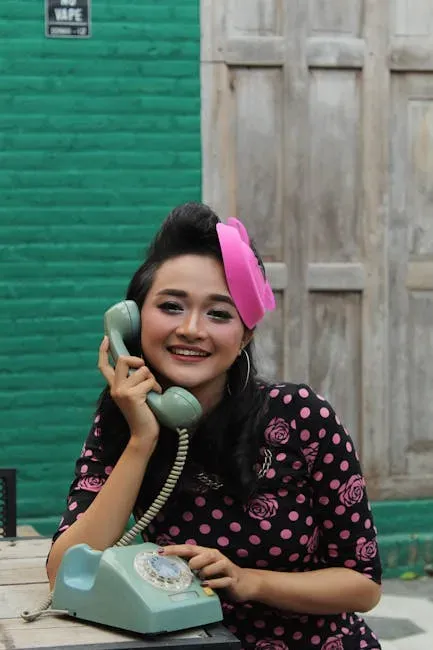
Meeting in Person, Entirely by Chance (Image Credits: Pexels)
For the young women of the mid-century, courtship and dating was a group affair. Getting to know the opposite sex frequently meant a gaggle of guys and girls hanging out at the ice rink, going to concerts or the cinema, having fun at someone’s house or mingling during an organized activity. There were no algorithms, no profiles, no curated photos. You met people where life actually happened.
Young people met their partners at schools and youth clubs, in jazz clubs, at work, at the bowling alley or just through friends. Dating meant hanging out with a boy, having him walk you home, and perhaps a kiss good night. The simplicity of those early encounters gave them a particular kind of weight. Every interaction meant something precisely because it was real and unfiltered.
The Elaborate Rules of Asking Someone Out
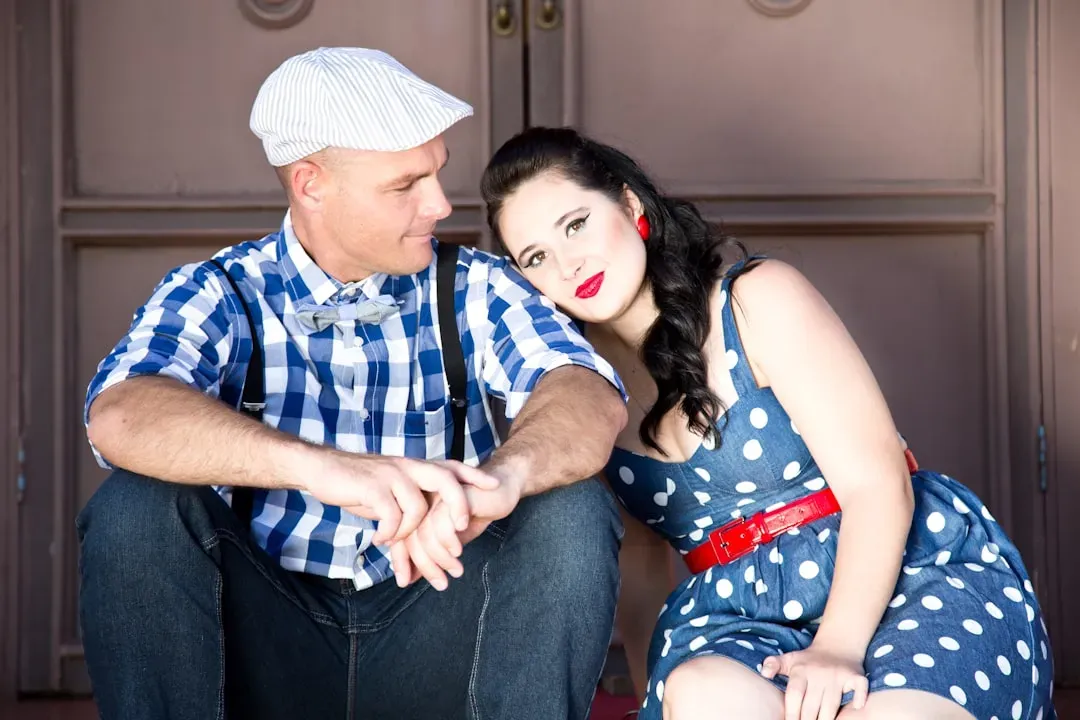
The Elaborate Rules of Asking Someone Out (Image Credits: Unsplash)
Back in the 1960s, it was customary for a young man to ask a girl’s parents for permission to date her. This respectful tradition was seen as a sign of good manners and serious intentions. It often involved a nerve-wracking conversation with the father, setting the tone for the budding romance. The very act of asking carried emotional weight that a text message simply cannot replicate.
Calling a potential date in the 1960s involved a set of unwritten rules. Boys would often call the girl’s home phone, potentially having to navigate a conversation with a parent first. This etiquette was about respect and added a layer of anticipation to the dating process. Courage was a prerequisite. That alone made the eventual yes feel genuinely earned.
Dressing Up as an Act of Respect

Dressing Up as an Act of Respect (Image Credits: Pixabay)
Young couples dressed in their finest for dates, reflecting the formal nature of courtship. Today, casual attire is the norm, with comfort often prioritized over formality. For modern teenagers, the idea of wearing a suit or a formal dress for a casual date seems excessive. Yet, these dress codes were seen as a sign of respect and effort, adding to the overall seriousness of dating.
Boys were expected to wear a sports coat and tie for dates, while girls had strict rules about skirt lengths and appropriate necklines. Even casual dates required proper attire; no jeans or T-shirts were allowed. Looking the part was part of the courtship itself. It communicated that the other person was worth the effort, and that message came through clearly.
Going Steady: A Commitment With Ceremony

Going Steady: A Commitment With Ceremony (Image Credits: Unsplash)
Going steady was a hallmark of midcentury dating. This term meant that a couple had agreed to date each other exclusively, taking a major step toward a more serious relationship, often with the intent to marry. It wasn’t a casual arrangement made over a weekend. It was a public declaration with real social consequences attached to it.
When a couple decided to go steady, it was a serious commitment that came with specific rituals. The boy would give the girl his class ring, often wrapped in yarn so it wouldn’t slip off, and she would wear his letterman jacket. This public declaration meant you were officially off the market and expected to date exclusively. Going steady, or having just one partner, became the dominant approach of the era, and may have provided a sense of security from the pressures of the postwar world.
Dinner, Dancing, and the Art of the Date Itself

Dinner, Dancing, and the Art of the Date Itself (Image Credits: Unsplash)
A classic dating staple, dinner followed by dancing was the epitome of a romantic evening in the 1960s. Couples dressed to impress and hit the town, often ending the night at a local dance hall or club. It was a sophisticated affair, and the perfect setting for a budding romance. The structure of the evening gave both people a shared script to follow, which took some of the anxiety out of the early stages of attraction.
There was a long list of dos and don’ts for both men and women on dates. Everyone needed to follow a specific etiquette when ordering food, women were not to apply powder at the table, boys were expected to pay for everything and women had to refrain from kissing on the first date. These conventions seem rigid now, but they also meant both people knew where the boundaries were, which had its own kind of clarity.
The Drive-In and the Sock Hop as Social Stages

The Drive-In and the Sock Hop as Social Stages (Image Credits: Pexels)
Drive-in theaters were more than just a place to catch the latest film in the 1960s; they were cultural phenomena, social hubs, and a unique slice of Americana. The drive-in boom peaked with over 4,000 theaters across the United States, buzzing with chatter and excitement as evening rolled around and eyes turned to those massive glowing screens. For couples, the drive-in offered a rare combination of semi-privacy and social acceptability.
Sock hops were the social event of the season, held in school gyms with records spinning the latest hits. Shoes were left at the door to protect the floors, and teens danced the night away. These events were a rite of passage, offering a safe space to socialize and potentially meet that special someone. These venues are widely credited with launching a wave of nostalgia in American pop culture that has never fully faded.
Physical Boundaries and the Language of Restraint

Physical Boundaries and the Language of Restraint (Image Credits: Pexels)
Physical contact during dates was very limited in the 1960s, with strict boundaries in place. Holding hands or a brief kiss was considered enough for young couples. Hand-holding was about as far as public displays of affection could go. Kissing in public was considered scandalous, and anything beyond that could damage a girl’s reputation permanently. These constraints could be stifling, but they also meant that small gestures carried enormous emotional significance.
Young women of the era were experiencing the shifting norms of courtship from a strict nuclear 1950s to the era of free love. Experiencing that shift meant parents still expected a polite young man who would ring them for their permission and arrive with a corsage in hand. The tension between old expectations and new freedoms was something most young couples of the decade navigated quietly, and often imperfectly.
The Social Revolution That Changed Everything

The Social Revolution That Changed Everything (Image Credits: Pixabay)
The sexual revolution of the 1960s, which introduced casual sex and questioned gender roles, contributed to the abolition of traditional courtship. Between the popularization of rock and roll and protesting the Vietnam War, 1960s youth culture was hot for revolution. Not only was it the activities of the US government that young people were resisting, but they were shirking old social conventions as well. The courtship rituals of the early part of the decade began to loosen noticeably as the years progressed.
The societal upheaval of the 1960s erased most old courtship traditions and scripts, but failed to replace them with any new mores. By the 1980s, there were few remaining rules for courtship. Clear expectations for how a couple would meet, socialize, and commit to each other were gone, leaving only uncertainty and occasional nostalgia for traditional customs. The decade essentially dismantled the system even as it was still being practiced.
What Midcentury Courtship Still Teaches Us

What Midcentury Courtship Still Teaches Us (Image Credits: Pexels)
The formal dating rituals of the earlier era began to decline and the rigidity of gender role expectations loosened. Young men and women continued to date, but the motivations became intrinsic satisfaction and increased intimacy rather than prestige or expectations of it leading to marriage. That shift toward personal meaning over social obligation was, in many ways, progress. The loss of shared ritual, though, left its own quiet gap.
In the 1960s, most men and women married by their early 20s. In the US, roughly two thirds of married couples now cohabited before marriage, compared to just over one in ten in the 1960s. The contrast between then and now is striking. The midcentury model had real flaws, but it also carried a seriousness of intent – an understanding that romance mattered enough to be worth dressing for, asking permission for, and showing up on time for. That part, at least, still holds up.