
Most families sense it before they can name it. A conversation at Thanksgiving turns tense. A parent feels dismissed by an adult child’s silence. A grandchild stares at a phone while a grandparent tries to share a memory. These moments feel small in isolation, but researchers are increasingly recognizing them as symptoms of something much larger: a structural shift in how generations within the same family relate to each other.
The generational gap is not a new idea. The term became mainstream in the 1960s, referring to the break between one generation reaching adulthood and the next, dividing them as cohorts whose social and cultural experiences make them distinct from each other. What is different now is the speed, scale, and emotional weight of those differences. Technology, mental health awareness, changing economic realities, and new relationship norms are combining to reshape family life in ways that are still unfolding.
What the Gap Is Actually Made Of
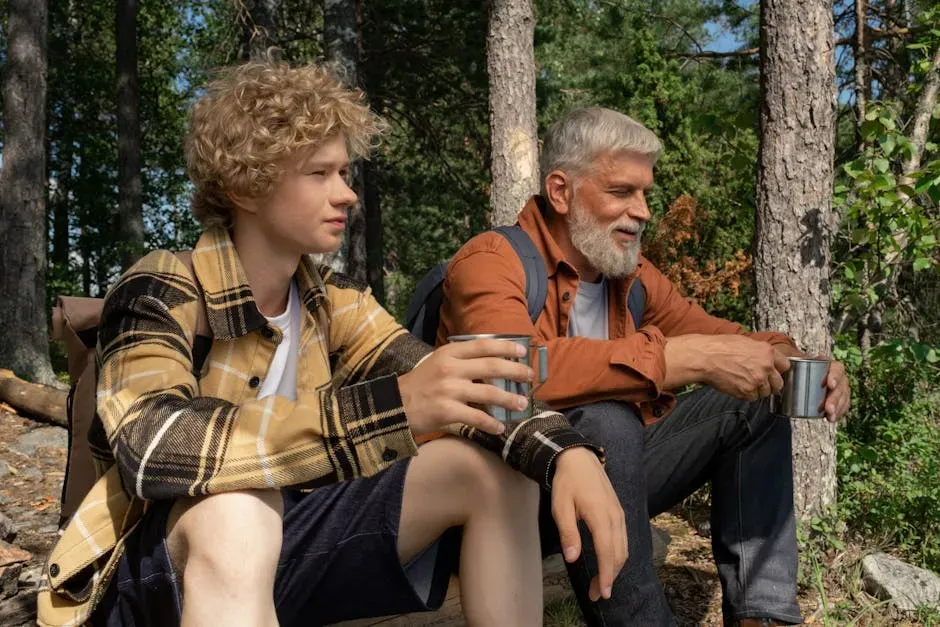
What the Gap Is Actually Made Of (Image Credits: Pexels)
A generational gap is fundamentally a difference of opinions and outlooks between one generation and another. These differences may relate to beliefs, politics, language, work, demographics, and values. That covers a lot of territory. In practice, it means that a parent who grew up valuing loyalty to institutions may genuinely struggle to understand a child who questions those same institutions at every turn.
The generational divide encapsulates the discrepancies in values, communicative approaches, and emotional anticipations between parents and their adolescent children. These aren't simply matters of preference. They often touch the most personal questions of identity, belonging, and what it means to be a good family member.
How Boomers and Millennials Became the Central Fault Line

How Boomers and Millennials Became the Central Fault Line (Image Credits: Pexels)
Research has shown that Millennials and Baby Boomers harbor more hostile attitudes toward each other than toward any other generation. That finding is striking given that these two groups are often a parent and an adult child sitting across the same dinner table. The resentment of Baby Boomers toward Millennials is driven primarily by symbolic concerns, meaning perceived conflict over culture, values, and worldview, while Millennials' concerns are driven more by realistic threats such as perceived conflict over economic opportunities and power.
The tensions are genuine and asymmetrical. Each side is upset about something real, but they're upset about different things. The current primary generational conflict between Millennials and Boomers is emotionally heated, as the "OK Boomer" slogan suggests, with Millennials blaming the older generation for economic greed and environmental irresponsibility, while Boomers recall protesting the Vietnam War in their own youth. History keeps repeating itself, just with new complaints.
Shifting Household Structures Tell Their Own Story
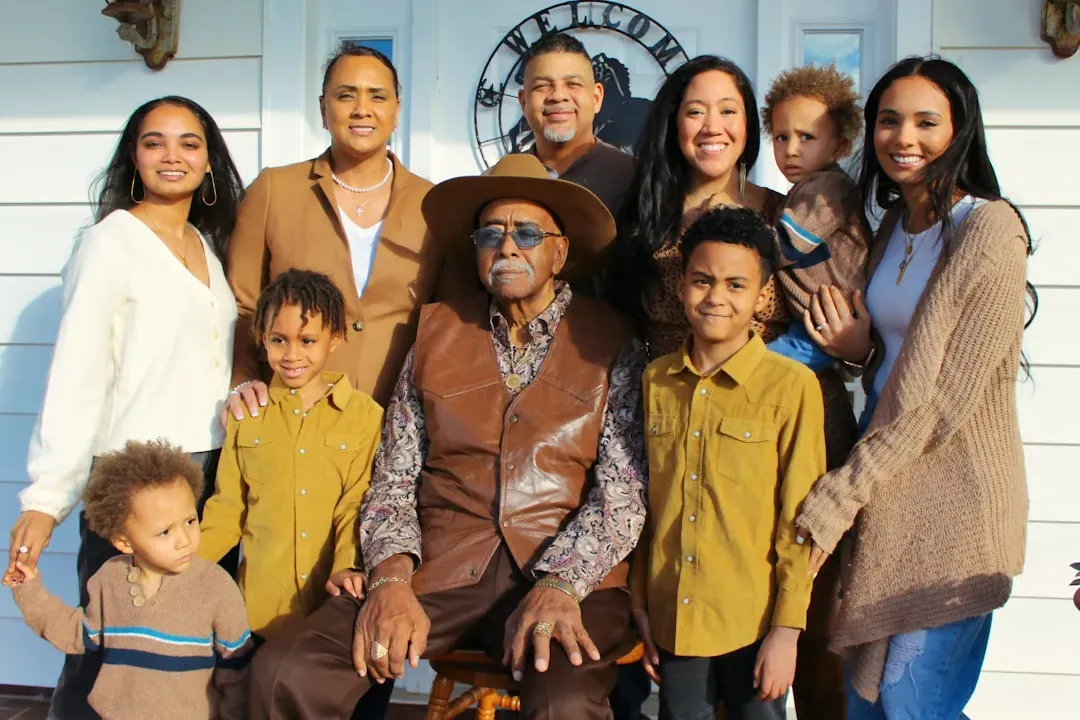
Shifting Household Structures Tell Their Own Story (Image Credits: Unsplash)
The way families physically arrange themselves has changed dramatically over two generations. In 1980, the majority of Baby Boomers aged 25 to 34 were married. That proportion decreased significantly, with only about two-fifths of Millennials married by 2015. Marriage no longer anchors the generational transition into adulthood the way it once did.
The share of young adults aged 25 to 34 who are not living independently has doubled. One-fifth of Millennials in that age group lived in their parent's or grandparent's home in 2015, up from about one-tenth in 1980. That means more generations living under the same roof for longer, with all the closeness and friction that entails.
The Rise of Family Estrangement
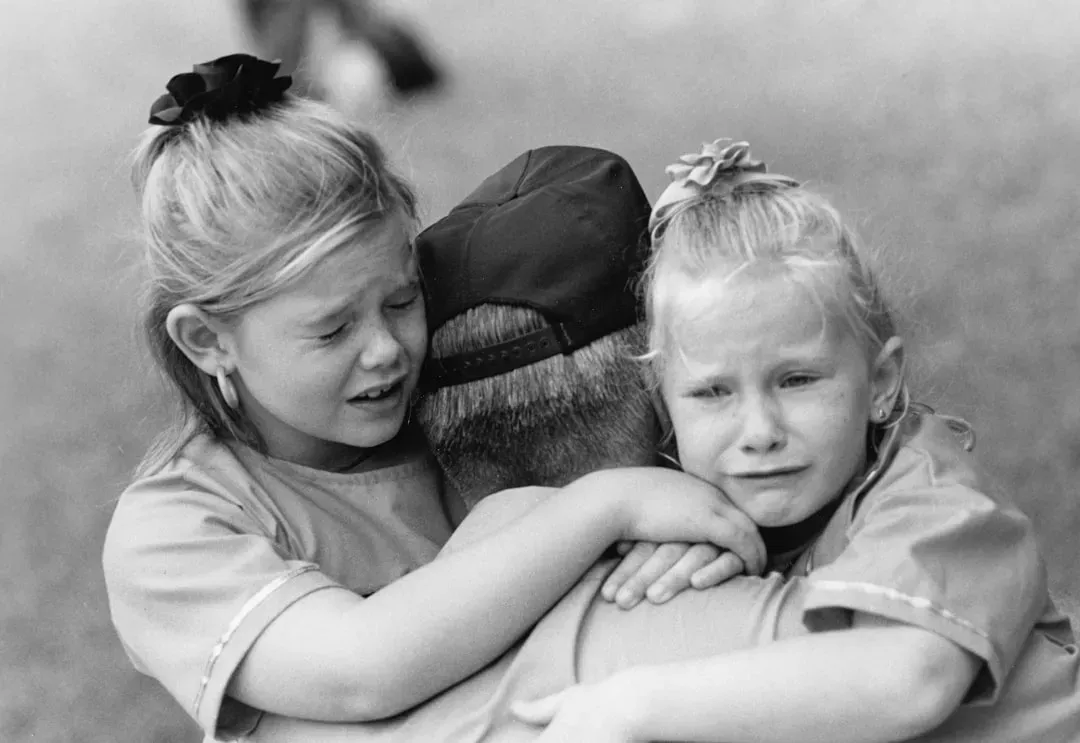
The Rise of Family Estrangement (Image Credits: Unsplash)
Perhaps the starkest sign of a deepening generational divide is the rising number of families that simply stop talking. Research shows that roughly one in four Americans, approximately 67 million people, are estranged from their families. Among young adults, 26 percent report estrangement from fathers and 6 percent from mothers. These are not small or fringe numbers.
Psychologist Joshua Coleman highlights how a growing number of adult children are choosing to go no contact with parents, with estrangement typically involving a mix of emotional neglect, unresolved conflicts, and cultural clashes about politics, religion, or identity. Importantly, estrangement is often a last resort, not a first choice. Most people who distance themselves from family members have tried repeatedly to address issues directly before deciding that space is necessary for their mental health.
Mental Health Awareness Is Reshaping Family Expectations
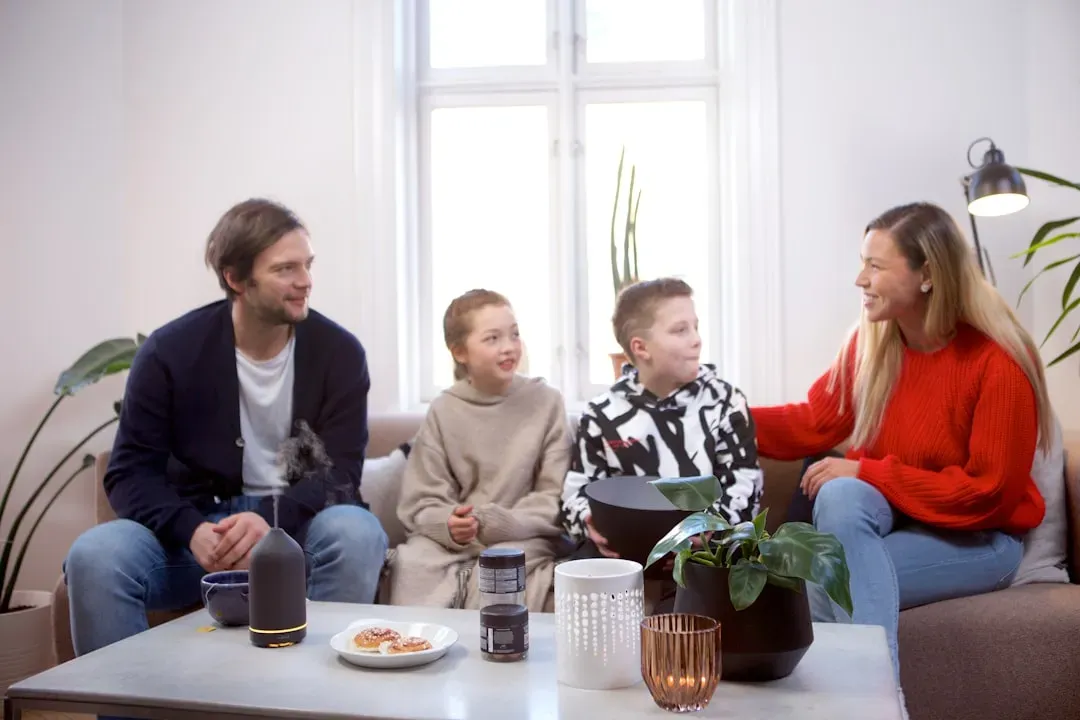
Mental Health Awareness Is Reshaping Family Expectations (Image Credits: Unsplash)
Millennials' prioritization of mental health has meant they are more likely to be in therapy than prior generations, and they may want to use individual or family therapy to address how they felt hurt, abused, or traumatized by a parent. This is a real cultural shift. Previous generations often treated family grievances as private matters to endure quietly. That norm is eroding fast.
Empirical studies have indicated a deterioration in adolescent mental health over successive generations, suggesting that value discrepancies between parents and Generation Z offspring may be worsening the situation. When Gen Z children feel their emotional experiences aren't acknowledged, the gap doesn't just persist. It widens.
Technology as Both Bridge and Barrier
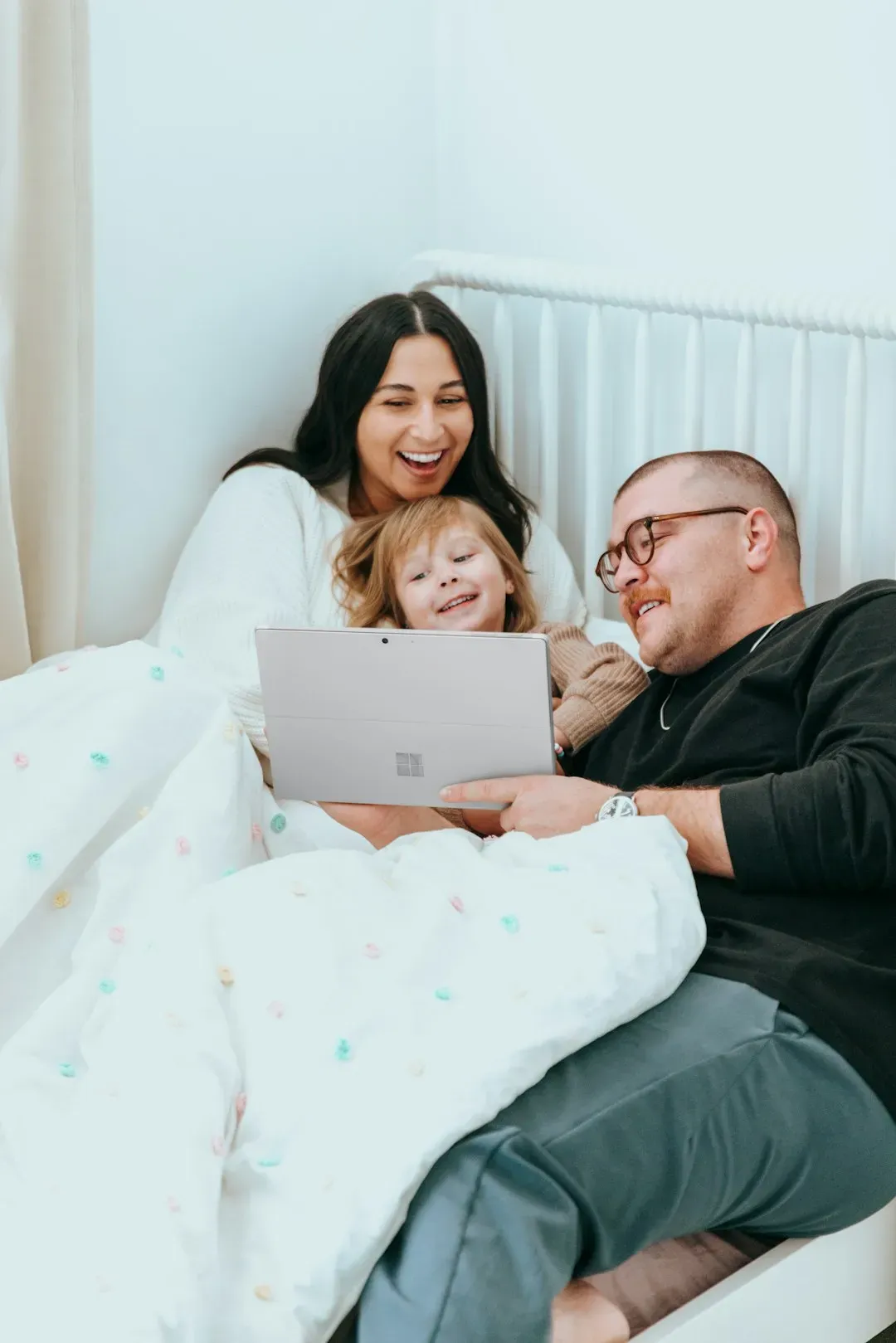
Technology as Both Bridge and Barrier (Image Credits: Unsplash)
Digital technology has complicated family communication in ways that are hard to fully disentangle. Digital immigrant parents saw problems in the erosion of family togetherness where their digital native children did not. Yet, while unclear expectations surrounding the appropriate time and place for technology use sometimes sparked tension, most families were able to resolve the issue peacefully.
ICT plays a crucial role in bridging the spatial and temporal divide between grandparents and grandchildren. It also highlights how reverse mentoring, where grandchildren teach their elders to navigate digital tools, strengthens intergenerational bonds and preserves cultural practices. So the same technology that creates friction in one context can quietly repair connection in another, if families are willing to approach it with patience.
The "Sandwich Generation" and the Weight of Dual Care
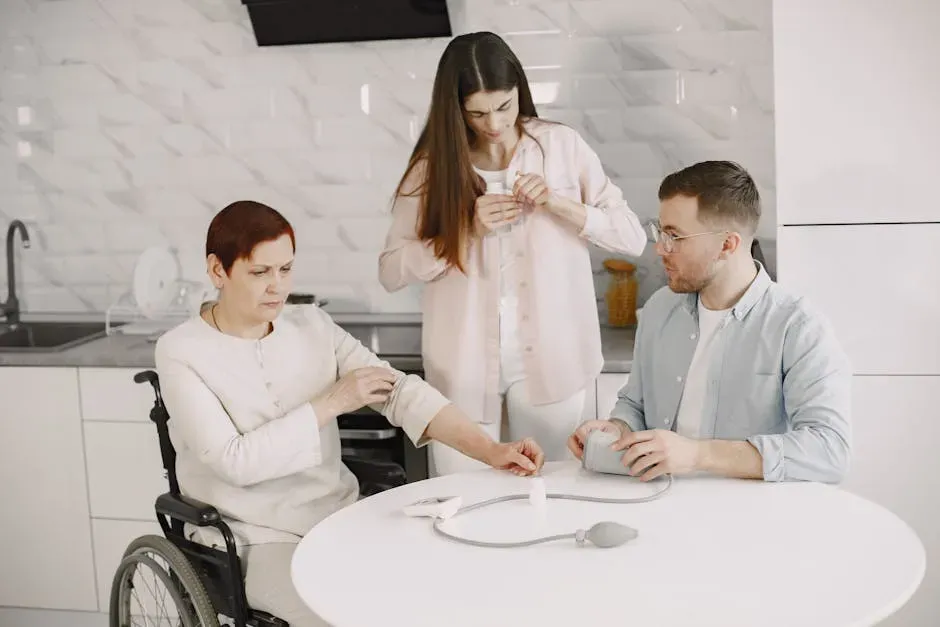
The "Sandwich Generation" and the Weight of Dual Care (Image Credits: Pexels)
Families are faced with challenges like simultaneous caregiving needs for children and elderly parents, and Baby Boomers in particular, finding themselves in the "sandwich generation," are dealing with managing both. These managed responsibilities create tension when one generation feels the other isn't contributing fairly. The pressure is real and often invisible to those outside it.
Since the early 2000s, studies have shown that the traditional informal support system is slowly weakening due to urbanization and modernization. Several ethnographic and qualitative studies established that the widening generation gap, due to changing attitudes toward older adults and resultant tensions, has led to a weakening sense of filial duty and a subsequent reduction in respect. Caring for aging parents is no longer the unspoken assumption it once was.
How Parenting Philosophies Collide Across Generations
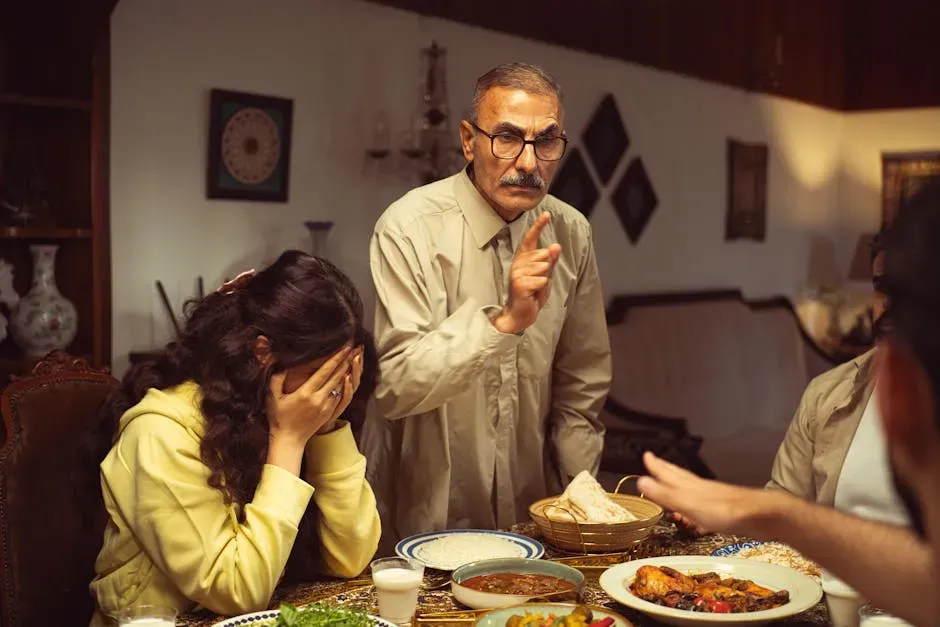
How Parenting Philosophies Collide Across Generations (Image Credits: Pexels)
Parenting philosophies have evolved significantly over generations, leading to differing approaches between parents and grandparents. Modern parents often prioritize child-led learning, emotional intelligence, and open communication, while older generations may emphasize discipline, structure, and traditional values. These contrasting viewpoints can create tension and misunderstanding within families, particularly when discussing child-rearing practices.
Societal changes have significantly altered family roles, contributing to generational disconnects. The shift toward dual-income households has redefined parenting responsibilities, with both parents often sharing childcare duties. This contrasts with traditional family structures where mothers typically assumed primary caregiving roles, leading to differing expectations and potential conflicts between generations.
Gen Z Is Rewriting the Rules of Family
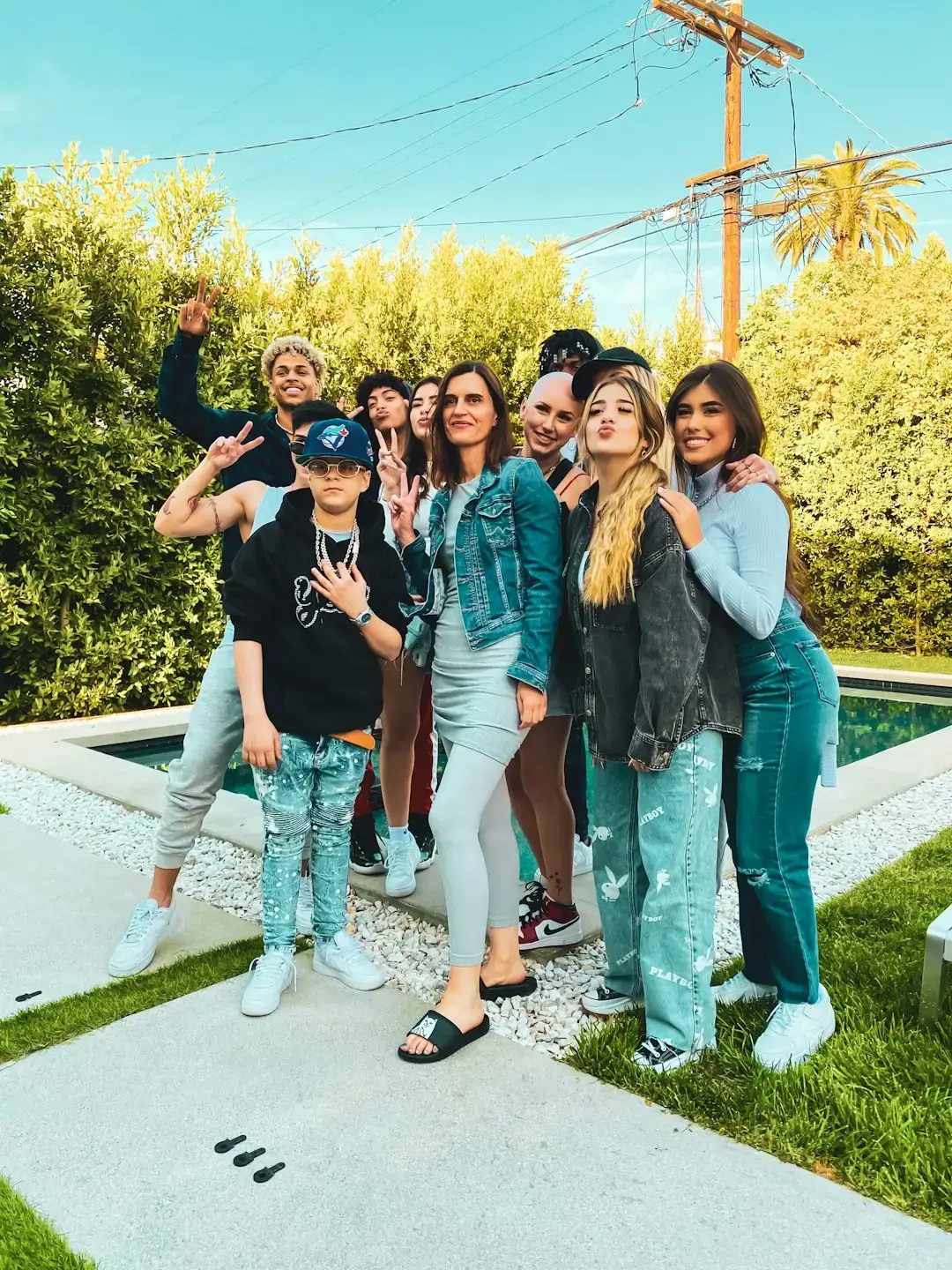
Gen Z Is Rewriting the Rules of Family (Image Credits: Unsplash)
Studies suggest that Gen Z is redefining traditional family norms, showing less inclination toward marriage and a greater focus on career flexibility. That shift is visible in day-to-day decisions, not just long-term life plans. Studies indicate that these generations prioritize emotional compatibility and mental well-being over conventional markers of success, such as marriage and children.
In the present society, generational differences as well as differences between parents and children concerning life patterns can be considered a source of conflict. The younger generations no longer define themselves according to the norms of the past. Accordingly, they seek novel patterns of life. Such normative differences are the main source of irregularities in intergenerational communication between children and aging parents. That friction, uncomfortable as it is, may also be the engine of genuine social change.
Finding Common Ground Without Erasing Difference
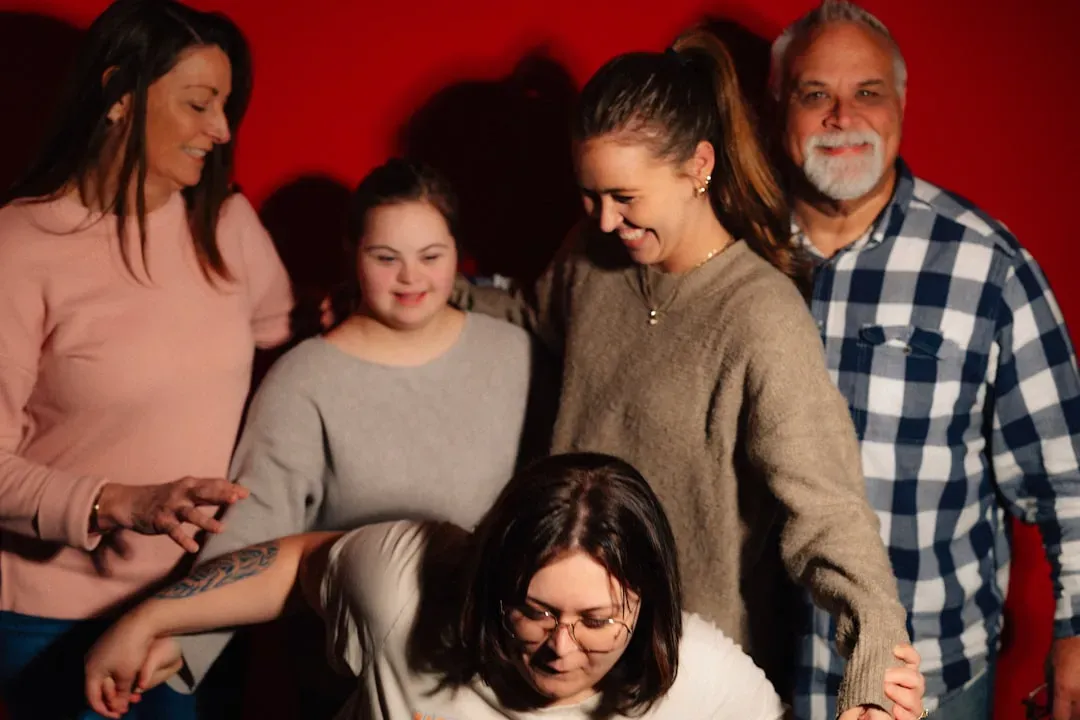
Finding Common Ground Without Erasing Difference (Image Credits: Unsplash)
Generational perspectives can be both a source of tension and an opportunity for growth within families. Recognizing that each generation brings unique strengths and insights to the family dynamic allows for greater understanding and empathy. This doesn't mean pretending the gap doesn't exist. It means choosing to stay curious about it rather than combative.
The majority of estranged adult children do eventually become unestranged from their mothers and, to a lesser degree, from their fathers. Most ruptures are not permanent, even when they feel that way in the moment. Among research which accounted for generational factors over time, one review found that "individuals from the same generation are just as likely to be different from one another as from individuals of different generations." The labels we use can sometimes make the divide feel more fixed than it really is.
Families are not static systems. They absorb shocks, adapt, argue, and occasionally surprise themselves by finding their way back to each other. The generational gap is real, measurable, and in some ways growing. But the need for connection that runs through every generation hasn't changed at all.