
Drive through certain suburban neighborhoods built in the late 1990s and early 2000s, and something feels a little off. The homes are enormous. The driveways are wide. The cul-de-sacs curve perfectly. Yet the lights in too many rooms stay off, the lawns grow just long enough to notice, and the sense of a once-thriving community seems to be quietly draining away.
Economics, demographics, culture, and climate have all converged to quietly hollow out some of the most ambitious suburban developments of the last three decades. What we’re watching unfold is not a sudden collapse, but a slow, structural transformation of how and where Americans want to live. The McMansion, once the literal embodiment of the American Dream, is finding itself increasingly out of step with 2026 reality.
The Rise and Peak of the McMansion
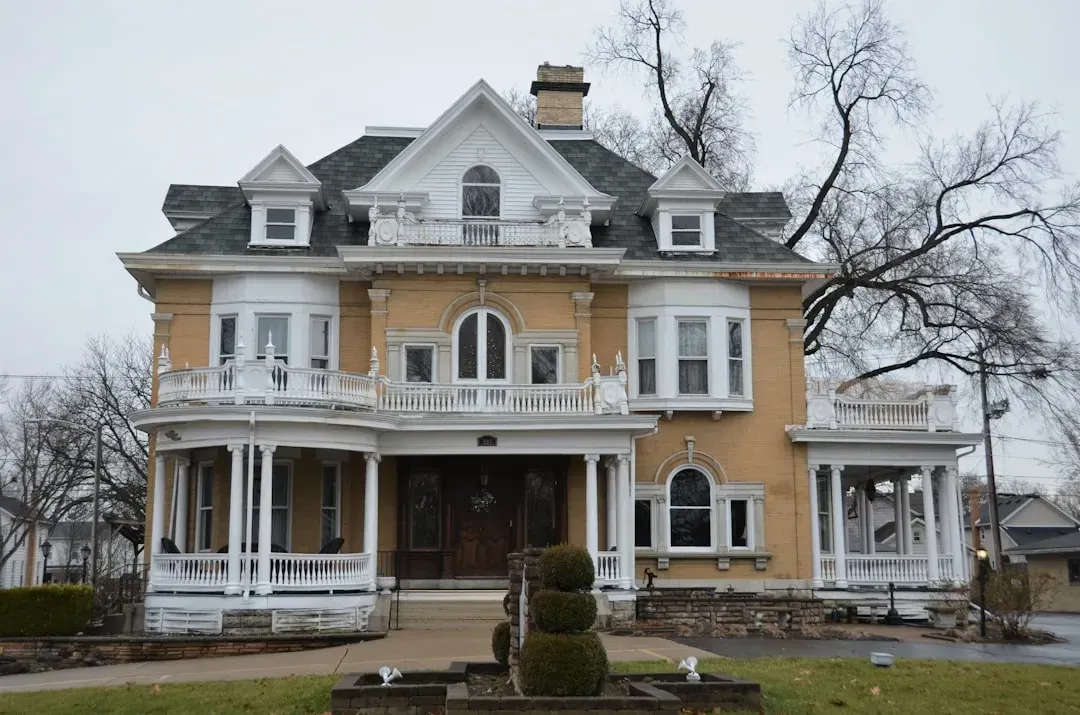
The Rise and Peak of the McMansion (Image Credits: Unsplash)
For decades, McMansions ranging from 3,000 to 5,000 square feet symbolized success in America. They popped up in suburbs nationwide during the late 1990s and early 2000s, fueled by a booming economy and easy access to credit, and builders couldn’t construct them fast enough. These oversized homes came with grand entryways, double staircases, and cavernous bonus rooms that seemed to promise a life of arrival and abundance.
According to data from the National Association of Home Builders, the median size of a new single-family home peaked at 2,467 square feet in 2015 but has since declined to around 2,191 square feet by 2023. That peak tells the story neatly. The McMansion era had a clear high-water mark, and we have been watching it recede ever since.
The Affordability Wall That Changed Everything
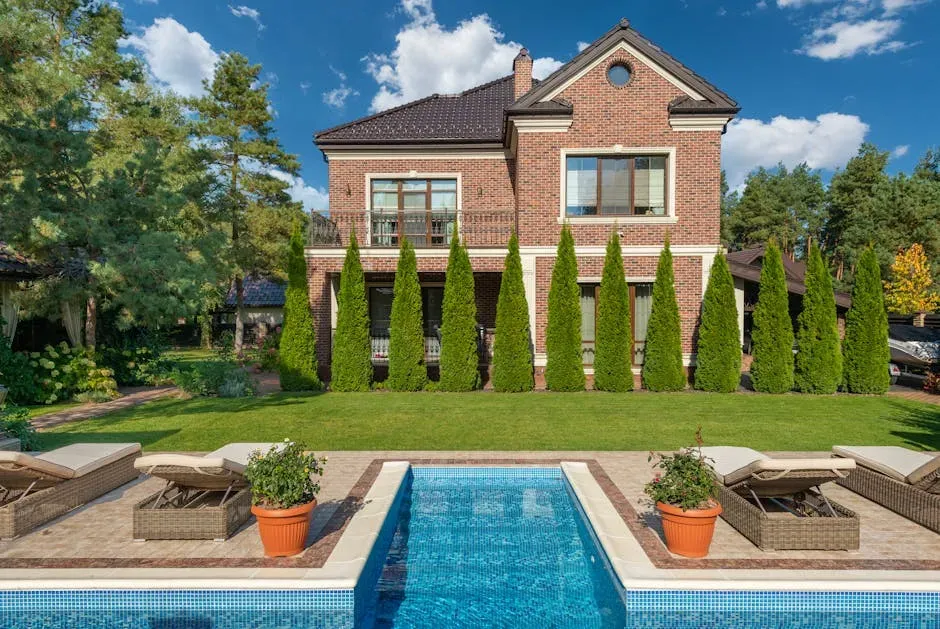
The Affordability Wall That Changed Everything (Image Credits: Pexels)
Redfin data from 2024 showed the median U.S. home price at $412,778, which is 24 times higher than it was in 1963, while inflation has only increased tenfold over the same period. That gap is staggering when you sit with it. A McMansion, which already stretched budgets when it was built, now exists in a price environment that makes it nearly impossible to justify for most buyers.
According to Freddie Mac, the average mortgage rate climbed above 7% in early 2025, pushing many buyers to rethink their priorities entirely. The median monthly owner costs for U.S. homeowners with a mortgage increased to $2,035 in 2024, and the median percentage of income spent on those costs reached 21.4%, pointing to an increased burden on homeowners. Applying those numbers to a 5,000-square-foot property makes the math almost impossible to defend.
New Homes Are Shrinking While Prices Keep Rising
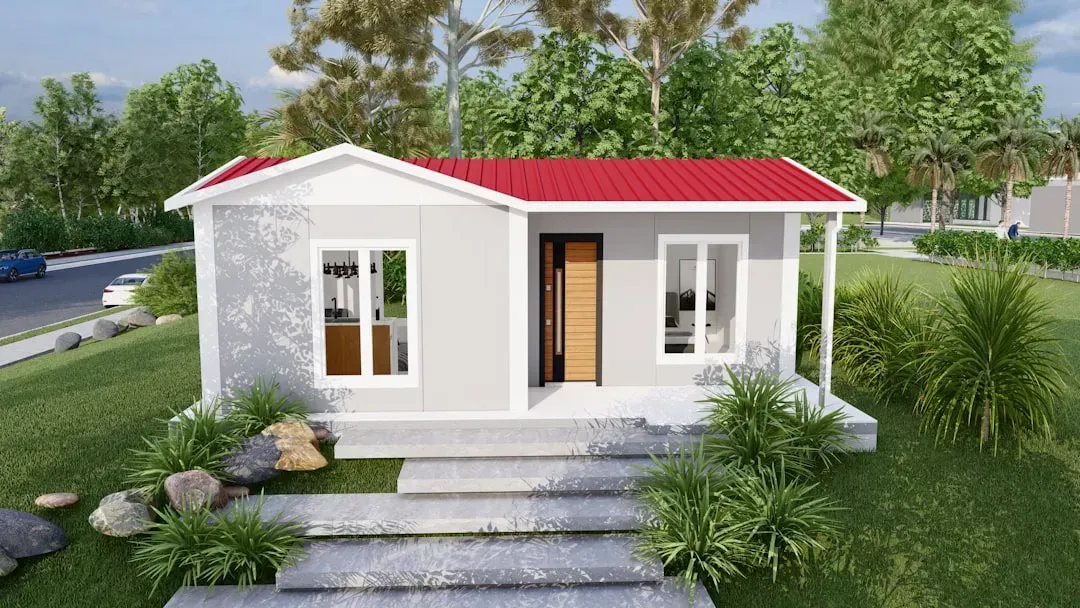
New Homes Are Shrinking While Prices Keep Rising (Image Credits: Unsplash)
The U.S. Census Bureau reported in March 2025 that 54% of new single-family homes built in 2024 were under 2,200 square feet. More than half of all new construction today would not even qualify as a McMansion under the old definitions. The market has spoken plainly, and the building industry has listened.
Since 2019, the median U.S. home has shrunk by 128 square feet while its price has climbed by $125,000, according to a USA TODAY Homefront study using Realtor.com data. Smaller and more expensive. That combination puts the grand five-bedroom suburban palace even further out of reach for the average buyer entering the market today.
The Hidden Costs That Trap Owners Inside

The Hidden Costs That Trap Owners Inside (Image Credits: Pexels)
Between 2021 and 2024, the average cost of homeowners insurance went up more than 24%. In some states, like Illinois, it went up by more than 50%. At the same time, rising home prices and local government spending caused property tax bills to increase by more than 27% since 2019, according to CoreLogic. Those are costs that compound year after year, with no ceiling in sight.
Landscaping, HVAC upkeep, and repairs can exceed $10,000 annually. Pools alone cost over $1,200 per season to maintain. For owners who bought during a more financially comfortable era, these ongoing demands have quietly become a source of real stress, and the dream home starts to feel less like an asset and more like an obligation.
The Baby Boomer Logjam Keeping the Market Stuck

The Baby Boomer Logjam Keeping the Market Stuck (Image Credits: Unsplash)
Baby boomer empty nesters own twice as many of the country’s three-bedroom-or-larger homes compared with millennials with kids, according to a recent analysis from Redfin. This concentration of large homes in the hands of one aging generation has created a significant mismatch in the housing market. The homes exist. The families who need them cannot get to them.
Many Boomers whose homes have surged in value now face massive capital gains tax bills when they sell. Plus, smaller homes or apartments in the neighborhoods they’ve come to love are rare. With current prices and mortgage rates so high, there is often a negligible cost difference between their current home and a smaller one. According to a survey by Redfin, 78% of older American homeowners plan to stay in their homes as they age. The expected “silver tsunami” of homes hitting the market is, for now, more myth than movement.
Younger Generations Are Rejecting the Formula

Younger Generations Are Rejecting the Formula (Image Credits: Pexels)
An April 2025 survey by Redfin shows that 68% of homebuyers under 40 prefer smaller, more manageable homes. The shift away from McMansions is clear, with sales of homes over 4,000 square feet declining by 11% in the last year alone. This is not a minor preference adjustment. It reflects a deep generational disagreement about what a home is actually for.
Zillow’s 2024 consumer trends report found that 73% of remote workers want a dedicated office, but only 18% desire extra-large living spaces. Younger buyers want functional square footage, not ceremonial rooms. A home office matters. A formal dining room that nobody uses, not so much. That shift in priorities alone changes the calculus for every sprawling floor plan built before 2010.
Remote Work Reshuffled the Map, but Not Toward McMansions

Remote Work Reshuffled the Map, but Not Toward McMansions (Image Credits: Pexels)
The people who led last decade’s urban revival – college-educated young adults without school-age kids – are increasingly choosing suburbs. The broader story is that the pandemic accelerated the pre-pandemic trend toward suburbanization. That sounds like good news for large suburban homes, but the details complicate the picture considerably.
Remote work has given employees the freedom to relocate without changing jobs. With the ability to work from anywhere, many people seized the opportunity to move closer to family or to places that offered a better lifestyle. This flexibility has led to a notable exodus from crowded downtowns and high-cost areas to more affordable and spacious suburban or rural areas. The key word is affordable. People moved outward, but they were looking for value, not volume. Smaller, well-located homes in livable communities won out over oversized properties in car-dependent enclaves.
The Walkability Shift Is Quietly Rewriting Suburban Demand
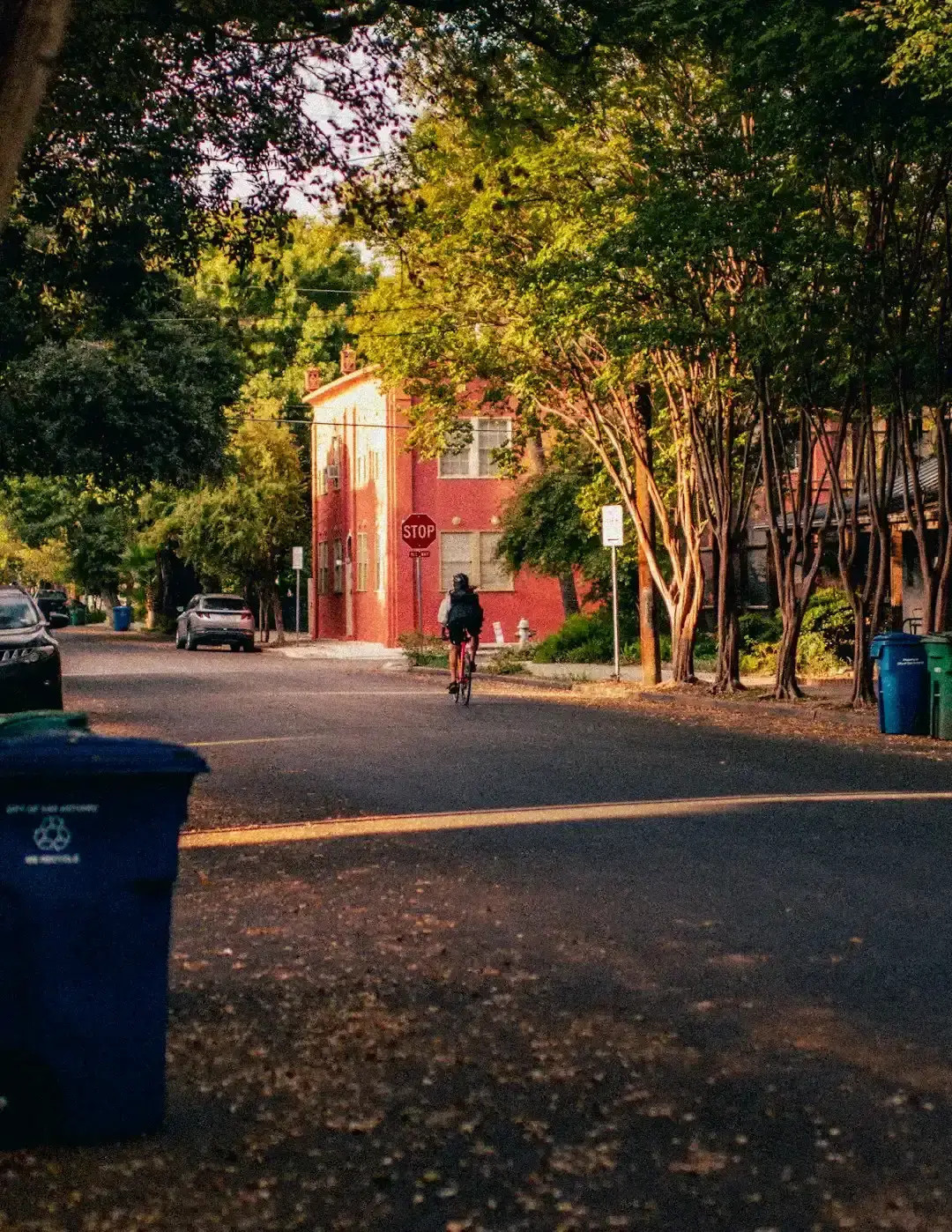
The Walkability Shift Is Quietly Rewriting Suburban Demand (Image Credits: Unsplash)
According to the Urban Land Institute’s 2025 Emerging Trends in Real Estate report, demand for homes in mixed-use neighborhoods has increased by 19% since 2022. This is more than a lifestyle preference. It represents a structural change in what makes a neighborhood desirable, and many McMansion developments are not built for it. They were designed around the car, not the pedestrian.
In recent years, local governments have shepherded the development of walkable new neighborhoods, and in 2024 city councils began announcing ambitious projects to turn 1980s office parks into walkable districts with housing, shops, restaurants, public spaces, and workplaces. With rising housing costs, climate concerns, and a growing demand for walkable neighborhoods, suburbs across the U.S. are being reimagined, with cities and planners shifting focus toward building denser, smarter, and greener suburbs. The direction of investment is telling.
Where the Population Is Actually Going
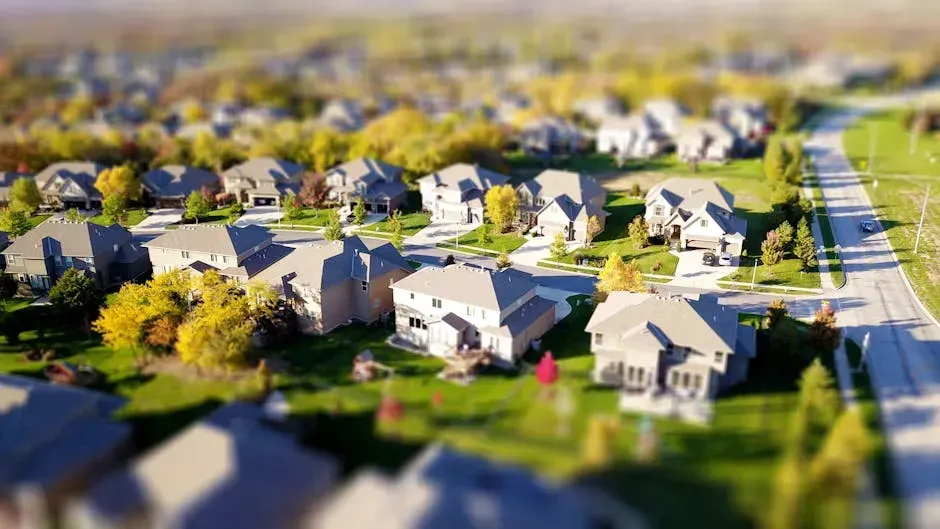
Where the Population Is Actually Going (Image Credits: Pexels)
Reduced immigration and lower birth rates slowed U.S. population growth to 0.5% in 2024 to 2025. While smaller cities and less populated suburbs and rural counties are growing slightly, large cities are losing residents. The movement is away from density on both ends of the spectrum, toward the middle-ground communities that McMansion-era thinking largely bypassed.
Domestic migration patterns continue to redistribute the population from the largest counties to less populous ones. Mid-sized counties had a combined net domestic migration gain of 533,766. In other words, people are moving to smaller cities and less populated suburban counties. These are often places with lower housing costs, newer infrastructure, and a more human-scaled sense of community. They are not the premium cul-de-sac developments of the early 2000s.
The Energy and Environmental Reckoning
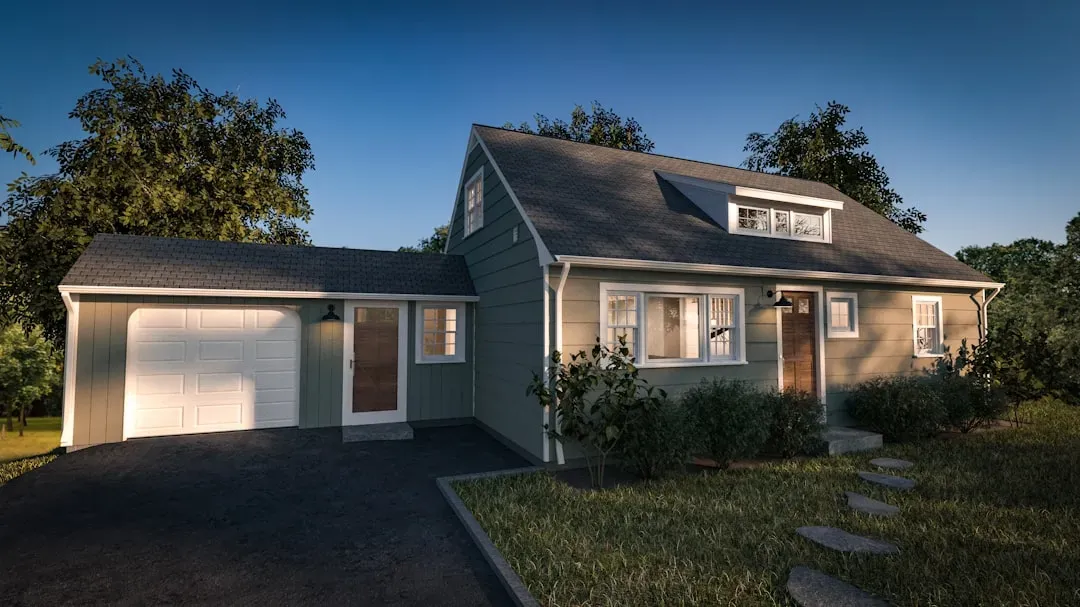
The Energy and Environmental Reckoning (Image Credits: Unsplash)
Environmental concerns are reshaping the American home. A 2025 survey by the National Association of Realtors revealed that 62% of buyers consider energy efficiency extremely important. Smaller homes naturally use less energy, making them easier to insulate and cheaper to heat or cool. A 5,000-square-foot home built in 2001 is in a different universe from these standards, both in practice and in buyer perception.
The EPA reported that new homes built in 2024 used roughly 27% less energy on average than those built in 2012. The gap between an aging McMansion and a modern efficient build grows wider each year. For owners watching their utility bills, the size of the home is no longer a point of pride. It is increasingly a line item that keeps growing.
What Comes Next for These Neighborhoods
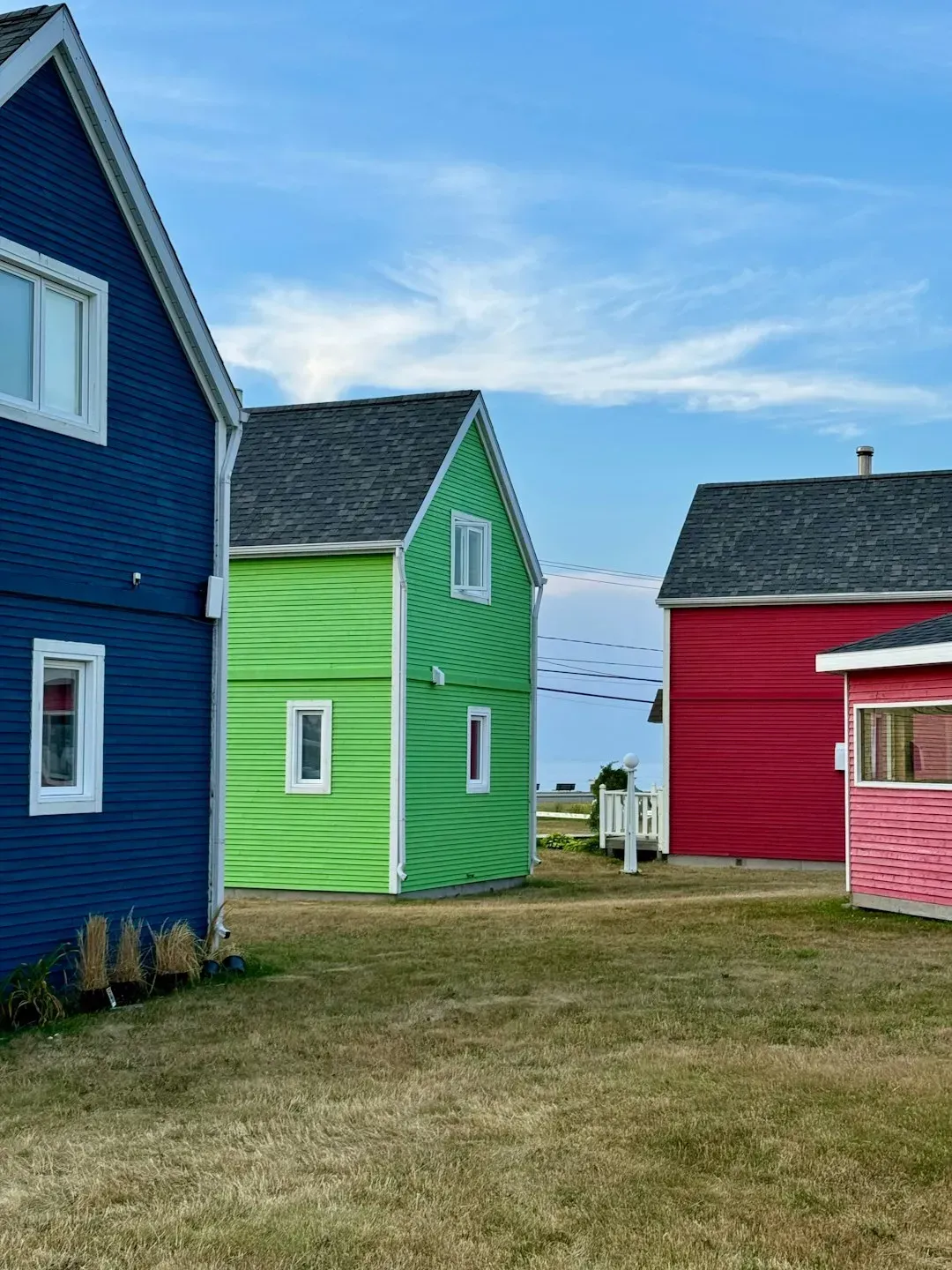
What Comes Next for These Neighborhoods (Image Credits: Unsplash)
In response to the rise of empty McMansions, some suburban communities have adapted by repurposing these homes for short-term rental platforms. This shift has turned once-deserted properties into potential income-generating units, but it has also led to a significant change in travel behavior. Some communities have gone further, converting properties into boutique venues, wellness spaces, or multi-family configurations to find a new economic purpose.
Multigenerational living has quadrupled between 1971 and 2021, now involving nearly 60 million people, or roughly one in five Americans, according to a Pew Research Center analysis of U.S. Census Bureau data. For some large suburban homes, that may ultimately be their most natural second act. Not a single nuclear family in a five-bedroom house, but multiple generations sharing space in a way that actually justifies the square footage. Whether that becomes common enough to stabilize these neighborhoods remains genuinely uncertain.
The forces reshaping America’s suburban landscape are not temporary disruptions. They are structural. Affordability pressures, demographic change, shifting values around sustainability and walkability, and a generation of younger buyers who never saw themselves in a McMansion in the first place – all of these currents are running in the same direction. The large homes remain. The question of who fills them, and how, is still being answered.