
Five o’clock arrives, and the workday ends. What happens next, though, depends almost entirely on which generation you belong to. The hours between clocking out and going to sleep have become one of the most revealing windows into how differently people understand rest, connection, identity, and recovery.
The gap isn’t just about age. It’s about the world each generation grew up in, the economic pressures they’ve absorbed, the technology they learned to use first, and the unspoken rules about what leisure is supposed to look like. Life experiences shape the way attitudes, behaviors, and expectations occur across the generations, and nowhere is that more visible than in the quiet hours after work is technically over.
Gen Z: Hard Boundaries and the Right to Switch Off

Gen Z: Hard Boundaries and the Right to Switch Off (Image Credits: Pexels)
Gen Z employees are more likely to value work-life balance than their millennial and Gen X colleagues, with roughly a third ranking it as the most important aspect of a job. For this generation, the evening isn’t a soft extension of the workday. It’s a protected zone.
As digital natives, Gen Z understands something Boomers and Gen X learned the hard way: technology was once sold as freedom, but it often became a tether. Instead of setting workers free, it kept them permanently connected to the office. Gen Z sees that trap and refuses to step into it. After hours, that refusal is intentional and consistent.
Millennials: Still Online, Even When They're "Off"
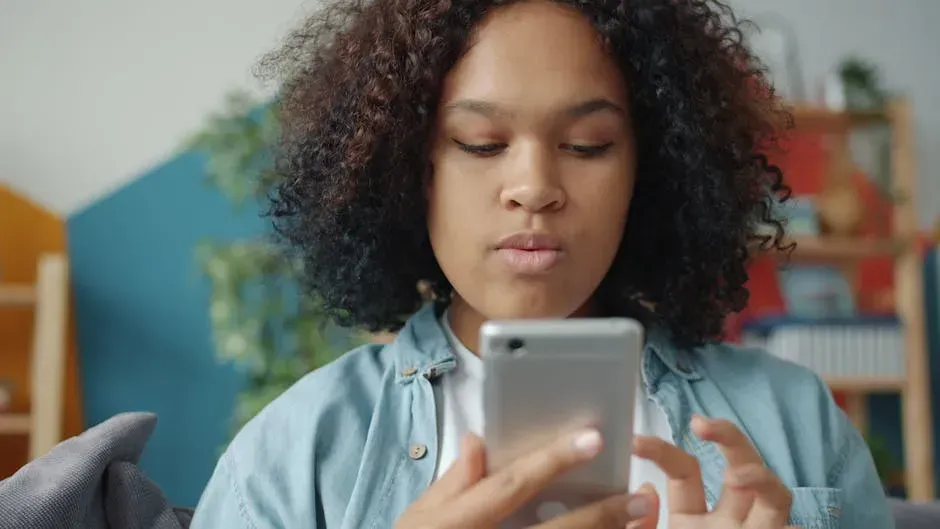
Millennials: Still Online, Even When They're "Off" (Image Credits: Pexels)
Millennials spend the most time on streaming services across all categories, averaging around three and a half hours per day. Their evenings are heavily screen-oriented, but it’s rarely just passive entertainment. Many blend relaxation with productivity, catching up on emails between episodes or side-hustling after dinner.
Millennials spend an average of nearly seven hours on screens daily, using them for work, social media, and entertainment. That figure reflects an evening habit that rarely fully disconnects. Roughly two-thirds of Millennials also feel they overuse screens, which suggests the awareness is there, even if the behavior doesn’t always follow.
Generation X: TV Time, Online Shopping, and the Quiet Hours

Generation X: TV Time, Online Shopping, and the Quiet Hours (MyGlobalEC Events, Flickr, <a href="https://creativecommons.org/licenses/by/2.0/" target="_blank" rel="noopener">CC BY 2.0</a>)
Gen X spends the most time on connected TVs, averaging over four hours per day, followed closely by Boomers. The television remains a centerpiece of the Gen X evening. It’s a familiar rhythm from childhood that digital life has simply upgraded rather than replaced.
Gen X also allocates the highest amount of time to online shopping of any generation, averaging over two hours daily. Their evenings are often spent in a comfortable, slightly distracted way: half-watching something on TV while browsing for something on their phone or laptop. Members of Generation X are often characterized as being fiercely independent because they were used to taking care of themselves, and that self-sufficient streak extends into how they unwind, usually without a need for communal rituals or shared experiences.
Baby Boomers: More Leisure Hours, Slower Pace

Baby Boomers: More Leisure Hours, Slower Pace (Image Credits: Unsplash)
Average overall time spent on leisure activities was lowest among younger Gen X consumers at under four hours per day, while younger Baby Boomers averaged over five hours and older Baby Boomers approached seven hours. Boomers simply have more evening to fill, and they’ve developed a range of ways to do it.
When it comes to leisure activities such as reading, relaxing, or watching TV, Boomers and the Silent Generation spend more time than other generations. Attending live entertainment events such as concerts, theater productions, and comedy shows can be a great pastime, and this boosts the local economy by increasing patronage at theaters, concert halls and other venues. Boomers, more than any other generation, are the ones actually filling those seats on a weeknight.
The Screen Time Gap Is Wider Than Most People Realize
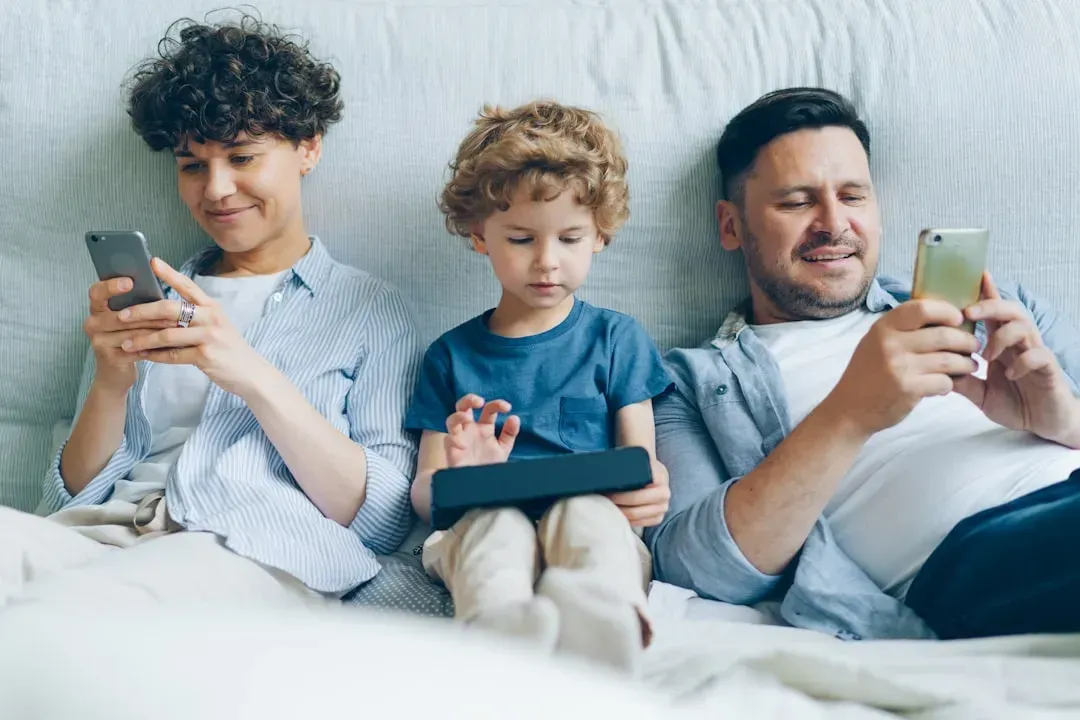
The Screen Time Gap Is Wider Than Most People Realize (Image Credits: Unsplash)
Gen Z stands out, averaging around nine hours per day on screens. Much of that accumulates in the evening. Baby Boomers, by contrast, spend about three and a half hours per day, making them the group with the least screen time, while Millennials and Gen X report averages of roughly six and a half hours and under three hours respectively.
A Boomer’s evening of television looks very different from a teen’s time on TikTok, gaming, or AI-driven apps. The shift from passive, distant viewing to close-up, interactive, and highly personalized digital experiences is what makes today’s screen use uniquely impactful. The device in your hand is not the same experience as the screen across the room, even if both count as “screen time.”
Gaming After Work: Who's Playing and Why
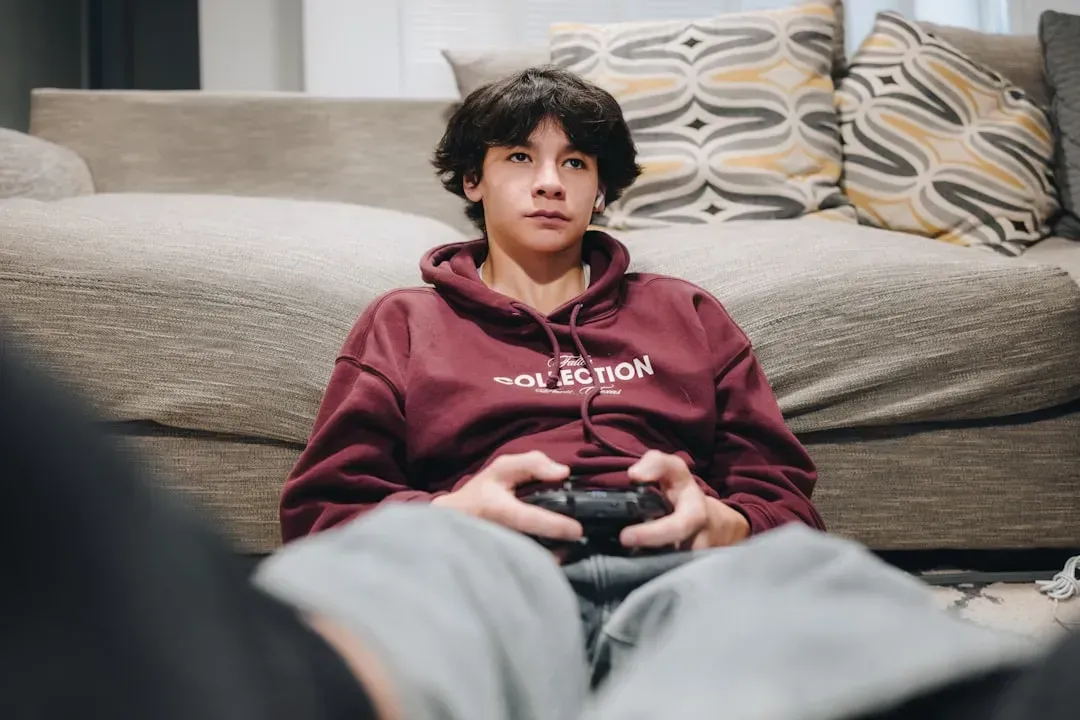
Gaming After Work: Who's Playing and Why (Image Credits: Unsplash)
Gen Z spends the most time on gaming consoles compared to other generations, with an average of over three hours per day. Gaming has become one of their primary evening activities. For Gen Z, gaming isn’t just about unwinding or killing time; it’s how they connect, learn, and even make a difference. They’re about a third more likely than the average gamer to play for the social interactions that gaming provides.
Gen Z dedicates nearly a fifth of their entertainment time to gaming, while Gen X allocates around fourteen percent of their time and Baby Boomers just eleven percent. The contrast is meaningful. For older generations, gaming is an occasional diversion. For younger ones, it’s a social infrastructure that happens to involve a game.
Social Media After Dark: Who Scrolls, Who Logs Off
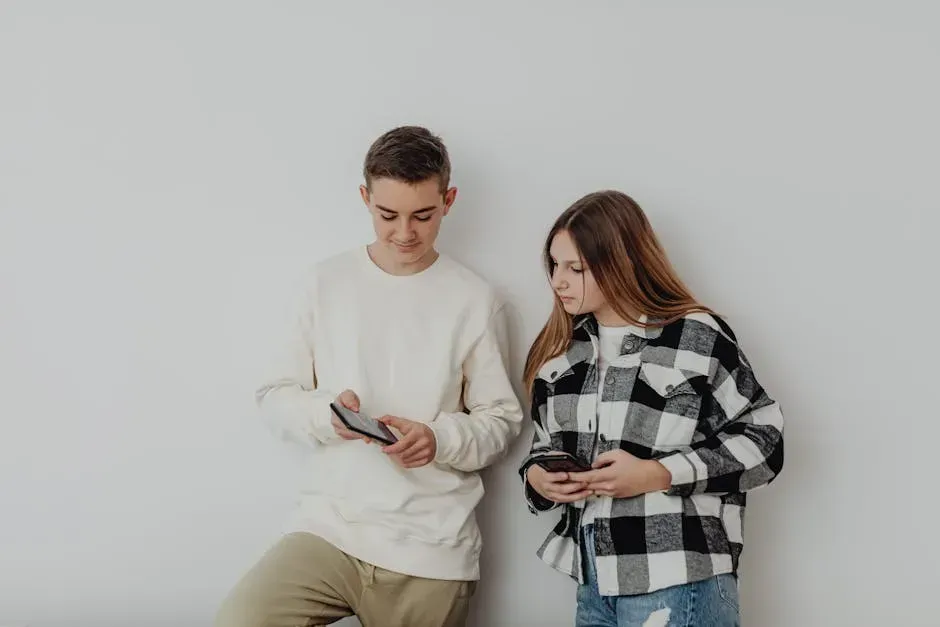
Social Media After Dark: Who Scrolls, Who Logs Off (Image Credits: Pexels)
TikTok is a platform for the youth: around four-fifths of Gen Z and more than half of Millennials use the platform, compared to under half of Gen Xers and roughly a third of Boomers. For Gen Z, scrolling TikTok in the evening isn’t just entertainment. It’s also how they follow trends, discover music, and maintain social awareness.
Gen Z spends an average of three hours per day on social media alone and has the highest average screen time of any generation. In comparison, Gen X spends around an hour and a half on social media per day, roughly half the time spent by Gen Z. That hour-and-a-half difference represents a fundamentally different relationship with the internet as a companion for the evening.
The Mental Health Factor: Rest as a Generational Statement
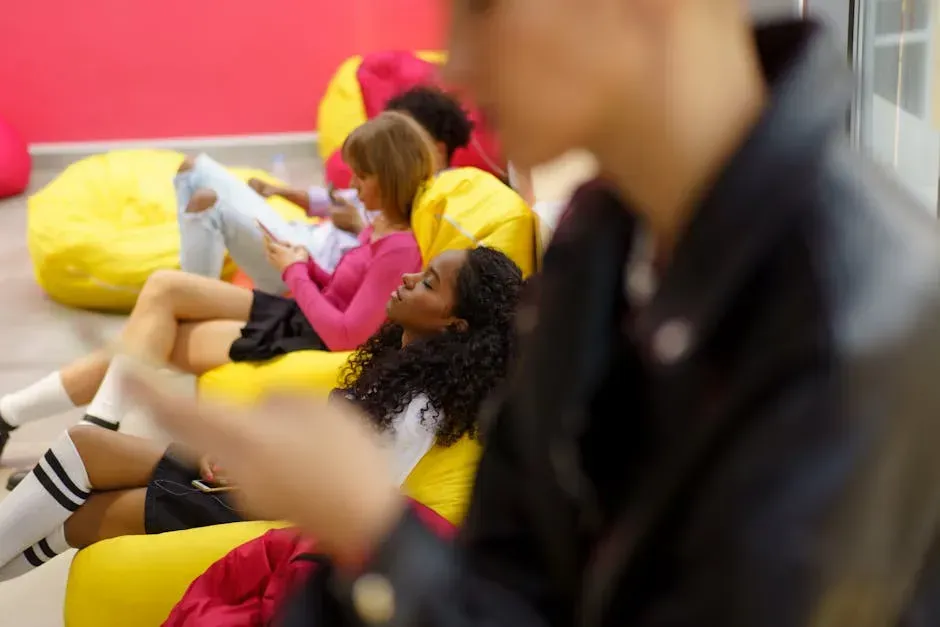
The Mental Health Factor: Rest as a Generational Statement (Image Credits: Pexels)
Gen Z grew up in a period that saw the blurring of the 9-to-5 schedule and the rise of flexible work models, a mode of working that led to older generations feeling a pressure to always be “on.” Having a work-life balance and maintaining mental and physical health is also important to Gen Z. Their evenings reflect this as a deliberate act of self-preservation, not laziness.
There are studies emphasizing that Gen Z is critical of over-reliance on technology and recognizes the need to maintain mental well-being as the line between work and personal life blurs due to remote work. Meanwhile, older generations didn’t inherit the same language around psychological safety, which shapes how Boomers and Gen X approach the transition from work to rest. Gen Z shows above-average interest in exercise and in addressing mental and physical wellbeing, and they are more likely to adopt a broader range of tools to tackle those goals, including greater use of technology and professional input.
Community and Volunteering: The Older Generations' Edge

Community and Volunteering: The Older Generations' Edge (Image Credits: Unsplash)
According to data from the American Time Use Survey, individuals aged 55 to 64 spent more time per day on organizational, civic, and religious activities than did individuals aged 25 to 34. Roughly 28 percent of Millennials engaged in volunteer activities in 2017, compared with 36 percent of Generation Xers and 31 percent of Baby Boomers. That pattern hasn’t reversed in the years since.
Many retirees enjoy joining clubs or groups focused on specific hobbies, such as knitting circles, gardening clubs, or book clubs. These groups often have minimal costs associated with membership or materials, providing a cost-effective way to learn, socialize, and enjoy new activities. The investment in these activities enriches lives with new skills and friendships. For Boomers especially, the evening is often a time for face-to-face community in ways younger generations have largely moved online.
The Surprising Crossover: Younger Generations Rediscovering Analog Hobbies

The Surprising Crossover: Younger Generations Rediscovering Analog Hobbies (Image Credits: Unsplash)
A 2025 study on the impact of hobbies on mental health and well-being found that hobbies can alleviate stress and anxiety, give people a sense of purpose that can enhance well-being and quality of life, and help people connect with others. This finding is resonating quietly with younger adults who are actively looking for offline ways to decompress.
There’s a measurable trend of Gen Z picking up hobbies more closely associated with older generations, from birdwatching and gardening to journaling and crafting. Younger adults, Gen Z and Millennials, are actively reducing screen time for well-being, and some evidence suggests this is creating new habits rather than simply cutting back. The after-work hour is, for many, becoming a quiet experiment in what actually feels restorative rather than just habitual. That, in itself, is a generational shift worth watching.