
Most parents don’t struggle with organization because they lack discipline. They struggle because the strategies they try weren’t designed with kids in mind. A well-labeled drawer might last three days before it becomes a dumping ground. A tidy playroom can unravel in a single afternoon. The gap between the system and the child is usually where things fall apart.
Disorganization, not a lack of space, causes the vast majority of household clutter, and research from UCLA found that a new child in the family increases the total inventory of possessions by roughly a third during the preschool years alone. That’s a meaningful shift in household volume that happens gradually, almost invisibly. The tricks below work precisely because they account for how children actually behave, not how we wish they would.
Separate "Active" Spaces From Storage Spaces
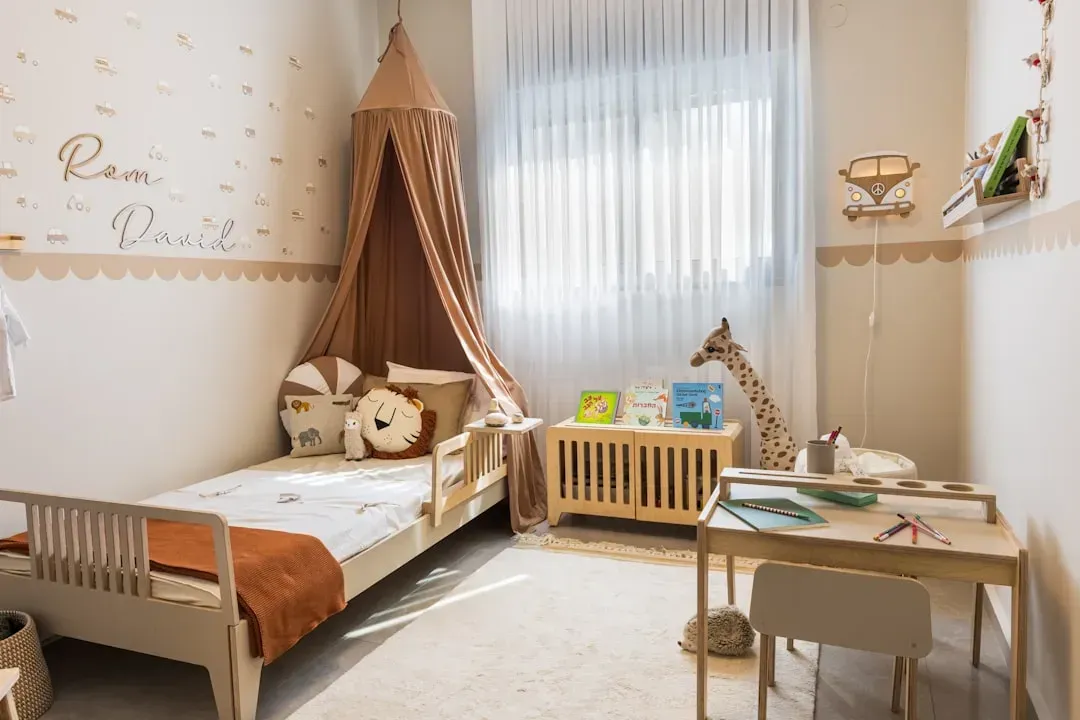
Separate "Active" Spaces From Storage Spaces (Image Credits: Unsplash)
Creating a clear distinction between “active” spaces and storage spaces is one of the most practical structural changes a family can make. Active spaces are high-traffic areas that should hold only items used on a regular basis, meaning an entryway closet, for example, doesn’t need to be stuffed with winter coats in summer. When everything lives in the same space regardless of how often it gets used, visual clutter builds fast and the room never feels settled.
The practical version of this looks simple: one shelf or basket holds the toys in current rotation, while the rest live out of sight. Kids are less likely to scatter everything when they aren’t overwhelmed with choices from the start. A child’s attention span fills up quickly when the room is crowded. Research in environmental psychology consistently shows that orderly spaces promote mental clarity, and for a child, a room with clear surfaces and organized toys reduces cognitive load so their brain doesn’t have to sift through distraction to find what it needs.
Rotate Toys Instead of Storing Them All at Once
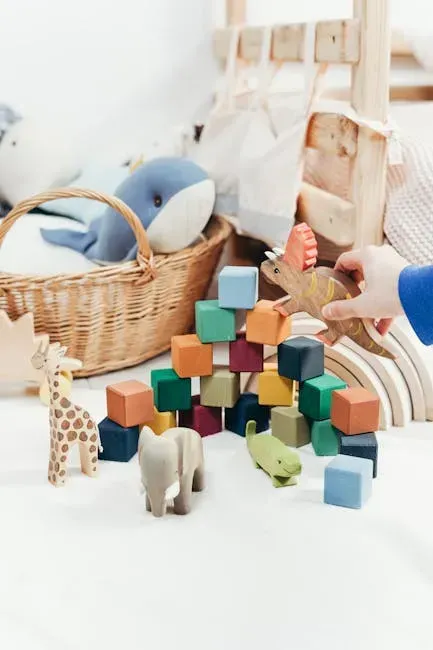
Rotate Toys Instead of Storing Them All at Once (Image Credits: Pexels)
Rotating toys in and out of play spaces cuts down on visual clutter and gives kids more room to focus by reducing the overstimulation that comes from having too many options on display at once, though maintaining a regular rotation schedule does require a fair amount of planning from parents. The payoff, though, is real. Toys that return after a few weeks of storage feel genuinely new again, which means less begging for new purchases and longer, more engaged play sessions.
Research has shown that when toddlers play in a quieter space with fewer toys present, they tend to do more, create more, and innovate more. Fewer choices in view at one time doesn’t mean less imagination. Often, it means the opposite. A simple way to start: store half the toys in a labeled bin in a closet and swap them out every three to four weeks on a rotating schedule.
Use Bins and Picture Labels, Not Complicated Systems
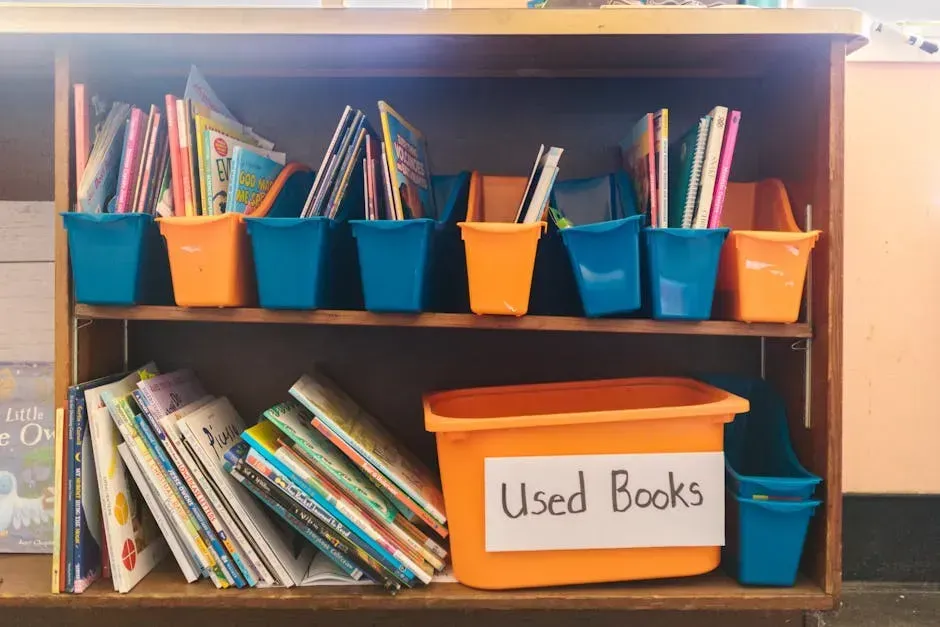
Use Bins and Picture Labels, Not Complicated Systems (Image Credits: Pexels)
Bins and baskets are generally the most effective containers for children’s belongings because the key is making it easy for kids to toss their things in without much thought. Each bin can be labeled with the type of item it holds, and for children who can’t yet read, picture labels work just as well. The simpler the system, the more likely it is to survive actual daily use by an actual child.
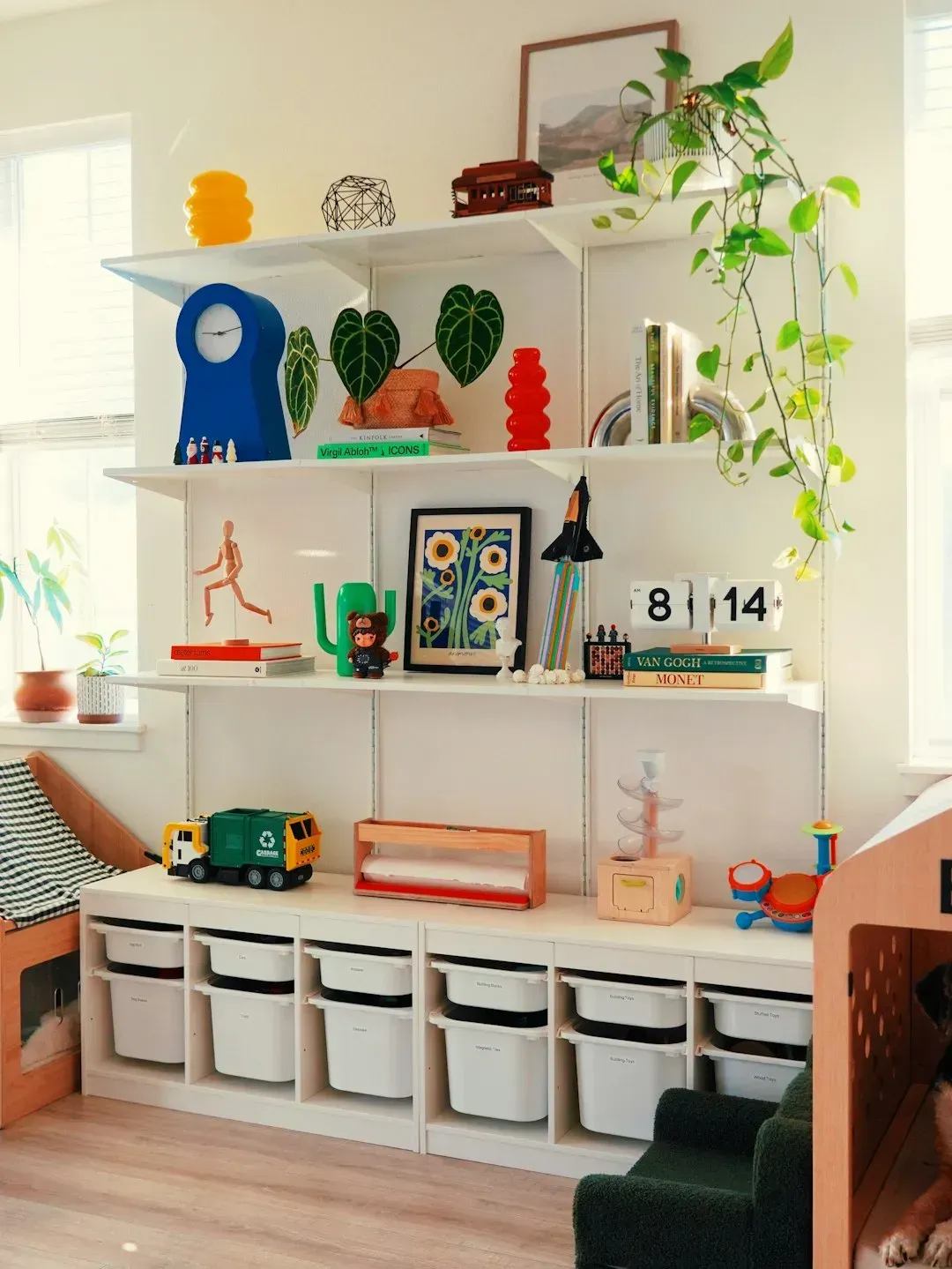
To reach the goal of having a place for everything, starting with containers is the most efficient approach, and there’s no need for anything expensive or elaborate since a repurposed bookcase with baskets or boxes can work remarkably well. The goal is reducing friction. When putting something away requires four steps, it won’t happen. When it requires one, even a five-year-old will usually manage it.
Involve Kids in the Process From the Start
Involve Kids in the Process From the Start (Image Credits: Unsplash)
Keeping kids’ rooms tidy is significantly easier with regular decluttering, effective storage solutions, and consistent daily routines, and involving children in the organization process helps them develop a genuine sense of responsibility for maintaining a clutter-free space. This matters more than most parents realize. A system a child helped create is one they feel some ownership over, which makes them far more likely to maintain it.
Professional organizer Regina Leeds has noted that our ability to organize begins at a young age through the modeling and messages we receive from our parents. That means how you organize in front of your children, and whether you include them, shapes habits that can follow them for years. Even small children can sort items by color, put books on a shelf, or toss toys into the right bin with a little encouragement and patience.
Reframe Donating as "Sharing the Love"
Reframe Donating as "Sharing the Love" (Image Credits: Unsplash)
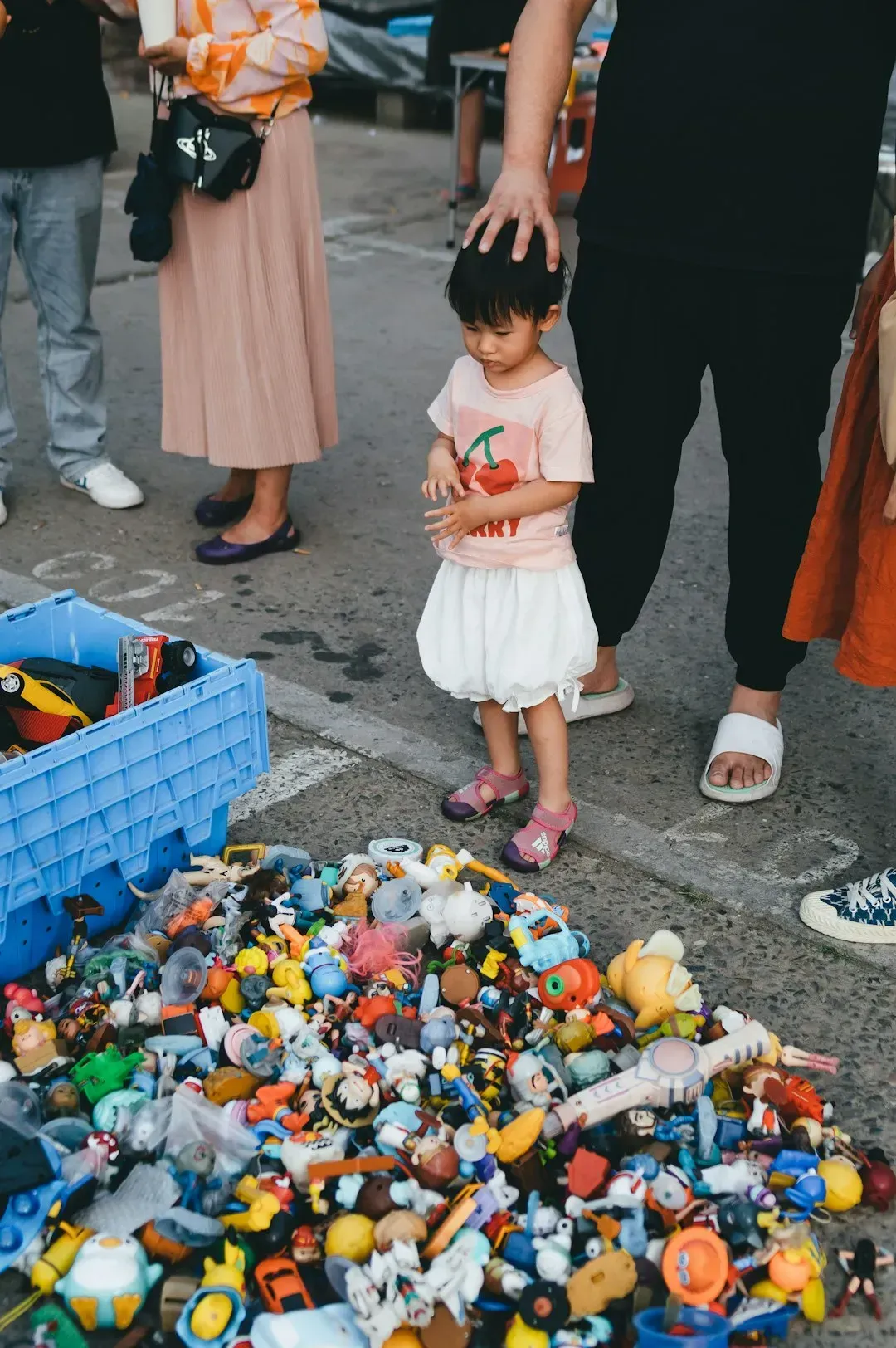
Reframing the purpose of a donation pile can change how the entire family approaches getting rid of things. Rather than framing it as losing something, thinking of it as “sharing the love” is a small semantic shift that helps children picture an item’s future purpose rather than grieving its departure. For many kids, the idea of another child enjoying a toy they’ve outgrown is far more motivating than abstract ideas about tidiness.
Creating a goal that a child can genuinely understand and relate to is key, and for many children, helping others is a compelling motivation that outweighs any attachment to an item they rarely use anyway. Making this a seasonal ritual, perhaps before birthdays or the winter holidays, gives it a natural rhythm that doesn’t feel arbitrary or punitive. Children who practice it regularly tend to develop a more relaxed relationship with possessions overall.
Apply the One-In, One-Out Rule Consistently
Apply the One-In, One-Out Rule Consistently (Image Credits: Unsplash)
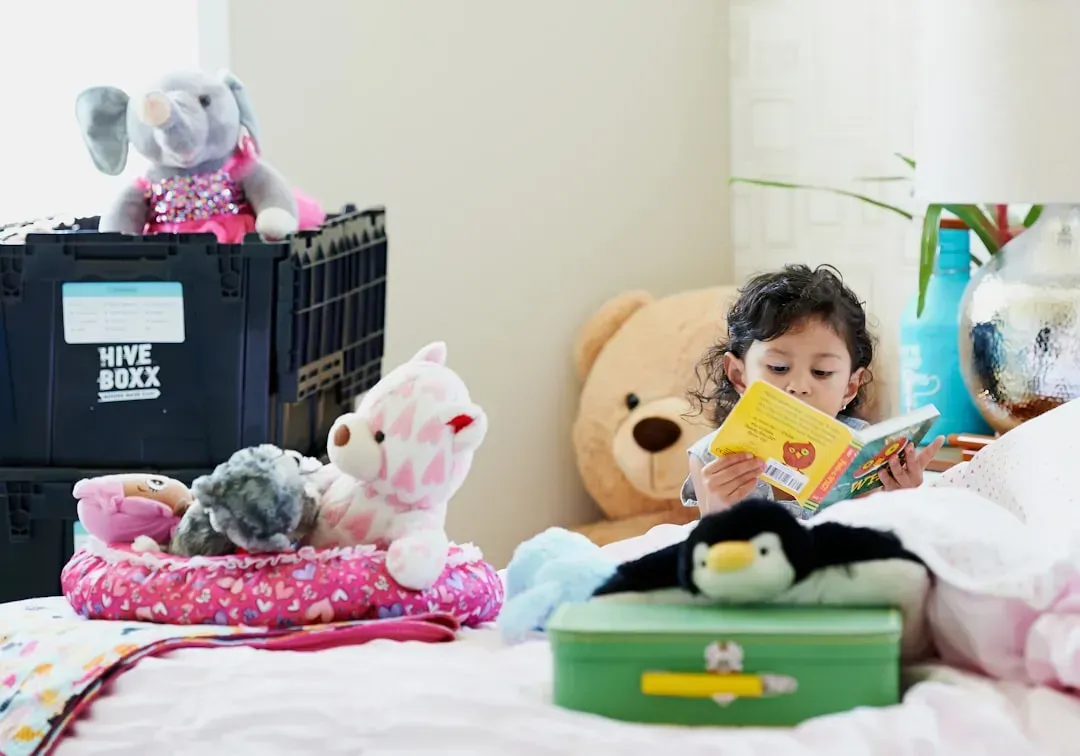
A practical household rule that many families find effective is requiring that something be donated or disposed of whenever a new toy or item arrives. It sounds strict on paper, but in practice it simply keeps the inventory from quietly expanding every time a birthday or holiday comes around. The United States, which has roughly three percent of the world’s children, purchases around forty percent of the world’s toys, which means the inflow pressure is genuinely significant without some kind of intentional counterbalance.
The goal of decluttering should be to live more simply, not to create more space for additional stuff, and before buying anything new, it’s worth pausing to consider whether it’s a true need, a replacement, or simply a desire. Teaching children to ask that question themselves, in age-appropriate language, is one of the more lasting organizational habits a family can instill. It shifts the focus from managing abundance to being thoughtful about what comes in.
Build Cleanup Into the Daily Rhythm, Not the End of the Day
Build Cleanup Into the Daily Rhythm, Not the End of the Day (Image Credits: Unsplash)
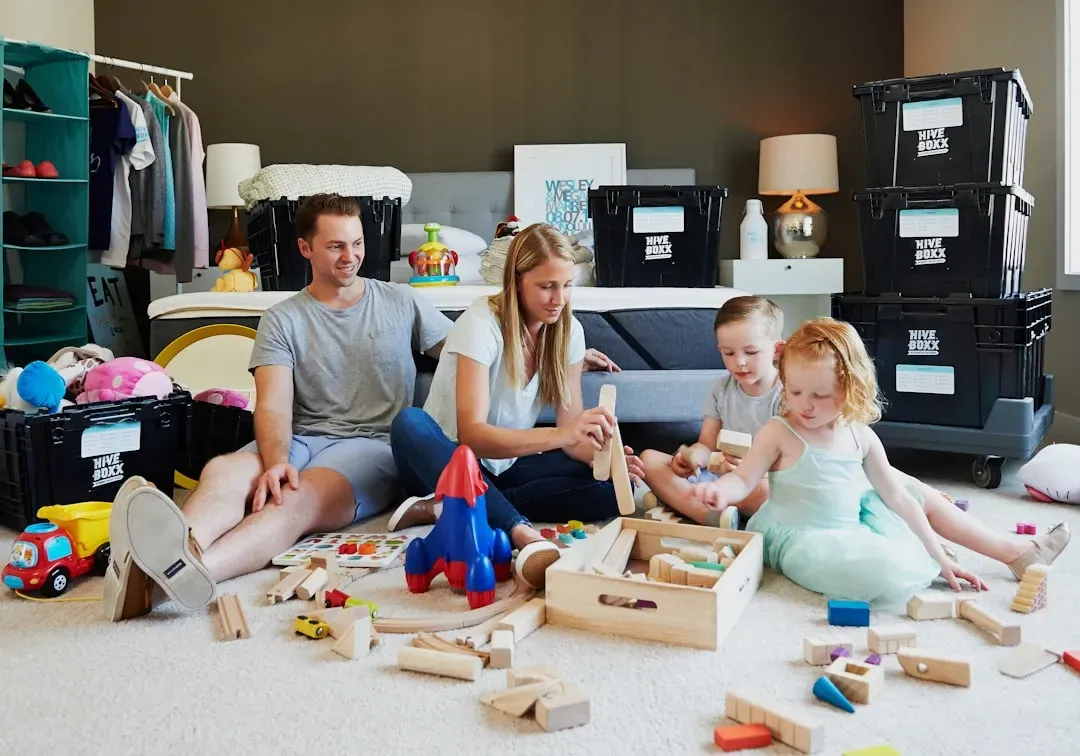
A tidy, organized space provides children with a genuine sense of security and calm, helping them regulate their emotions more effectively and fostering more positive behavior overall. The mistake many families make is treating cleanup as a single, end-of-day event that feels enormous by the time it arrives. Smaller, embedded resets scattered throughout the day are far less overwhelming for kids and far more effective at preventing the kind of buildup that makes the evening cleanup feel impossible.
Research from UCLA’s Center on Everyday Lives of Families found that the amount of stress experienced at home is directly proportional to the amount of accumulated possessions in the space. Tying brief tidying moments to existing transitions, such as before lunch, before screen time, or before leaving the house, turns cleanup into a background habit rather than a battle. In the average home, reducing clutter would eliminate roughly forty percent of housework, and estimates suggest the average person spends more than three thousand six hundred hours over a lifetime searching for misplaced items. Small daily habits genuinely move the needle over time.