
Most parents have been there: a thick stack of crayon drawings piling up on the kitchen counter, a folder of wobbly letters brought home from preschool, and not nearly enough room on the refrigerator door. It’s easy to feel torn between saving everything and quietly recycling most of it after the kids have gone to bed.
There’s more going on in that crumpled piece of paper than it might seem, though. Research across developmental psychology, neuroscience, and education consistently shows that children’s early drawings and notes carry real developmental weight. They’re not just cute artifacts. They’re records of a growing mind at work.
1. They Offer a Window into Your Child's Emotional World
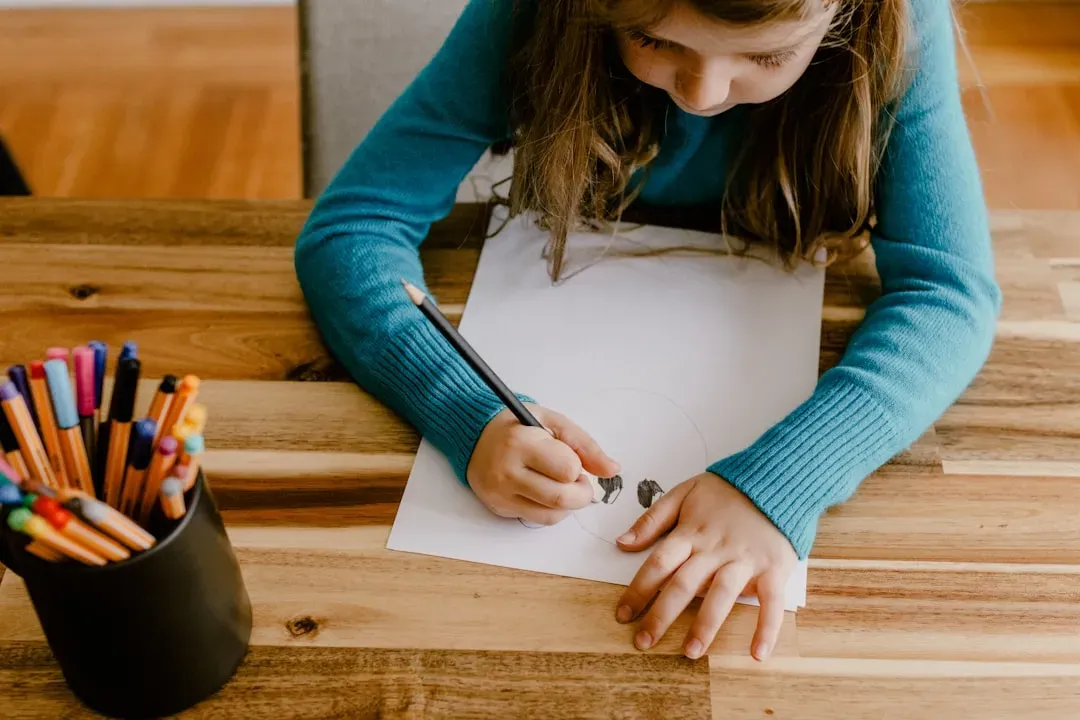
1. They Offer a Window into Your Child's Emotional World (Image Credits: Unsplash)
Children express their fears, joys, dreams, and pain through drawings, and their artwork offers genuine leads about their relationship to the world and to other things. Drawing is a real outlet for communication, and children's artwork represents a view of their personality. That's not a small thing. Before kids can articulate what's bothering them, they often show it on paper first.
A child's world may not be fully reflected in words, but it is captured through the lines and colors in their drawings, which represent their personal expressions of their psychological reality, especially considering the limitations of their language abilities. Keeping those pieces preserves an emotional record that words alone could never replicate.
2. Early Drawings Track Developmental Milestones
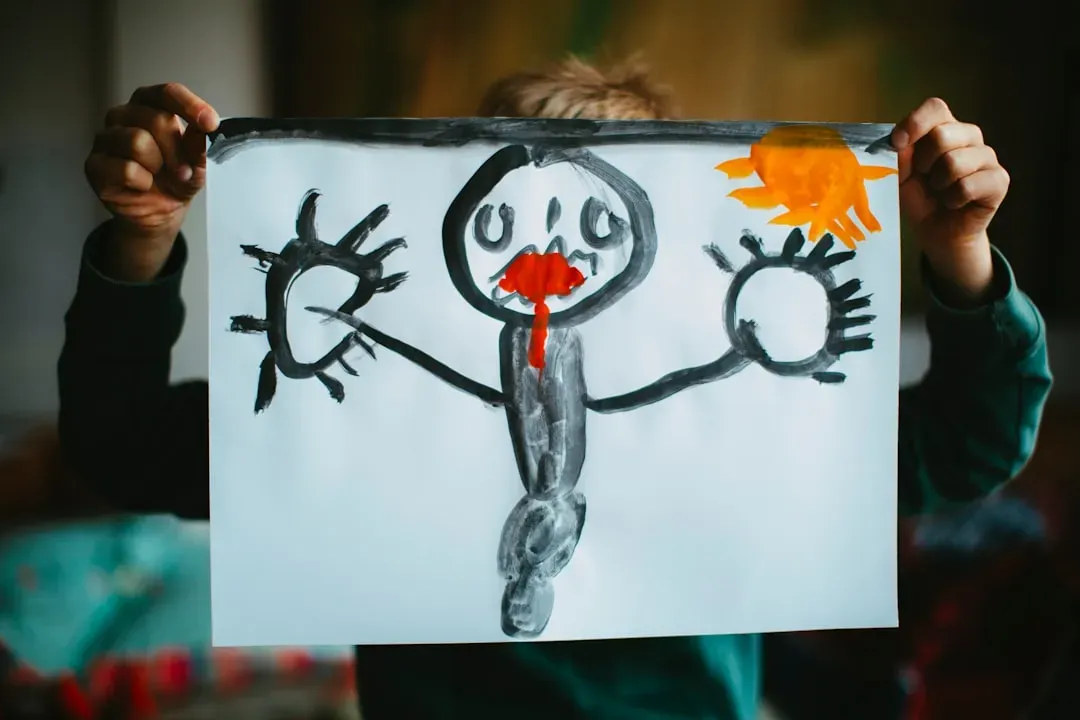
2. Early Drawings Track Developmental Milestones (Image Credits: Unsplash)
Most children start making their first scribbles between the ages of 12 and 18 months. Holding a crayon or paintbrush helps develop the small muscles in the hand that are important in fine motor skills. Beginning with scribbles, progressing to lines and circles, and then objects and people, the more a child draws, the more their fine motor skills will develop, preparing them for learning to write.
Children's drawings have an order of development that accompanies the development of motor skills, emotional development, psychosocial development, and the development of perception. Saving pieces from different ages creates an almost perfect visual timeline of where your child was physically and cognitively at each stage, something no report card can fully capture.
3. They Strengthen Your Child's Sense of Identity
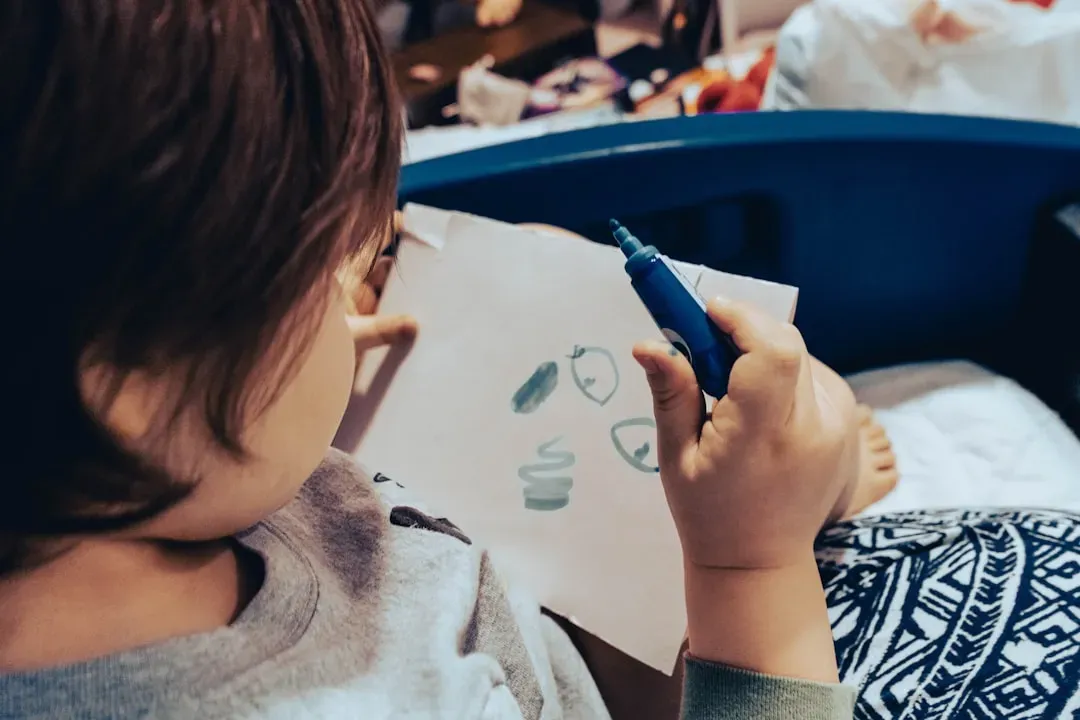
3. They Strengthen Your Child's Sense of Identity (Image Credits: Unsplash)
By creating and preserving memories, we give our children a sense of who they are and where they come from. This is particularly important in the early years when children are still developing their sense of self. A drawing your child made at age four carries a kind of identity signature that, years later, can feel surprisingly personal.
These records become more than clutter. They become context for who your child was at different ages, which strengthens identity formation. When a teenager flips through a folder of their earliest attempts at drawing a house or a dog, something useful happens: they see the story of themselves, from the very beginning.
4. They Reveal How Children Think and Learn
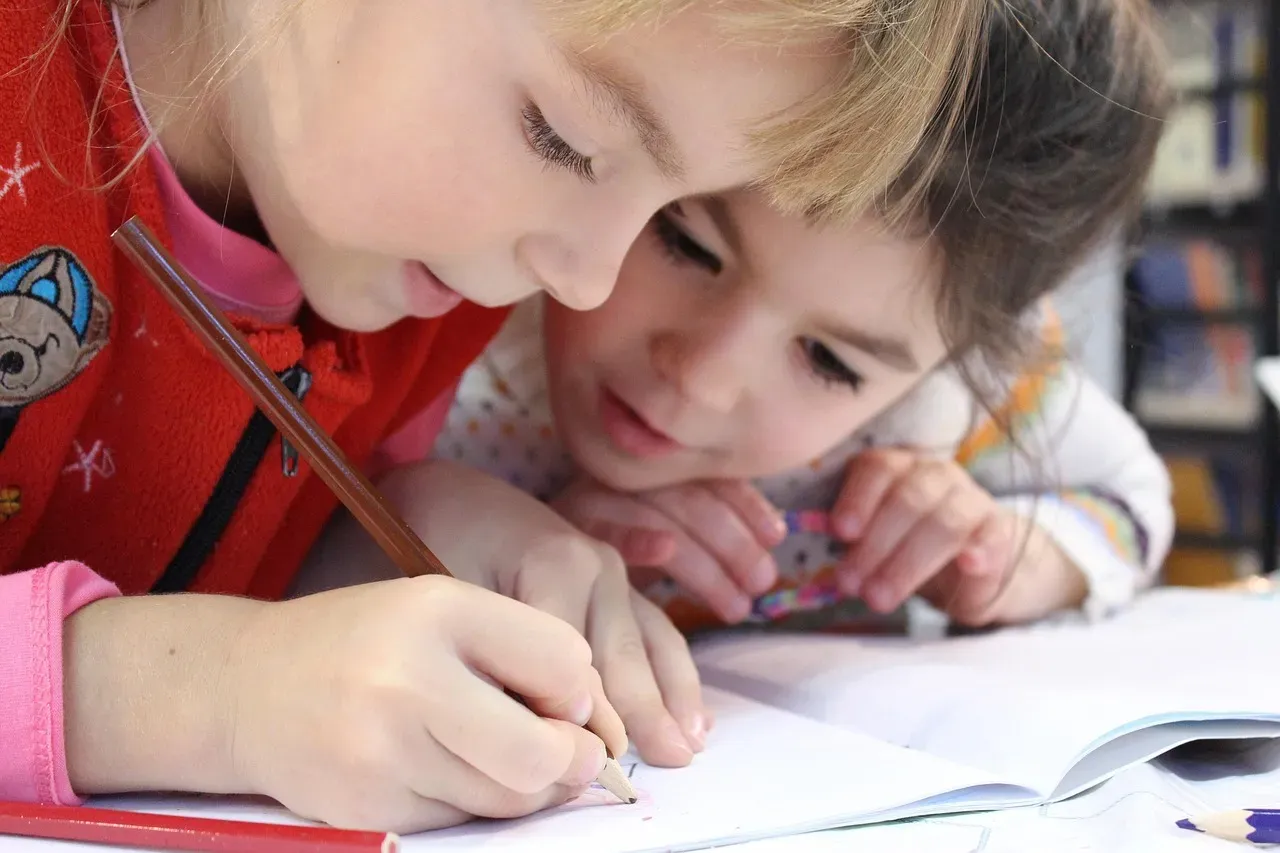
4. They Reveal How Children Think and Learn (Image Credits: Pixabay)
Drawing is considered a constructive learning strategy. Researchers have highlighted the importance of schematic drawings in learning processes and provided important evidence on the usefulness of drawings in training programs for teachers. In other words, the marks a child makes aren't random. They reflect active thinking and meaning-making.
Through drawing, children can not only visualize their thoughts but also play around with those ideas and transform them into new ones. Drawing also helps develop a foundation for early math skills by reinforcing concepts like proportionality and symmetry. Sketching human figures, for example, causes children to focus on the number of body features and exactly how they are organized. Saved drawings make that invisible thinking process visible.
5. They Can Help Build Long-Term Memory
5. They Can Help Build Long-Term Memory (Image Credits: Pexels)
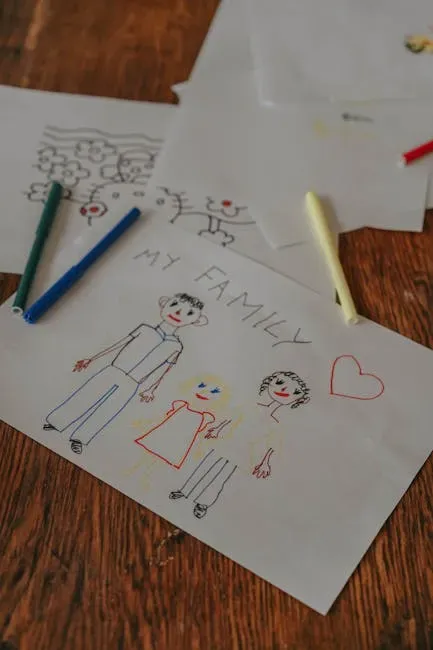
Research has found that children give more information about a previously experienced event when they are asked to draw about it while talking about it. Drawing has also been found to improve children's recall of events that happened a year earlier. The act of drawing something lodges it more firmly into memory, and the saved drawing itself becomes a cue that can unlock those recollections again later.
When children draw, they stretch and exercise their memories in a few different ways. Sketching something new they observe in the room can actually help them remember it and any conversation that occurred around the object. A saved drawing, looked at again years later, can bring back an entire context that might otherwise be completely forgotten.
6. They Support Emotional Resilience and Self-Confidence
6. They Support Emotional Resilience and Self-Confidence (Image Credits: Unsplash)
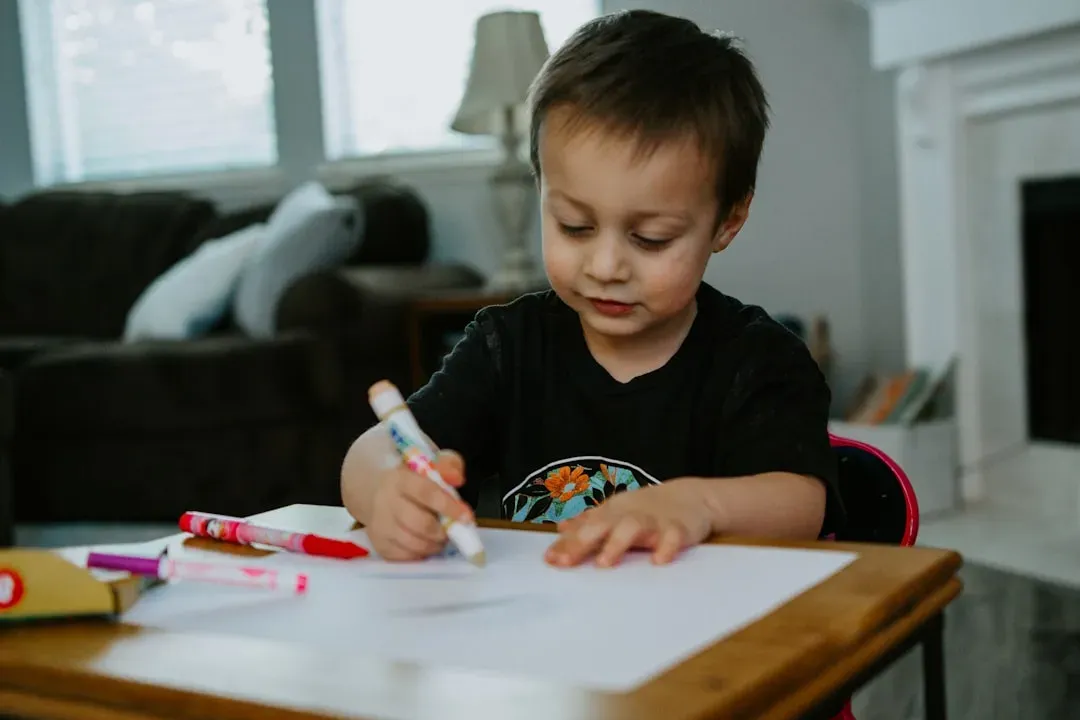
Memories can play a key role in building confidence and self-esteem. When children look back at past successes and accomplishments, they feel a sense of pride and achievement. This can be particularly important for children who may struggle with self-esteem. Early drawings are tangible proof that a child made something, tried something, and cared enough to finish it.
Drawing is an opportunity to develop resilience, as children learn to correct mistakes, smudges, or scribbles that rip through the page. Gaining a sense of control over emotions is a key benefit of drawing at every stage. Preserving that work sends a quiet but powerful message: what you made matters, and it's worth keeping.
7. Saved Artwork Can Have Real Therapeutic Value
7. Saved Artwork Can Have Real Therapeutic Value (Image Credits: Pexels)
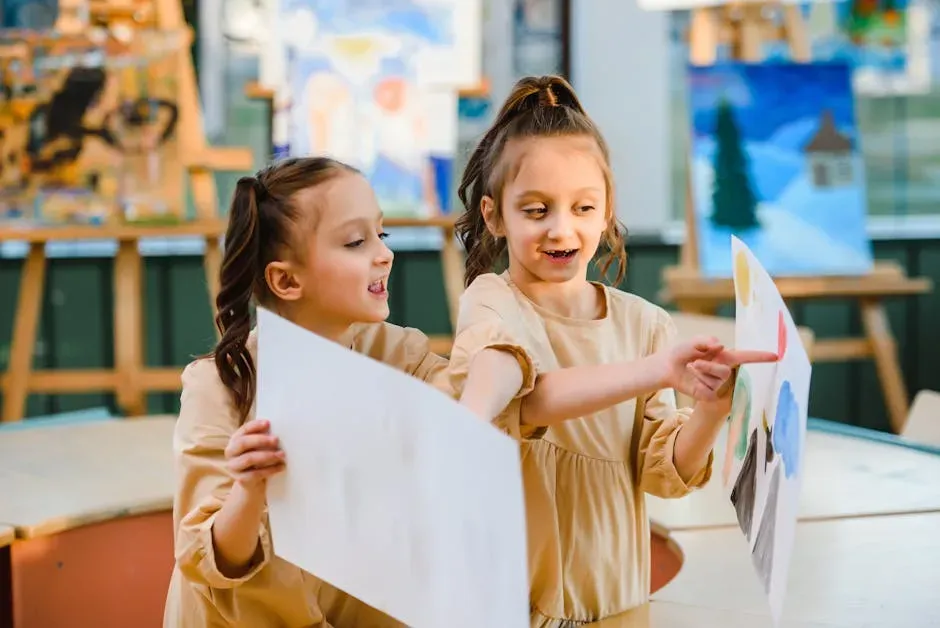
Creative expression has been found to positively impact emotional wellbeing. Art and play are often used as developmentally appropriate methods of engaging young children in psychotherapy, as they allow children to engage in their natural and primary form of self-expression without the use of strong verbal communication skills. This therapeutic dimension doesn't disappear once the session ends.
There is a need to increase scientific inquiry into the potential applications of children's drawings in prevention, assessment, and treatment interventions in various developmental contexts. Each publication in the field increases our knowledge of the potential and reliability of analyzing children's drawings, both as a research tool and for assessing children's psychological adjustment. A collection of saved artwork over time can provide genuinely useful context for parents, teachers, and when needed, professionals.
8. Notes and Writing Samples Show Cognitive Growth in Real Time
8. Notes and Writing Samples Show Cognitive Growth in Real Time (Image Credits: Pexels)
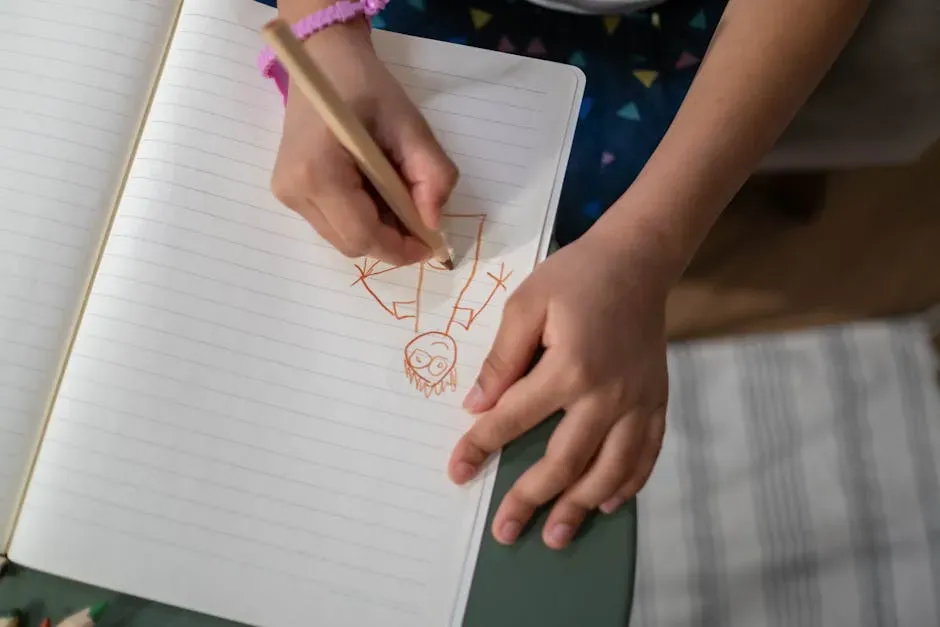
Before children can effectively use words to express themselves, they often turn to drawing as a form of communication. This pre-verbal expression of thoughts and emotions is a foundation for developing communication skills. Drawing provides a visual means to convey messages and stories. Written notes follow a similar arc, starting as shapes that roughly imitate letters and gradually becoming real language.
Research says that drawing provides the opportunity for kids to observe in great detail, a skill that helps them in writing. When you save both drawings and early written notes side by side from the same year, you can actually watch literacy develop across a handful of sheets of paper. That's a record no standardized test can recreate.
9. They Become Irreplaceable Family Heirlooms Over Time
9. They Become Irreplaceable Family Heirlooms Over Time (Image Credits: Pixabay)
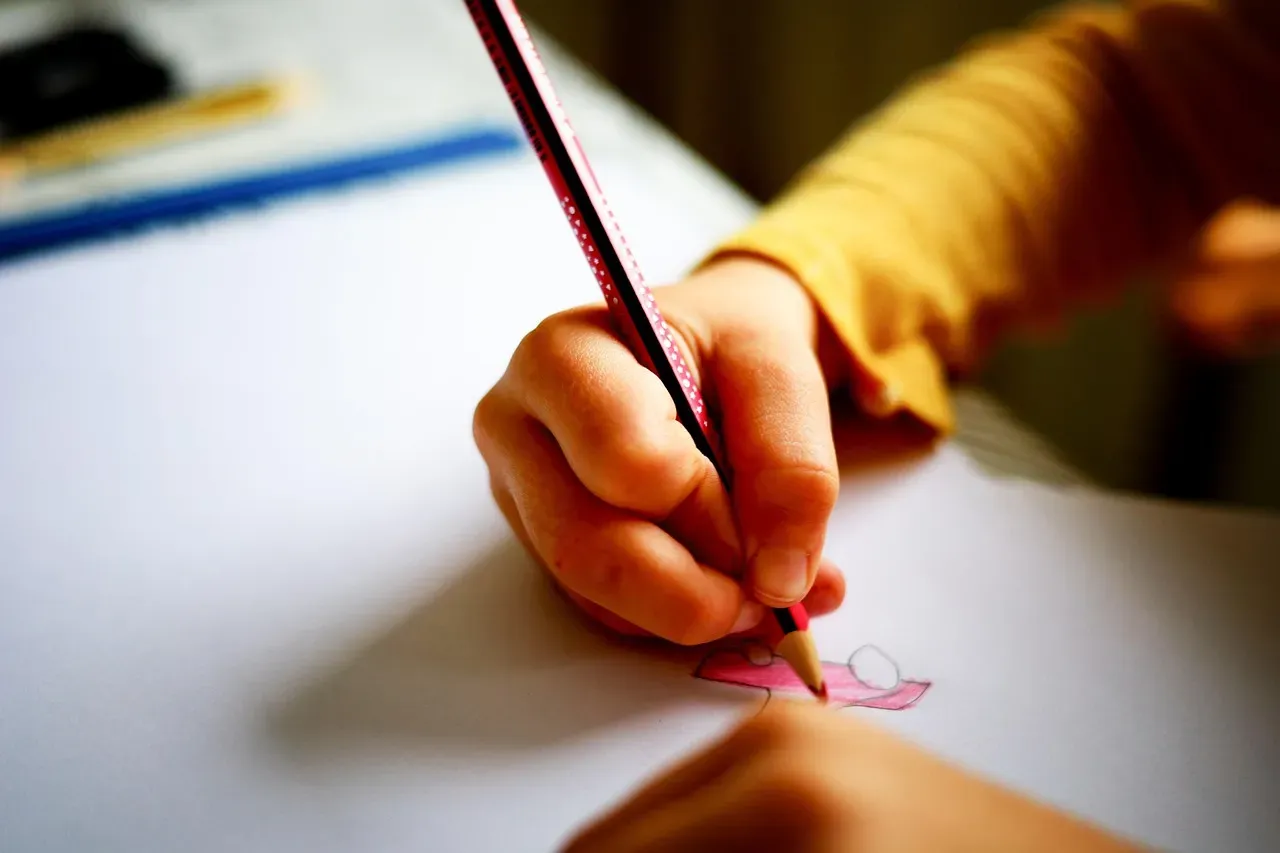
Realistically, you can't keep it all. As any parent will tell you, a child's artwork offers a priceless glimpse into a specific stage of their development, bringing with it a flood of memories and emotions. The pieces you do save tend to carry weight that increases with every year that passes. A drawing made at age five is interesting at age ten and genuinely moving at age thirty.
For children, those preserved memories can shape their sense of identity, emotional resilience, and family connection. Research shows that reminiscing with children helps strengthen their memory skills and builds emotional bonds with caregivers. Artwork has a particular advantage over photographs in this regard: it came entirely from your child's own hand and imagination, making it unmistakably personal.
10. They Nurture Creativity by Showing That Creative Work Is Valued
10. They Nurture Creativity by Showing That Creative Work Is Valued (Image Credits: Unsplash)
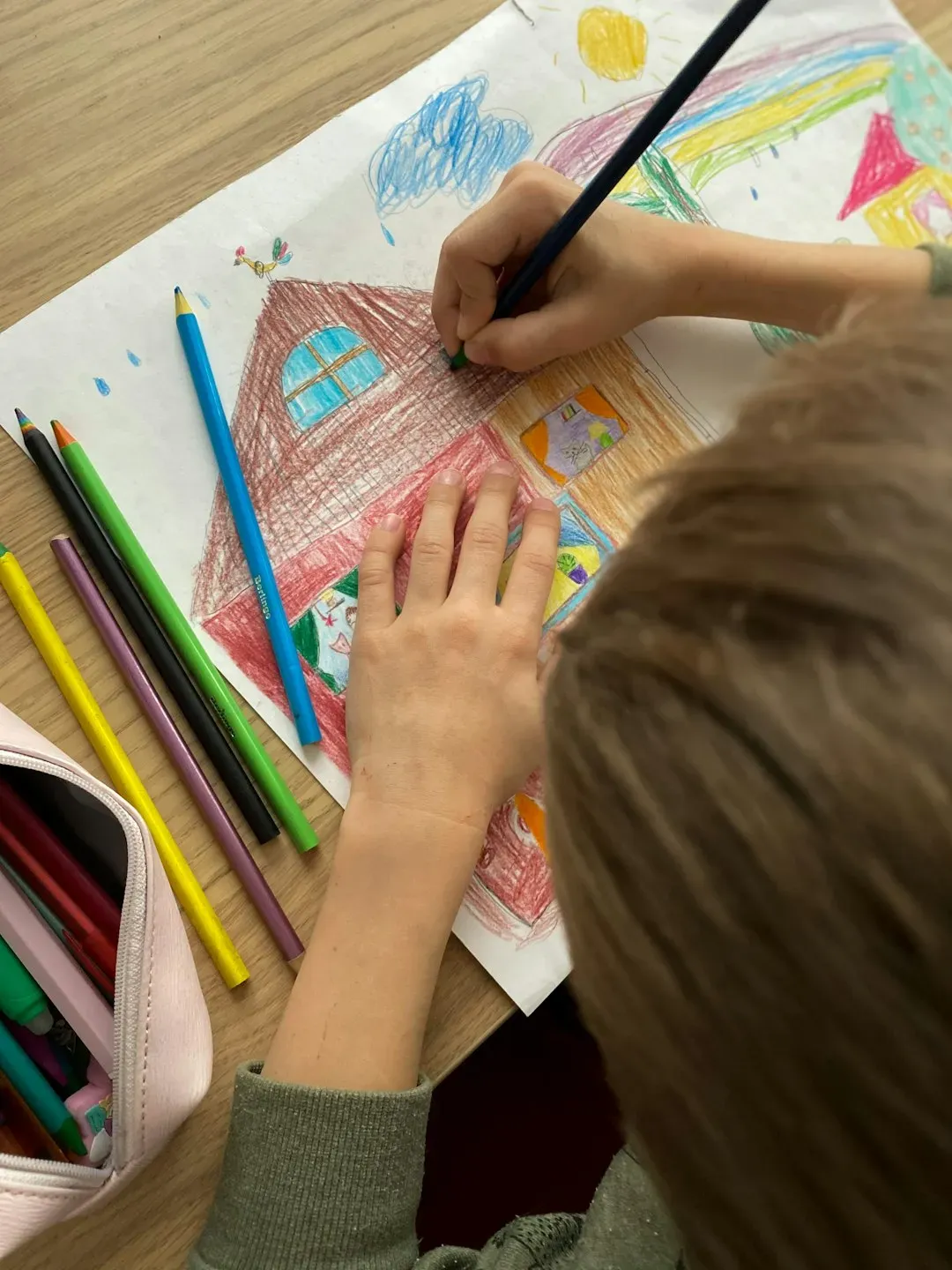
An Arts Council England report found that many children do not receive encouragement to take part in arts activities, but that those children who did were more likely to engage in the arts as adults. This suggests that encouragement may be important, not just for current engagement, but also to benefiting in the future from engaging in art. Saving a child's drawings is one of the most direct forms of encouragement a parent can offer.
Drawing unlocks creativity, giving children a canvas to express their thoughts, ideas, and dreams. It encourages divergent thinking, a key component in problem-solving and innovation. Kids learn to think creatively and develop unique solutions to their challenges. This form of free expression allows them to explore possibilities without the fear of making mistakes. When a child sees that their early work was saved and valued, it reinforces the idea that creative output deserves attention, and that belief tends to stick.
You don't need to keep every page. A thoughtfully chosen collection, stored in a simple portfolio or photographed and organized by year, is enough to give your child something genuinely worth having: a record of who they were while they were still figuring that out. The time it takes is small. The return on that investment, measured in identity, memory, and connection, tends to be quite large.