
Something quiet has been happening in the way people connect, commit, and drift apart. It isn’t dramatic, and it rarely makes front-page news, but the data and the lived experiences of millions of people tell a consistent story: the rules of modern relationships are being rewritten in real time.
From the age people first say “I do” to whether they bother saying it at all, from who they turn to for comfort to the digital tools now embedded in dating culture, the shifts are broad and interconnected. Understanding them isn’t just sociologically interesting. It matters personally, practically, and in ways that tend to catch people off guard.
Marriage Is Happening Later Than Ever Before
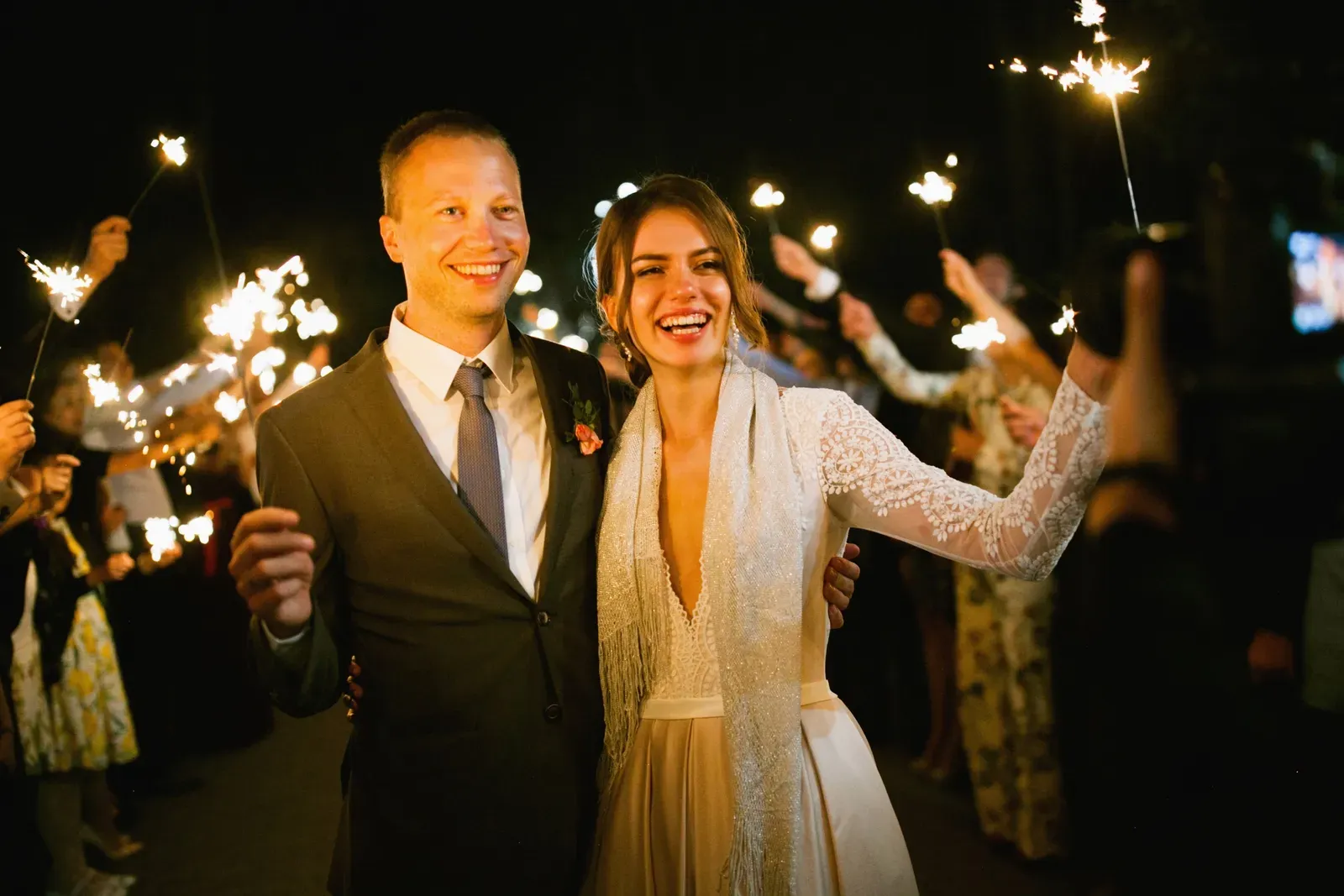
Marriage Is Happening Later Than Ever Before (By Mikhail Kapychka, <a href="https://commons.wikimedia.org/w/index.php?curid=76718860" target="_blank" rel="noopener">CC BY-SA 4.0</a>)
According to The Knot’s 2025 Real Weddings Study, Americans now get married at an average age of 32. That’s a significant contrast to previous generations. In 1956, men married at 22.5 and women at 20.1, meaning today’s couples are waiting more than a full decade longer on average.
Married couples now lead only about 47 percent of U.S. households, with numbers staying close to record lows through 2024 and 2025. This isn’t a temporary dip. It reflects a generational recalibration of how people sequence their lives, placing career stability, personal identity, and financial readiness well ahead of formal commitment.
The Dating Recession Is Real – and Being Measured

The Dating Recession Is Real – and Being Measured (By João Silas joaosilas, <a href="https://commons.wikimedia.org/w/index.php?curid=61823804" target="_blank" rel="noopener">CC0</a>)
A 2026 report from the Institute for Family Studies found evidence that many young adults are experiencing a dating recession during their prime dating years, prompting calls for cultural and professional conversation about this new challenge to relationship formation. The research drew on a nationally representative survey of over 5,000 unmarried adults aged 22 to 35.
The biggest barrier to dating young adults reported was not having enough money, endorsed by more than half of respondents – 58 percent of men and 46 percent of women. Despite the common narrative that young adults only want casual hookups, the research found that the vast majority, including around 83 percent of women and 74 percent of men, strongly endorse dating focused on forming serious relationships and emotional connections.
How People Meet Has Fundamentally Changed

How People Meet Has Fundamentally Changed (Image Credits: Pixabay)
More than half of engaged U.S. couples reported meeting through an app or website in 2025, up from 39 percent just eight years earlier, while traditional pipelines like friends, work, or college now account for far smaller shares. The shift is not just numerical. It represents a structural change in how courtship begins.
As of early 2024, U.S. adults spent an average of about 51 minutes per day on dating apps. Roughly 44 percent of dating app users say they’re seeking a serious relationship, while about a quarter use the platforms primarily for casual encounters. The apps are shaping not just how people meet but what they expect when they do.
The Education Gap Is Reshaping Who Marries Whom

The Education Gap Is Reshaping Who Marries Whom (Image Credits: Unsplash)
As more women earn college degrees than men, highly educated women are increasingly marrying men without college degrees, a pattern that has become more common than the reverse. This is a quiet inversion of a long-standing social norm, one with real implications for how couples navigate power dynamics, financial expectations, and personal ambitions.
These shifts coincide with broader societal trends such as delayed marriage, increasing rates of singlehood, and changing marital expectations among younger generations. The pairing of educational inequality with shifting gender roles means that partnership formation in the 2020s looks genuinely different from any previous decade, not just a little different.
Financial Transparency Is Becoming a Relationship Milestone

Financial Transparency Is Becoming a Relationship Milestone (Image Credits: Pexels)
Nearly four out of five Gen Z respondents in a 2025 Bank of America survey said that financial responsibility is an important attribute when choosing a significant other. Money has moved from a sensitive, avoided topic to something increasingly treated like a compatibility signal.
Half of both Gen Z and millennials find it attractive when a casual date is open about how much they earn, compared to just 37 percent of Gen X and 23 percent of baby boomers. Modern couples are now talking about finances much earlier in relationships, with 37 percent saying the right time to share your salary is when you become exclusive, not when you move in or get engaged. Openness about money has quietly become a form of intimacy.
AI Companions Are Entering the Emotional Landscape

AI Companions Are Entering the Emotional Landscape (Image Credits: Unsplash)
The rise of AI companions was one of the biggest conversations of 2025, with AI companion apps downloaded 220 million times globally, 66 million of which happened in that year alone, with people reporting forming deep and intimate bonds with AI entities across roles such as friend, lover, mentor, and therapist.
The rapid advancement of AI technology has transformed human-AI interaction from purely instrumental use to quasi-social engagement, potentially evolving into emotional attachment, prompting researchers to review two decades of interdisciplinary work to understand how this bonding actually forms. Evidence shows human connection reduces loneliness and improves health outcomes, and while AI can simulate companionship, it cannot replace mutual growth, accountability, or shared sacrifice.
Loneliness Is Growing, and It Isn't Just a "Male" Problem

Loneliness Is Growing, and It Isn't Just a "Male" Problem (Image Credits: Unsplash)
A 2025 Pew Research Center study found no statistically significant gender disparity in loneliness, with 16 percent of men and 15 percent of women reporting feeling lonely or isolated all or most of the time, with loneliness growing universally, particularly among younger people. The narrative that loneliness is primarily a male crisis tends to obscure the fuller picture.
While experiences with loneliness don’t differ much by gender, men do seem to turn to their networks less often for connection and emotional support. Many journalists have focused on men specifically, citing findings that there are five times as many men who say they have no close friends as there were in 1990. The deeper issue, though, is structural: broader social habits are eroding the kinds of casual, low-stakes connection that once kept people anchored.
What People Actually Want From Relationships Hasn't Changed That Much

What People Actually Want From Relationships Hasn't Changed That Much (Image Credits: Pexels)
Research published in the journal Personal Relationships found that college students’ perspectives on relationships today aren’t that different from what they were 10 years ago or even 10 years before that, with young adults instead taking more diverse and multifaceted pathways through romantic partnering and considering a broader range of outcomes.
In 2024, 82 percent of couples in a serious relationship used physical affection to nurture intimacy, alongside quality time, regular thoughtful communication, expressions of appreciation, and the sharing of new experiences. Similarity in shared values and goals remains the best predictor of long-term compatibility and less conflict, while trust and commitment remain the foundations of relationship stability. The forms relationships take may be shifting, but what makes them work is stubbornly consistent.
The Growing Acceptance of Going It Alone

The Growing Acceptance of Going It Alone (Image Credits: Pixabay)
According to U.S. Census Bureau data, roughly 117 million Americans, or about 46 percent of those aged 18 and above, are single, while 68 percent of Americans perceive that the negative stigma around being single is fading. Singlehood is increasingly framed not as a waiting room for partnership but as a valid destination in its own right.
About one in four Americans, including roughly 35 percent of Generation Z, say they are not actively seeking a romantic relationship. In increasing numbers, women in particular are choosing to be single, remain unmarried, or not have children, actively stepping away from dating rather than simply being between relationships. Whether that shift persists or reverses as economic and social pressures evolve is one of the more genuinely open questions facing relationship researchers right now.