
Most people wouldn’t look twice at a penny in their change. It’s a cent, after all – barely worth bending down to pick up on the sidewalk. Yet some of the coins quietly sitting in old jars, estate boxes, or inherited coin collections carry histories that stretch back over a century, and a handful of them are worth more than a new car. That’s the strange reality of the wheat penny.
Lincoln Wheat Pennies were minted from 1909 to 1958 and are among the most iconic and widely collected coins in U.S. history. Before you use one to make exact change or drop it into a tip jar, it’s worth knowing what might actually be in your hand.
A Coin With a Surprisingly Rich Origin Story
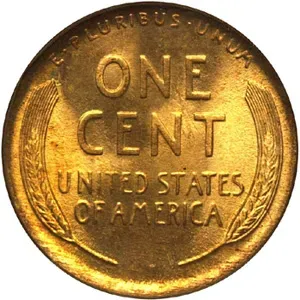
A Coin With a Surprisingly Rich Origin Story (<a href="https://commons.wikimedia.org/w/index.php?curid=2398486" target="_blank" rel="noopener">Public domain</a>)
The Wheat Penny was first minted in 1909 to honor the centennial of Abraham Lincoln's birth. Designed by Victor David Brenner, the coin featured the image of Abraham Lincoln on the front side – the first time a U.S. president appeared on circulating coinage. That alone makes it historically significant, regardless of monetary value.
Replacing Indian Head pennies, which were minted from 1859 through 1909, Lincoln pennies were welcomed by massive crowds that gathered at banks on August 2nd when the new coins arrived in commerce. While highly popular from day one, there was initial outcry about the prominence of the initials of designer Victor David Brenner. His initials, VDB, are located on the reverse side near the rim and centered below the wheat stalks. The quick removal of the initials led to the creation of several varieties of wheat penny coins.
Most Wheat Pennies Are Common – but Not All of Them
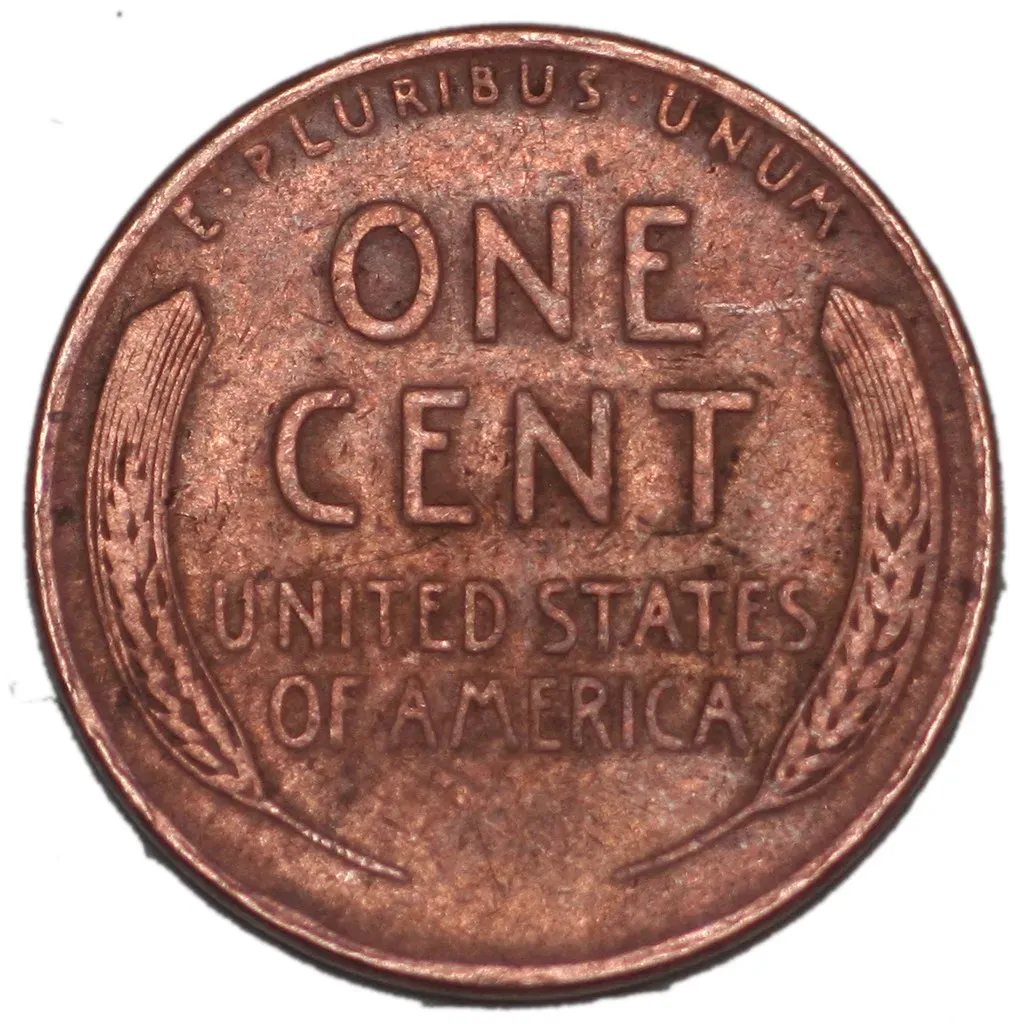
Most Wheat Pennies Are Common – but Not All of Them (matthiasxc, Flickr, <a href="https://creativecommons.org/licenses/by/2.0/" target="_blank" rel="noopener">CC BY 2.0</a>)
Most Lincoln Wheat Pennies from 1909 to 1958 are worth just a few cents to a few dollars, though rare dates and high-grade examples can command thousands. Value depends heavily on factors such as mintage, condition, demand among numismatists, and whether the coin has been professionally certified.
Not all Wheat Pennies are created equal. Key dates such as the 1909-S VDB, 1914-D, and 1922 No D are highly sought after due to their limited mintage and scarcity in high grades. Spending one of these rare dates as ordinary currency would be like tossing away a small fortune without realizing it.
The Role of Mint Marks – a Small Letter That Changes Everything
The Role of Mint Marks – a Small Letter That Changes Everything (Image Credits: Unsplash)
The mint mark reveals where a coin was struck, whether at the San Francisco Mint, Denver Mint, or Philadelphia Mint, which used no mint mark. Some locations produced fewer coins, and these can be significantly more valuable. Certain San Francisco issues remain highly collectible due to their scarcity.
Each mint produced wheat pennies from 1909 to 1958, meaning there are multiple versions for each year. For example, a 1909 wheat penny minted in Philadelphia will have a different value than one from San Francisco with an "S" mint mark. Some mint locations produced fewer coins, making certain versions rarer and more desirable to collectors. A small "S" or "D" below the date on the coin's face is the first thing any serious collector looks for.
Condition Is Everything in the Collector Market
Condition Is Everything in the Collector Market (Image Credits: Pexels)
For a coin to command a high price in the collector's market, it needs to possess exceptional condition – it must not have experienced any wear and tear from circulation, and it should be free from nicks or scratches. Ideally, it should be in pristine condition, just as it left the minting press, with a natural weathered patina and uniform color.
If the parallel lines at the top of the wheat stalk are showing, the coin is likely in fine or even better condition. If the penny has experienced significant wear and tear due to handling over the years, there is a good chance these lines at the tops of the stalks will be worn down or even non-existent. In this case, the coin may be considered to be in good or a lesser condition. If the lines at the tops of the wheat stalks remain crisp, clear, and robust, the coin may be in extremely fine condition. This simple visual check can help you quickly sort worthless pocket change from something worth having appraised.
The Key Dates That Collectors Chase
The Key Dates That Collectors Chase (Image Credits: Pexels)
Key dates dominate the collector market. Coins like the 1909-S VDB, described as "the Holy Grail" of Wheat Pennies, and other low-mintage issues like the 1943 bronze, 1914-D, and 1955 doubled die still drive strong demand. These aren't myths – auction records consistently back up their reputations.
The 1922-D No D is a very rare variety due to mint mark mishaps, with high collector demand. These are Philadelphia-like cents struck at the Denver Mint using worn dies. The 1931-S is a Depression-era rarity with very low mintage. The 1955 Doubled Die Obverse is a striking error coin that remains highly sought after by collectors. Any of these discovered in an old collection deserves immediate attention rather than casual use as currency.
The Wartime Error Coins Worth Serious Money
The Wartime Error Coins Worth Serious Money (Image Credits: Pixabay)
The cent was struck in 95% copper until 1943, when copper was needed for the war, and the penny's composition changed to zinc-coated steel for a year. There were a few error coins the following year that were mistakenly made on the steel planchets, and these are quite rare and valuable. The inverse happened in 1943 as well, creating one of numismatics' most legendary mistakes.
The 1943 bronze wheat penny ranks among America's most legendary numismatic errors, created when leftover copper planchets from 1942 production accidentally remained in the minting presses during the transition to wartime steel composition. Rare error and key-date wheat pennies have fetched jaw-dropping sums – a 1943 bronze penny sold for up to $1.75 million, and 1944 steel cents now bring between roughly $35,000 and $175,000. These are genuine auction results, not exaggerations.
The Counterfeiting Problem You Need to Know About
The Counterfeiting Problem You Need to Know About (Image Credits: Unsplash)
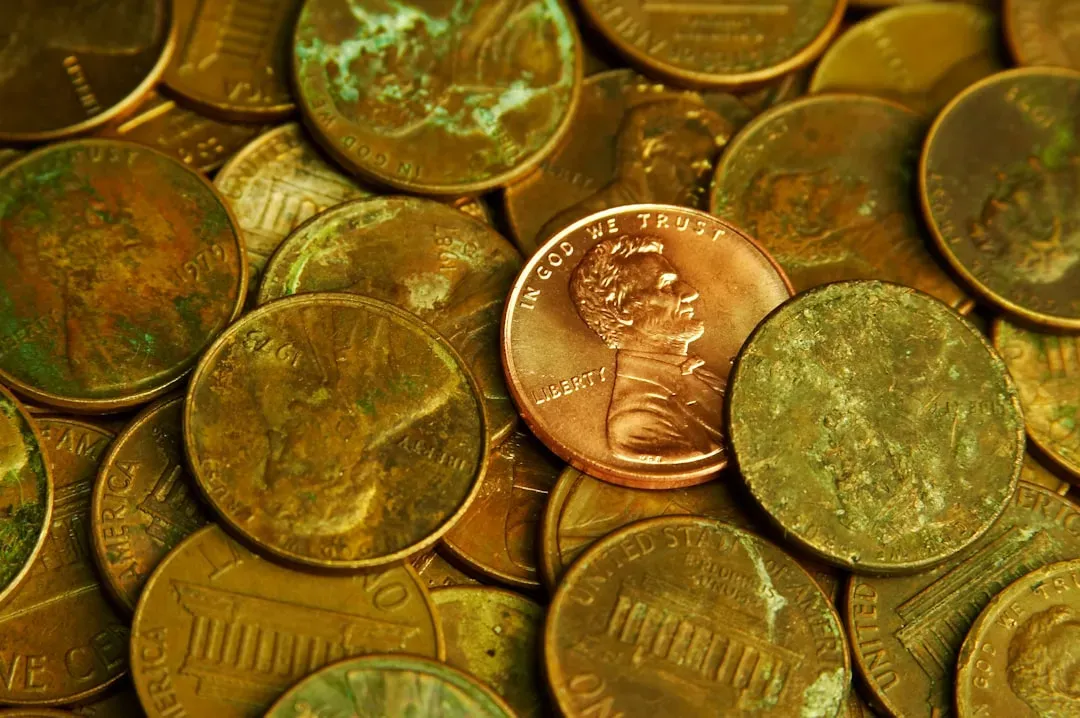
The first group of coins that suffers from large amounts of counterfeiting are the Lincoln wheat pennies. Counterfeiters often modify common coins to simulate rarer ones. This can involve altering a date, such as changing a "3" to an "8" to create a different variety, or adding or changing a mint mark – for example, adding an "S" to a Philadelphia mint coin.
The 1914-D Lincoln cent ranks among the most counterfeited U.S. coins. Counterfeiters often add a "D" mint mark to a 1914 Philadelphia cent. Others alter a 1944-D by reshaping the first "4" into a "1," making authentication remain critical. If a coin seems unusually valuable and the deal seems too easy, caution is warranted – always.
How Professional Grading Changes the Picture
How Professional Grading Changes the Picture (Image Credits: Pixabay)
Independent grading by respected services like PCGS and NGC provides unbiased confirmation of a coin's grade and authenticity. Certified coins often sell more quickly and for higher prices than raw examples, particularly when encapsulated in tamper-proof holders. For anything potentially valuable, this step isn't optional – it's essential.
No serious collector or auction house will purchase a high-value wheat penny without a verified grading holder. This protects both the buyer and the seller from the high-quality fakes that have circulated for decades. The cost of professional grading is modest compared to the risk of selling a rare coin well below its actual worth, or worse, unknowingly paying for a fake.
The Market Has Been Getting Stronger, Not Weaker
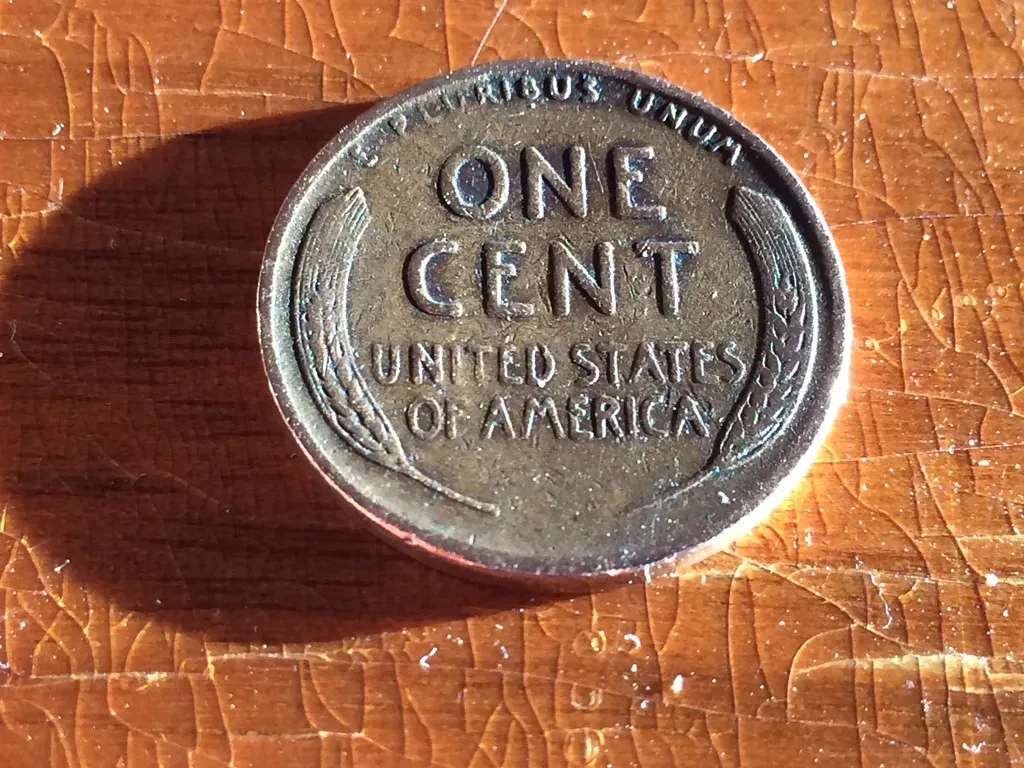
The Market Has Been Getting Stronger, Not Weaker (docbadger1, Flickr, <a href="https://creativecommons.org/licenses/by/2.0/" target="_blank" rel="noopener">CC BY 2.0</a>)
The current Wheat Penny market is being shaped by a combination of collector nostalgia, limited surviving high-grade examples, and increasing global demand. Key dates and well-known error varieties continue to perform strongly at auction, especially in certified Mint State condition. As more collectors compete for top-population coins, prices for premium pieces tend to rise faster than average examples.
Online auctions have fueled price jumps, with sales via eBay and major auction houses exposing global audiences to extreme highs, especially for error coins. Collecting remains robust, with numismatists viewing these coins as investment-grade collectibles, not merely historical oddities. Casual spending of a potential key-date coin, then, carries a real and growing opportunity cost.
What to Do If You Think You Have Something
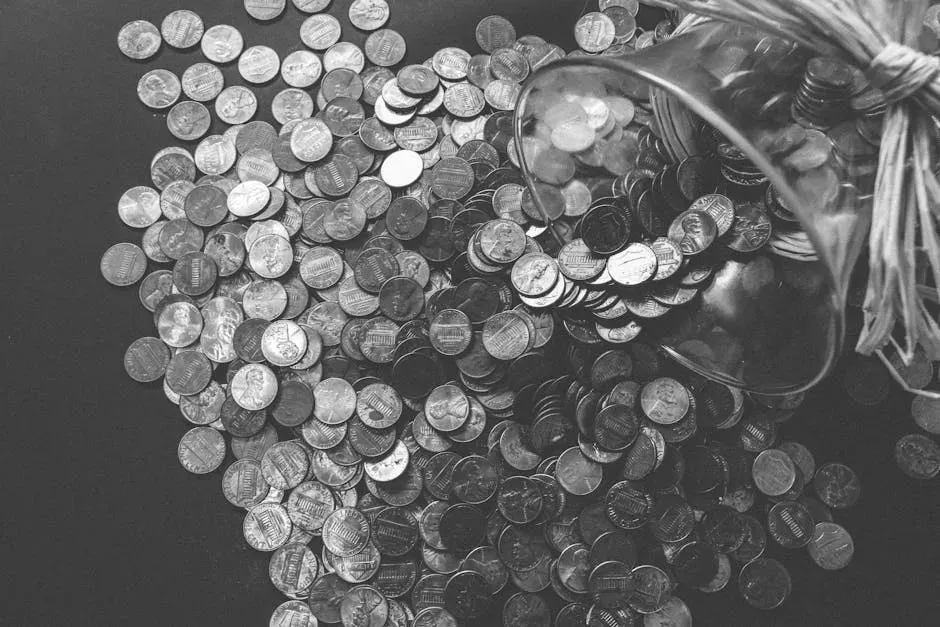
What to Do If You Think You Have Something (Image Credits: Pexels)
To estimate the value of a wheat penny, pay attention to three things: the mint date and mint mark, which indicate rarity; the condition of the coin, as a scratch-free, shiny surface increases value significantly; and professional grading through agencies such as PCGS or NGC, which assign an official grade.
If you have a collection of wheat pennies, it's a good idea to have them appraised by a reputable coin dealer or numismatist to determine their value and potential for future appreciation. One of the most unique aspects of Lincoln Wheat Cents is that they can still be found in pocket change, so be sure to check your pockets, or that jar of pennies you inherited, to ensure that you aren't missing an especially valuable specimen. A five-minute inspection could save you from an expensive mistake.
The Simple Habit That Could Save You Real Money
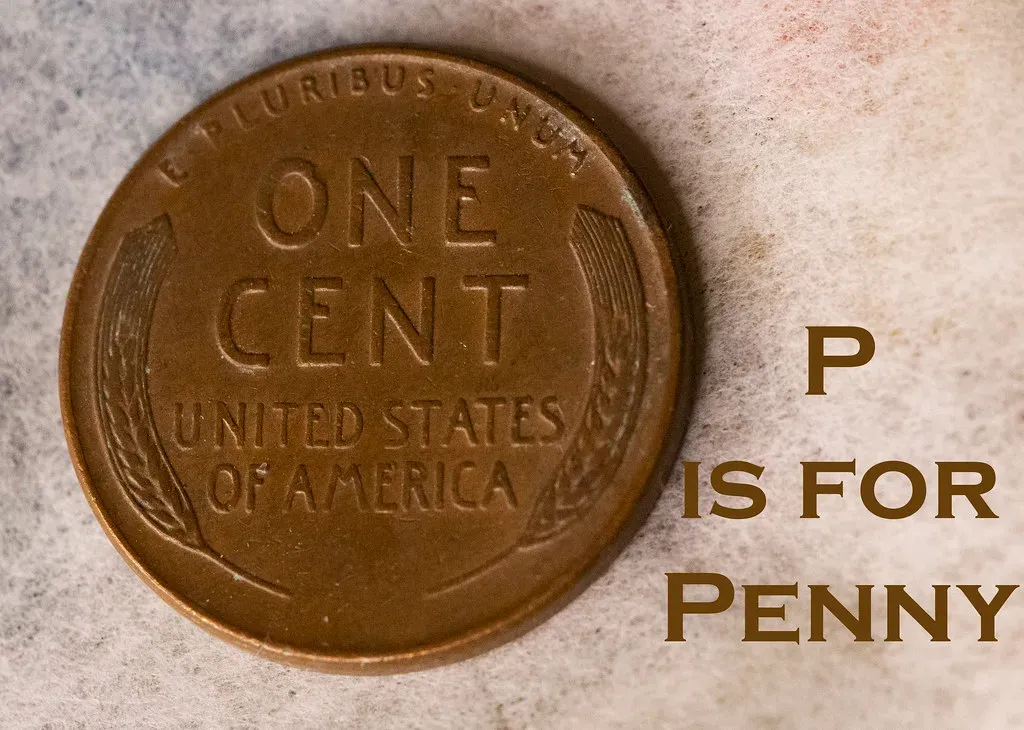
The Simple Habit That Could Save You Real Money (vanhookc, Flickr, <a href="https://creativecommons.org/licenses/by-sa/2.0/" target="_blank" rel="noopener">CC BY-SA 2.0</a>)
Before spending any wheat penny – any coin with those two familiar stalks framing "ONE CENT" on the reverse – take ten seconds to look at the date and the area just below it for a mint mark. While many common pieces from the 1940s and 1950s may be worth only a few cents over face value, rare examples in uncirculated condition, coins with minting errors, or scarce dates such as the 1909-S VDB can be highly collectible and sometimes fetch hundreds or even thousands of dollars.
The Wheat Penny series spans significant American historical eras, including the Great Depression and World Wars I and II, adding context to its collectibility. That history is baked into every coin. Some are worth a dime. Some are worth a fortune. The difference often comes down to knowing which is which before you hand one over at the register.
The wheat penny is a reminder that value isn't always visible at first glance. A little knowledge, applied at the right moment, is worth more than any coin in your pocket.