
Most of us have developed a fairly automatic relationship with the trash bin. Something looks used up, worn out, or simply past its original purpose, and it goes in the bag. It's quick, it's tidy, and it feels like the responsible thing to do. Except, often, it isn't.
The most effective way to reduce waste is to not create it in the first place. Making a new product emits greenhouse gases and requires a lot of materials and energy. As a result, reduction and reuse are the most effective ways to save natural resources, protect the environment, and save money. These eight items are a good place to start practicing exactly that.
1. Used Coffee Grounds
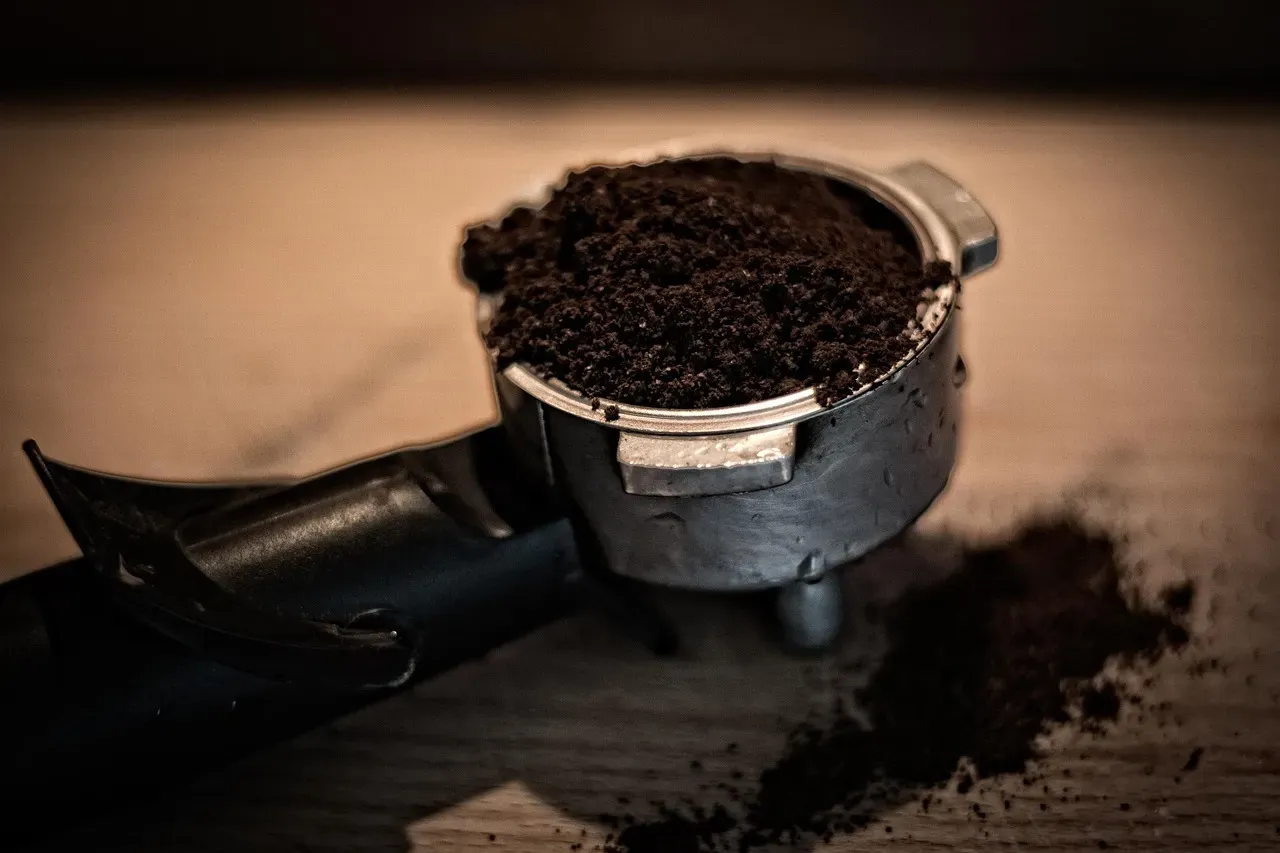
1. Used Coffee Grounds (Image Credits: Pixabay)
Every morning, millions of people brew their coffee and dump the grounds straight into the trash without a second thought. The vast majority of Americans drink coffee weekly, while nearly two thirds enjoy it every single day – but few give a thought to its byproduct, coffee grounds, which most people unceremoniously dump into the garbage. That's a significant amount of genuinely useful material going to waste.
Coffee grounds contain essential minerals beneficial for plant growth, such as nitrogen, potassium, and phosphorus. These nutrients can contribute to the fertility of the soil, making them an inexpensive, mild, organic fertilizer that gives plants a slight nitrogen boost. Beyond the garden, to get rid of funky smells in your kitchen or fridge, you can leave some dried used grounds in a bowl on the kitchen counter or at the back of your fridge. You can also sprinkle dried used coffee grounds on a rug to get rid of carpet odors, then vacuum in the morning.
2. Glass Jars from Food
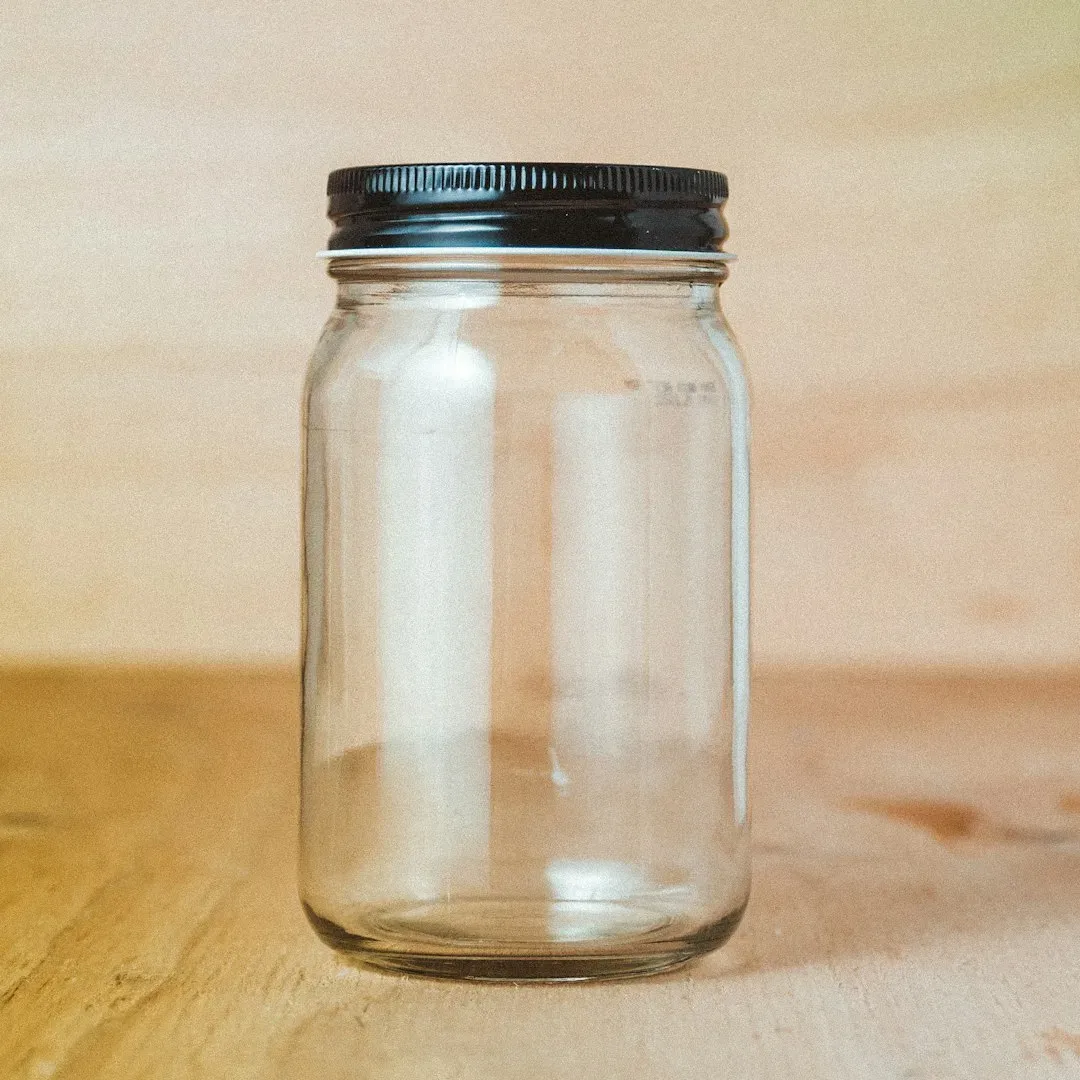
2. Glass Jars from Food (Image Credits: Unsplash)
Pasta sauce, pickle, jam, and salsa jars get rinsed and recycled by the more conscientious among us, but even recycling isn't the best option here. Glass jars are likely the most versatile household item you can repurpose multiple times. They come in countless forms, which you can wash and reuse as many times as you want. You can use them to store food items like coffee grounds or spices to keep them fresh, or use them for food prep.
Glass jars are sturdy, stain-resistant, and airtight – perfect for storing bulk spices, grains, or leftovers in your pantry. They also make elegant low-cost vases, bathroom organizers for cotton balls and Q-tips, or even small candle holders. Don't throw away glass jars from pasta sauce or jams, as they can be repurposed into stylish storage containers. It's one of those rare cases where the "free" version of something is also the more attractive one.
3. Old Toothbrushes
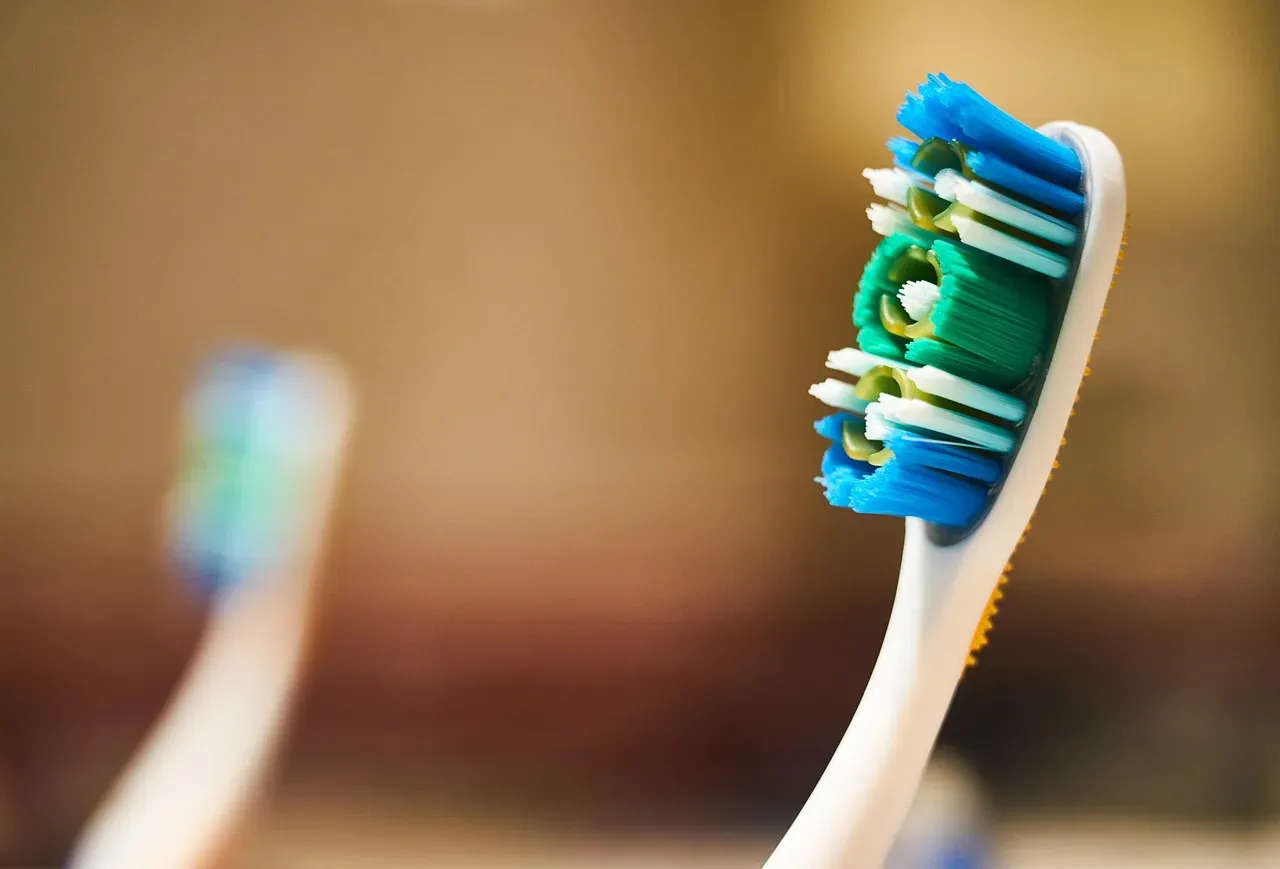
3. Old Toothbrushes (Image Credits: Pixabay)
At a regular brushing rate, the bristles in your brush will start to fall out and become mangled or twisted within about three months. The CDC advises replacing your toothbrush every three to four months, or whenever it appears to be getting worn out. That's a lot of small plastic brushes heading to landfill every year – and it doesn't have to be that way.
Old toothbrushes make excellent cleaning tools. They are great for getting stains out of clothing and getting into the tiny crevices of your kitchen sink or bathroom tiles. You can also use them to shine your shoes, apply hair dye, and create texture in arts and crafts. Just make sure to sanitize the brush first and label it clearly so no one accidentally mistakes your grout scrubber for something else.
4. Egg Cartons
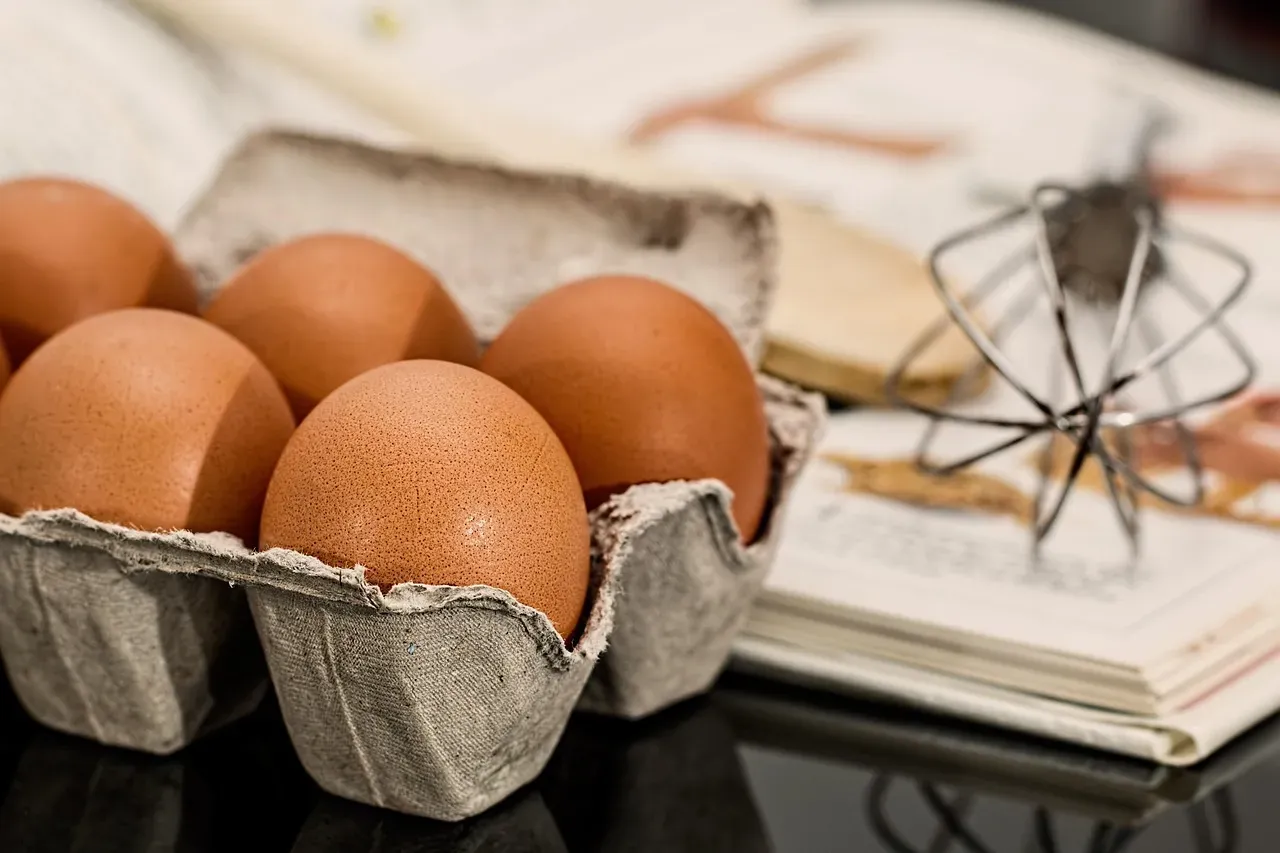
4. Egg Cartons (Image Credits: Pixabay)
Egg cartons are one of those items that feel wasteful even as you're throwing them away, yet most people toss them without hesitation. If you enjoy eggs, you already know how quickly egg cartons can accumulate. Throwing them away can be wasteful, so you may want to consider effectively repurposing them. Egg cartons can be used to start seedlings, store jewelry, make a palette for paints, or organize craft supplies.
Empty egg cartons, drink carriers, and other disposable grocery containers are excellent for storing holiday ornaments. The individual compartments are perfectly sized for delicate glass baubles that might otherwise get crushed in a box. Old egg cartons can come in handy for storing jewelry in a drawer or a cabinet, and could even work in a junk drawer to sort rubber bands, paperclips, push pins, and other small office supplies.
5. Old Bed Sheets and Worn Towels

5. Old Bed Sheets and Worn Towels (Image Credits: Pexels)
Sheets that have thinned past the point of comfort or towels with frayed edges often get bagged up for donation, which is a reasonable instinct. The problem is that fabric in genuinely poor condition rarely makes it onto someone else's bed. Old bed sheets are often too worn to use for their original purpose but can be repurposed into a variety of items. You can turn them into custom curtains, pillowcases, or a cozy throw blanket.
According to the BBC, about 92 million tonnes of textile waste is created globally every year. Keeping even a few old sheets out of that stream matters. Old towels can also be used in craft projects. Try making a bath mat, a homemade pillow, or even a cozy pet bed by cutting and sewing the towels together. It's an easy and cost-effective way to repurpose fabric that would otherwise be thrown away.
6. Toilet Paper and Paper Towel Tubes
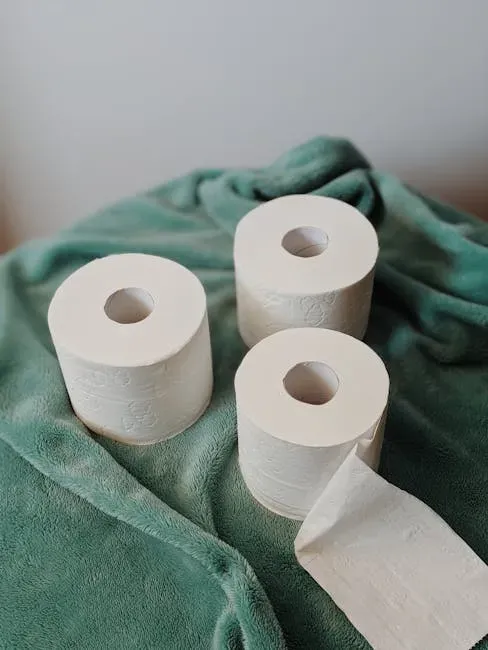
6. Toilet Paper and Paper Towel Tubes (Image Credits: Pexels)
Few items feel more disposable than an empty cardboard tube, yet they have a surprising number of practical applications. Cut them into smaller pieces and use them to organize cords and cables, or create a custom drawer organizer by standing them up in a box to separate small items like pens or makeup. The fit is often just right for things that would otherwise slide around in a drawer.
To keep light-duty extension cords organized, slide them into toilet paper or paper towel tubes. Write the length of the cord on the tubes before you put them in a drawer or bin. You'll be able to find the right cord easily with this storage hack, plus you've made good use of the tubes. For gardeners, the cardboard also works well as a biodegradable seed-starting sleeve that can go directly into the ground.
7. Plastic Berry Containers (Clamshell Packaging)
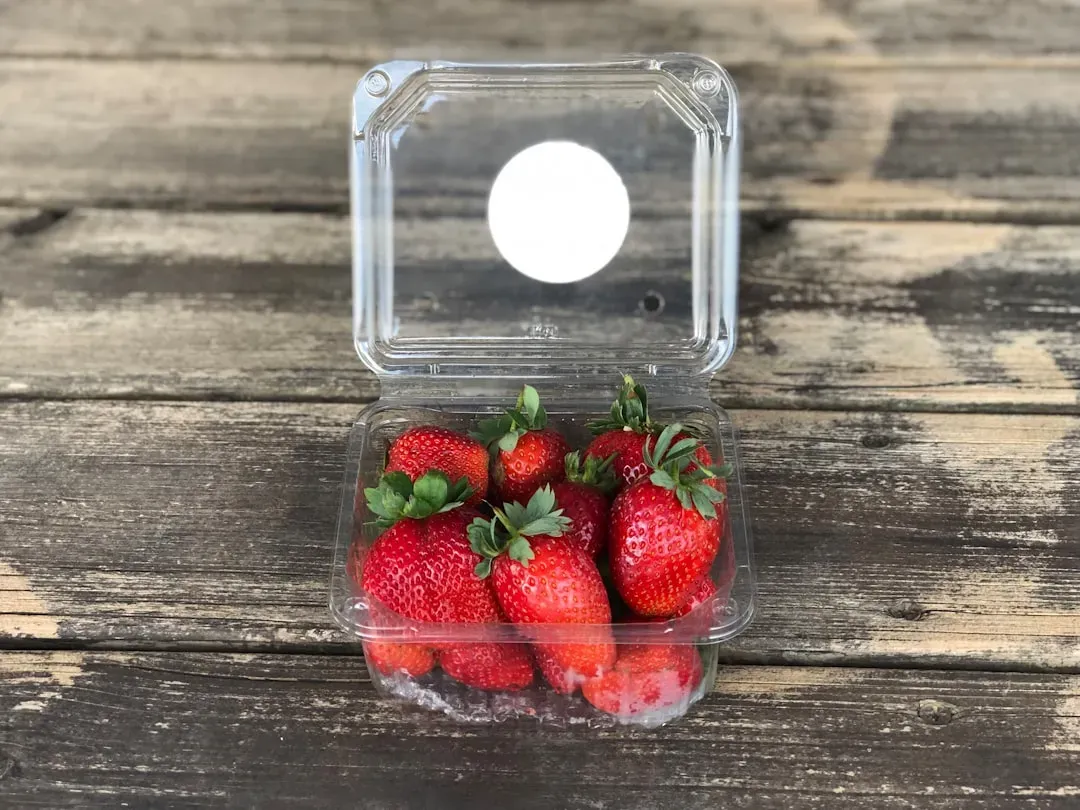
7. Plastic Berry Containers (Clamshell Packaging) (Image Credits: Unsplash)
Those clear plastic clamshell containers that strawberries, blueberries, and cherry tomatoes come in are almost universally thrown out the moment the produce is gone. They're actually quite durable and versatile. Reuse a plastic clamshell container from the salad bar or produce section as a mini greenhouse for starting seeds in spring. After washing the container, punch a few holes in the top, fill the bottom with potting soil, plant your seeds, and close the lid. It acts like a mini greenhouse, allowing the sun to reach the plants while holding in moisture.
When it's time to clean out the refrigerator, save those plastic berry containers. You can toss the mushy raspberries, but wash and dry the container – it's perfect for spreading grass seed on your lawn. Not only is repurposing great for the planet, but it's also great for our bank accounts. Repurposing is a budget-friendly way to turn used stuff into something we need but don't want to spend money to buy.
8. Wine Corks
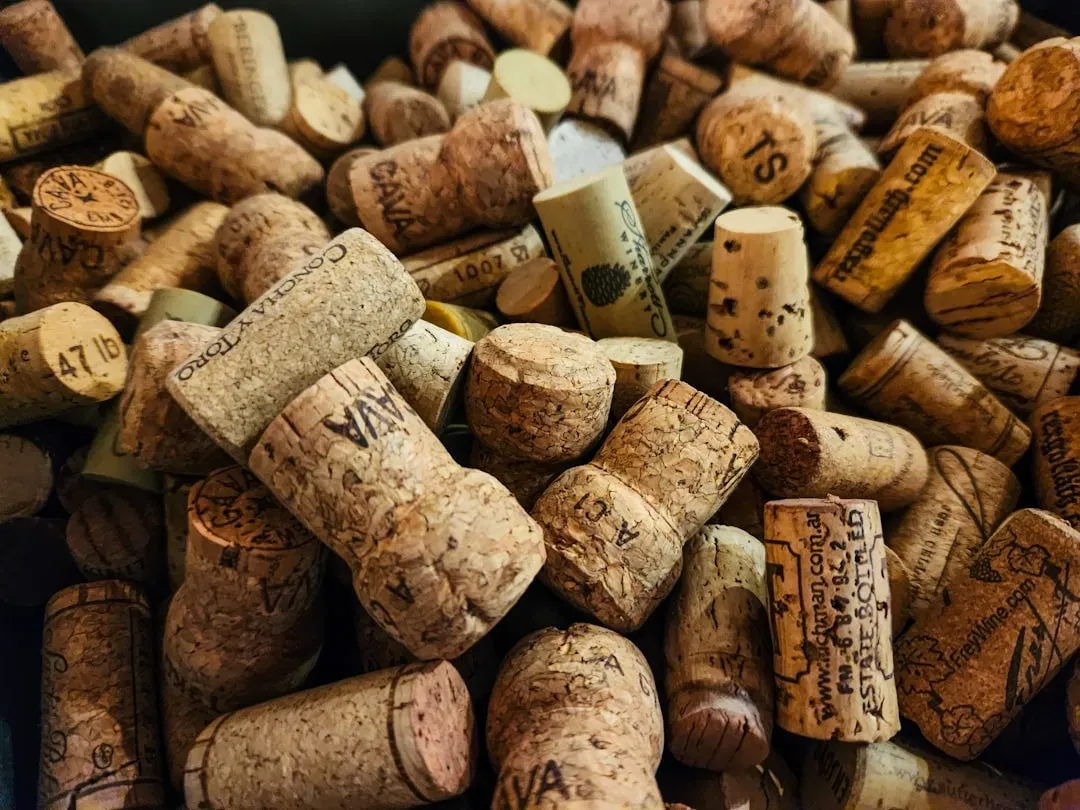
8. Wine Corks (Image Credits: Unsplash)
Natural wine corks tend to end up in recycling bins or, more commonly, just in the trash. They're small, they pile up quickly, and their obvious usefulness seems to end the moment the bottle is open. In practice, though, corks have a strong second life. Synthetic wine corks are great for sealing partially used tubes of caulk, which is a remarkably practical workshop tip that most people never consider. Just press the cork firmly into the nozzle opening after use to keep it from drying out.
Corks and bottle caps are often overlooked but have great potential for upcycling. Corks can be turned into keychains, coasters, or bulletin boards, while bottle caps can be used for mosaic art, magnets, or fun DIY jewelry. A corkboard made from wine corks is genuinely functional, holds pins well, and looks far more interesting than the foam kind you'd buy at a stationery shop.
The real pattern across all eight of these items is that they get tossed not because they're truly useless, but because we're in a hurry or simply haven't thought it through. None of these require major effort or creative skill. Most just need a moment's pause before the bin lid closes. Reuse reduces the amount of waste that needs to be recycled or sent to landfills, allows products to be used to their fullest extent, and saves money. That's a reasonable return for the minor habit of looking twice.