
Most people have held one without thinking much about it. That drummer boy on the reverse, the dual date reading “1776–1976,” the familiar silhouette of George Washington on the front. Bicentennial quarters were minted to commemorate America’s 200th birthday, featuring a special reverse design and dual date – and they represent one of the most widely circulated special-design quarters in U.S. history, with over 1.6 billion pieces produced across two years of minting. For decades, most people assumed that kind of volume meant no real value.
That assumption is quietly becoming expensive. What’s changed recently is growing collector demand for specific Bicentennial quarter types that were once ignored. Updated auction results and grading trends now show that some examples are quietly increasing in value. The story of what separates a twenty-five-cent coin from one worth thousands is more interesting than most collectors expect.
A Design Born From a National Competition
A Design Born From a National Competition (Image Credits: Unsplash)
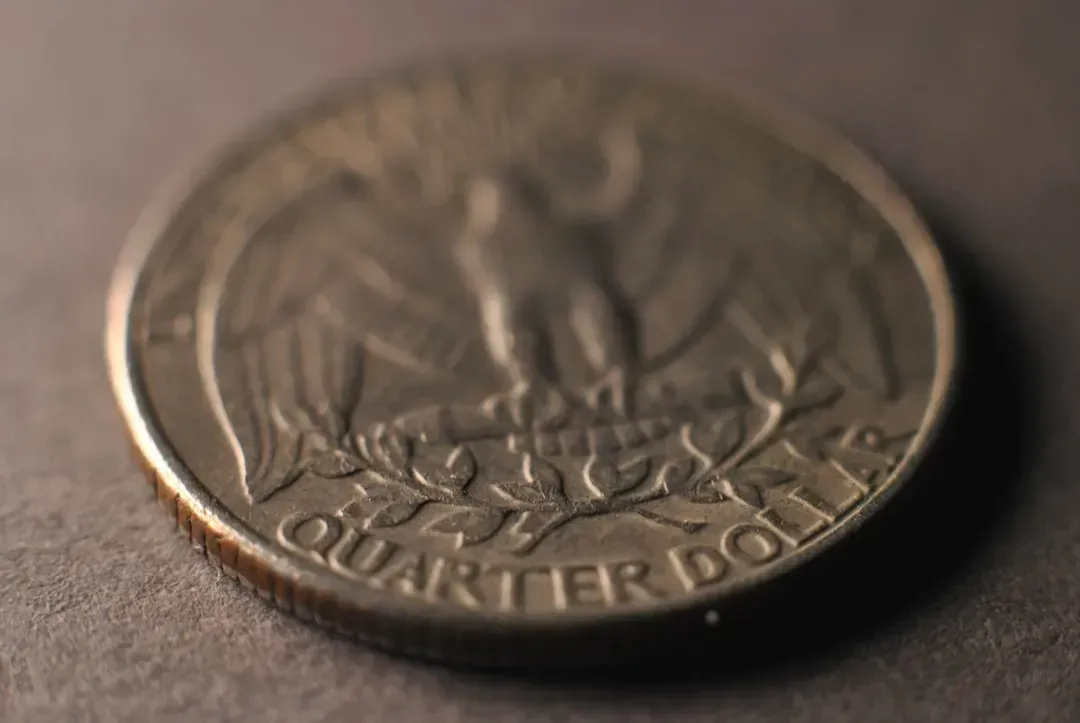
Wanting new Bicentennial-themed designs for the reverse of each denomination, the Treasury Department held a design competition open to all American citizens. Out of 884 entries, 12 semifinalists were chosen, and a five-judge panel of experts then selected the winning designs. It was a genuinely rare event in the history of American coinage, inviting the public to shape what would eventually pass through nearly every American’s hands.
Graphic designer Jack L. Ahr’s “Drummer Boy” design for the Washington Quarter is perhaps the best known of all three that were released. It depicts a Revolutionary War drummer and was the only Bicentennial design to illustrate a human figure. The image of a patriot in a tricorn hat drumming along to a patriotic tune was a familiar sight across the nation as towns small and large held parades for the nation’s birthday. His initials, JLA, appear subtly on the reverse, just above the word “DOLLAR.”
Three Coins, Three Stories
Three Coins, Three Stories (Image Credits: Pexels)
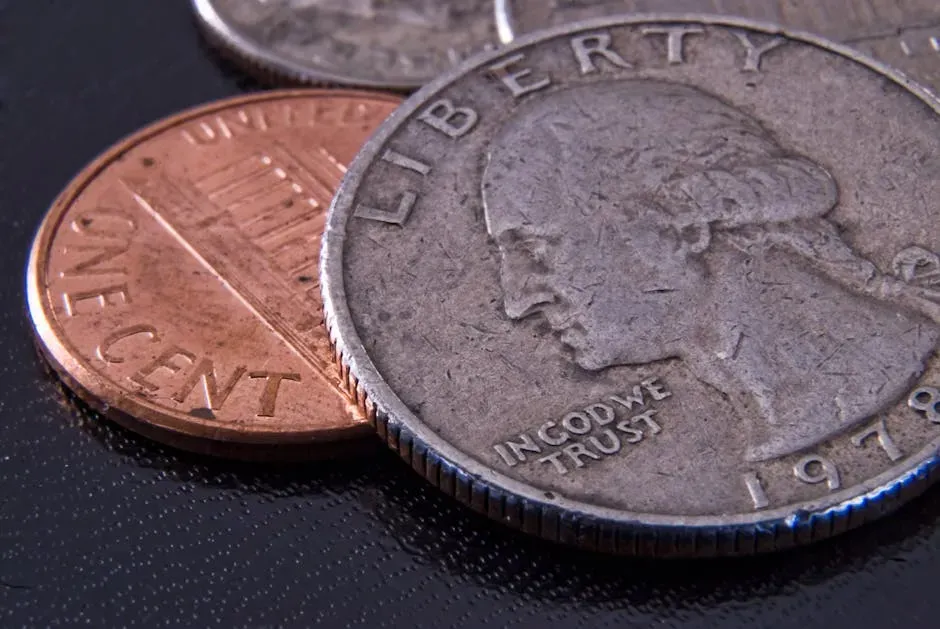
The U.S. Mint celebrated the nation’s bicentennial in 1976 with three specially designed coins: the quarter, the half dollar, and the dollar. The obverses carried the double date of 1776–1976, and all-new reverses, selected in a competition among private artists, appeared on the three coins. The reverse of the Bicentennial Kennedy Half featured a front view of Independence Hall in Philadelphia, designed by Seth G. Huntington.
Jack Ahr, designer of the Bicentennial quarter reverse, was the owner of his own commercial art company. Seth G. Huntington, designer of the half dollar reverse, worked as the head of the art department at the marketing firm of Brown and Bigelow. Dennis R. Williams, the designer of the Eisenhower dollar’s Bicentennial reverse, was an art student at the Columbus College of Art and Design in Columbus, Ohio. Three designers from entirely different walks of life, each leaving a permanent mark on American monetary history.
Why Volume Doesn't Mean Worthless
Why Volume Doesn't Mean Worthless (Image Credits: Pexels)
What many people don’t realize is that rarity in this case is not about mintage numbers, but about survival in high condition. Collectors tend to focus on specific Bicentennial quarter varieties rather than the coin in general. Quarters from different mints – Philadelphia, Denver, and San Francisco – can show noticeable differences in strike quality and finish.
The story changes dramatically as grade rises, because fully struck, bag-mark-free examples in MS67 and above are genuinely rare despite the enormous output. PCGS data shows that MS65 examples make up less than a quarter of all graded coins between MS63 and MS67, meaning the higher grades are proportionally harder to find than you’d expect. A Philadelphia quarter in pristine MS68 condition is worth approximately $4,500.
The Silver Versions Are a Different Category Entirely
The Silver Versions Are a Different Category Entirely (Image Credits: Pexels)
The San Francisco Mint produced both proof and business strike quarters. Proof Bicentennial quarters from San Francisco bear the “S” mint mark and feature a shiny, mirror-like finish. These quarters are composed of multiple metals, including 60% copper and 40% silver content, a composition that has been a collector favorite for years. Containing 40% silver and 60% copper, the proof Bicentennial quarters are more valuable.
The 40% silver Bicentennial quarters contain approximately 0.148 ounces of pure silver. With current silver spot prices, the melt value alone provides a baseline for these coins’ worth. Millions of silver Bicentennial quarters were melted in 1982 and subsequent years, reducing the surviving population and increasing scarcity for serious collectors. That melting event is one reason high-grade silver examples are harder to find than most people realize.
The Mint Mark Makes a Real Difference
The Mint Mark Makes a Real Difference (Image Credits: Pexels)
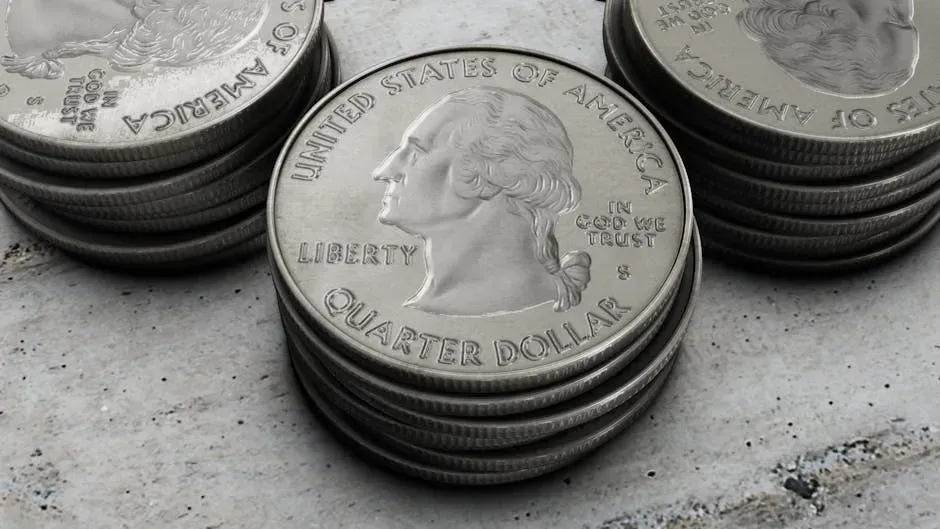
The mint mark – D for Denver, S for San Francisco, or nothing for Philadelphia – sits just to the right of Washington’s neck ribbon. This tiny letter is one of the most important things to check, since it determines which variety you have and how much it might be worth. It’s a detail that separates a face-value coin from one that belongs in a graded holder.
The 40% silver versions are specifically marked with an “S” mint mark, but collectors should note that not all “S” marked quarters are silver; some are copper-nickel proofs. To identify the silver versions, look for a solid silver-colored edge, as clad quarters will show a distinct copper stripe on the side. That edge check takes about three seconds and can tell you everything you need to know.
Error Coins and What They're Actually Fetching
Error Coins and What They're Actually Fetching (Image Credits: Unsplash)
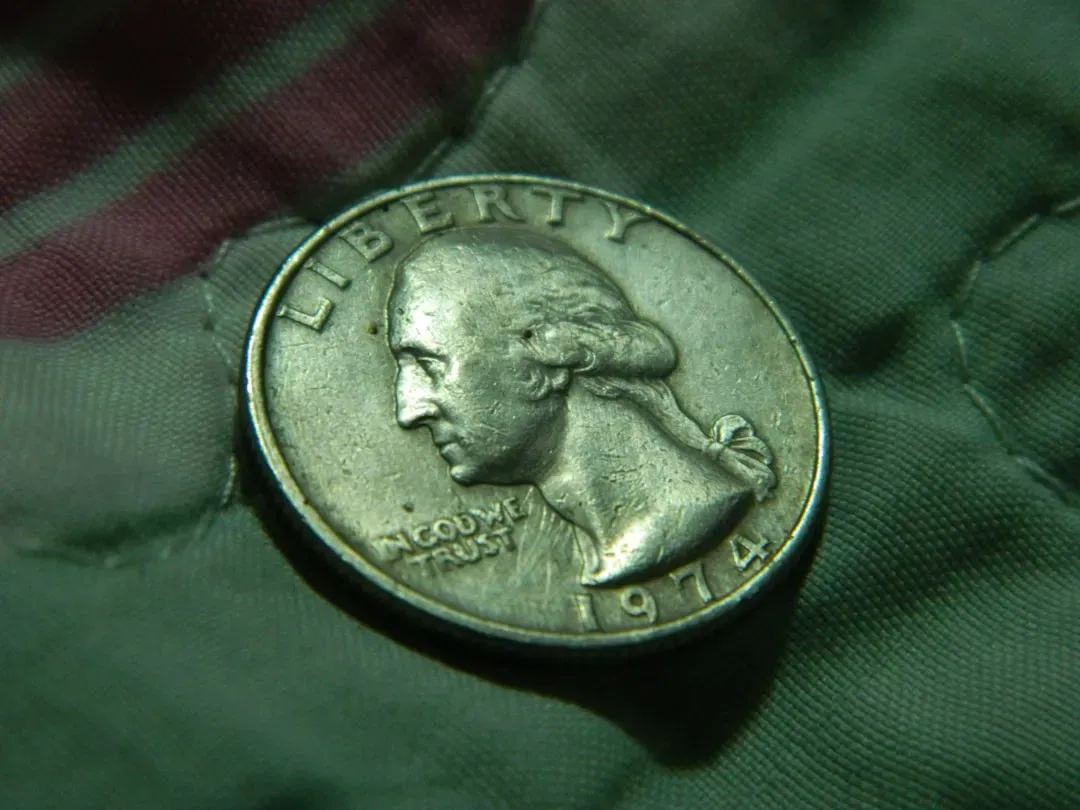
According to collectors, those coins with the little drummer boy are worth upwards of $4,000 if there is a tiny mistake on the back. A Bicentennial quarter with a small “D” behind George Washington’s head, indicating it was minted in Denver, had some slight doubling on the letters in the word “Liberty” on the back. It sold for over $3,000 because of the flaw. It’s a mistake known as the double die error and there are a lot of them out there.
A 1976-D quarter obverse die cap error sold for $2,880 in an August 19 Stack’s Bowers sale. One Bicentennial quarter was accidentally struck on a 5-cent nickel planchet. The quarter design is compressed onto the smaller nickel blank, with parts of “LIBERTY” and “QUARTER DOLLAR” running off the edge. Wrong-planchet errors like this are among the most visually dramatic in the series and consistently draw strong auction interest.
Recent Auction Records Tell the Real Story
Recent Auction Records Tell the Real Story (Image Credits: Pexels)
While this quarter was minted in large quantities for circulation, high-grade examples are highly sought after by collectors. A 1976 MS64 coin set an auction record of $2,520 on August 18, 2024, highlighting its rarity and desirability in superior condition. That figure for a coin originally worth a quarter is a meaningful data point about where collector interest actually stands.
Hundreds of examples are reported by both PCGS and NGC grading services in MS65, 66, and 67. PCGS reports 13 examples graded MS68, and NGC reports 15, both up one from six months ago at the time of writing in September 2024. The population of top-grade coins is growing slowly, but it remains genuinely small relative to the original mintage of over 860 million Denver-struck quarters alone.
The Kennedy Half Dollar and Eisenhower Dollar Deserve Attention Too
The Kennedy Half Dollar and Eisenhower Dollar Deserve Attention Too (Image Credits: Pexels)
Over the next year and a half, a total of 521,873,248 clad business strike Bicentennial halves would be struck in Philadelphia and Denver, with 7,059,099 proof clads produced in San Francisco. Throwback 40% silver clad half dollars were also minted in San Francisco, with approximately 11,000,000 business strikes and approximately 4,000,000 proof strikes manufactured.
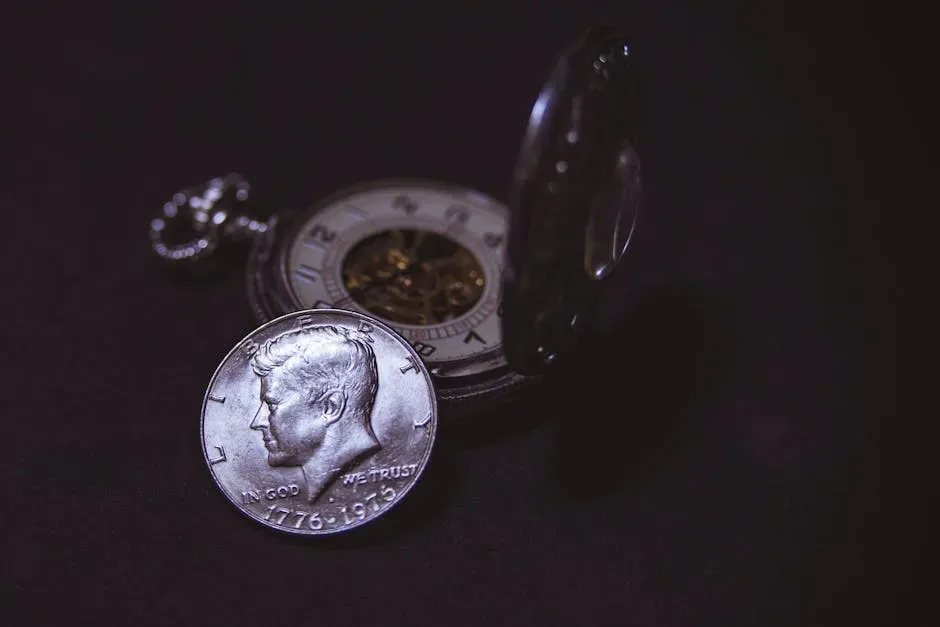
In 1976, the United States celebrated its bicentennial with a special Kennedy Half Dollar design featuring Independence Hall on the reverse. While most bicentennial halves are common, certain varieties struck in 40% silver for collectors hold added value. High-grade examples remain popular among enthusiasts. The most valuable Bicentennial Half Dollar is the MS69 grade 1776-1976-S Kennedy Half Dollar that sold for $9,600 in 2022.
Why 2026 Is Adding Fresh Momentum
Why 2026 Is Adding Fresh Momentum (Image Credits: Unsplash)
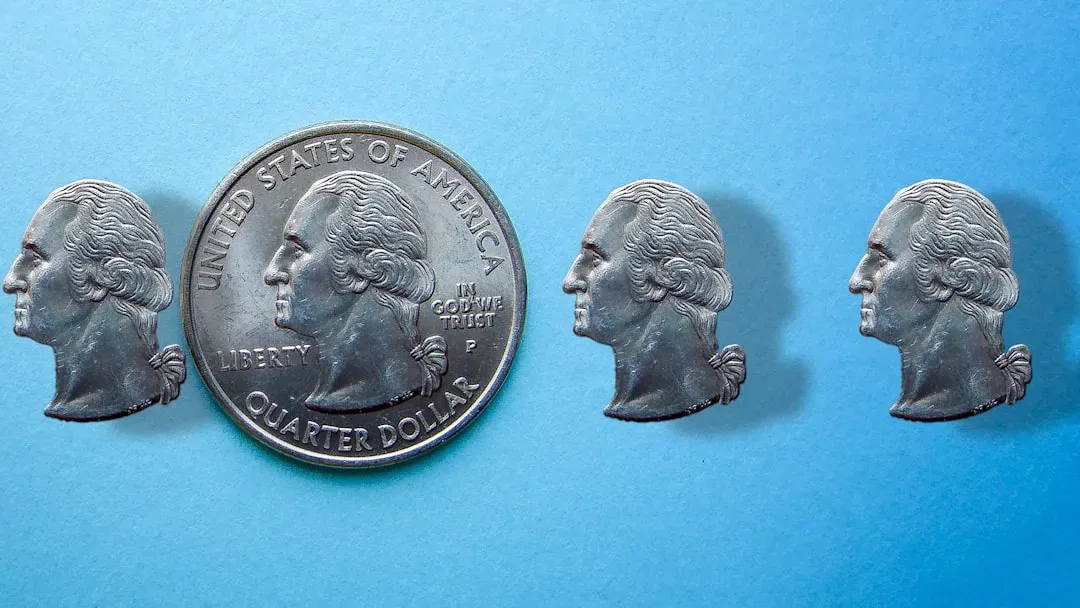
As we approach the 50th anniversary of the bicentennial celebration in 2026, interest in these commemorative coins may experience renewed growth. The combination of historical significance, precious metals content in silver varieties, and the natural collector appeal of well-designed American coins suggests stable to increasing demand for premium examples.
The next landmark anniversary is just around the corner: America’s 250th birthday in 2026. From its colonial drummer motif to its widespread circulation, the 1976 Bicentennial Quarter is more than a coin. As the Semiquincentennial approaches, collectors have a rare opportunity to draw connections between two landmark coin series issued 50 years apart. The timing is creating a natural moment of reappraisal for a series that many people dismissed for a generation.
How to Know If Your Coin Is Worth Pursuing
How to Know If Your Coin Is Worth Pursuing (Image Credits: Unsplash)
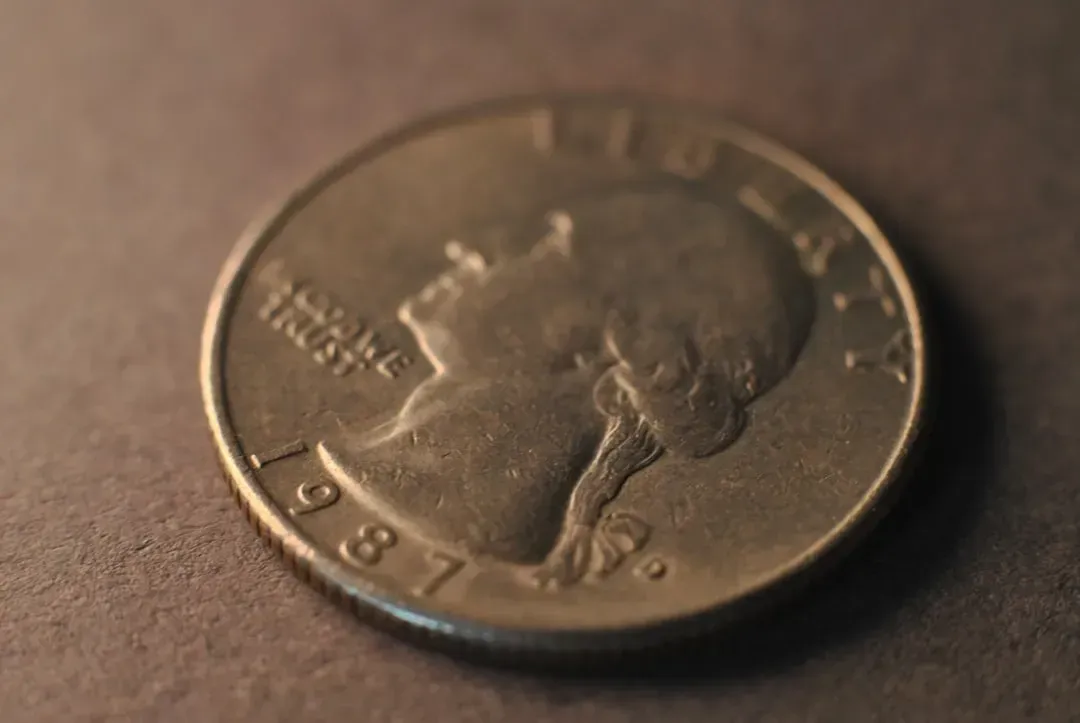
To determine if a Bicentennial Quarter is worth more than face value, check the mint mark: look for an “S” mint mark, which indicates a 40% silver proof quarter, more valuable than standard copper-nickel versions. Examine the coin carefully for any doubled lettering, off-center strikes, or missing clad layers, as these errors can significantly increase its value.
Cleaning a coin can damage the surface and reduce its collector value. Since condition is a major pricing factor, it is better to leave the coin untouched and have it evaluated by a reputable coin dealer or third-party grading service. Even small differences in surface quality can separate a common coin from a desirable collector piece. This is why professionally graded, high-condition examples often sell for significantly more than raw coins.