
Every generation rewrites a few rules. Gen Z, born roughly between 1997 and 2012, has been especially candid about which chapters of the millennial playbook they'd rather skip. It's not personal, mostly. It's practical, values-driven, and informed by watching an older cohort navigate economic turbulence with habits that didn't always pay off.
From hustle culture to fast fashion hauls, the list of things Gen Z has quietly placed on their no-go list is longer than most millennials realize. Some of these shifts are cultural, some financial, and a few are just about self-preservation. Here's where the two generations genuinely part ways.
1. The Hustle Culture Grind

1. The Hustle Culture Grind (Image Credits: Pexels)
Millennials entered the workforce with hustling for success as their number one priority, think late nights, endless meetings, and burnout. Gen Z watched this unfold and thought no thanks. For them, boundaries are non-negotiable, and they prioritize flexibility, remote working, and a job that actually respects their lunch breaks.
By 2030, Gen Z will account for roughly a third of the entire workforce, and this new wave of workers is replacing hustle culture with work-life balance, mental health, and flexibility. A striking nine in ten have already faced at least one mental health challenge or burnout. They now openly expect employers to step up and support them. The conversation has clearly shifted from “how much can you take on” to “how sustainable is this.”
2. Treating Homeownership as a Non-Negotiable Life Milestone

2. Treating Homeownership as a Non-Negotiable Life Milestone (Image Credits: Unsplash)
Homeownership rates for Gen Z and millennials flatlined in 2024, a stark contrast to the steady gains of previous years. Just over a quarter of Gen Zers owned their home in 2024, barely moving from the year before, while millennials sat at roughly 55 percent, gaining almost nothing year over year.
Many young adults are actively choosing remote work, travel, and short-term living over long-term commitments like homeownership. Gen Z is also holding off on other major life milestones, with the number planning to get engaged dropping by a quarter since early 2024, and those planning to marry down by about one in six. The white-picket-fence timeline millennials clung to simply doesn’t hold the same pull for the generation coming up behind them.
3. Defaulting to Open-Plan Office Enthusiasm

3. Defaulting to Open-Plan Office Enthusiasm (Image Credits: Unsplash)
Millennials inherited the open-plan office as gospel. Tech startups embraced exposed ceilings, long tables, and the promise of spontaneous creativity, and the aesthetic spread far beyond Silicon Valley. Gen Z entered the workforce during the pandemic, with private spaces as their productivity baseline, and they never quite signed onto the shared-desk ideal.
Research from the Gensler Workplace Survey found that Gen Z employees were twice as likely as Boomers to prefer smaller private spaces over open desks. They frame this preference not as antisocial behavior but as a tool for “controlled collaboration,” choosing the moments when it makes sense to be visible. Forced togetherness, in other words, isn’t a perk to them.
4. Impulse Buying Without a Second Thought

4. Impulse Buying Without a Second Thought (Image Credits: Unsplash)
Nearly half of Gen Z say they prefer to wait at least a few days before making a purchase, compared to a slightly lower share of millennials. Gen Z are more thoughtful spenders, taking their time to research something before buying it. The contrast with millennial shopping behavior is telling.
Millennials are far more prone to buying on impulse, with close to three quarters reporting they do so regularly, buying on their phones and in store in near equal amounts. Gen Z shoppers are more cautious, with nearly half waiting a few days before they purchase. Shaped by the 2008 recession and the pandemic, Gen Z grew up financially savvy and brand-conscious, and it shows in how they approach the checkout button.
5. Fast Fashion Haul Culture
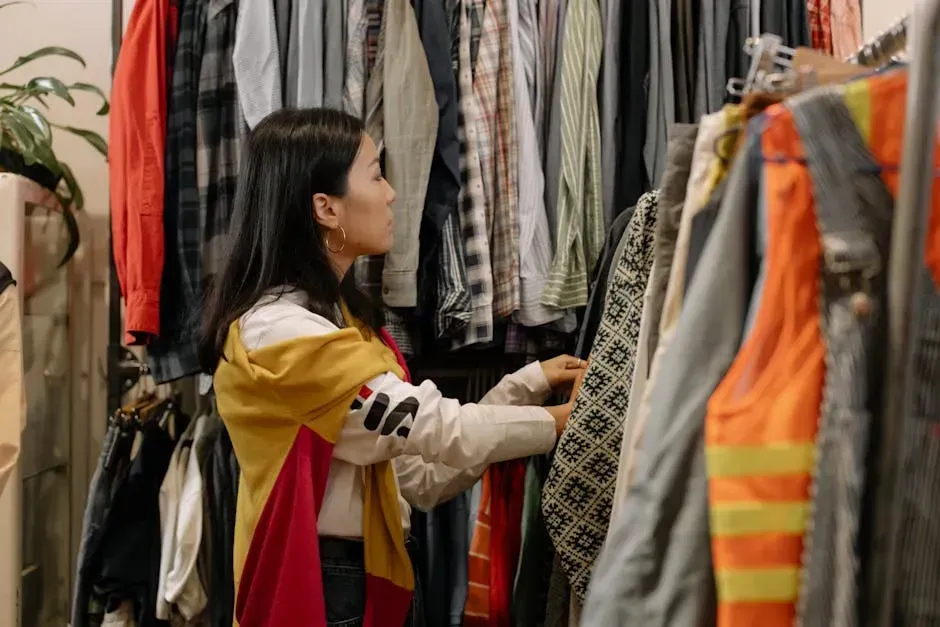
5. Fast Fashion Haul Culture (Image Credits: Pexels)
Gen Z’s rejection of disposable consumption in favor of fewer, better items represents a significant shift from previous generations’ consumption patterns. While millennials helped fuel the era of cheap, frequent fashion updates, Gen Z has largely moved in the opposite direction, toward thrift stores, resale platforms, and brands with visible ethical commitments.
Around three in five Gen Z consumers prefer brands that champion sustainability, inclusivity, and social issues, and they are more likely than millennials to associate fast fashion with environmental disregard. About four in ten Gen Z shoppers turn to the resale market for unique styles, driven by nostalgia, affordability, and the cost-of-living crisis. Haul culture, once a staple of millennial-era YouTube, feels like a different era entirely to most of Gen Z.
6. Equating Career Progression with Climbing the Ladder

6. Equating Career Progression with Climbing the Ladder (Image Credits: Unsplash)
Gen Zs are more focused on work-life balance than climbing the corporate ladder, with only six percent saying their primary career goal is to reach a leadership position. They prioritize career progression, yet many are not motivated by reaching leadership positions. They are focused on work-life balance, learning and development, and making money while also finding meaningful work and well-being.
Gen Z isn’t rejecting hard work but rather redefining it on their own terms, setting clear boundaries and choosing roles that promote their well-being. They’re focused on sustainable, high-quality performance that fits into their personal life, not nonstop hustle. This shift is about working smarter. The org chart, as a symbol of success, has lost much of its prestige with this generation.
7. Treating Facebook and Instagram as Social Lifelines

7. Treating Facebook and Instagram as Social Lifelines (Image Credits: Unsplash)
Millennials were early adopters of Facebook and Instagram, while Gen Z prefers newer social media platforms like TikTok. While both are adept with tech, Gen Z emphasizes video and fast-paced visual content, while millennials tend to value written communication and curated online personas.
There are subtle differences in how Gen Z and millennials perceive the digital world. While millennials pioneered the social media age, Gen Z is refining it. They are more selective about the platforms they use, and while millennials were flag bearers for authenticity online, Gen Z is pushing for even more transparency and realness. Polished grids and long-form status updates feel distinctly like a different generation’s internet to them.
8. Using Employer Loyalty as a Career Strategy

8. Using Employer Loyalty as a Career Strategy (Image Credits: Pexels)
Advancing a career used to mean long hours, formal communication, and following strict hierarchies. Older generations placed a high value on loyalty, job stability, and climbing the corporate ladder, often staying with one company for years. Overworking and pushing through burnout were part of the deal, and the same was true for many millennials.
Increasingly, Gen Z is willing to turn down assignments and employers based on personal ethics or beliefs, with half having already rejected assignments and close to half having rejected employers outright. Reasons include negative environmental impact, non-inclusive practices, and lack of support for mental well-being and work-life balance. Staying put to prove loyalty is simply not a trade-off Gen Z finds worthwhile.
9. Rigid Spending Across All Categories

9. Rigid Spending Across All Categories (Image Credits: Pexels)
Gen Z displays what researchers call “high-low consumption,” a willingness to spend premium prices in categories they prioritize while being extremely cost-conscious in others. Research from BCG found that close to three quarters of Gen Z consumers report saving money on everyday items to spend more on experiences or higher-quality durable goods. This selective approach separates Gen Z from millennials’ more consistent spending patterns across categories.
Millennials are more likely to spend on experiences, wellness, and family-related expenses. Despite cultural narratives about frivolous spending, they often exhibit thoughtful consumption behavior aligned with life stage demands. Still, Gen Z views spending as something to be deliberately targeted, not evenly distributed, which represents a meaningful departure from how their predecessors approached money in their twenties.
10. Nightclub Culture as a Social Default

10. Nightclub Culture as a Social Default (Image Credits: Unsplash)
Going back ten or fifteen years, clubbing was basically a lifestyle, loud music, packed dancefloors, and long tours through the city in search of good parties. Millennials lived for it. Fast forward to today and Gen Z has moved on. Clubs are closing everywhere, late nights are not as common, and resources are channeled elsewhere.
Gen Z doesn’t need a dance floor to feel connected. Their social life moves through group chats, livestreams, Discord calls, and Spotify playlists running in the background while they hang out from wherever. What used to be a backup plan for millennials has become the main way of socializing for the younger crowd: staying in, but staying in touch. The vibe has shifted, and the economics of a big night out haven’t helped either.
11. Minimalist, Neutral-Only Fashion Aesthetics

11. Minimalist, Neutral-Only Fashion Aesthetics (Image Credits: Pexels)
Millennials prefer tailored and structured pieces, high-waist trousers, blazers, and well-fitted denim for a polished look. Gen Z, meanwhile, leans into bold and experimental colors, dopamine dressing, and playful Y2K-inspired styles, while millennials tend to stick to muted, neutral palettes like beige, pastels, and earthy tones.
Gen Z’s fashion choices are deeply intertwined with their identity, embracing bold experimentation and gender-fluid styles. Around three in five prefer brands that champion sustainability, inclusivity, and social issues. Gen Z are strong advocates for sustainable and thrifted fashion, gravitating toward vintage oversized tees, upcycled pieces, and eco-friendly brands. The capsule wardrobe ideal, beloved by millennials, reads to many Gen Zers as a little too safe.
12. Staying Disengaged From Financial Education

12. Staying Disengaged From Financial Education (Image Credits: Unsplash)
As a value-driven generation, Gen Z wants to make every dollar count. Financial education and money management are top priorities, with many seeking out resources to improve their financial literacy. A significant share want their bank to offer a financial advice hotline, and close to four in ten want access to online financial courses.
Gen Z shows a more aggressive appetite for risk in investing, with crypto, individual stocks, and thematic ETFs being common entry points. Micro-investing platforms and social media have played a significant role in driving engagement, sometimes at the expense of sound financial advice. A 2024 Fidelity report found that roughly three in ten Gen Z investors turn to platforms like TikTok and YouTube as their primary sources of financial education. The approach is imperfect, but the underlying drive to take financial literacy seriously from a young age sets them apart from earlier generational norms around money.
What connects nearly all twelve of these points is a consistent thread: Gen Z is not simply rejecting millennial habits for the sake of being different. They’re responding to what they observed, what the data showed, and what their own economic reality demands. The habits that served one generation reasonably well don’t always translate cleanly to the next, and Gen Z, for better or worse, seems very aware of that.