
Most people assume they’d recognize a red flag when they see one. The truth is, red flags aren’t always loud or dramatic. Sometimes they show up subtly, hidden behind charm, flattery, or intense attention. They might even feel flattering at first. That’s what makes them tricky.
Some common red flags might not be apparent in the early dating stage because most people are on their best behavior, and you shouldn’t be having conflict in the early stages. The problem is that waiting until a relationship deepens to notice warning signs often means you’re already emotionally invested when things start to unravel. Knowing what to look for earlier changes that equation entirely.
1. Love Bombing That Feels Like a Fairy Tale
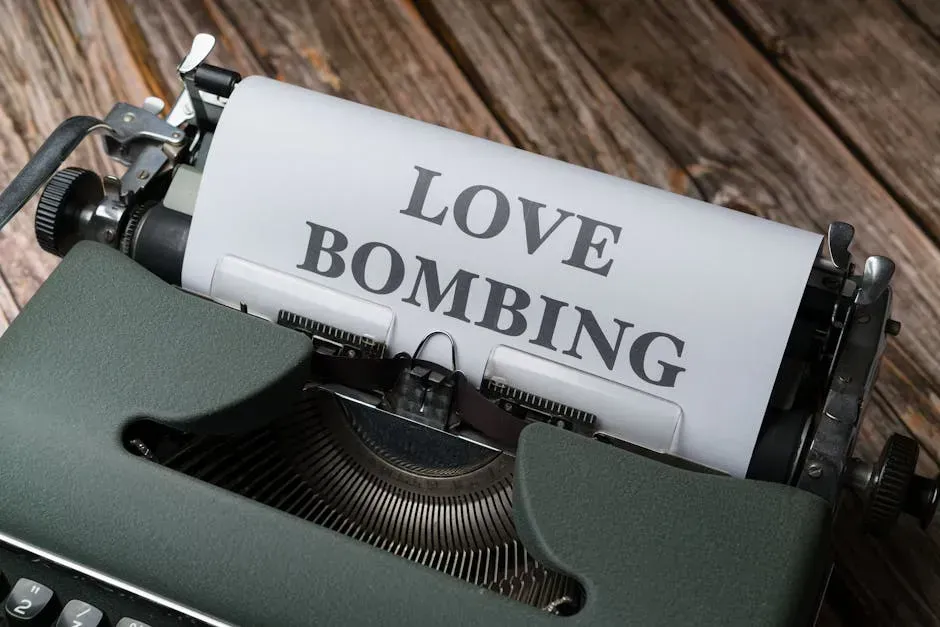
1. Love Bombing That Feels Like a Fairy Tale (Image Credits: Pexels)
Love bombing happens when someone overwhelms you with affection and grand gestures early on, only to fizzle out once you’re hooked. It’s one of the most disorienting early red flags precisely because it feels wonderful in the moment. Who wouldn’t want to be adored?
Love bombing, which is excessive affection designed to create rapid emotional attachment and dependency, is the most common and dangerous early warning sign. It creates a chemical addiction to the relationship before you can properly evaluate your partner’s character. The rush of excitement is real, but the foundation beneath it often isn’t.
2. Every Single Ex Was "Crazy"

2. Every Single Ex Was "Crazy" (Image Credits: Unsplash)
If every story about their past relationships makes them the victim and paints their exes as unstable, irrational, or “crazy,” proceed with caution. It’s a major red flag when someone can’t take any responsibility for what went wrong. This kind of talk not only lacks accountability, but it also raises the question: how will they talk about you if things don’t work out?
Pay attention to how the person talks about their exes and if they still seem to be dwelling on past relationships or take a no-holds-barred approach to badmouthing an ex. Swinging to either of these extremes is a sign that the person isn’t ready and fully invested in getting to know you and starting a new relationship. Patterns from the past tend to repeat themselves.
3. Jealousy Disguised as Caring

3. Jealousy Disguised as Caring (Image Credits: Pixabay)
Jealousy isn’t always obvious. It might start as subtle comments when you talk about a coworker, or frustration when you go out without them. Over time, it can escalate into control, including needing to know where you are, who you’re with, or why you’re not replying right away.
The CDC identifies jealousy and possessiveness as relationship conflict factors linked with intimate partner violence, and the National Domestic Violence Hotline says extreme jealousy is a common warning sign. At its core, this jealousy is about insecurity and control, and people who can’t get past trust issues in their past often let it seep into their current relationships. If you feel like you have to downplay your social life to keep the peace, that’s a red flag.
4. Hot and Cold Communication

4. Hot and Cold Communication (Image Credits: Pexels)
If your date goes silent for days at a time, doesn’t reply to simple questions, or says they’ll be in touch then doesn’t follow up, it doesn’t bode well. We’re not saying they should always respond right away, because people get busy. If their hot and cold communication style makes you anxious, pay attention to that feeling.
If you’re always the one texting first, making plans, or checking in, it’s worth asking why. A one-sided relationship in the early stages rarely becomes more balanced over time. Consistency in how someone shows up, not just what they say, is one of the clearest signals about who they actually are.
5. Subtle Attempts at Isolation

5. Subtle Attempts at Isolation (Image Credits: Unsplash)
This doesn’t always look like overt control. It might start as subtle guilt trips when you make plans, criticism of your friends, or comments like “I’m the only one who really understands you.” Over time, this kind of emotional isolation can shrink your world. A healthy partner will want to be part of your support system, not replace it. If your connections are slowly fading, take that seriously.
Sometimes it starts with little comments about who’s “bad for you” or who drains your energy. It sounds like they care about your wellbeing. Often, it’s really about reducing your access to people who might notice something’s off. Research finds that as long as partners like each other’s friends, they’re on the right track. However, if there’s a lot of negativity, look out.
6. Words That Never Match Actions

6. Words That Never Match Actions (Image Credits: Pexels)
It’s easy to say the right things, promising commitment, consistency, and painting a beautiful picture of the future. If they regularly cancel, forget, or disregard your needs, those words don’t mean much. Love isn’t built on charisma or poetic texts. It’s built on reliability, accountability, and follow-through.
Consistency is key, says Sabrina Romanoff, a New York-based psychologist and relationship expert. “Almost anyone can put up that facade of being the perfect partner for the first month of dating,” she says. Someone who’s really worth your time will continue to show their interest long after you’ve met. Grand statements are easy. Repeated, quiet effort is not.
7. Gaslighting in Its Early, Gentler Form
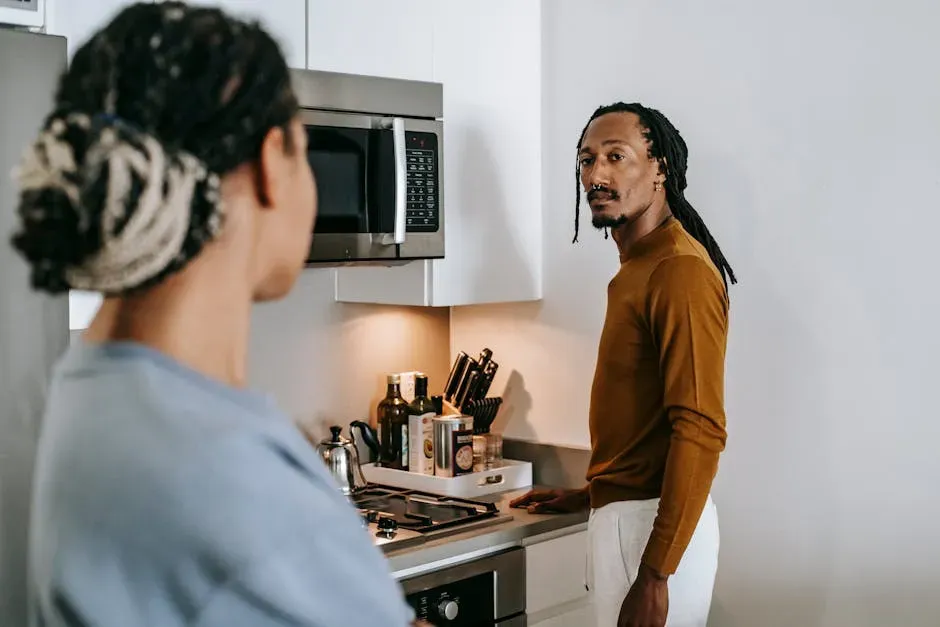
7. Gaslighting in Its Early, Gentler Form (Image Credits: Pexels)
Gaslighting is a form of psychological manipulation that involves making someone question their own reality or sanity. If you’re often left feeling confused and doubting your own experiences, it’s a serious red flag. Early on, it rarely looks dramatic. It shows up as a raised eyebrow when you describe something that happened, or a quiet “that’s not what I said” when you’re pretty sure it was.
In the beginning, this can hide inside “honesty” or a partner who says they just care a lot. Over time, it starts to look like blame, defensiveness, and the slow erosion of your confidence. Experts say emotional abuse often works this way. It chips away at your sense of stability until you’re second-guessing yourself more than the actual relationship.
8. Boundary Pushing That Gets Reframed as Passion

8. Boundary Pushing That Gets Reframed as Passion (Image Credits: Pexels)
If you tell your date that you’re not comfortable talking about a certain topic, or that no, you’re not into a particular sex act, they should accept that. When they don’t, and they frame your discomfort as uptightness or a lack of trust in them, that’s a meaningful tell. The Australian government’s eSafety Commissioner says love bombing can be an early sign of coercive control, describing it as over-the-top romantic gestures or comments that create a strong emotional bond and then get used to manipulate or pressure someone. It can feel passionate at first, until saying “no” starts becoming a problem.
Speed prevents you from seeing red flags. By creating intense emotional investment quickly, manipulators ensure you’re already hooked before their true personality emerges. The faster they move, the less time you have to think critically. Enthusiasm and pressure are not the same thing, even when they wear the same face.
9. Contempt Slipping Through as Humor

9. Contempt Slipping Through as Humor (Image Credits: Pexels)
A person who values compassion and cares about others is not likely to make jokes at another person’s expense. A date who makes a few attempts at humor that lead you to stop in your tracks, not just because they weren’t funny, but because they were in bad taste, is sending a signal. A compassionate person knows enough to stay away from comments that a relationship partner would find offensive.
Contempt can be expressed through things such as sarcasm or eye-rolling, mocking, name-calling, or fostering a hostile attitude and an atmosphere of overall nastiness. According to Dr. Gottman’s research, contempt is also the single most significant predictor of divorce in the first several years of marriage. A sharp joke aimed at someone you’ve just met reveals the edge underneath the charm.
10. Constant Criticism Framed as "Just Being Honest"

10. Constant Criticism Framed as "Just Being Honest" (Image Credits: Pexels)
Constant criticism disguised as “help” is not growth, it’s erosion. When a partner tries to reshape your personality, appearance, or identity, this signals conditional love, which is psychologically damaging over time. Early on, it might sound like helpful feedback or teasing. Over time, it becomes a steady drip that reshapes how you see yourself.
Early in dating, everyone manages impressions. Long-term emotional safety requires authenticity. If you still feel like you must perform, filter, or suppress parts of yourself, your nervous system is not relaxed around your partner. This often points to fear of rejection, conditional acceptance, or emotional unpredictability. A relationship that consistently costs you pieces of yourself isn’t one worth staying in.