
There was a time when the hardest part of moving abroad was deciding where to go. A handful of countries had earned a kind of informal reputation among travelers and expats: easy to get into, warm in culture, manageable in cost. These were the places that made it onto everyone's shortlist without much debate. That list is getting shorter.
According to a Global Rescue Snap Survey of more than 1,400 experienced travelers conducted in early 2025, seven out of ten respondents said travelers will be perceived more negatively and feel less welcome abroad. The shift isn't just anecdotal. From tightened visa thresholds to street-level backlash against outsiders, countries that once felt like a natural home for newcomers are quietly, and sometimes loudly, changing the terms of welcome.
The United States: A Tightening Door
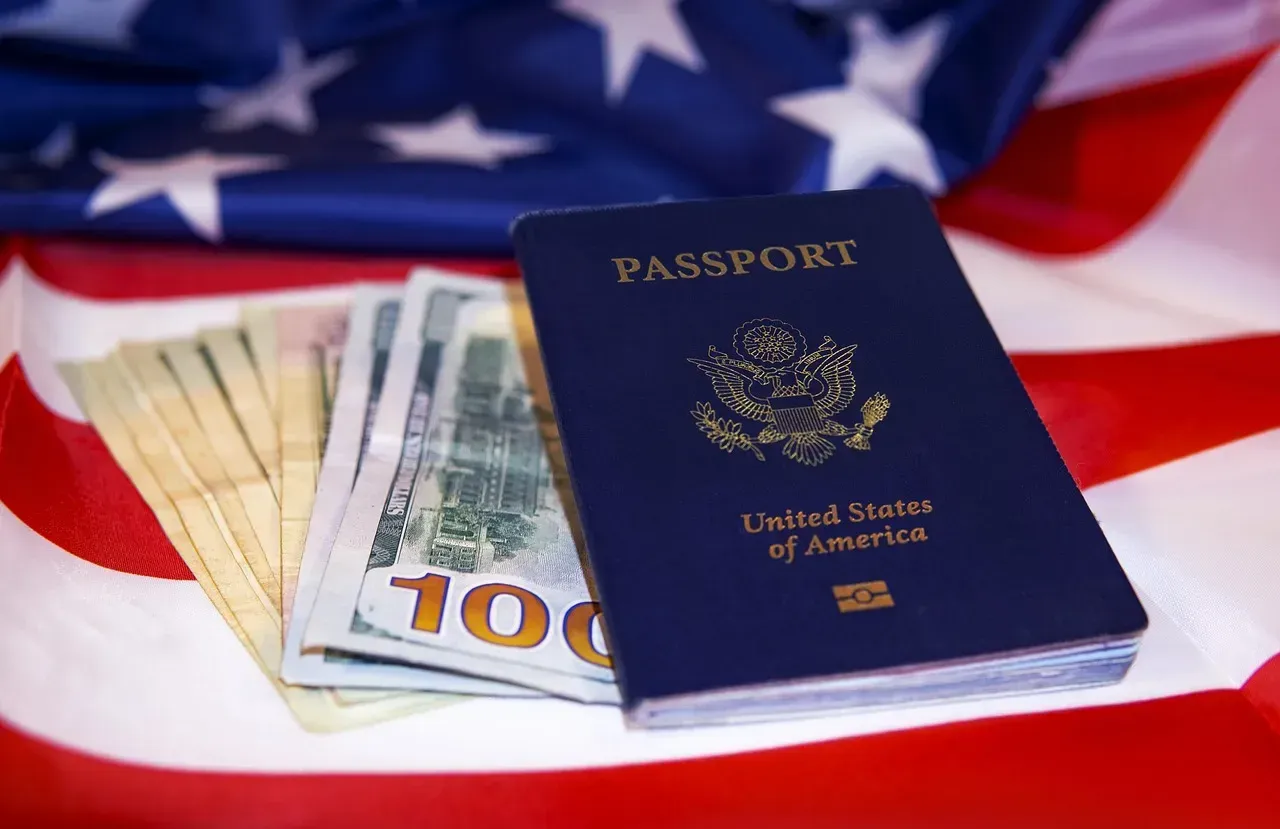
The United States: A Tightening Door (Image Credits: Pixabay)
Few countries underwent as dramatic a shift in immigration posture as the United States between 2025 and 2026. The United States imposed either full or partial visa restrictions on nationals of 39 countries effective January 1, 2026. The policy change came swiftly, catching many applicants and employers mid-process.
The past period has brought a remarkable wave of activity across the US immigration landscape, with agencies moving quickly on shifts that will shape how employers and applicants navigate the system in 2026 and beyond, signaling a more stringent, security-focused, and data-integrated approach to US immigration policy. The Department of State expanded the nonimmigrant visa categories subject to social media screening as part of the visa application process, adding numerous new classifications, with social media screening already in place for all F and J visa applicants since June 2025 and all H-1B applications since December 2025.
The United Kingdom: A Door Half-Closed

The United Kingdom: A Door Half-Closed (Image Credits: Pexels)
The UK Government’s White Paper titled “Restoring Control over the Immigration System,” presented to Parliament in May 2025, outlines the most sweeping changes to the UK’s legal migration framework in over a decade, framed as a response to record-high net migration and a perceived overreliance on international recruitment. The scale of what changed is substantial.
In April 2024, the standard Skilled Worker minimum salary was increased from £26,200 to £38,700, and then again on 22 July 2025, from £38,700 to £41,700. Most immigrants will now have to spend at least 10 years in the country before applying for citizenship, rather than the current five years. According to the Prime Minister’s speech accompanying the White Paper, net migration rose from 224,000 in 2019 to 906,000 in 2023.
Canada: The Welcome Mat, Pulled Back
Canada: The Welcome Mat, Pulled Back (Image Credits: Unsplash)
Canada had long been a welcoming destination for international students, but introduced a two-year cap on study permits for international students, limiting new permits issued in 2024 to 360,000 per year, nearly 35% less than in 2023, with the cap for 2025 and 2026 further reduced by 10% for each year. The signals were consistent across multiple policy areas.
The federal government confirmed its intention to continue restrictive immigration policies, planning to reduce the number of permanent residents by 21% for 2025, setting the target at 395,000 compared to 500,000 previously, with further reductions anticipated in 2026, including foreign worker admissions expected to decrease by roughly two fifths and foreign student numbers by a fifth. Housing pressures and public concern about infrastructure strain drove much of the political will behind the changes.
Australia: Narrowing the Path In

Australia: Narrowing the Path In (Image Credits: Unsplash)
Australia’s Labor government announced a strategic plan to scale back immigration levels, noting a significant post-pandemic surge with over 500,000 temporary migrants arriving in 2022 alone, with the plan targeting a reduction by half for the 2024 to 2025 period, largely in response to public concerns over skyrocketing real estate prices. It wasn’t just rhetoric.
The Australian Government introduced a new cap for international students in 2025, with the country’s overall cap for international student enrollment set at 270,000, effective from January 1, 2025. Australia also reduced permanent residency pathways, focusing more on temporary and provisional routes like the 482 Temporary Skill Shortage Visa. The message to long-term settlers was clear: temporary status is increasingly where foreign residents begin, and often where they stay.
Sweden: Openness Giving Way to Caution
Sweden: Openness Giving Way to Caution (Image Credits: Unsplash)
Denmark and Sweden tightened their immigration rules, with Sweden becoming the “least attractive country in Europe” in early 2023, making it harder for low-skilled workers to move, while Denmark focused on highly skilled immigrants, with both countries limiting immigration in tandem with the rise of the far right. The cultural dimension compounds the policy shift.
Countries of Scandinavia present significant social challenges for expats, with Norway at the bottom of the list as a country where expats have a hard time adjusting to local culture and very sparse opportunity to make local friends. The worst countries for expats in recent rankings also included Hungary, Denmark, Switzerland, the Czech Republic, Sweden, Austria, and Finland. In Sweden’s case, legal restrictions and cultural coolness have combined into a noticeably less welcoming environment than the country was known for a decade ago.
Spain: Tourism Fatigue Turns Confrontational
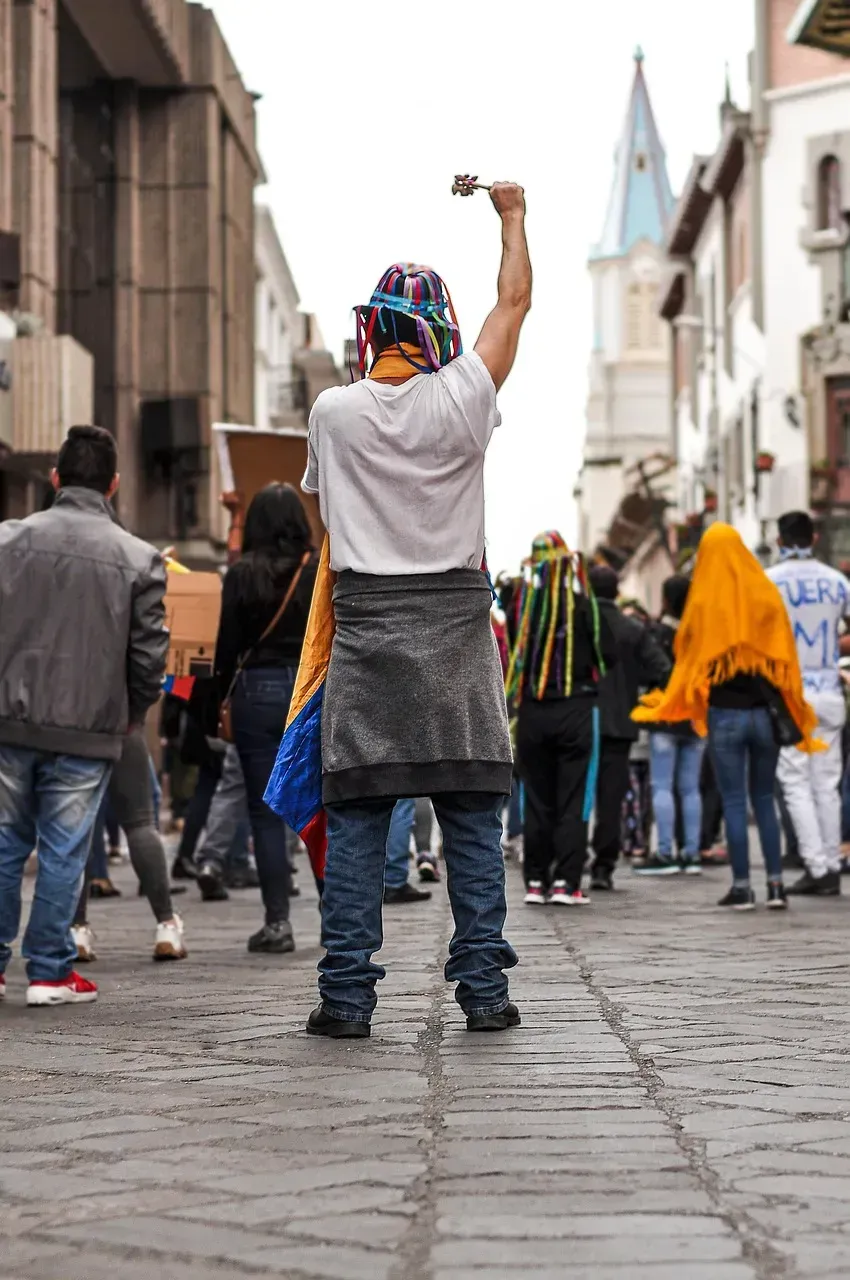
Spain: Tourism Fatigue Turns Confrontational (Image Credits: Pixabay)
Beginning in April 2024, there were protests in Spain against overtourism, specifically in the archipelagos of the Balearics and Canaries, and in the mainland cities of Barcelona, San Sebastián, and Málaga. The numbers behind the frustration are striking. The country broke records with 94 million international arrivals, a 10 percent increase over 2023, pushing Spain ahead of Italy as the world’s second-most visited country.
In the summer of 2024, locals in Barcelona ramped up their protest, with thousands gathering to chant “tourists go home,” with a small group armed with toy water pistols making headlines by squirting them at visitors seated in outdoor cafes. Local governments and residents believe that overtourism has contributed to a reduced quality of life and increased cost of living for residents. Hundreds of thousands of Spaniards marched in protests held in over 40 cities across the country in April 2025 in anger over high housing costs with no relief in sight.
Germany: Bureaucracy and Cool Reception

Germany: Bureaucracy and Cool Reception (Image Credits: Pixabay)
Germany, ranked 51st in the Expat Insider survey, has consistently been in the bottom ten since 2017, with expats finding it difficult to feel at home, as cultural integration and perceived unfriendliness add to the problems for foreigners, with roughly two thirds of expats finding it difficult to make friends compared to a global average of less than half. That social difficulty is compounded by administrative hurdles.
Germany has long been associated with a rigid bureaucracy that can make even routine residency tasks feel like an ordeal. Despite strong demand for skilled foreign workers in sectors like healthcare and technology, the gap between policy intent and day-to-day lived experience for newcomers remains wide. Some popular travel destinations, including France and the United States, also rank among the unfriendly countries in expat surveys, placing in the bottom half of the global index.
France: Political Friction and Cultural Distance

France: Political Friction and Cultural Distance (Image Credits: Pexels)
US favorability in France plunged 33 points by early 2025, tied directly to trade disputes and political tensions, with France’s disapproval rating for the United States sitting at 67%. While this primarily reflects geopolitical friction rather than a blanket stance toward all foreigners, the atmosphere it creates is real. Locals regularly express frustration about tourists skipping lines at major attractions or demanding English everywhere.
France has long carried a reputation for cultural insularity, and recent years have sharpened that edge. The political climate has shifted toward stricter immigration enforcement at the national level, and integration debates have grown more charged. Whether it’s political friction, local exhaustion from mass tourism, or outright government restrictions, the experience of feeling genuinely unwanted in a foreign country is more common than most travel guides would have you believe.
What the Pattern Tells Us
What the Pattern Tells Us (Image Credits: Unsplash)
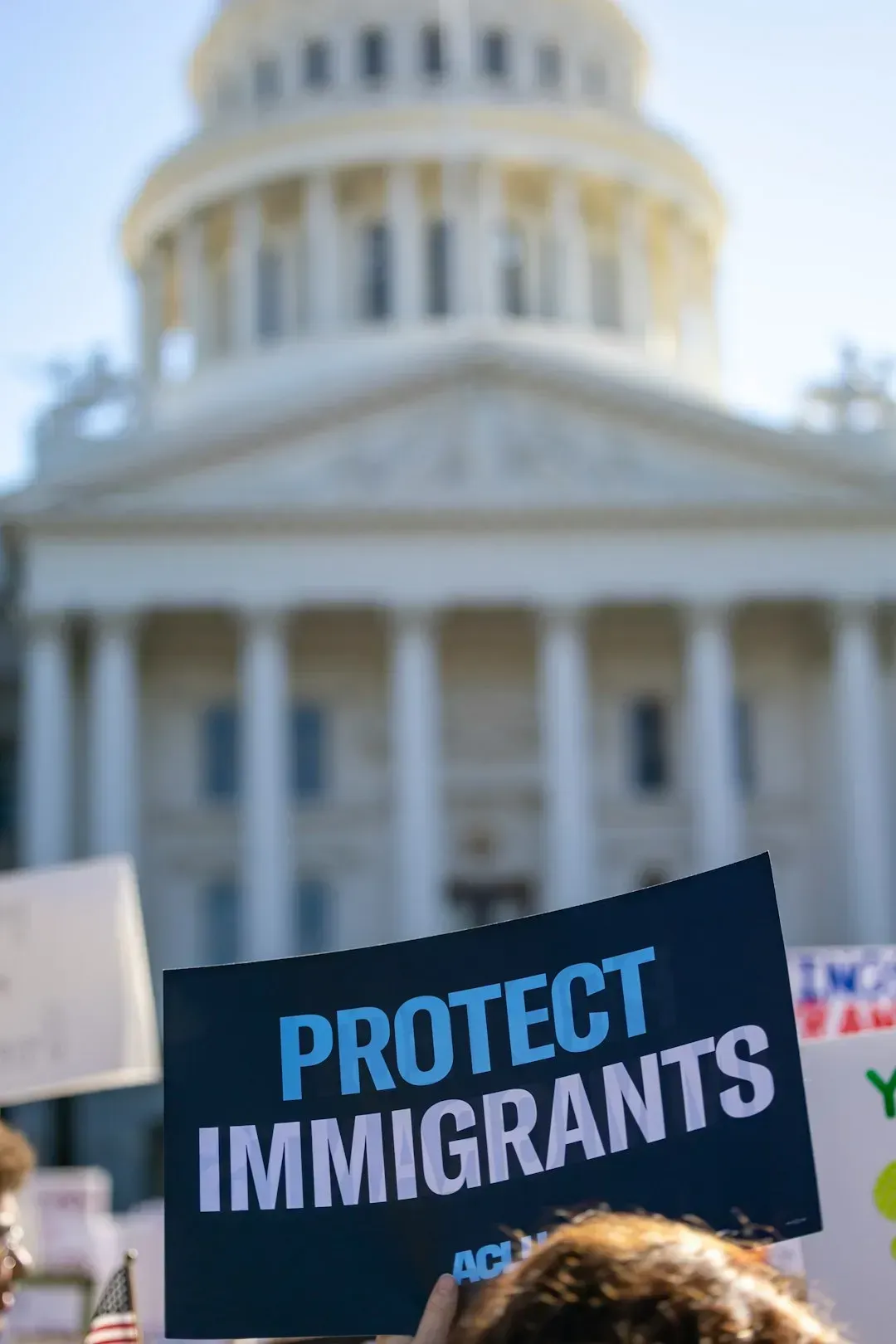
Amid demographic declines and notable labor shortages in various industries, major countries favored by expatriates are increasingly adopting stricter immigration policies. The irony is real: many of the nations tightening their rules simultaneously face worker shortages that immigration could address. Policy and reality are not always moving in the same direction.
The numbers heading into 2026 tell a striking story. The countries that once felt easy to enter, settle in, and build a life within are now measuring welcome in salary thresholds, point systems, language tests, and political moods. Countries are collectively shifting toward a more digitized, controlled, and security-conscious immigration environment, reflecting an international effort to balance national interests with the needs of expats and travelers. For anyone still planning a move abroad, the practical lesson is straightforward: the research required now is considerably more thorough than it was even a few years ago.