
Somewhere between the promise of a meaningful connection and the reality of a 3 a.m. “hey” from someone with two blurry photos, modern dating apps lost the plot for a lot of people. The tools were supposed to make finding a partner easier. For many singles, they’ve done the opposite.
The concept of “dating app burnout” is no longer just anecdotal. It’s now the subject of serious academic research, with a 2024 paper published in New Media and Society documenting how the novelty of dating apps has given way to frustration and exhaustion. What follows is a gallery of the specific behaviors driving that exhaustion, ranked not by severity but by how consistently they appear across research, surveys, and the growing chorus of singles walking away.
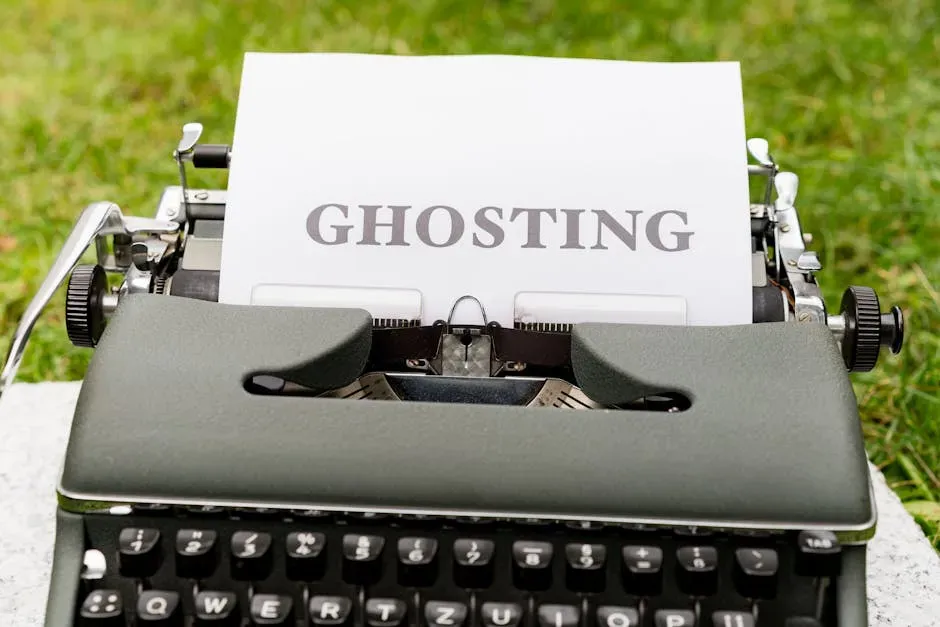
1. Ghosting: The Disappearing Act That Leaves Everyone Worse Off
1. Ghosting: The Disappearing Act That Leaves Everyone Worse Off (Image Credits: Pexels)
Ghosting is a sudden disruption in a relationship without any explanation. The person simply vanishes, often leaving the other side with questions and no way to find closure. It’s become so normalized that many users now expect it rather than fear it.
Ghosting has become endemic in online dating: roughly three in ten U.S. adults say they’ve been ghosted by someone they were dating or talking to, and that figure jumps to around four in ten among young adults aged 18 to 29, and to more than six in ten among people actively using dating apps. Research shows that ghosting leads to stronger feelings of exclusion than being rejected outright. People in the ghosting category are also more likely to feel that their basic needs for belonging, self-esteem, and control were threatened.
2. Breadcrumbing: False Hope Packaged as Attention
2. Breadcrumbing: False Hope Packaged as Attention (Image Credits: Unsplash)
Breadcrumbing is a psychologically harmful dating behavior that involves sending non-committal signals to another person and periodically feigning interest in them, despite having no intention of taking the relationship forward. A sporadic “thinking of you” text every two weeks is a classic example. It costs nothing to send and creates enormous confusion for the person receiving it.
A study of 626 adults found that victims of breadcrumbing were significantly more likely to have feelings of loneliness, helplessness, and reduced life satisfaction than even victims of ghosting. Because people on the receiving end remain in limbo longer, they experience repeated feelings of exclusion and ostracism. The ongoing nature of breadcrumbing is precisely what makes it so damaging to mental health.
3. Fake Profiles and Catfishing: When the Person Isn't Real
3. Fake Profiles and Catfishing: When the Person Isn't Real (Image Credits: Pexels)
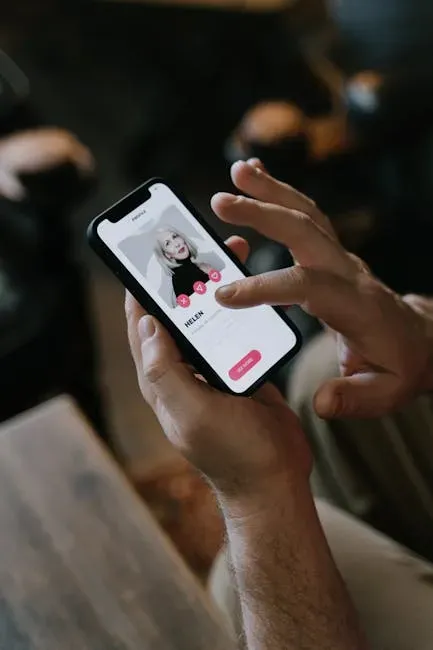
Some estimates suggest that as many as one in ten dating profiles are fake, meaning that for every ten people you see on a dating site, one is likely not even a real person. That number feels abstract until it happens to you. Adding another layer to the problem, 53% of users report seeing AI-generated photos on accounts, and 39% report encountering AI-generated chat messages.
Tinder removed 5.8 million accounts for guideline violations in just the first half of 2024, a significant share of which were fake or bot accounts, while Bumble blocks approximately 900,000 or more fake accounts every month using AI detection. According to Gen Digital’s 2025 Cyber Safety Report, one in four daters globally has been targeted by a dating scam, including 23% exposed to catfishing. The scale of the problem isn’t shrinking.
4. The Empty Bio: Zero Effort, Maximum Frustration

4. The Empty Bio: Zero Effort, Maximum Frustration (Image Credits: Pixabay)
A profile consisting of one gym photo and the words “just ask” has become a cliché for good reason. It signals either deep disinterest in the process or an expectation that the other person will carry all the emotional labor of starting a conversation. Neither is a compelling pitch.
Many profiles are inactive or are merely seeking gifts, Instagram followers, or a pen pal, which means the total truly datable population of all profiles on any given dating site can be considerably less than half of what appears. Studies have found that during the initial phase of dating someone online, an average of around seven percent of the information revealed is untrue, which means even the bios that do exist frequently contain embellishments. Starting a conversation with someone who put no effort in is, at best, a gamble.
5. Misleading Photos: The In-Person Mismatch
5. Misleading Photos: The In-Person Mismatch (Image Credits: Pexels)
Photos taken years, or even a decade, before the current profile was created. Angles and filters that bear little resemblance to how someone actually looks. Group shots where it’s genuinely unclear which person is the one you matched with. These aren’t minor quirks. They waste everyone’s time and set up in-person meetings destined to start on an awkward footing.
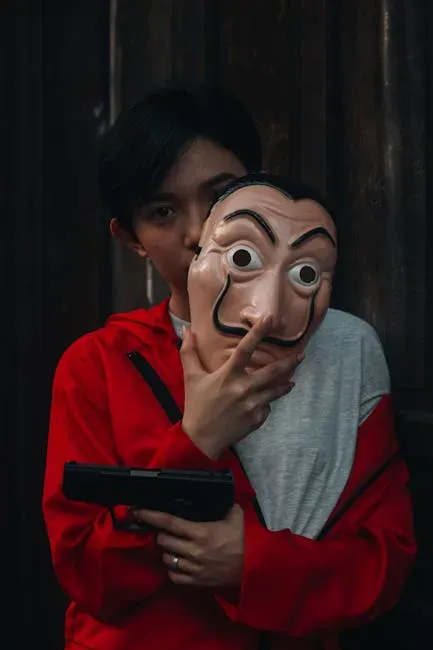
The most common deceptive content Americans report on dating apps is someone lying about their true identity, with roughly two thirds of users encountering it. Stolen pictures rank as the second most common form of deceptive content, followed by someone lying about their real intentions or feelings. The prevalence of this behavior is a direct driver of the broader distrust that now surrounds the apps themselves.
6. Love Bombing: Intensity That Signals Nothing Good
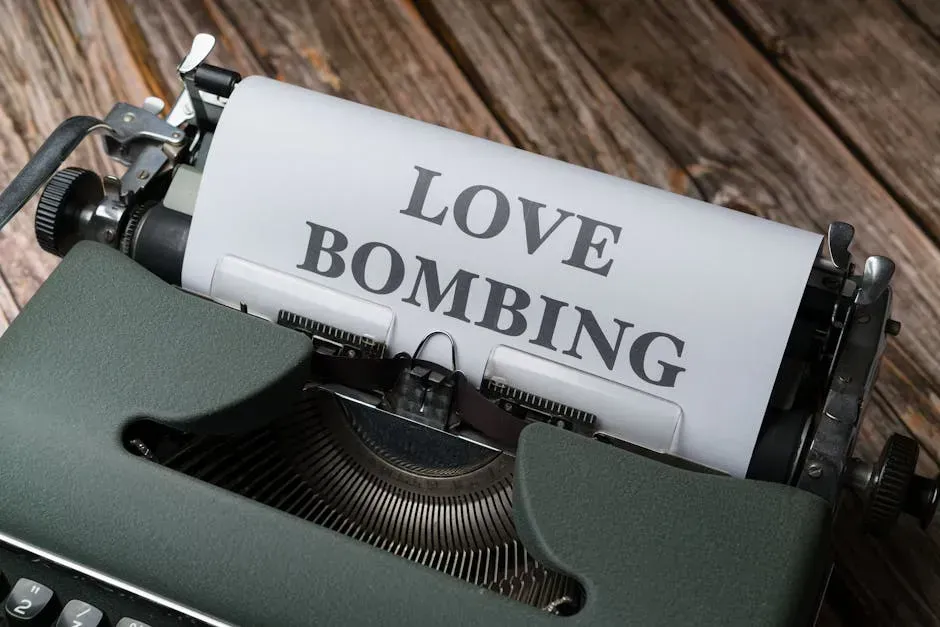
6. Love Bombing: Intensity That Signals Nothing Good (Image Credits: Pexels)
Someone who messages you 40 times on the first day, declares you’re their soulmate before you’ve ever met, and insists you move the conversation off the platform within hours is not romantic. They’re following a script. Love bombing – flooding a new match with excessive attention and affection before any real connection has formed – is both a manipulation tactic and a common scam precursor.
Patterns identified in catfishing scam cases consistently include love bombing, a refusal to meet in person, and sudden requests for money. Even when love bombing isn’t linked to financial fraud, research consistently flags it as a sign of emotional instability or controlling behavior in the making. Dating advice that promotes “playing it cool” and strategic ambiguity runs counter to what actually builds secure relationships, but love bombing sits at the opposite extreme and is equally damaging.
7. Benching: Keeping You on the Roster Without Committing
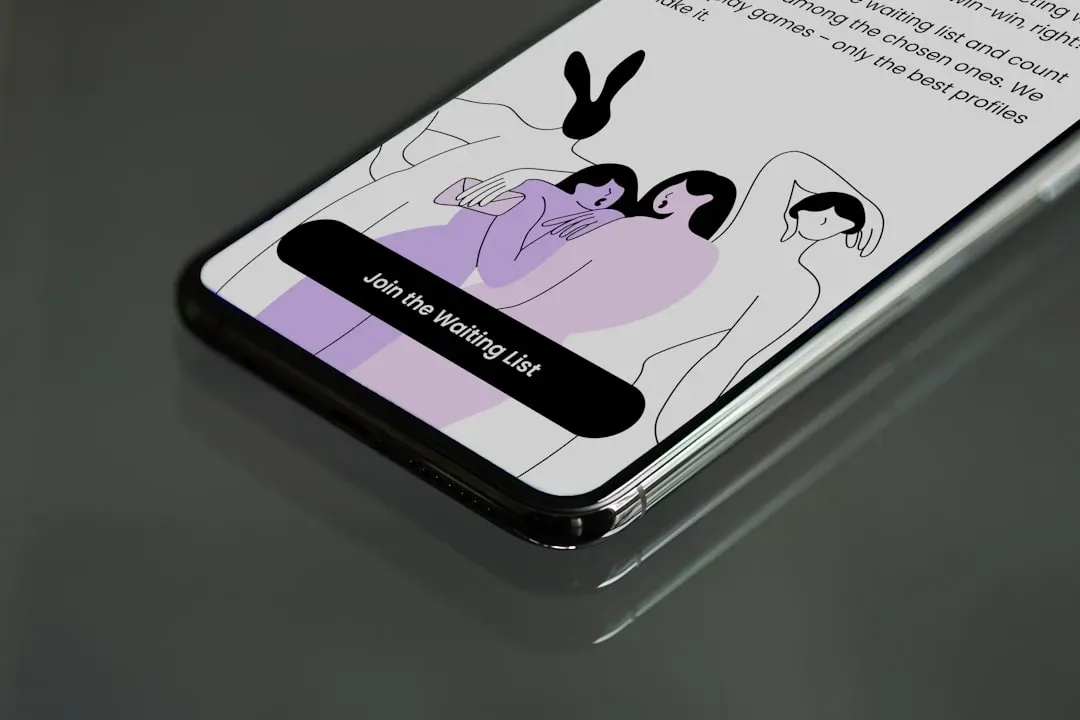
7. Benching: Keeping You on the Roster Without Committing (Image Credits: Unsplash)
Benching withholds clarity from the person being strung along. The bencher keeps a match warm through occasional check-ins without ever committing to plans, essentially holding a spot open in case better options don’t pan out. It’s a behavior that communicates exactly how little the other person values your time.
When someone is emotionally unavailable, they often prioritize their own comfort over mutual respect. This creates an unhealthy dynamic where one person invests emotionally while the other remains detached. Modern technology has helped normalize a whole spectrum of these behaviors, including benching, cushioning, pocketing, orbiting, and submarining, most of which boil down to the same core problem: avoiding honest communication about intentions.
8. Aggressive or Unsolicited Messages: Harassment Dressed as Flirting
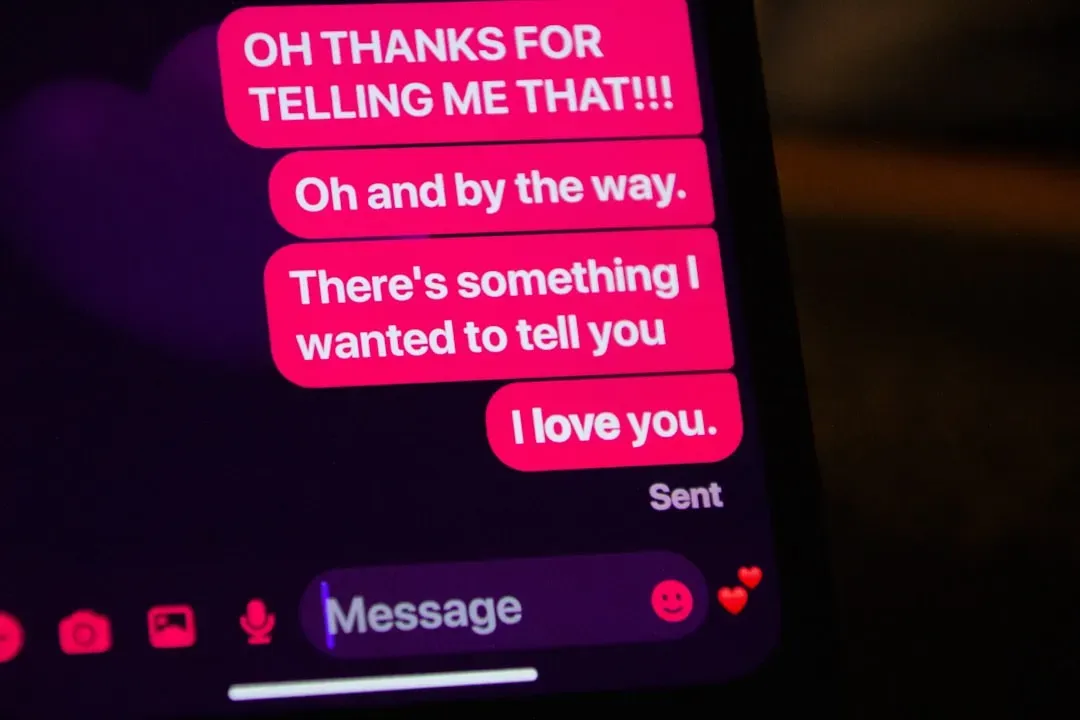
8. Aggressive or Unsolicited Messages: Harassment Dressed as Flirting (Image Credits: Unsplash)
A Pew Research survey found that nearly half of users are unhappy with their dating app experience. Women especially report feeling unsafe and frustrated, often citing scams and harassment as primary drivers of that dissatisfaction. Unsolicited explicit messages, persistent follow-ups after someone has clearly disengaged, or escalating aggression when a match doesn’t respond are all behaviors that make the platforms measurably less safe.
One U.S. survey found that gay men and bisexual women had the highest odds of encountering psychological or sexual abuse on dating apps. The problem isn’t limited to one demographic. A 2024 study found that 78% of app users felt emotionally exhausted by the experience, and harassment is consistently cited among the reasons why. Sending hostile or explicit messages to strangers isn’t a bold move. It’s a reliable way to make someone feel unsafe and leave the platform entirely.
9. The Pay-to-Win Paywall Trap
9. The Pay-to-Win Paywall Trap (Image Credits: Pixabay)
Dating apps often employ punitive tactics toward users who do not pay for premium features such as unlimited likes and increased profile visibility. On some platforms, profiles are buried, and on Hinge, “standouts” – those whom the app believes the user will be most interested in – are kept behind the paywall. The frustration this generates is well-documented and deeply tied to why so many singles say the experience feels rigged.
More than 98% of Match Group’s revenue comes from subscriptions and in-app purchases, giving the company a clear incentive to keep the free version of a dating app frustrating enough to make upgrading feel necessary, but functional enough to keep users from abandoning the platform altogether. Many users report that Hinge started charging for filters that were previously free, including those specifying politics, religion, or interest in having children – all of which can be dealbreakers for singles. Paying for basic compatibility filters feels, to most people, like being charged admission to a conversation.
10. Dead-End Conversations That Never Move Toward an Actual Date
10. Dead-End Conversations That Never Move Toward an Actual Date (Image Credits: Unsplash)
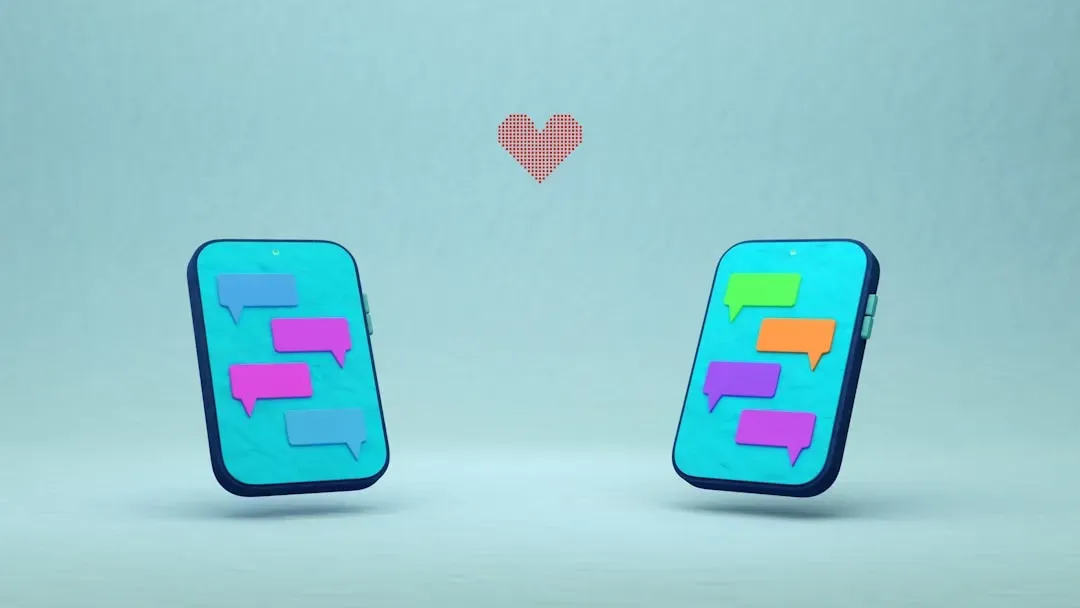
Weeks of back-and-forth messaging that never results in a concrete plan is its own category of time drain. The conversation stays pleasant and going nowhere, with neither person willing to either suggest meeting or acknowledge the connection isn’t there. It’s a peculiar limbo created almost entirely by the structure of the apps themselves, where matching feels like an achievement even when nothing follows.
Dating apps have industrialized uncertainty. A 2024 study found that 78% of app users felt emotionally exhausted by the experience. Endless options mean never having to fully commit. The top reason singles cited for burnout was the inability to find a good connection on the apps, with four in ten agreeing this was their biggest source of exhaustion. The next most common factor was feeling disappointed or rejected by someone met through the apps – for example, being ghosted after a date. A conversation that fades into silence without ever becoming a real-world meeting is, for many, the defining experience of modern online dating.