
Most homeowners go into a renovation convinced they’re making a smart investment. The logic seems simple: spend money on the house, and the house becomes worth more. The average American household spent $9,322 on home improvement projects in 2024, according to Angi’s annual State of Home Spending report. That’s real money, and a lot of it gets poured into projects that don’t pay back what people expect.
Most renovations do not pay back 100% of what you spend. On average, homeowners get back about 74 cents for every dollar spent on large remodeling projects. Some projects return even less – and a few actually make a home harder to sell. These are eleven renovation trends worth reconsidering before you pick up the phone and call a contractor.
1. The Over-the-Top Kitchen Gut Job
1. The Over-the-Top Kitchen Gut Job (Image Credits: Pexels)
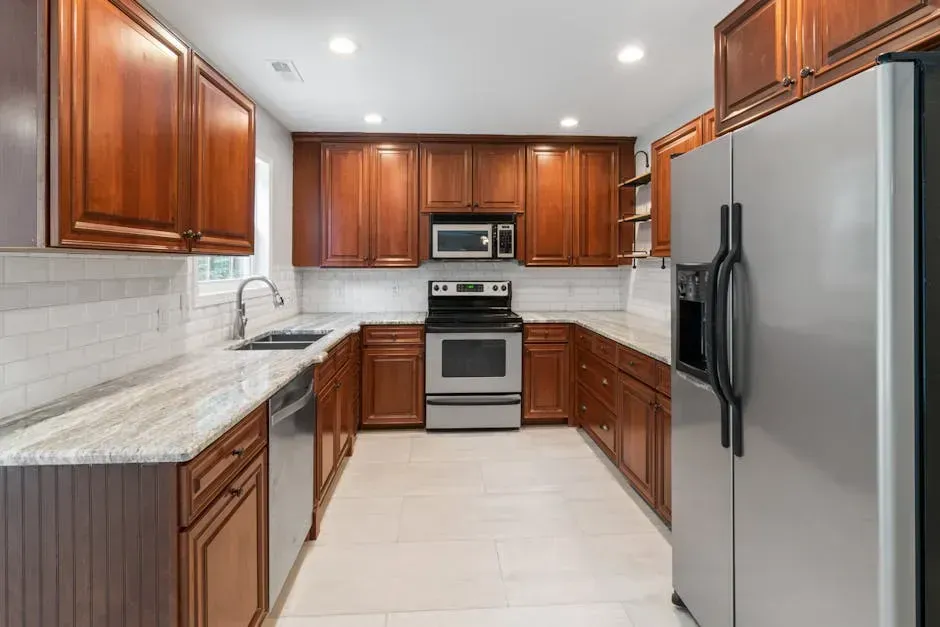
The kitchen is often seen as the heart of a home, and it’s a project many homeowners save up for. The resale value of a major, high-end kitchen remodel is actually less than what you’ll invest in it, however. According to Remodeling Magazine, in 2023, the national average for a major kitchen remodel was $77,939, and you could expect to recoup only about 30% of the investment.
Homeowners may think spending more money on major renovations will lead to a higher resale value, but minor renovations often have a better return on investment. For example, homeowners who complete a minor kitchen remodel recoup about 96% of the cost when they sell, while homeowners who complete a major upscale kitchen remodel recoup just 38% of the cost. The real opportunity is in targeted updates: worn countertops, tired flooring, and dated hardware. Going nuclear on the whole kitchen is rarely the answer.
2. Luxury Spa Bathroom Overhauls
2. Luxury Spa Bathroom Overhauls (Image Credits: Unsplash)
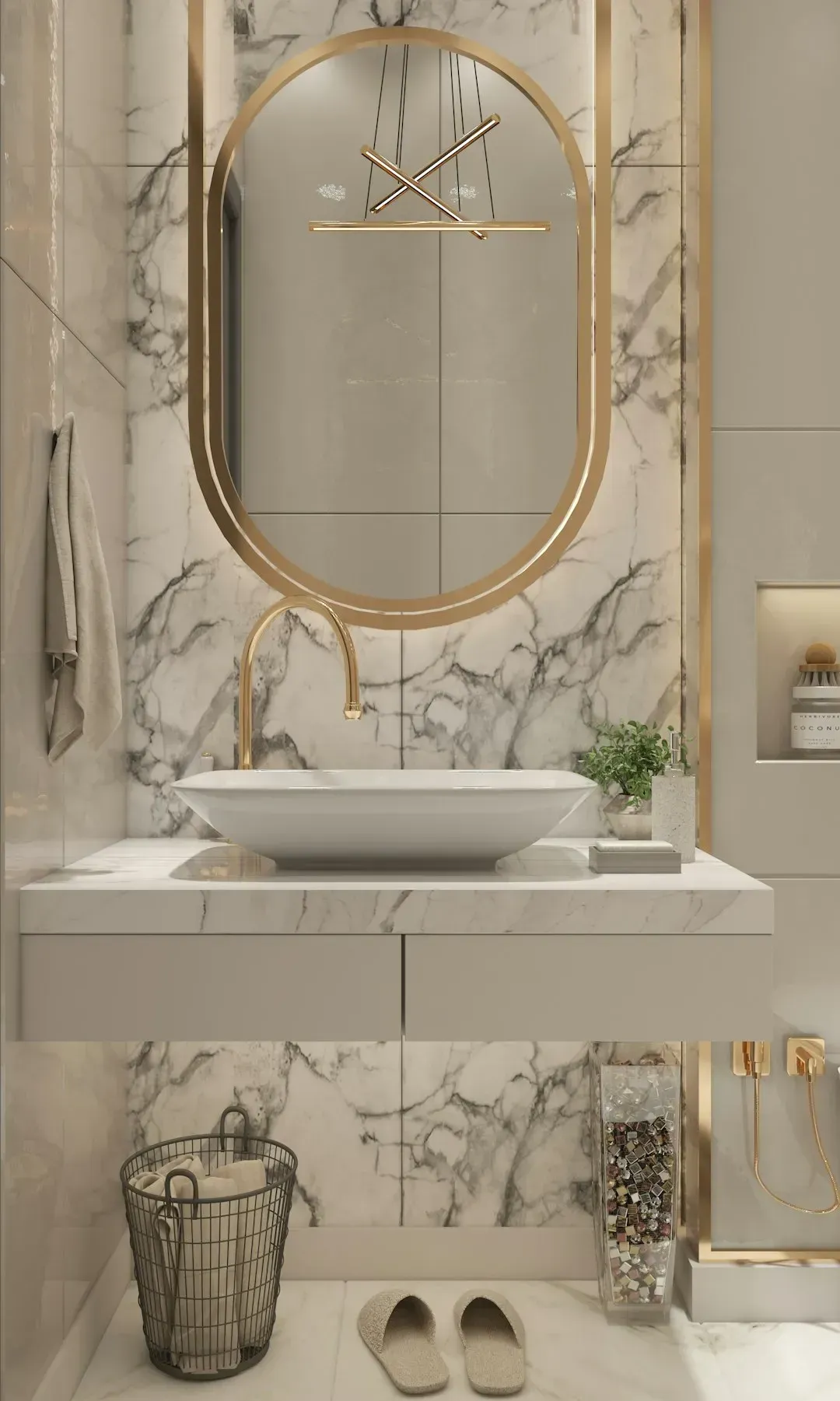
Spa-like bathrooms are everywhere on social media. Steam showers, heated floors, rainfall fixtures – all stunning, all incredibly expensive, and increasingly losing their shine in the resale market. The numbers are genuinely sobering for anyone who’s dreamed of building their own private retreat.
The worst-ranking luxury project is an upscale bathroom remodel. The average cost is roughly $29,200, and the average expected value added clocks in at just under $14,300. This means homeowners will recoup less than half their upfront investment. One potential reason luxury upgrades see a lower ROI is that appraisals rely on comparisons between similar properties. If the rest of the homes on your street have standard bathrooms, your over-the-top spa suite simply won’t pull the numbers you’re hoping for at appraisal time.
3. Installing a Swimming Pool
3. Installing a Swimming Pool (Image Credits: Pexels)
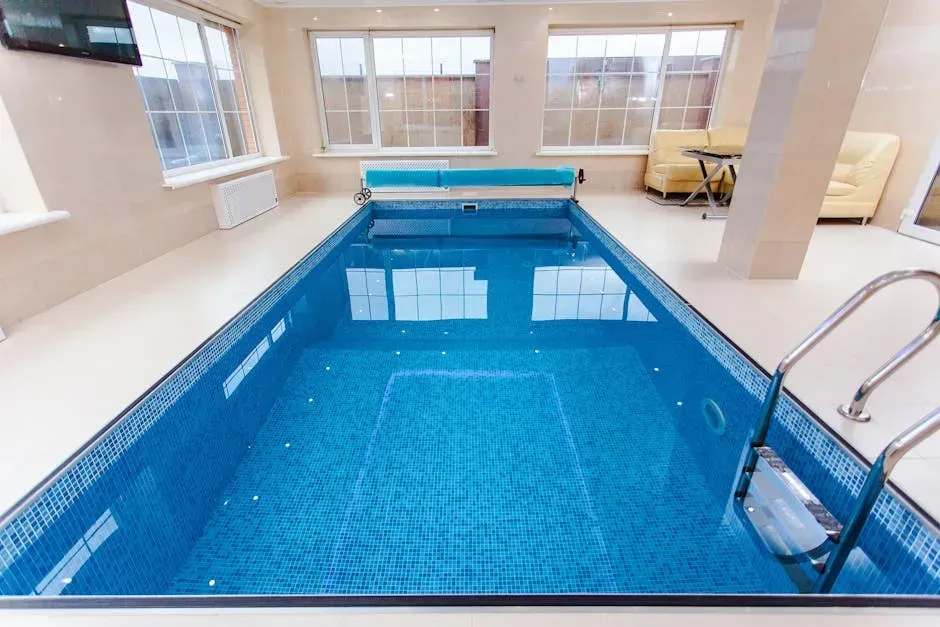
Contrary to popular belief, a swimming pool renovation or addition is not the best way to add value to your home. According to HouseLogic, a swimming pool could increase a home’s value by 7% at most – and that’s only in certain circumstances. According to a report from the National Association of Realtors, the cost of building an inground pool could reach $90,000, so there’s a significant investment involved.
The negative impact on resale value stems from practical concerns: many buyers view pools as a liability and a maintenance headache rather than a luxury. A pool might add value in Florida but hurt your resale in Ohio. Geography, climate, and neighborhood demographics all play a role. In most markets, a pool shrinks the potential buyer pool rather than expanding it.
4. Converting a Bedroom Into a Walk-In Closet
4. Converting a Bedroom Into a Walk-In Closet (Image Credits: Unsplash)
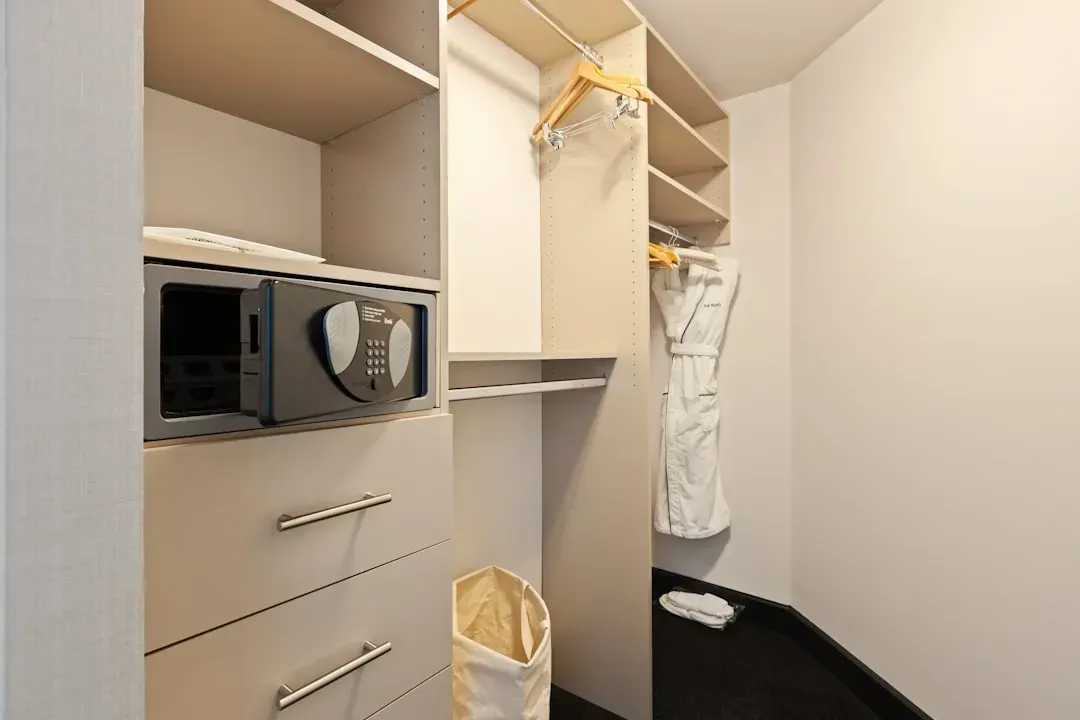
Zillow’s 2024 research into home listings showed that walk-in closets can hurt a home’s value by 0.5%, which is a relatively small amount but an indication that it might not be worth the cost. If you’re tempted to turn a small bedroom into a closet, think twice before doing so. Home shoppers usually search for homes based on the number of bedrooms, and a home’s value is derived in part from the number of bedrooms it has.
On average, each additional bedroom can add $10,000 to the value of a home. If you replace a bedroom with a walk-in closet, you’re decreasing the home’s value by $7,500 – and that doesn’t even include the cost of materials and labor spent on the project. Sacrificing a bedroom to expand another space might seem like an upgrade. However, reducing the bedroom count usually makes your home less appealing. Most buyers are looking to maximize functional space, and a home with fewer bedrooms than others in the area will typically attract less interest and a lower price.
5. Bold Wallpaper and Highly Personalized Color Schemes

5. Bold Wallpaper and Highly Personalized Color Schemes (Image Credits: By Small, Maynard & Company, <a href="https://commons.wikimedia.org/w/index.php?curid=25790923" target="_blank" rel="noopener">Public domain</a>)
Wallpaper is making a comeback, but a pattern and color scheme that you love may not appeal to a majority of buyers. On average, installing wallpaper costs homeowners $800 to $1,200, but most spend about $1,000 for a 12-foot-by-18-foot room with standard vinyl wallpaper. However, this cost likely won’t be recovered when it’s time to sell. Wallpaper removal is a notoriously time-consuming and messy job.
Wallpaper is highly personal, and a pattern that appeals to you may or may not appeal to a wide range of buyers. Most real estate agents recommend removing wallpaper before selling your home to create a neutral interior with mass appeal. The same principle applies to paint. While you may be tempted to go bold with a paint color, it’s best to play it safe if you’re getting ready to sell. According to Zillow, dark colors may leave buyers cold. Go with neutral and lighter tones that won’t bother potential buyers or hurt your home’s value.
6. Removing the Only Bathtub

6. Removing the Only Bathtub (Image Credits: Unsplash)
While walk-in showers are a popular trend in modern design, removing the only bathtub in the house is a critical functional error that creates weird layouts and limits usability. This decision often backfires when listing the home for sale because it alienates families with young children and significantly shrinks the potential market. A property generally needs at least one tub to retain full market value.
If your home is in a family-friendly neighborhood, a tub-to-shower conversion could potentially be a drawback. Families with young children often see a bathtub as an essential feature. If most buyers in your area are families, keeping at least one bathtub in your home could be a smart choice. It makes your home more versatile and appealing to a broader range of buyers. The nuance matters here: if you have multiple full bathrooms, the calculus shifts. Still, removing the last tub in the house is a gamble most sellers regret.
7. Converting the Garage Into Living Space
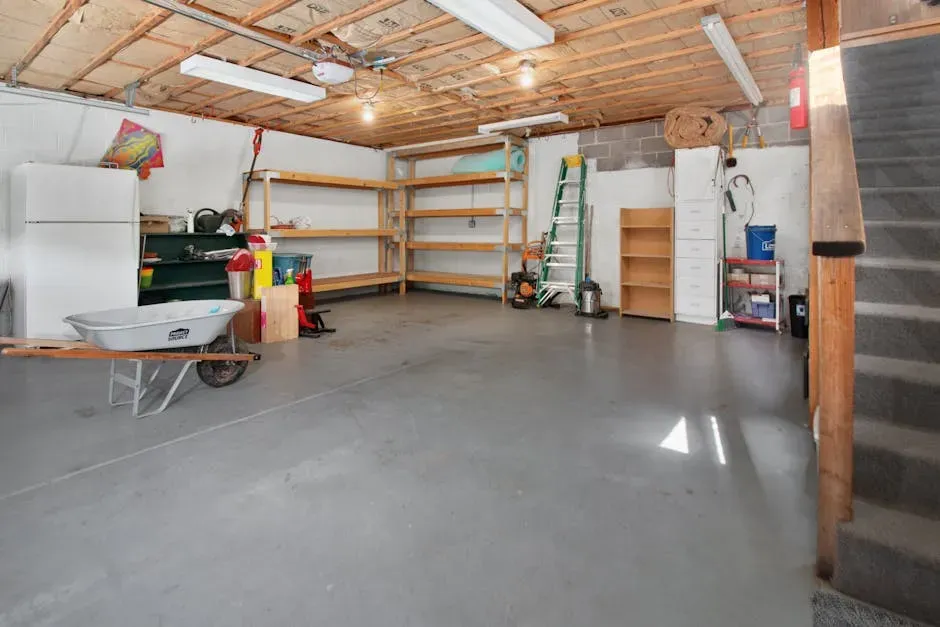
7. Converting the Garage Into Living Space (Image Credits: Pexels)
Some convert their garages to a home gym. Some may turn the space into a family room or even a game room. But if you’re selling, buyers may put higher value on a garage over extra living space. Experts on Realtor.com note certain markets put much higher value on garage space, so a home without a garage becomes much harder to sell.
Certain markets put much higher value on garage space, so a home without a garage becomes much harder to sell. Plus, depending on where you live, there may be tight restrictions on converting garages to living spaces. Converting garages rarely return their investment and can actually deter buyers. For buyers with cars, a garage is practical and expected. Taking it away can feel like a subtraction, not an addition.
8. Built-In Home Theater Rooms with Embedded Electronics
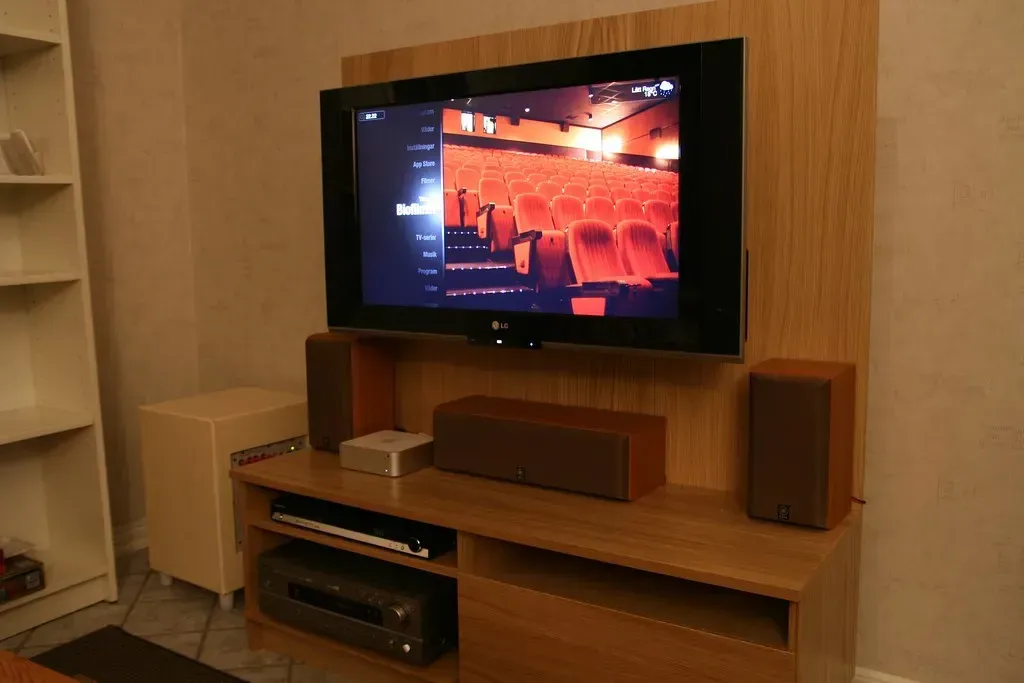
8. Built-In Home Theater Rooms with Embedded Electronics (alleus, Flickr, <a href="https://creativecommons.org/licenses/by-sa/2.0/" target="_blank" rel="noopener">CC BY-SA 2.0</a>)
While built-in electronics may be perfect for your home theater, they could turn away prospective buyers. Gadgets eventually become outdated or even obsolete, meaning this type of personalization can decrease home value. Technology ages faster than almost anything else in a home.
Just because you’re a movie buff doesn’t mean potential buyers share your enthusiasm. The investment required for an in-house theater and all its related electronics evaporates when a buyer sees it as a waste of space. If you’re into tech, when you sell, you should go with upgrades with broader appeal, such as smart thermostats and security systems. A media room is a room that effectively disappears from the market’s perspective, since most buyers see the cost of undoing it rather than the benefit of keeping it.
9. Installing New Carpet Over Hardwood Floors

9. Installing New Carpet Over Hardwood Floors (Image Credits: Pexels)
Homeowners still, in 2025 and 2026, occasionally lay carpet over original hardwood floors. It seems like a quick, affordable refresh. In reality, it’s one of the more counterproductive moves a seller can make before putting a home on the market. New carpet can be an inexpensive upgrade if you’re planning to sell, but hardwood offers more bang for your buck in resale value. That’s because, according to Realtor.com, home buyers prefer hardwood.
The project with the highest ROI is refinishing wood floors. You can recoup 147% of the cost for this simple project. Covering up that potential with carpet is, in effect, leaving money on the table. If hardwood is hiding underneath, stripping the carpet and refinishing the original floors is almost always the smarter financial choice.
10. Niche Room Conversions for Hobbies
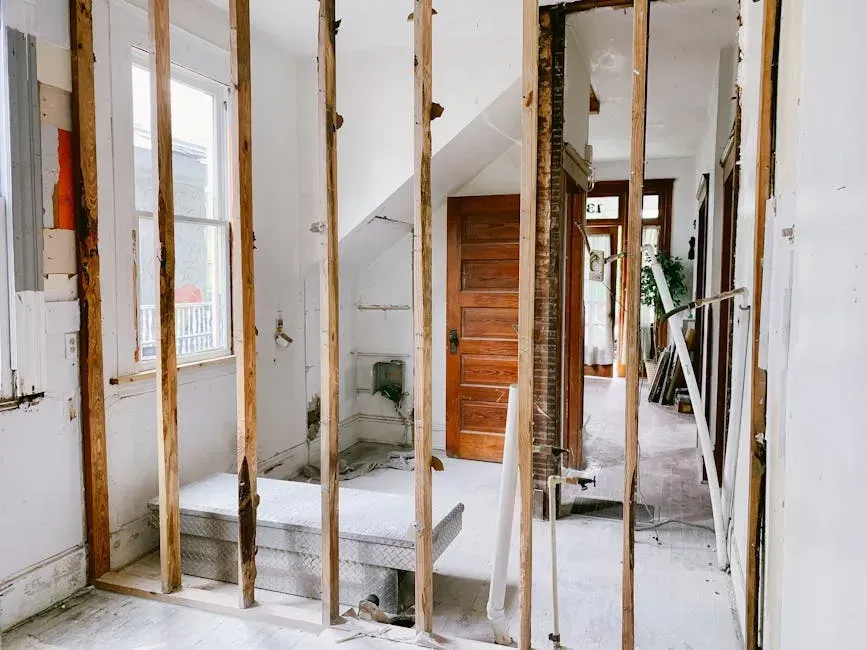
10. Niche Room Conversions for Hobbies (Image Credits: Pexels)
Permanent conversions for niche hobbies, such as soundproof recording studios, built-in darkrooms, or wine cellars that replace pantries, can be detrimental. Converting a functional living space into a permanent area for a niche interest forces future buyers to calculate the cost of reversing your work. This type of bold personalization hurts resale potential because it creates immediate obstacles for the average person.
Some projects make your home better to live in without adding much resale value. A home theater, custom wine cellar, or themed room might bring you joy. Most buyers won’t pay extra for these features. The guiding question for any renovation should be whether a stranger walking through on an open house Saturday can see themselves actually using it. If the honest answer is probably not, the money is better spent elsewhere.
11. Over-Improving for the Neighborhood
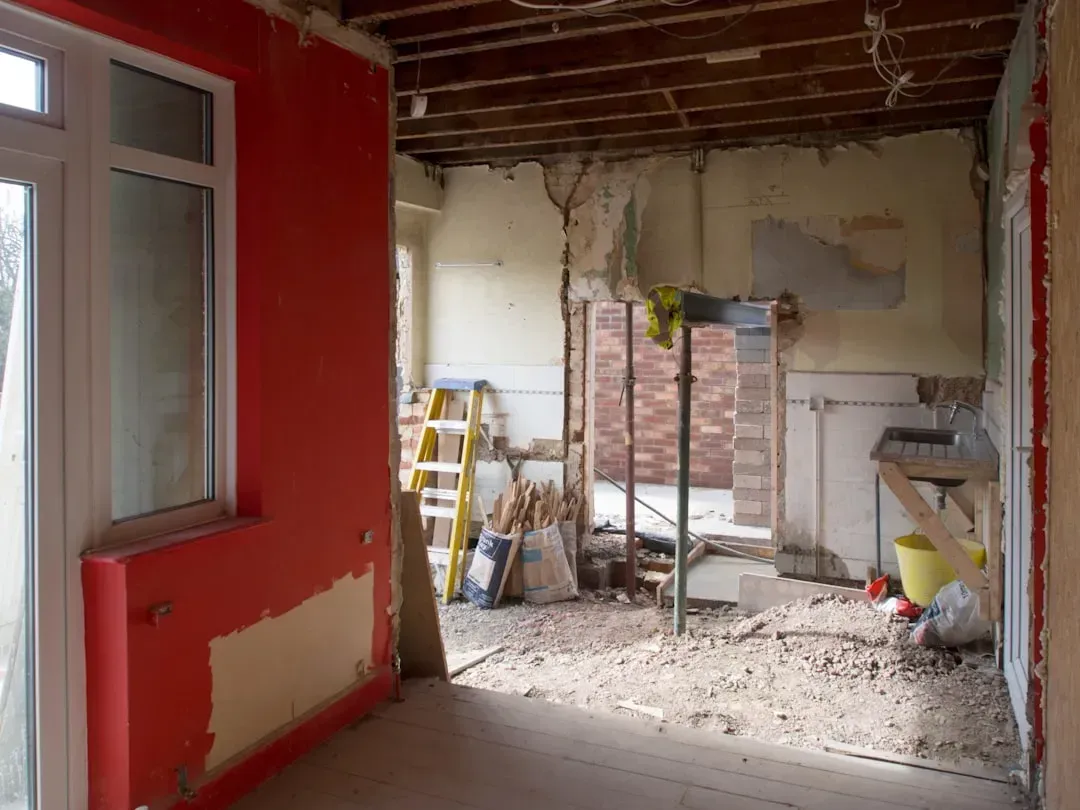
11. Over-Improving for the Neighborhood (Image Credits: Unsplash)
If your home is already the most expensive on the block, big upgrades may not pay off. Real estate pros call this the “neighborhood ceiling.” If homes in your area top out at $350,000, spending $80,000 on renovations to push yours to $400,000 likely won’t work. The math simply doesn’t cooperate, no matter how beautiful the finished product is.
If a second story or home addition makes your home the largest in the neighborhood, you could struggle to sell your home down the line. According to The Real Estate Appraisal Group, most buyers look at homes in a particular neighborhood because it matches their price range. If they have a higher budget, they’ll likely want to live in a neighborhood composed of homes of equal or greater caliber. The 30% rule suggests not spending more than 30% of your home’s current value on renovations, as you risk over-improving for your neighborhood. For a $300,000 home, this means keeping total renovation costs under $90,000 to maintain reasonable ROI expectations.
There’s nothing wrong with renovating for comfort or personal enjoyment. Plenty of homeowners do exactly that, and they’re happy with the results. The issue arises when the goal is resale value – and the project chosen quietly works against it. The passage of trends works against homeowners. Whatever is in vogue today will look dated 10 years down the road when you are ready to sell. Keeping renovations functional, broadly appealing, and proportionate to the neighborhood remains the most reliable strategy for protecting what is, for most families, their largest financial asset.