
There’s a quiet truth that professional cooks have known for years: the most expensive cut on the menu isn’t always the most flavorful one. Some of the least expensive cuts of beef are also the most flavorful, precisely because they come from the hardest-working muscles on the animal – the shoulders, chest, hips, and legs. Those muscles carry more fat, more connective tissue, and more character.
Beef prices in the U.S. have hit record highs in recent years, with steaks averaging nearly twelve dollars per pound. Cattle herds have been shrinking since 1951, and as demand remains steady, market watchers expect prices to continue rising. That makes knowing which cheaper cuts punch above their weight not just useful knowledge – it’s genuinely valuable. Here are nine that chefs consistently recommend.
1. Hanger Steak
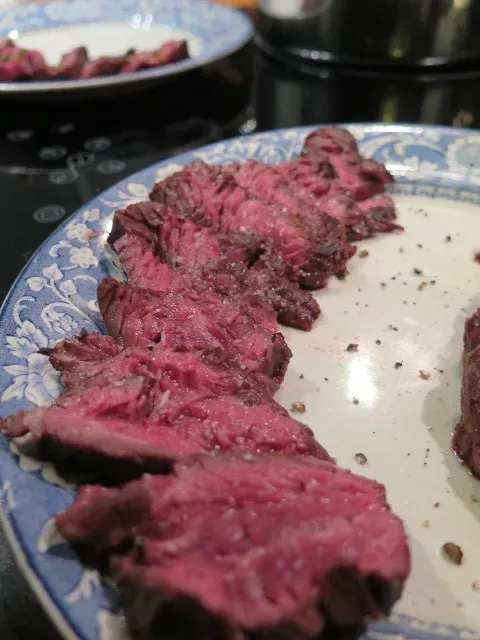
1. Hanger Steak (Peyman Zehtab Fard, Flickr, <a href="https://creativecommons.org/licenses/by/2.0/" target="_blank" rel="noopener">CC BY 2.0</a>)
Hanger steak is sometimes called the “butcher’s cut,” a name earned because it was once so prized that butchers would keep it for themselves. It comes from the diaphragm area of the cow, suspended between the rib and the loin, and has a more tender, almost filet-adjacent quality. Its flavor is incredibly deep and savory, almost like a concentrated version of the ribeye. That intensity is rare in a cut this affordable.
Most restaurants don’t even serve hanger steak because there is only one per cow, coming from the diaphragm. With only one 1.5-pound hanger steak available in each 800-plus-pound animal, this cut is as rare as it is delicious. It can be prone to toughness if overcooked, so it’s best kept below medium and is traditionally served with chimichurri sauce.
2. Skirt Steak
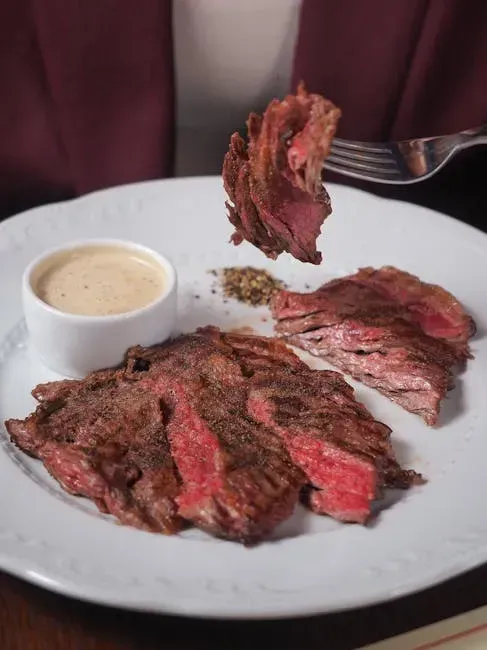
2. Skirt Steak (Image Credits: Pexels)
Thin, long, and loaded with flavor, skirt steak is a fajita favorite for good reason. It’s cut from the plate and features a coarse grain that soaks up marinades like a sponge. It’s quick-cooking, full of juicy richness, and ideal for tacos, stir-fries, or anything that benefits from bite-sized pieces. The flavor-to-price ratio here is genuinely hard to beat.
A 12-ounce skirt steak generally costs around $21 to $22, compared with $45 for the same amount of filet mignon. Skirt steak features rich marbling and fat that, when cooked, bastes the steak with flavor. It also features a distinctive coarse grain that is ideal for marinades and is considered one of the more flavorful cuts of beef overall.
3. Flat Iron Steak
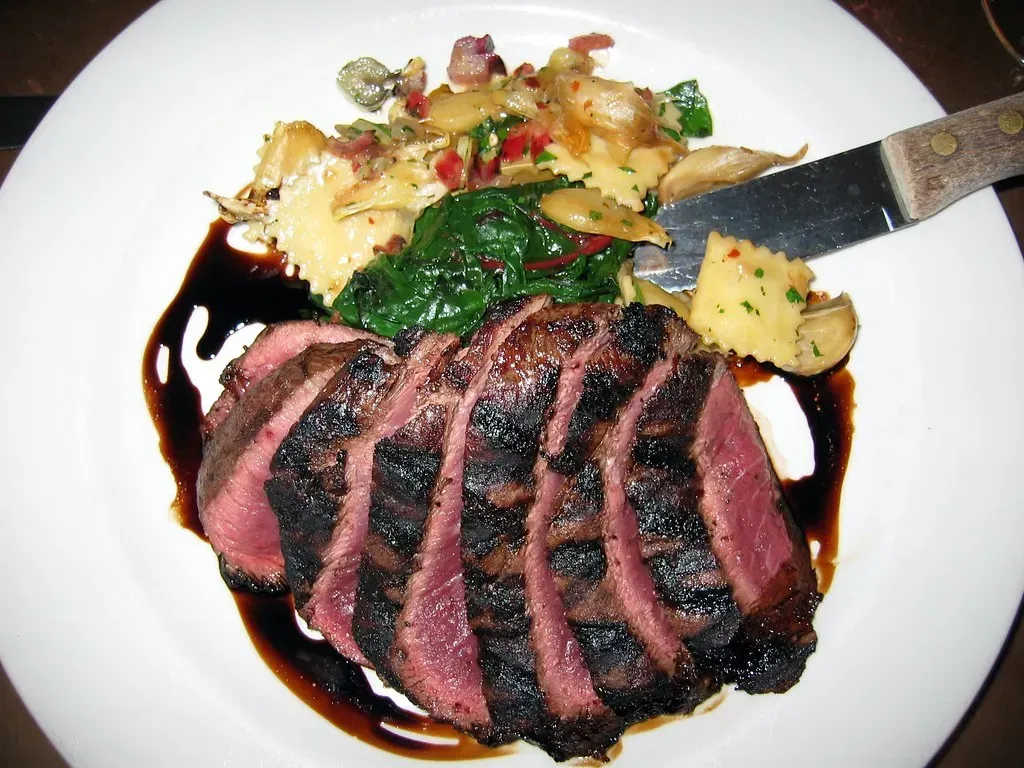
3. Flat Iron Steak (rhosoi, Flickr, <a href="https://creativecommons.org/licenses/by/2.0/" target="_blank" rel="noopener">CC BY 2.0</a>)
Flat iron steak, also known as top blade steak, has become the first of the so-called “new steaks” to become a runaway commercial success, outselling T-bones and porterhouses. For tenderness, it is second only to filet mignon, according to meat scientists. That’s a remarkable credential for a cut that costs a fraction of what tenderloin does.
Butchered from the fatty part of the chuck – the shoulder – the flat iron is a more flavorful and tender cut than the similarly shaped flank steak. Thanks to its lesser-used location on the cow, the shoulder-cut steak features the best of both worlds: it’s fairly lean with evenly distributed marbling. Chefs consistently describe it as an excellent choice that won’t break the bank but will still satisfy serious steak cravings.
4. Chuck Eye Steak
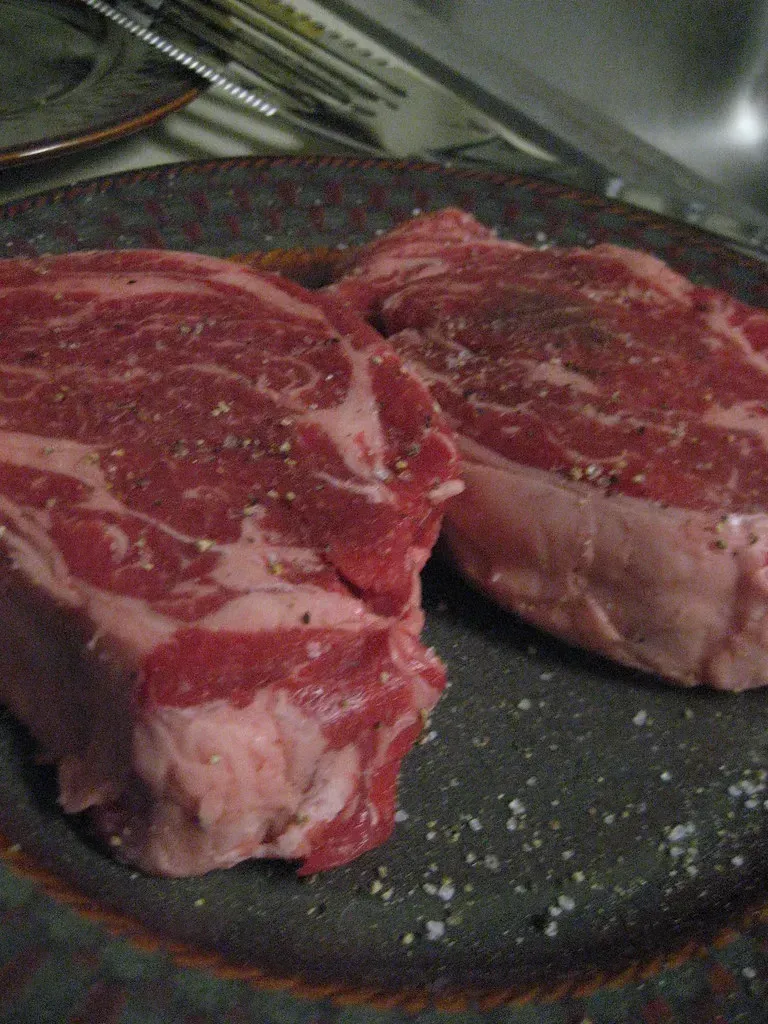
4. Chuck Eye Steak (petrr, Flickr, <a href="https://creativecommons.org/licenses/by/2.0/" target="_blank" rel="noopener">CC BY 2.0</a>)
Chuck eye steak comes from the fifth rib of a cow, between the chuck and the ribeye, which is exactly how it got its name. It’s rich in flavor and balanced similarly to the ribeye, but costs significantly less. In butcher circles, it’s sometimes called the “poor man’s ribeye,” though that label doesn’t do it full justice.
Chuck eye steaks are often referred to as Delmonico steaks, named after the New York restaurant where they were a signature dish. The longissimus dorsi muscle begins in the chuck and becomes wider down the back of the animal where it becomes the ribeye, then the striploin. There are only about two usable Delmonico steaks in the chuck per animal, but if you can get them, you’ll be pleasantly surprised by the big beefy flavor.
5. Beef Brisket
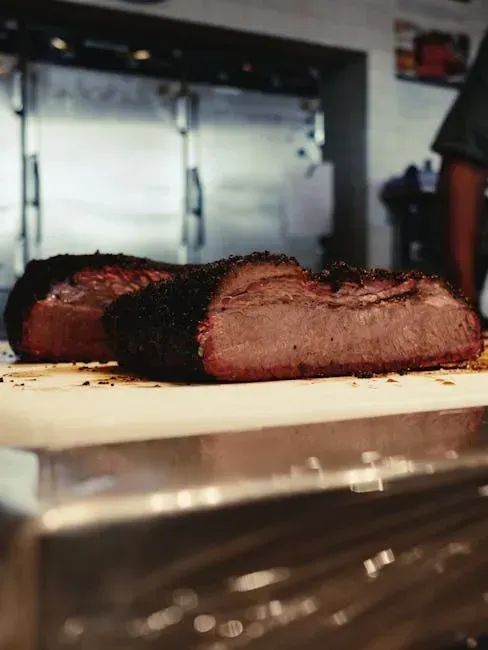
5. Beef Brisket (Image Credits: Pexels)
Beef brisket, especially the flat cut, is a classic choice among budget-conscious cooks. Although it requires long, slow cooking to become tender, brisket rewards your patience with deep, satisfying flavor. It’s perfect for barbecue, braised dishes, or even homemade corned beef. What it lacks in convenience it makes up for in sheer depth of taste.
Brisket is tough as nails but gets tender with low-and-slow smoking and braising. Brisket is usually sold in large pieces, making it ideal for feeding a crowd or preparing meals in advance. Leftovers work beautifully in sandwiches or chili later in the week. Few cuts offer this kind of versatility at this price point.
6. Picanha (Sirloin Cap)
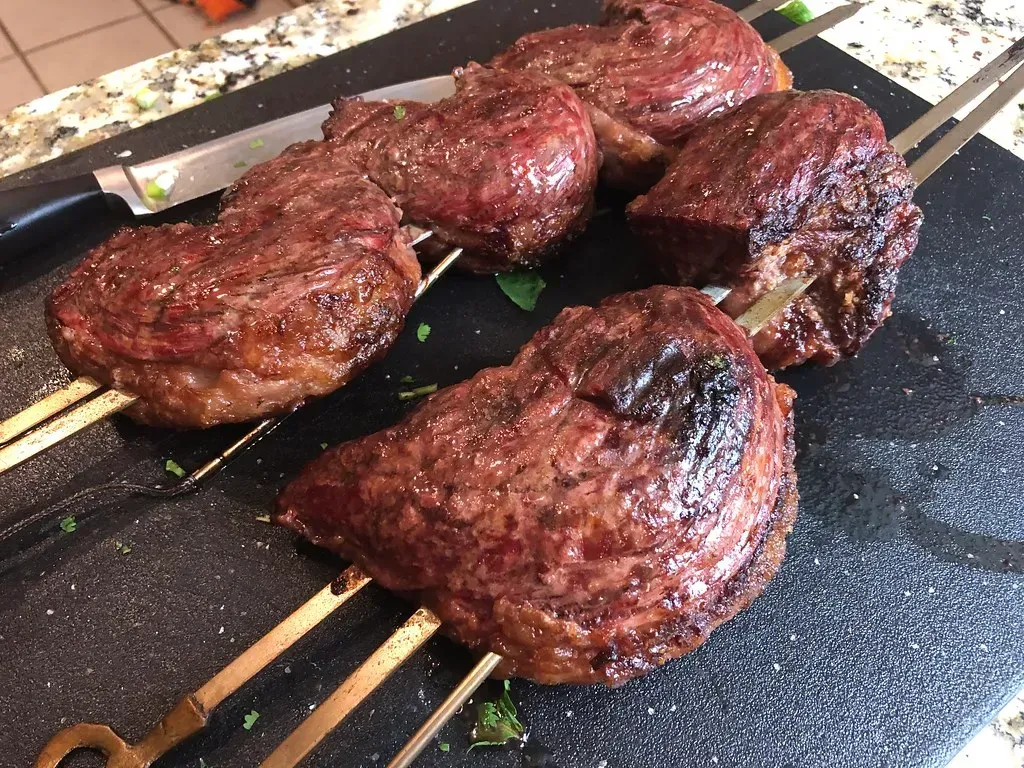
6. Picanha (Sirloin Cap) (Wesley Fryer, Flickr, <a href="https://creativecommons.org/licenses/by/2.0/" target="_blank" rel="noopener">CC BY 2.0</a>)
For a high-end but low-cost experience, chefs frequently suggest ordering picanha steak. It’s a cut of beef popularized in Brazil and Portugal as an important part of churrasco grills and is sometimes considered a budget-friendly substitute for the more expensive ribeye steak. Its reputation in South America is long-standing, though it’s still relatively underutilized in most American kitchens.
Beloved in Brazilian barbecue, picanha has a layer of fat that keeps it juicy and flavorful during grilling. It’s tender, affordable, and bursting with rich flavor – especially when cooked over an open flame and sliced thin. The top sirloin cap’s distinctive fat cap is key, rendering down to enhance the steak’s natural juices.
7. Pork Shoulder
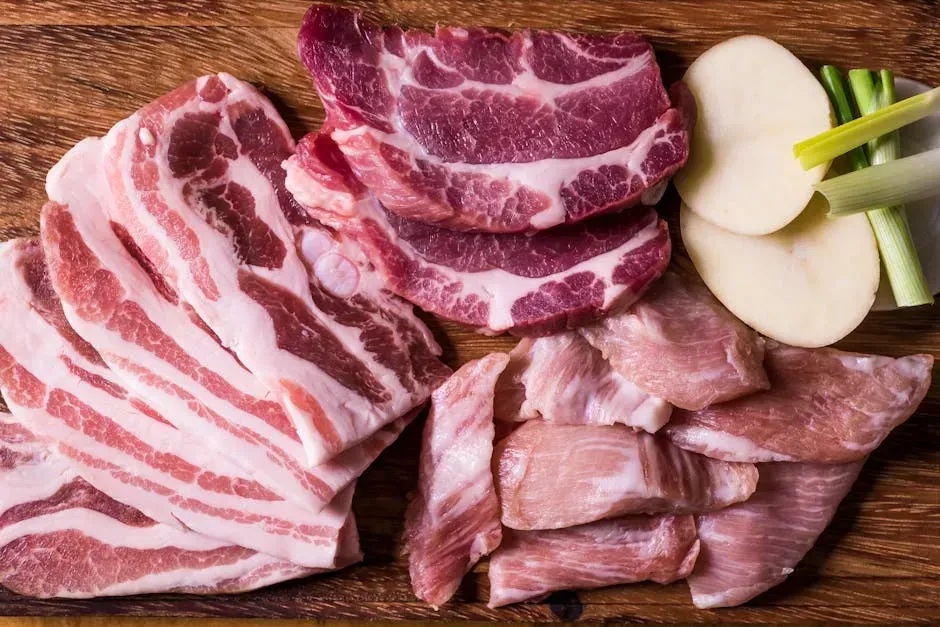
7. Pork Shoulder (Image Credits: Pexels)
One of the most inexpensive cuts of pork on the market, pork shoulder is relatively cheap because it is one of the toughest parts of the pig. However, if you throw the shoulder on your barbecue for some time, you can make pulled pork as the greats do. The transformation that happens during slow cooking is genuinely dramatic – tough and dense going in, silky and collapsing coming out.
Pork has always been cheaper than beef or lamb, partly because it costs less to raise pigs, which reach slaughter weight faster than cattle or sheep. Pork shoulder is also the traditional meat in recipes for tacos al pastor, although traditionally it’s cooked on a spit, similar to shawarma. A single shoulder can stretch across multiple meals without losing any of its appeal.
8. Chicken Thighs
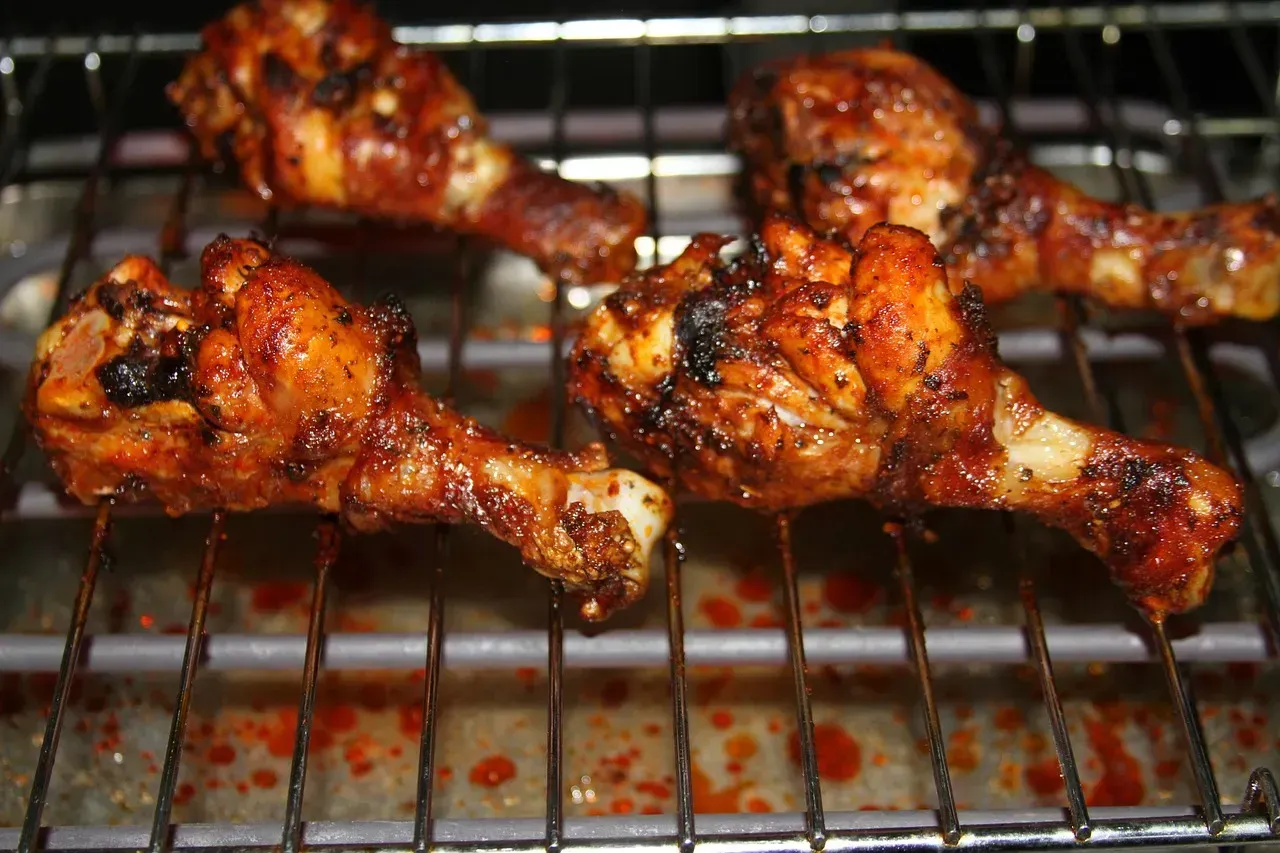
8. Chicken Thighs (Image Credits: Pixabay)
Chicken thighs may be the most versatile meat on any budget list. They’re tender and juicy and have much more flavor than the ever-popular chicken breast. The thighs take on seasoning flavors very well and can be delicious when prepared sweet, tangy, spicy, or any other way. Plus, the meat stays juicy and doesn’t dry out as easily as chicken breasts.
Chicken thighs can be braised, roasted, grilled, slow-cooked, deep-fried, and prepared in almost any other method – and they’re remarkably hard to overcook. Dark meat is not only less expensive than white meat, but it’s more forgiving when you cook it. White meat tends to dry out if overcooked, while thighs and drumsticks tend to stay moist even with a little extra time on heat.
9. Lamb Neck
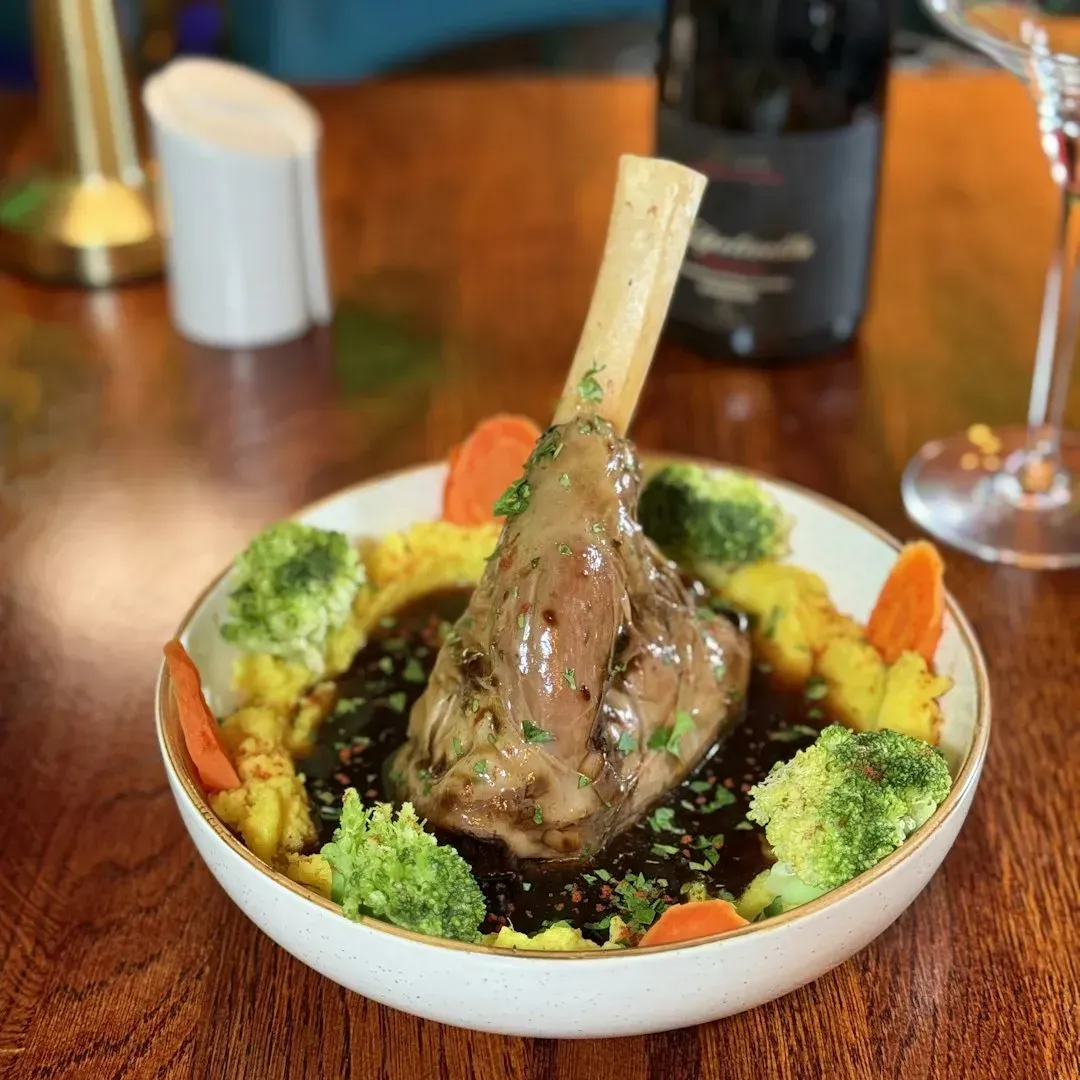
9. Lamb Neck (Image Credits: Unsplash)
Lamb neck is densely marbled and full of collagen-rich bone, making this underrated cut a provider of all the right ingredients for a flavorful bite. The neck gets a bit of a bad reputation simply because it requires a little extra effort. If you’re willing to put in the work, you’ll reap some genuinely juicy rewards. It’s the kind of cut that most shoppers walk past without a second glance.
Lamb neck is worth the extra time and effort to coax the flavor out of it and tenderize the meat properly. You can find lamb neck boneless or with the bone still intact. Either cut will work for a braised lamb meal, but a lamb neck with the bone in will result in extra flavor thanks to its bone marrow. Though lamb neck is considered less tender and less popular than other lamb cuts, it is also very flavorful, making it a desirable addition to stews, ragus, and braises.
The pattern across all nine of these cuts is worth noting. These cuts come from the hardest-working muscles on the animal. Retail cuts from these areas are tougher and require slow cooking to become tender, which is why they tend to cost less per pound than quicker-cooking steaks from the loin or rib. The very thing that keeps the price low – all that muscle use and connective tissue – is also what drives the flavor up when you cook them right. Patience, in the kitchen at least, tends to pay off.