
There’s a certain kind of frustration that builds quietly. It’s not always dramatic, and it rarely gets discussed openly. Yet when women are asked, honestly and directly, about the things they genuinely dislike in daily life, relationships, and social environments, some clear patterns emerge. These aren’t trivial complaints. Many are grounded in psychology, sociology, and lived experience that researchers have studied for decades.
What follows covers eleven of the most widely documented things that tend to bother women, not as a universal rulebook, but as a reflection of what the data and research consistently point toward. Some items are social, some are relational, some cut surprisingly close to everyday moments that are easy to overlook.
Being Interrupted or Talked Over
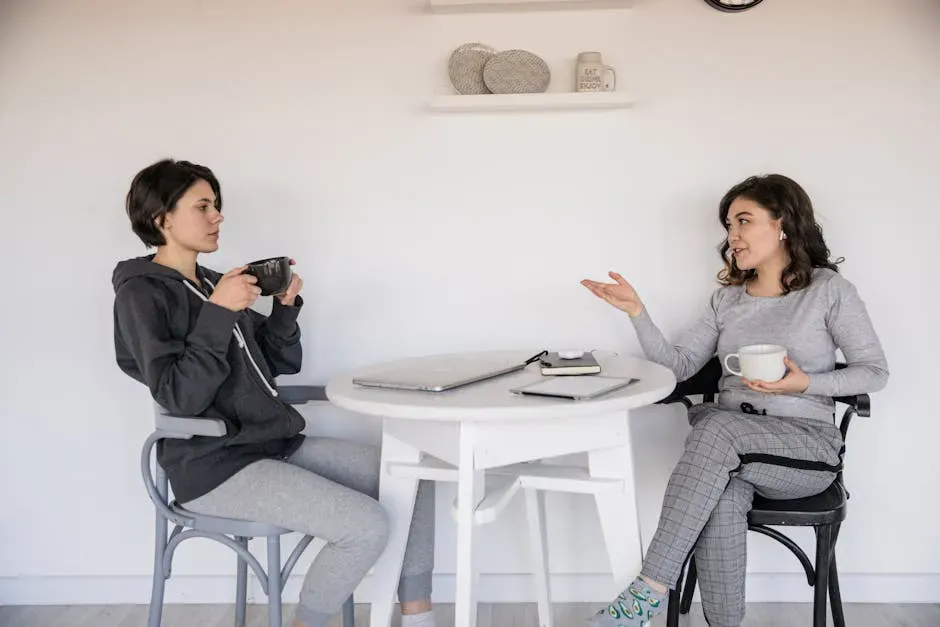
Being Interrupted or Talked Over (Image Credits: Pexels)
It’s a familiar scene: a woman is sharing an idea in a meeting when someone cuts right across her. Research shows women get interrupted significantly more often than men in both professional and social settings. The experience isn’t just mildly annoying. It signals, repeatedly, that what she has to say matters less.
The cumulative effect of this kind of silencing wears on confidence and willingness to speak up over time. Whether it happens in boardrooms or at dinner tables, being talked over leaves a mark that goes beyond the moment itself.
Unsolicited Comments About Appearance
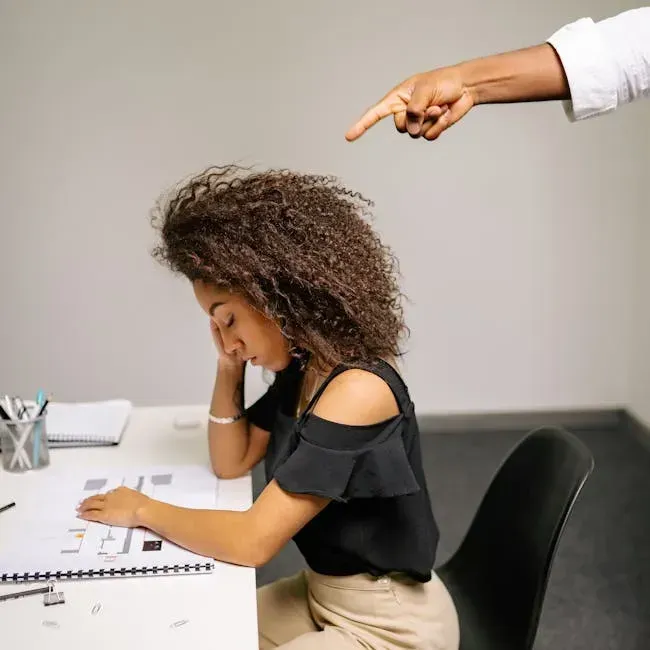
Unsolicited Comments About Appearance (Image Credits: Pexels)
Colleagues comment on hairstyles during presentations about serious work, or compliment outfits instead of brilliant ideas. This pattern reduces complex, talented individuals to decorative objects rather than respected contributors. Men in similar situations typically receive compliments about their work, ideas, or leadership abilities. Meaningful recognition acknowledges substance over superficial qualities.
It’s worth noting that these comments are often intended as friendly. That’s precisely what makes them so persistent. When appearance is the first thing someone notices and mentions, it quietly repositions a woman’s value in the conversation before she’s even had a chance to speak.
Having Emotions Dismissed as "Overreacting"
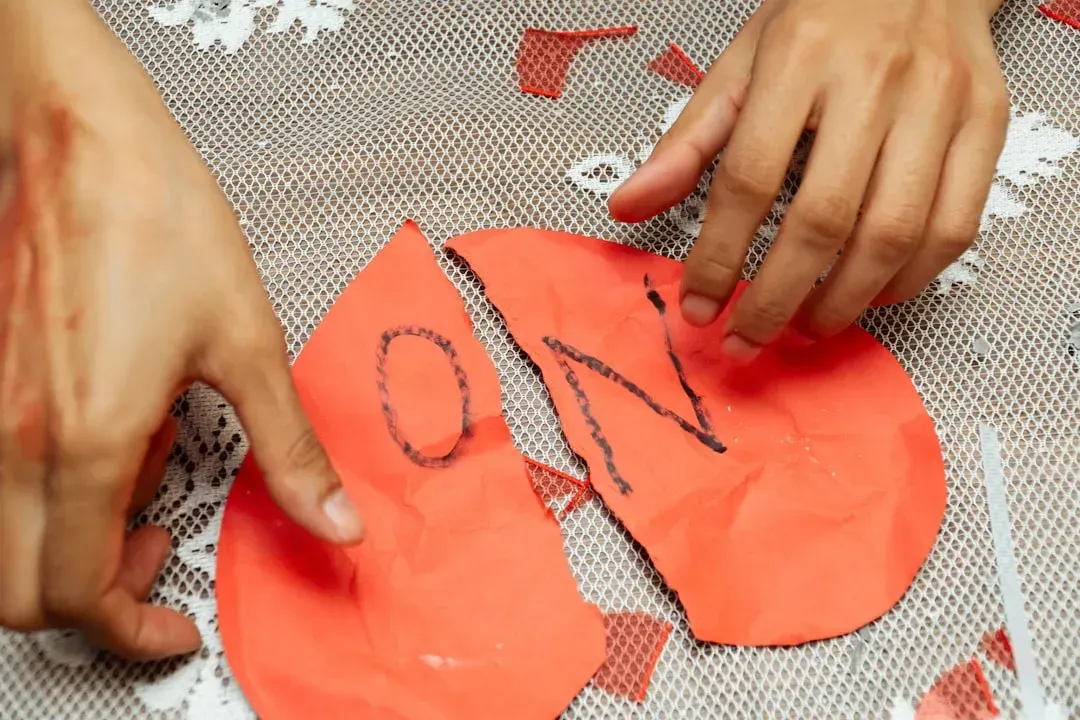
Having Emotions Dismissed as "Overreacting" (Image Credits: Unsplash)
Expressing legitimate concerns or disappointment shouldn’t automatically get dismissed as being emotional. Women frequently hear they’re overreacting when raising valid issues that deserve serious consideration. Meanwhile, men displaying identical emotions – frustration, passion, or enthusiasm – get described as passionate or dedicated instead. This dismissive label invalidates real problems and discourages honest communication.
This double standard in how emotional expression is perceived and received is one of the more quietly exhausting dynamics women navigate regularly. It doesn’t just sting in the moment. Over time, it teaches women to second-guess their own reactions, which is a real psychological cost.
Being Asked About Children or Reproductive Plans

Being Asked About Children or Reproductive Plans (Image Credits: Pexels)
Some women can’t have children, some choose not to, and others aren’t ready yet. Fertility struggles, medical issues, financial concerns, and personal choices remain private matters. Asking these questions can unintentionally cause pain or force uncomfortable explanations. Respecting boundaries means avoiding reproductive interrogations disguised as friendly interest.
The question “so, when are you having kids?” may feel casual to the person asking. For the person receiving it, the question can reopen grief, pressure, or simply the exhaustion of explaining a deeply personal decision to someone who wasn’t owed that answer in the first place.
Aggressive or Controlling Behavior From Partners

Aggressive or Controlling Behavior From Partners (Image Credits: Pexels)
Research on relationship dynamics found that relationship-threatening behaviors were more annoying to women than to men, and that aggressive behaviors were more annoying to women than to men as well. This isn’t surprising when you consider how differently women and men tend to experience the consequences of hostility in close relationships.
Research has found that women rate anger as significantly more unpleasant than men do, and that the risk of physical confrontation with men may be perceived as more threatening by women, eliciting higher levels of stress. Controlling behavior, even when not physically threatening, carries a weight that women consistently report as deeply uncomfortable and draining.
The "Pink Tax" on Everyday Products
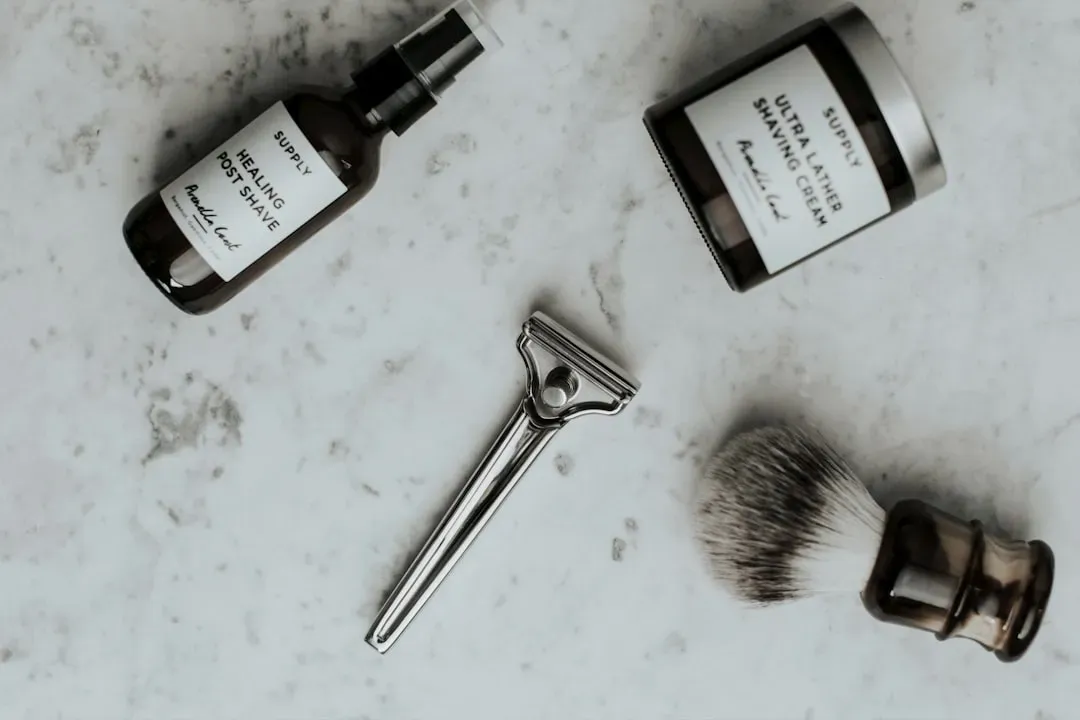
The "Pink Tax" on Everyday Products (Image Credits: Unsplash)
Walk down any store aisle and notice how razors, deodorants, and shampoos marketed toward women cost significantly more. These products often contain identical ingredients to men’s versions but come with inflated price tags simply because of packaging color. Studies confirm women pay more for equivalent personal care items, clothing, and services throughout their lives. This pricing discrimination adds up to thousands of dollars over time without providing any additional value.
It’s one of those things that’s easy to overlook individually but staggering when you add it up over a lifetime. The frustration isn’t just financial. It carries the message that women are expected to pay more simply for being women.
Online Harassment and Sexualized Abuse

Online Harassment and Sexualized Abuse (Image Credits: Unsplash)
Women, and especially young women, receive sexualized forms of online abuse at much higher rates than men. Roughly one in five women between the ages of 18 and 29 have been sexually harassed online, a figure more than double that of men in the same age group. This isn’t a niche problem. It shapes how women navigate the internet, whom they interact with, and how freely they express themselves.
Women are also much more likely than men to say that people should be able to feel welcome and safe in online spaces. That preference isn’t abstract. It grows directly from the reality that online spaces, for women, carry a level of risk that men far less frequently encounter.
Clothing Without Functional Pockets
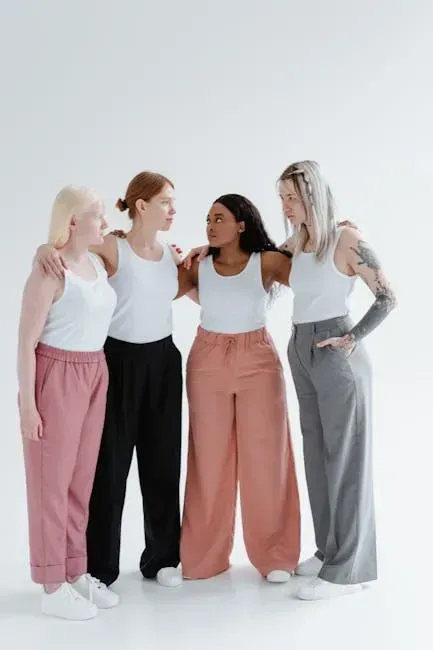
Clothing Without Functional Pockets (Image Credits: Gallery Image)
Fashion designers seem to think women don’t need functional pockets, and it’s genuinely frustrating. You find the perfect pair of pants, only to discover those pockets are just stitched-on decorations. Meanwhile, men’s clothing comes with deep, spacious pockets that can hold phones, wallets, and keys without any problem. This forces women to carry purses everywhere, even when they’d prefer to travel light.
It’s a small thing, technically. Pockets. Yet the fact that this has persisted for so long despite near-universal complaint makes it symbolic of something larger: design that ignores women’s practical needs in favor of aesthetics that suit someone else’s preference.
Negative Experiences on Dating Apps

Negative Experiences on Dating Apps (Image Credits: By Santeri Viinamäki, <a href="https://commons.wikimedia.org/w/index.php?curid=53288892" target="_blank" rel="noopener">CC BY-SA 4.0</a>)
Women are especially critical of online dating, reporting significantly more negative experiences than men. The issues range from unsolicited explicit messages to the general atmosphere of being evaluated like a catalogue item. A majority of women, and a notably smaller share of men, say they have experienced some kind of harassing behavior from someone they were dating or had been in contact with.
Women are twice as likely as men to cite increased risk as a reason why dating feels harder than it used to be. That sense of risk is not imagined. It’s built from patterns that have repeated themselves often enough to become a reliable expectation rather than an unpleasant surprise.
Being Dismissed or Gaslit When Raising Concerns
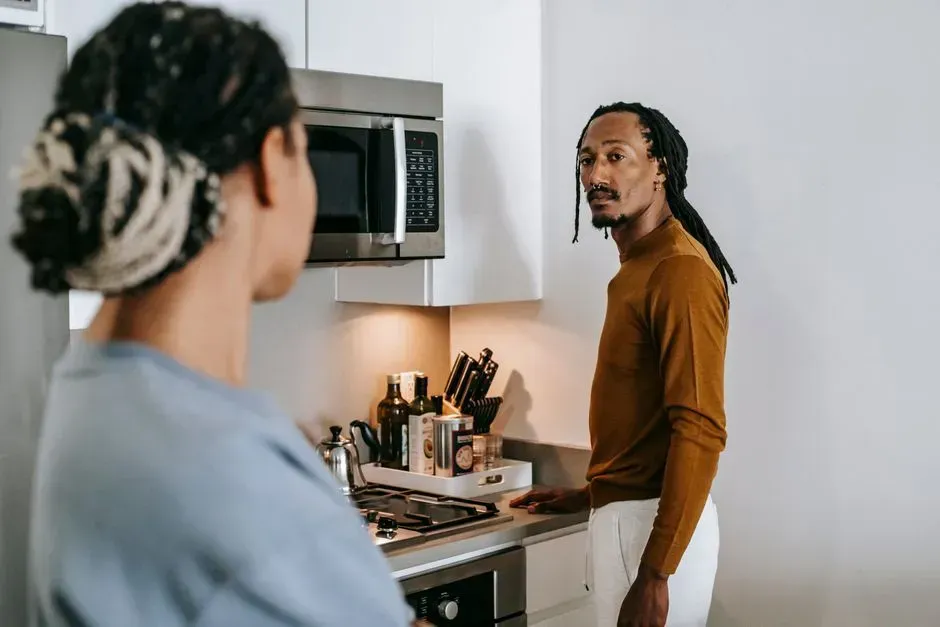
Being Dismissed or Gaslit When Raising Concerns (Image Credits: Pexels)
Raising legitimate concerns about disrespectful behavior shouldn’t result in accusations of oversensitivity. This dismissive response shifts blame from the person causing problems to the person identifying them. Women pointing out inappropriate comments, unfair treatment, or genuine issues regularly hear they’re making mountains out of molehills. This gaslighting tactic invalidates real experiences and discourages speaking up about future problems.
The harm here is subtle but compounding. When a woman raises a concern and is told she’s the problem for raising it, the message lands twice: first, that the behavior was acceptable, and second, that her perception of reality cannot be trusted. Over time, that wears down a person’s confidence in their own judgment.
Feeling Pressure to People-Please Constantly
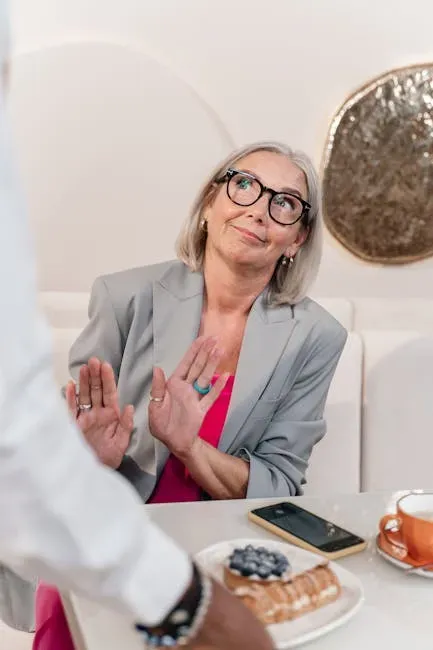
Feeling Pressure to People-Please Constantly (Image Credits: Pexels)
About half of Americans describe themselves as people-pleasers, but women are notably more likely than men to self-identify this way. The Washington Post article referenced in a YouGov survey suggests that many women, along with people in marginalized groups, are socialized toward people-pleasing behaviors. The expectation to always be agreeable, accommodating, and pleasant is one that women consistently report as exhausting.
Experts suggest that being a people-pleaser can have a genuine negative impact on well-being, making it challenging to maintain healthy relationships and causing people to set aside their own goals and values. Among self-identified people-pleasers, a significant share say that being this way has made their life harder. What starts as social conditioning rarely stays harmless. For many women, the pressure to prioritize everyone else’s comfort above their own becomes one of the most draining patterns they carry through life.
None of these eleven things exist in isolation. Many overlap, reinforce each other, and are felt most acutely by women who also navigate other forms of social disadvantage. What the research reflects, taken together, is not a list of preferences but a portrait of friction: the kind that accumulates quietly in daily life until it’s impossible to ignore.