
Countertops are one of the most consequential decisions in any kitchen renovation. They set the tone, eat a significant portion of the budget, and unlike a coat of paint, they’re not something you swap out on a whim. The material you pick will have a major impact on the look of your kitchen for years to come, and considering that replacing countertops costs between roughly $43 and $140 per square foot on average, choosing an option that won’t look outdated quickly really does matter.
The challenge is that what feels fresh and current can shift faster than most homeowners expect. Designers who work inside these kitchens every day are starting to flag certain looks that, while still common, are beginning to feel like relics of a very specific moment in time. Here are the six countertop trends that professionals say are heading toward their expiration date.
1. Speckled Granite with Busy, TV-Static Patterns
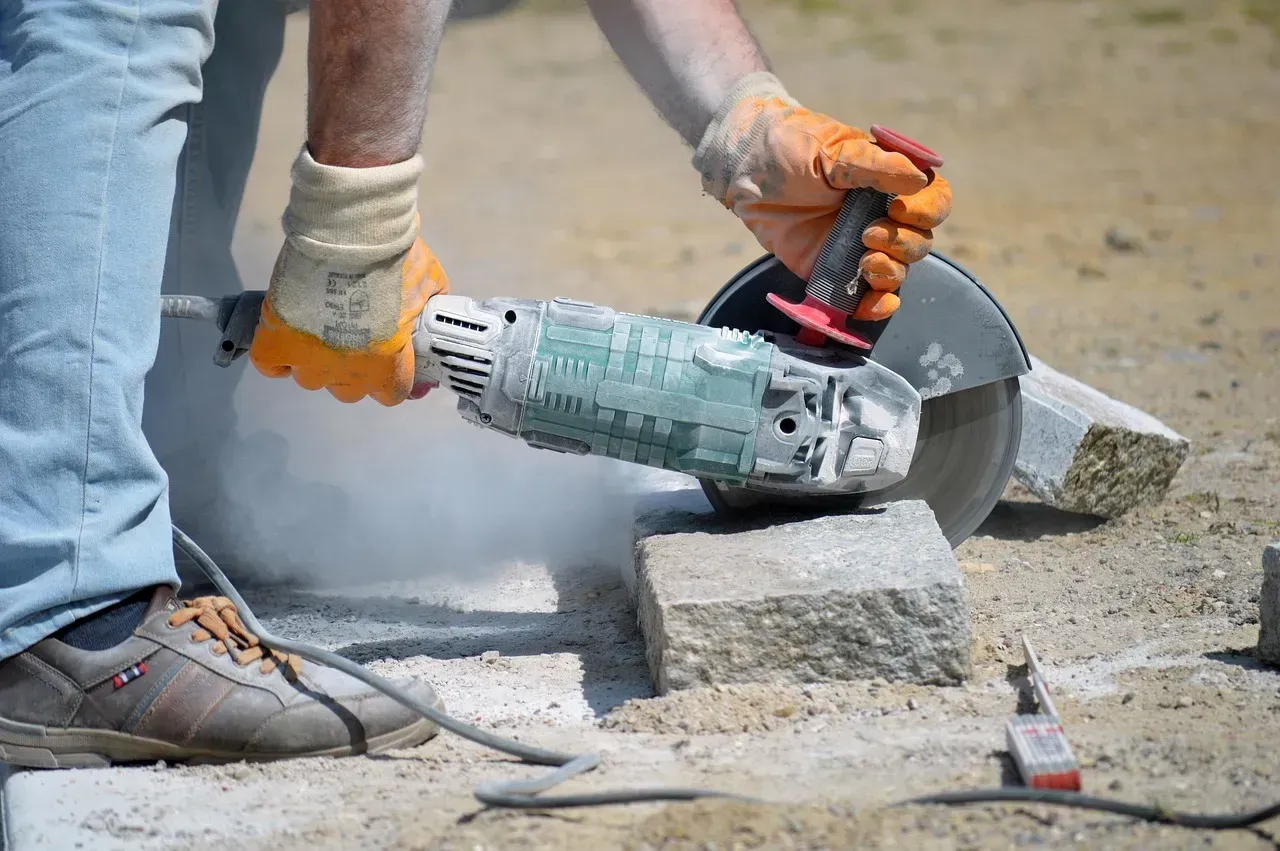
1. Speckled Granite with Busy, TV-Static Patterns (Image Credits: Pixabay)
Granite takes on many forms, but according to roughly one in eight designers, many of those forms are so out in 2026. Most granite countertops have a speckled look with movement that appears almost frenetic, like TV static. While it’s a distinct appearance, it’s also one that feels incredibly dated at this moment in time.
Traditional speckled granite with small, repetitive patterns is losing ground across the board. Homeowners now prefer veining that looks organic and intentional rather than pixelated or busy. The broader design conversation has shifted firmly toward surfaces that feel deliberate and expressive, which is precisely what the speckled granite aesthetic struggles to deliver. Designers are ready to wave farewell to speckled black and brown granites in particular, with the goal now being authenticity: materials should look and feel as natural as possible.
2. High-Gloss, Super-Polished Finishes
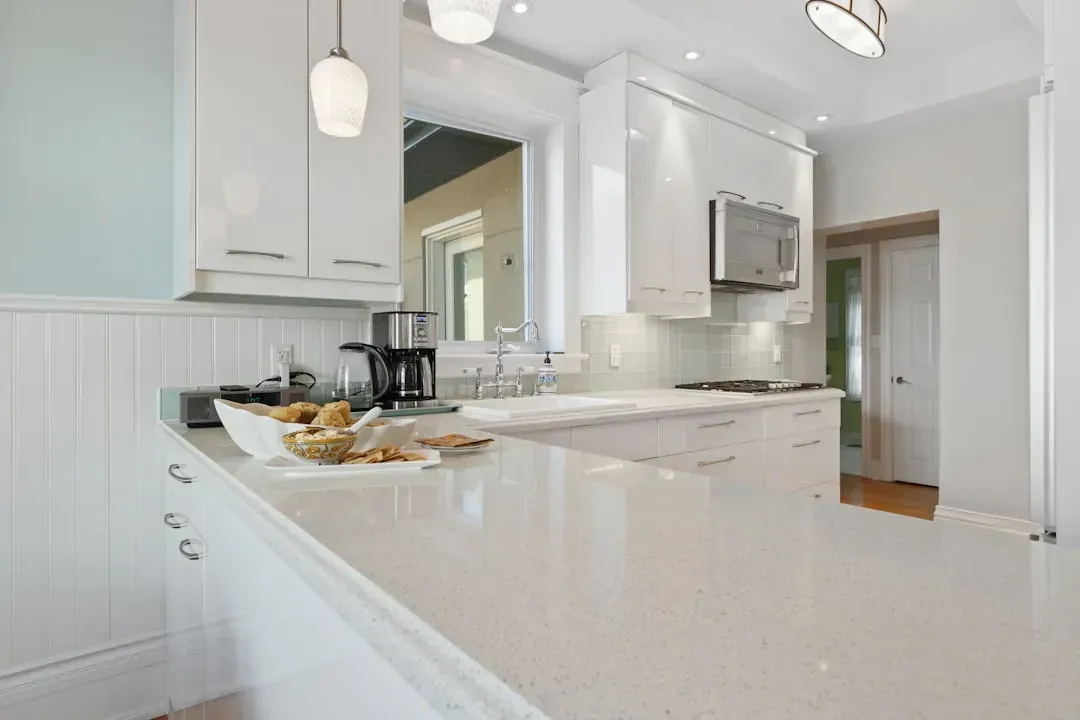
2. High-Gloss, Super-Polished Finishes (Image Credits: Unsplash)
High-gloss, super-polished countertops are losing favor quickly. Their tendency to show every smudge, scratch, and fingerprint is proving too demanding for real-life kitchens. The trend is moving clearly toward honed and matte surfaces instead.
High-gloss countertops, once a go-to symbol of luxury, are fading from the spotlight. While a polished surface may catch the eye initially, it quickly becomes high-maintenance in everyday settings. Fingerprints, smudges, water rings, and micro-scratches are all more visible on glossy finishes. That level of upkeep doesn’t appeal to modern homeowners who want refined design without the stress of constant polishing. Low-sheen finishes provide a soft, refined look that is easier to live with day-to-day, absorbing light rather than reflecting it and giving a space a calmer, more sophisticated feel.
3. Plain White Quartz with No Movement or Texture
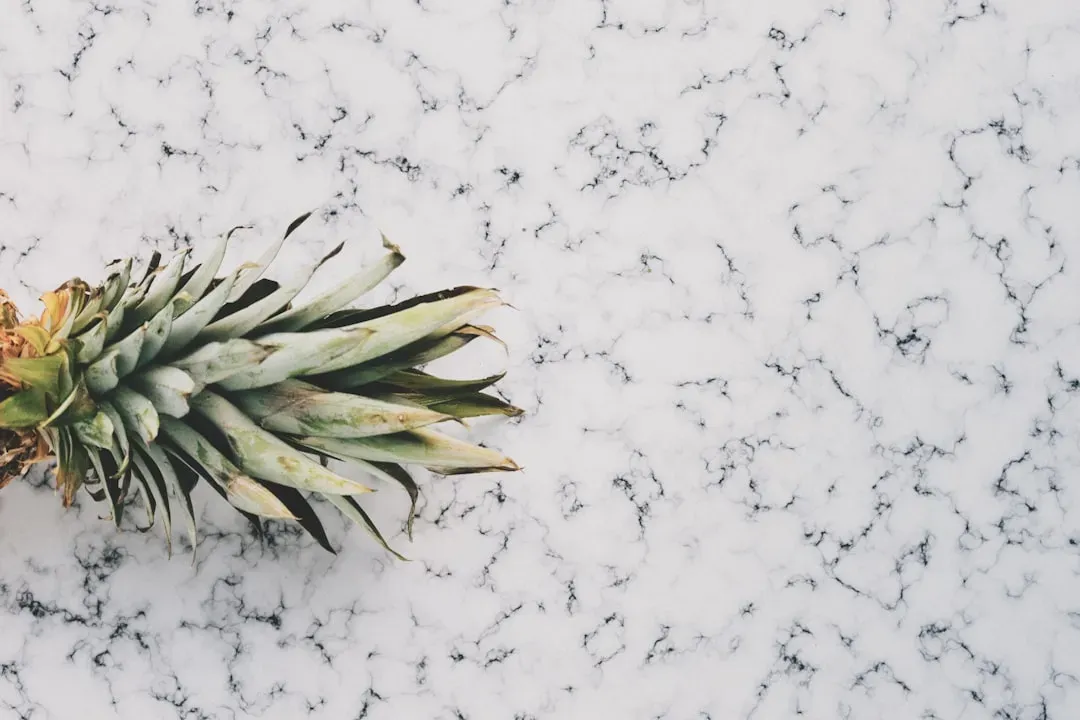
3. Plain White Quartz with No Movement or Texture (Image Credits: Unsplash)
The all-white kitchen was all the rage just a few years ago, but it’s now one many interior designers are tired of seeing. As one designer put it, that clean, flat, minimal counter with no veining or movement feels a bit sterile now. People want variation, something that feels natural and specific to them and their family.
White quartz countertops are low-maintenance and versatile, but they aren’t the most popular choice at the moment with homeowners who are trying new ways to liven up their kitchens. An all-white kitchen can come off as uninviting and lacking character. People are opting for materials that age gracefully and show subtle variation as time passes, gravitating toward surfaces with gentle veining or texture that create a more organic and inviting look.
4. Dark Gray Marble with Heavy, Dramatic Veining
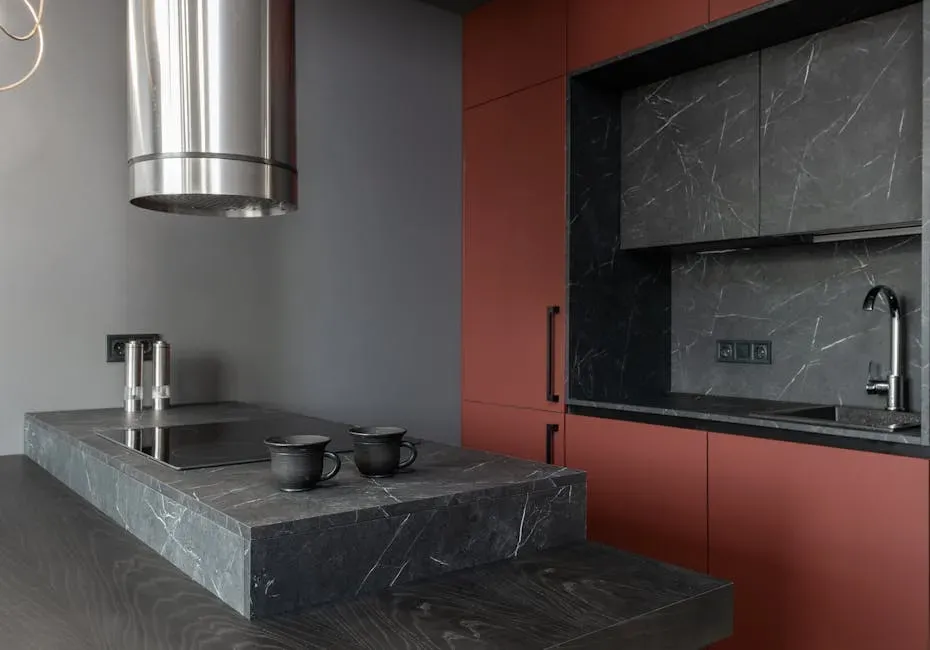
4. Dark Gray Marble with Heavy, Dramatic Veining (Image Credits: Pexels)
Whether it’s paint, furniture, tile, or countertop stone, people are over gray, even in marble. About 14% of designers in a recent survey agreed, noting that gray marble countertops are so over in 2026. The nuance here is worth noting, though. Not all gray marble is being written off equally.
While a gray Carrara marble countertop will always be timeless, a dark gray marble with significant veining is going to feel very of the 2020s, according to designers. Gray dominated design as the go-to neutral for decades, but nowadays people are looking for ways to freshen up cold, millennial-gray kitchens. Just like white, gray tones can read as bland, clinical, and unwelcoming, especially when they sit on the cooler side of the spectrum. The shift is clearly toward warmer, earthier tones with more natural character.
5. Waterfall Edges on Kitchen Islands
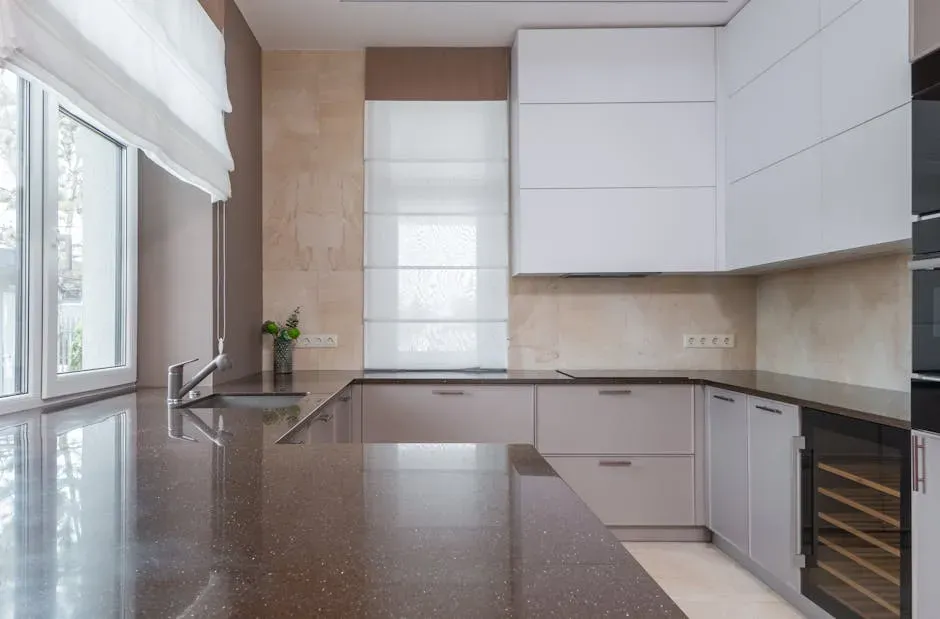
5. Waterfall Edges on Kitchen Islands (Image Credits: Pexels)
Waterfall edges had a huge moment roughly a decade ago. The term refers to the feature where countertop material cascades down the sides of an island, creating a waterfall effect. When it first arrived on the design scene, it felt unbelievably contemporary, bold, sleek, and modern. But now about a third of designers are ready to send waterfall edges away. Not only does a waterfall edge quickly drive up material cost, but it also feels a little too ubiquitous these days.
There’s a certain irony to it. The waterfall edge became popular precisely because it felt distinctive, but widespread adoption eroded the very quality that made it appealing. Current design embraces what’s called quiet luxury, with refined spaces that balance clean lines with rich materials and craftsmanship. Instead of statement features, homeowners are gravitating toward surfaces with depth, organic movement, and genuine character. The waterfall edge, once a marker of elevated taste, now reads as a trend-chasing shortcut.
6. Butcher Block as a Primary Countertop Surface
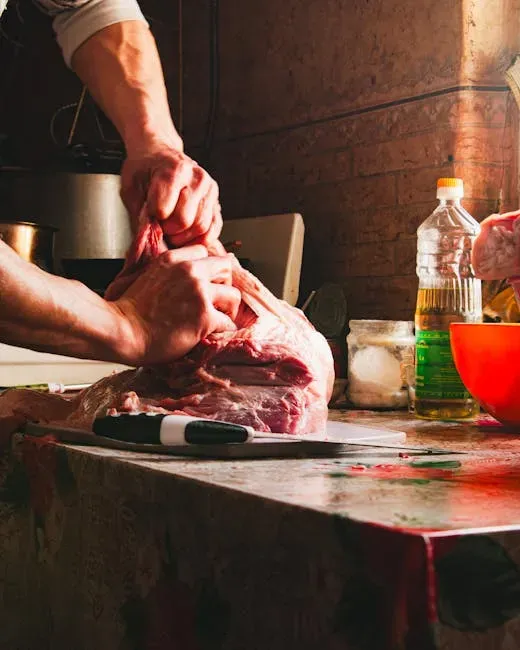
6. Butcher Block as a Primary Countertop Surface (Image Credits: Pexels)
Homeowners have long favored farmhouse-style kitchens for their warm and cozy aesthetic, the opposite of those sterile all-white designs. However, despite the homey feel, the complementary farmhouse-style butcher block countertops aren’t as beloved anymore. Designers predict it won’t be a primary design element going forward due to the high maintenance care required.
The trade-off of low practicality and high maintenance has people rethinking the initial savings. The constant upkeep, regular oiling, susceptibility to stains, and visible scratches make it impractical for most modern lifestyles. If the counter isn’t sealed properly, it’s susceptible to water damage, and any liquids need to be sopped up immediately, which isn’t convenient for a high-traffic kitchen. In extreme cases, the wood can discolor and rot, and the countertops require oiling every six months to prolong their life. Warm and organic materials are still very much in, but the expectation is that they perform gracefully over time without constant intervention.
What connects all six of these trends is a simple underlying shift: homeowners and designers alike are moving away from surfaces that prioritize a moment’s aesthetic over long-term livability. The kitchens that feel most current right now tend to be warm, textured, and genuinely personal. The ones that are starting to feel dated are those that traded authenticity for a look that was, at its core, always about keeping up.