
Most people assume that living in a country famous for centenarians means you’re doing something right. Italy, after all, gave the world one of the original Blue Zones. Yet one of the planet’s leading aging researchers has raised an uncomfortable alarm: the very foods dominating modern Italian tables are quietly undermining decades of longevity tradition.
In a major interview with the New York Times in March 2024, Valter Longo, PhD, a professor of gerontology and biological sciences and the director of the USC Longevity Institute in California, shared the remarkable findings he’s learned about longevity by studying his home country of Italy. What he found wasn’t a diet of legumes and olive oil. It was something far more familiar, and far more damaging.
The "Poisonous Ps" Explained: Where the Warning Comes From
The "Poisonous Ps" Explained: Where the Warning Comes From (Image Credits: Unsplash)
Italy’s youth are facing obesity because of what Longo calls the “poisonous five Ps” – pizza, pasta, protein, potatoes, and pane (or bread). His drive for longevity aligns with a growing interest in extending healthspan, the number of years lived free of disease, as opposed to lifespan, which refers to the number of years lived.
These dietary staples, commonly found in the Western diet, are responsible for rising rates of obesity and chronic disease, according to Longo, an Italian-American biogerontologist and cell biologist. Dr. Longo is worried that these foods, when eaten in large amounts and in unhealthy forms, may result in a decline in lifespan or can lead to longer lives that aren’t necessarily healthier.
Pizza: Tasty, but a Longevity Trap in Disguise
Pizza: Tasty, but a Longevity Trap in Disguise (Image Credits: Unsplash)
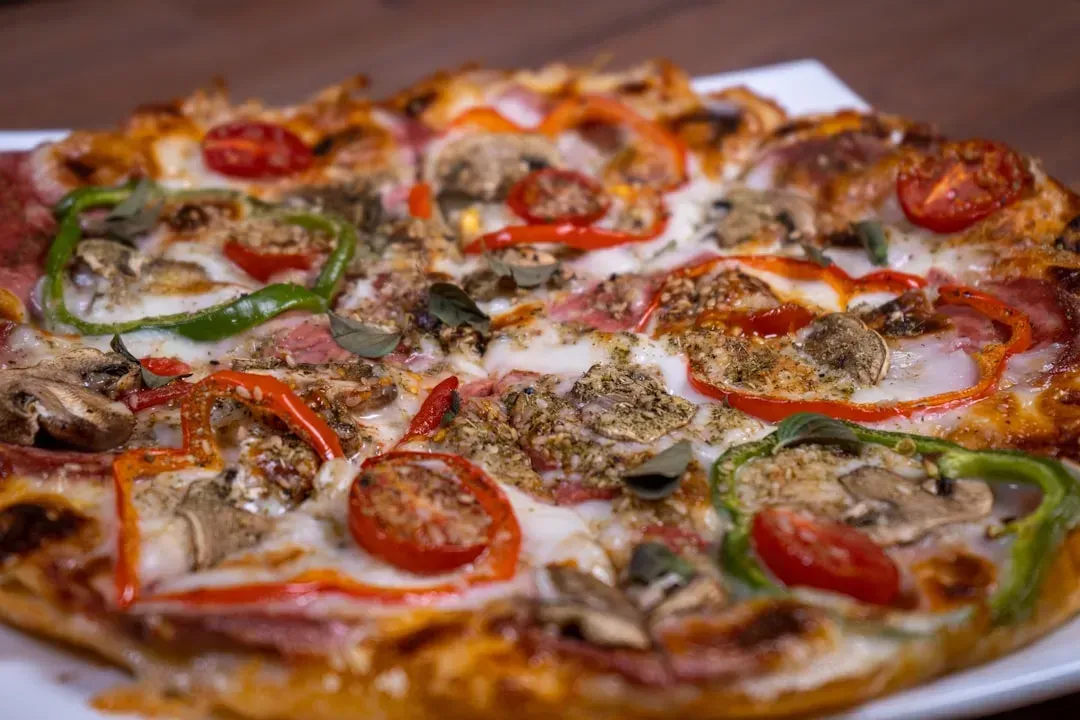
Pizza is often made with lots of cheese and processed toppings, which are tasty but not so great for your health if eaten too often. The issue isn’t an occasional slice at a family dinner. It’s the regularity, the portion size, and the heavily processed toppings that stack up against long-term metabolic health.
The thought process behind why pizza is considered problematic mostly stems from its relatively high glycemic index. When we eat high-GI foods, our blood sugar levels rise very high, very fast. Sensing this increase in blood sugar, our pancreas releases a rush of the hormone insulin. Over time, repeated insulin spikes from highly processed meals contribute to insulin resistance, a core driver of metabolic disease and accelerated aging.
Pasta: The Refined Carb Problem Hidden in a Comfort Food
Pasta: The Refined Carb Problem Hidden in a Comfort Food (dalecruse, Flickr, <a href="https://creativecommons.org/licenses/by/2.0/" target="_blank" rel="noopener">CC BY 2.0</a>)
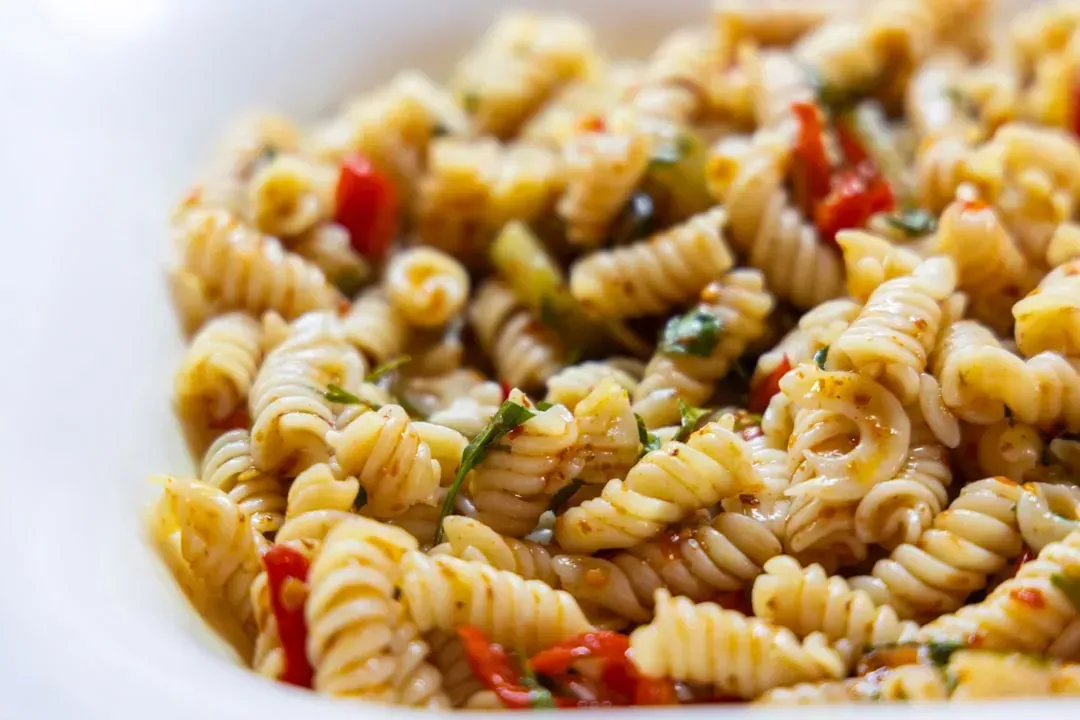
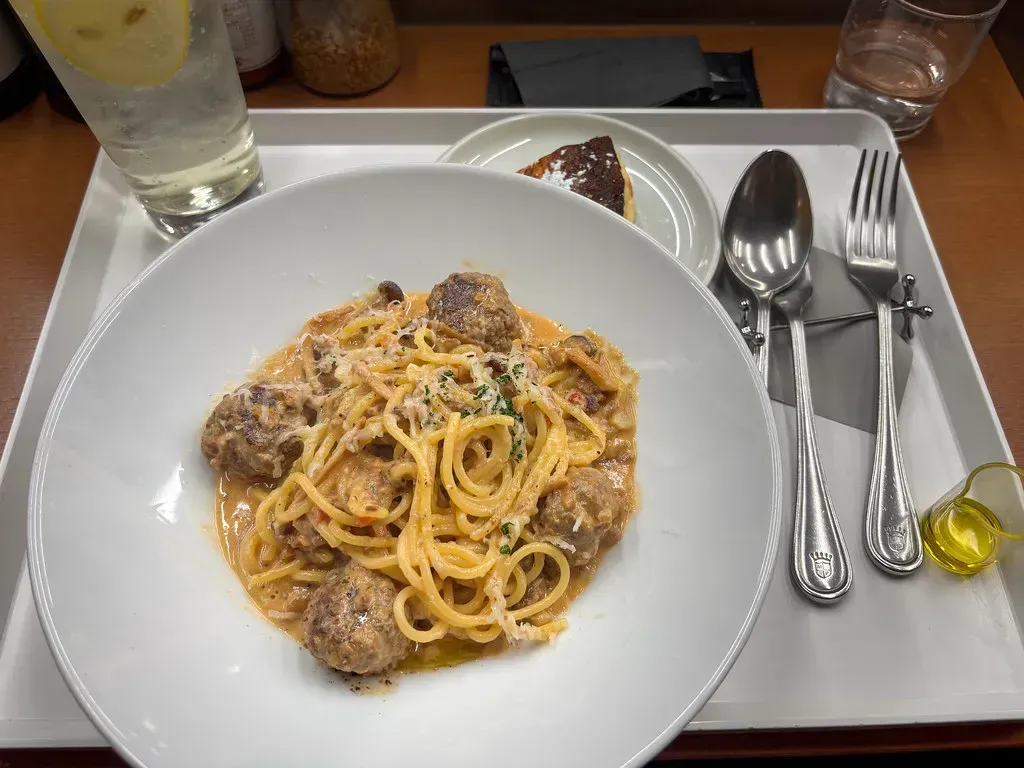
Pasta is a big part of Italian cuisine, but eating too much of the white, refined kind can lead to weight gain and other health issues. Refined pasta is stripped of most of its fiber and micronutrients during processing, which means it digests quickly, raises blood sugar sharply, and leaves you hungrier sooner than whole food alternatives would.
It’s worth noting that not all pasta carries the same risk. The NHS points out that starchy foods such as pasta are a main source of carbohydrates and have an important role in a healthy diet. They are a good source of energy and the main source of a range of nutrients in our diet, and as well as starch, they contain fiber, calcium, iron, and B vitamins. Longo’s concern is specifically with heavy, refined pasta meals eaten as daily staples rather than occasional side dishes.
Protein: Why Too Much of a Good Thing Backfires
Protein: Why Too Much of a Good Thing Backfires (Image Credits: Pexels)
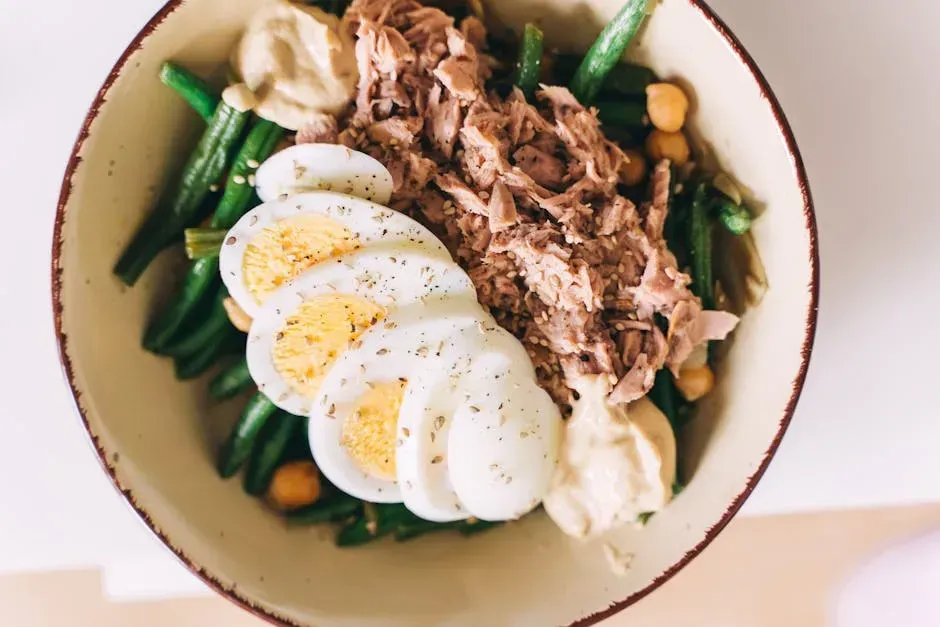
Epidemiological studies show that a high intake of animal protein, particularly red meat, which contains high levels of methionine and branched-chain amino acids, may be related to the promotion of age-related diseases. This matters because these specific compounds appear to activate growth pathways in the body that, when chronically elevated, can speed up cellular aging rather than support it.
A major review published in Annual Reviews of Nutrition in 2025 confirmed that while public health recommendations often emphasize high protein intake, human epidemiological data and work on model organisms suggest that excessive protein consumption correlates with increased mortality. The nuance matters, as it is the source and quantity of protein that determines whether it protects or harms. Longo recommends legumes, chickpeas, and green peas as the primary protein source instead.
Potatoes: When a Whole Food Becomes a Health Hazard
Potatoes: When a Whole Food Becomes a Health Hazard (Image Credits: Pexels)
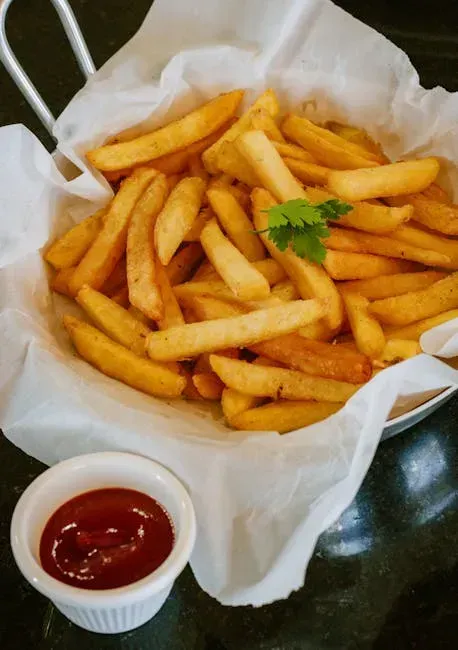
Potatoes, particularly when prepared in fried or processed forms, can contribute to weight gain and metabolic issues due to their high starch content and association with unhealthy cooking methods. The potato itself isn’t inherently dangerous, but the form in which most people actually consume it – as french fries, chips, or mashed with heavy cream and butter – is a different story entirely.
Especially when they’re fried or loaded with butter and cream, potatoes can pack on the pounds. Research supports a more measured view: plain boiled or baked potatoes don’t appear to carry the same risk as their processed counterparts. The preparation method, not the vegetable itself, is where most of the danger accumulates in the context of daily eating patterns.
Pane (Bread): The Most Villainized P of All
Pane (Bread): The Most Villainized P of All (Image Credits: Unsplash)
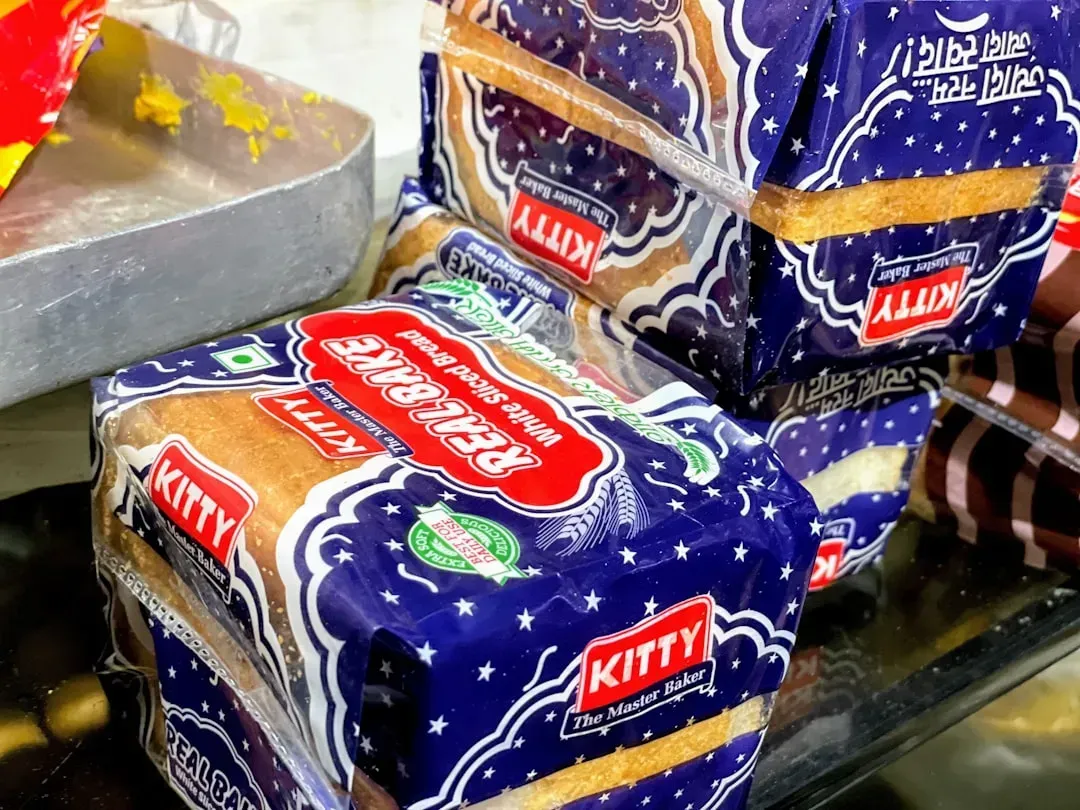
Just like pasta, bread is often made from white flour that doesn’t offer much nutrition and can lead to weight gain. Industrial bread in particular belongs to the ultra-processed food category, and the evidence against that category is building steadily. Overall, 18 studies with over 1.1 million participants and more than 173,000 deaths were identified, and participants with the highest ultra-processed food consumption had a roughly fifteen percent increased risk of all-cause mortality compared to those with the lowest consumption.
Research on whole-grain bread shows more encouraging results, as diets that include whole-grain bread do not seem to promote weight gain. However, findings on diets that include refined bread are mixed, with most well-designed cohort studies demonstrating a possible relationship with excess abdominal fat. The takeaway is a familiar one: the type of bread matters enormously, and the industrial, white-flour version so common in modern diets is the real culprit Longo has in his sights.
What the Broader Research Confirms About These Dietary Patterns
What the Broader Research Confirms About These Dietary Patterns (tedeytan, Flickr, <a href="https://creativecommons.org/licenses/by-sa/2.0/" target="_blank" rel="noopener">CC BY-SA 2.0</a>)
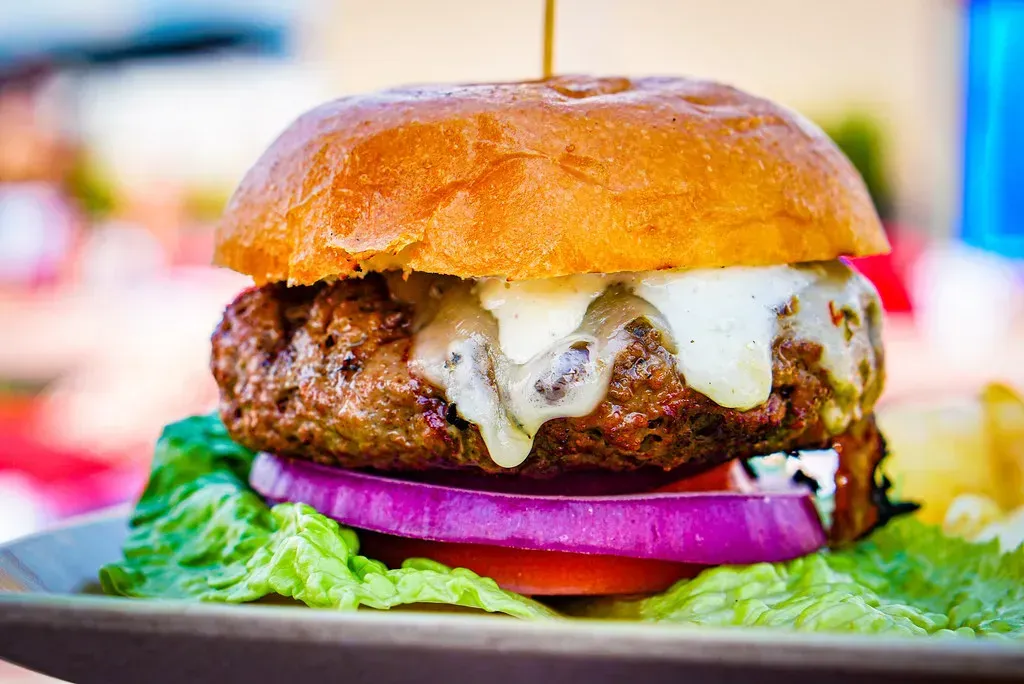
In a study presented at NUTRITION 2024, older adults who reported consuming higher amounts of ultra-processed foods were about ten percent more likely to die over a median follow-up of 23 years compared with those who consumed less processed food. The findings are based on a large study that has tracked over half a million U.S. adults for nearly three decades. Higher intake of ultra-processed foods was associated with modest increases in death from any cause and from deaths related specifically to heart disease or diabetes.
A multicentre prospective cohort analysis in nine European countries published in The Lancet in January 2025, including over 428,000 participants, found that ultra-processed foods were positively associated with all-cause mortality, as well as mortality from circulatory diseases, cerebrovascular disease, ischemic heart disease, digestive diseases, and Parkinson’s disease. The consistency of findings across different populations and study designs strengthens the case considerably.
The Alternative: What Longo Recommends Instead
The Alternative: What Longo Recommends Instead (Image Credits: Pexels)
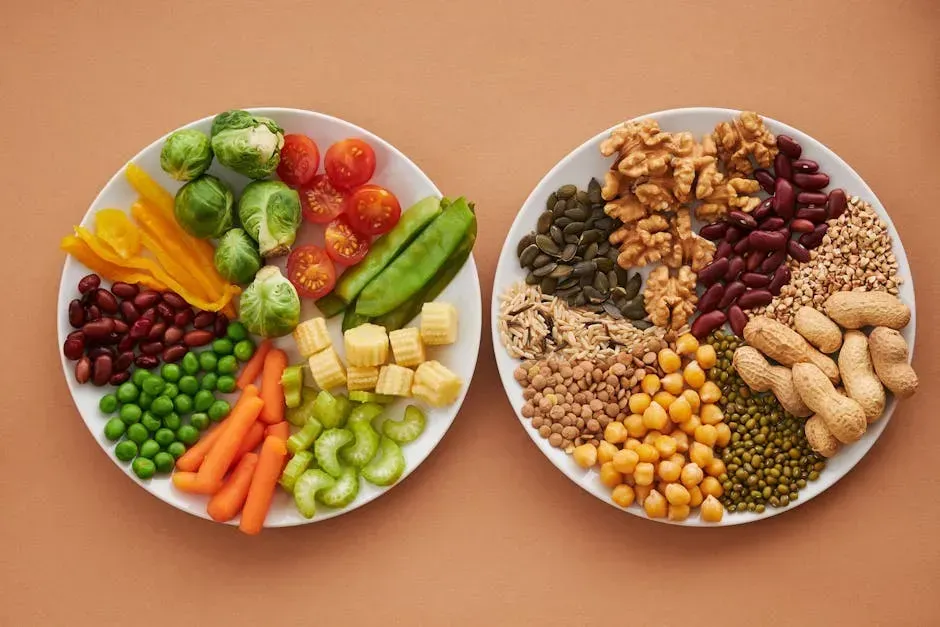
Longo advocates for longer and healthier living by eating a plant and nut-based diet he calls “Lite Italian.” The original Mediterranean diet consists of plant-based foods, healthy fats like olive oil, and moderate amounts of fish, dairy, and poultry, with very limited red meat. Whole grains, legumes, fruits, vegetables, and nuts are also staples in the diet.
Longo advises eating mostly vegan, plus a little fish, limiting meals with fish to a maximum of two or three per week, and consuming beans, chickpeas, green peas, and other legumes as your main source of protein. A professor of gerontology and director of the USC Longevity Institute, Longo says he wants to live 120 to 130 healthy years, and his drive aligns with a growing interest in extending healthspan, the number of years lived free of disease, as opposed to lifespan.
A Note on Sedentary Behavior: The Sixth Threat You Can't Eat Your Way Out Of

A Note on Sedentary Behavior: The Sixth Threat You Can't Eat Your Way Out Of (Image Credits: Pixabay)
Investigators at Mass General Brigham found sedentary behavior was associated with higher risks of all four types of heart disease, with a markedly higher risk of heart failure and cardiovascular death when sedentary behavior exceeded roughly ten and a half hours a day. Sedentary behavior is defined as waking activity with low energy expenditure while sitting, reclining, or lying down, and does not include hours spent sleeping at night.
Researchers emphasized that meeting guideline levels of moderate-to-vigorous physical activity may be insufficient on its own to reduce cardiovascular risk if one is also sitting too much. Many of the negative effects of sedentary behavior persisted even among those individuals who achieved the guideline-recommended more than 150 minutes of moderate-to-vigorous physical activity per week. Diet and movement, it turns out, are not separate conversations. They’re the same one.