
There’s a particular kind of stress that comes with flying as a parent. You’re juggling carry-ons, passports, a restless toddler, and the quiet dread of what the next few hours might bring. Most families go in hoping for the best and bracing for chaos somewhere in the middle.
What’s worth knowing is that flight attendants, who’ve watched thousands of family travel days unfold, have a remarkably clear picture of what actually works. Their advice isn’t abstract. It’s practical, road-tested, and sometimes surprisingly simple.
1. Pack More Snacks Than You Think You'll Ever Need
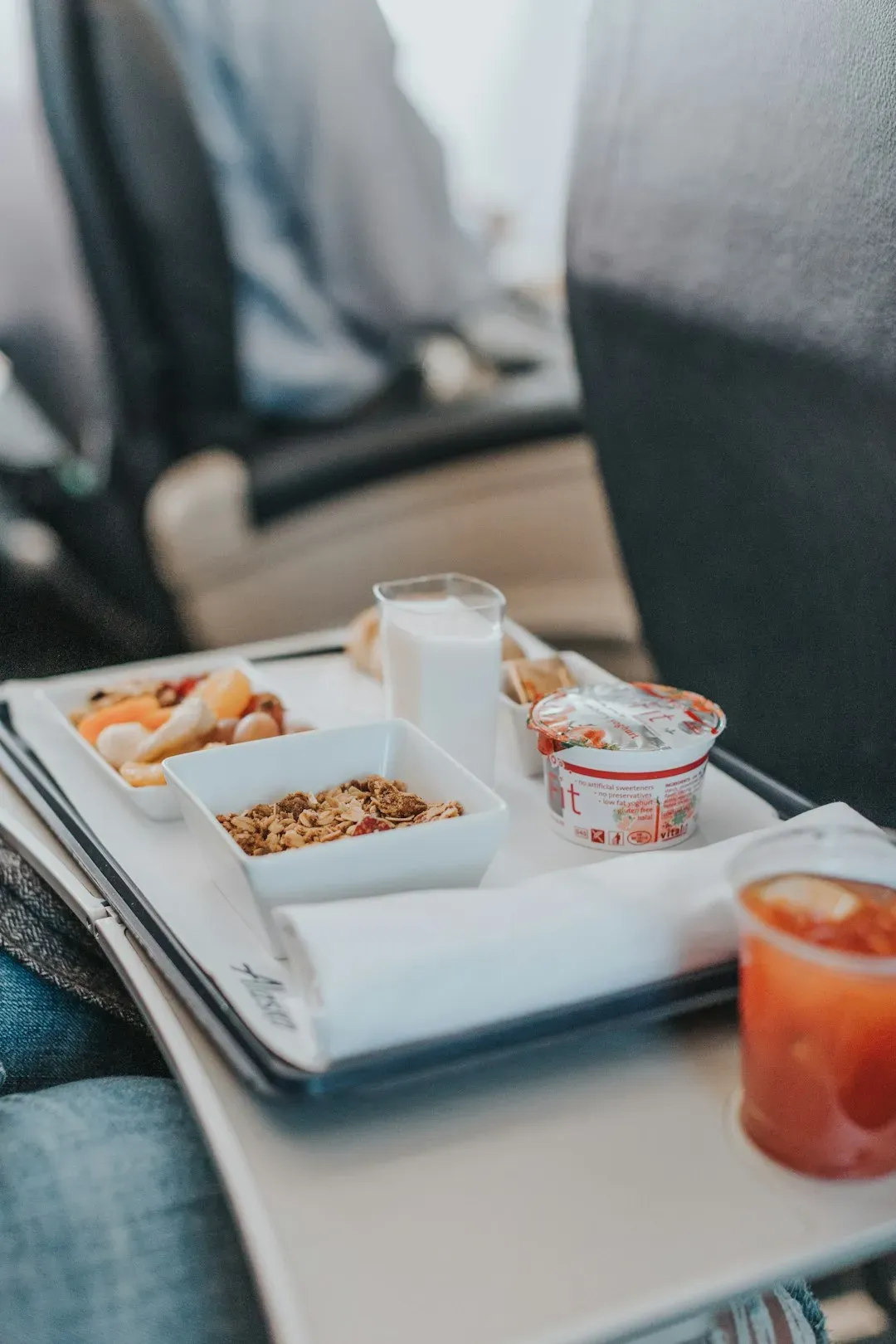
1. Pack More Snacks Than You Think You'll Ever Need (Image Credits: Unsplash)
Food tops the packing list for good reason. Kids tend to become extremely hungry on planes, and relying solely on what the airline offers often means you’re stuck with pretzels and cookies they won’t touch. Passengers who assume airports or airlines will have dietary-specific snacks are often disappointed. As a general rule, treat yourself as the primary person responsible for making sure your child’s needs are met in the air.
Bring a range of textures, flavors, and types of snacks. A crunchy cracker, a soft fruit, and a chewy bar can keep interest levels high and make snack time feel more like an event than a chore. For babies and toddlers, chewing and sucking on snacks during takeoff and landing can also help equalize ear pressure, providing much-needed relief from discomfort. Chewy snacks like fruit leather or mini muffins are excellent for this purpose.
2. Handle Ear Pressure Before It Becomes a Problem
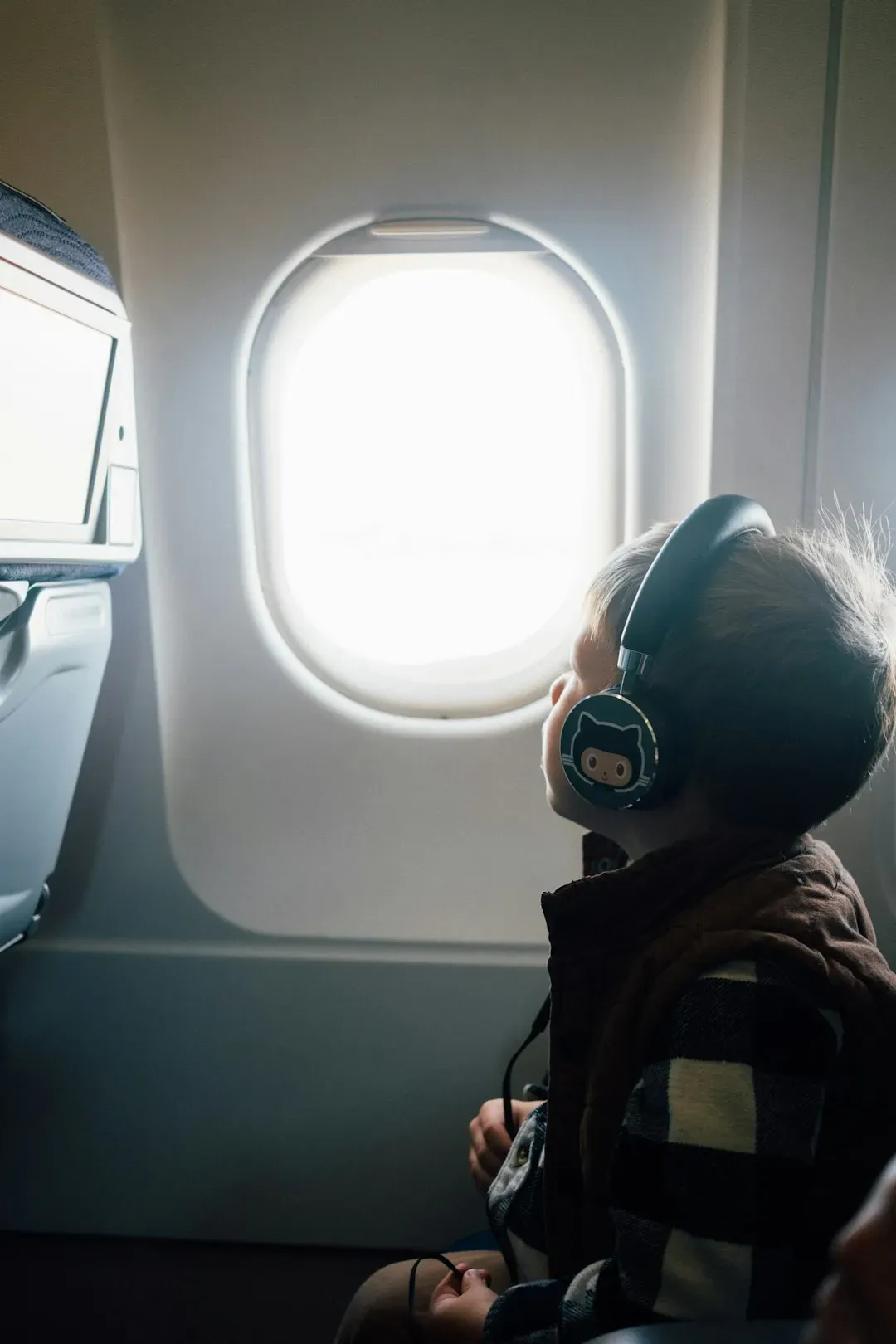
2. Handle Ear Pressure Before It Becomes a Problem (Image Credits: Unsplash)
Takeoff and landing can be the most uncomfortable parts of a flight for babies due to pressure changes in their ears. Unlike adults, babies can’t easily equalize ear pressure on their own, which can lead to fussiness, crying, or visible discomfort. During takeoff and landing, surrounding air pressure is equilibrated to the pressure in your ears through a small tube called the Eustachian tube. Because children and particularly babies can have underdeveloped Eustachian tubes, this increases their risk of ear pain during air travel.
Encouraging sucking during ascent and descent is the most reliable fix. Nursing, bottle-feeding, or offering a pacifier during takeoff and landing helps your baby swallow, which can relieve pressure in the ears. For toddlers, a sippy cup of water, a lollipop, or a chewy snack works well. For older kids, chewing gum, drinking through a straw, or doing exaggerated yawns can do the trick too.
3. Choose Your Seat Strategically
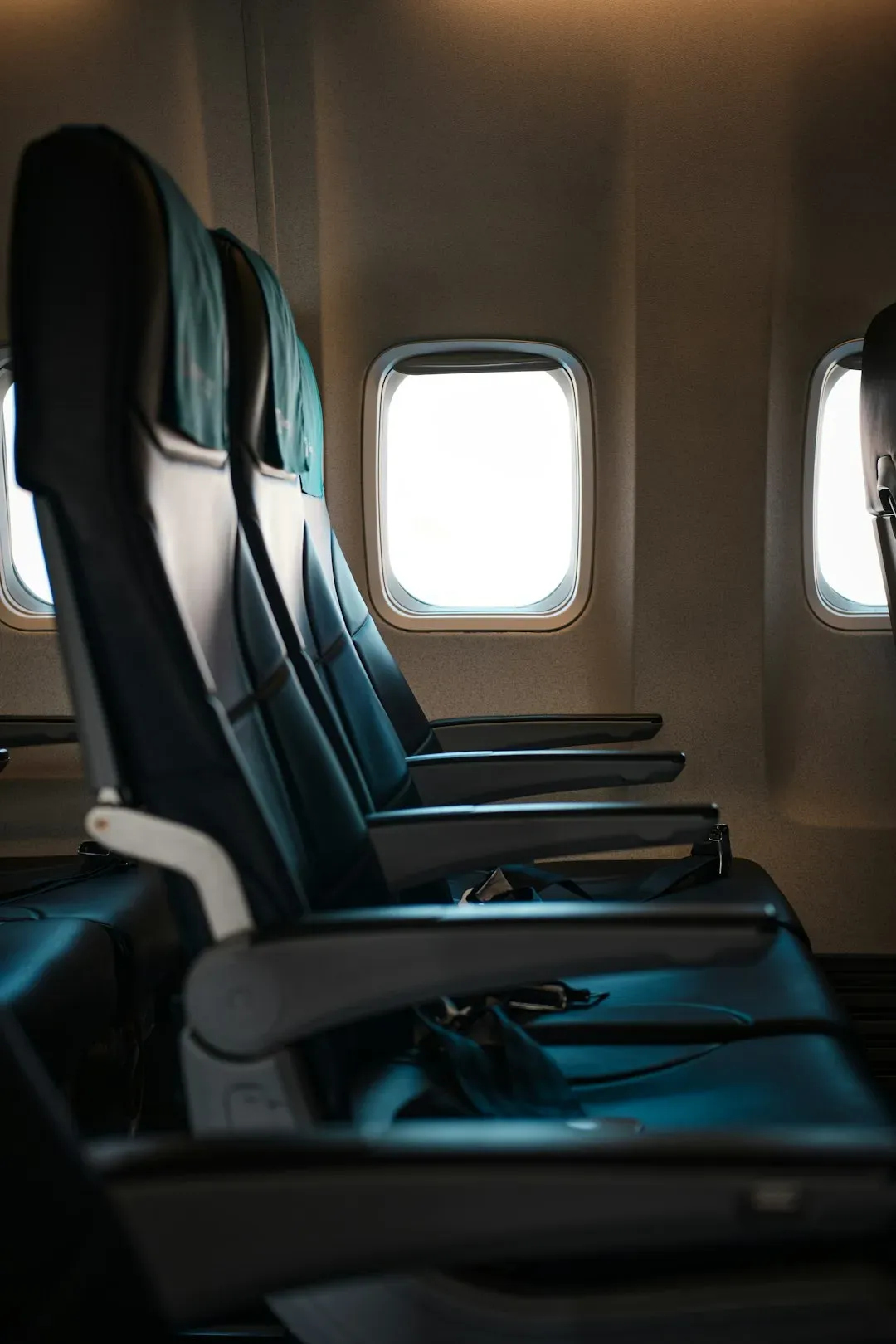
3. Choose Your Seat Strategically (Image Credits: Unsplash)
Bulkhead seats, the seats just behind the wall separating economy from business or first class, have extra legroom that allows small children room to move around when the seatbelt sign is off. Some airlines also provide bulkhead bassinets for infants six months and under that attach to the wall, useful for long overnight flights. These must be reserved directly from the airline after purchasing tickets.
While a window seat might provide a great distraction for some young children, an aisle seat or seats toward the rear of the plane allow easier access to bathrooms. When the seatbelt sign is off, restless toddlers are allowed to walk the aisle in economy class with an adult, in between drink and meal services. Just stay away from the galley area where the crew is working.
4. Time Your Boarding Wisely
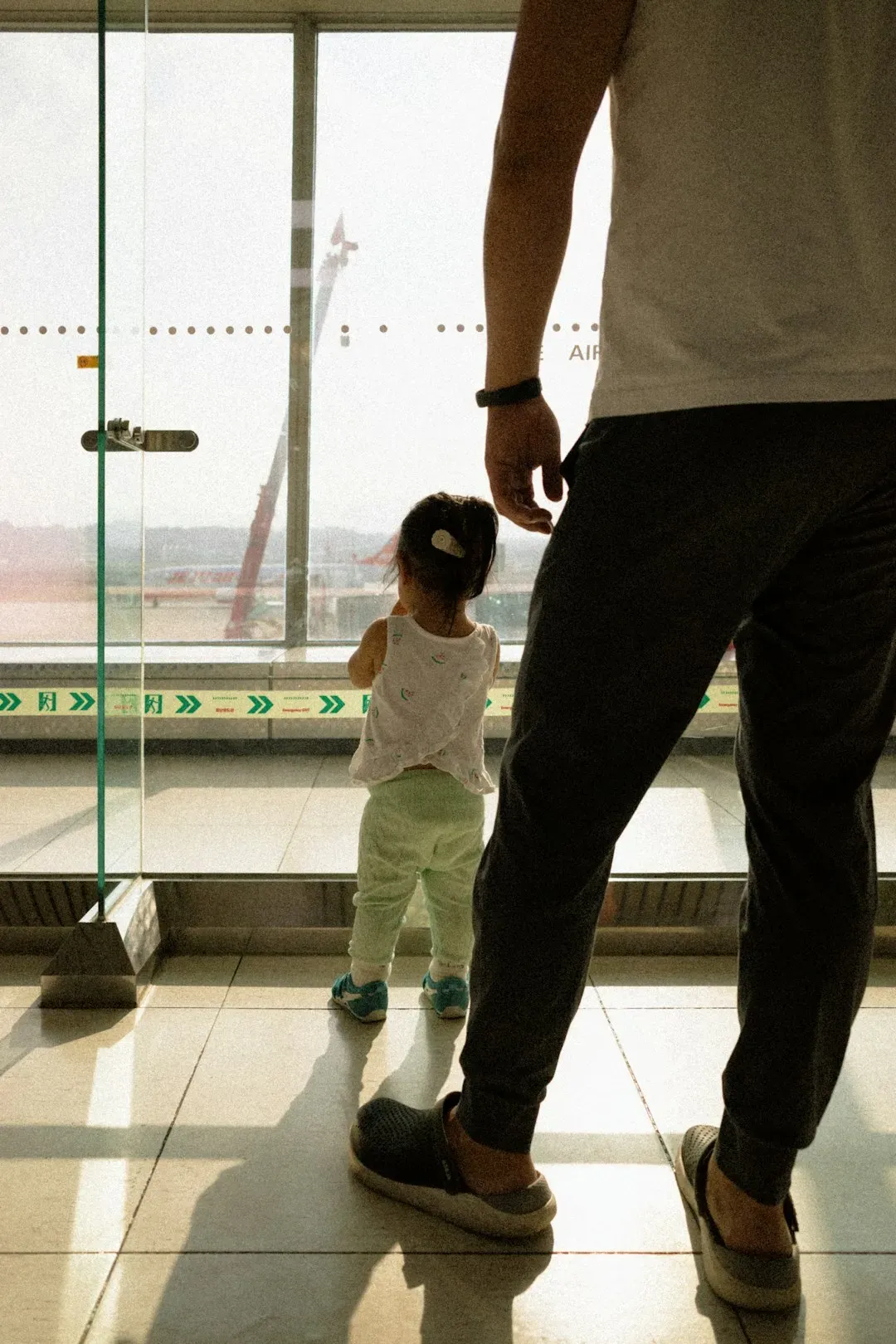
4. Time Your Boarding Wisely (Image Credits: Unsplash)
Boarding is hectic for everyone, and families who board too early risk having their child get bored in the aisle or feel confined before the flight even begins. Boarding later avoids that. Keeping your children at the gate for as long as possible before boarding lets them run around and burn off energy before they’re confined to a seat.
The gate is a great place to burn off some extra energy while you wait. That energy spent running between gate chairs is energy that won’t be directed at the seat-back tray table for the next two hours. That said, getting situated on board does take more time with a young child, and flying with a toddler or baby is stressful enough without having passengers behind you sighing as you struggle to buckle in. Gauge your child’s temperament and find the balance that works for your family.
5. Organize Your Carry-On in Layers
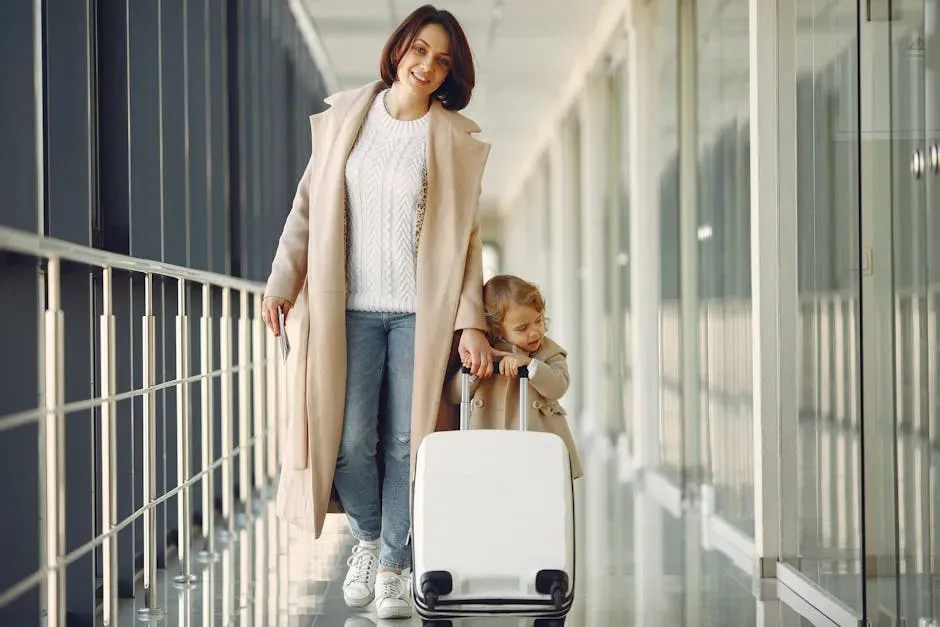
5. Organize Your Carry-On in Layers (Image Credits: Pexels)
The difference between a smooth flight and a rough one often comes down to how you organize your bag rather than just what’s in it. Pack your carry-on in layers that match the flight timeline. The top layer should be boarding documents, a snack, headphones, and one quiet toy for the boarding wait. The middle layer covers meal-time supplies, the main entertainment rotation, and a change of clothes. The bottom layer holds backup items you hopefully won’t need, including extra diapers, a second outfit, and emergency plastic bags.
Keep a bag at your feet rather than in the overhead bin at takeoff and landing. That’s exactly when you might need something quickly, and not being able to move is a rookie mistake many parents only make once. Make sure you have a personal change of clothes for yourself, and extras for your children too.
6. Rotate Entertainment, Don't Unleash It All at Once
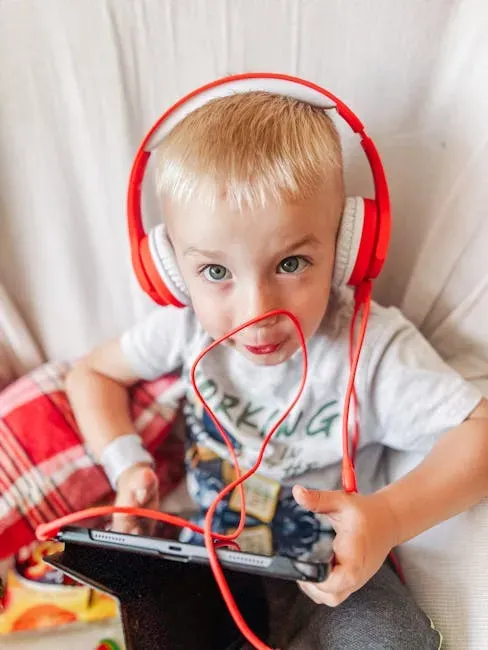
6. Rotate Entertainment, Don't Unleash It All at Once (Image Credits: Pexels)
For toddlers and preschoolers, think in blocks of about fifteen to twenty minutes. No single toy or show will hold their attention for a three-hour flight. Rotate through your entertainment kit, introduce items one at a time, and save the biggest draws, like a new toy or a favorite show, for the last hour when patience runs thinnest.
Bringing small surprises or new toys is worth doing, but strategically. Children are happiest when their curiosity is engaged. New or rarely seen toys, think small puzzles, stickers, and activity kits, provide mental stimulation and distraction when the plane is taking off, landing, or hitting turbulence. Kid-friendly headphones paired with a tablet pre-loaded with downloaded content work well. Streaming services like Netflix, YouTube Premium, and Disney+ all allow offline viewing for previously downloaded shows.
7. Talk to Your Kids About What to Expect Before You Go
7. Talk to Your Kids About What to Expect Before You Go (Image Credits: Unsplash)
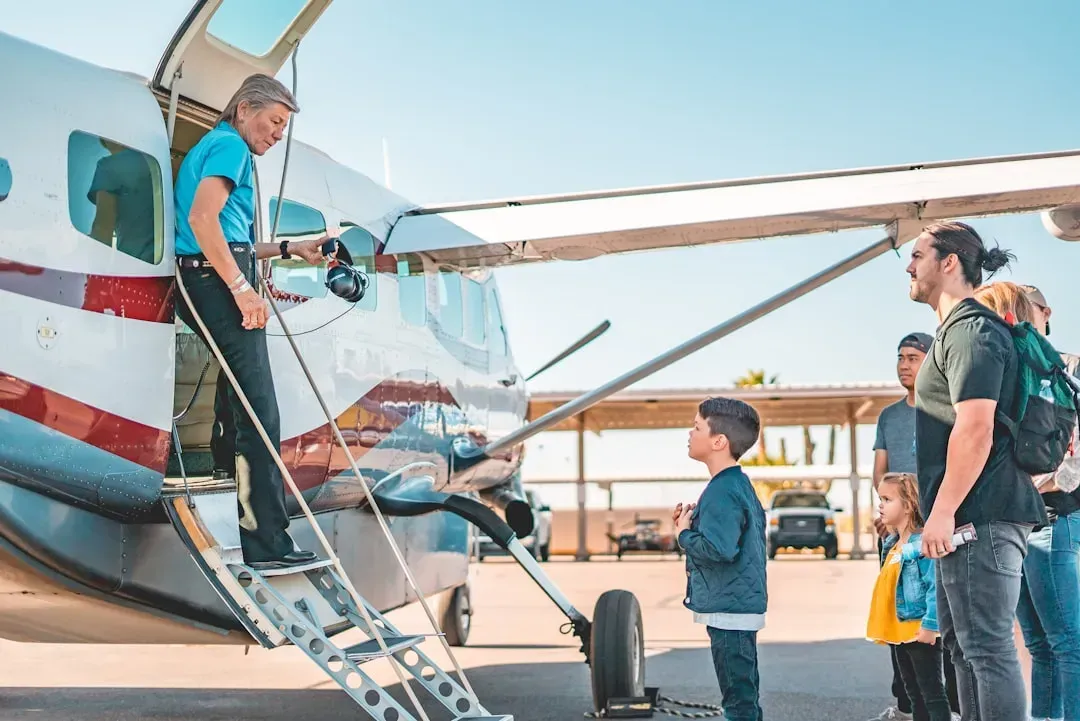
Flight attendants recommend explaining basic rules to children in simple language so they understand what is allowed and what is not during the journey. This reduces confusion and helps children feel more secure in a new environment. Early preparation before boarding consistently improves the experience. Parents are also encouraged to request a brief cockpit visit when available, as this helps children feel secure and more familiar with the journey overall.
Even after the toddler stage, the same principle applies: helping children prepare for the flying experience in advance makes a real difference. Some parents even practice by taking long car trips first. Many of the same challenges come up, from potty breaks to seat-kicking etiquette, and both parents and kids can rehearse good travel behavior before the real thing.
8. Use the Crew, They're There to Help
8. Use the Crew, They're There to Help (Image Credits: Unsplash)
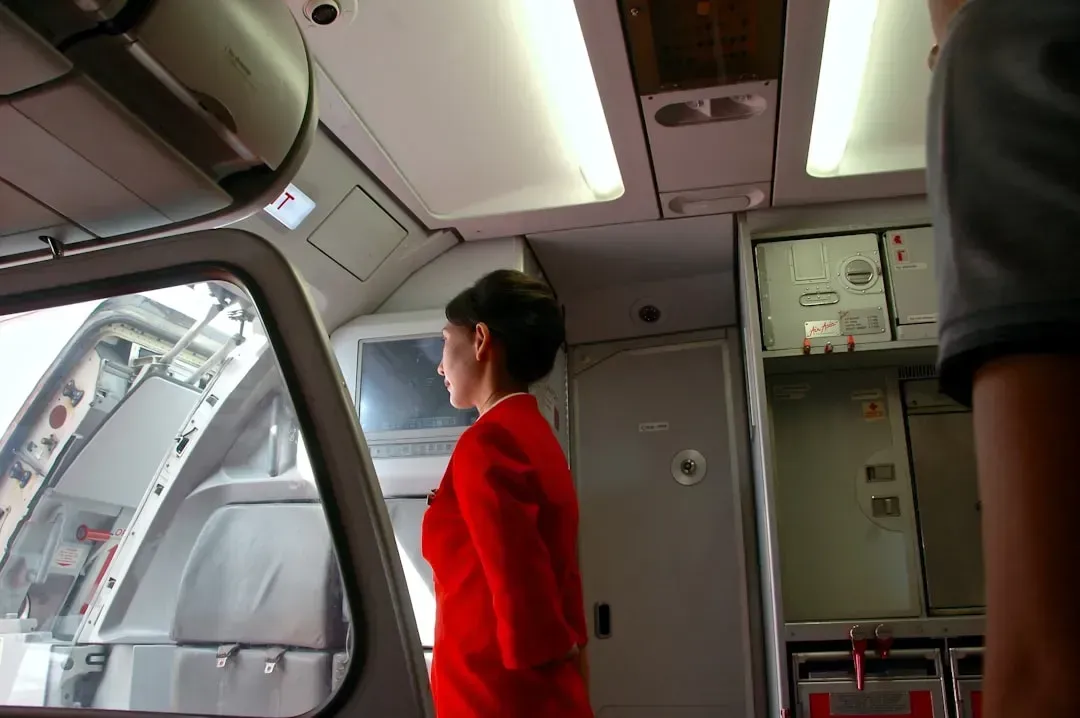
Many in-flight amenities are available simply by asking a flight attendant. They’re also usually happy to hold your baby if you need a bathroom stop or a moment to collect yourself. Communicating kindly and clearly with the crew if your child is experiencing ear pain, motion sickness, or needs any accommodations allows them to better support you and anticipate challenges before they escalate.
Flight attendants will hand out trash bags so you can dispose of snack leftovers and used activity books. Don’t throw diapers into the lavatory trash; flight attendants will dispose of them for you. Giving older children a small in-flight responsibility, like handing you wipes, passing water, or being in charge of a specific item, makes them feel like a trusted part of the process and keeps them usefully occupied.
9. Keep Hydration Consistent Throughout the Flight
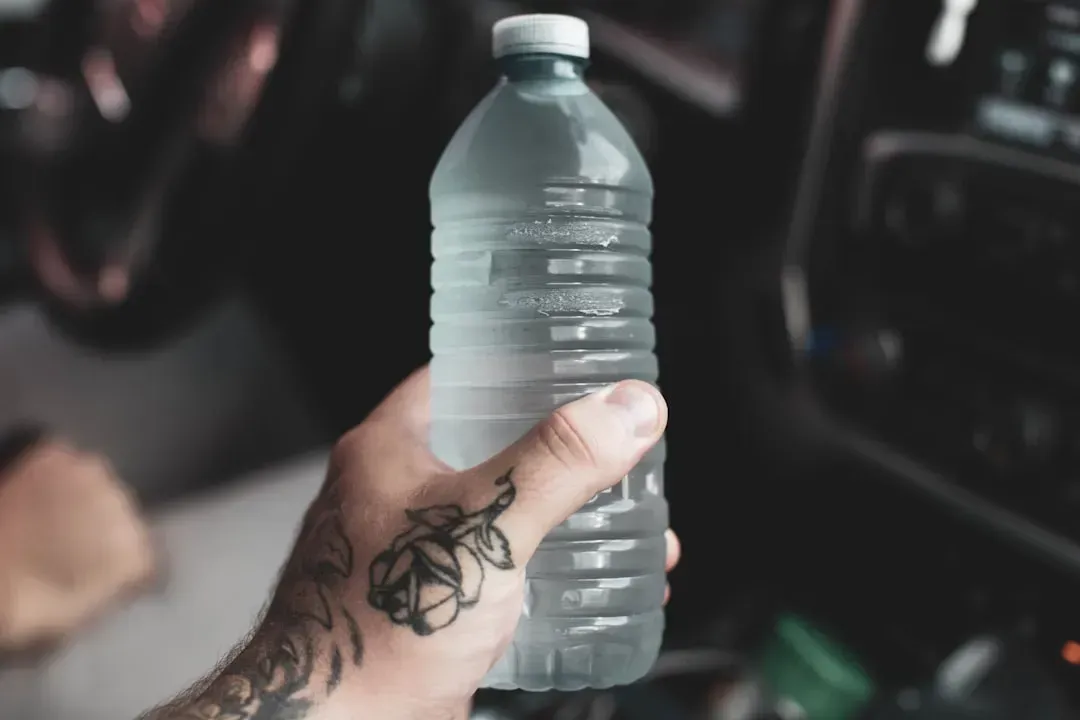
9. Keep Hydration Consistent Throughout the Flight (Image Credits: Unsplash)
Airplane cabins can be dry, and dehydration can worsen jet lag and general discomfort. Make sure your child drinks enough water throughout the flight. Bringing a reusable water bottle and asking flight attendants to refill it as needed is a simple habit worth building. Excessive sugary drinks are worth avoiding, as they can lead to energy spikes followed by crashes.
A leak-proof snack box keeps food in one place, while a spill-proof cup paired with a refillable water bottle handles drinks throughout the flight. Flight attendants are usually happy to refill water bottles on request. The cabin air is dry, so keeping your toddler well hydrated throughout the flight is essential. Dehydration is easy to overlook in the middle of managing everything else, but it quietly affects mood and comfort more than most parents realize until after the fact.